Dalteparin After Surgery: Preventing Blood Clots
Dalteparin after surgery prevents dangerous blood clots during cardiac recovery.
What Is Dalteparin After Surgery Used For?
Dalteparin after surgery is a critical part of preventing deep vein thrombosis (DVT) and pulmonary embolism in patients recovering from cardiac procedures. Dalteparin is a low-molecular-weight heparin (LMWH), a type of anticoagulant medication that slows down the clotting process in your blood. When you undergo heart surgery, your body responds to the trauma of the operation by increasing clotting factors, which raises the risk of dangerous clots forming in the deep veins of your legs or pelvis. This medication interrupts that process before a clot can grow large enough to travel to your lungs.
Why cardiac surgery raises clot risk: During procedures that involve the ascending aorta or an arterial graft, your body releases tissue factors that activate the coagulation cascade. Even after the surgical team closes your incision, this heightened clotting tendency can persist for days or weeks. Patients who remain less mobile during early recovery are especially vulnerable, because blood pools in the lower limbs when walking is limited. Dalteparin addresses both problems simultaneously — it blunts the clotting cascade and compensates for the reduced mobility that naturally follows major surgery.
After cardiac surgery, dalteparin is usually started once the early bleeding risk has settled and continued for a period determined by your specific surgical risk profile. It is administered as a subcutaneous injection — meaning it goes into the fatty tissue just beneath the skin — rather than through an intravenous line. This makes it practical for continued use once you are discharged from hospital, because you or a family member can be taught to administer it at home. Understanding what the medication does, how it works, and what to watch for empowers you to participate actively in your own recovery.
How Dalteparin Prevents Blood Clots in the Body
Dalteparin works by binding to antithrombin, a natural protein in your bloodstream that inactivates thrombin and factor Xa — two of the central enzymes in the clotting cascade. By enhancing antithrombin's activity, dalteparin effectively slows the conversion of fibrinogen to fibrin, the mesh-like protein that forms the structural backbone of a blood clot. Unlike unfractionated heparin, dalteparin has a more predictable dose-response relationship, meaning your cardiac team can prescribe a fixed dose without needing constant laboratory monitoring in most cases.
Targeting factor Xa specifically: Low-molecular-weight heparins like dalteparin preferentially inhibit factor Xa over thrombin. This selective action provides effective anticoagulation while reducing some of the bleeding risks associated with older, unfractionated heparin preparations. Research published in JAMA Network has helped shape current understanding of how LMWH agents compare in postoperative thrombosis prevention, influencing the protocols that cardiac surgery programmes worldwide follow today.
The practical benefit for you as a patient is that dalteparin provides steady, reliable anticoagulation with a half-life of roughly three to five hours after subcutaneous injection, allowing for once- or twice-daily dosing depending on your clinical situation. The medication reaches therapeutic levels within one to two hours of administration, and its effects are maintained over a predictable window. This pharmacological profile is why it has become a preferred option for postoperative clot prevention in cardiac patients who need consistent anticoagulation during the vulnerable early weeks of healing.
When Is Dalteparin Prescribed After Cardiac Surgery?
Your cardiac surgeon will consider prescribing dalteparin after surgery based on several factors: the type of procedure you underwent, your individual clot risk profile, how quickly you are expected to resume walking, and any pre-existing conditions that increase thrombosis risk. Patients who undergo coronary artery bypass grafting, valve replacement, or repair of the ascending aorta commonly receive some form of postoperative anticoagulation. The specific agent and duration depend on guidelines that weigh your bleeding risk against your clotting risk, often using scoring systems such as EuroSCORE II to individualise the approach.
Patients who may need extended dalteparin therapy: Some individuals carry additional risk factors that extend the window during which anticoagulation is advisable. These include a personal or family history of DVT or pulmonary embolism, obesity, older age, prolonged immobilisation, and certain inherited clotting disorders. If you fall into any of these categories, your surgeon may recommend continuing dalteparin injections for several weeks beyond the standard postoperative period. Each decision is individualised — there is no universal duration that applies to every patient.
In rare cases, patients presenting for cardiac surgery also have chest wall deformities such as pectus excavatum, which can complicate both the surgical approach and postoperative recovery. A documented case of simultaneous pectus excavatum repair using sternal plate in a patient undergoing the Bentall procedure illustrates how combined operations require particularly careful anticoagulation planning. When multiple procedures are performed at once, the extended operative time and larger surgical field further increase clot risk, making medications like dalteparin even more important in the recovery protocol. Your surgical team will discuss whether your specific procedure warrants prophylactic anticoagulation and for how long.
Dalteparin vs Heparin: What Is the Difference?
Both dalteparin and unfractionated heparin belong to the same family of anticoagulant medications, but they differ in important ways that affect how they are used after surgery. Unfractionated heparin is a mixture of molecules of varying lengths, which produces a less predictable anticoagulant response and requires frequent blood testing to ensure the dose remains within a safe and effective range. Dalteparin, as a low-molecular-weight heparin, consists of shorter, more uniform molecules that produce a consistent effect at a given dose, allowing most patients to avoid routine laboratory monitoring.
Practical differences that matter to patients: The predictability of dalteparin translates into fewer blood draws, simpler dosing schedules, and a lower risk of heparin-induced thrombocytopenia (HIT), a serious immune-mediated complication that occurs more frequently with unfractionated heparin. Additionally, dalteparin is administered as a simple subcutaneous injection, while unfractionated heparin typically requires a continuous intravenous infusion in a hospital setting. For patients preparing to go home, dalteparin offers a far more manageable pathway. That said, unfractionated heparin still plays an important role when rapid reversibility is needed, because its effects can be turned off quickly by stopping the infusion and administering protamine sulphate.
Some patients transition between the two medications during their recovery. You might receive unfractionated heparin through an arterial line immediately after surgery while your condition is closely monitored in the intensive care unit, then switch to dalteparin injections as you stabilise and prepare for discharge. Your cardiac team will choose the agent that offers the lowest risk for your situation — not necessarily the newest or most expensive option, but the one that best matches your surgical procedure, kidney function, body weight, and bleeding profile.
How to Inject Dalteparin Safely at Home
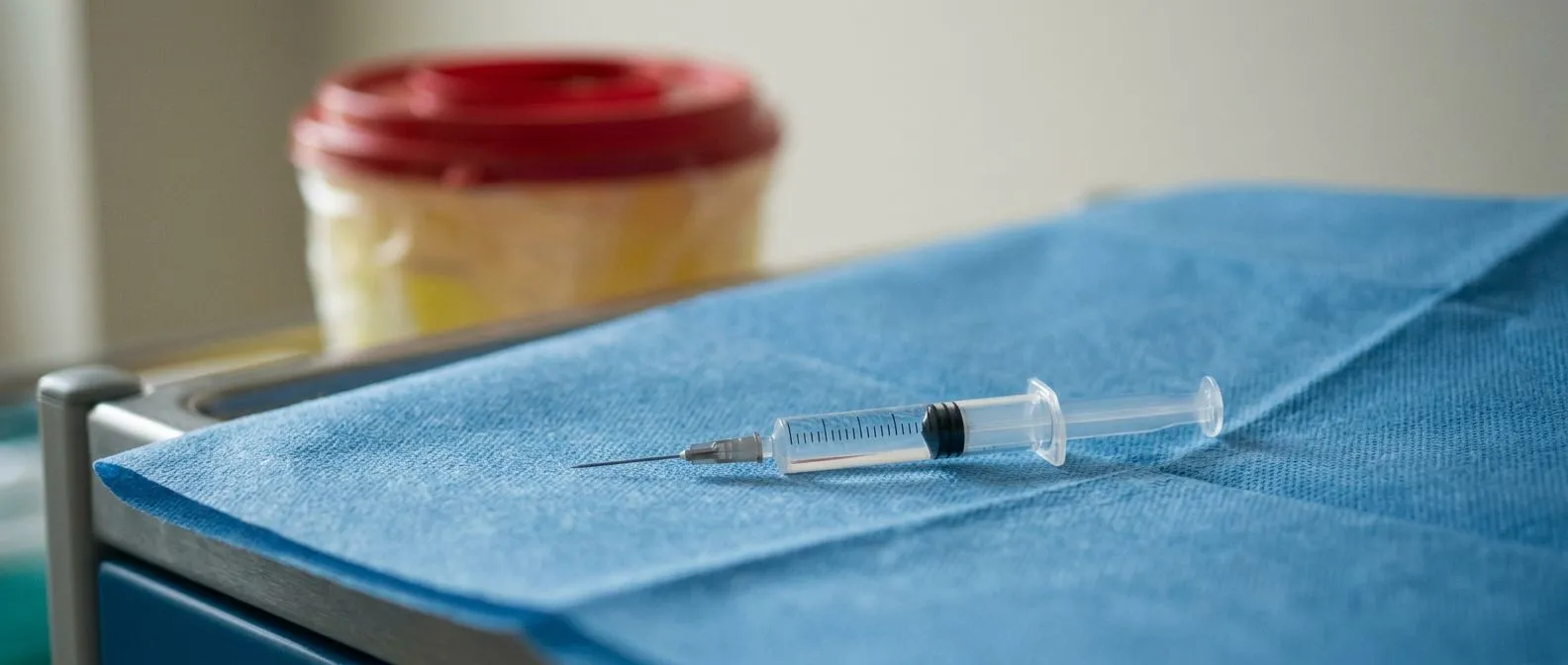
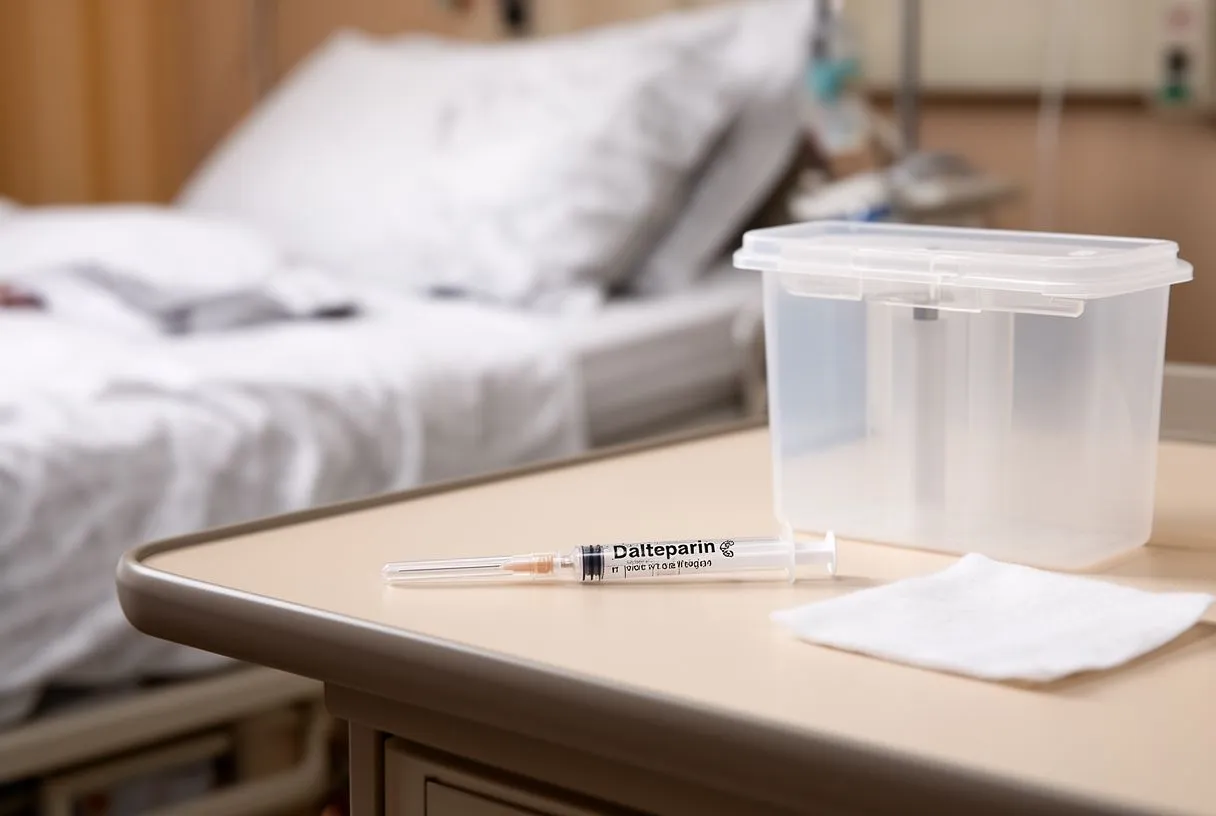
Administering your own dalteparin injection can feel intimidating at first, but with proper instruction it becomes a straightforward routine. The medication comes in prefilled syringes with a fine needle designed for subcutaneous use. Before your discharge, a nurse will demonstrate the technique and watch you practise until you feel confident. The injection is typically given into the fatty tissue of your abdomen, at least two inches away from your navel, alternating sides with each dose to reduce skin irritation.
Step-by-step injection technique: Wash your hands thoroughly and select a clean injection site. Pinch a fold of skin between your thumb and index finger to create a cushion of fatty tissue. Insert the needle at a 90-degree angle (or 45 degrees if you are very thin), push the plunger steadily until all the medication is delivered, and then withdraw the needle. Do not massage the site, as this can cause bruising and may affect how the medication is absorbed. Dispose of the used syringe in a sharps container — never in household waste.
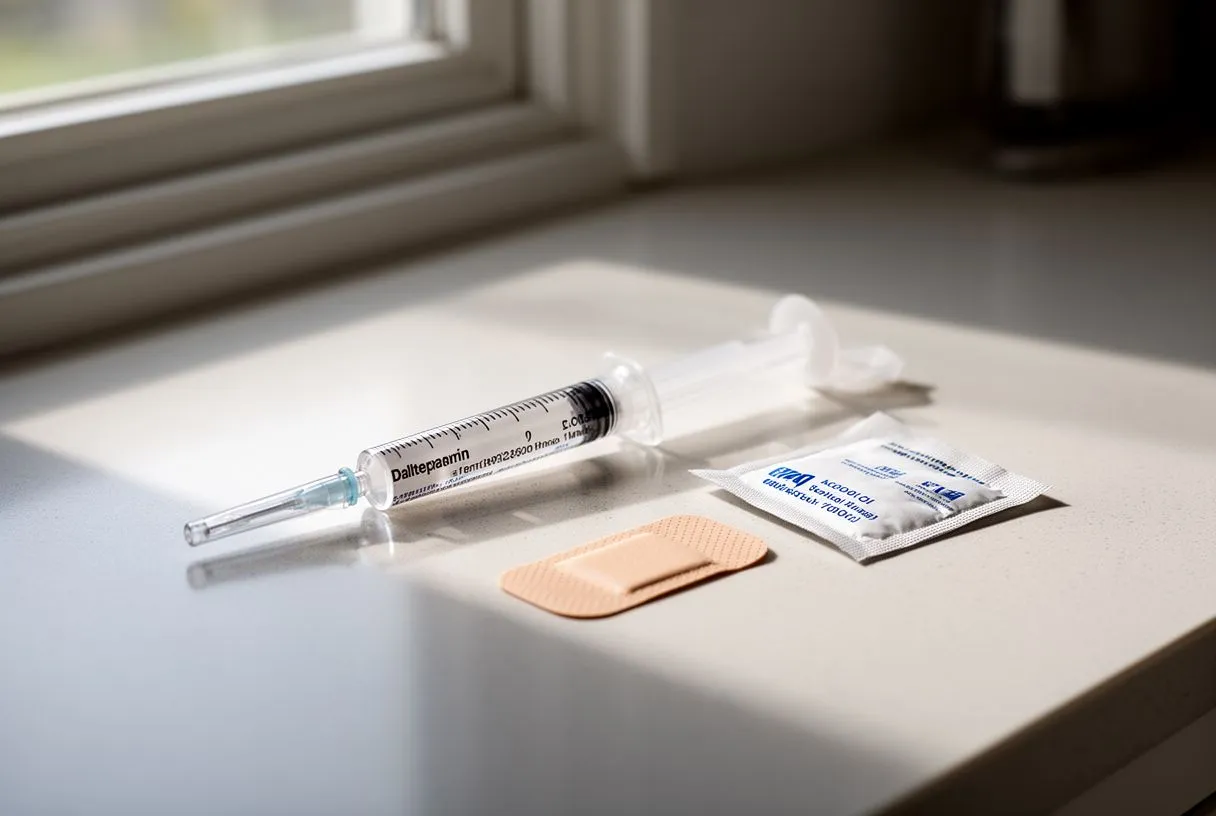
Some patients experience mild stinging at the injection site or notice small bruises that fade over a few days. These are common and not cause for alarm. If you develop persistent pain, a hard lump, or skin that becomes red and warm at the injection site, contact your cardiac team for guidance. It is also important to keep your dalteparin stored at room temperature, away from direct sunlight, and to check the expiry date on each prefilled syringe before use. If you miss a dose, do not double up — take it as soon as you remember, unless it is close to the time for your next scheduled dose, in which case you should skip the missed one and resume your normal schedule.
Dalteparin Side Effects Every Patient Should Know
Like all anticoagulant medications, dalteparin carries both expected and potentially serious side effects that every patient should recognise. The most common side effect is bleeding, which can range from minor bruising at injection sites to more significant bleeding from surgical incisions, gums, or the gastrointestinal tract. Because dalteparin reduces your blood's ability to clot, even small cuts may take longer to stop bleeding than usual. Understanding what is normal and what warrants urgent attention helps you respond appropriately.
Warning signs that require immediate medical attention: Notify your cardiac team or seek emergency care if you experience any of the following:
- Unusual bleeding: Blood in your urine or stool, coughing up blood, or nosebleeds that will not stop after ten minutes of pressure.
- Signs of thrombocytopenia: New or worsening bruising appearing without injury, pinpoint red or purple spots on your skin, or bleeding from your gums when brushing teeth.
- Symptoms of a new clot despite treatment: Sudden arm pain or leg swelling, warmth and redness in one limb, or shortness of breath and chest pain that could indicate a pulmonary embolism.
- Allergic reaction: Rash, itching, difficulty breathing, or swelling of the face and throat after injection.
Less common but serious complications include heparin-induced thrombocytopenia, a paradoxical condition where the medication itself triggers excessive clotting, and spinal or epidural haematoma in patients who receive neuraxial anaesthesia or lumbar puncture while on dalteparin. If you are planning any dental procedure, minor surgery, or diagnostic test during your recovery, inform the treating clinician that you are taking dalteparin so they can coordinate timing and any necessary dose adjustments. Open communication between all your healthcare providers prevents avoidable complications.
Dalteparin Dosage After Surgery: What to Expect
Dalteparin dosage after surgery is determined by your cardiac team based on body weight, kidney function, the specific procedure you underwent, and your overall bleeding risk. The standard prophylactic dose for most postoperative cardiac patients is 5,000 international units (IU) administered once daily by subcutaneous injection. Patients who weigh significantly more or less than average, or who have reduced kidney function, may require adjusted dosing to ensure the medication is neither too weak to prevent clots nor too strong and cause bleeding.
Factors that influence your individual dose: Your surgeon and pharmacist consider several variables when calculating the right amount for you. Kidney function is particularly important because dalteparin is cleared primarily through the kidneys, and reduced renal function can cause the medication to accumulate, increasing bleeding risk. For patients with significant renal impairment, your team may reduce the dose or switch to unfractionated heparin, which is cleared differently. Body weight also matters — underweight patients may need a lower dose, while heavier patients may require more to achieve adequate anticoagulation. Patients who have undergone procedures involving an arterial graft or who are on concomitant medications such as aspirin may have additional considerations, because combining anticoagulants with antiplatelet therapy increases bleeding risk and requires careful dose calibration.
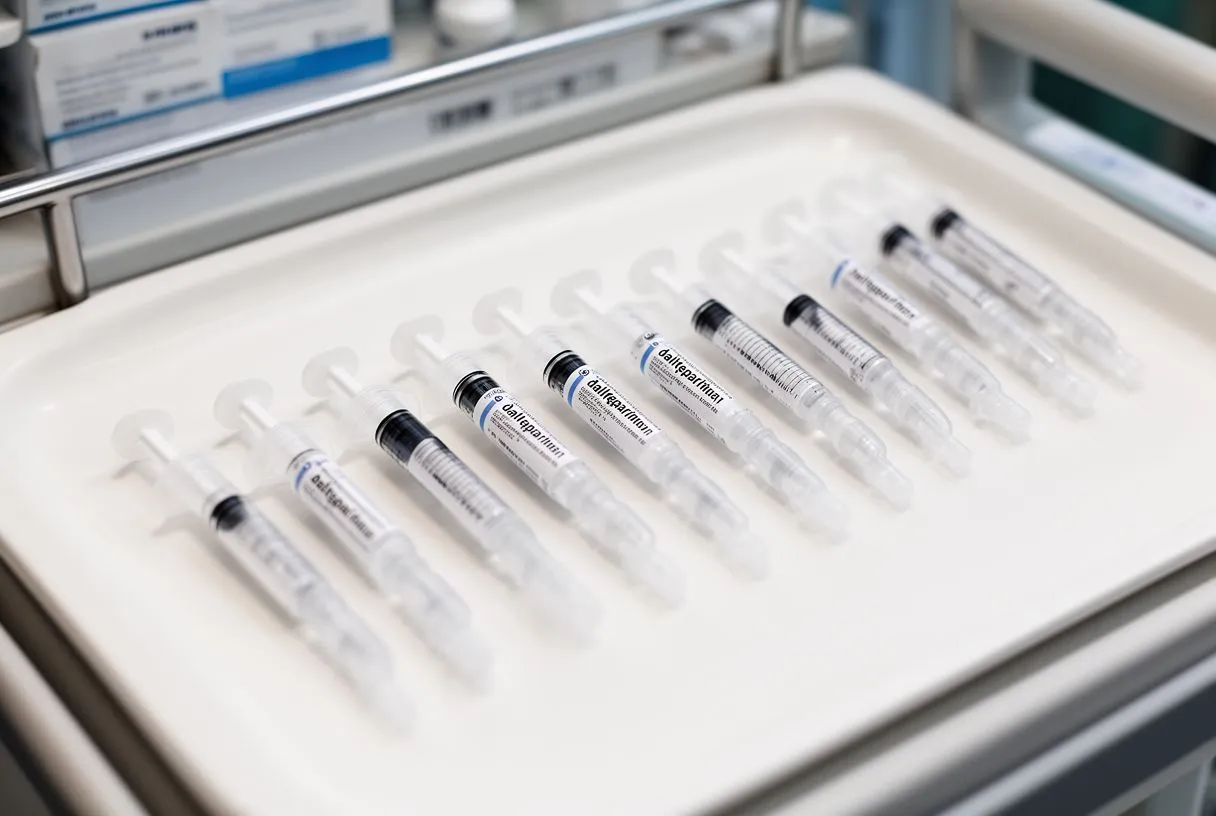
The duration of dalteparin therapy varies by surgical context. For routine coronary bypass, your team may prescribe it for five to seven days. For higher-risk procedures, extended courses of two to four weeks or longer may be recommended. Some patients transition from dalteparin to an oral anticoagulant such as warfarin, particularly after valve replacement surgery, where long-term anticoagulation is standard. Never adjust your dose or stop taking dalteparin without explicit instructions from your prescribing physician — stopping prematurely can lead to a rebound increase in clotting risk that is dangerous in the early postoperative period.
Recovery Timeline While Taking Dalteparin
Your recovery while on dalteparin after surgery unfolds in stages, and understanding what to expect at each point helps you gauge whether your progress is on track. In the first few days after cardiac surgery, you will likely be in the hospital, where your nurses administer the injections and monitor your response. This acute phase focuses on pain control, early mobilisation, and watching for surgical complications. By the time you are ready for discharge, you or a family member will have been trained to continue the injections at home.
Weeks one to two at home: During this period, you are healing from the inside out. Your incisions are closing, your sternum is beginning to knit together if it was opened, and your heart is adjusting to its repaired or replaced structures. Walking short distances several times a day is encouraged, because gentle movement promotes circulation and reduces clot risk. You may notice that you tire easily and need afternoon rest — this is normal. Your dalteparin injections continue during this phase, and you should maintain a consistent schedule. Avoid heavy lifting, driving, and any activity that could strain your chest. Some patients undergo imaging during recovery to assess surgical results; for instance, magnetic resonance imaging in the evaluation of pectus excavatum demonstrates how detailed imaging is used to assess chest anatomy, and similar imaging may be part of your follow-up protocol depending on your procedure.
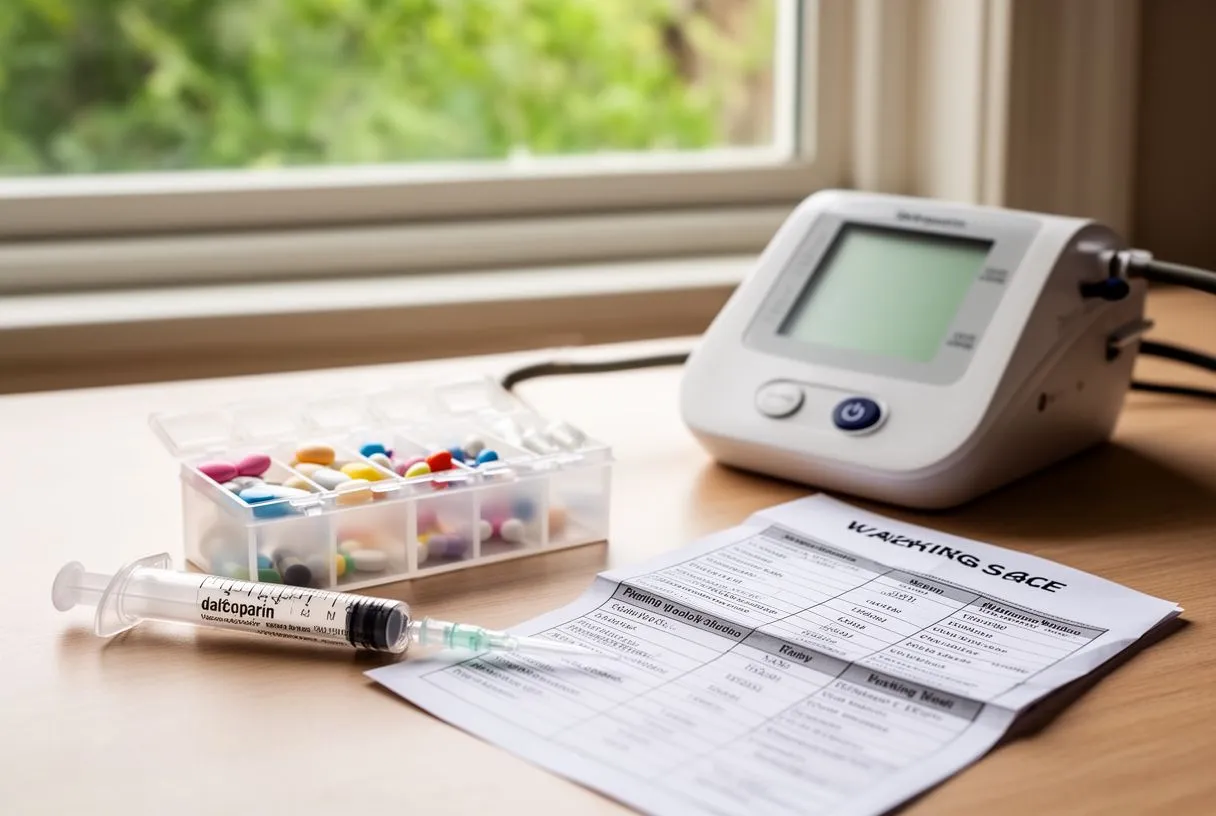
By weeks three to four, most patients have transitioned off dalteparin or are approaching the end of their prescribed course. Your mobility should be improving, your incisions should be well on their way to healing, and your energy levels should be gradually returning. Cardiac rehabilitation typically begins around this time, offering supervised exercise that rebuilds strength safely. If your surgeon has recommended a longer course of dalteparin — for instance, because of an autologous blood transfusion during surgery or a complex arterial graft — you will be given clear instructions about when to stop. Your final follow-up appointment will include a review of your anticoagulation status, an auscultation of your heart to confirm normal valve function, and a discussion of any ongoing medications you may need.
For patients receiving cardiac care in Guadalajara, Querétaro, Hermosillo, and other Mexican cities, access to dalteparin is generally straightforward. The medication is available in prefilled syringes at pharmacies throughout Mexico, and most hospital dispensaries stock it for inpatient use. Cost varies depending on the pharmacy, the brand (dalteparin is sold under the trade name Fragmin and may also be available as a generic), and the number of syringes in each pack. For international patients travelling to Mexico for cardiac surgery, planning ahead for your postoperative medication supply is an important part of your treatment journey.
Insurance and prescription considerations: In Mexico, dalteparin requires a prescription from your treating physician. If you have Mexican health insurance, coverage for postoperative medications varies by plan, and you should confirm with your provider before discharge. For international patients, your home country's insurance may or may not reimburse medications purchased abroad — check your policy details in advance. If you need to continue injections after returning home, ask your team to provide a letter summarising your prescription, including the generic name (dalteparin sodium), dose, frequency, and duration, so a pharmacist in your home country can dispense the equivalent.
Do not attempt to purchase dalteparin without a prescription or from unverified online sources. Counterfeit or improperly stored medications can be ineffective or harmful. If cost is a concern, discuss this openly with your cardiac team — there may be alternative anticoagulant options or patient assistance programmes that can help. The goal is always to provide the safest, most effective clot prevention for your individual situation, and your team can help you find a solution that is both medically sound and financially realistic.
Dalteparin cost and availability in Mexico
For patients receiving cardiac care in Guadalajara, Querétaro, Hermosillo and other Mexican cities, dalteparin is generally easy to obtain. The medicine is available in pre-filled syringes at pharmacies across Mexico, and most hospital pharmacies stock it for use during admission. The cost varies by pharmacy, brand (dalteparin is sold under the trade name Fragmin and may also be available as a generic) and the number of syringes in each pack. If you travel to Mexico from another country for heart surgery, planning your supply of postoperative medicines in advance is an important part of your treatment.
Insurance and prescription considerations: In Mexico you need a prescription from your treating doctor to obtain dalteparin. If you have Mexican health insurance, coverage of postoperative medicines varies by plan, so confirm with your insurer before discharge. If you come from another country, your home insurance may or may not reimburse medicines bought abroad; check the details of your policy in advance. Ask your team whether the prescribed supply can be ready before you leave the hospital. If you need to continue the injections after returning home, ask your team for a letter summarising your prescription that includes the generic name (dalteparin sodium), the dose, the frequency and the duration, so that a pharmacist in your country can dispense the equivalent.
Do not try to buy dalteparin without a prescription or from unreliable online sources. Counterfeit or improperly stored medicines can be ineffective or harmful. If cost worries you, discuss it openly with your Heart Team: alternative anticoagulants or patient-assistance programmes may be available. The aim is always to give you the safest, most effective clot prevention for your particular situation, and your team can help you find a solution that is both medically appropriate and financially workable.
When to Contact Your Cardiac Team About Dalteparin
Knowing when to reach out to your cardiac team while taking dalteparin is essential for a safe recovery. Some concerns can wait until your next scheduled appointment, while others require immediate attention. The distinction matters because both delaying care for a serious problem and rushing to the emergency department for a minor issue can be stressful and potentially harmful. Your surgical team expects and welcomes questions — contacting them is never an inconvenience.
Contact your team promptly if you experience: Any bleeding that does not stop after applying firm pressure for ten minutes, blood in your urine or stool, a fall or injury to your head, new or severe headaches, dizziness, or weakness on one side of your body. Also call if you notice signs of infection at your surgical incision site, such as increasing redness, warmth, swelling, or discharge. If you develop an irregular heartbeat such as atrial flutter, which can occur after cardiac surgery, report this immediately — your team may need to adjust your medications or perform further evaluation. Additionally, if you are taking aspirin or have undergone balloon angioplasty alongside your surgery, the combination of medications requires careful monitoring, and any new symptoms should be reported without delay.
Routine questions — such as whether a small bruise at your injection site is normal, whether you can resume a particular activity, or how to manage minor constipation from reduced mobility — can usually wait for a scheduled follow-up call or appointment. Keep a written log of your injections, any side effects you notice, and questions that arise between appointments. This record helps your team provide better care and helps you feel more in control of your recovery. Above all, remember that your cardiac team is your partner in this process. If you are unsure whether something warrants a call, err on the side of contacting them. No question is too small when your heart and your safety are involved.
In summary, dalteparin after surgery plays a vital role in protecting you from one of the most dangerous complications of cardiac procedures — blood clots that can travel to your lungs and cause life-threatening harm. By understanding what the medication does, how to administer it safely, what side effects to watch for, and when to seek help, you take an active role in your own recovery. Every patient's situation is unique, and the information in this guide is intended to support — not replace — the personalised advice of your qualified cardiac team. If you are preparing for surgery or are currently in recovery and have questions about anticoagulation, we encourage you to book a consultation with Dr Alejandro Molina and his team to discuss your individual circumstances. Your recovery deserves expert, individualised attention.