
Erythrocyte Sedimentation Rate in Heart Infections
Learn how erythrocyte sedimentation rate endocarditis testing helps detect heart valve infections.
When doctors suspect a heart infection, they often reach for a simple, inexpensive blood test that has been used for over a century: the erythrocyte sedimentation rate. This test measures how quickly red blood cells settle to the bottom of a tall, thin tube over the course of an hour. A faster-than-expected settling speed signals that inflammation is present somewhere in the body. For patients facing possible infective endocarditis — an infection of the heart's inner lining or valves — the erythrocyte sedimentation rate offers a first clue that something is wrong, long before imaging can confirm the diagnosis.
What Is the Erythrocyte Sedimentation Rate Test?
The erythrocyte sedimentation rate, often abbreviated as ESR, is a nonspecific marker of inflammation. It does not tell your cardiologist where the inflammation is or what is causing it, only that the body is mounting an inflammatory response. When infection or tissue damage occurs, the liver produces more of certain proteins — fibrinogen and immunoglobulins among them — that coat red blood cells and make them clump together. These clumps, called rouleaux, are heavier than individual cells and sink faster through the plasma column.
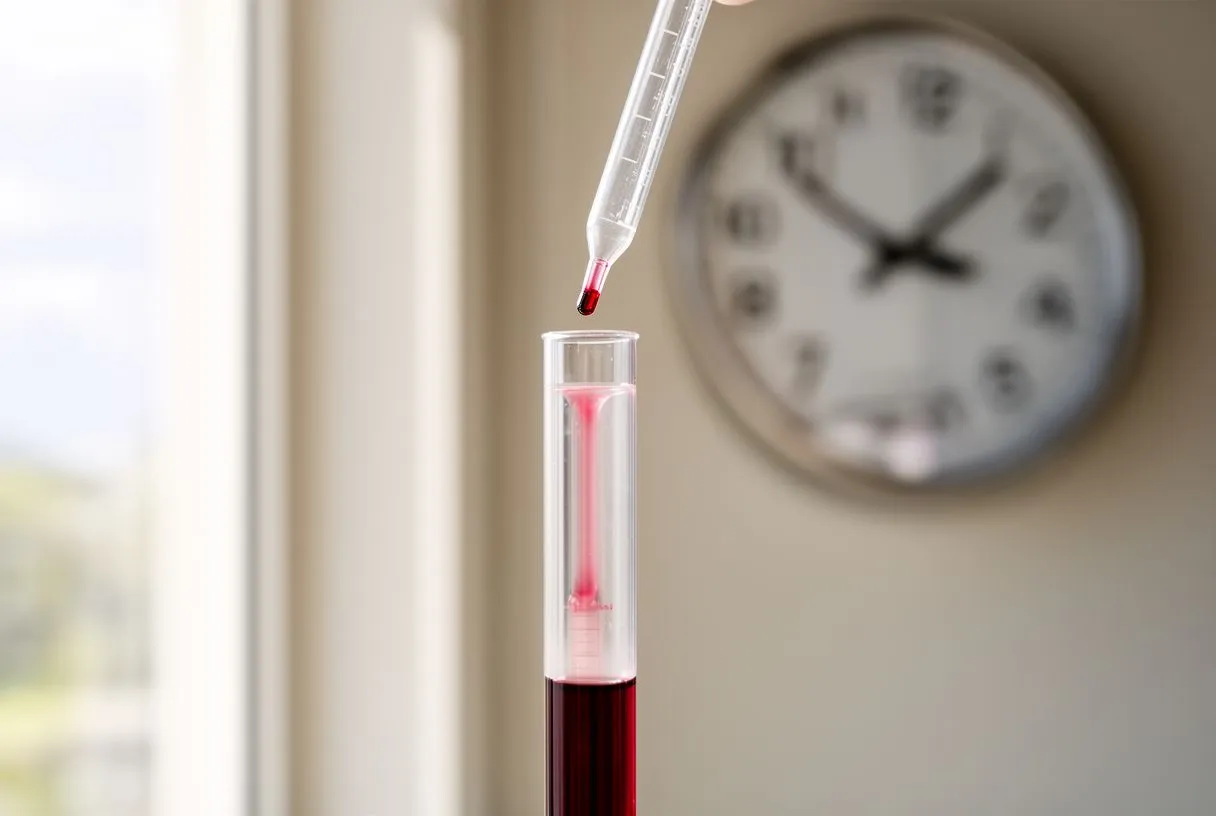
What the test actually measures: A technician draws a small sample of blood and places it in a vertical graduated tube. After exactly one hour, the technician reads how many millimetres of clear plasma sit above the red cell layer. That number, reported in mm/hour, is the erythrocyte sedimentation rate. A healthy adult usually settles at a low rate, while active infection or inflammatory disease pushes the value well above the reference range.
Because the test is cheap, quick and available in virtually every laboratory, it remains a front-line tool in cardiology. Your cardiac team may request it alongside a physical examination and careful auscultation — listening to the heart with a stethoscope — when they hear a new murmur or suspect valve infection.
How Does ESR Help Diagnose Endocarditis?
Infective endocarditis is a serious condition in which bacteria, fungi or other microbes colonise the heart valves or the endocardium. The diagnosis relies on a combination of blood cultures, imaging and clinical findings — the so-called modified Duke criteria — but blood markers of inflammation strengthen the case. An elevated erythrocyte sedimentation rate appears in a large majority of confirmed cases, making it a sensitive, though not specific, clue.
Why ESR rises during valve infection: As microbes settle on a damaged valve, the immune system floods the area with inflammatory proteins. These acute-phase reactants enter the circulation and accelerate red cell clumping. A persistently high value, especially when paired with fever and a new murmur, prompts urgent echocardiography to look for vegetations — small infected clumps attached to the valve leaflets.
Cardiologists interpret the erythrocyte sedimentation rate in context rather than in isolation. A single high reading is rarely diagnostic, but a rising trend over days, combined with positive blood cultures, builds a compelling picture. Because infective endocarditis can damage the aortic or mitral valve and throw infected fragments into the bloodstream, early recognition matters. Established guidance published in The Lancet emphasises that early antibiotic therapy, guided by such markers, reduces embolic complications and valve destruction.
What Are Normal ESR Ranges in Cardiology?
Reference ranges for the erythrocyte sedimentation rate vary with age and sex. For men under 50, a value below 15 mm/hour is generally considered normal; for women under 50, below 20 mm/hour. Older adults have slightly higher acceptable limits — up to 20 mm/hour for men over 50 and 30 mm/hour for women over 50 — because inflammation tends to accumulate with age. Children usually have lower values, and newborns register only a few millimetres per hour.
What counts as elevated: A reading above 30–40 mm/hour raises concern in most adults, while values exceeding 80–100 mm/hour suggest marked, often systemic inflammation. In endocarditis, levels frequently climb above 50 mm/hour, reflecting ongoing microbial assault on the valve tissue. A result in this range, even without obvious symptoms, usually triggers further investigation.

A mildly raised erythrocyte sedimentation rate does not automatically mean heart infection. Minor viral illness, anaemia, pregnancy and even aging can push the number upward. That is why your cardiac team compares the result against your baseline, repeats the test after a few days, and pairs it with clinical judgment before drawing conclusions.
ESR vs CRP: Which Blood Test Is Better for Heart Infections?
Cardiologists rarely rely on a single marker. Two inflammatory tests dominate the work-up of suspected heart infection: the erythrocyte sedimentation rate and C-reactive protein, or CRP. Both reflect inflammation, but they behave differently in timing and sensitivity. Understanding the difference helps patients interpret their own lab reports.
Speed and sensitivity: CRP rises within hours of tissue injury and falls quickly once inflammation resolves, making it ideal for tracking day-to-day response to antibiotics. The erythrocyte sedimentation rate changes more slowly — rising over days and lingering for weeks even after the infection clears. This sluggishness makes ESR less useful for rapid monitoring but valuable as a long-term indicator.
Complementary roles: Many teams order both. CRP offers a fast snapshot, while the erythrocyte sedimentation rate confirms that a chronic inflammatory process is still active. In bacterial endocarditis, a falling CRP with a still-high ESR is common midway through treatment and does not necessarily mean failure. Conversely, a persistently elevated CRP after weeks of antibiotics may signal an abscess or inadequate source control.
What Causes an Elevated ESR in Heart Valve Infections?
Several overlapping mechanisms can push the erythrocyte sedimentation rate upward in someone with a valve infection. The dominant driver is the acute-phase response: microbes on the valve trigger white cells and the liver to release inflammatory proteins that promote rouleaux formation. But endocarditis rarely occurs in isolation, and other factors often compound the rise.
Secondary contributors to a high reading: Patients with endocarditis frequently have anaemia of chronic disease, which independently accelerates settling. Kidney involvement from immune-complex deposition, common in subacute infections, adds uremia-related changes. Pre-existing conditions — such as rheumatoid arthritis, which itself elevates ESR — can mask or mimic cardiac inflammation, complicating interpretation.
Non-infectious causes worth ruling out: A high value does not prove infection. Malignancy, autoimmune disease, tissue necrosis and even recent surgery can elevate it. This is why the cardiac team integrates the erythrocyte sedimentation rate with blood cultures, echocardiography and the clinical picture. Research on multifactorial intervention to prevent cardiovascular disease in patients with early rheumatoid arthritis highlights how systemic inflammation blurs the line between autoimmune and infectious causes, underscoring the need for careful differential diagnosis.
How Is ESR Used Before Cardiac Surgery?
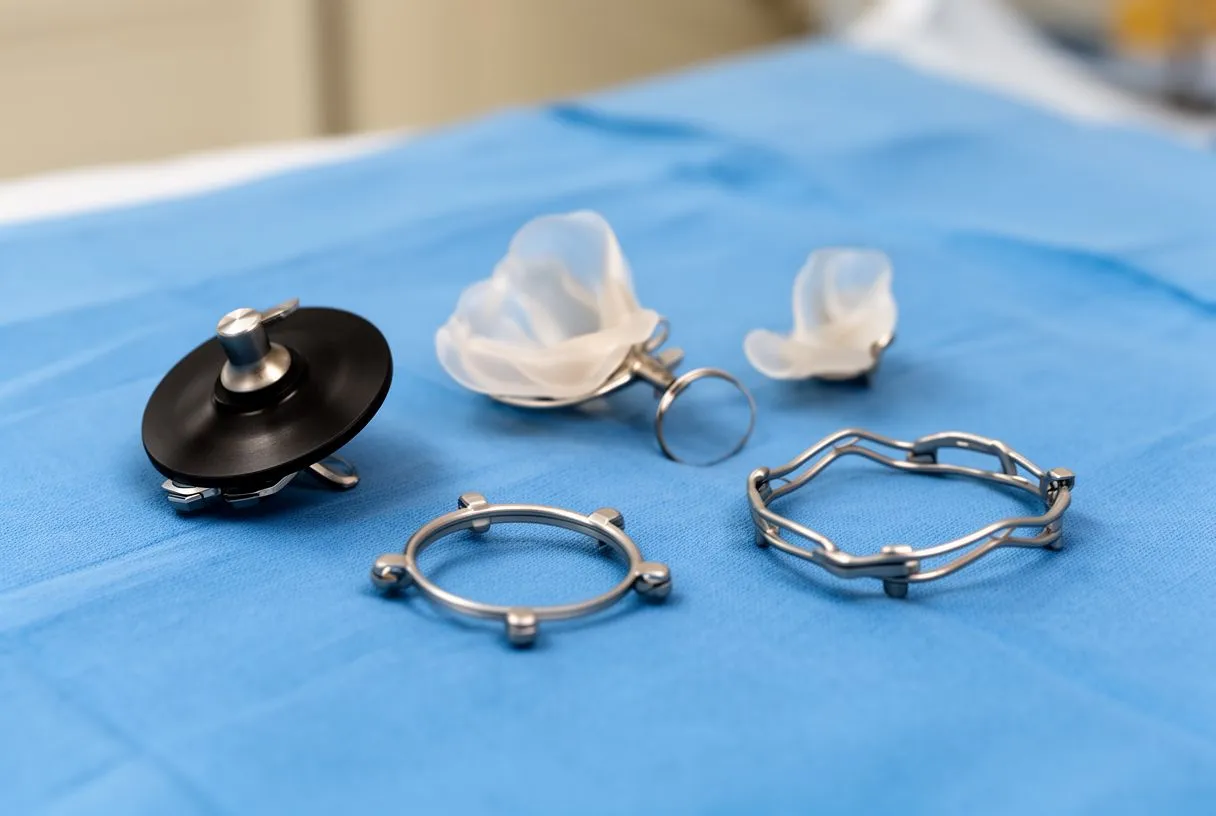
Before any valve surgery — whether a repair, a replacement with an autograft (the patient's own tissue), or implantation of a prosthetic valve — surgeons need to know whether active infection is simmering. The erythrocyte sedimentation rate forms part of the preoperative infectious screen, alongside white cell counts and CRP. An unexpectedly high value may delay elective surgery until the source is identified and treated.
Risk stratification: Elevated inflammation predicts a more turbulent postoperative course. Patients with a markedly raised erythrocyte sedimentation rate before surgery tend to have longer intensive-care stays and higher rates of recurrent infection. This is especially relevant when the patient also carries atheromatous plaque in the coronary arteries, because inflammation destabilises cholesterol deposits and raises perioperative risk. Knowing the value in advance lets the surgical team plan antibiotic timing, valve choice and perioperative monitoring more precisely.
Timing the operation: In acute endocarditis, surgeons balance the urgency of controlling heart failure against the desire to sterilise the valve first. A falling erythrocyte sedimentation rate and negative blood cultures support delaying surgery to reduce reinfection risk, whereas a climbing value with worsening valve leak argues for immediate intervention regardless of inflammatory status. Each decision is individualised, weighing the structural severity of the valve damage against the infection's trajectory.
Can ESR Monitor Treatment for Bacterial Endocarditis?
Once antibiotics begin, the goal shifts from diagnosis to monitoring. The erythrocyte sedimentation rate helps track whether the body's inflammatory burden is shrinking. Because it falls slowly, clinicians look at the trend over weeks rather than single readings. A steady downward slope reassures the team that therapy is working.
What the trend tells us: A decline of roughly 30–50 percent over the first two weeks of appropriate antibiotics generally indicates a favourable response. If the value plateaus or rises after initial improvement, doctors question whether the organism is resistant, whether an abscess has formed, or whether a prosthetic component is seeded. Persistent elevation often prompts repeat imaging.
When to extend therapy: Standard endocarditis treatment lasts four to six weeks intravenously. A still-high erythrocyte sedimentation rate near the planned end date may justify extending antibiotics, especially if CRP also remains elevated. Economic analyses of stepwise provisional versus systematic dual stenting strategies in patients with distal bifurcation left main stem lesions illustrate how treatment length and approach must balance effectiveness against resource use — a principle that applies equally to prolonged antibiotic courses for valve infections.
Are There Limitations to ESR in Diagnosing Heart Infections?
No single blood test can diagnose endocarditis, and the erythrocyte sedimentation rate is no exception. Its greatest strength — sensitivity to inflammation — is also its greatest weakness, because almost any inflammatory state can raise it. A normal value can be falsely reassuring, and a high value can be misleading.
False negatives and false positives: Heart failure, polycythaemia (an excess of red cells) and sickle cell disease can keep the reading low even during genuine infection. Conversely, pregnancy, anaemia, kidney failure and older age elevate it without infection. A patient with a long-standing high baseline from autoimmune disease may show a deceptively modest rise when endocarditis actually develops.
Practical workarounds: Cardiologists anchor interpretation to the individual. They establish a personal baseline, watch the direction of change, and combine the erythrocyte sedimentation rate with CRP, blood cultures and echocardiography. Imaging remains the definitive confirmation: seeing vegetations on a valve, supported by positive cultures, makes the diagnosis even when blood markers are ambiguous.
- Age and sex skew: Reference ranges shift upward with age and differ between men and women, so a "normal" value must be interpreted against the right baseline.
- Concurrent conditions: Anaemia, pregnancy and renal failure independently elevate ESR and can mimic infection.
- Slow kinetics: The rate changes over days to weeks, lagging behind real-time clinical improvement or deterioration.
How Does Autoimmune Heart Disease Affect ESR?
Autoimmune conditions complicate the use of inflammatory markers in cardiology. Diseases such as rheumatoid arthritis, lupus and giant cell arteritis chronically elevate the erythrocyte sedimentation rate, creating a noisy background against which a new heart infection must be detected. Patients with these conditions are also more vulnerable to valve involvement, either from the disease itself or from immunosuppressive treatment.
Distinguishing flare from infection: A sudden further rise in a patient with a chronically high baseline may represent a disease flare, an infection, or both. CRP can help separate the two: it tends to jump more sharply with infection than with chronic autoimmune activity, though overlap exists. Clinical signs — new fever, changing murmur, embolic events — guide the differential.
Autoimmune valve disease: Some rheumatological diseases directly damage valves. Libman-Sacks endocarditis, seen in lupus, produces sterile vegetations that raise the erythrocyte sedimentation rate without growing any organism. Many of these patients already take low-dose aspirin for cardiovascular prophylaxis, which complicates interpretation of bleeding-related complications. Recognising this prevents unnecessary antibiotic courses while ensuring that true infection is not missed through false attribution to autoimmune activity.

When Should You Ask Your Cardiologist About ESR Testing?
Patients and families often wonder when a simple blood test warrants concern. The erythrocyte sedimentation rate is not a screening tool for healthy individuals, but it becomes relevant when symptoms suggest possible heart infection: unexplained fever lasting more than a few days, a new or changing heart murmur, night sweats, unexplained weight loss, or small bleeding spots under the fingernails or on the palms.
Red-flag scenarios: If you have a prosthetic valve, a history of endocarditis, congenital heart disease, or recent dental or surgical procedures accompanied by persistent fever, ask your cardiac team whether inflammatory markers should be checked. Do not interpret a single number yourself — the value only makes sense alongside your history, examination and imaging.
Next steps: If your erythrocyte sedimentation rate is elevated, your cardiologist will arrange further tests to find the cause. These may include blood cultures, an echocardiogram and, in some cases, a CT or PET scan. The goal is not to chase the number but to identify and treat the underlying process. If you are experiencing symptoms that concern you, the most reliable next step is to discuss your situation with a qualified cardiac team and book a consultation rather than self-diagnosing from a lab report.
- Persistent fever: Unexplained fever lasting over three days, especially with a known valve condition, warrants prompt evaluation.
- New murmur: A heart sound your doctor has not noted before, detected during routine auscultation, should prompt inflammatory and imaging work-up.