


Frailty and Heart Surgery: How Doctors Weigh the Risk
Frailty heart surgery risk affects every decision surgeons make.
What Is Frailty Heart Surgery Risk and Why It Matters
When a cardiac surgeon sits down with a patient to discuss an operation, the conversation almost always turns to risk. Understanding frailty heart surgery risk means recognising that not every patient arrives at the operating room with the same physiological reserves. Frailty is a state of decreased biological resilience — the body's reduced ability to respond to physical stress, recover from injury, and maintain function under pressure. It is not simply a synonym for old age, and it does not appear on a standard blood test. Instead, it emerges from a combination of muscle loss, chronic inflammation, nutritional deficits, and reduced activity that accumulate quietly over years. For patients facing procedures on the ascending aorta or undergoing valve replacement, this hidden vulnerability can change everything about how the surgical team plans, operates, and manages recovery.
Frailty vs normal aging — why the distinction changes everything. A 72-year-old patient who walks five kilometres daily, eats well, and has good muscle mass may sail through surgery with fewer complications than a 58-year-old patient who is sedentary, undernourished, and losing weight unintentionally. This is why surgeons look beyond chronological age. Research published by the BMJ has long supported the idea that frailty independently predicts postoperative mortality, length of hospital stay, and the likelihood of needing discharge to a rehabilitation facility rather than home. The concept reshapes how we think about preoperative fitness: a patient is not "cleared for surgery" simply because their heart function looks acceptable on imaging. The whole-body reserve matters.
For families trying to make sense of a recommendation, this is the key takeaway: a surgeon who raises the word "frailty" is not saying the operation cannot be done. They are saying the approach needs to account for vulnerabilities that a standard risk calculator might miss. Patients with significant atheromatous plaque in their coronary arteries may still benefit from revascularisation, but the timing, technique, and intensity of postoperative care will be tailored. The goal is always the lowest risk approach for your specific situation — not the lowest risk on paper, but the one that accounts for who you are as a complete person.
How Doctors Assess Frailty Before Cardiac Surgery
The assessment of frailty before heart surgery begins not in the operating room but in the consultation, where the surgical team gathers a complete clinical picture. Doctors evaluate frailty through a combination of physical measurements, functional tests, questionnaires, and sometimes laboratory markers such as albumin levels or haemoglobin. The process is designed to answer one central question: does this patient have the biological reserve to tolerate the stress of cardiopulmonary bypass, the inflammatory response to surgery, and the demanding recovery period that follows? A patient who appears well-rested in clinic may still show signs of frailty when asked to perform simple tasks like standing from a chair without using their arms or walking a short distance at a normal pace.
Physical performance tests that reveal hidden frailty. Among the most widely used tools are gait speed — timing how long it takes a patient to walk five metres — and grip strength, measured with a simple hand dynamometer. A gait speed below 0.8 metres per second is a strong predictor of postoperative complications and is used in many centres as part of routine preoperative frailty assessment for heart surgery. These tests take minutes to perform but provide information that no imaging study can replicate. They capture the integrated output of muscle, nerve, balance, and cardiovascular function in a way that reflects real-world resilience. Some programmes also incorporate the Fried frailty phenotype, which identifies frailty based on five criteria: unintentional weight loss, exhaustion, low physical activity, slow gait speed, and weak grip strength.
The results of these assessments are then combined with established surgical risk scores such as EuroSCORE II, which calculates predicted mortality based on factors including age, urgency of surgery, and cardiac function. However, standard risk scores can underestimate risk in frail patients because they were developed primarily using age and comorbidity data. When a frailty assessment is layered on top, the picture becomes more accurate. A patient with a moderate EuroSCORE but severe frailty may warrant a different surgical strategy — perhaps a less invasive approach, or additional preoperative optimisation such as nutritional support and supervised exercise before the operation is scheduled.
Key Frailty Score Heart Surgery Metrics Explained
Several validated scoring systems help quantify frailty in the context of cardiac surgery, each approaching the problem from a slightly different angle. The Clinical Frailty Scale, developed at Dalhousie University, uses a simple 1-to-9 rating based on clinical judgement and patient or caregiver description of daily function. A score of 4 indicates "vulnerable" — not dependent, but slowing down — while a score of 6 or higher indicates moderate to severe frailty with increasing dependency. This scale is favoured in many cardiac centres because it requires no specialised equipment and can be applied during a standard consultation, making it practical for busy preoperative clinics where patients may be travelling from significant distances to reach a specialist centre.
The Fried phenotype and frailty index — two complementary approaches. The Fried phenotype, mentioned earlier, classifies patients as frail if they meet three or more of five criteria, pre-frail if they meet one or two, and robust if they meet none. The Edmonton Frail Scale adds cognitive assessment, drawing on the recognition that cognitive impairment frequently accompanies physical frailty and independently predicts postoperative delirium. The Frailty Index takes a different approach entirely: it accumulates deficits across dozens of health variables — comorbidities, laboratory abnormalities, functional limitations — and expresses frailty as a proportion of possible deficits present. A higher index means greater frailty and, consistently, higher surgical risk.

No single score is perfect, and most experienced surgical teams use a combination of tools rather than relying on one number. A patient may score well on the Clinical Frailty Scale but show concerning results on gait speed testing, or vice versa. The value lies in building a converging picture. When multiple assessments point in the same direction, confidence in the overall risk profile increases. When they diverge, the surgical team digs deeper — perhaps requesting a formal geriatric assessment, additional imaging, or a period of preoperative optimisation before committing to a date. This is not delay for its own sake; it is gathering the information needed to offer the safest possible pathway.
Elderly Heart Surgery Risks vs Frailty Factors
The distinction between age-related surgical risk and frailty-related risk is one of the most important concepts for patients and families to grasp. Advanced age does increase baseline surgical risk — older hearts tend to have stiffer valves, more extensive coronary disease, and less reserve to tolerate periods of low blood flow during bypass. But age alone is a crude predictor. A fit 80-year-old can have outcomes that approach those of much younger patients, while a frail 65-year-old may face a complicated recovery. The tendency to equate "elderly" with "high risk" leads to two errors: denying appropriate surgery to fit older patients, and underestimating danger in younger but frail patients.
- Age-related factors: valve calcification, reduced renal function, coronary extent, prior atrial flutter, and medication complexity that accumulate with decades of life.
- Frailty-related factors: muscle wasting, slow gait, unintentional weight loss, exhaustion, and reduced physical activity — measurable regardless of birth date.
- Shared risk areas: cognitive impairment, polypharmacy, social isolation, and nutritional deficiency that overlap between the two categories but drive decisions differently.
Consider two patients referred for evaluation of severe aortic stenosis. The first is 79 years old, still working part-time, walking daily, and preparing meals independently. The second is 64, recently hospitalised with pneumonia, has lost eight kilograms over six months, and now uses a walker for short distances. Standard risk assessment based on age and comorbidity might label the first patient as higher risk. The frailty assessment reverses this picture entirely. The second patient's diminished physiological reserve makes them far more vulnerable to complications such as prolonged ventilation, infection, and failure to wean from support. This is why a surgeon may recommend balloon aortic valvuloplasty as a bridge or a less invasive transcatheter approach for the frail patient while offering a durable surgical valve replacement to the older but robust one.
Medications such as aspirin for secondary prevention or anticoagulation managed under protocols like those studied in the ARISTOTLE trial do not themselves define frailty, but polypharmacy — the burden of managing many medications — correlates strongly with it. A patient taking twelve different medications is more likely to experience drug interactions, miss doses, and suffer nutritional consequences that erode reserve over time. When the surgical team reviews the medication list during preoperative assessment, they are not just checking for bleeding risk; they are reading a narrative about the patient's overall health trajectory and the complexity they will face during recovery.
Preoperative Frailty Assessment Heart Procedures
The preoperative frailty assessment is not a single appointment but a sequence of evaluations that build on each other. It typically begins when the referring cardiologist sends the patient to a surgical centre, where a nurse coordinator gathers baseline information: medical history, current symptoms, medication list, and functional status as reported by the patient and family. This initial screen may flag concerns — such as recent falls, weight loss, or increasing shortness of breath with minimal exertion — that prompt a more detailed frailty evaluation before the surgeon even sees the patient. The aim is to ensure that by the time a surgical recommendation is made, the team has a full understanding of both the cardiac problem and the patient's capacity to recover from intervention.
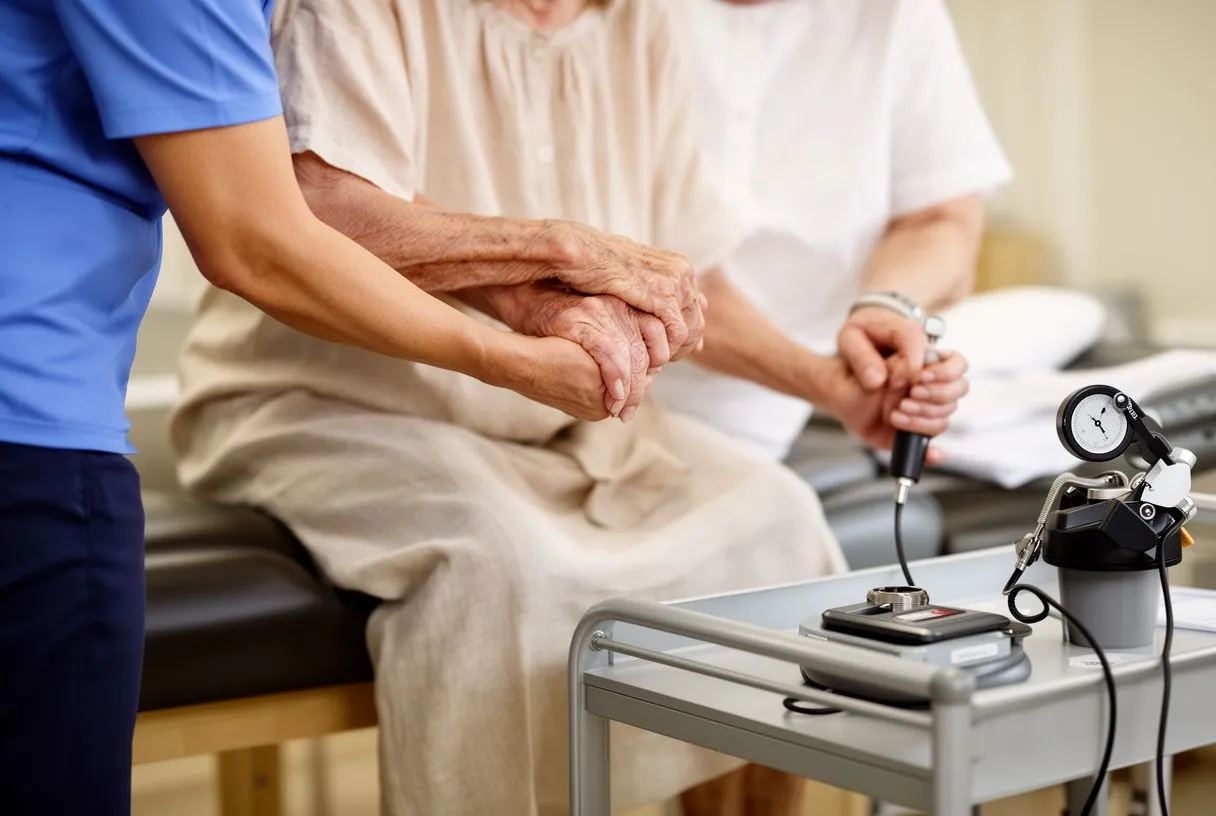
What happens during a comprehensive frailty evaluation. The evaluation combines physical testing with structured questionnaires and sometimes laboratory work. The physical component includes gait speed, grip strength, and sometimes a timed up-and-go test — measuring how long it takes a patient to rise from a chair, walk three metres, turn, and sit back down. The cognitive component screens for confusion or memory impairment using tools like the Montreal Cognitive Assessment, because postoperative delirium is more common in patients with pre-existing cognitive decline. Nutritional status is assessed through body mass index, recent weight history, and sometimes blood tests for albumin. The entire evaluation may take thirty to forty-five minutes and provides the surgical team with a multidimensional risk profile that no single test can match.
For patients travelling for cardiac care, the assessment process may begin remotely. Records, imaging studies, and functional questionnaires can be shared electronically before travel, allowing the team to determine whether additional testing is needed on arrival or whether the patient can proceed directly to surgical planning. This matters because frailty assessments performed in the patient's home community may use different tools or standards. The surgical centre needs confidence in the data before making recommendations, and patients need to understand that the evaluation is not bureaucratic delay but essential preparation for a safe operation.
Frailty and Cardiac Outcomes: What the Evidence Shows
The evidence linking frailty to cardiac surgical outcomes is now substantial and consistent across multiple studies. Frail patients undergoing cardiac surgery face higher rates of mortality, longer stays in intensive care, more frequent need for mechanical ventilation beyond 48 hours, and greater likelihood of discharge to a skilled nursing facility rather than home. They are also more susceptible to postoperative complications that may not be immediately life-threatening but profoundly affect quality of life: delirium, pressure injuries, deep vein thrombosis, and functional decline that may never fully reverse. One large analysis found that frail patients were two to three times more likely to experience major morbidity or mortality after cardiac surgery compared with non-frail patients of similar age.
The pandemic years introduced additional complexity. Patients awaiting elective cardiac surgery faced delays that, for frail individuals, often meant further deconditioning. Studies documenting Immediate Psychological Responses and Associated Factors during the Initial Stage of the 2019 Coronavirus Disease (COVID-19) Epidemic among the General Population in China revealed widespread anxiety, depression, and stress that themselves contributed to reduced activity and worsening physical function. For frail cardiac patients, this combination of delayed surgery and psychological stress created a compounding effect: the longer they waited, the frailer they became, and the riskier the eventual operation grew. This experience has pushed many centres to prioritise timely intervention for vulnerable patients rather than deferring surgery indefinitely when operating capacity is constrained.
Importantly, the evidence also shows that frailty is not an absolute contraindication to surgery. Frail patients can and do benefit from cardiac intervention — sometimes dramatically — when the operation is appropriate, well-timed, and supported by a recovery plan that accounts for their vulnerabilities. The key insight from the research is that frailty should change the surgical conversation, not end it. When surgeons understand a patient's frailty profile, they can select the approach, timing, and postoperative support most likely to yield a good outcome. The data does not say "do not operate on frail patients." It says "do not operate on frail patients the same way you operate on robust ones."
Heart Surgery Complications Elderly Patients Face
Postoperative complications in elderly and frail cardiac surgery patients fall into several categories, each with specific prevention and management strategies. Pulmonary complications are among the most common: pneumonia, prolonged ventilator dependence, and the need for a tracheostomy in severe cases. Frail patients have weaker respiratory muscles and reduced cough effectiveness, which makes clearing secretions after anaesthesia more difficult. Renal complications — acute kidney injury during or after cardiopulmonary bypass — are more likely in patients with pre-existing kidney impairment, which itself correlates with frailty. Neurological complications include stroke, which may result from dislodgement of atheromatous debris during manipulation of the aorta, and delirium, which is more common in patients with baseline cognitive vulnerability and can persist for weeks or become permanent.
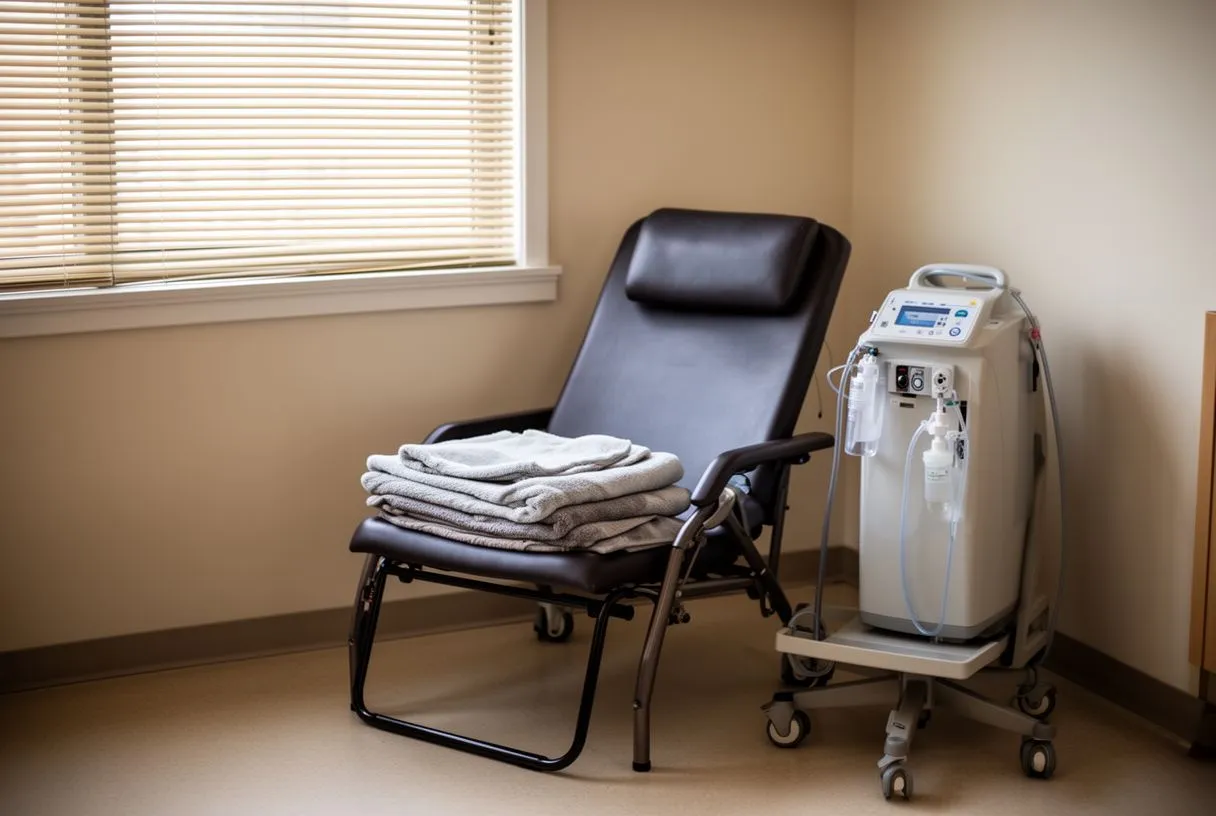
Infection and wound complications in vulnerable patients. Surgical site infections, urinary tract infections from catheter use, and bloodstream infections from central lines all occur more frequently in frail patients whose immune function is compromised. Delayed sternal healing — where the breastbone does not fuse properly after being opened for surgery — is a particular concern for patients with poor nutrition, diabetes, or chronic obstructive pulmonary disease. The management of these complications requires a proactive approach: early mobilisation, aggressive nutritional support, careful glycaemic control, and protocols to minimise catheter duration. When an arterial graft is used for coronary bypass, the surgical team must also monitor graft patency and flow, as frail patients may have smaller, more fragile vessels that affect both technical success and healing.
The emotional and psychological dimension of complications is often overlooked but profoundly affects recovery. A patient who experiences a serious complication may lose confidence, become depressed, and withdraw from the rehabilitation activities that are essential to regaining function. Family members watching a loved one struggle with prolonged recovery face their own stress, which can affect their ability to provide the support the patient needs. This is why many cardiac centres now include psychologists, social workers, and rehabilitation specialists as integral members of the perioperative team, not optional add-ons. The goal is to support the whole patient through a period that tests physical, cognitive, and emotional reserves simultaneously.
Frailty Screening Heart Surgery: Tools and Tests
Frailty screening in the cardiac surgery context has evolved from an informal clinical impression to a structured, evidence-based process. The tools fall into three broad categories: rapid screening instruments used in busy clinics, comprehensive assessments performed when screening raises concerns, and specialised evaluations for specific vulnerabilities such as cognitive impairment or nutritional deficiency. The choice of tool depends on the clinical setting, the urgency of the surgical decision, and the resources available. In an emergency — such as an acute aortic dissection requiring immediate repair — there may be no time for formal screening, and the surgeon relies on clinical judgement and whatever information family members can provide. In an elective setting, a structured assessment is both feasible and essential.
- Rapid screeners (under 5 minutes): Clinical Frailty Scale, PRISMA-7 questionnaire, simple gait speed test.
- Comprehensive tools (30-45 minutes): Edmonton Frail Scale, Fried phenotype battery, Comprehensive Geriatric Assessment.
- Adjunctive evaluations: Montreal Cognitive Assessment, mini nutritional assessment, serum biomarkers like albumin and apolipoprotein B.
Understanding how different physiological systems interact has become increasingly relevant for surgical planning. Research examining immune function — including studies such as Targets of T Cell Responses to SARS-CoV-2 Coronavirus in Humans with COVID-19 Disease and Unexposed Individuals — highlights how T-cell responses vary across populations and how immune reserve may influence recovery from major physiological stress. While this particular study focused on viral immunology, the broader principle applies: patients with limited immune reserve, whether due to age, chronic disease, or frailty, face greater challenges in mounting the inflammatory and healing responses that surgical recovery demands. Surgeons increasingly consider immune function as part of the overall frailty picture, particularly when planning the intensity and duration of postoperative monitoring.
In practical terms, the screening results feed directly into the surgical decision. A patient identified as pre-frail may be offered a structured prehabilitation programme — supervised exercise, nutritional counselling, and smoking cessation if applicable — for four to eight weeks before surgery, with the goal of improving their physiological reserve and shifting them toward a lower risk category. A patient identified as severely frail may be steered toward a less invasive approach, such as transcatheter aortic valve replacement (TAVR) rather than open surgical valve replacement, when the anatomy allows. The screening does not simply categorise patients; it opens a range of strategic options that the surgical team can tailor to each individual's profile.
Heart Surgery Safety Frailty: Reducing Complications
Reducing complications in frail cardiac surgery patients requires a coordinated, multidisciplinary approach that begins before the operation and continues well beyond hospital discharge. Preoperative optimisation — sometimes called prehabilitation — is one of the most effective strategies. This involves a structured programme of exercise training, nutritional supplementation, breathing exercises, and medication review conducted in the weeks leading up to surgery. Studies have shown that even modest improvements in functional capacity before surgery can translate into meaningful reductions in postoperative complications and length of stay. The principle is straightforward: a patient who arrives at surgery stronger, better nourished, and more physically active is better equipped to withstand the physiological insult of the operation.
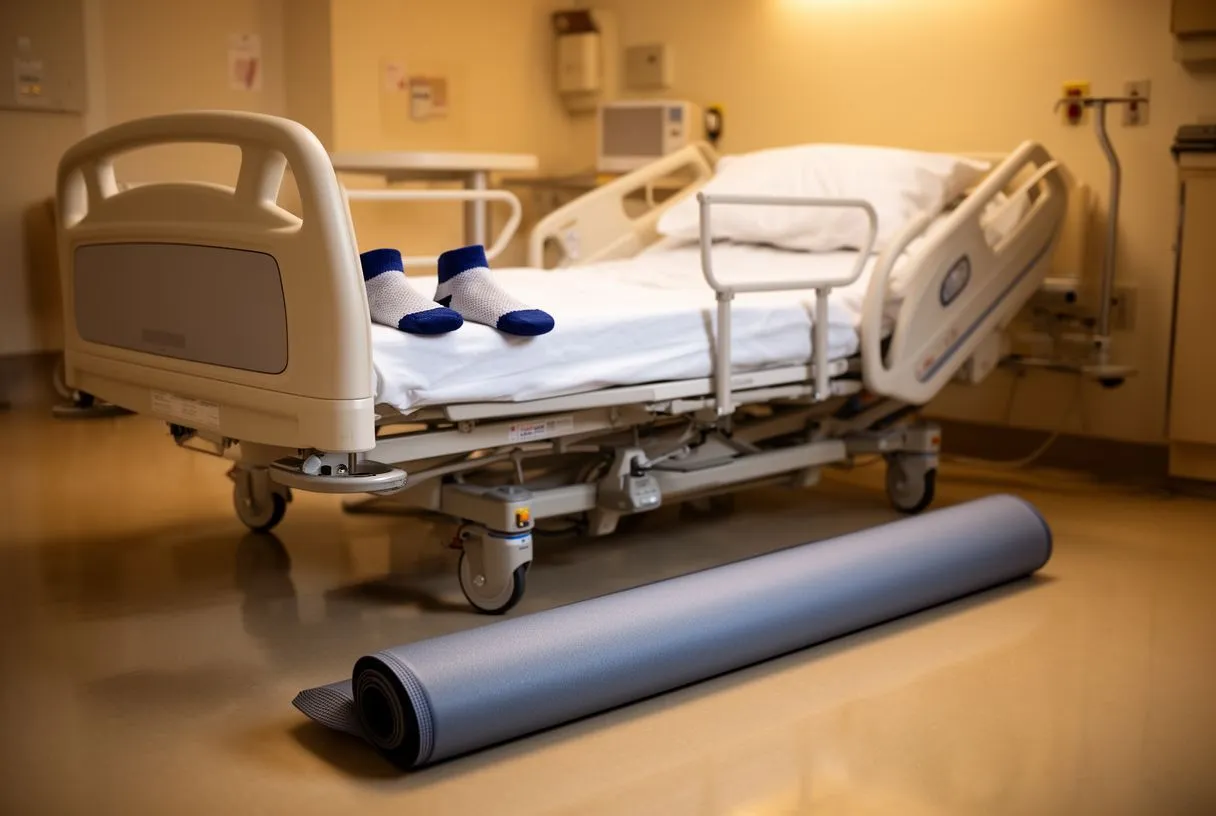
Intraoperative strategies tailored to frailty. The surgical plan itself can be modified to reduce stress on vulnerable patients. Shorter bypass times, the use of off-pump techniques where appropriate, minimally invasive approaches that avoid full sternotomy, and careful attention to temperature management all reduce the physiological burden. Anaesthetic protocols may be adjusted to favour shorter-acting agents and earlier extubation. For patients on long-term aspirin or other antiplatelet therapy, the timing of cessation and resumption is carefully managed to balance bleeding risk against thrombotic risk. When an autograft or biological valve is used, the choice reflects not just durability but the patient's ability to tolerate anticoagulation over the long term. Every decision in the operating room is made with the patient's frailty profile in mind.
Postoperative care for frail patients demands heightened vigilance and a lower threshold for intervention. Early mobilisation — getting patients out of bed and walking within 24 to 48 hours of surgery when feasible — prevents deconditioning, reduces the risk of blood clots, and supports lung function. Delirium prevention protocols include maintaining normal sleep-wake cycles, minimising unnecessary sedatives, ensuring hearing aids and glasses are available, and involving family members in orientation. Nutritional support begins early, sometimes with oral supplements before surgery is even scheduled. Discharge planning starts before admission: the team identifies whether the patient will go home, to a rehabilitation facility, or require home health services, and arranges the necessary support before the operation rather than scrambling after it. This proactive philosophy is what transforms frailty from a risk factor into a managed variable.
When Frail Patients Need Heart Surgery: Making the Decision
The decision to proceed with heart surgery in a frail patient is perhaps the most nuanced conversation in all of cardiac care. It requires balancing the natural history of the disease — what will happen if nothing is done — against the risks and potential benefits of intervention, all filtered through the lens of the patient's individual goals and values. A frail patient with severe symptomatic aortic stenosis faces a prognosis that, without intervention, is worse than many cancers. The question is not whether the disease is serious but whether the patient can survive and recover from the treatment with a quality of life they find acceptable. This is not a decision that can be reduced to a score or a threshold; it is a shared decision between surgeon, patient, and family.
Shared decision-making and goal-setting. The conversation should be honest about what the evidence shows: frail patients face higher complication rates, longer recoveries, and a greater chance of needing ongoing support. But it should also acknowledge what the evidence does not show: that frailty automatically means a poor outcome. Many frail patients undergo cardiac surgery and return to meaningful, independent lives. The discussion should explore what matters most to the patient — is the priority to live longer, to feel better, to remain at home, to attend a grandchild's graduation? These goals shape the recommendation. A patient whose primary goal is symptom relief rather than longevity may be better served by a less invasive procedure with a shorter recovery. A patient whose primary goal is maximum durability may accept a higher initial risk for a more definitive surgical solution. Atypical infarction presentations — where symptoms differ from the classic chest pain pattern — can complicate the picture, particularly in frail or elderly patients whose pain perception may be altered, and the team must be alert to these nuances when assessing urgency.
If you or a family member has been told that frailty is a factor in your surgical decision, the most important step you can take is to have a thorough, unhurried conversation with a qualified cardiac team. Bring your questions: What specific frailty assessments have been done? What do the results mean for my situation? What options exist — surgical, transcatheter, or medical management — and what does each path look like in terms of recovery? How will my recovery be supported, and what resources will be available after discharge? A surgeon who takes the time to answer these questions, who acknowledges uncertainty, and who frames the decision in terms of your goals rather than a one-size-fits-all protocol is offering you the standard of care you deserve. We encourage you to book a consultation to discuss your specific circumstances rather than relying on general information alone — your situation is unique, and your surgical plan should be too.






