
Genetic Testing for Inherited Heart and Aortic Disease
Genetic testing heart disease services at Cirugía de Corazón in Guadalajara identify inherited cardiac and aortic risks early.
Genetic testing heart disease diagnostics have transformed how we approach inherited cardiac conditions. When a family faces a sudden cardiac event or receives a concerning diagnosis, understanding the genetic root becomes vital. Genetic testing heart disease processes look for specific mutations in your DNA that increase the risk of structural or rhythm-related heart issues, shifting the focus from reactive treatment to proactive management.
What is genetic testing for heart disease?
DNA sequencing for cardiac risk involves analyzing a blood or saliva sample to identify pathogenic variants. These variants can affect how heart muscle tissue grows or how electrical signals travel through the heart. By identifying these markers early, a cardiologist can tailor surveillance and prevention strategies directly to your specific biological profile rather than waiting for symptoms to appear.
The role of clinical evaluation is just as important as the laboratory results. A cardiologist will often begin with a physical exam and auscultation, listening to the heart for murmurs or irregular rhythms. While an echocardiogram provides structural data, your genetics offer the underlying blueprint, helping distinguish between acquired conditions, like those that might require routine Aspirin therapy, and inherited ones.
Interpreting the results requires expert guidance from a specialized cardiac team. A positive result does not mean a cardiac event is inevitable, but it does indicate a need for proactive monitoring. Conversely, a negative result in a family with a known mutation can bring immense relief, sparing a patient from unnecessary lifelong screenings and medical interventions.
How Does Inherited Heart Disease Develop?
Inherited heart disease develops when a genetic mutation alters the normal structure or function of the cardiovascular system. These mutations are typically passed down through families in specific patterns, most commonly autosomal dominant, where only one copy of the mutated gene from a parent is sufficient to cause the condition. Over time, these genetic instructions can lead to abnormal protein production, weakening the heart muscle or disrupting electrical pathways.
Genes and structural changes are closely linked in conditions like familial cardiomyopathies. The heart walls may become abnormally thick or dilated, reducing pumping efficiency. In some cases, genetic factors influence how the body handles cholesterol, such as mutations affecting Apolipoprotein B, leading to early coronary artery disease rather than structural defects. This distinction is crucial for determining the right medical approach.
Distinguishing inherited versus acquired disease is a primary goal of cardiac genetics. While lifestyle factors cause many heart conditions, inherited forms often present without traditional risk factors. For example, a patient might develop an atheromatous plaque in an artery at a young age despite being active and eating well. Recognizing the genetic basis shifts the focus from lifestyle modification alone to targeted medical management and comprehensive family screening.
Who Should Consider a Genetic Heart Screening?
Deciding to pursue genetic heart screening depends entirely on your personal and family medical history. If you have experienced unexplained fainting, chest pain, or an atypical infarction at a young age, your cardiologist may recommend testing. Similarly, if a close relative has been diagnosed with a known genetic heart condition or suffered sudden cardiac death before age 50, proactive screening is strongly advised.
Families with known syndromes benefit immensely from cascade screening. If a parent carries a mutation for a connective tissue disorder or a structural valve defect, there is a 50% chance each child inherited it. Identifying carriers early allows for regular echocardiograms and lifestyle adjustments before symptoms ever appear, shifting the paradigm from reactive treatment to preventative care.
Patients with early-onset cardiac symptoms often face a complex diagnostic puzzle. When standard risk factors do not explain a heart condition, genetics can provide the missing piece. Screening offers clarity, ending the uncertainty that many families endure for years. It empowers patients to make informed decisions about physical activity, family planning, and long-term cardiovascular surveillance.
- Family History: Sudden cardiac death or heart failure in relatives under 50.
- Personal Symptoms: Unexplained fainting, arrhythmias, or chest pain during exercise.
- Known Mutations: A family member with a confirmed genetic heart or aortic condition.
Types of Cardiac Genetic Testing Panels
Cardiac genetic testing panels are curated sets of genes analyzed to find specific mutations related to heart conditions. Depending on your symptoms and family history, a cardiologist will order the most appropriate panel. These range from targeted panels looking at a few specific genes to comprehensive analyses examining hundreds of genes associated with structural, arrhythmic, and aortic diseases.
Arrhythmia and rhythm panels focus on genes controlling the heart's electrical system. Conditions like Long QT syndrome or familial atrial flutter can cause dangerously fast heartbeats. Identifying these mutations helps guide treatment decisions, such as the need for medications, lifestyle modifications to avoid specific triggers, or the implantation of a device to regulate the heartbeat.
Cardiomyopathy and aortic panels look for structural weaknesses. These panels investigate genes responsible for the connective tissue in the aorta or the muscle tissue of the heart. Finding a pathogenic variant here can dictate the frequency of imaging surveillance and establish thresholds for surgical intervention, such as repairing an aorta before it reaches a dangerous diameter.
Understanding Familial Cardiomyopathy Testing
Familial cardiomyopathy testing identifies inherited diseases of the heart muscle, most commonly hypertrophic or dilated cardiomyopathy. In hypertrophic cardiomyopathy, the heart muscle becomes abnormally thick, potentially obstructing blood flow from the left atrium into the pumping chamber. This thickening can cause breathlessness, chest pain, and dangerous arrhythmias if left unmonitored.
Risk management after a positive diagnosis involves regular cardiac imaging and monitoring. For some patients, thickened heart tissue increases the risk of sudden cardiac arrest, making the placement of an automated external defibrillator or an implantable cardioverter defibrillator a necessary precaution. For others, careful management with medications is sufficient to control symptoms and maintain a normal quality of life. Experts at Verywell Health note that early genetic detection significantly improves long-term monitoring strategies.
The emotional impact of a diagnosis cannot be overlooked. Learning that you carry a gene for cardiomyopathy brings anxiety, but it also provides an actionable roadmap. Knowing your status allows you to work with a specialized cardiac team to protect your health, ensuring that the condition is managed with medication and monitored with precision rather than ignored until a crisis occurs.
Marfan Syndrome Genetic Test and Aortic Risks
A Marfan syndrome genetic test is crucial for identifying mutations in the FBN1 gene, which affects connective tissue throughout the body. This connective tissue weakness primarily impacts the ascending aorta, the large vessel carrying blood from the heart to the rest of the body. Over time, the aortic wall can stretch and tear, leading to a life-threatening dissection if not monitored and treated proactively.
Aortic surveillance and surgical thresholds are central to managing Marfan syndrome. Patients require regular echocardiograms or MRI scans to measure the aortic root. According to findings from studies such as the Recovery of cardiovascular testing in Asia during the COVID-19 pandemic: findings from the INCAPS COVID 2 study, maintaining routine diagnostic testing is vital for high-risk patients. When the aorta reaches a specific diameter, often around 5.0 to 5.5 cm depending on the patient and specific guidelines, preventative surgical repair is recommended. An arterial line may be placed during surgery for continuous blood pressure monitoring.
Complex surgical interventions may be required if the aorta tears or ruptures. In severe emergencies, advanced support like awake ECMO might be utilized to stabilize oxygenation. The goal of genetic testing is to prevent this scenario entirely by identifying the risk early and scheduling an elective, planned repair before a dissection occurs.

Bicuspid Aortic Valve Genetics Explained
Bicuspid aortic valve genetics explain why some people are born with an aortic valve that has two leaflets instead of the normal three. This congenital condition forces the heart to work harder to pump blood and often leads to early valve narrowing or leaking. The genetic basis also affects the surrounding aorta, making it prone to aneurysms.
Treatment pathways for valve disease vary based on the severity of the stenosis or regurgitation. While some patients require valve replacement, others may undergo procedures like balloon aortic valvuloplasty to stretch the valve open temporarily. However, if a balloon-expandable valve is eventually needed, a transcatheter aortic valve replacement (TAVR) is a minimally invasive option for appropriate candidates.
Associated aortic risks remain a primary concern even after the valve is addressed. Because the same genetic factors that cause the bicuspid valve also weaken the aortic wall, patients require lifelong imaging. Monitoring the aorta's diameter is essential, as a balloon angioplasty of a narrowed valve does not negate the need to watch for aortic aneurysms in the future.
Genetic Counseling for Heart Disease Patients
Genetic counseling for heart disease patients is a critical step before and after testing. A genetic counselor helps you understand the medical and psychological implications of the test. They explain the inheritance patterns, the likelihood of passing the mutation to your children, and what the results mean for your own cardiac care.
Preparing for surgery with genetic insights can alter the operative plan. For example, if a patient with an inherited connective tissue disorder requires surgery, the surgical team may use specific techniques or an autograft to repair the aorta. Additionally, optimizing the patient before surgery might include collecting autologous blood to minimize transfusion needs during the complex procedure.
Emotional and family support is a core component of counseling. Discussing inherited risks with children or siblings is challenging. A counselor provides the language and context to explain why relatives should consider testing, ensuring the family understands that knowing their genetic status is a tool for empowerment and protection, not a burden.
- Communication: Guidance on how to discuss test results with family members.
- Interpretation: Clear explanations of variants of uncertain significance.
- Support: Psychological resources for coping with a positive diagnosis.
What to Expect During the Heart Disease DNA Test
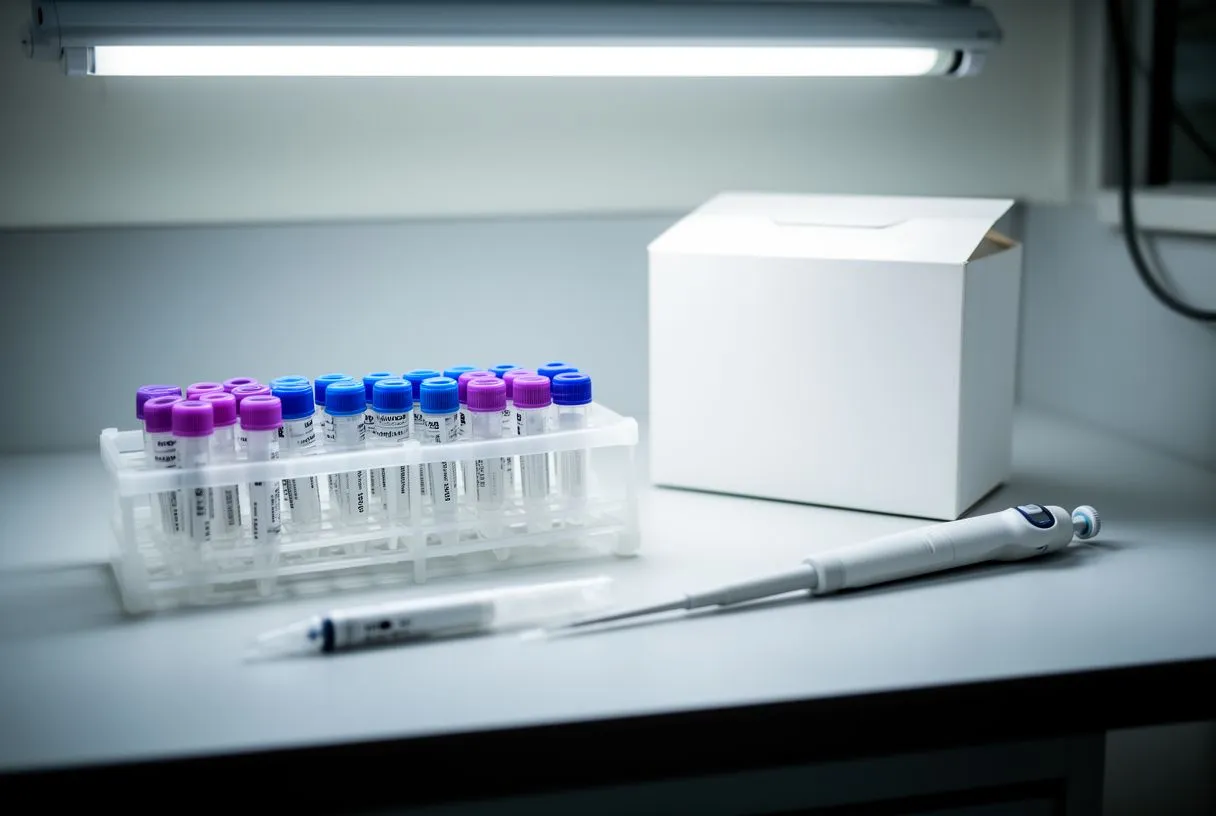
During the genetic testing heart disease process, the physical collection is remarkably simple, but the medical follow-up is comprehensive. The test itself usually requires either a small blood draw or a saliva sample. The sample is then sent to a specialized laboratory where scientists sequence the DNA to look for known pathogenic mutations associated with cardiac conditions.
The timeline for results typically spans several weeks. Once the laboratory analysis is complete, your cardiologist and genetic counselor will schedule a results appointment. They will explain whether a disease-causing mutation was found, if the results were negative, or if a variant of uncertain significance was identified, which requires further family investigation.
Medical procedures following results are tailored to the individual. If a genetic mutation confirms a high risk for aortic disease, your care team will establish a monitoring schedule. Should surgery be required, understanding your genetics ensures the surgical team prepares the necessary equipment, such as an arterial cannula for bypass or a specific arterial graft, to match your anatomical needs perfectly.

Planning Preventative Cardiac Genetics for Your Family
Planning preventative cardiac genetics for your family transforms a frightening diagnosis into a structured safety net. Once a pathogenic mutation is identified in one family member, cascade testing becomes the next logical step. This means testing parents, siblings, and children to see who else carries the gene, allowing preventative measures to begin long before symptoms develop.
Preventing sudden cardiac events is the ultimate goal of this planning. Research, including experiences like those documented in the Endovascular repair of traumatic aortic dissection: a single-center experience, highlights how critical early detection is for severe vascular events. By identifying relatives at risk, we can prevent emergencies where patients might present with severe arm pain or require interventions dictated by severe clinical scores like the ARISTOTLE criteria. Regular monitoring catches dangerous changes early.
Your next steps toward cardiac health should involve a direct conversation with a qualified cardiac team. If you have a family history of sudden cardiac death, early heart failure, or unexplained aortic disease, genetic testing heart disease evaluations can provide the clarity you need. We encourage you to book a consultation with our practice to discuss your specific situation, understand your risks, and create a personalized monitoring plan. Never self-diagnose; let expert guidance lead your cardiac care journey.