

What is the Bentall procedure?
Learn how the Bentall procedure treats aortic root aneurysms and valve disease.
What is the Bentall procedure?
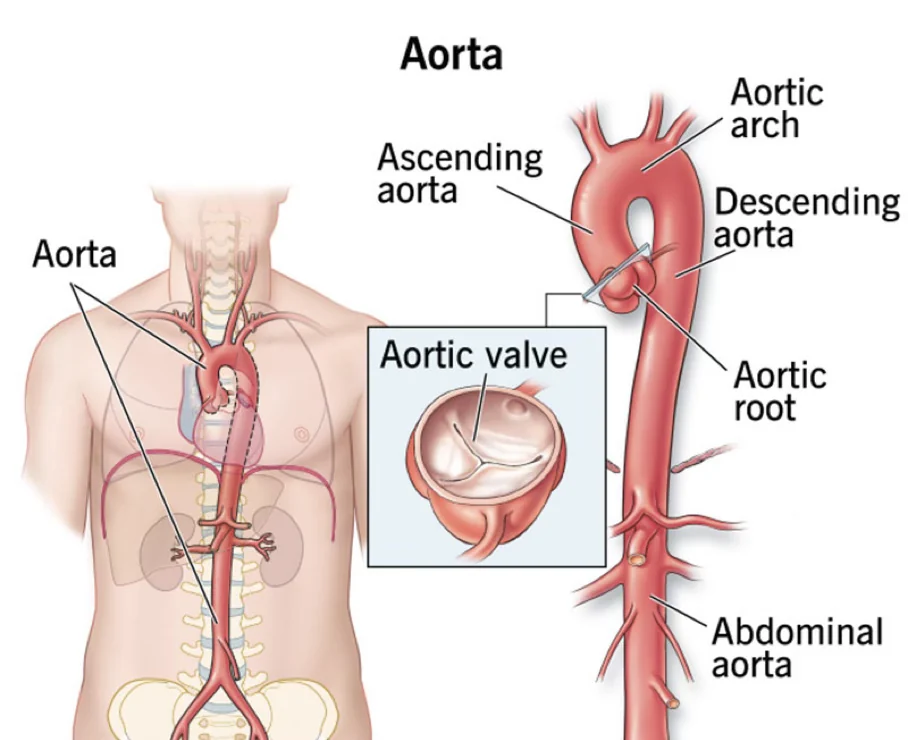
The Bentall procedure is a comprehensive surgical operation designed to treat serious conditions of the aorta, the body's largest blood vessel. It specifically targets the aortic root, which is the section of the aorta that directly exits the heart and houses the aortic valve. When this area weakens or dilates, it can compromise the entire cardiovascular system.
Why the aortic root matters: The aortic root contains the sinuses of Valsalva and provides the foundation for the aortic valve. When the root expands abnormally, the valve leaflets cannot close properly, allowing blood to leak backward into the heart. This forces the heart to work harder and can eventually lead to heart failure if left unaddressed.
During this operation, the surgeon replaces both the diseased aortic valve and the enlarged aortic root in a single block. The coronary arteries, which branch off the aortic root to supply the heart muscle with blood, are carefully detached and reimplanted into the new synthetic graft. If you are exploring options for aneurysm treatment, considering a mechanical aortic valve graft can provide lifelong durability.
When is a Bentall procedure necessary?
This surgery becomes necessary when the aortic root reaches a dangerous size or begins to tear. Surgeons typically recommend the Bentall procedure for patients presenting with an aortic root aneurysm that exceeds specific diameter thresholds. The exact surgical threshold depends on the patient's overall health, genetic background, and the presence of connective tissue disorders.
Genetic syndromes and early intervention: Patients with Marfan syndrome, Loeys-Dietz syndrome, or a bicuspid aortic valve are at a much higher risk of aortic dissection. In these specific populations, surgeons often intervene at smaller diameters because the tissue is inherently weaker and prone to sudden tears. Elective surgery in these patients carries a significantly lower risk than emergency intervention.
The procedure is also indicated for severe aortic regurgitation when the valve is irreparable, or in acute emergency scenarios like a Type A aortic dissection. In emergencies, the inner layer of the aortic wall tears, and the Bentall procedure is used to secure the root and save the patient's life. For managing blood pressure post-diagnosis, some patients benefit from a home blood pressure monitor to track their cardiovascular stability.
How does the Bentall operation work?
Understanding how the Bentall operation works helps alleviate the fear of the unknown. The surgery is performed under general anaesthesia and requires the use of a heart-lung machine to temporarily take over the function of the heart and lungs. This allows the surgeon to operate on a still, bloodless field.
The surgeon begins by making an incision down the chest to access the heart. Once the heart is stopped and protected with a special cold solution called cardioplegia, the diseased aortic root and valve are removed. A composite graft, which is a strong synthetic tube featuring a built-in prosthetic valve, is then sutured into place at the aortic annulus.
Reimplanting the coronary arteries: The coronary arteries must be reattached to the new graft to ensure the heart muscle continues to receive oxygenated blood. The surgeon creates small holes in the polyester graft and sews the coronary buttons into these openings. After ensuring there are no leaks, the upper end of the graft is connected to the healthy portion of the ascending aorta.
What are the types of aortic root replacement?
When planning aortic root replacement, the surgical team chooses the best approach based on the patient's age, anatomy, and lifestyle. The classic Bentall procedure uses a composite graft, but the exact components can vary. The primary choice lies between mechanical and biological valved conduits.
Mechanical vs. biological valves: Mechanical valves are made of durable materials and can last a lifetime, but they require the patient to take blood-thinning medication indefinitely. Biological valves are made from animal tissue and generally do not require lifelong anticoagulants, but they have a limited lifespan and may need to be replaced after a few decades.
- Composite mechanical graft: Offers maximum durability and is often preferred for younger patients.
- Biological valved conduit: Preferred for older patients or those who cannot tolerate anticoagulants.
- Valve-sparing root replacement: Used when the native valve is still healthy and only the surrounding aortic tissue needs replacing.
Bentall procedure recovery and hospital stay
Recovery from the Bentall procedure is a gradual process that begins immediately after surgery. Patients typically spend the first 24 to 48 hours in the intensive care unit, where medical teams closely monitor heart rhythm, blood pressure, and overall stability. This close observation ensures any early complications are caught quickly.
Once transferred to a standard hospital ward, the focus shifts to regaining strength. Patients are encouraged to sit up, walk, and perform breathing exercises with a spirometer to clear their lungs. Most patients are discharged from the hospital within a week, provided their progress is steady and their wounds are healing properly.
Cardiac rehabilitation: After discharge, participating in a structured cardiac rehabilitation program is essential. These programs guide patients through safe exercise routines and provide education on heart-healthy living.
Are Bentall procedure results safe long-term?
The Bentall procedure has evolved over decades and is considered one of the most successful operations in cardiac surgery. When performed electively at a specialized center, the safety profile is excellent, and the long-term results are highly favourable. Patients can expect a life expectancy close to that of the general population.
Durability and monitoring: Mechanical grafts offer lifelong durability, while biological grafts offer 12 to 20 years of reliable function. To ensure the graft remains healthy, patients must undergo annual imaging studies like echocardiograms and maintain strict blood pressure control to prevent dilation in other areas of the aorta.
Because the surgery restores normal blood flow and relieves the heart from volume overload, most patients experience a massive improvement in their physical capacity and quality of life. The fear of aneurysm rupture is effectively eliminated, allowing patients to return to their daily activities with confidence.
Best heart valve surgery options for aneurysms
Selecting the best heart valve surgery for an aortic aneurysm depends on the exact anatomy of the disease. While the Bentall procedure is the gold standard for combined root and valve disease, other variations exist for specific clinical scenarios. A dedicated Heart Team evaluates imaging to determine the most appropriate surgical path.
Valve-sparing alternatives: If the patient's native aortic valve is structurally normal and the disease is confined to the aortic root tissue, surgeons may opt for a valve-sparing root replacement, such as the David procedure. This avoids the need for a prosthetic valve altogether and eliminates the need for anticoagulation.
For isolated ascending aorta aneurysms where the root is normal, the Wheat procedure is often preferred because it avoids manipulating the coronary arteries. Each surgical strategy is tailored to balance the immediate surgical risk with the best possible long-term outcome for the patient.
Bentall procedure dosing guide for anticoagulation
For patients receiving a mechanical valve during their Bentall procedure, anticoagulation therapy becomes a permanent part of life. The purpose of this medication is to prevent blood clots from forming on the artificial surface of the valve. Strict adherence to the prescribed regimen is critical for long-term survival.
INR targets and monitoring: Patients are typically prescribed blood thinners and must monitor their International Normalized Ratio (INR) regularly. The target INR range for a mechanical aortic valve is generally lower than for mitral valves, but it must remain stable to balance the risk of clotting against the risk of bleeding complications.
- Routine testing: INR is checked weekly or bi-weekly initially, then spaced out once stable.
- Dietary consistency: Patients must maintain a consistent intake of vitamin K-rich foods rather than eliminating them entirely.
- Medication management: Antibiotics before dental work are essential to prevent endocarditis.
Types of grafts used in aortic root repair
The materials used in aortic root repair are fundamental to the success of the Bentall procedure. The most common graft material is woven polyester, a synthetic fabric that is incredibly strong and biologically inert. The polyester tube is woven tightly to prevent blood from leaking through its walls while remaining flexible enough to handle the pulsing pressure of the heart.
Modern graft innovations: Modern composite grafts often feature advanced design elements, such as pre-attached mechanical or biological valves and specially marked areas for coronary reimplantation. Some newer grafts are designed with artificial sinuses of Valsalva, which mimic the natural anatomy of the aortic root to improve blood flow and reduce stress on the valve leaflets.
These technological advancements have significantly improved the ease of the surgery and the durability of the repair. The choice of graft is often discussed during the preoperative consultation, ensuring the patient understands exactly what will be placed in their body and how it will function.
Bentall procedure conclusion and summary
The Bentall procedure remains a cornerstone of modern cardiac surgery, offering a definitive cure for complex aortic root pathologies. By replacing the valve, root, and ascending aorta in one operation, it eliminates the risk of rupture and restores the heart's natural mechanics. The procedure has been refined over many years to offer exceptional safety and durability.
Long-term peace of mind: Patients who undergo this surgery can look forward to a full and active life, free from the constant anxiety of an expanding aneurysm. The key to these excellent outcomes is early diagnosis and treatment at highly specialized centers with experienced surgical teams.
Ultimately, an aortic root aneurysm is no longer a life sentence. With timely surgical intervention and proper long-term follow-up, patients can return to their families and daily routines with a strong, stable, and fully repaired heart.






