
High BNP: What It Says About Heart Failure
High BNP heart failure levels signal cardiac strain.
What Are High BNP Levels and Why Do They Matter
When a doctor orders a BNP blood test and the result comes back elevated, families understandably feel anxious about what those numbers mean. BNP stands for B-type natriuretic peptide, a hormone released by the ventricles of the heart when they are stretched beyond their normal working capacity. Think of it as an internal distress signal: the more the heart muscle is overloaded with volume or pressure it cannot handle efficiently, the more BNP spills into the bloodstream. A high BNP reading is not a diagnosis on its own, but it is a powerful clue that the heart is working harder than it should.
This biomarker has become one of the most valuable tools in modern cardiology because it bridges symptoms and objective measurement. Shortness of breath, fatigue, and swelling can come from many causes — lung disease, kidney problems, even simple deconditioning — but a clearly elevated BNP level steers the conversation toward the heart. It helps clinicians distinguish heart failure from look-alike conditions and gives a quantitative way to track whether treatment is working over time. According to the National Heart, Lung, and Blood Institute, heart failure develops when the heart cannot pump enough blood to meet the body's needs, and biomarkers like BNP play a central role in early detection.
For patients and families, the key takeaway is that a high BNP level demands attention but does not automatically mean the worst. It means the heart is under strain and that a thorough cardiac evaluation is warranted. That evaluation may include an echocardiogram, a review of medications, and a conversation about lifestyle factors. The number is a starting point, not a verdict — and understanding what it represents is the first step toward making informed decisions with your cardiac team.
What Causes High BNP in Heart Failure
The most common cause of high BNP is heart failure itself, specifically the type where the left ventricle struggles to fill or pump effectively. When the ventricle cannot push blood forward with each beat, blood backs up into the atrium (the upper receiving chamber) and eventually into the lungs and veins. That backup stretches the ventricular walls, and stretched muscle fibers release BNP as a call for help — essentially asking the kidneys to excrete more sodium and water to reduce the load. The higher the wall stress, the higher the peptide climbs.
But heart failure is not the only explanation. Several non-cardiac conditions can also push BNP upward, which is why context matters so much. Kidney disease reduces the peptide's clearance from the blood, so levels rise even without worsening heart function. Advanced age naturally nudges BNP higher, as do severe lung conditions that strain the right side of the heart. An atypical infarction — a heart attack that does not present with the classic crushing chest pain but instead shows up as subtle discomfort — can damage heart muscle and release BNP acutely. Atrial flutter, a rapid and irregular rhythm in the upper chambers, also stretches cardiac tissue and elevates the marker.
Other contributors include atheromatous plaque buildup that narrows coronary arteries over time, valvular disease that forces the heart to pump against a stiff or leaky valve, and pulmonary embolism that suddenly blocks blood flow to the lungs. Even a severe infection or critical illness in an ICU setting can transiently raise BNP. The crucial point for patients is that a single elevated reading always needs to be interpreted alongside symptoms, exam findings, and imaging — never in isolation.
How Does a BNP Blood Test Work
The BNP test is straightforward from the patient's perspective: a small blood sample is drawn, typically from a vein in the arm, and sent to a laboratory for analysis. Some emergency departments use a rapid bedside version that delivers results in minutes, which is especially useful when someone arrives with acute shortness of breath and the team needs to quickly determine whether the cause is heart failure or a lung problem. The test measures the concentration of B-type natriuretic peptide circulating in the blood, reported in picograms per milliliter (pg/mL).
There is a closely related test called NT-proBNP, which measures a fragment of the same hormone molecule. NT-proBNP tends to be more stable in the blood and has a longer half-life, which means it stays measurable for longer. Some laboratories prefer NT-proBNP because it is less affected by certain medications, but both tests serve the same fundamental purpose: quantifying how much stress the heart is under. Your doctor will choose whichever assay their facility uses, and the interpretation thresholds differ slightly between the two.
Preparation is minimal. Unlike cholesterol or glucose tests, BNP does not require fasting, and there are no special dietary restrictions beforehand. One important detail: certain heart failure medications, particularly a class called neprilysin inhibitors (found in combination drugs like sacubitril/valsartan), can falsely elevate BNP levels because they prevent the body from breaking down the peptide. If you are taking such a medication, your doctor will interpret the result with that in mind and may rely more on NT-proBNP or clinical assessment. Understanding this nuance helps patients avoid unnecessary alarm when a number seems higher than expected.

What Is a Normal BNP Range vs Elevated BNP
Reference ranges vary by laboratory, but there are widely accepted benchmarks that clinicians use to guide interpretation. A BNP level below 100 pg/mL generally makes heart failure unlikely, while a level above 400 pg/mL strongly suggests heart failure as the cause of symptoms. The gray zone between roughly 100 and 400 pg/mL is where things get more nuanced — mild elevations can reflect early heart dysfunction, age-related changes, or other conditions like chronic kidney disease. For NT-proBNP, the cutoffs are higher because the molecule circulates at greater concentrations, and age-adjusted thresholds are often applied.
It is essential to understand that BNP is a continuum, not a cliff. A patient whose level rises from 80 to 180 pg/mL over six months may be developing worsening cardiac strain even though both numbers technically fall in a "borderline" zone. Trends often matter more than any single value. Cardiologists pay close attention to whether the peptide is climbing, stable, or falling — especially after a medication change or hospital discharge. A patient's individual "dry weight" BNP, the baseline reading when they are clinically stable and euvolemic, becomes a personal reference point for future comparisons.
Several factors shift the expected range upward or downward. Older adults naturally have higher baseline levels, so a reading of 200 pg/mL in an 80-year-old may carry different significance than the same number in a 40-year-old. Women tend to have slightly higher BNP values than men. Obesity paradoxically lowers BNP, which can mask heart failure in heavier patients. Renal impairment raises levels because the kidneys clear the peptide more slowly. Your cardiac team will account for all of these variables rather than comparing your result to a single universal number.
High BNP Symptoms and What They Tell Your Doctor
Breathlessness that worsens with exertion or lying flat: This is the hallmark symptom that prompts a BNP test in the first place. When the left side of the heart cannot keep up, fluid seeps into the lung tissue, and patients describe feeling winded after walking a short distance or needing extra pillows to sleep comfortably. Doctors call this orthopnea, and it is one of the strongest clinical clues that an elevated BNP is pointing toward heart failure rather than another explanation.
Swelling in the legs, ankles, or abdomen: Right-sided heart strain pushes fluid backward into the venous system, causing it to pool in dependent areas. Patients may notice their shoes no longer fit or that pressing a thumb into the shin leaves a lingering dent (pitting edema). When BNP is high and this swelling is present, the combination suggests the heart's pumping and filling mechanisms are both under stress. This pattern often accompanies conditions like tricuspid valve disease or advanced left-sided failure that has spread to affect the right ventricle.
Fatigue, reduced exercise tolerance, and unexpected weight gain: These symptoms are subtler but no less important. A heart that cannot deliver adequate blood flow to the muscles leaves patients feeling drained after ordinary tasks. Rapid weight gain over a few days — often three or more pounds — usually reflects fluid retention rather than fat. Some patients also describe arm pain or a vague heaviness that is difficult to localize, which can coexist with cardiac strain, especially if coronary artery disease is contributing to the elevated BNP. Taken together, these symptoms give your doctor a clinical picture to match against the laboratory number.
How High BNP Relates to Heart Function
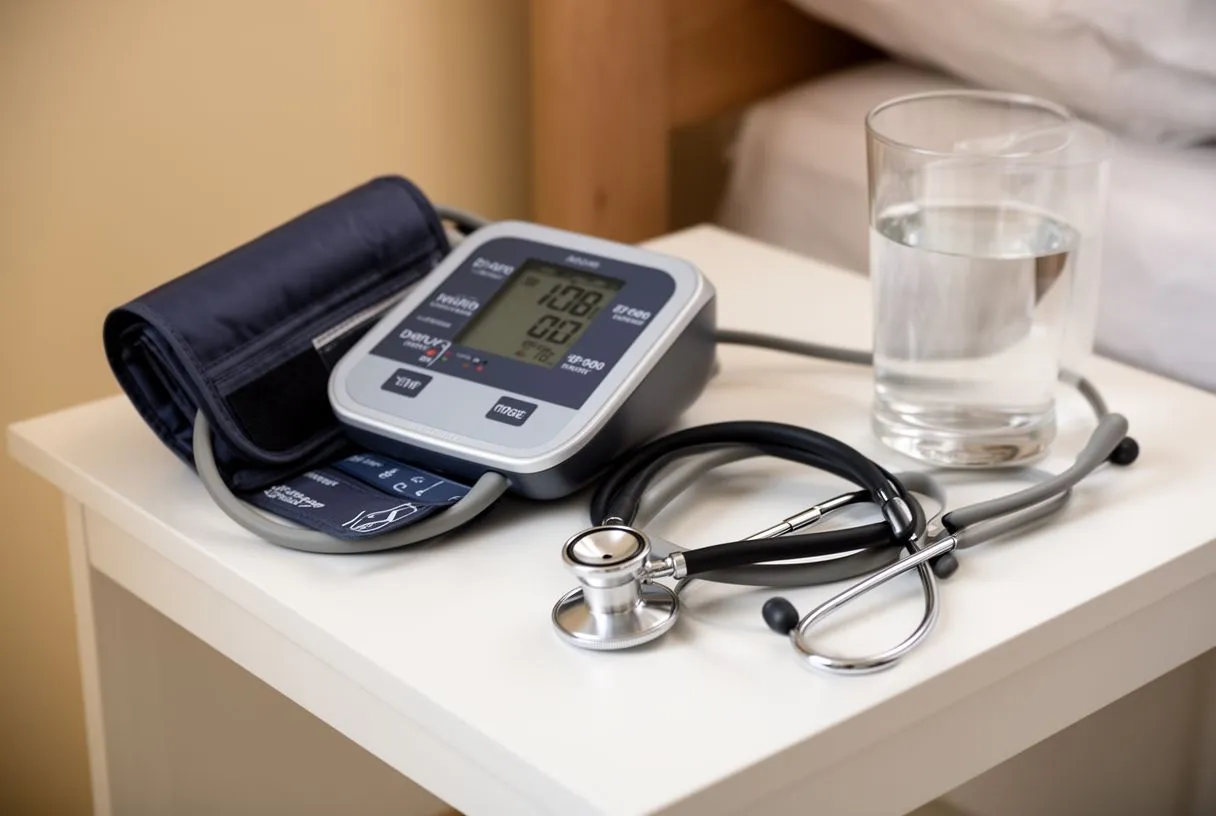
BNP is, at its core, a reflection of wall stress inside the heart's pumping chambers. When the left ventricle must push against high pressure — whether from hypertension, a narrowed aortic valve, or stiffening of the heart muscle itself — its walls thicken and stretch, and BNP production rises. An echocardiogram can often show the structural counterpart: a dilated ventricle, reduced ejection fraction, or signs of diastolic dysfunction where the heart is stiff and cannot relax properly to fill. The blood test and the imaging study tell complementary parts of the same story.
Research has shown that changes in ventricular volume and strain can be detected even before the ejection fraction drops significantly. A study examining simultaneous left ventricular volume and strain changes during chemotherapy found that subtle mechanical shifts in the heart's pumping geometry could predict later reductions in ejection fraction, and the same principle applies to BNP: the peptide often rises before symptoms become obvious. This is why cardiologists value the test as an early-warning system. The full study is available through the Journal of the American Heart Association, which documents how ventricular strain monitoring correlates with long-term cardiac function.
For patients, the practical implication is that a high BNP reading may surface before the heart looks dramatically abnormal on a scan. It represents the heart's biochemical plea for relief — a signal that the workload is exceeding what the muscle can sustainably handle. Acting on that signal early, through medication adjustments, blood pressure control, or addressing valve disease, can prevent the progression to more overt heart failure. The number is not just a label; it is a functional measure of how hard the heart is working at the molecular level.
Types of Heart Failure That Raise BNP Levels
Heart failure is not a single condition but an umbrella term covering several distinct patterns, and BNP can rise in all of them, though for slightly different reasons. Heart failure with reduced ejection fraction (HFrEF) involves a weakened pump that ejects too little blood with each beat — typically below 40 percent. The ventricle dilates, wall tension increases, and BNP production surges. This pattern often follows a large heart attack that has damaged a significant portion of muscle tissue.
Heart failure with preserved ejection fraction (HFpEF) is equally important and often more subtle. Here the heart pumps with adequate force but is too stiff to fill properly, so pressure builds behind it. BNP rises because the ventricular walls are stressed even though the ejection fraction looks normal. HFpEF is more common in older patients, particularly those with longstanding hypertension, diabetes, or obesity. A third pattern, right-sided heart failure, typically develops after left-sided failure has persisted for years, or from lung disease that strains the right ventricle. In right-sided failure, BNP may be lower than in left-sided patterns, but the clinical context of leg swelling and liver congestion helps identify it.
Acute decompensated heart failure represents a sudden worsening, often triggered by a skipped medication, a salty meal, an infection, or a new arrhythmia. BNP can spike dramatically in these scenarios and is one of the first markers emergency physicians check. Chronic stable heart failure, by contrast, produces a plateaued elevation that fluctuates more gently. Understanding which pattern fits your situation helps you and your doctor set realistic expectations for treatment response and prognosis — and explains why two patients with the same BNP number may have very different management plans.

Are High BNP Levels Dangerous or Reversible
An elevated BNP is not inherently fatal, but it does carry prognostic weight. Persistently high levels are associated with greater risks of hospitalization and mortality, primarily because they reflect ongoing cardiac strain that, if left unaddressed, can worsen over time. The danger lies less in the number itself and more in what it represents: a heart that is chronically overloaded. However — and this is critical for patients to hear — BNP can come down substantially with effective treatment, and falling levels generally signal improvement.
Reversibility depends on the underlying cause. If the trigger is a treatable valve problem, then a balloon aortic valvuloplasty or valve replacement can reduce the ventricular stress and lower BNP over weeks to months. If the cause is poorly controlled blood pressure, aggressive antihypertensive therapy including medications like aspirin for secondary prevention can bring the number down. When coronary artery disease is the driver, interventions such as balloon angioplasty to open a blocked vessel may restore blood flow, reduce ischemic stress, and ease the peptide's elevation. Even in cases where the underlying disease cannot be fully reversed — advanced cardiomyopathy, for instance — modern therapy can often reduce wall stress enough to produce a meaningful BNP decline and improve quality of life.
The most important message is that a high reading should prompt action, not despair. Patients who follow their medication regimen, restrict sodium, monitor their weight daily, and attend regular follow-ups often see their BNP fall into a more reassuring range. The number is dynamic, not fixed — it tells you where the heart is right now, and with the right interventions, that trajectory can change.
How Doctors Use BNP to Guide Heart Failure Treatment
BNP has evolved from a diagnostic tool into a treatment compass. Some cardiologists use a strategy called biomarker-guided therapy, in which medication doses are titrated upward until BNP falls into a target range. The logic is simple: if the peptide reflects wall stress, then reducing it suggests the treatment is working. This approach is particularly useful in outpatient heart failure clinics where doctors fine-tune doses of beta-blockers, ACE inhibitors, or mineralocorticoid receptor antagonists over several weeks.
BNP also helps determine discharge readiness after a hospital admission. A patient whose level has dropped significantly from admission to discharge is more likely to remain stable at home, while a persistently elevated or rising value may prompt a longer stay or additional medication. Beyond medication, the test can flag when a more advanced intervention is needed. If BNP remains stubbornly high despite optimal drug therapy, the team may consider referral for specialized procedures, device therapy such as an implantable defibrillator, or even evaluation for mechanical support. In rare cases where circulatory collapse occurs, advanced modalities like awake ECMO (extracorporeal membrane oxygenation performed without general anesthesia) may support the heart temporarily while a longer-term plan is formulated.
- Trend tracking: Comparing BNP over months reveals whether therapy is effective or needs escalation.
- Discharge decisions: A falling level supports safe hospital discharge; a rising level may extend the stay.
- Medication tuning: Drug doses are adjusted based on whether BNP moves toward the target range.
- Red-flag detection: A sudden spike may signal a new arrhythmia, a missed medication, or fluid overload needing urgent attention.
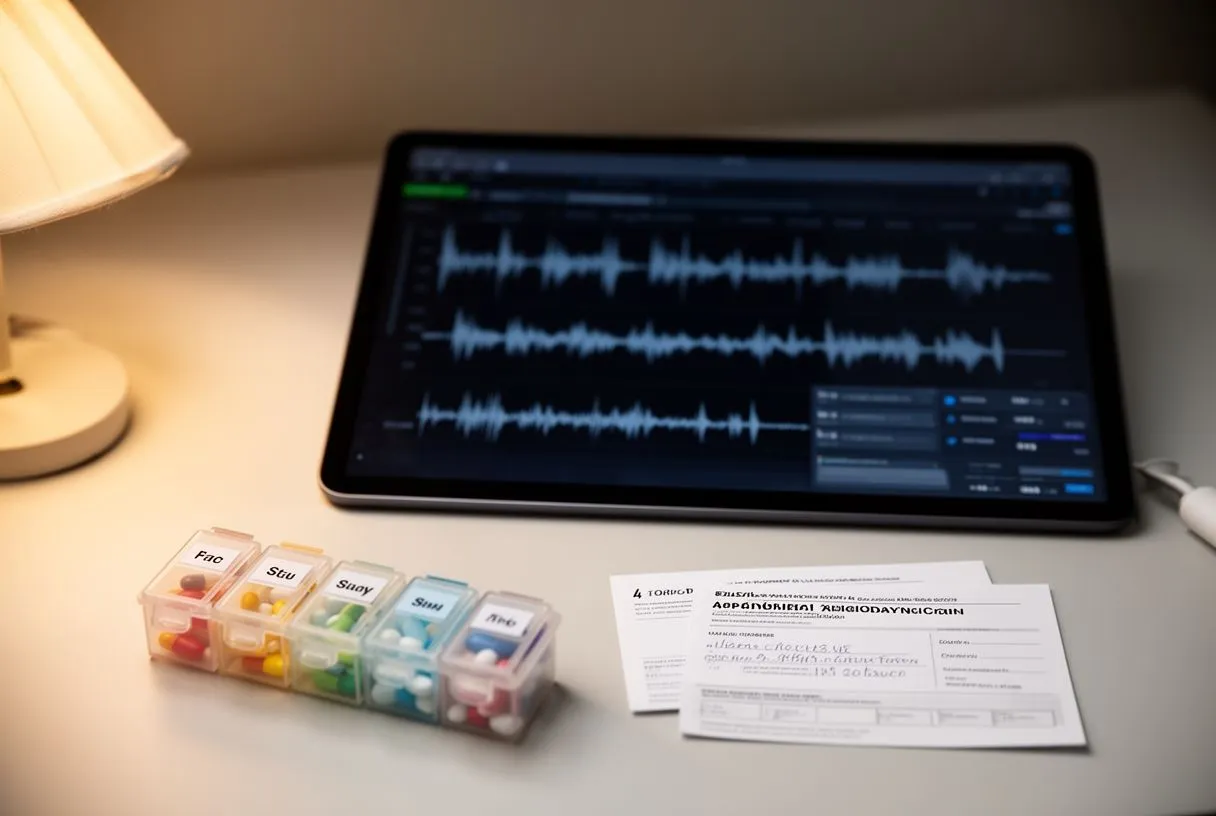
Patients can participate in this process by keeping a simple log of their BNP results alongside their weight and symptoms. Bringing that record to each appointment turns a once-a-year conversation into a continuous, data-informed partnership. Research into novel diagnostic tools continues to expand the cardiovascular toolkit — for example, emerging work on contrast-enhanced ultrasonography in non-cardiac thoracic disorders, detailed in a study published in BMC Veterinary Research, illustrates how imaging technology is evolving to detect tissue-level changes earlier — and BNP testing benefits from the same spirit of early, precise detection.
When to Seek Help for High BNP Heart Failure
Knowing when a high BNP reading warrants urgent attention versus routine follow-up can feel overwhelming, but a few clear principles help. If you have been diagnosed with heart failure and your BNP is being monitored, a gradual upward drift over weeks is a reason to contact your cardiologist for a medication review — not necessarily an emergency. The same applies if you notice mild swelling or slightly reduced exercise tolerance. Your team may adjust your diuretic dose or schedule an office visit within a week or two.
Symptoms that demand immediate medical attention include sudden severe shortness of breath, especially if it wakes you from sleep or occurs at rest; rapid weight gain of more than two to three pounds in a day or five pounds in a week; chest pain or pressure that does not resolve; fainting or near-fainting; and a rapid or very irregular heartbeat. These can signal acute decompensation, a dangerous arrhythmia, or even a new heart attack. In such cases, calling emergency services or going to the nearest emergency department is the right step — not waiting for the next clinic appointment.
For patients with an elevated BNP who have not yet been formally diagnosed, the message is similar: do not ignore the result, but also do not panic. Schedule a cardiology consultation to discuss what the number means in your specific context, including your age, kidney function, medications, and symptoms. A qualified cardiac team can perform a thorough evaluation, order appropriate imaging, and build a personalized plan. If you or a loved one has received a high BNP result, the most productive next step is to book a consultation with a specialist who can translate that laboratory number into a clear, actionable path forward — rather than self-diagnosing from a single value.
- Routine follow-up: Gradual BNP rise with mild symptoms warrants a scheduled cardiology visit within one to two weeks.
- Urgent care: Sudden breathlessness, rapid weight gain, fainting, or chest pain require immediate emergency evaluation.
- New diagnosis: A first-time elevated result should prompt a comprehensive cardiac assessment, not guesswork.
Understanding high BNP heart failure empowers you to move from uncertainty to action. The number is a signal — one that, interpreted by experienced hands, becomes the foundation of a treatment plan designed for your individual situation. Book a consultation with a cardiac team who can walk you through every step, answer your questions honestly, and help you feel confident about the road ahead.