
High Triglycerides and Heart Disease: What to Change
High triglycerides heart disease risk is real but reversible.
High triglycerides are one of the most common findings on a routine blood test, and one of the most quietly misunderstood. Triglycerides are a type of fat that circulates in your blood, and when they stay elevated for years they raise the risk of coronary artery disease, stroke and other cardiovascular problems. The encouraging part is that triglycerides respond strongly to changes you control every day: what you eat, how much you move, and how much weight you carry. This guide walks through what the numbers mean, which foods help and which hurt, when medication enters the picture, and when it is worth sitting down with a cardiac team to review your overall risk.
What Are High Triglycerides and Heart Disease Risks?
Every time you eat, your body converts calories it does not need immediately into triglycerides and stores them in fat cells for later use. Between meals, hormones release these fats for energy. This is a normal, healthy process. The problem arises when you consistently consume more energy than you burn, especially from sugar, refined carbohydrates and alcohol. Over time, triglyceride levels climb and stay high.
Why the number on your lab report matters: Persistently elevated triglycerides contribute to atherosclerosis, the gradual hardening and narrowing of the arteries. This process restricts blood flow to the heart muscle and raises the likelihood of a heart attack. High triglycerides also tend to travel with other risk factors, including low HDL cholesterol, high blood pressure and elevated blood sugar, forming a cluster that accelerates damage across the whole cardiovascular system.
Why screening catches it early: Cardiovascular disease remains the leading cause of death worldwide, and abnormal blood lipids are among its most established drivers, as shown in the Global, Regional, and National Burden of Cardiovascular Diseases for 10 Causes, 1990 to 2015. Because elevated triglycerides usually cause no symptoms, a simple blood test is often the only way to find them before damage is done. Recognizing the risk early gives you and your medical team time to make meaningful changes.
Are Triglycerides Bad for You?
Triglycerides themselves are not the enemy. Your body needs them to store and transport energy, and you could not function without them. They become harmful when levels remain elevated for months or years, when the surplus fat starts to deposit in places it does not belong, including the walls of your arteries.
Context changes everything: A mildly raised triglyceride level in an active person with normal weight and blood sugar carries far less concern than the same number in someone with obesity, insulin resistance or a family history of early heart attack. The risk is highest when high triglycerides cluster with low HDL cholesterol, abdominal obesity and high blood pressure. Cardiologists therefore treat your triglyceride value as one piece of a larger puzzle rather than a verdict on its own.
What really matters for your heart: The question is less "are triglycerides bad?" and more "how elevated are they, for how long, and alongside what other conditions?" A single borderline result deserves attention but rarely alarm. Years of untreated elevation, especially with other risk factors present, is where real danger accumulates.
How Are Triglycerides and Heart Health Connected?
The link between triglycerides and heart disease runs through several overlapping mechanisms. Understanding them helps explain why lowering these blood fats protects far more than a single number on a lab sheet.
Plaque and artery inflammation: Triglyceride-rich particles can work their way into the lining of the coronary arteries, where they promote inflammation and plaque buildup. These plaques can gradually narrow the vessel, or rupture suddenly and trigger the clot that causes a heart attack. This is the same process that underlies ischaemic heart disease, in which the heart muscle is deprived of oxygen-rich blood.
The metabolic cluster effect: High triglycerides rarely appear alone. They usually accompany insulin resistance, excess abdominal weight and low protective HDL cholesterol. The same inflammatory environment that damages the coronary arteries also harms small blood vessels elsewhere in the body, including the kidneys, which is why chronic kidney disease often develops alongside longstanding metabolic problems. A large analysis of disease burden across 195 countries confirms how strongly these metabolic risk factors now shape health outcomes globally (Global, regional, and national incidence, prevalence, and years lived with disability for 328 diseases and injuries for 195 countries, 1990-2016).
The pancreas at very high levels: When triglycerides climb above roughly 500 mg/dL, the immediate danger shifts from the arteries to the pancreas. Levels that extreme can trigger acute pancreatitis, a painful and potentially serious inflammation that requires prompt treatment. This is one of the few situations where very high triglycerides produce visible, urgent consequences.
Triglycerides vs Cholesterol: Understanding the Difference
Patients often ask whether triglycerides and cholesterol are the same thing. They are different fats with different jobs, and both appear on the same standard lipid panel.
Two fats, two purposes: Cholesterol is a waxy substance your body uses to build cell membranes and produce hormones. Triglycerides are pure stored energy, fat waiting to be burned. Cholesterol levels are influenced more by genetics and the types of dietary fat you eat. Triglycerides respond quickly and dramatically to your daily calorie balance, especially sugar and alcohol intake.
Why both matter for your heart: High LDL cholesterol drives plaque formation directly, while high triglycerides amplify the risk by promoting inflammation and lowering protective HDL. Treating one without attention to the other leaves part of your risk unaddressed. This is why a full lipid panel, interpreted by a clinician in context, tells you far more than any single value ever could.
Triglycerides Normal Range: What Do Your Results Mean?
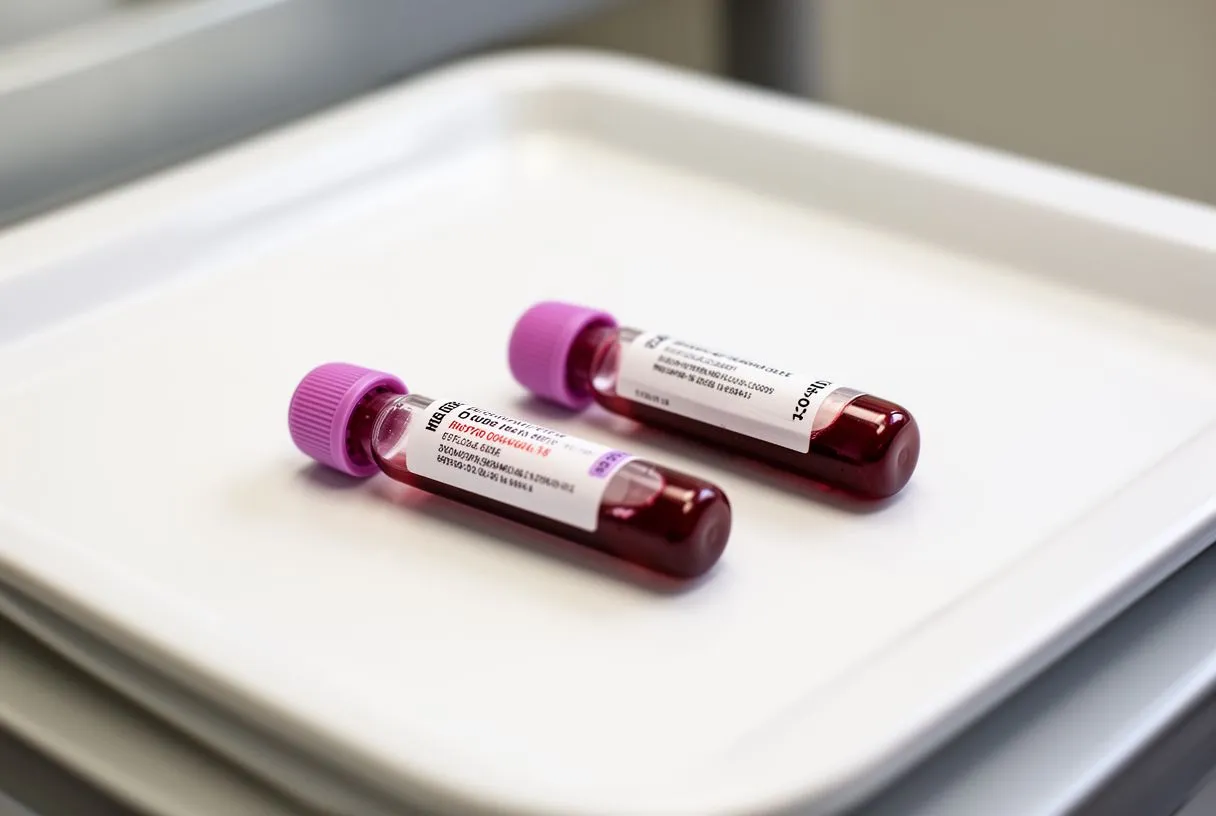
Triglycerides are measured in milligrams per deciliter of blood, ideally after a 9-to-12-hour fast, since a recent meal can temporarily double the reading. The standard categories are broadly agreed across international guidelines:
- Normal: below 150 mg/dL, the target range for most healthy adults.
- Borderline high: 150 to 199 mg/dL, usually a signal to adjust diet, weight and activity.
- High: 200 to 499 mg/dL, often warranting lifestyle change plus a medical review.
- Very high: 500 mg/dL and above, needing prompt treatment to reduce pancreatitis risk.
One result is not a diagnosis: A single elevated reading should be repeated before any major decision is made, because illness, alcohol the night before, or even recent stress can skew the result. The Centers for Disease Control and Prevention recommends regular lipid screening for adults precisely because abnormal levels produce no warning signs on their own. Confirming the trend over two or three tests gives a far more reliable picture than one snapshot.
High Triglycerides Symptoms and Warning Signs
High triglycerides are almost always silent. You cannot feel your blood carrying extra fat, and there is no ache or flutter that tells you your arteries are inflamed. Most people discover elevated levels only through a routine blood test, or after a cardiac event has already occurred.
Rare visible signs: In extreme cases, typically above 1,000 mg/dL, small painless yellowish deposits called eruptive xanthomas can appear on the skin, often on the back, shoulders or buttocks. These are a clear signal that levels have been dangerously high for some time. Such findings always deserve urgent medical assessment.
Symptoms that suggest something else: Fatigue, chest tightness or breathlessness during exertion are not caused by triglycerides directly. They may, however, indicate established coronary artery disease that elevated triglycerides helped create over the years. Any chest discomfort on exertion, new shortness of breath, or fainting episodes should be evaluated promptly by a cardiologist rather than dismissed as being out of shape.
In our practice we meet patients every year who dismissed exertional chest symptoms for months before being assessed, which is why we urge anyone with those warning signs to be evaluated without delay.
What Foods Raise Triglyceride Levels?
Because triglycerides are stored surplus energy, the foods that raise them most are those that flood your bloodstream with rapidly absorbed sugar or alcohol. The effect can appear within hours of a heavy meal, and it accumulates over months and years of repetition.
The main offenders:
- Added sugars: sodas, sweetened coffees, pastries and desserts convert directly into triglycerides in the liver.
- Refined carbohydrates: white bread, white rice and most packaged snacks digest quickly and push levels up.
- Alcohol: even modest amounts raise triglycerides noticeably in sensitive people; heavy drinking can push them into the hundreds.
- Fried and ultra-processed foods: high in calories and refined starch, they feed the calorie surplus that drives levels upward.
Hidden sugars to watch for: Many products labeled "low-fat" replace fat with added sugar to preserve flavor, which can be worse for triglycerides than the original version. Scanning ingredient lists for syrup, dextrose or concentrated fruit juice helps you spot these traps. Cutting sugary drinks alone is often the single most effective change a patient can make.
What Snacks Are Good for Triglycerides?
Lowering triglycerides does not mean going hungry between meals. The right snacks steady your blood sugar, prevent the overeating that creates a calorie surplus, and can even add nutrients that actively improve your lipid profile.
Snacks worth keeping on hand: A small handful of unsalted nuts such as walnuts or almonds, plain Greek yogurt with berries, sliced vegetables with hummus, a piece of whole fruit, or a boiled egg. These combine protein, fiber and healthy fats, which slow digestion and keep you satisfied without a blood sugar spike.

The omega-3 advantage: Fatty fish such as salmon, sardines and mackerel are rich in omega-3 fatty acids, which reduce the liver's production of triglycerides. Eating fatty fish about twice a week is one of the most evidence-supported dietary habits for lipid health. It works just as well in a lunch salad or a snack plate as it does at dinner.
How to Reduce Triglycerides Naturally
Lifestyle change is the foundation of triglyceride management, and unlike cholesterol, triglycerides often respond within weeks. The plan works best when several modest changes act together, rather than one heroic sacrifice that cannot be sustained.
Weight and movement: Losing even 5 to 10 percent of your body weight can substantially lower triglycerides. Regular aerobic activity, such as brisk walking, swimming or cycling, burns the calories that would otherwise be stored as fat and improves insulin sensitivity. Consistency across most days of the week beats one punishing weekend session every time.
Cut the sugar, mind the alcohol: Eliminating sugary drinks and limiting alcohol are the two changes with the fastest measurable effect. Many patients see their numbers fall noticeably within eight to twelve weeks of these adjustments alone, long before weight loss becomes the main driver.
A sustainable eating pattern: A Mediterranean-style diet built on vegetables, legumes, whole grains, olive oil and fish is the most studied approach for lowering triglycerides and protecting the heart. When reviewing your diet, it helps to focus on the two or three changes most likely to move your specific numbers, because a plan you can actually follow beats a perfect one you abandon.
High Triglycerides Treatment and Medical Options
When lifestyle changes alone are not enough, or when levels are very high, medication becomes part of the plan. Statins are usually first if your overall cardiovascular risk is elevated, because they lower both LDL cholesterol and triglycerides while reducing heart attack risk. Fibrates and prescription omega-3 preparations are options when triglycerides themselves are the main concern, particularly above 500 mg/dL.
Why the whole picture drives the choice: The right medication depends on your overall risk profile, other conditions such as diabetes or chronic kidney disease, and how your body responds over time. Our multidisciplinary team reviews every case against international practice guidelines before recommending treatment, and we present the alternatives plainly so the final decision is always yours.

Medication complements, never replaces, lifestyle: Even on treatment, diet, weight and activity remain essential. Medications lower the number; lifestyle changes lower the underlying drivers. Patients who combine both consistently achieve the most durable results and often need less medication over time.
When to See a Cardiologist About Your Triglyceride Levels
So when should elevated triglycerides move from your family doctor's office to a specialist's care? Consider a cardiac consultation if your levels stay above 200 mg/dL despite lifestyle changes, if you have diabetes, high blood pressure or a family history of early heart disease, or if you experience chest discomfort, unusual breathlessness or fainting during exertion.
What a proper evaluation includes: A cardiac team looks beyond the lipid panel, at your blood pressure, blood sugar, heart rhythm and artery health, to estimate your real risk rather than a generic one. For patients whose arteries or valves are already affected, options range from medication and monitoring to catheter-based or surgical treatment, always chosen as the lowest-risk approach for that specific person. A team review also catches conditions that lab results alone can miss, such as significant valvular heart disease discovered on echocardiography.
Getting started is simple: Your first contact with our team is a free video consultation: we get to know you, talk through your condition and results in plain words, and tell you which studies are actually needed so no unnecessary tests are ordered. We also encourage second opinions and treat them as a normal part of deciding about heart care. If high triglycerides, or any heart concern, have been weighing on you, book a consultation with our team in Guadalajara, Querétaro or Hermosillo and take the guesswork out of your next step.