Interatrial Septum Defects: Holes Between Heart Chambers
Interatrial septum defect symptoms, diagnosis, and surgery options explained by Guadalajara heart specialists.
A diagnosis of an interatrial septum defect can sound frightening, especially when you are trying to understand complex cardiac anatomy while managing the anxiety of an upcoming medical procedure. This condition, often discovered during routine evaluations for other issues, involves an abnormal opening in the wall separating the two upper chambers of the heart. For patients in Mexico seeking expert cardiac care, understanding exactly what this means is the first step toward a successful recovery.
What Is an Interatrial Septum Defect
An interatrial septum defect is a congenital heart condition, meaning it is present from birth, where there is a hole in the wall (septum) that divides the left and right upper chambers of the heart. During fetal development, this opening is normal, allowing blood to bypass the lungs, but it should close shortly after birth. When it remains open, oxygen-rich blood from the left side mixes with oxygen-poor blood on the right side, altering the normal blood flow.
How common is an interatrial septum defect? It is one of the most common congenital heart anomalies, affecting both children and adults. Many people live for decades without realizing they have the condition, as the hole may be small and cause no noticeable symptoms. However, larger defects require careful monitoring and often intervention to prevent long-term strain on the heart and lungs.
Understanding the difference between ASD and PFO: While often discussed together, an atrial septal defect (ASD) and a patent foramen ovale (PFO) are slightly different. An ASD is a true structural gap, whereas a PFO is a flap-like opening that failed to seal. Both can allow unwanted blood flow between the chambers, but the approach to closing them depends on the specific anatomy and the symptoms you experience.
How an Interatrial Septum Defect Affects the Atrium
To understand the impact of this defect, it helps to visualize the atrium, the upper chamber of the heart that receives blood returning from the body and lungs. Normally, the right atrium handles oxygen-poor blood and sends it to the lungs, while the left atrium manages oxygen-rich blood and pumps it to the rest of the body. A hole in the septum disrupts this precise division.

Volume overload in the right atrium: Because the left side of the heart usually has higher pressure, blood naturally shunts from the left to the right through the defect. This means the right atrium receives extra blood volume it was not designed to handle. Over time, this extra volume stretches the chamber and increases the workload on the right side of the heart.
Effects on pulmonary circulation: The excess blood from the right atrium is sent directly to the lungs. While the lungs can handle some additional flow, chronic overcirculation can lead to pulmonary hypertension. This is high blood pressure in the arteries of the lungs, which can eventually damage the delicate blood vessels there and lead to more severe heart conditions if the defect is not addressed.
Signs and Symptoms of an Interatrial Septum Defect
Fatigue and shortness of breath: Because the body is not receiving optimal oxygen delivery due to the mixing of blood, you might feel unusually tired, especially during physical exertion. Shortness of breath, particularly when climbing stairs or engaging in moderate activity, is a common early sign. These symptoms often develop slowly, making them easy to dismiss as simply being out of shape.
Heart palpitations and arrhythmias: The stretching of the right atrium caused by the extra blood volume can irritate the heart's electrical system. This may cause you to feel a fluttering sensation in your chest, a condition known as atrial flutter. If you experience these irregular heartbeats alongside fatigue, it is important to have a cardiac evaluation to determine the underlying cause.

Why some defects go unnoticed: If the hole is small, the shunting of blood is minimal, and you might never experience symptoms until later in life. Many defects are found incidentally during a physical exam when a doctor hears a heart murmur during auscultation, the process of listening to the heart with a stethoscope. Regular check-ups are crucial for catching these silent defects before they cause structural damage.
How Do Doctors Diagnose an Interatrial Septum Defect
Diagnosis begins with a thorough clinical evaluation and a review of your medical history. If your doctor suspects a heart defect, they will listen for specific murmurs and look for signs of heart strain. The definitive diagnosis, however, relies on advanced imaging techniques that allow the cardiac team to see the structure of your heart in real-time.
- Auscultation: Listening for a characteristic heart murmur during a physical exam.
- Echocardiogram: Ultrasound imaging to visualize the septum and measure blood flow.
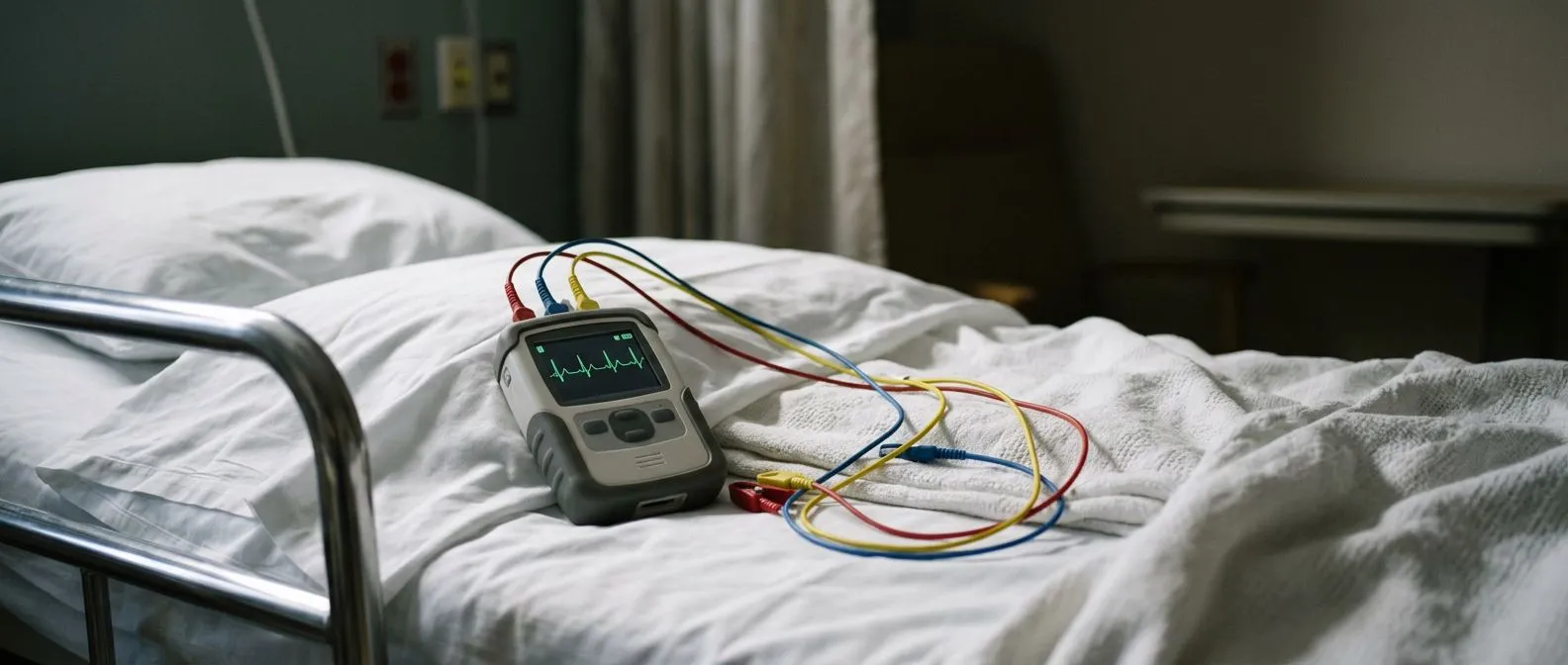
- Electrocardiogram (ECG): Checking for irregular electrical activity or arrhythmias in the heart.
The role of echocardiography: An echocardiogram is the gold standard for diagnosing an interatrial septum defect. This painless ultrasound test uses sound waves to create detailed moving images of the heart. It allows the cardiologist to visualize the septum, locate the exact size and position of the hole, and measure how much blood is flowing through it.
Additional imaging and monitoring: In some cases, a transesophageal echocardiogram (TEE) might be used for a closer look, where the ultrasound probe is passed down the throat. Your doctor may also order an electrocardiogram (ECG) to check for arrhythmias, or a chest X-ray to see if the heart or lungs appear enlarged. These tests help the surgical team plan the safest approach for your specific anatomy.
Treatment Options for an Interatrial Septum Defect
Watchful waiting for small defects: If the defect is very small and causing no symptoms or heart enlargement, your cardiac team may recommend a "watch and wait" approach. This involves regular check-ups and echocardiograms to monitor the hole. If it never causes problems, surgery might be avoided entirely, though monitoring continues throughout life.
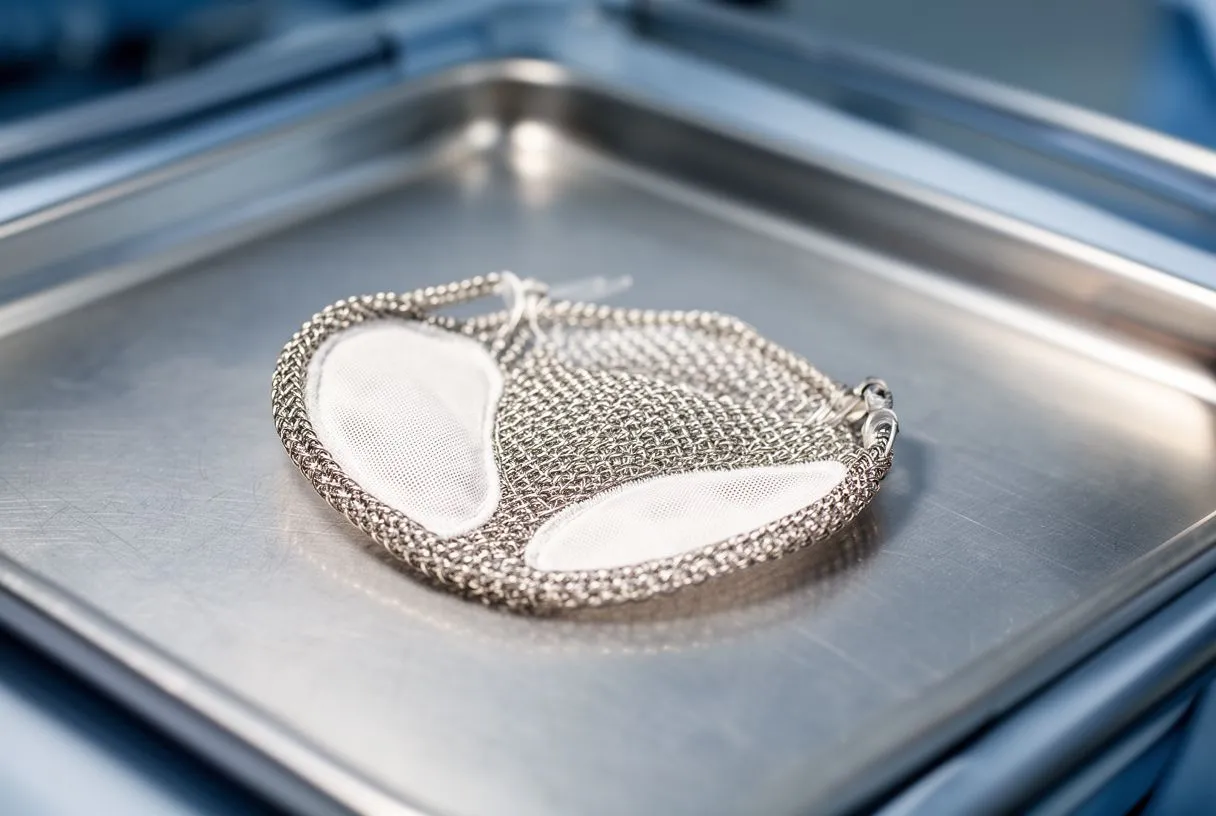
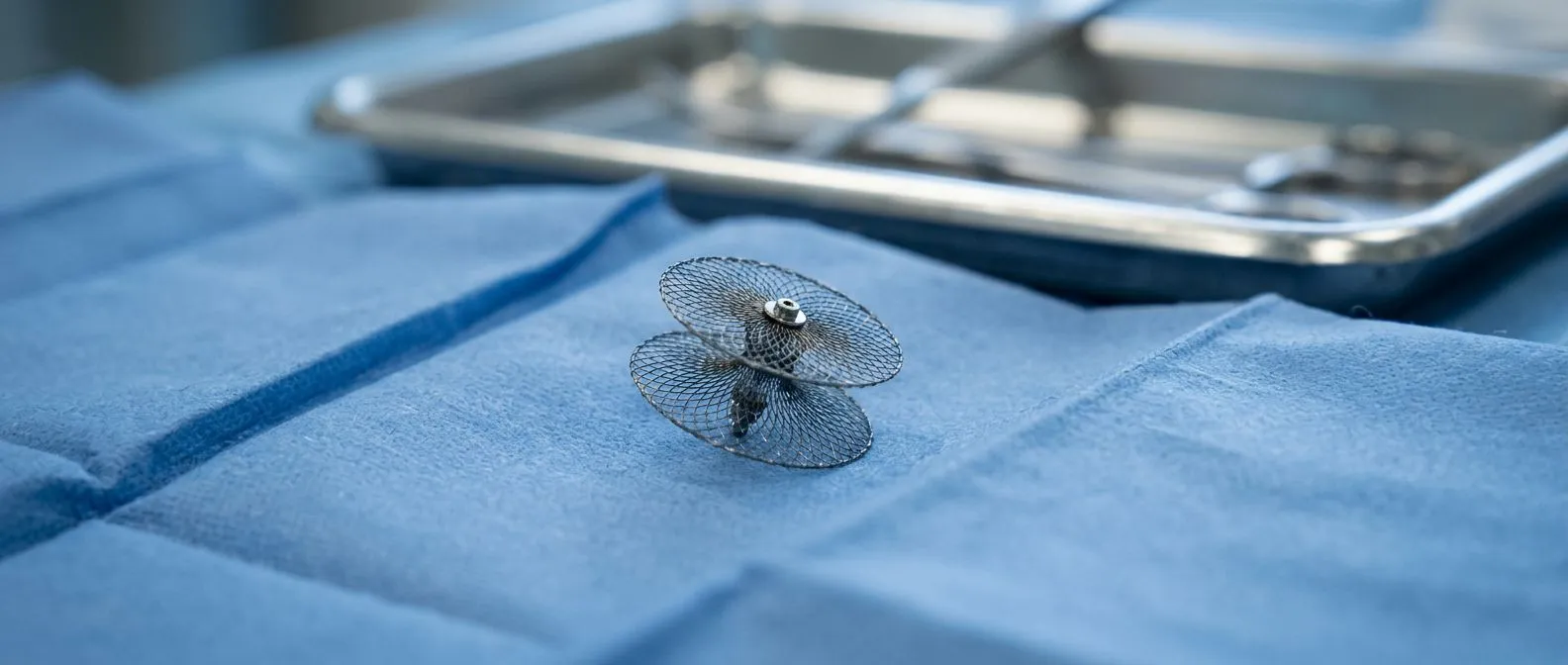
Catheter-based closure techniques: For many patients, surgery is not necessary because the defect can be closed using a minimally invasive catheter procedure. A thin tube is guided through a blood vessel to the heart, where a device is deployed to plug the hole. This approach avoids large incisions and typically allows for a much faster recovery, though it is only suitable for defects of certain sizes and locations.
Surgical closure for complex cases: When the defect is very large, located in a difficult-to-reach area, or accompanied by other heart anomalies, open surgery is the safest option. The surgeon will patch the hole, often using a piece of your own tissue or a synthetic material. This approach provides direct access to the heart for a definitive repair, ensuring normal blood flow is restored.
What to Expect During Interatrial Septum Defect Closure Surgery
Preparing for the procedure: Before surgery, you will undergo a series of preoperative tests to ensure you are healthy enough for anesthesia. You will meet with the anesthesiologist and the surgical team to discuss the plan and ask questions. You may be asked to stop taking certain medications, such as aspirin, in the days leading up to the operation to reduce bleeding risks.
The surgical process: During the operation, you will be under general anesthesia. The surgeon will access the heart, often through a minimally invasive approach rather than a large traditional incision down the chest. The heart-lung machine may be used to take over the work of the heart while the surgeon precisely closes the defect in the septum.
Immediate postoperative care: After surgery, you will wake up in the intensive care unit, where nurses will closely monitor your vital signs. You might have an arterial line or an arterial cannula in place to provide real-time blood pressure readings. Pain is managed with medication, and you will be encouraged to start moving as soon as it is safe to do so to promote circulation.
Recovery Timeline After Interatrial Septum Defect Repair
The first few weeks at home: Once discharged, the initial recovery phase focuses on gradual healing. You will need to avoid heavy lifting and strenuous activities, allowing the chest incision and the heart tissue to heal properly. Mild fatigue is normal during this time, and you should balance rest with short, gentle walks as recommended by your doctor.

Cardiac rehabilitation: Many patients benefit from a structured cardiac rehabilitation program. This supervised exercise and education plan helps you safely rebuild your strength and stamina. The program also provides guidance on heart-healthy living, including nutrition and managing risk factors, ensuring you get the most out of your repaired heart.
- Week 1-2: Focus on rest, wound care, and gentle walking around the house.
- Week 3-6: Gradual increase in activity, often starting cardiac rehab.
- Month 3: Full recovery, return to normal activities, and follow-up imaging.
Long-term follow-up: Complete healing takes several months. You will have follow-up appointments with your cardiologist to check your progress with echocardiograms. The goal is to confirm that the defect is securely closed and that the heart chambers, particularly the right atrium, are returning to their normal size and function.
Potential Risks and Complications of Defect Closure
Surgical risks to consider: Like any major procedure, interatrial septum defect closure carries inherent risks. These can include bleeding, infection, or reactions to anesthesia. There is also a small risk of damage to surrounding heart structures, though experienced surgical teams take meticulous care to minimize these possibilities.
Risks specific to the heart: Because the procedure involves the heart's conduction system, there is a risk of developing arrhythmias, or irregular heartbeats, after surgery. According to the CDC and other health authorities, careful monitoring during and after the procedure helps catch and manage these rhythm issues early, often with medication or temporary pacing.
Residual or recurrent defects: In rare cases, the patch or closure device may not completely seal the hole, or a new tiny leak might develop. This is why follow-up imaging is so important. If a residual defect is found, it is usually small and can be monitored, though occasionally a secondary catheter procedure is needed to achieve a perfect seal.
Long-Term Quality of Life After Repair
Relief from symptoms: Most patients experience a remarkable improvement in their quality of life after the defect is closed. Fatigue and shortness of breath typically diminish as the heart no longer has to work overtime to handle the extra blood volume. Many people find they can return to activities they had previously given up due to exhaustion.
Protecting your heart long-term: Even after a successful repair, maintaining heart health is essential. This includes managing other cardiovascular risk factors, such as monitoring atheromatous plaque buildup in the arteries or taking prescribed medications. A heart-healthy diet and regular, moderate exercise are key components of protecting your investment in your cardiac health.
Understanding autonomic changes: Research on heart repair, including studies on the autonomic nervous system like those found in the disorders of the autonomic nervous system in the cardiology practice, highlights how heart function is intricately linked to our nervous system. Proper surgical repair helps restore normal physiological feedback loops, contributing to overall cardiovascular stability.
When to Contact Your Cardiac Surgery Team
Recognizing warning signs: While recovery is usually smooth, certain symptoms warrant immediate medical attention. If you experience severe chest pain, sudden shortness of breath, fainting, or signs of an infection such as fever or redness at the incision site, you should contact your medical team right away. Do not wait for your next scheduled appointment.
Managing anxiety and expectations: It is normal to feel anxious about your heart, even after a successful repair. Establishing a clear line of communication with your surgical team helps manage this anxiety. If you notice a sudden return of palpitations or if you feel something is "just not right," trust your instincts and reach out to the clinic.
Partnering with your care team: Ongoing research into cardiac cell recovery, such as the study on how induced mitophagy promotes cell cycle re-entry in adult cardiomyocytes, underscores the dynamic nature of heart healing. Your team is there to guide you through this process. If you are experiencing symptoms of an interatrial septum defect, or if you are seeking a second opinion regarding your cardiac care, we encourage you to book a consultation with Dr Alejandro Molina to discuss your specific situation and find the lowest risk approach for your heart.