
Intravenous Antibiotics for Endocarditis: The Treatment Course
Intravenous antibiotics endocarditis treatment: how long it lasts, hospital care, outpatient options, and recovery timeline.
What Are Intravenous Antibiotics for Endocarditis?
Infective endocarditis is an infection of the inner lining of the heart, most often the heart valves, caused by bacteria that enter the bloodstream. When this happens, intravenous antibiotics become the cornerstone of treatment, delivered directly into a vein so the medication reaches the heart in high, consistent concentrations. For patients and families first hearing this diagnosis, the words can feel overwhelming, but understanding the treatment course brings clarity to what lies ahead.
Unlike a simple chest infection that clears with a few days of oral pills, endocarditis requires a structured, weeks-long plan guided by blood cultures, imaging, and the judgment of a cardiac and infectious-disease team. The goal is not only to kill the bacteria causing the infection but to prevent the vegetation — the cluster of bacteria and debris clinging to the valve — from growing, breaking loose, or permanently damaging the heart. According to Mayo Clinic, timely and appropriate antibiotic therapy is essential to improving outcomes in infective endocarditis.
Throughout this guide, we walk through what happens anatomically, how the medication is chosen and delivered, what the hospital stay involves, and how recovery unfolds. Every decision in this process balances the need to eradicate the infection against the risks of prolonged treatment, and a qualified cardiac team tailors each plan to the individual patient.
How Endocarditis Develops in the Heart Valves
Bacteria enter the bloodstream through everyday events — a dental procedure, a skin wound, or intravenous drug use — and in most people the immune system clears them without consequence. But when the heart valve surface is damaged, roughened, or prosthetic, bacteria can settle there and multiply, forming a vegetation. This vegetation disrupts the valve's normal opening and closing, and pieces can break off, travelling through the bloodstream to the brain, lungs, or limbs.
The mitral and aortic valves, located near the left atrium and the ascending aorta respectively, are the most commonly affected. A clinician may suspect endocarditis after careful auscultation reveals a new or changing heart murmur, supported by fever, blood cultures, and echocardiography. The infection can also involve the tricuspid valve, particularly in endocarditis IV drug use scenarios, where bacteria enter through non-sterile injections.
Understanding this mechanism matters because it explains why treatment is so prolonged. The bacteria inside a vegetation are partly shielded from the immune system and from many antibiotics, which is why high, sustained blood levels of the right medication are necessary. This is also why some cases ultimately require surgery to remove infected tissue or replace a damaged valve, especially when the infection involves a prosthetic valve or causes heart failure.
Why IV Antibiotics Are Used Instead of Oral Pills
Oral antibiotics absorbed through the digestive tract produce variable blood levels affected by food, stomach acid, and gut absorption. For an infection embedded in heart tissue, this inconsistency is dangerous. Intravenous antibiotics bypass the digestive system entirely, delivering predictable, high concentrations directly into circulation, which is precisely what endocarditis antibiotic guidelines call for.
Some of the bacteria responsible, such as certain streptococcal species, are highly susceptible to penicillin, while others, like Staphylococcus aureus, require agents such as IV vancomycin endocarditis protocols provide. The choice depends on the organism identified in blood cultures and its sensitivity profile, a process that usually takes forty-eight to seventy-two hours. Until those results return, broad-spectrum coverage is started empirically.

The reliability of IV delivery is not just about potency — it is about predictability. A missed or delayed oral dose can allow bacteria to rebound, while an arterial line or central venous catheter ensures steady infusion. For international patients travelling for treatment, this also means the hospital stay becomes a fixed, planned commitment rather than an uncertain wait-and-see approach.
Types of IV Antibiotics Used for Endocarditis
The specific medication depends on the infecting organism, whether the valve is native or prosthetic, and the patient's allergies and kidney function. Gram positive endocarditis treatment most often centres on penicillins, cephalosporins, or glycopeptides, because streptococci, enterococci, and staphylococci account for the majority of cases.
- Penicillin IV endocarditis regimens: used for susceptible streptococci, often combined with gentamicin for synergy in certain cases.
- IV vancomycin endocarditis protocols: preferred for MRSA endocarditis IV antibiotics and for patients with penicillin allergy.
- Gentamicin synergy: sometimes added for enterococcal or prosthetic valve infections, with careful kidney monitoring.
For gram positive endocarditis treatment, a systematic review published on ScienceDirect underscores that the combination and duration of therapies must be individualised, as different organisms respond to different agents and regimens. A cardiac infectious-disease specialist interprets these results and adjusts the plan, sometimes narrowing or broadening coverage as new data arrives.
How Long Is the Endocarditis Treatment Course?
Most patients receive intravenous antibiotics for four to six weeks, though the exact duration depends on the organism, the valve involved, and how quickly blood cultures become negative. Native valve endocarditis caused by highly susceptible streptococci may be treated with a shorter course, while prosthetic valve endocarditis antibiotics typically require the full six weeks or longer.
The treatment clock does not always start on the day of admission. Clinicians often count the beginning of effective therapy from the day the first appropriate antibiotic is given after blood cultures are drawn. This means the total hospital stay may extend beyond the calculated antibiotic course, especially if surgery is needed or if complications arise.
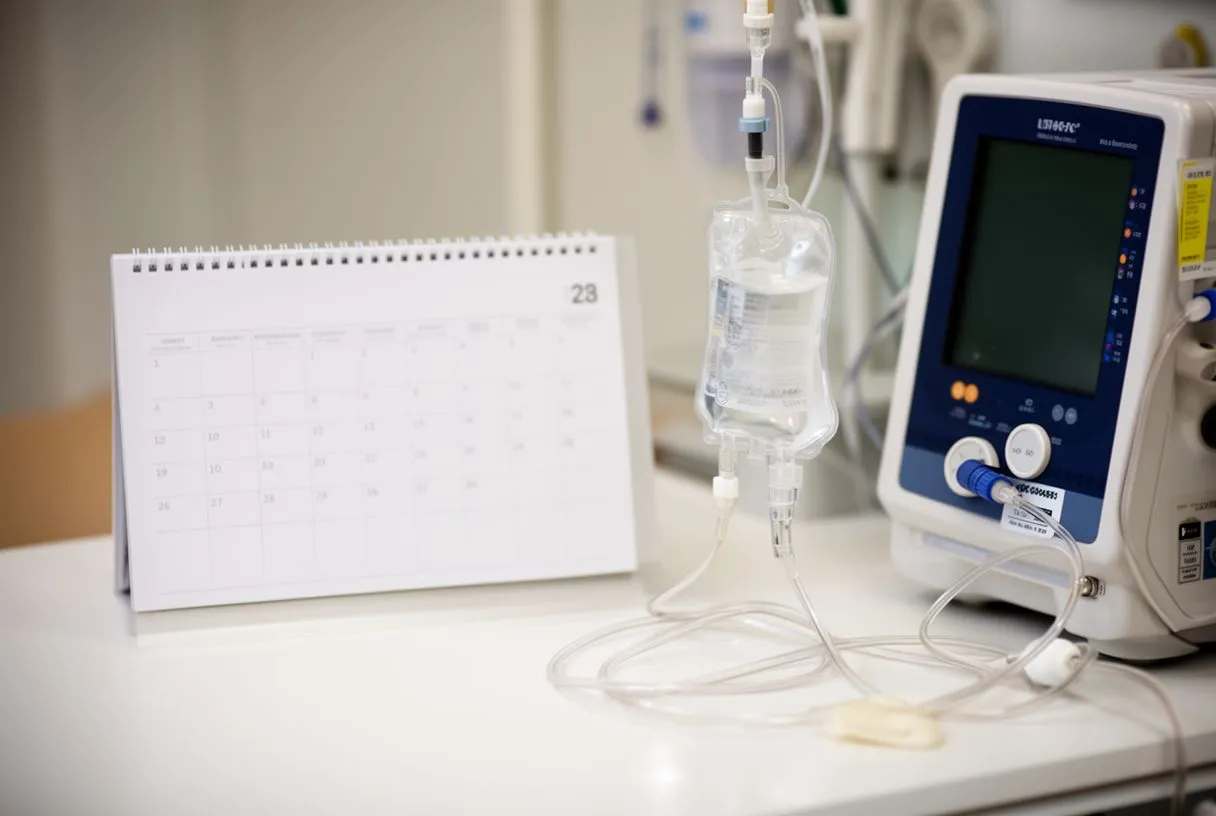
Long term IV antibiotics endocarditis protocols are not arbitrary — they reflect the time needed for bacteria deep within the vegetation to be exposed to lethal drug levels. Stopping too early risks relapse, which can be more difficult to treat and more damaging to the valve. Families should plan for a stay measured in weeks, not days, and discuss logistics such as accommodation, work leave, and travel arrangements with the care team early.
What to Expect During Hospital IV Antibiotic Therapy
The first days in hospital are about stabilisation and diagnosis. Blood cultures are drawn before antibiotics begin, an echocardiogram is performed to locate the vegetation, and a central or peripheral line is placed for reliable IV access. Patients can expect frequent blood tests to monitor kidney function, inflammatory markers, and antibiotic levels, particularly with vancomycin, which requires careful dose adjustment.
The hospital stay is not continuous bed rest for six weeks. As the infection comes under control and fever subsides, patients are encouraged to sit up, walk with assistance, and begin gentle activity. Monitoring continues around the clock, with nursing staff administering scheduled doses, checking for side effects, and watching for signs such as embolic events or new heart failure symptoms.
Visitors, nutrition, and emotional support matter enormously during a long admission. For families travelling internationally, the team can help coordinate local lodging, translation, and communication with home physicians. The goal is to keep the patient safe during the highest-risk phase while building toward a transition to outpatient IV antibiotics endocarditis arrangements where appropriate.
Outpatient IV Antibiotics for Endocarditis: Is It Safe?
Once blood cultures are negative, fever has resolved, and the patient is clinically stable, some individuals can complete the remaining weeks of intravenous antibiotics at home. This is called outpatient parenteral antibiotic therapy, and it is not suitable for every patient — careful selection by the treating team is essential.
Candidates for outpatient therapy must have reliable IV access, a stable home environment, the ability to recognise warning signs, and access to a infusion service or trained caregiver. The medication is delivered through a peripherally inserted central catheter, and doses are scheduled and monitored just as in hospital, with periodic clinic visits for blood work and echocardiography.
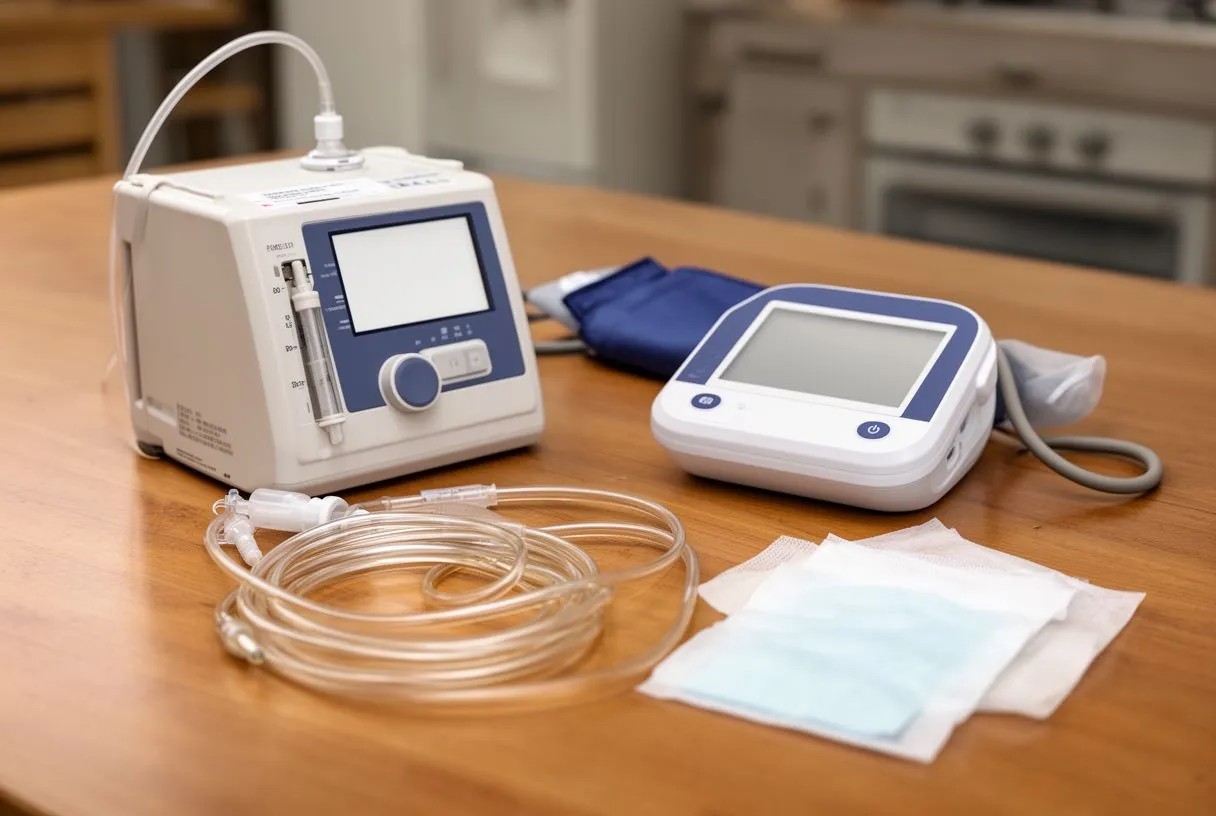
The advantage is clear: patients sleep in their own bed, eat home-cooked food, and regain a sense of normalcy. The risk is that a complication — a line infection, an embolic event, or a medication side effect — may not be recognised as quickly. For this reason, outpatient IV antibiotics endocarditis programs include strict criteria, emergency contact instructions, and a clear plan for returning to hospital if needed.
IV Antibiotic Side Effects During Endocarditis Treatment
Every antibiotic carries potential side effects, and the high doses used in endocarditis amplify both efficacy and risk. Patients and families should understand what to watch for without becoming alarmed, because most reactions are manageable with dose adjustment or supportive care. A candid discussion with the care team about IV antibiotic side effects endocarditis patients may experience is part of informed consent.
Common issues include gastrointestinal upset, rash, and changes in blood counts. More serious concerns vary by drug: vancomycin can affect the kidneys and requires level monitoring; gentamicin carries hearing and kidney risks; and prolonged broad-spectrum coverage can predispose to secondary infections. Some patients notice arm pain or discomfort at the IV site, which the nursing team can address by repositioning or replacing the line.
Reporting side effects promptly allows the team to act before they become dangerous. Patients should never stop an antibiotic on their own or skip doses because of mild discomfort — doing so can allow the infection to rebound. Instead, every new symptom should be communicated, so the specialist can distinguish a true drug reaction from an unrelated complaint or a sign that the infection is not yet controlled.
Endocarditis Recovery Timeline After IV Antibiotics
Recovery does not end when the last antibiotic dose is given. The endocarditis recovery timeline extends over months as the heart heals, energy returns, and surveillance continues for late complications. In the first weeks after completing therapy, patients still feel fatigued and may need a gradual return to work, exercise, and daily responsibilities.
- First month: rest, gradual walking, wound care if surgery was performed, and follow-up echocardiography.
- Months two to three: increasing activity, cardiac rehabilitation if recommended, and monitoring for signs of relapse.
- Long term: ongoing valve surveillance, dental hygiene to prevent recurrence, and discussion of any future procedures needing prophylaxis.
For some patients, the valve is permanently damaged and decisions about repair or replacement arise either during the acute illness or months later. Others recover fully with the native valve preserved. In every case, the care team uses guideline thresholds — such as valve dysfunction severity, degree of regurgitation, or presence of abscess — to guide whether surgery is needed now or can wait. A debate published in REC: Interventional Cardiology illustrates how non-invasive assessment can sometimes suffice, but each case demands individualised clinical judgement.
When to Seek Help During Endocarditis Treatment
During treatment, certain symptoms warrant immediate medical attention. A new or spiking fever may indicate the antibiotic is not working or that a complication has developed. Shortness of breath, swelling in the legs, or sudden weakness can signal heart failure or an embolic event. Any redness, swelling, or discharge at the IV site may point to a line infection that needs prompt attention.

Neurological changes — sudden confusion, weakness on one side, or difficulty speaking — are emergency signs because emboli from a heart valve vegetation can travel to the brain. Patients on outpatient therapy should have a written action plan specifying whom to call and where to go. In hospital, the nursing staff monitors for these signs continuously, but patients and families who understand the warnings become active partners in safety.
The treatment course for endocarditis is demanding, but it is also one of the most clearly defined in cardiology, with decades of evidence guiding each step. If you or a loved one are facing this diagnosis, the most important next step is to discuss your specific situation with a qualified cardiac team. Every valve, every organism, and every patient is different, and a consultation with the specialists at Cirugía de Corazón can help you understand your options and build a plan that fits your circumstances. Book a consultation rather than relying on general information, and take that step with the confidence that comes from understanding what the treatment course involves.