

Leg Swelling and Heart Disease: Causes to Rule Out
Leg swelling heart disease causes explained.
What Is Leg Swelling and How Does It Relate to Your Heart?
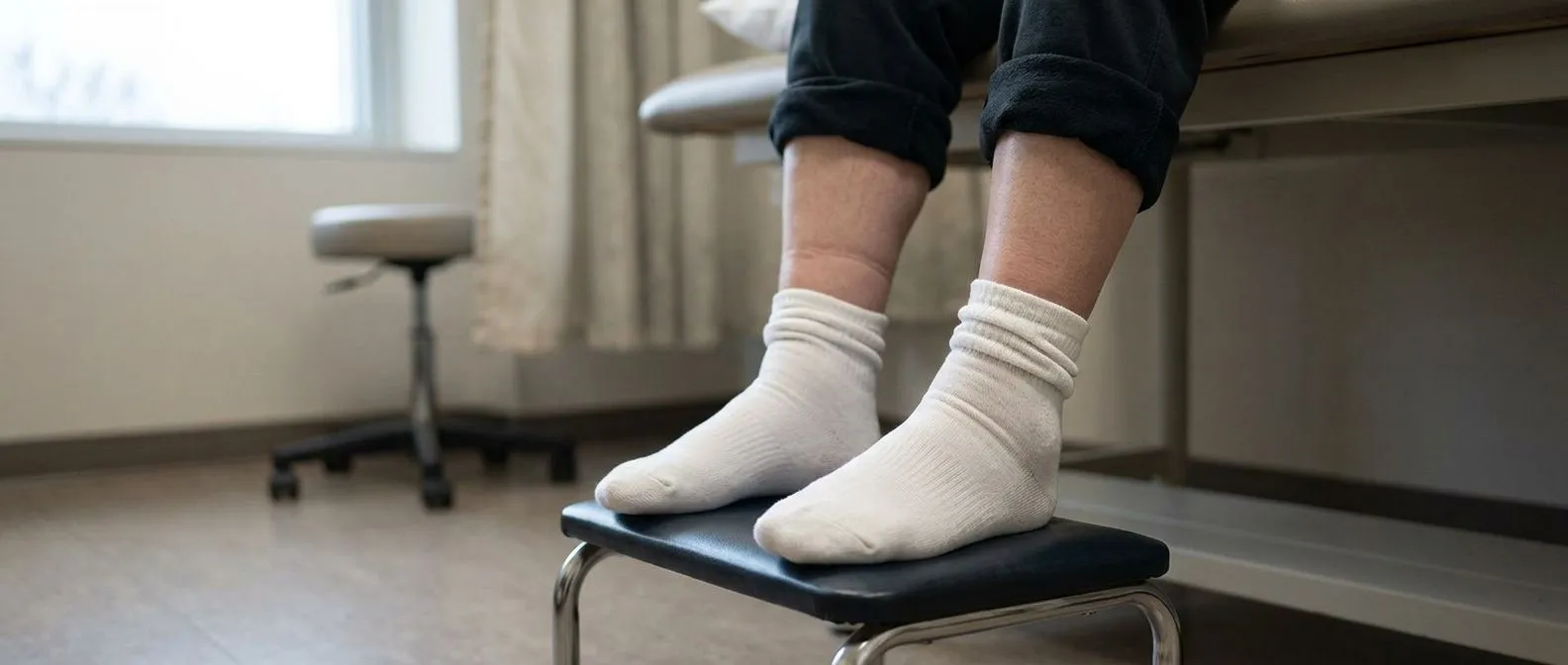
When your shoes feel tighter than usual or your ankles look puffy at the end of the day, leg swelling may seem like nothing more than an annoyance. But when it becomes persistent, affects both legs, or appears alongside breathlessness or fatigue, it can be one of the earliest visible signs that your heart is struggling. Leg swelling — medically called edema — happens when excess fluid accumulates in the tissues beneath your skin. Your heart circulates roughly five liters of blood every minute, and when that pump loses efficiency, fluid backs up through the venous system and pools in the lowest parts of your body. Recognizing the link between leg swelling and heart disease starts with a simple truth: fluid does not appear out of nowhere — it accumulates because something in the circulation has changed.
In a healthy body, one-way valves in the leg veins and the squeezing action of your calf muscles push blood upward against gravity toward the heart. When the heart's pumping power drops, this return system gets overwhelmed. Blood pools in the veins, pressure inside them rises, and fluid is forced out through the vessel walls into surrounding tissue. This is why leg swelling related to a heart condition typically worsens during the day while you are standing or sitting and improves overnight when lying flat — gravity drives the fluid downward, and rest allows it to redistribute. The swelling is usually bilateral, meaning it affects both legs symmetrically, and it often leaves a temporary indentation when you press on the skin with a finger, a sign doctors call pitting edema.
When leg swelling is your first cardiac clue: Many patients first discover an underlying heart problem not through chest pain or dramatic symptoms but through persistent leg swelling that will not resolve. It is easy to blame puffy ankles on standing too long, hot weather, or simply getting older, but bilateral swelling that persists despite rest and elevation deserves a proper medical evaluation. A cardiologist can determine whether the fluid retention has a cardiac origin or stems from an entirely different system — and that distinction drives every treatment decision that follows.
Why Does Heart Failure Cause Leg Swelling?
The heart has four chambers — two upper collecting chambers called atria and two lower pumping chambers called ventricles. When cardiologists talk about heart failure causing leg swelling, they are usually describing right-sided heart failure. The right side of the heart receives oxygen-depleted blood returning from the body and pumps it to the lungs for reoxygenation. When the right ventricle weakens or stiffens, blood cannot move forward efficiently, so it backs up into the venous network. That backup raises pressure all the way back to the smallest veins in your legs, forcing fluid outward into tissue and producing the swelling you can see and feel.
The right atrium receives blood from the largest veins in the body — the superior and inferior vena cava. When pressure rises inside the atrium, that pressure transmits backward through the entire venous system, reaching the capillaries in your legs and ankles. The result is symmetric, bilateral swelling that typically affects both legs equally. According to Johns Hopkins Medicine, this pattern of fluid retention is a hallmark of decompensated heart failure and warrants prompt medical attention rather than home remedies alone. Left-sided heart failure, by contrast, more commonly causes fluid buildup in the lungs — leading to shortness of breath — but the two sides often fail together over time, which is why many patients experience both breathing difficulty and leg swelling simultaneously.
Right heart failure leg swelling versus other patterns: Swelling from right-sided heart failure has distinctive characteristics. It tends to be worst in the evening, improves with overnight elevation, and is often accompanied by weight gain from retained fluid. You may notice that your rings feel tight, your abdomen feels bloated, or you have gained two or three kilograms over a week without changing your diet. These signs reflect total body fluid overload, not just a local leg problem. The swelling is a visible marker of a systemic issue — the heart is no longer keeping up with the volume of blood returning to it, and the body is holding onto fluid as a result.
What Other Heart Conditions Lead to Swollen Legs?
Heart failure is the most common cardiac cause of leg swelling, but it is not the only one. Several other heart conditions can produce the same fluid backup by different mechanisms. Atrial flutter, for example, is a rapid, organized rhythm disturbance in the upper chambers of the heart. When the atrium beats too fast and too regularly, it cannot fill or empty properly, and over time this can weaken the heart's overall pumping efficiency, leading to fluid retention in the legs. Patients with untreated atrial flutter may notice gradual onset of ankle swelling alongside palpitations or a racing heartbeat that they attribute to stress or caffeine.
Valve disease is another major contributor. When the valves that keep blood flowing in one direction through the heart become leaky or narrowed, the heart must work harder to maintain circulation. The tricuspid valve, situated between the right atrium and right ventricle, is particularly relevant to leg swelling. If it becomes severely leaky — a condition called tricuspid regurgitation — blood flows backward with each heartbeat, raising venous pressure and pushing fluid into the legs. Similarly, conditions affecting the ascending aorta, the first segment of the body's largest artery, can eventually strain the heart and produce signs of failure. Some patients with connective tissue disorders such as Marfan syndrome develop annuloaortic ectasia — a widening of the aortic root — which can eventually lead to valve leakage and heart failure, as described in a case report documenting a two-stage repair of pectus excavatum and annuloaortic ectasia in a young Marfan patient. These structural problems develop silently over years and may first announce themselves through leg swelling.
Infections and inflammatory heart disease: Infective endocarditis — a bacterial infection of the heart valves — can damage valve tissue and precipitate heart failure, producing leg swelling among many other symptoms. A published case describing successful treatment of a challenging infective endocarditis presentation illustrates how valve infection can progress to heart failure and fluid overload when not promptly addressed. Patients with endocarditis may also experience fever, night sweats, and new heart murmurs. Coronary artery disease, where atheromatous plaque narrows the arteries supplying the heart muscle, can cause chronic damage to the pumping chambers over time, eventually producing the same fluid backup that right heart failure causes. An atypical infarction — a heart attack with unusual symptoms such as arm pain or jaw discomfort rather than classic chest pressure — can silently weaken the heart and lead to swelling weeks or months later.
How Can You Tell If Leg Swelling Is Heart-Related?
Distinguishing cardiac leg swelling from other causes involves paying attention to pattern, symmetry, and accompanying symptoms. Heart-related swelling is almost always bilateral — it affects both legs roughly equally. If only one leg is swollen, especially if it came on suddenly and is painful or warm to the touch, the cause is more likely a blood clot or local vein problem than heart disease. Cardiac edema also tends to be gravity-dependent: it is most noticeable around the ankles and lower legs after you have been upright during the day, and it improves significantly after a night of sleeping flat. Swelling that does not change with position or that affects the face and hands more than the legs may point to kidney, liver, or thyroid issues instead.
Press firmly on the swollen area with your thumb for five seconds, then release. If a depression remains in the skin for several seconds before slowly filling back in, you have pitting edema. The depth and duration of that pit give doctors a rough measure of severity. Cardiac edema usually produces pitting edema that is moderate to severe, and the skin may look stretched or shiny. You may also notice other signs of fluid overload: unexpected weight gain over a few days, a feeling of fullness or bloating in the abdomen, or the need to sleep on more pillows at night because lying flat makes breathing uncomfortable. These companion symptoms are important diagnostic clues because they suggest the fluid is accumulating throughout the body, not just in the legs.
Key differences between cardiac and non-cardiac swelling: Timing and progression matter. Heart-related leg swelling develops gradually over days or weeks, rarely overnight. It is accompanied by signs that the whole circulatory system is under strain — breathlessness with exertion, fatigue, and reduced exercise tolerance. If your swelling appeared suddenly in one leg, is accompanied by redness or severe pain, or is associated with a recent long flight or surgery, those features argue against a cardiac cause and require urgent evaluation for deep vein thrombosis. The only reliable way to know for certain is through a thorough cardiac assessment, including a physical examination, an echocardiogram, and blood tests that measure markers of heart strain.
What Non-Cardiac Causes of Leg Swelling Should Be Ruled Out?
Before attributing leg swelling to heart disease, a clinician must rule out a broad differential diagnosis. Many conditions can produce fluid accumulation in the legs, and some are far more common than heart failure in certain age groups. Venous insufficiency — when the one-way valves in the leg veins deteriorate and allow blood to pool downward — is the most frequent non-cardiac cause. It produces chronic swelling that is usually worse at the end of the day and may be accompanied by skin discoloration around the ankles, varicose veins, or a dull aching sensation. Unlike cardiac edema, venous insufficiency rarely causes shortness of breath or significant weight gain.
Kidney disease is another important consideration. When the kidneys cannot filter and excrete fluid efficiently, the body retains water, and swelling can appear in the legs, around the eyes, and in the hands. Liver disease, particularly cirrhosis, can cause fluid to accumulate in the abdomen and lower extremities due to low protein levels in the blood and increased pressure in the portal venous system. Medications are a frequently overlooked cause — calcium channel blockers used for high blood pressure, nonsteroidal anti-inflammatory drugs, certain diabetes medications, and steroids can all produce dose-dependent ankle swelling. Lymphedema, caused by damage to or removal of lymph nodes, produces a firmer, non-pitting swelling that does not resolve with overnight elevation.
- Venous insufficiency: The most common cause; valve failure in leg veins leads to chronic pooling, usually without breathlessness or weight gain.
- Kidney disease: Impaired filtration causes fluid retention affecting face, hands, and legs; often accompanied by changes in urination.
- Liver disease: Low blood protein and portal pressure shift fluid into the abdomen and legs; jaundice or easy bruising may coexist.
- Medication side effects: Calcium channel blockers, NSAIDs, steroids, and pioglitazone are common culprits; swelling often improves with dose adjustment.
- Deep vein thrombosis (DVT): Sudden, unilateral, painful swelling — a medical emergency requiring immediate evaluation.
When Should Leg Swelling Prompt a Cardiologist Visit?
Not every case of swollen ankles requires a cardiologist, but certain features should trigger prompt evaluation. Leg swelling that is new, progressive, bilateral, and accompanied by shortness of breath — especially with exertion or when lying flat — is a strong indicator of possible heart failure and should not be dismissed. If you notice you have gained more than two kilograms in a week without a clear dietary explanation, or if your shoes no longer fit despite no change in activity, these may be signs that your body is retaining fluid because the heart is falling behind. Patients who already have a known heart condition — a previous heart attack, valve disease, or an arrhythmia such as atrial flutter — should treat any new or worsening leg swelling as a potential sign of decompensation and contact their cardiac team promptly.
Certain red flags demand same-day attention. If leg swelling is accompanied by chest pain or pressure, fainting, a rapid or irregular heartbeat, or breathlessness that worsens rapidly, you should go to an emergency department. These symptoms may indicate acute heart failure, a significant arrhythmia, or even a heart attack presenting with atypical features. Similarly, if swelling appears in only one leg and is sudden, painful, warm, or red, this raises concern for deep vein thrombosis, which requires immediate imaging and anticoagulation. The distinction between urgent and non-urgent is not always obvious to patients, which is why it is better to err on the side of evaluation rather than waiting to see if the swelling resolves on its own.
- Seek same-day care if: Swelling comes with chest pain, fainting, rapid breathing difficulty, or sudden one-leg swelling with pain.
- Schedule a cardiology visit if: Bilateral leg swelling is new, persistent, or worsening, especially with breathlessness or unexplained weight gain.
- Contact your existing cardiac team if: You have known heart disease and notice any change in swelling pattern, weight, or exercise tolerance.
How Is Cardiac Edema Diagnosed and Evaluated?
Diagnosing cardiac edema begins with a careful history and physical examination. During auscultation — the process of listening to the heart and lungs with a stethoscope — a cardiologist may detect murmurs, extra heart sounds, or crackles in the lungs that suggest fluid backup. The examination also includes assessing the neck veins for distension, which indicates elevated pressure on the right side of the heart, and checking for swelling in the abdomen, sacrum, and legs. The pattern and severity of pitting edema are documented, and the doctor will ask about weight changes, sleep position, exercise tolerance, and medication use to build a clinical picture.
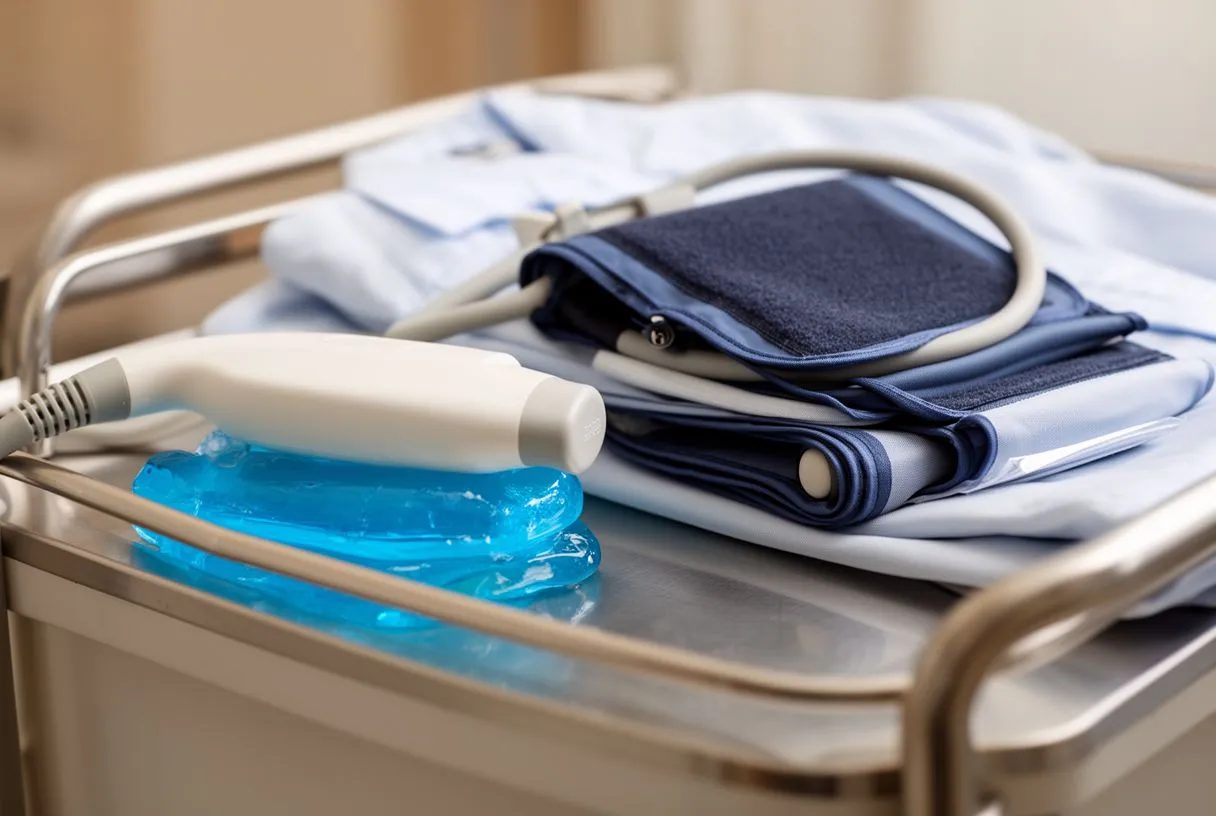
An echocardiogram is the cornerstone test for confirming a cardiac cause. This ultrasound examination shows the heart's structure and function in real time, revealing how well each chamber pumps, whether valves are leaking or narrowed, and how thick or stiff the heart muscle has become. Blood tests complement the imaging by measuring biomarkers such as BNP or NT-proBNP — proteins released by the heart when it is under strain. Elevated levels support a diagnosis of heart failure, while normal levels make a cardiac cause much less likely. Kidney and liver function tests help rule out other causes, and a chest X-ray can show fluid in the lungs or an enlarged heart. In some cases, a cardiac MRI or coronary angiogram may be recommended to identify the underlying reason the heart has weakened.
What the evaluation reveals about treatment: The goal of diagnosis is not simply to label the swelling as cardiac but to understand why the heart is failing so that treatment targets the root cause. If the echocardiogram shows a leaky valve, for instance, valve repair or replacement may resolve the fluid retention. If imaging reveals severe coronary artery disease with atheromatous plaque narrowing the arteries, revascularization through balloon angioplasty or bypass surgery may improve heart function and reduce swelling. If the problem is an arrhythmia, restoring normal rhythm can improve pumping efficiency. Without this diagnostic workup, treating leg swelling with diuretics alone is like bailing water from a boat without fixing the leak — temporarily helpful but ultimately incomplete.
What Treatment Options Address Leg Swelling From Heart Disease?
Treating leg swelling caused by heart disease means treating the heart condition itself, not just removing the fluid. Diuretics — often called water pills — are frequently prescribed to help the kidneys excrete excess sodium and water, relieving the visible swelling and the breathlessness that accompanies it. These medications are effective and widely used, but they are a management tool, not a cure. The underlying cardiac problem still needs to be addressed, whether that involves heart failure, valve disease, an arrhythmia, or coronary artery disease. Dosing must be carefully calibrated: too little leaves the patient fluid-overloaded, while too much can cause dehydration, kidney strain, and electrolyte imbalances that may themselves become dangerous.
Beyond diuretics, the treatment approach depends on what the diagnostic evaluation found. For heart failure with reduced pumping strength, guideline-directed medical therapy combines several medication classes that work together to reduce the heart's workload, control blood pressure, and slow disease progression. Aspirin may be recommended for patients with coexisting coronary artery disease to reduce the risk of clot formation, though its use is specific to individual patient profiles and not universal. If aortic or mitral valve disease is driving the failure, surgical valve repair or replacement — including transcatheter aortic valve replacement, known as TAVR, for selected patients — can correct the mechanical problem and dramatically improve fluid retention. For arrhythmias such as atrial flutter, catheter ablation or medication to control heart rate can restore efficient pumping and reduce venous backup.
When structural repair changes the prognosis: In cases where an aortic aneurysm or valve abnormality is the root cause, surgical intervention can halt or reverse the heart failure process. For patients with ascending aorta dilation, guideline thresholds — typically an aortic diameter greater than 5.5 centimeters for non-syndromic patients — help surgical teams decide when the risk of watchful waiting outweighs the risk of surgery. An arterial graft may be used to replace the weakened segment of aorta, and if the aortic valve is also damaged, a balloon-expandable valve may be implanted during the same operation. These are major decisions that depend on the patient's overall health, surgical risk scores such as EuroSCORE II, and the specific anatomy involved. The leg swelling resolves as the heart's efficiency is restored, but recovery requires weeks to months and close follow-up.
What Lifestyle Changes Help Manage Heart-Related Leg Swelling?
Medical treatment works best when paired with lifestyle adjustments that reduce the burden on the heart and minimize fluid accumulation. Sodium restriction is the single most important dietary change — sodium holds water in the body, and reducing intake to below two grams per day can significantly decrease edema. This means reading food labels carefully, avoiding processed and restaurant foods that are high in hidden salt, and cooking at home with herbs and spices instead of salt. Patients are often surprised to learn that bread, cheese, and condiments can contain as much sodium as a serving of salty snacks. A registered dietitian can help create a sustainable low-sodium meal plan that does not feel like deprivation.
Physical activity, carefully tailored to the individual's capacity, also plays a role. Walking activates the calf muscle pump, which helps return blood and fluid from the legs to the heart. Even gentle, regular movement — short walks several times a day — can reduce swelling compared to prolonged sitting or standing. Elevating the legs above heart level for thirty minutes two or three times a day uses gravity to drain pooled fluid. Compression stockings, prescribed by a clinician and fitted to the correct pressure, provide external support to the veins and can dramatically reduce daytime swelling. It is important that compression stockings are properly fitted; off-the-shelf versions that are too loose provide no benefit, and those that are too tight can cause harm, especially in patients with arterial circulation problems.
Daily habits that compound over time: Weight monitoring is a simple but powerful tool. Weighing yourself each morning, after using the bathroom and before eating, establishes a baseline. A gain of more than one to two kilograms over two or three days often signals fluid retention before it becomes visible as swelling, allowing medication adjustments to be made early. Limiting fluid intake may be recommended for some heart failure patients, though this is individualized — excessive restriction can cause its own problems. Avoiding prolonged sitting or standing, taking breaks to walk or stretch during long flights or car rides, and sleeping with the head of the bed slightly elevated can all contribute to better fluid balance. None of these measures replaces medical treatment, but together they form a framework that helps patients live more comfortably and reduces hospital admissions for fluid overload.

What Should You Discuss With Your Cardiac Team?
If you are experiencing leg swelling and suspect it may be related to your heart, the most important step is to bring it to the attention of a qualified cardiac team rather than attempting to self-diagnose. When you schedule a consultation, come prepared with specific information: when the swelling started, whether it affects one or both legs, how it changes through the day, whether it improves overnight, and what other symptoms accompany it. Mention any medications you are taking, including over-the-counter drugs and supplements, as these can contribute to fluid retention. If you have been tracking your weight, bring those records — patterns of weight gain can be as informative as the swelling itself.
Ask your cardiologist direct questions about what the evaluation will involve and what the likely explanations are for your situation. Understanding whether the swelling is cardiac in origin changes everything about the treatment plan. If heart failure is diagnosed, ask about the specific type — whether it involves reduced pumping strength or preserved pumping strength with a stiff heart muscle — because the treatment strategies differ. If valve disease is identified, ask about surgical and transcatheter options, expected recovery times, and what the surgical risk profile looks like for your age and comorbidities. For patients considering treatment in Mexico, discuss logistics openly: availability of specific procedures, expected length of stay, follow-up arrangements, and insurance or payment considerations. A reputable cardiac practice will address these questions transparently.
Leg swelling is a symptom, not a diagnosis, and finding its cause requires expertise and the right diagnostic tools. Dr Alejandro Molina leads a multidisciplinary team of cardiac surgeons at Cirugía de Corazón, with consulting rooms in Guadalajara, Querétaro, and Hermosillo. Rather than guessing whether your swelling is serious, a thorough assessment can give you a clear answer and a path forward. If you or a family member has noticed persistent leg swelling, unexplained weight gain, or breathlessness with exertion, book a consultation to discuss your individual situation with a cardiac specialist who can evaluate, explain, and guide you through the next steps.






