
Low Cardiac Output: Causes, Signs and Treatment
Low cardiac output: the causes, the warning signs and how it is treated, explained by the heart surgery specialists in Guadalajara.
What Is Cardiac Output and Why Does It Matter?
When families first hear about low cardiac output causes, the medical language can feel overwhelming. Let's start with the basics. Cardiac output is the amount of blood your heart pumps every minute. It is simply your heart rate — the number of beats per minute — multiplied by stroke volume, the amount of blood pushed out with each beat.
A healthy adult heart pumps roughly five litres of blood per minute at rest. That blood carries oxygen and nutrients to every organ. When the heart pumps less than the body needs, organs begin to notice. The kidneys, brain and muscles are usually the first to complain.
Understanding this number matters because it explains many symptoms people dismiss as "just tiredness". According to Johns Hopkins Medicine, the heart's pumping performance is central to how the whole circulatory system behaves. When pumping weakens, everything downstream feels it.
What Causes Low Cardiac Output?
There are two broad reasons cardiac output falls: the heart cannot fill properly, or it cannot empty properly. Both roads lead to the same destination — less blood reaching the body — but they call for different treatments.
Problems with the heart muscle itself. A weakened or stiff left ventricle, the heart's main pumping chamber, is the most common reason. Prior heart attacks, cardiomyopathy (disease of the heart muscle) and long-standing high blood pressure all reduce pumping strength. When people ask what causes cardiac output to be too low, damaged muscle is usually the answer.
Problems with the valves. A narrowed aortic valve forces the heart to push blood through a tight opening. A leaking valve lets blood flow backwards, wasting each beat. Narrowed or leaky valves are among the most frequent decreased cardiac output causes we evaluate, and they are often very treatable.
Problems with rhythm and filling. Hearts that beat too fast, too slow or irregularly cannot pump efficiently. Fluid around the heart, or a stiff lining that restricts filling, has the same effect. Coronary artery disease — where cholesterol build-up narrows the arteries feeding the heart — belongs here too, since the evidence linking LDL cholesterol to atherosclerotic disease is well established in the European Atherosclerosis Society consensus statement.
What Are the Signs of Low Cardiac Output?
The low cardiac output signs families notice first are usually subtle. Fatigue that does not match effort. Shortness of breath on stairs that used to be easy. Cold hands and feet. These are the body rationing blood to the organs that matter most.
As output falls further, symptoms become harder to ignore. Fluid may gather in the legs, abdomen or lungs. People wake breathless at night, or need extra pillows to sleep. Appetite fades, thinking feels foggy, and urine output drops because the kidneys are receiving less blood.
Some low cardiac output symptoms deserve urgent attention rather than a routine appointment. If you or a family member notices any of the following, seek medical care promptly:
- Breathlessness at rest, or waking suddenly gasping for air
- Chest pain or pressure that is new, worsening, or present at rest
- Fainting, near-fainting, or confusion in a person with known heart disease
- Rapid weight gain from fluid, with swelling in the legs and abdomen
None of these signs confirms a diagnosis on its own. But they are the body's way of saying the pump is struggling, and they should never be brushed aside.

How Do Doctors Measure Cardiac Output?
The most common cardiac output measurement in everyday practice is the echocardiogram — an ultrasound of the heart. It shows the size of the chambers, the movement of the valves, and the ejection fraction, which is the percentage of blood the left ventricle ejects with each beat. A normal ejection fraction sits around 55 to 70 percent.
Low ejection fraction, low output. When the ejection fraction falls, cardiac output usually falls with it. This is why the phrase low ejection fraction cardiac output appears so often in reports. But the reverse is not always true: a heart can have a normal ejection fraction and still pump insufficient blood because its walls are stiff and it cannot fill properly.
In hospital settings, especially intensive care, teams sometimes measure output directly with catheters or non-invasive monitors. In our practice, we review every study with the patient in plain words, explaining what the numbers actually show before any recommendation is made. In the consultation we take the time to explain what the echocardiogram actually shows, in plain words, and to answer every question before any decision is made.
How Does Cardiac Output Relate to Heart Failure?
Heart failure is the clinical name for a heart that cannot pump enough blood to meet the body's needs. Cardiac output low heart failure go hand in hand: the diagnosis is, at its core, a description of output that no longer matches demand.
Doctors distinguish two patterns. In heart failure with reduced ejection fraction, the pumping chamber is weak. In heart failure with preserved ejection fraction, the chamber is stiff and fills poorly. Both can produce the same symptoms, and both can leave cardiac output too low for daily life.
When blood backs up because the left side of the heart fails, pressure rises in the vessels of the lungs, producing pulmonary hypertension — high blood pressure in the lung arteries. Newer approaches, including nerve treatment of the lung arteries studied in the PADN-HF-PH randomised trial, are being investigated for this group of patients. This is one reason a careful, team-based evaluation matters: the same symptom can come from very different mechanisms.
Why Does Cardiac Output Drop After Heart Surgery?
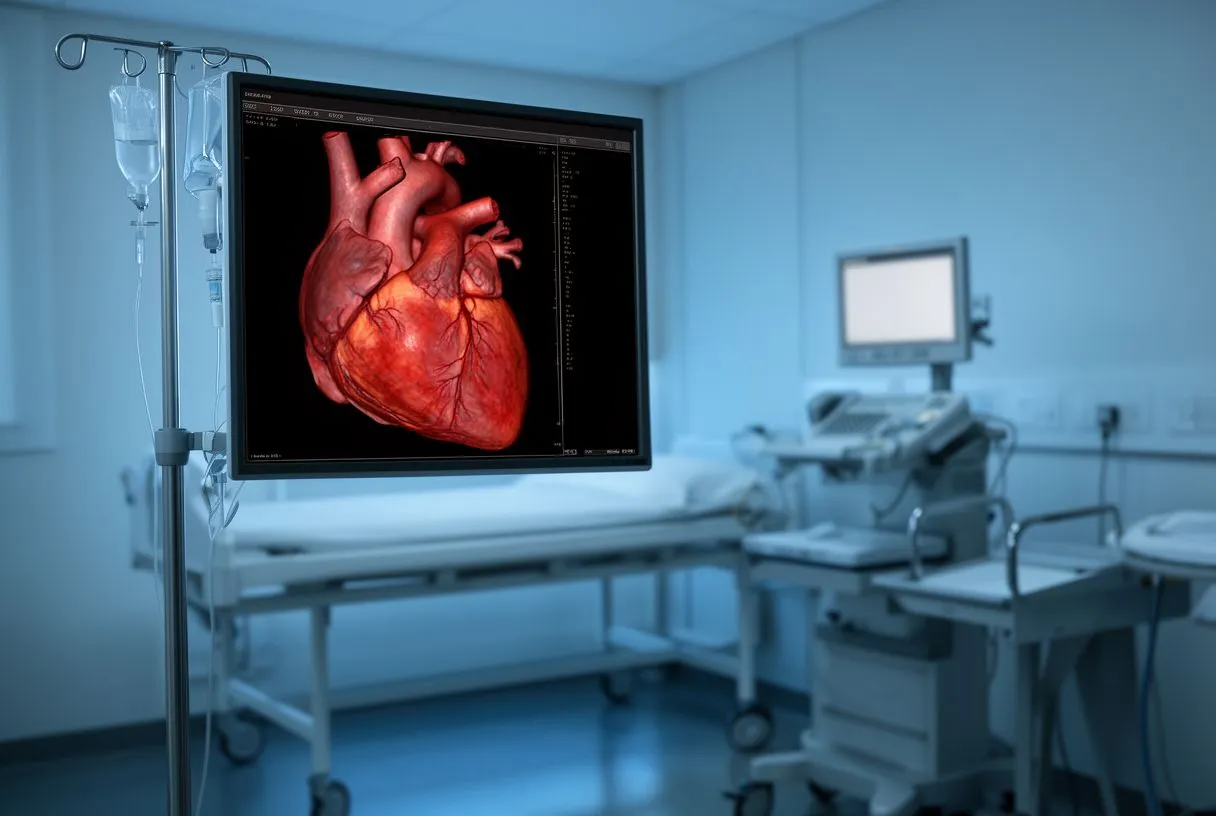
A dip in pumping performance after an operation is expected to some degree, and postoperative low cardiac output is something surgical teams watch for continuously. The heart has been handled, anaesthetic drugs depress its function, and the body carries an inflammatory load from the operation itself.
Why is my cardiac output low after an operation? Common contributors include temporary heart stunning, blood loss and its replacement, abnormal rhythms, and pre-existing valve or muscle disease that was already limiting the heart. Most of these resolve with time, fluids, medication or temporary support.
Surgical teams grade the severity of low output after an operation, and severe forms overlap with what the literature calls Low Cardiac Output Syndrome. Recovery depends on the underlying cause, which is why monitoring in the days after surgery is so detailed.
Our multidisciplinary team reviews every surgical candidate against international guidelines before recommending an operation.
What Are the Treatment Options for Low Cardiac Output?
Low cardiac output treatment always begins with the cause. A narrowed valve is treated very differently from a weak muscle or a rhythm problem. That is why the first step is never a prescription — it is an accurate diagnosis.
Medication. Drugs that remove excess fluid, ease the heart's workload, control rhythm, or strengthen contraction each have a role. For patients on blood thinners around valve procedures, options such as Low Molecular Weight Heparin may be used in specific situations. Low cardiac output management is a ladder: the least invasive rung first, escalating only when needed.
Procedures and surgery. Where medication is not enough, fixing the mechanical problem often restores output. Options include valve repair or replacement — through conventional surgery, minimally invasive techniques, or transcatheter approaches such as TAVR (transcatheter aortic valve replacement) — plus coronary bypass, device implantation, or robotic procedures for suitable candidates.
- Valve disease: repair or replacement restores normal flow through the heart
- Coronary disease: bypass or stents restore blood supply to the muscle itself
- Rhythm problems: pacemakers or other devices correct beats that waste output
- Structural problems: closure of holes or other defects stops abnormal blood flow
Our team performs conventional, minimally invasive, robotic and transcatheter procedures, and we recommend the less invasive route only where the evidence genuinely supports it for that individual patient.
When Does Low Cardiac Output Become an Emergency?
Cardiogenic shock is the most severe form of pump failure: the heart cannot deliver enough blood to keep the organs alive. It is a medical emergency, usually arising after a large heart attack, an acute valve catastrophe, or advanced heart failure, and it requires intensive care.
In shock, the body's compensations — faster heart rate, narrowed blood vessels — stop being enough. Blood pressure falls, urine output collapses, and the skin becomes cold and mottled. Temporary support devices and intensive medications can bridge patients through a crisis while the underlying cause is treated.
For families, the practical message is simple: the transition from "struggling" to "shock" can be fast, and early treatment changes outcomes. Anyone with known heart disease who develops sudden severe breathlessness, confusion or collapse needs emergency care, not a scheduled appointment.
How Can You Protect and Improve Cardiac Output?
What improves low cardiac output depends entirely on the cause, but several habits genuinely help the heart pump more efficiently, whatever the underlying condition.
Controlling blood pressure protects the pumping chamber from stiffening. Treating high cholesterol slows the artery disease that starves the heart muscle. Regular, prescribed exercise improves the heart's conditioning; cardiac rehabilitation programmes exist precisely for this. Limiting alcohol, stopping smoking, sleeping well and managing weight all reduce the daily load on the pump.
Equally important is avoiding the things that quietly worsen output: skipping medications, ignoring rising swelling or breathlessness, and delaying review of a known valve problem. Heart surgery cardiac output recovery, when an operation is part of the plan, is supported by all of the same habits — plus patience, because the heart remodels over months, not days.
When Should You Talk to a Cardiac Team?
If this article describes you or someone you love, the next step is a proper evaluation — not self-diagnosis. Cardiac output is measured, not guessed, and the treatment that follows depends on an accurate picture of what the heart is actually doing.
Bring your questions and, if you have them, your existing studies. A good team will tell you which additional tests are genuinely needed and which are not. It is also completely normal — and wise — to seek a second opinion before deciding on surgery; a trustworthy team will encourage it.
Our first contact is a free video consultation: we get to know the patient, talk through the condition together, and say which studies are still needed, so no unnecessary ones are ordered; a face-to-face visit at our consulting rooms in Guadalajara, Querétaro or Hermosillo follows when the patient decides to go ahead. The final decision is always yours.
Low cardiac output causes real limits on real lives, but it is also one of the most treatable problems in modern cardiology — when it is found early and matched to the right intervention. If you have read this far with your own situation in mind, book a consultation with a qualified cardiac team and let the studies, not the worry, guide the next step.