

Massive Transfusion in Cardiac Surgery Bleeding
Massive transfusion cardiac surgery protocols explained: when teams activate them, how blood products are balanced.
Hearing that you might need a massive transfusion in cardiac surgery can sound frightening. In plain terms, it means a prepared, step-by-step system for giving large amounts of blood products very quickly if bleeding gets out of control during an operation. It is not a sign that something has gone wrong by itself — it is a safety net. Hospitals that perform open heart surgery keep this system ready on every case, and most patients never need it activated. This guide explains what the protocol involves, why bleeding happens in cardiac surgery, how teams manage it, and what questions you should feel free to ask your own surgeon.
What Is Massive Transfusion in Cardiac Surgery?
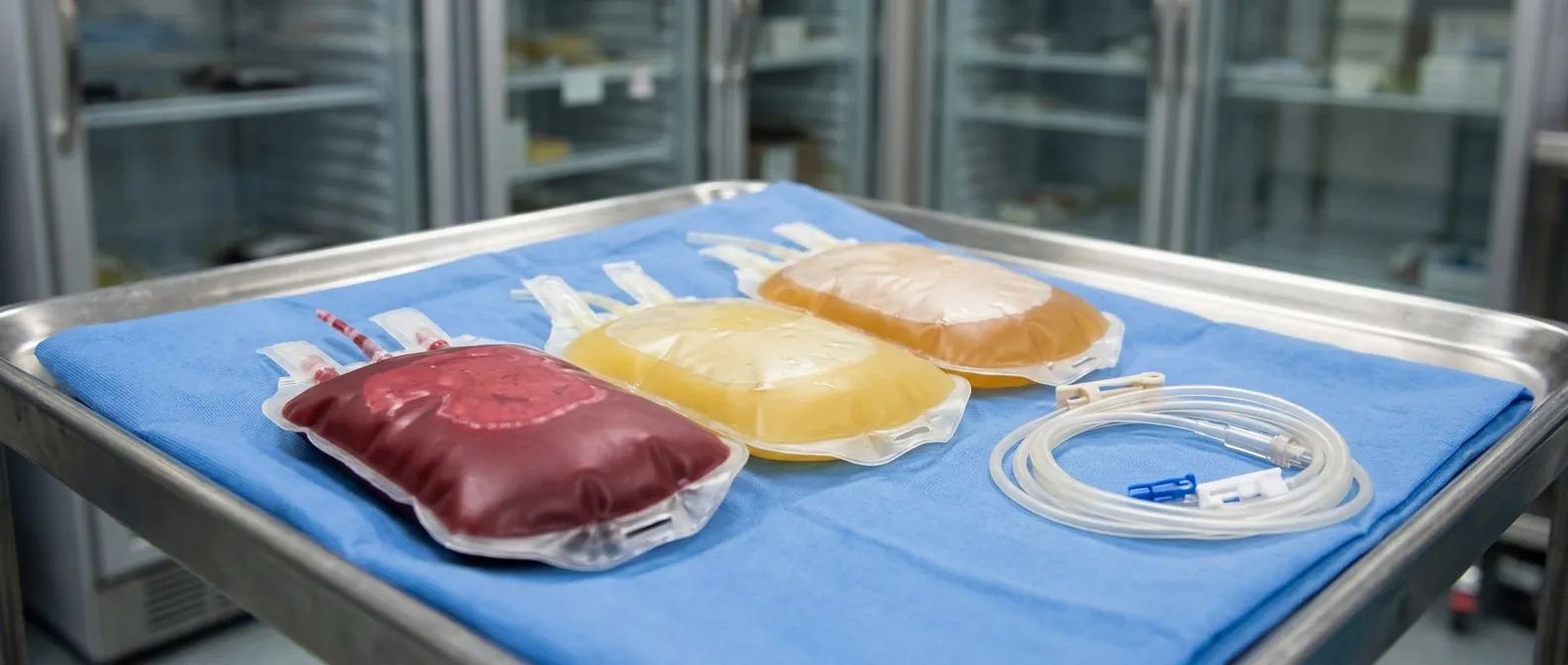
Defining the term. Massive transfusion is generally defined as replacing a patient's entire blood volume with donor blood products within 24 hours, or giving roughly ten or more units of red cells in a short period. In cardiac surgery this can happen during complex operations such as valve replacement combined with bypass grafts, aortic surgery, or a return to the operating room for re-exploration for bleeding. The definition matters less than the concept: the surgical team is replacing blood faster than the body can make it, and the blood bank must deliver products continuously rather than one unit at a time.
Why it is a planned system, not a panic response. A massive transfusion protocol is a pre-agreed chain of actions between the operating room, the blood bank, and the laboratory. Because the steps are written down in advance, nobody has to improvise in the middle of a crisis. The protocol specifies who calls the blood bank, what products are sent in each cooler, and which laboratory tests are repeated along the way. That structure is what turns a frightening situation into a managed one.
How often it is needed. Most cardiac operations involve little or no blood transfusion at all. Studies of cardiac surgery blood loss management consistently show that a minority of patients consume the majority of transfused blood products, which is exactly why protocols target those cases. In our practice, every surgical case is reviewed in advance by the multidisciplinary team, and we discuss blood management openly with patients so they know the plan before they enter the operating room.
How Does a Massive Transfusion Protocol Work in Heart Surgery?
One call starts the cascade. When the surgeon and anesthesiologist decide that bleeding is beyond routine control, a single phone call activates the protocol. The blood bank then sends blood products in a series of identical coolers — usually red cells, plasma, and platelets together — on a fixed cycle until the team stands down. Each cooler is transported in a way that keeps products at the right temperature and prevents delays.
Everyone has a defined role. The protocol assigns specific tasks: one person calls the blood bank, one runs the rapid infuser, one tracks how many units have been given, and one monitors laboratory results. This division of labor is the single most important feature of the system. Circulation and other cardiology journals have published guidance emphasizing that structured, team-based transfusion response reduces avoidable delays.
Standing down safely. A protocol is deactivated just as deliberately as it is activated. Once bleeding is controlled and the team confirms the patient is stable, the blood bank is notified, unused products are returned, and the record is reconciled.
What Is 1:1:1 in a Massive Transfusion Protocol?
The ratio explained simply. 1:1:1 refers to the ratio of blood components delivered together: one unit of red cells (which carry oxygen), one unit of plasma (the liquid part of blood that contains clotting proteins), and one unit of platelets (the small cells that form plugs in bleeding vessels). The idea is to give blood the way the body lost it — as a balanced mixture — rather than correcting each component separately and late.
Why the ratio matters. When someone bleeds heavily, they lose clotting proteins and platelets along with red cells. If only red cells are replaced, the patient can still ooze from every suture line because the clotting system has run dry. Balanced ratios are designed to prevent that state, sometimes called massive transfusion coagulopathy, in which the blood loses its ability to clot. Cardiac surgeons pay particular attention to this because even a milliliter of oozing around the heart can become dangerous.
Is 1:1:1 always the exact rule? Not always. Many modern protocols use laboratory testing and point-of-care testing to adjust the mixture to the individual patient, giving extra plasma or platelets only where the numbers show a need. The ratio remains a practical starting point when there is no time to wait for laboratory results.
Why Does Bleeding Happen During Open Heart Surgery?
The heart-lung machine changes the blood. In open heart surgery, the heart-lung machine takes over circulation while the surgeon operates on a still, bloodless field. Contact between blood and the artificial surfaces of the machine slightly dulls the platelets and consumes some clotting proteins. This is expected, temporary, and managed routinely — but it means cardiac surgery patients start with a mildly weakened clotting system before any surgical bleeding even begins.
Medications add to the picture. Many cardiac patients take blood thinners before surgery, such as clopidogrel after a stent or warfarin for atrial fibrillation. These drugs are usually stopped days ahead, but their effects can linger. Research following anticoagulated patients, including the PREFER in AF registry published in BMJ Open, has documented how bleeding risk in anticoagulated patients is shaped by individual factors such as age, kidney function, and the specific drug used — which is why your team reviews every medication before your operation.
Surgical sites are inherently bloody. The heart and aorta are highly vascular organs, and some operations — redo sternotomy (opening the chest a second time), aortic arch surgery, or surgery on patients with adhesions from previous operations — carry naturally higher bleeding risk. Extensive raw surfaces inside the chest ooze until clotting is fully restored. Knowing your specific operation and your personal bleeding risk profile is a legitimate part of deciding on surgery, and it is a discussion your surgeon should invite.
What Are the Triggers for Massive Transfusion in Cardiac Surgery?
Triggers are predefined thresholds. A massive transfusion trigger is a measurable sign that routine transfusion is no longer enough. Common triggers in cardiac surgery include rapid consumption of the first units of blood, a sudden drop in blood pressure with visible bleeding, or a falling hemoglobin that does not respond to individual transfusions. Using explicit triggers removes guesswork and ensures the protocol starts early enough to help.
- Volume-based trigger: a set number of red cell units given over a short window, signaling the team to switch to protocol delivery.
- Laboratory-based trigger: hemoglobin or clotting test values crossing a defined threshold despite ongoing replacement.
- Clinical trigger: the surgeon's direct assessment that bleeding from the operative field is faster than the team can replace it unit by unit.
Why early activation is better than late. Delaying protocol activation until the patient is in deep shock makes every subsequent step harder: blood products arrive late, clotting factors are already exhausted, and organs have been under-perfused. Cardiac surgery blood loss management guidelines therefore favor activating early and standing down easily.
Does Massive Blood Transfusion Cause Hyperkalemia?
Yes, it can — and teams watch for it. Hyperkalemia means an elevated level of potassium in the blood. Stored red cells leak potassium into the surrounding fluid over time, so blood that has been stored longer contains more of it. When many units are given rapidly, that potassium can accumulate. This is one of the best-known massive transfusion complications in heart surgery, because a high potassium level can disturb the heart's rhythm precisely when the surgical team is trying to restore stable circulation.
How the risk is managed. The anesthesiology team monitors potassium levels during and after transfusion, uses blood that has been stored for shorter periods when available, and can treat elevated potassium with medications and adjustments that shift potassium back into cells. Newer approaches, including washing red cells before transfusion in select situations, further reduce the potassium load. These measures are standard parts of a well-run protocol, not extraordinary steps.
What this means for you as a patient. This risk belongs to the intraoperative and immediate postoperative period, managed continuously by the anesthesia and critical care teams. It is one more reason massive transfusion is delivered under intensive monitoring rather than as a simple transfusion on a hospital ward. If you have kidney disease or take medications that affect potassium, mention it at your preoperative consultation — it shapes how your team plans blood product selection.
How Does Cell Salvage Reduce Blood Transfusion in Cardiac Surgery?
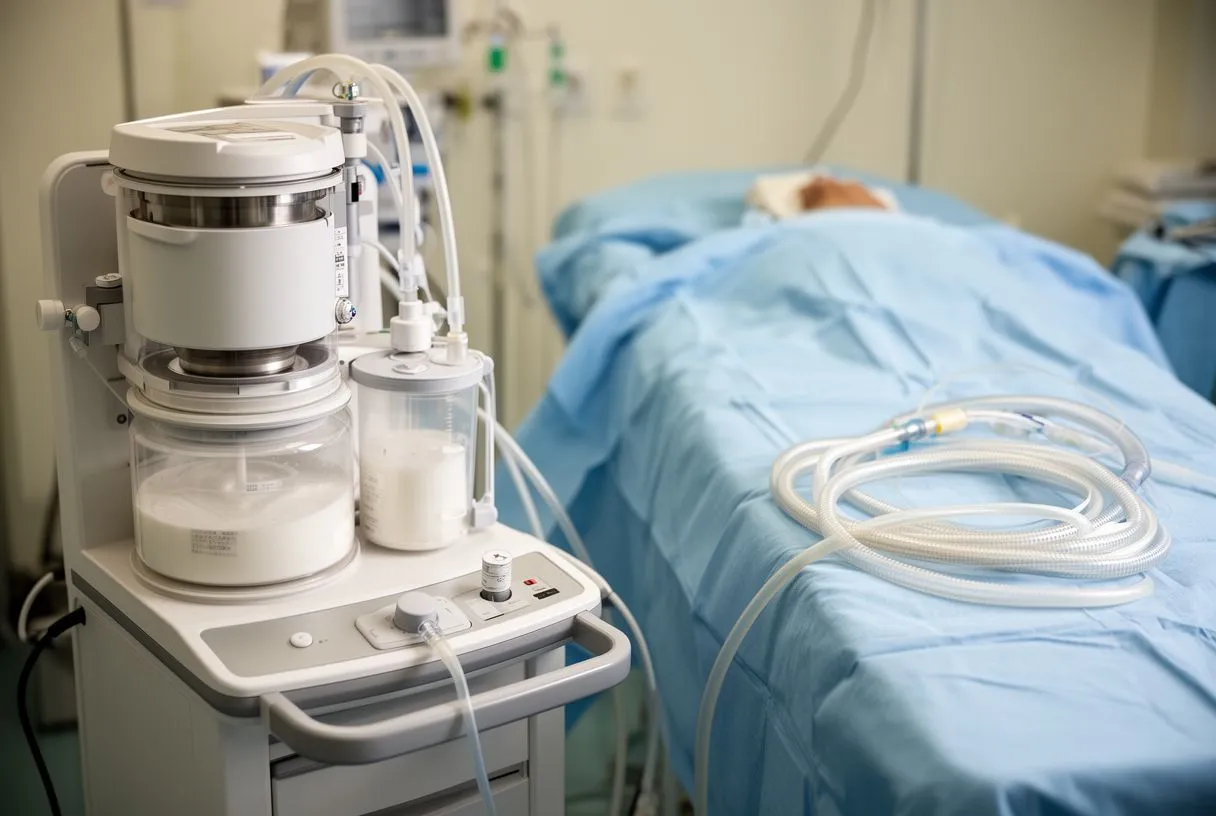
The concept in one sentence. Cell salvage is a machine process that collects the patient's own blood lost during surgery, washes it, and returns the cleaned red cells to the patient through an intravenous line. It is often called a "blood saver" or cell saver in patient discussions. Because it returns your own cells, it reduces the need for allogeneic blood transfusion — blood from volunteer donors.
How it works during the operation. Blood from the surgical field is suctioned into a reservoir, mixed with an anticoagulant to prevent clots, then spun in a centrifuge that separates red cells from plasma, debris, and anticoagulant. The washed red cells are concentrated and available for reinfusion within minutes. In cardiac surgery, cell salvage is often integrated directly with the heart-lung machine circuit, which captures blood from the pump as well as from the field.
Who benefits most. Cell salvage is particularly valuable for patients with rare blood types, religious objections to stored donor blood, or operations expected to involve significant blood loss. It is one of the pillars of cardiac surgery blood conservation, alongside meticulous surgical technique, antifibrinolytic medications (drugs that help stabilize clots), and strict transfusion thresholds. In our practice, we recommend the less invasive and blood-saving route only where the evidence supports it for that specific patient — and we explain why in the consultation, in plain words.
Are There Bloodless Cardiac Surgery Alternatives?
Bloodless surgery is a real, organized approach. Bloodless cardiac surgery refers to performing heart operations while deliberately avoiding donor blood transfusion, using a combination of techniques: maximizing the patient's own red cell volume before surgery, using cell salvage, minimizing the blood drawn for routine tests, and using medications that reduce bleeding. It is an established practice for patients who refuse transfusion on religious grounds, such as many Jehovah's Witnesses, and increasingly offered to any patient who wants to avoid donor blood.
Preparing the patient is half the work. Weeks before surgery, the team checks for and treats anemia (a low red cell count) with iron, vitamins, or other medications, because operating with a better blood count means less need for transfusion. Every blood draw during hospitalization is kept to the minimum necessary. These small steps, added together, meaningfully reduce transfusion requirements in heart surgery.
Honest limits. Not every situation can be managed without donor blood. Emergency bleeding during a complex aortic operation, or an unexpected need for re-exploration for bleeding, may require transfusion despite the best planning. A trustworthy team will tell you both what is achievable and where the limits are, before you consent. In our consultations, we take the time to explain what the studies actually show about transfusion in your specific operation, and we encourage a second opinion — we treat seeking one as a normal, healthy part of deciding about heart surgery.
What Is Point-of-Care Testing in Massive Bleeding?
Fast answers in the operating room. Point-of-care testing means running clotting tests right at the bedside or in the operating room, using machines that return results in minutes rather than the 30 to 60 minutes a central laboratory needs. Common technologies include rotational thromboelastometry and thromboelastography — mouthfuls of names that describe devices showing, in real time, how well and how quickly a patient's blood is clotting.
Why speed changes decisions. During massive bleeding, the patient's clotting profile can shift within minutes. Waiting for a central laboratory result means acting on old information. With point-of-care results, the team can give the exact component that is lacking — platelets, fibrinogen, or clotting factor concentrate — rather than giving everything reflexively. This targeted approach is a cornerstone of modern massive bleeding management in cardiac surgery and tends to reduce the total number of donor products used.
The patient's experience. None of this testing changes what you feel; it all happens while you are under anesthesia. What it changes is the precision of your care.
When Should You Talk to Your Cardiac Team About Bleeding Risk?
Before surgery, not after. The right time to discuss blood transfusion in cardiac surgery is at your preoperative consultation, while there is still time to optimize your blood count, adjust medications, and plan the approach. Bring a complete list of every medication you take, including over-the-counter drugs and supplements, because several common ones — including some herbal products — affect bleeding. If you have a personal or religious preference about donor blood, state it plainly; teams plan around it routinely.
Questions worth asking. You do not need medical training to ask good questions. These are reasonable for any cardiac surgery patient:
- Blood plan: "What is your team's protocol if I bleed more than expected, and what products would be used?"
- Testing: "Do you use point-of-care clotting testing during surgery to guide transfusion decisions?"
- Conservation: "Will cell salvage be used in my operation, and what else will you do to reduce my need for donor blood?"
- Medications: "Which of my current medications need to be stopped, when, and who will confirm they are safe to stop?"
Choosing the right team. Bleeding risk is shaped by the operation, the patient, and the experience of the team performing it. A multidisciplinary review of your case — surgeon, anesthesiologist, and cardiologist together — is the best safeguard, because it weighs transfusion risk alongside every other factor before a recommendation is made. Dr Alejandro Molina trained in cardiothoracic surgery at the Universidad de Guadalajara, in cardiac, minimally invasive, robotic and structural surgery at the University of Montreal, and in structural cardiology and TAVR at CHU Bordeaux; the team also trained in Jena, Bad Berka and Buffalo, and brings that experience to planning each patient's blood management alongside the operation itself.

When Should You Seek Help After Surgery?
Warning signs after you go home. Once you are recovering, watch for signs that bleeding or a clotting problem needs medical attention: new or worsening swelling or bruising at the incision, drainage that soaks a dressing, dark or bloody urine, unusual weakness or dizziness, or shortness of breath that is new. Any of these deserves a call to your surgical team the same day — do not wait to see if it resolves on its own.
Why the first weeks matter. The most common cause of returning to the operating room after cardiac surgery is re-exploration for bleeding or fluid around the heart, and most of these events happen in the first days to weeks. This is precisely why teams schedule close follow-up and give patients clear instructions about what is normal and what is not. Attending every follow-up appointment is one of the most protective things you can do for your own recovery.
The recovery reality. Most patients who needed transfusion during cardiac surgery recover exactly as those who did not, provided the transfusion was well managed and follow-up is complete. Recovery typically involves weeks of gradually increasing activity, wound care, and medication adjustments — your team should give you a concrete timeline rather than vague reassurance. Ask what your specific milestones should look like at two weeks, six weeks, and three months.
To sum up: a massive transfusion in cardiac surgery is a planned, protocol-driven response to heavy bleeding — not an emergency improvisation. The system rests on balanced blood products, rapid testing, blood conservation techniques like cell salvage, and a team that practices the protocol before it is ever needed. Your part as a patient is to share your full medication list and any transfusion preferences early, ask how bleeding would be managed in your specific operation, and follow up faithfully afterwards. If you are considering heart surgery and want to understand your own bleeding risk and blood management plan, the clearest next step is a consultation with a qualified cardiac team — our team offers a first video consultation at no cost, where we get to know you, talk through your condition, and identify only the studies that are actually needed. Bring your questions; a good team will welcome every one of them.






