

Mini-Thoracotomy Heart Surgery: Recovery and Benefits
Mini-thoracotomy heart surgery delivers faster recovery with less pain.
What Is Mini-Thoracotomy Heart Surgery?
Mini-thoracotomy heart surgery is a way of operating on the heart through a small incision between the ribs, instead of opening the whole chest down the middle. The word "thoracotomy" simply means an incision into the chest. When we add "mini," we mean the incision is kept as short as possible, usually just a few centimetres, placed on the right side of the chest. The surgeon works through that small opening, often with long instruments and a high-definition camera, to repair or replace heart valves and treat other cardiac conditions.
This approach belongs to the wider family of less invasive heart surgery options. The goal is not to do a different operation, but to do the same operation through a smaller doorway. The heart is still reached, the problem is still fixed, and the patient still receives full anaesthesia. What changes is how much chest wall is disturbed on the way in.
For patients, that difference matters most in the weeks after the operation. A smaller incision usually means less pain, a shorter hospital stay, and a return to normal life sooner. In this guide we walk through how the procedure works, how it compares with the traditional approach, what recovery actually looks like week by week, and the risks and aftercare you should understand before making any decision.
How Does Mini-Thoracotomy Heart Surgery Work?
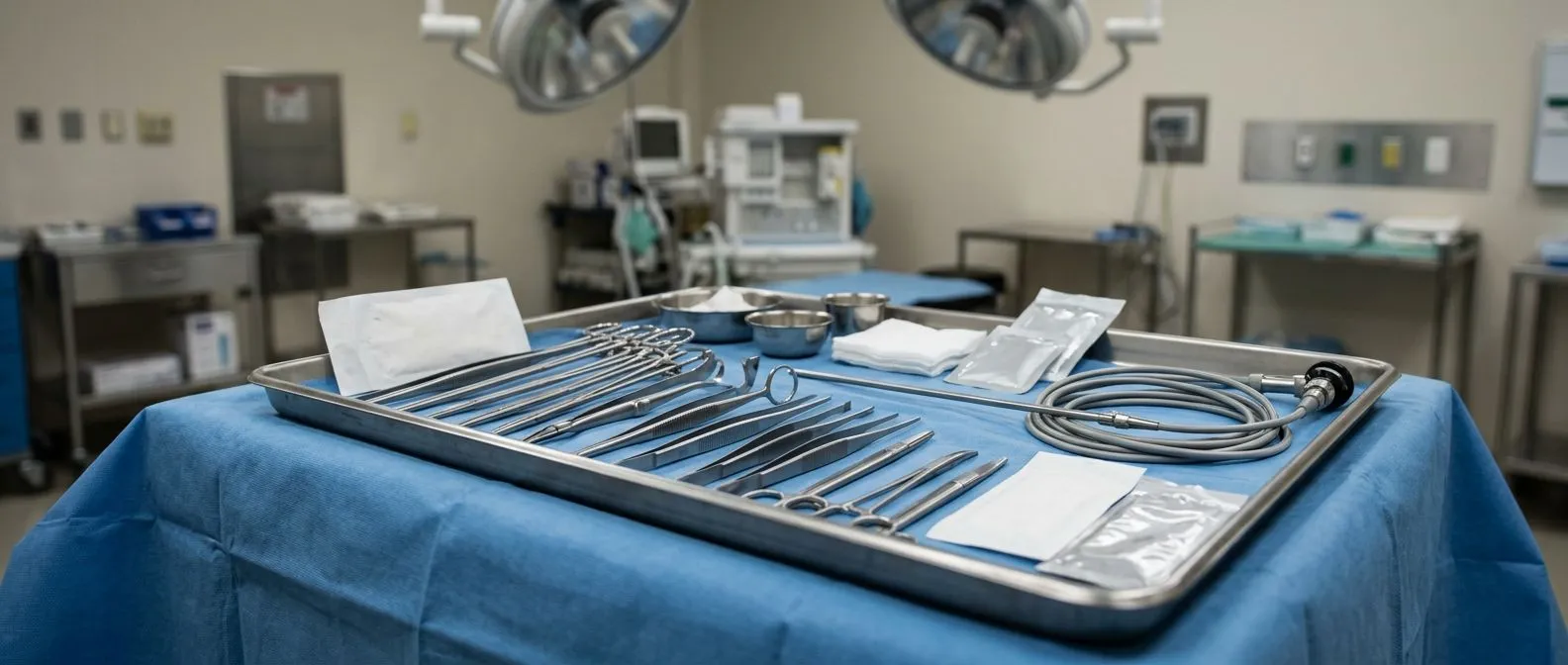
Every mini-thoracotomy operation follows the same basic logic. The surgeon makes a short incision, usually on the right side of the chest, and gently separates two ribs to create a working space. The heart-lung machine still takes over the work of the heart and lungs during the operation, just as it does in open surgery. Blood is routed through that machine through small tubes placed in vessels near the incision or in the groin.
Inside the operation. Once the heart is quiet, the surgeon performs the repair with the same surgical techniques used in conventional cardiac surgery. Long-shafted instruments, a thoracoscope (a small camera that projects the inside of the chest onto a screen), and sometimes robotic assistance give the team visibility and control. The repair itself — suturing a valve ring, replacing a valve, closing a defect — is identical in principle to what is done through a full sternotomy.
Why the chest wall matters. The sternum, the breastbone down the middle of the chest, is a large bone that must be cut and wired back together in traditional heart surgery. That bone takes weeks to heal and is the main source of pain after open heart operations. A mini-thoracotomy avoids dividing it entirely, which is the single biggest reason recovery tends to be easier. The ribs are never broken; they are only spread and then allowed to return to their normal position.
Mini-Thoracotomy vs Sternotomy: What's the Difference?
The traditional approach to heart surgery is a full sternotomy. The surgeon divides the breastbone lengthwise, spreads both halves apart, and works directly on the heart. It is a safe, time-tested approach used for the majority of heart operations worldwide, and for some complex cases it remains the best choice. Comparing the two helps you understand what each one asks of your body.
- Incision: a sternotomy uses one long cut down the chest and divides the breastbone; a mini-thoracotomy uses a small cut on the right side between the ribs, with the breastbone left intact.
- Recovery: sternotomy patients typically wait six to eight weeks for the bone to heal before driving or lifting; mini-thoracotomy patients are often back to most activities in two to four weeks.
- Access: a sternotomy gives the surgeon the widest view of the heart; a mini-thoracotomy offers excellent access for many valve procedures but is not suitable for every operation.
Neither approach is universally better. A full sternotomy may still be recommended when multiple valves need surgery at once, when emergency surgery is likely, or when the patient's anatomy makes the small incision impractical. Published comparisons in the medical literature, including reports from centres in Brazil describing their first series of minimally invasive cardiac operations, have found that the smaller approach can offer less bleeding, fewer wound complications, and shorter hospital stays in selected patients (Revista Brasileira de Cirurgia Cardiovascular). The right answer depends on your specific condition, and that is exactly what a consultation should sort out.
What Are the Benefits of Mini-Thoracotomy Heart Surgery?
The benefits of this approach come down to one idea: less disruption. Less disruption to the chest wall, to the muscles overlying the ribs, and to the body's general healing burden. That single principle produces the practical advantages patients notice most.
Less pain and smaller scar size. Because the breastbone is not divided, the main source of post-operative pain is reduced. The scar is a short line, often hidden partly under the breast fold or armpit, and it usually becomes much less noticeable within months. For patients who are conscious of body image after surgery, this is a genuine and legitimate consideration.
Faster return to daily life. With no sternal healing to wait for, driving, desk work, and most household activities resume earlier. Fewer restrictions on lifting matter particularly to people who live alone or care for others. The published experience of centres performing mini-thoracotomy procedures, such as a study from a tertiary care hospital in Nepal, has documented shorter hospital stays and uncomplicated recoveries in properly selected patients (Journal of Nepal Health Research Council).
Lower wound complications. The breastbone is a large surface; when it does not heal cleanly, the problem is serious and slow to resolve. Leaving it intact removes that risk entirely. Studies of minimally invasive versus conventional cardiac surgery have reported fewer wound infections in the smaller-incision groups (The Lancet). Patients with diabetes, older age, or lung disease — groups in whom sternal healing is harder — often benefit most from avoiding it.
Which Heart Valve Surgeries Use a Mini-Thoracotomy?
The two most common mini-thoracotomy procedures are mitral valve repair and aortic valve replacement. Each valve sits in a different part of the heart, and that position determines which small-incision route works best.
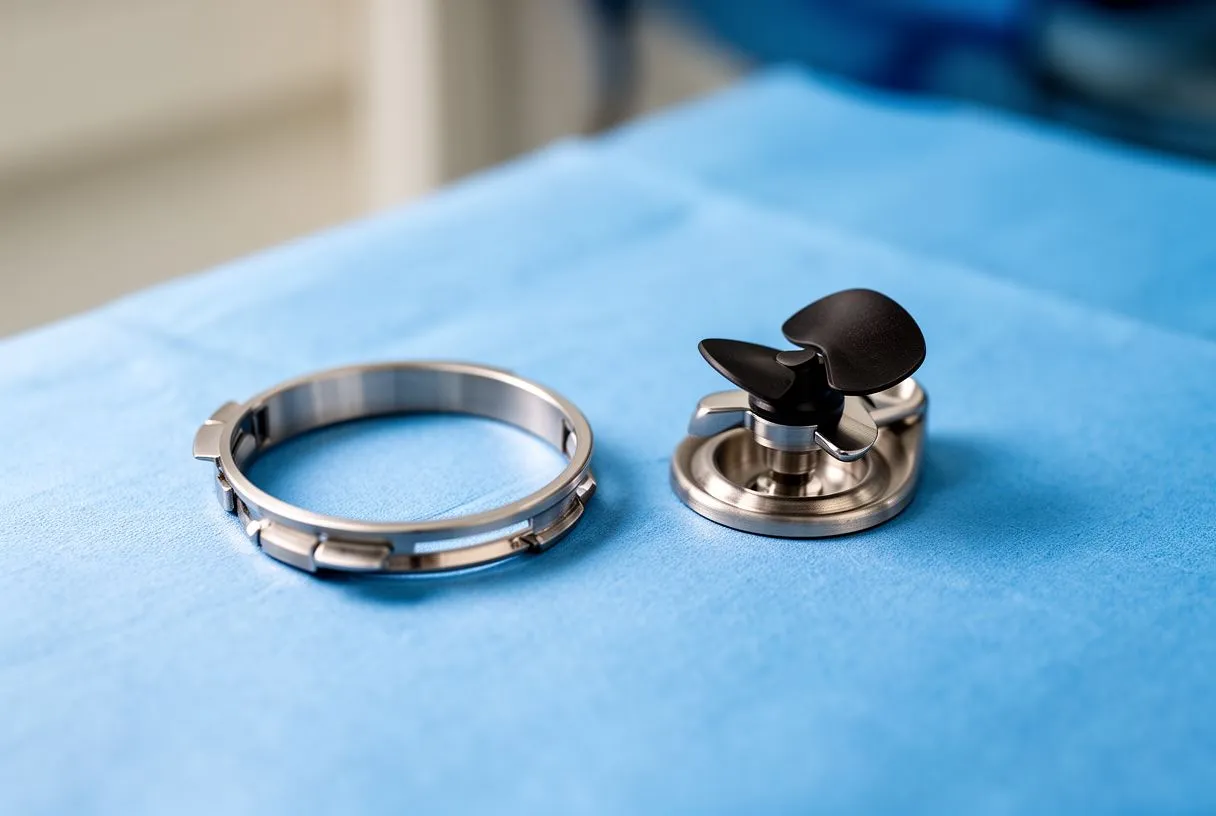
Mini-thoracotomy mitral valve repair. The mitral valve sits on the left side of the heart between the two upper and lower chambers. Its position makes it particularly well suited to a right-sided mini-thoracotomy, which gives a direct, close approach. Repairing the valve — preserving the patient's own tissue rather than replacing it — is the preferred treatment when the valve can be fixed, and long-term results of repair are excellent when performed by experienced teams.
Mini-thoracotomy aortic valve replacement. The aortic valve sits at the base of the aorta, the main artery leaving the heart. It can also be reached through a small incision, often through an upper partial split of the breastbone or a right-sided approach. For patients who are not good candidates for any open operation at all, there is also TAVR — transcatheter aortic valve replacement — where the new valve is delivered through a catheter in the groin without any chest incision. Our team performs conventional, minimally invasive, robotic and transcatheter procedures, and we recommend the less invasive route only where the evidence supports it for that specific patient.
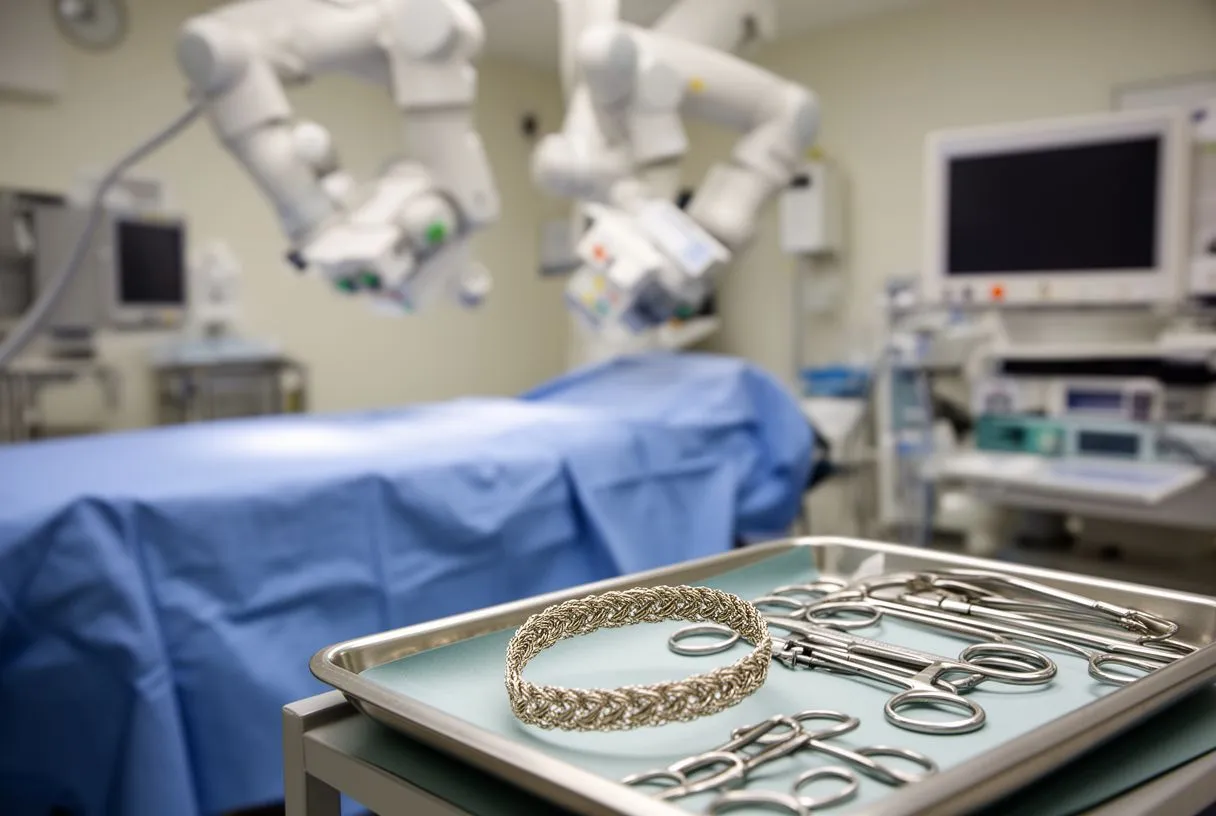
Robotic assisted mini-thoracotomy. Robotic systems take the small-incision approach one step further. Instead of long handheld instruments, the surgeon controls robotic arms from a console, with the instruments entering through port incisions of one to two centimetres. The surgeon remains in complete control throughout; the robot is a precision tool, not an autonomous one. For suitable patients, robotic assistance can allow valve repair through incisions small enough that the operation is sometimes described as "keyhole" surgery.
Mini-Thoracotomy Heart Surgery: What to Expect on the Day
Knowing the sequence of the day removes much of the fear around it. You will arrive at the hospital, usually the morning of surgery or the afternoon before. The anaesthesia team meets you, reviews your studies, and places an intravenous line. Monitoring lines, including a small probe in the airway to watch the lungs during surgery, are placed once you are asleep — so you are unaware of any of it.
In the operating room. The operation itself takes several hours, depending on what needs to be done. You are fully asleep, breathing through a tube managed by the anaesthetist, with the heart-lung machine supporting your circulation while the heart is operated on. You will remember nothing of this part. When the repair is complete, the heart is restarted, the incision is closed in layers, and you are taken to the Recovery Room — the intensive care area where you wake up under one-to-one nursing observation.
Waking up. Most patients wake with a breathing tube still in place for a short period, a few drips, and a chest drain — a small tube that removes air and fluid from around the incision. It sounds intimidating but is routine and removed within a day or two in most cases. The first thing many patients remember is the team asking them to take deep breaths and move their feet, which starts the recovery process immediately.
What Is the Recovery Timeline After Mini-Thoracotomy Heart Surgery?
Recovery after small incision heart surgery follows a predictable rhythm, though every individual varies. Here is a realistic week-by-week picture of what most patients experience. Treat it as a map, not a contract — your own team will adjust it to your progress.
- Days 1–3 in hospital: the chest drain and monitoring lines come out, you sit up, walk short distances with supervision, and most patients find the pain is manageable with regular tablets rather than injections.
- Weeks 1–2: you are home, walking several times a day with gradually increasing distance, showering normally, and sleeping in your own bed. Stairs are fine in moderation.
- Weeks 2–4: driving usually becomes possible once you can brake comfortably without wincing. Desk work and light household duties resume for many patients in this window.
- Weeks 4–8: a structured cardiac rehabilitation programme builds fitness and confidence. Most patients return to full normal activity within this period, well ahead of what a sternotomy typically allows.
The mini-thoracotomy recovery timeline is genuinely shorter than the traditional one, largely because there is no breastbone to knit back together. The keyphrase that matters here is "recovery time": measured from surgery to return to everyday life, many mini-thoracotomy patients are looking at weeks rather than months. This difference is one of the clearest practical arguments for the smaller approach when the clinical picture allows it.
What Are the Risks of Mini-Thoracotomy Heart Surgery?
Honesty about risk is part of good care. Mini-thoracotomy heart surgery carries the same fundamental risks as any cardiac operation — bleeding, infection, stroke, heart rhythm disturbance, and the general risks of anaesthesia — because the underlying operation on the heart is the same. The smaller approach reduces some risks (wound complications, blood loss) but introduces others that deserve a clear explanation.
Technical demands on the team. Working through a small incision means less direct visibility and less immediate access if something unexpected happens. In the uncommon event that the operation needs to be converted to a full sternotomy, the surgeon must make that decision promptly and cleanly. This is why the experience of the surgical team matters so much in this technique — conversion is rarer and better handled in high-volume, well-trained units.
Specific considerations. Spreading the ribs can cause temporary intercostal nerve discomfort, and some patients notice soreness along the incision for several weeks. Lung-related complications such as small air leaks can occur but are usually self-limiting. Patient selection is the other half of the equation: people with severe lung disease, certain chest deformities, or heavily calcified vessels may not be suitable candidates, and a reputable team will say so plainly.
In our practice, every case is reviewed by the multidisciplinary team against international practice guidelines before any recommendation is made, and the patient receives a clear proposal with the alternatives laid out. The final decision is always the patient's.
What Does Aftercare After Small Incision Heart Surgery Involve?
Aftercare after mini-thoracotomy heart surgery is straightforward but not optional. The first few weeks at home determine much of how smooth the recovery feels.
Wound care. Keep the incision clean and dry; your team will tell you exactly when showering is fine and what the site should look like as it heals. Watch for increasing redness, oozing, or warmth — signs that should be reported promptly. Most incisions close with dissolvable stitches under the skin and need nothing more than simple protection.
Activity and medication. Walk daily and increase distance gradually; movement helps the lungs and prevents complications far better than rest alone. Take prescribed medications exactly as directed — blood thinners, rhythm drugs, or blood pressure tablets — and never adjust them on your own. Avoid heavy lifting in the early weeks even though the breastbone is intact; the chest muscles still need time.
Follow-up. You will have scheduled reviews to check the incision, listen to the heart, and review your medications and rehabilitation progress. Attend all of them, even when you feel well. Recovery is also the moment to address the underlying condition's causes — blood pressure, cholesterol, diabetes control, smoking — and cardiac rehabilitation is designed exactly for that.
Is Mini-Thoracotomy Heart Surgery Right for You?
Choosing between surgical approaches is not about finding the "best" one in the abstract — it is about finding the lowest-risk option for your specific situation. That judgment depends on your diagnosis, the anatomy of your heart and chest, your age, your lung function, and your prior surgical history. A fit 55-year-old with an isolated mitral valve problem and a 70-year-old with multiple conditions may get different recommendations from equally expert teams, and both can be right.
Questions worth asking any team. How many mini-thoracotomy procedures does the surgeon perform per year? What is the practice's approach to conversion if needed? What alternatives — including TAVR or conventional surgery — were considered for your case, and why was this one recommended? A team that welcomes these questions and answers them in plain language is showing you exactly the transparency you should expect.
Second opinions and consultation. We encourage second opinions and treat seeking one as a normal part of deciding about heart surgery — any confident team will do the same. In our practice, led by Dr Alejandro Molina with consulting rooms in Guadalajara, Querétaro and Hermosillo, the first contact is a free video consultation: we get to know the patient, talk through the condition, and identify which studies are still needed so that no unnecessary ones are ordered. In the consultation itself we take the time to explain what the studies actually show, in plain words, and to answer every question before any decision is made.
Mini-thoracotomy heart surgery offers a genuine alternative to traditional open surgery for many patients needing mitral or aortic valve procedures: less pain, a smaller scar, and a faster return to the life you had. It is not suitable for everyone, and the honest recommendation sometimes is that conventional surgery serves you better. The most important step is not choosing a technique from an article — it is sitting down with a qualified cardiac team who can review your own studies and explain your options. If you have been told you need heart surgery, book a consultation and start that conversation.






