


Thoracotomy Recovery: Pain, Breathing and Healing
Thoracotomy recovery takes weeks—learn pain management, breathing exercises, and healing timelines.
What Is Thoracotomy Recovery and What to Expect
Thoracotomy recovery is the process your body goes through after a surgeon opens your chest wall to access the heart, lungs, or major blood vessels. Whether the operation was performed to bypass a blocked artery, repair a valve, or resect diseased lung tissue, the chest wall must heal from a significant incision through muscle, rib, and sometimes cartilage. The first few days after surgery are the most intense — you will wake up in the intensive care unit with monitors tracking your heart rhythm, oxygen levels, and blood pressure. An arterial line may still be in place, giving the team real-time pressure readings with greater accuracy than a standard cuff.
What happens in the first 24 hours: You will likely have one or more chest tubes draining fluid and air from the pleural space around your lung. These tubes are uncomfortable but essential — they prevent blood and air from accumulating and collapsing the lung. Nursing staff will help you turn, sit up, and eventually stand. Even small movements feel monumental, but early mobilisation is one of the strongest predictors of a smooth recovery. According to Stanford Health Care, patients who begin gentle activity within the first day tend to have shorter hospital stays and fewer respiratory complications.
Who is in your recovery team: A multidisciplinary group — surgeons, cardiologists, respiratory therapists, physiotherapists, and specialised nurses — coordinates your care. If your surgery involved the ascending aorta or required an arterial graft, the team will monitor blood flow and perfusion closely. Family members should understand that the first week is about stabilisation, not about feeling "back to normal." Recovery is measured in weeks and months, not in days, and each milestone builds on the last.
How Long Does Thoracotomy Recovery Take
Most patients ask this question first, and the honest answer is that thoracotomy recovery time varies considerably depending on the underlying condition, your age, your baseline fitness, and whether the surgery was planned or emergency. A general timeline puts hospital discharge at five to seven days for uncomplicated cases, with full recovery spanning eight to twelve weeks. Some patients feel substantially better at six weeks; others need three months before they can return to physically demanding work.
Weeks one to two: You will be home but still reliant on pain medication and moving cautiously. Short walks of a few minutes are encouraged, but lifting anything heavier than a few kilograms is off limits. The chest wall is actively healing, and the ribs — which may have been spread apart or partially removed — need time to stabilise. Auscultation (listening to your chest with a stethoscope) during follow-up visits helps your surgeon confirm that your lungs are re-expanding properly and that no fluid is collecting.
Weeks three to twelve: Gradual return to normal activity is the goal. Respiratory research, including work on cardiac tissue repair mechanisms such as that described in Genetic lineage tracing defines myofibroblast origin and function in the injured heart, underscores how long the body's internal repair processes continue well beyond the point where the external scar looks healed. Patients should expect follow-up imaging — a chest X-ray at minimum — to confirm lung re-expansion and rule out pleural effusion before returning to exercise or travel.
Managing Pain After Thoracotomy Surgery
Pain after thoracotomy surgery is expected, and managing it well is not a luxury — it is a medical necessity. Poorly controlled pain prevents deep breathing, which in turn leads to lung collapse and infection. Your team will use a combination of regional anaesthesia (such as an epidural or paravertebral catheter), oral opioids, and non-opioid medications like paracetamol and non-steroidal anti-inflammatory drugs. The strategy is layered: each medication targets a different pain pathway so that no single drug has to carry the full load.
What pain is normal versus concerning: Aching, sharp pain at the incision site, and discomfort with deep breathing or coughing are all expected in the early weeks. Pain that worsens over time rather than improving, pain accompanied by fever, or sudden chest pain that feels different from your surgical pain warrants immediate evaluation. Arm pain on the operated side is also common because the nerves that run along the ribs can become irritated during surgery — this usually resolves but can linger for weeks.
Weaning off pain medication: Most patients reduce opioids within the first two weeks and transition to oral paracetamol or ibuprofen. If you were taking aspirin before surgery for an atheromatous plaque or coronary disease, your cardiologist will advise when to restart it, balancing clot prevention against surgical bleeding risk. Never stop or restart medications on your own — even over-the-counter drugs can interact with your recovery plan. The key principle is function-based dosing: take enough medication to breathe deeply, cough, and walk, but not so much that you feel sedated or nauseated.
Breathing Exercises After Thoracotomy
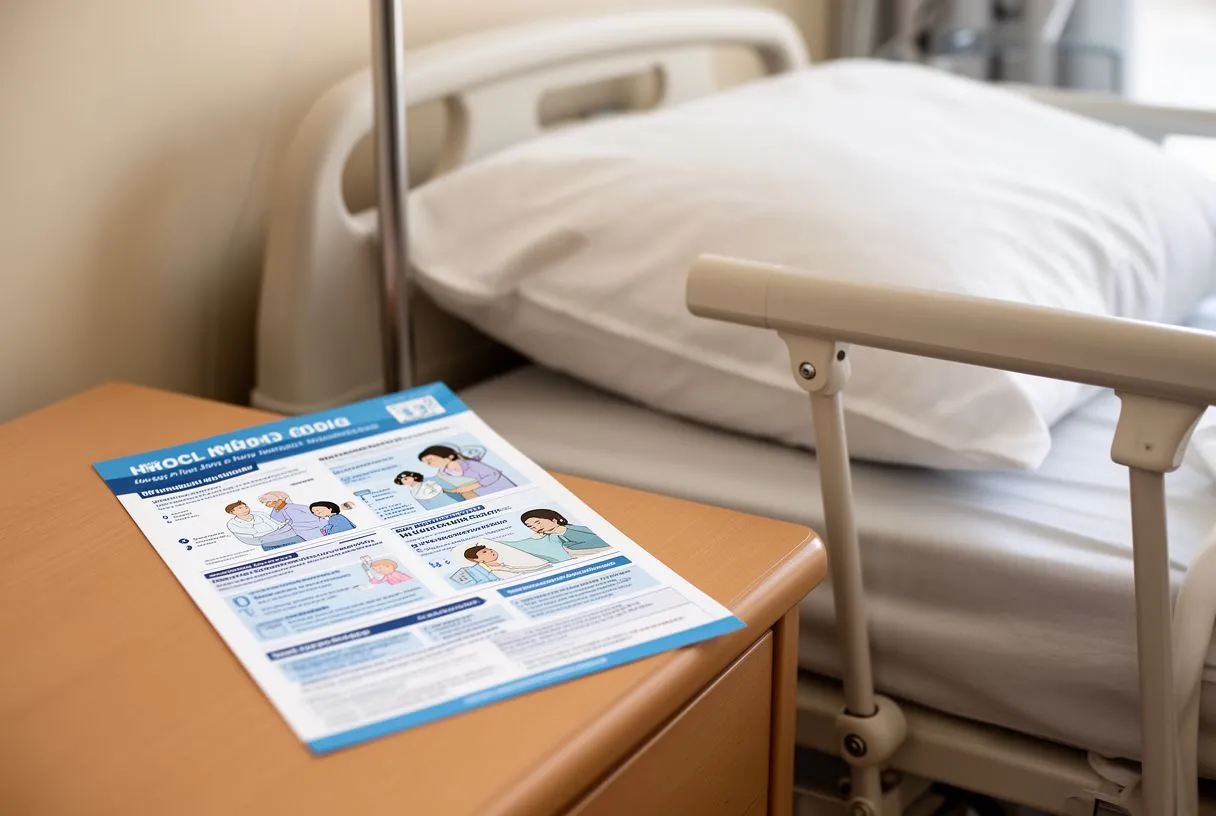
Breathing after thoracotomy is the single most important recovery skill you will learn. Because the chest wall has been opened and muscles have been cut, your natural instinct is to take shallow breaths to avoid pain. Shallow breathing is dangerous after chest surgery — it allows the small air sacs in your lungs to collapse, creating a breeding ground for pneumonia. Your respiratory therapist will teach you to use an incentive spirometer, a simple device that visually encourages you to inhale deeply and hold the breath.
How to use an incentive spirometer effectively: Sit upright as much as possible — gravity helps your lungs expand. Place the mouthpiece in your mouth, seal your lips around it, and inhale slowly until the indicator reaches your target volume. Hold for two to three seconds, then exhale normally. Repeat ten times every waking hour during your hospital stay, and continue at home for at least the first two weeks. If coughing is too painful, splint your chest by holding a small firm pillow against the incision site.
Additional techniques your team may recommend: Deep breathing exercises paired with shoulder mobility work prevent stiffness in the chest and upper back. Some programmes incorporate devices like an Automated External Defibrillator awareness module for high-risk patients, though this is about education, not therapy. The goal of all breathing work is the same: full lung re-expansion, prevention of atelectasis (collapsed lung tissue), and clearing secretions so they do not become infected. Patients who commit to their breathing exercises consistently have measurably fewer respiratory complications.
Thoracotomy Incision Healing Timeline
Thoracotomy incision healing follows a predictable biological sequence, though the visible progress can feel slow. In the first week, the skin edges are held together with sutures, staples, or adhesive strips, and the underlying muscle and connective tissue are still inflamed. Swelling, bruising, and mild oozing from the incision are normal during this stage. The wound is not truly sealed for several days, which is why showering is usually permitted before bathing.
Weeks two to four: The external incision closes and begins to form a scar. If your surgery involved a sternotomy (splitting the breastbone) rather than a lateral thoracotomy, the bone needs roughly six to eight weeks to knit together — and during that time you must avoid pushing, pulling, or twisting movements. If autologous blood (your own blood, collected before or during surgery) was used for transfusion, your body is also working to replenish red cell mass, which affects energy levels.
Months one to six and beyond: The scar will gradually flatten, soften, and fade from red to pale. Sensitivity around the scar — tingling, numbness, or sharp nerve pain — is common because small cutaneous nerves were divided during the incision. Most sensation returns over six to twelve months, though some numbness may be permanent. This is rarely a functional problem, but patients should be prepared for it so they are not alarmed.
Lung Recovery After Thoracotomy Surgery
Lung recovery after thoracotomy depends on how much lung tissue was removed, how long the lung was collapsed during surgery, and whether you had pre-existing lung disease. If the operation was cardiac (such as a valve repair or coronary bypass through a thoracotomy approach), the lung itself may be largely intact and recovery is about re-expansion and clearing secretions. If a portion of lung was removed, recovery involves the remaining tissue adapting to take on a greater share of oxygen exchange.
Factors that slow lung recovery: Smoking history, chronic obstructive pulmonary disease, obesity, and prolonged time on a ventilator all extend the timeline. Patients who were on a ventilator for several days may experience vocal cord irritation or weakness in the muscles that drive breathing. Research into fibrotic repair in cardiac tissue, such as the work described in Targeting cardiac fibrosis with engineered T cells, highlights how inflammation and scarring are active biological processes — not passive healing — and the same principles apply to lung tissue after surgical injury.
How to support lung healing at home: Stop smoking entirely — there is no safe level during recovery. Use your incentive spirometer, take short walks to improve circulation and ventilation, and sleep with your head elevated for the first few weeks. If you were prescribed pulmonary rehabilitation, attend every session. The structured, supervised exercise and education these programmes provide measurably improve lung function and reduce readmission rates.
Thoracotomy Recovery Tips for Home
Coming home after thoracotomy is a major milestone, but the transition can feel overwhelming. The hospital environment provided constant monitoring, and now you and your family are responsible for recognising problems early. Preparation before discharge makes a measurable difference: arrange help with cooking, cleaning, and driving for at least the first two weeks, and ensure all medications are filled and understood.
- Sleep position: Sleep on your back or the unaffected side for the first several weeks. Use pillows to prop yourself semi-upright, which eases breathing and reduces incision pain.
- Walk daily: Begin with five-minute walks and add a minute or two each day. Walking prevents blood clots, improves lung function, and rebuilds stamina.
- Eat for healing: Protein intake supports tissue repair. Small, frequent meals are better tolerated than large ones if your appetite is reduced.
- Track your medications: Keep a written schedule. Know which drugs to take with food, which cause drowsiness, and which cannot be stopped abruptly.
- Avoid smoke exposure: Second-hand smoke impairs lung healing just as active smoking does. Ask household members to smoke outside.
Incision care at home: Keep the wound clean and dry. Showering is usually permitted 48 hours after surgery if the incision is covered with a waterproof dressing — confirm this with your surgeon. Do not soak in a bath, pool, or hot tub until the wound is fully healed and your surgeon gives clearance. Inspect the incision daily using a mirror or ask a family member to help: look for increasing redness, spreading warmth, discharge, or separation of the edges. Report any of these signs promptly.
Managing visitors and emotional health: Many patients underestimate the emotional toll of recovery. Anxiety, interrupted sleep, and a temporary sense of dependency are normal. Limit visitors to avoid exhaustion, and do not hesitate to ask people to leave when you are tired. If feelings of sadness or anxiety persist beyond two weeks and interfere with sleep or appetite, mention this to your follow-up team — post-surgical depression is real and treatable.
Post-Thoracotomy Pain Syndrome Explained
Post-thoracotomy pain syndrome is persistent nerve-related pain that lasts beyond the expected healing window — typically defined as pain present more than two months after surgery. It affects a meaningful percentage of thoracotomy patients and can range from a mild occasional tingling to a severe, shooting pain that interferes with daily life. The cause is nerve injury: the intercostal nerves that run beneath each rib can be stretched, compressed, or cut during the procedure.
How it differs from normal surgical pain: Normal postoperative pain improves steadily week by week. Post-thoracotomy pain syndrome plateaus or worsens, and it has a distinctive quality — burning, electric-shock sensations, or hypersensitivity where even clothing touching the skin is uncomfortable. It does not mean the surgery failed or something is wrong inside; it is a nerve signalling problem, not a structural problem. Your team may refer you to a pain specialist who can offer nerve blocks, membrane-stabilising medications (such as gabapentin), or topical patches.
Who is at higher risk: Patients who had severe acute pain in the first days after surgery, younger patients, and those who underwent repeat chest operations appear more likely to develop the syndrome. Excellent acute pain control — including regional anaesthesia techniques — may reduce the incidence. If atrial flutter or other arrhythmias developed postoperatively, the additional stress on your system can also amplify pain perception. Understanding that this is a known, manageable complication — not a sign of surgical failure — helps patients seek help early rather than suffering in silence.
Thoracotomy Complications During Recovery
Most thoracotomy recoveries proceed without major setbacks, but complications can arise even after an technically perfect operation. Knowing what to watch for empowers patients and families to act early, when interventions are most effective. The most common complications fall into three categories: respiratory, cardiac, and wound-related.
- Respiratory: Atelectasis (partial lung collapse), pneumonia, pleural effusion (fluid around the lung), and persistent air leak from the lung surface.
- Cardiac: Atrial fibrillation or atrial flutter occur in a notable fraction of patients, usually within the first three days. These rhythm disturbances are often temporary and managed with medication.
- Wound: Superficial infection, deeper infection of the bone or cartilage, and delayed healing, especially in patients with diabetes or those on long-term steroids.
Less common but serious complications: Bleeding requiring re-operation, deep vein thrombosis or pulmonary embolism, and kidney dysfunction related to the stress of surgery or medication effects. If your surgery involved a balloon aortic valvuloplasty or placement of a balloon-expandable valve as part of a larger procedure, additional monitoring for valve function and vascular integrity is part of your follow-up. The key for patients and families is to understand that most complications are treatable when caught early — delay is the real danger.
Reducing your personal risk: Follow your breathing exercises religiously, take your blood thinners or aspirin exactly as prescribed, stay mobile, and attend every follow-up appointment. If you have been told your EuroSCORE II (a surgical risk calculator) was elevated, your team already has heightened surveillance in place — partner with them by reporting symptoms promptly and honestly.
When to Seek Help During Thoracotomy Recovery
Knowing when to call for help — and when to wait — is one of the hardest judgement calls families face during thoracotomy recovery. Your surgical team should give you clear discharge instructions, but as a general principle, any new or worsening symptom deserves a phone call rather than a "wait and see" approach. Most practices, including Cirugía de Corazón, would far rather hear from you early than learn a problem was ignored.
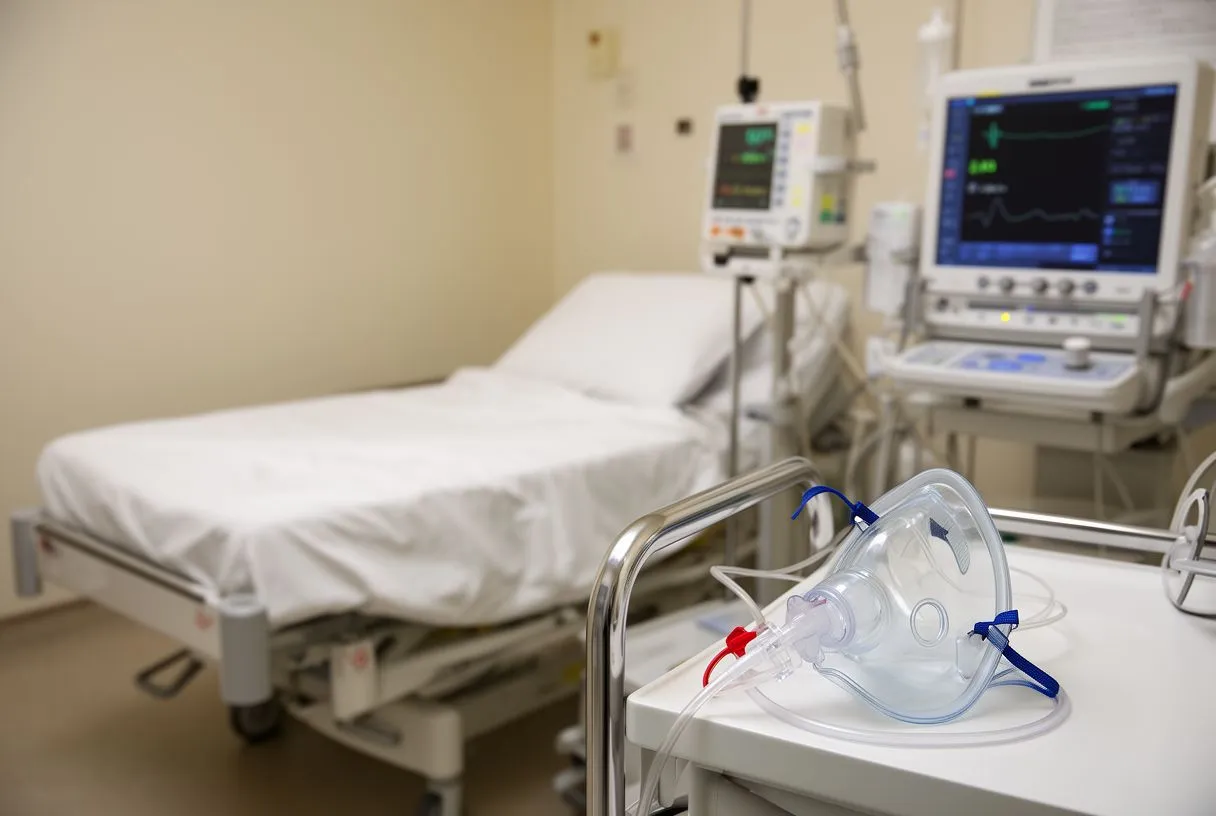
Call immediately for these red flags: Fever above 38.5°C, sudden shortness of breath that does not improve with rest, chest pain that feels different from your incision pain, rapid or irregular heartbeat, leg swelling or calf pain on one side, or any drainage that is thick, foul-smelling, or bloody from the incision. These could signal infection, blood clot, pleural effusion, or arrhythmia — all of which respond best to early treatment.
Schedule a sooner appointment for: Increasing — not decreasing — pain after the first week, a productive cough with discoloured sputum, wound redness that is slowly spreading, or unexplained fatigue that prevents you from doing your exercises. Atypical infarction (a heart attack with unusual symptoms) can present differently after chest surgery, so any new chest discomfort warrants evaluation rather than assumption. Every patient's recovery is unique, and the guidance here is general — your own cardiac team knows your specific surgical details, your risk profile, and your medications. If you have questions after discharge, use the contact channels your care team gave you. Do not self-diagnose or rely on online advice alone — a brief phone call can determine whether you need to be seen and save you from a preventable complication. Book a consultation with your cardiac team to discuss your individual recovery plan.






