
Multi-Organ Failure After Heart Surgery: Causes and Care
Multi-organ failure heart surgery risks explained—learn causes, prevention, and expert postoperative care.
Multi-organ failure heart surgery is a phrase no family wants to hear, yet understanding it ahead of time removes much of the fear. When a patient develops multi-organ failure after cardiac surgery, two or more major organs — most often the kidneys, lungs or liver — stop working properly in the days following the operation. It is one of the most serious complications of heart surgery, and it is also one of the most closely monitored, because modern intensive care can support failing organs while the body recovers. This guide explains what causes it, how doctors detect it early, what treatment looks like, and how patients and families can prepare.
What Is Multi-Organ Failure After Heart Surgery?
Multi-organ failure means two or more organs stop doing their jobs at the same time. After cardiac surgery, this usually unfolds over one to several days in the intensive care unit (ICU). The heart is the pump at the centre of the system, so when the heart struggles after an operation, the organs downstream feel it first. Doctors call this postcardiotomy multi-organ failure when it follows heart surgery specifically.
It is not an all-or-nothing event. Organ dysfunction after cardiac surgery usually begins on a spectrum — a kidney filtering more slowly, lungs needing extra oxygen, the liver working less efficiently. Clinicians track this with scoring systems that grade how many organs are affected and how severely. Caught early, much of this dysfunction reverses; the goal of every ICU team is to stop the slide before it becomes failure.
The terminology can sound frightening, so it helps to define it plainly. "Dysfunction" means an organ is underperforming; "failure" means it cannot meet the body's needs without support. The Cleveland Clinic notes that organ failure after major surgery is a recognised, treatable intensive care condition, not an automatic outcome. In our own practice, we review every case against international practice guidelines before recommending surgery, precisely so that patients at elevated risk of this complication are identified and counselled honestly before the decision is made.
Why Do Organs Fail After Open Heart Surgery?
The heart-lung machine changes how blood flows through the body. During open heart surgery, a cardiopulmonary bypass circuit takes over circulation, cooling the blood and pumping it through tubing outside the body. This artificial circulation is remarkably safe for most patients, but it is not identical to natural flow. The contact of blood with the circuit surfaces triggers a whole-body inflammatory response after cardiac surgery — a cascade of immune signalling that can make blood vessels leaky and organs sluggish.
Low blood pressure in the operating room matters too. Some patients develop vasoplegic syndrome after heart surgery, in which the blood vessels relax too much and blood pressure stays low despite normal fluid levels. Prolonged low pressure means organs receive less oxygen for longer. This is one reason anaesthesia and perfusion teams watch pressure numbers continuously and correct them within minutes.
Time on bypass adds up. Prolonged bypass organ damage is a recognised pattern: the longer the circulation is artificial, the greater the cumulative stress on blood, brain, kidneys and lungs. That is why surgical technique — a well-planned, efficient operation — is itself a form of organ protection. In our team's experience, the patients who do best are those whose operation was planned carefully around their own anatomy, which shortens bypass time and reduces this stress.
A useful way to remember the causes is to group them into four categories:
- Low output: the heart does not pump strongly enough right after surgery, so organs receive less blood.
- Inflammatory response: the bypass circuit activates the immune system, making vessels leaky and organs less responsive.
- Time factors: long operations, long cross-clamp times and prolonged low blood pressure each add stress.
- Infection: sepsis after heart surgery can begin days later and push already-stressed organs toward failure.
What Causes Kidney Failure After Heart Surgery?
The kidneys are usually the first organs to show stress. They filter waste from the blood, and they are highly sensitive to blood pressure, blood flow and inflammatory signals. Acute kidney injury after cardiac surgery is one of the most studied complications in all of surgery; it ranges from a temporary rise in creatinine (a waste product measured in blood tests) to the rare need for dialysis.
Why the kidneys are vulnerable comes down to plumbing. The kidneys receive a large share of the heart's output, so any drop in cardiac output or blood pressure affects them early. Pre-existing conditions amplify the risk: diabetes, chronic kidney disease, advanced age and peripheral artery disease all reduce the kidneys' reserve. Certain medications, including some contrast dyes used in heart catheterisations before surgery, add further load.
Post-cardiac surgery dialysis is uncommon but real. When kidney function does not recover quickly enough, a temporary dialysis machine takes over filtration for days or weeks. In most patients who need it temporarily, the kidneys resume working as the heart stabilises; a smaller group with pre-existing kidney disease may need longer-term support. In our practice, every patient's kidney function is reviewed by the multidisciplinary team before surgery, and the operation plan — including choices like minimally invasive or transcatheter approaches where appropriate — takes kidney risk into account.
What Is Lung Failure After Open Heart Surgery?
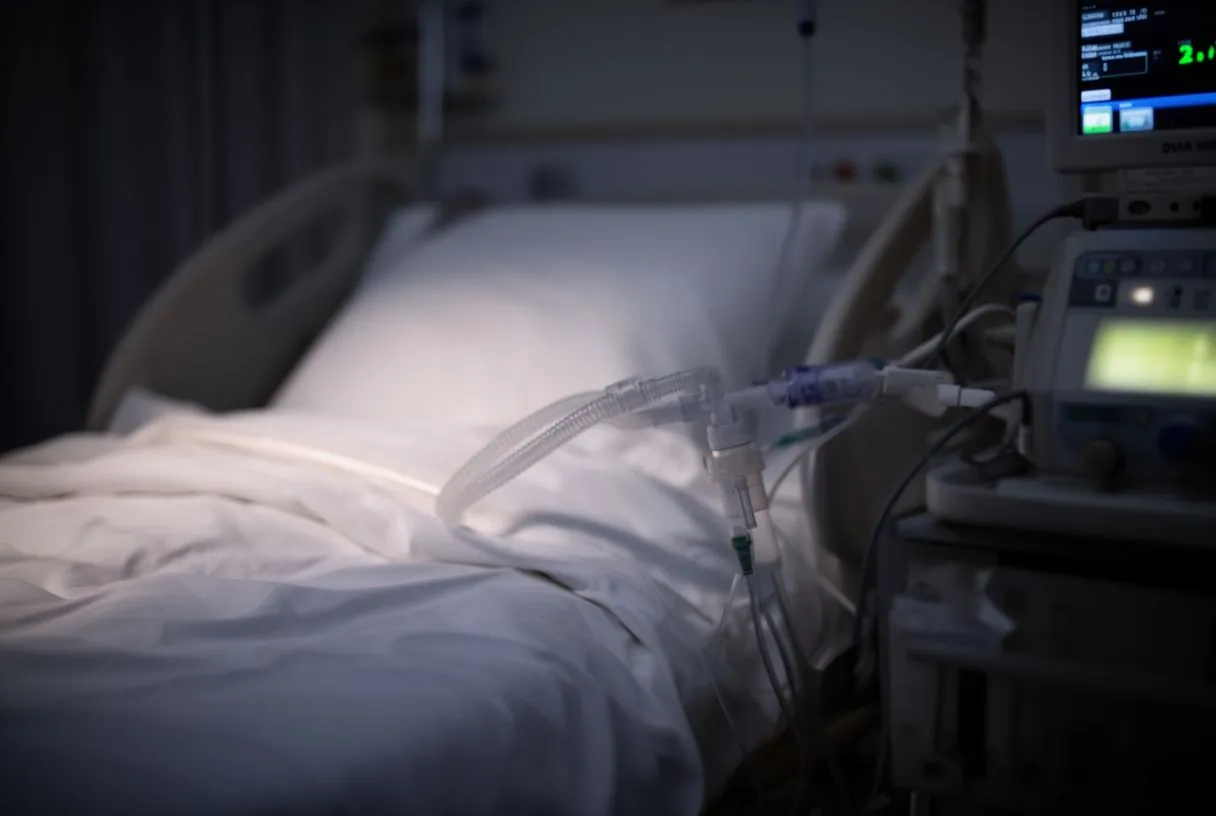
Lung failure open heart surgery patients worry about usually means difficulty coming off the ventilator. After most heart operations, a breathing tube stays in place for several hours while the patient wakes in the ICU. Extubation — removing the tube — happens once the patient is awake, breathing strongly and maintaining good oxygen levels. When lungs are inflamed or filled with fluid, that process takes longer.
Several mechanisms are at play. The bypass circuit bypasses the lungs entirely, so during surgery they are bloodless and still. Afterwards, fluid can accumulate around and within them, the breathing muscles are tired from anaesthesia, and the inflammatory response can stiffen lung tissue. Patients with chronic lung disease, smokers and those with congestive heart failure before surgery carry the highest risk, because their lungs start with less reserve.
Support is graduated, not sudden. If a patient cannot extubate on schedule, the team works through a sequence: longer ventilation, then possibly non-invasive support through a mask, and in rare cases prolonged mechanical ventilation with a tracheostomy until the lungs recover. Physical therapy and breathing exercises begin early and matter enormously.
Can Liver Failure Happen After Bypass Surgery?
Liver failure after bypass surgery is less common than kidney or lung problems, but it follows the same logic. The liver filters toxins, makes clotting proteins and processes medications. When blood pressure runs low for a prolonged period, or when the heart cannot pump enough forward flow, the liver suffers from both poor supply and congestion — blood backing up into it because the heart cannot drain it efficiently.
Congestion is the cardiac-specific mechanism. In patients with right-sided heart failure or valve disease before surgery, the liver may already be congested, a condition sometimes called cardiac hepatopathy. Surgery that restores the heart's pumping can actually improve the liver over time, but in the first days the organ may show stressed liver enzymes on blood tests. Most of these elevations settle as the heart recovers.
Severe liver failure after cardiac surgery is rare and serious. When it does occur, it is almost always part of a broader picture of prolonged low output, vasoplegia or postcardiotomy shock, and it requires intensive support of clotting, nutrition and glucose while the underlying heart problem is addressed. This is one reason we recommend the less invasive route only where the evidence supports it for that patient: avoiding full bypass where possible, for example with a transcatheter aortic valve replacement (TAVR), reduces liver stress in selected patients.
Who Is at Highest Risk of Multi-Organ Failure Heart Surgery?
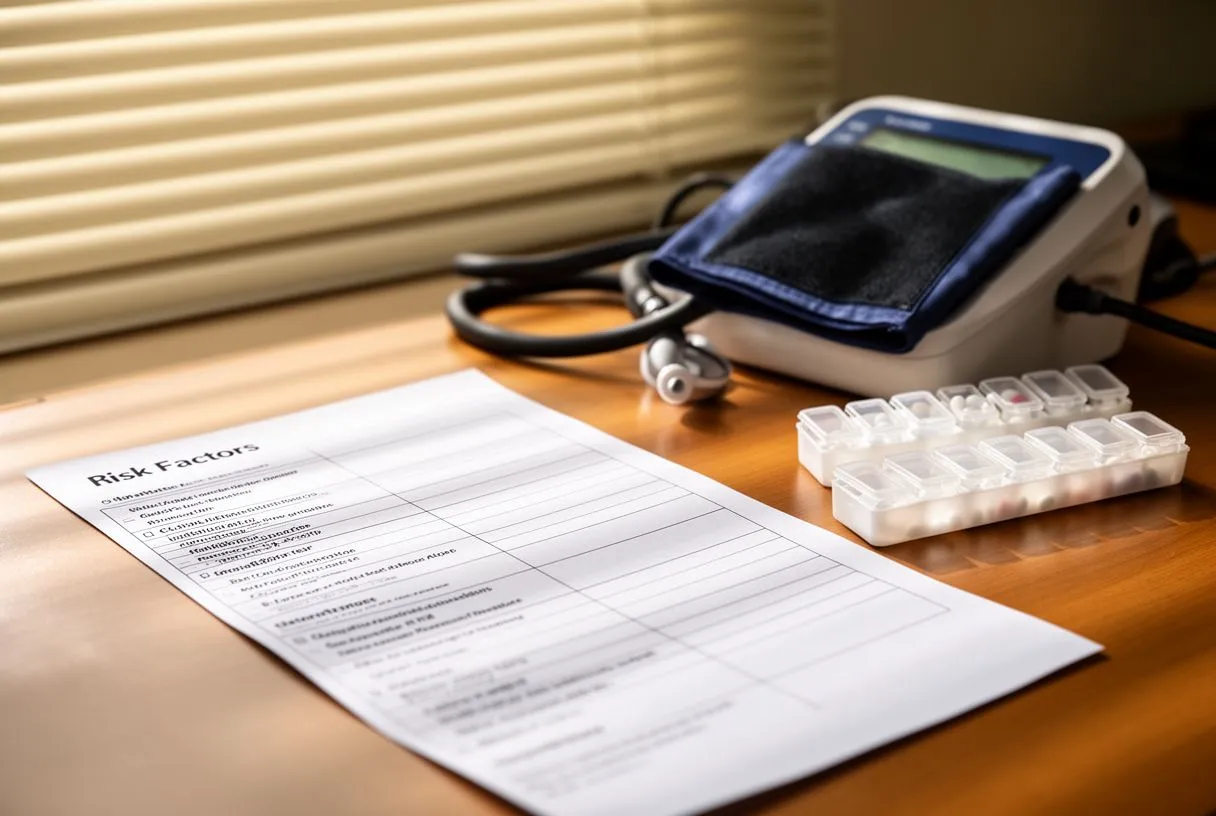
Risk is not the same for everyone, and it can be estimated before the operation. Surgeons use validated scoring systems such as EuroSCORE II, which combines age, kidney function, lung disease, prior heart operations, urgency and the type of surgery into a predicted risk. These numbers are not prophecies; they are planning tools that tell the team where to focus prevention.
Certain patients carry more risk, and knowing this changes the plan. The main risk factors include:
- Advanced age and frailty: less physiological reserve to absorb the stress of surgery.
- Chronic kidney disease and diabetes: the kidneys start with less capacity, so small insults matter more.
- Lung disease and smoking: reduced reserve means longer ventilator support is more likely.
- Advanced heart failure before surgery: organs that have been under-supplied for months tolerate surgery less well.
- Repeat operations and emergencies: unplanned or reoperative surgery involves longer bypass times and more inflammation.
Children with congenital heart disease are a separate risk group. Research on growth failure in children with congenital heart disease shows that chronic under-circulation affects development and organ reserve long before any operation, which is why paediatric cardiac teams plan surgery, nutrition and follow-up together. For adults, the practical takeaway is the same: the healthier the organs going in, the better they tolerate the operation. We encourage every patient considering surgery elsewhere to seek a second opinion, and we treat that as a normal, sensible part of the decision — not a lack of trust.
How Is Organ Failure Detected in the Intensive Care Unit?
Detection is continuous, not occasional. In the ICU after heart surgery, patients are connected to monitors that track heart rate, blood pressure, oxygen saturation and urine output hour by hour. Point-of-care INR testing gives clotting results within minutes at the bedside. Daily blood panels measure creatinine for the kidneys, liver enzymes, blood gases for the lungs and lactate — a marker of whether tissues are receiving enough oxygen.
Each organ has an early warning sign. Rising creatinine signals kidney stress before the patient feels anything. Increasing oxygen requirements flag lung problems. Confusion or agitation can indicate low oxygen delivery to the brain. Falling urine output is often the earliest practical alarm in the whole system, which is why nurses measure it every hour in the first days.
Families can help simply by being informed. You do not need to interpret the monitors; you do need to know that quiet, steady numbers are good news and that the team will explain any change. In our consultation, we take the time to explain what the studies actually show, in plain words, before any decision — and we extend that same transparency to families in the ICU, because knowing what each number means reduces panic.
How Is Multi-Organ Failure Treated After Heart Surgery?
The core principle is support each organ while fixing the cause. Multi-organ failure after cardiac surgery is treated on two tracks simultaneously: support the failing organs so the body survives, and correct what drove the failure — usually the heart not pumping well enough, an infection, bleeding, or lingering surgical issues.
Organ support has well-established tools. For the heart: medications that strengthen contraction, careful fluid management, and in some cases temporary mechanical circulatory support devices that take over part of the pumping work. For the kidneys: dialysis or continuous filtration, often done gently at the bedside. For the lungs: ventilator settings adjusted to protect the tissue, plus breathing therapy. For clotting and nutrition: transfusions, replacement factors and feeding plans. The aim is always bridge therapy — buying time for recovery, not replacing organs permanently.
When infection is involved, sepsis treatment protocols apply. Sepsis after heart surgery is managed like sepsis anywhere: rapid antibiotics, source control, fluids and pressure support. The difference after cardiac surgery is that the team must also protect the surgical repair — sternum, grafts and valves — while treating the infection. Nurse-coordinated home-based cardiac rehabilitation has also been studied for heart failure patients, and structured follow-up after discharge can support recovery.
Can Organ Failure After Heart Surgery Be Prevented?
Much of prevention happens before the patient reaches the operating room. Good preparation — controlling diabetes, treating infections, optimising heart failure medications, stopping smoking, improving nutrition in frail patients — raises the reserve every organ brings to surgery. Patients with acute heart failure that can be stabilised before an elective operation do measurably better than those operated on in crisis.
Prevention continues in the operating room itself. Surgical teams minimise bypass time, maintain blood pressure targets, use warm or controlled cooling protocols and choose the least invasive appropriate approach. Where the heart-lung machine can be avoided entirely — as in some beating-heart bypass procedures or TAVR — the inflammatory stress drops accordingly. The choice is always individual; in our team, every case is reviewed against international practice guidelines before a recommendation is given, and the patient receives a clear proposal with the alternatives, and the final decision is always theirs.
Prevention continues after surgery too. Early mobilisation, lung physiotherapy, meticulous fluid balance, prompt treatment of any arrhythmia and early removal of lines and tubes all shorten the window in which complications can develop. Wound care and vigilant infection prevention protect the organs downstream. None of these is dramatic on its own; together they are the difference between a smooth course and a complicated one.
What Does Recovery Look Like After Multi-Organ Failure Heart Surgery?
Recovery is staged, and progress is measured in organ systems. A typical trajectory after organ dysfunction: the heart stabilises first, then the kidneys improve (often urine output returns before lab values normalise), then ventilator support comes off, and finally strength and appetite return. Patients who needed temporary dialysis usually see it removed within days to weeks. Full recovery of strength can take weeks to months, and cardiac rehabilitation — supervised exercise and education — is strongly associated with better long-term outcomes.
Setbacks are part of the picture, and honesty helps families cope. Recovery is rarely a straight line. A patient may need to return to the ventilator for a day, or a kidney may take longer than hoped. What matters is trend, not any single day. Families should ask the ICU team three questions: what is improving, what is being watched, and what would change the plan. Good teams answer all three without hesitation.
For patients in Mexico and beyond, choosing a team matters before complications arise. Our consulting rooms are in Guadalajara, Querétaro and Hermosillo, and the first contact is a free video consultation: we get to know the patient, talk through the condition, and say which studies are still needed. Dr Molina trained in cardiothoracic surgery at the Universidad de Guadalajara, in cardiac, minimally invasive, robotic and structural surgery at the University of Montreal, and in structural cardiology and TAVR at CHU Bordeaux; he performed the first robotic mitral valve repair in the Ángeles Health System and the first robotic heart surgery in Guadalajara. If you or a loved one is facing heart surgery and worried about complications like multi-organ failure, the most useful step is a frank conversation with a qualified cardiac team — book a consultation rather than trying to assess your own risk alone.