


Sepsis After Heart Surgery: Warning Signs and Treatment
Sepsis after heart surgery can become life-threatening fast.
Sepsis after heart surgery is a life-threatening emergency in which the body's own immune response to an infection spirals beyond control, damaging organs instead of protecting them. For families who have just come through the stress of a coronary bypass, valve replacement, or aortic repair, the possibility of a new crisis can feel almost unbearable. Knowing what sepsis looks like, how it is treated, and what measures reduce its likelihood transforms anxious waiting into informed vigilance — and that vigilance saves lives.
What Is Sepsis After Heart Surgery?
Sepsis after heart surgery happens when a localised infection somewhere in the body triggers a systemic inflammatory response that the immune system cannot switch off. Instead of confining the threat, chemical messengers called cytokines flood the bloodstream, causing blood vessels to dilate and become leaky, blood pressure to fall, and organs to struggle for oxygen. The heart, kidneys, lungs, and brain — each already taxed by the stress of recent surgery — begin to falter.
It helps to separate simple infection from sepsis clearly. A surgical wound showing mild redness that improves with local care is an infection; the immune system is responding appropriately and the problem stays contained. Sepsis is different — it is the moment the response breaks free of local control. A patient may appear stable in the morning and deteriorate by afternoon, which is exactly why families and clinical teams maintain close observation during the days and weeks after cardiac procedures.
Septicemia versus sepsis explained: families sometimes hear both terms and wonder whether they are interchangeable. Septicemia means bacteria multiplying in the bloodstream itself, while sepsis refers to the dangerous organ dysfunction that results from the immune response. Sepsis can develop even when blood tests show no bacteria in the blood, because the inflammatory cascade is already in motion. Treatment decisions are driven by the patient's overall condition, not by any single lab value.
How Sepsis After Heart Surgery Develops
The pathway to sepsis after heart surgery generally follows a recognisable sequence, though the speed varies considerably. Microbes first gain access to the body — through the surgical incision, along intravenous lines, via breathing tubes, or from the urinary tract. In open-heart procedures the breastbone is opened and wired shut, creating a potential space where bacteria can settle. The heart may carry prosthetic material such as a valve ring or synthetic graft, and each foreign surface offers a site where organisms can adhere and multiply.
Next comes the question of whether the immune system can contain the threat. A healthy response walls off the invader with inflammation and begins clearing it. But when the microbial load is high, the organism is aggressive, or the patient's defences are weakened by diabetes, prolonged Bypass Time, malnutrition, or the inflammatory stress of cardiopulmonary bypass itself, containment fails. Cytokines pour into circulation, vessels leak fluid into tissues, blood pressure drops, and the clotting system becomes disordered. Procedures like CABG, while routine for experienced teams, still involve hours on the heart-lung machine that can prime the body for an exaggerated inflammatory response.
Why cardiac surgical patients face heightened vulnerability: the heart-lung machine and its tubing expose blood to artificial surfaces that activate inflammatory pathways even without infection. Patients who undergo lengthy or complex operations spend more time intubated and catheterised, multiplying the opportunities for microbes to enter. Guidelines published by Springer highlight that each hour of delayed sepsis recognition measurably worsens outcomes — a principle that applies directly to the post-cardiac-surgery environment, where the line between expected recovery and developing sepsis can be razor-thin.
Types of Infection That Lead to Sepsis
Not every postoperative infection progresses to sepsis, but recognising the common sources helps families understand where vigilance matters most. The operating theatre is maintained with meticulous sterility, yet the patient's own skin flora — organisms that live harmlessly on intact surfaces — become the most frequent culprit once that barrier is breached by incisions and lines.
Surgical site infections involve the chest incision, the sternum beneath it, or a leg wound when a vein is harvested for bypass grafting. Deeper infections can reach the breastbone itself or the space around the heart, both serious and both capable of seeding the bloodstream. When a Bovine Pericardial Valve or other Bioprosthesis is implanted, organisms that reach the prosthetic surface can form biofilms — protected bacterial communities that resist both immune attack and antibiotics. Bloodstream infections often track along central venous lines that remain for days after surgery. Pneumonia develops in patients breathing through a ventilator, and urinary tract infections arise from bladder catheters. A Blood Transfusion, while life-saving, can rarely transmit infection, adding another layer of vigilance for the clinical team.
Prosthetic valve endocarditis — the most feared source: when bacteria adhere to an artificial valve, they create a persistent infection that antibiotics alone may not clear. Patients with prosthetic valves need meticulous dental hygiene and immediate treatment of any infection elsewhere, because bacteria from a dental abscess can travel through the bloodstream and settle on the valve. This risk persists for life, not just during the immediate recovery window, making ongoing vigilance a permanent part of living with a prosthetic valve.
Early Warning Signs of Sepsis After Heart Surgery
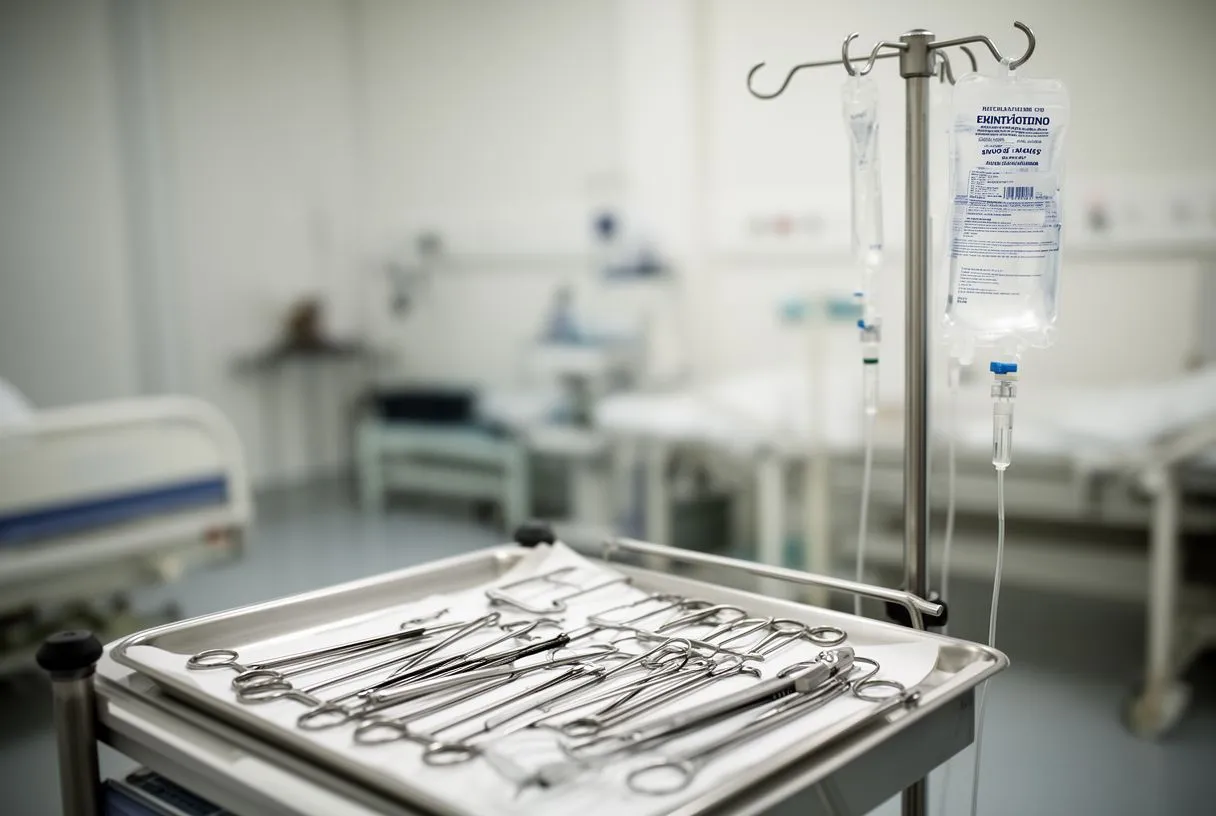
The early signs of sepsis after heart surgery can be deceptively subtle, easily dismissed as ordinary postoperative fatigue. A patient may seem slightly more withdrawn, a touch less interested in conversation, or a little more confused than the day before. Family members who know the patient's baseline temperament and energy frequently notice these shifts before any monitor confirms them. Trusting that instinct and speaking up is not overreaction — it is a vital part of the safety net.
Vital sign changes provide the objective evidence that confirms or dismisses those instincts. Fever above 38 degrees Celsius, though not universal, is common. Some patients — particularly older adults or those on steroids — may instead become unusually cold. A heart rate climbing above 100 beats per minute, breathing faster than 20 breaths per minute, and blood pressure trending downward all demand evaluation, especially in combination. The care team uses structured screening tools to quantify suspicion, but the first trigger is often a family member saying simply, "Something does not feel right." Blood tests showing elevated C-reactive Protein and rising white cell count support the clinical picture.
Symptoms that warrant immediate reporting: uncontrollable shaking or rigors, new confusion or difficulty concentrating, skin that shifts from flushed to pale and clammy, urine output that drops noticeably, and surgical site pain that increases rather than improves. No single symptom confirms sepsis, but together they form a pattern that experienced cardiac nurses and physicians will want to investigate without delay.
Septic Shock After Cardiac Surgery Red Flags
When sepsis after heart surgery progresses to septic shock, the situation becomes immediately life-threatening. The defining feature is persistently low blood pressure that does not respond to intravenous fluids, accompanied by clear signs that organs are starved of oxygen. For a heart that has recently been stopped, opened, and restarted, this additional strain can overwhelm whatever compensatory capacity remains.
The visible red flags of septic shock demand urgent escalation. Skin becomes mottled with a bluish or purplish discolouration, particularly at the extremities, as the body shunts blood toward vital organs. Urine output drops sharply or ceases entirely, reflecting inadequate kidney perfusion. Consciousness clouds and may progress to unresponsiveness. Breathing becomes rapid and laboured as inflammatory fluid floods the lung's air spaces. Blood tests reveal rising lactate — a marker of cellular oxygen starvation — and falling platelets, signalling that the clotting system is being consumed.
Why the recovering heart tolerates shock poorly: after surgery the heart depends on stable vascular resistance to pump effectively. Septic shock collapses that resistance through widespread vasodilation, forcing the heart to race or fail to deliver output. Patients with residual valve regurgitation, stiff ventricles, or reconstructed aortic roots may decompensate rapidly. Even patients who carry implanted devices face added complexity — imaging and monitoring must account for device safety, as illustrated by research on Magnetic Resonance Imaging in a Patient with a Dual Chamber Pacemaker, which demonstrates the careful protocols required when critically ill patients need advanced diagnostics.
How Sepsis After Heart Surgery Is Diagnosed
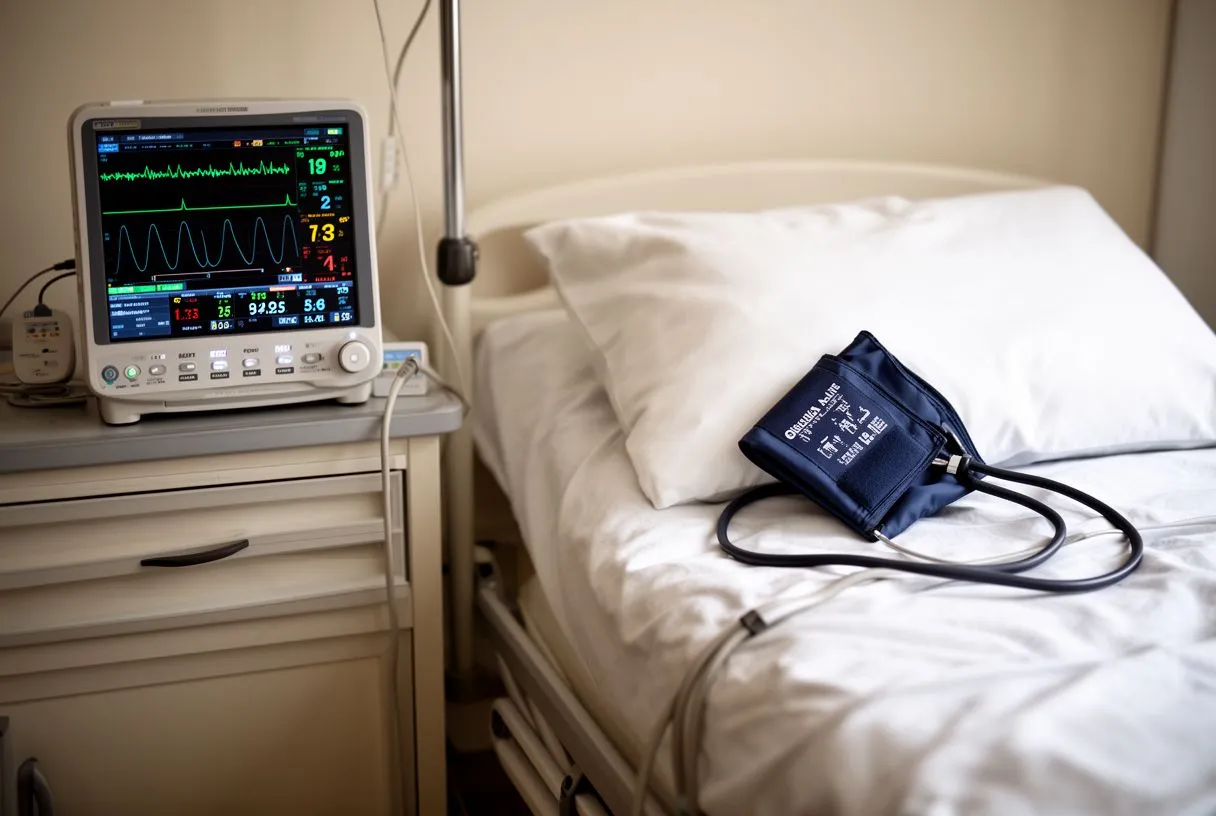
Diagnosis of sepsis after heart surgery begins at the bedside, not with any single laboratory test. The clinical team integrates vital signs, physical examination, laboratory trends, and the patient's overall trajectory to form a working diagnosis, then moves swiftly to identify the source and begin treatment. Modern sepsis protocols are explicit: delaying therapy while waiting for definitive proof costs lives.
Blood Cultures are drawn from at least two separate sites before antibiotics are administered — ideally during fever spikes when bacterial concentration peaks. Additional cultures from suspected sources such as wound swabs, sputum, urine, or fluid around intravenous lines help pinpoint the origin. Blood tests track white cell count, platelets, kidney function, liver enzymes, lactate, and inflammatory markers. Imaging follows: chest X-ray for pneumonia, echocardiography to examine the heart and any prosthetic valves, and CT scans when deeper abscesses or chest cavity infections are suspected.
Echocardiography's unique contribution: after cardiac surgery, ultrasound of the heart can reveal fluid collections compressing the heart, assess how well a newly implanted valve is functioning, or detect vegetations suggestive of endocarditis on prosthetic material. For patients whose aortic root or arch has been reconstructed, echocardiography also confirms that the repaired anatomy is holding despite the stress of infection. When the clinical picture is complex and standard imaging is insufficient, advanced cross-sectional studies may be required, and the team weighs the diagnostic benefit against the logistical considerations of transporting a critically ill patient.
Best Treatment for Sepsis After Heart Surgery
Treatment of sepsis after heart surgery rests on three simultaneous imperatives: antimicrobial therapy to kill the invading organism, haemodynamic resuscitation to preserve organ blood flow, and source control to eliminate the ongoing nidus of infection. These are parallel processes, not sequential steps — all are initiated as soon as suspicion arises and refined as more data arrives.
Antibiotics begin broad-spectrum and are narrowed once culture results identify the organism and its sensitivities. The choice of agents depends on whether prosthetic material is involved — infections on artificial valves or grafts require prolonged, combination therapy — and on the resistance patterns prevalent in the institution. The team must also coordinate antibiotics with the patient's other medications. Someone taking Aspirin for coronary protection or a Beta Blocker for rhythm control needs careful management to avoid bleeding or dangerous heart-rate changes during aggressive sepsis treatment. Patients on mechanical circulatory support face additional complexity, as complications such as outflow graft obstruction may require percutaneous intervention — an approach described in research on Percutaneous Intervention of LVAD Outflow Graft Obstruction and Thrombosis — illustrating how sepsis management in complex cardiac patients extends well beyond antibiotics alone.
Resuscitation and source control in practice: intravenous fluids restore circulating volume, but when shock persists, vasopressor medications such as norepinephrine are required to maintain blood pressure. The recovering heart needs careful titration — too little support causes organ failure, while too much fluid strains ventricular function. Source control means removing infected lines, draining abscesses, opening infected wounds, and sometimes returning to the operating theatre to remove contaminated prosthetic material. When infection involves a synthetic graft or valve prosthesis, the decision to reoperate weighs the real morbidity of repeat surgery against the near-certain failure of antibiotics to sterilise an established biofilm.
Antibiotic Prophylaxis and Prevention Strategies
Preventing sepsis after heart surgery is far preferable to treating it, and cardiac surgical units invest enormous effort in layered protective strategies. The foundation is antibiotic prophylaxis: a single intravenous dose of an appropriate agent given within sixty minutes before the first incision, with intraoperative redosing for prolonged operations or significant blood loss. This timing is evidence-based — too early and the drug is cleared before it is needed, too late and organisms may already be establishing themselves in the wound.
Sterile technique extends across the entire perioperative period. Antiseptic skin preparation, meticulous draping, full barrier precautions for line insertion, and limiting operating room traffic all reduce microbial access. After surgery, drains and catheters are removed at the earliest opportunity rather than left for convenience. Nurses follow structured oral care protocols to prevent ventilator-associated pneumonia, and early mobilisation helps clear lung secretions and restore normal circulation. Surgeons with formal Board Certification and high-volume experience tend to have lower complication rates, which is one reason families should ask about their surgeon's credentials and outcomes when choosing where to have heart surgery.
What patients and families can control:
- Preoperative optimisation: controlling blood sugar, stopping smoking, and treating dental infections before elective surgery meaningfully reduce infection risk.
- Wound care at home: keeping incisions clean and dry, avoiding baths or pools until cleared, and reporting any redness or drainage promptly.
- Lifelong dental vigilance: patients with prosthetic valves need antibiotic prophylaxis before dental work and aggressive treatment of any oral infection, since mouth bacteria can seed cardiac implants months or even years later.
Recovery and Long-Term Outlook After Sepsis
Surviving sepsis after heart surgery begins a recovery trajectory that differs markedly from uncomplicated cardiac surgical recovery. Patients often describe profound fatigue persisting for weeks or months, accompanied by muscle weakness, sleep disturbance, anxiety, and difficulty with memory and concentration. This constellation — increasingly recognised as post-sepsis syndrome — is a genuine clinical entity, not debility to be dismissed or pushed through silently.
Cardiac rehabilitation resumes once the acute infection is controlled and the surgical team confirms the sternum is stable and the heart tolerates exertion. Supervised exercise rebuilds skeletal muscle atrophied during bed rest and critical illness, while also giving patients confidence that their heart can sustain effort. Psychological support matters equally: critical illness leaves many patients with post-traumatic symptoms, and families may struggle with memories of watching a loved one deteriorate rapidly. Open discussion of these experiences — with the cardiac team, primary caregivers, or mental health professionals — is an integral part of recovery, not an optional addition.
Long-term surveillance priorities: patients who required prolonged antibiotics need follow-up cultures and inflammatory markers to confirm the infection is eradicated. Those with retained prosthetic material remain at lifelong, though low, risk of late prosthetic infection and should maintain excellent dental hygiene, seek prompt treatment for any infection, and inform every future healthcare provider of their cardiac surgical history. Replaced or repaired aortic segments are periodically re-imaged to ensure structural integrity, particularly important if sepsis caused significant haemodynamic stress during the recovery period.
When to Call Your Cardiac Surgery Team
After discharge, the boundary between expected recovery symptoms and warning signs of sepsis after heart surgery can feel blurred. This uncertainty is normal, and the correct response is always to ask rather than guess. The surgical team would always rather evaluate a concern that proves benign than miss the early window of a developing infection. No question is too small when the stakes involve an organ that has just been repaired.
Call urgently for fever above 38 degrees Celsius that persists or returns after initially resolving, increasing pain or redness at the surgical site, new or worsening shortness of breath, confusion or altered consciousness, markedly reduced urine output, or any fainting or near-fainting episode. These symptoms may indicate infection, failing cardiac function, or other complications that overlap in their presentation. Contact the team the same day for wound drainage, a persistent cough with coloured sputum, or symptoms that worry you but do not feel immediately dangerous.
Practical guidance for the weeks ahead:
- Keep key numbers accessible: save the surgical coordinator's direct line, the on-call physician number, and local emergency services in your phone.
- Track your trends: a simple log of temperatures, symptoms, and medications helps the team assess urgency when you call.
- Attend every follow-up: scheduled wound checks, blood tests, and echocardiography appointments are designed to catch problems before they become crises.
Sepsis after heart surgery represents one of the most serious challenges a cardiac patient can face, yet with informed vigilance, rapid recognition, and expert treatment, the majority of patients recover and return to meaningful life. The pathway through this complication is never walked alone — it requires partnership between the patient, the family, and a cardiac team experienced in both the technical complexities of heart surgery and the human dimensions of critical illness. If you or a family member are preparing for heart surgery, recovering from one, or concerned about symptoms that may suggest infection, we encourage you to discuss your specific situation with a qualified cardiac team. Dr Alejandro Molina and the specialists at Cirugía de Corazón in Guadalajara, Querétaro, and Hermosillo welcome your questions and are available to translate general knowledge into a plan shaped around your individual condition, your surgical history, and your goals for recovery. Book a consultation rather than self-diagnosing — the right time to ask is now.






