Nitroglycerin for Angina: How and When to Take It
Nitroglycerin for angina works fast to relieve chest pain.
What Is Nitroglycerin for Angina?
Nitroglycerin for angina is one of the oldest and most trusted medications in cardiology, used for over a century to relieve the crushing chest pain that occurs when the heart muscle is temporarily starved of oxygen. If your cardiologist has prescribed it, you likely have a form of coronary artery disease where narrowed vessels restrict blood flow to the heart, especially during exertion, stress, or after heavy meals. Nitroglycerin does not cure the underlying disease, but it acts fast to ease the pain and give you a window of safety while you seek further care.
What exactly is angina and why does it hurt? Angina is the chest discomfort that arises when an atheromatous plaque, a fatty deposit inside the wall of a coronary artery, narrows the channel enough to reduce blood supply. The heart muscle, unlike a leg muscle that can simply rest, cannot stop beating, so the mismatch between oxygen demand and supply produces a squeezing, pressure-like sensation that may also radiate to the jaw, shoulder, or arm. When your doctor listens to your heart through a stethoscope, a process called auscultation, they may detect clues such as a third heart sound that suggest the heart is struggling under strain. Nitroglycerin works at this critical junction by widening those narrowed vessels and improving flow.
It is important to understand that nitroglycerin is a rescue medication and, in some formulations, a preventive one. Sublingual tablets and sprays are designed for immediate relief when pain strikes, while longer-acting patches and ointments help reduce the frequency of episodes throughout the day. Your cardiac team will tailor the form and schedule to your specific pattern of symptoms, your exercise tolerance, and any other conditions you may have. Carrying your nitroglycerin at all times is a habit worth building, because angina rarely announces itself at a convenient moment.
How Does Nitroglycerin Work for Chest Pain Relief?
Nitroglycerin belongs to a class of drugs called nitrates, and its mechanism of action is both elegant and well understood at a molecular level. Once absorbed, the body converts nitroglycerin into nitric oxide, a signaling molecule that tells the smooth muscle cells lining your blood vessels to relax. This relaxation causes the coronary arteries to dilate, increasing the volume of blood that can reach the oxygen-deprived heart muscle. At the same time, nitroglycerin dilates veins throughout the body, which reduces the amount of blood returning to the heart, lowering the heart's workload and therefore its oxygen demand.
How fast does sublingual nitroglycerin act? When you place a tablet under your tongue or use a spray, the medication enters the bloodstream through the rich network of blood vessels beneath the oral mucosa, bypassing the digestive system entirely. Most people feel relief within two to five minutes. This rapid onset is precisely why sublingual nitroglycerin for angina remains the front-line rescue option. According to the nih.gov, nitroglycerin's ability to reduce preload and dilate coronary arteries makes it a cornerstone of acute angina management.
Beyond the coronary arteries themselves, nitroglycerin also influences the broader arterial system. Research has shown that arterial pulsations play a fundamental role in driving the flow of cerebrospinal fluid and that this pulsatile dynamics is altered in hypertension, which has implications for how blood pressure and vascular resistance interact throughout the body. A study published in Nature Communications demonstrated that flow of cerebrospinal fluid is driven by arterial pulsations and is reduced in hypertension, underscoring how interconnected the vascular system is. When nitroglycerin lowers blood pressure and smooths out those pulsations, it reduces the shear stress on every artery, including the coronary vessels where atheromatous plaque builds up over time. This is why nitroglycerin not only relieves pain in the moment but also contributes to a lower-risk cardiovascular environment when used as directed.
Nitroglycerin Dosage for Angina: Tablets, Spray, and Ointment
Nitroglycerin comes in several forms, each with a specific dosing schedule that your cardiologist will calibrate to your needs. The most common rescue forms are sublingual tablets, typically 0.3 mg or 0.4 mg, and a sublingual spray that delivers a measured dose with each pump. For prevention, doctors may prescribe a topical ointment applied to the skin, a transdermal patch worn for a set number of hours, or oral isosorbide tablets that release slowly over the day. Understanding the difference between rescue and preventive dosing is essential, because confusing the two can lead to either inadequate relief or dangerous drops in blood pressure.
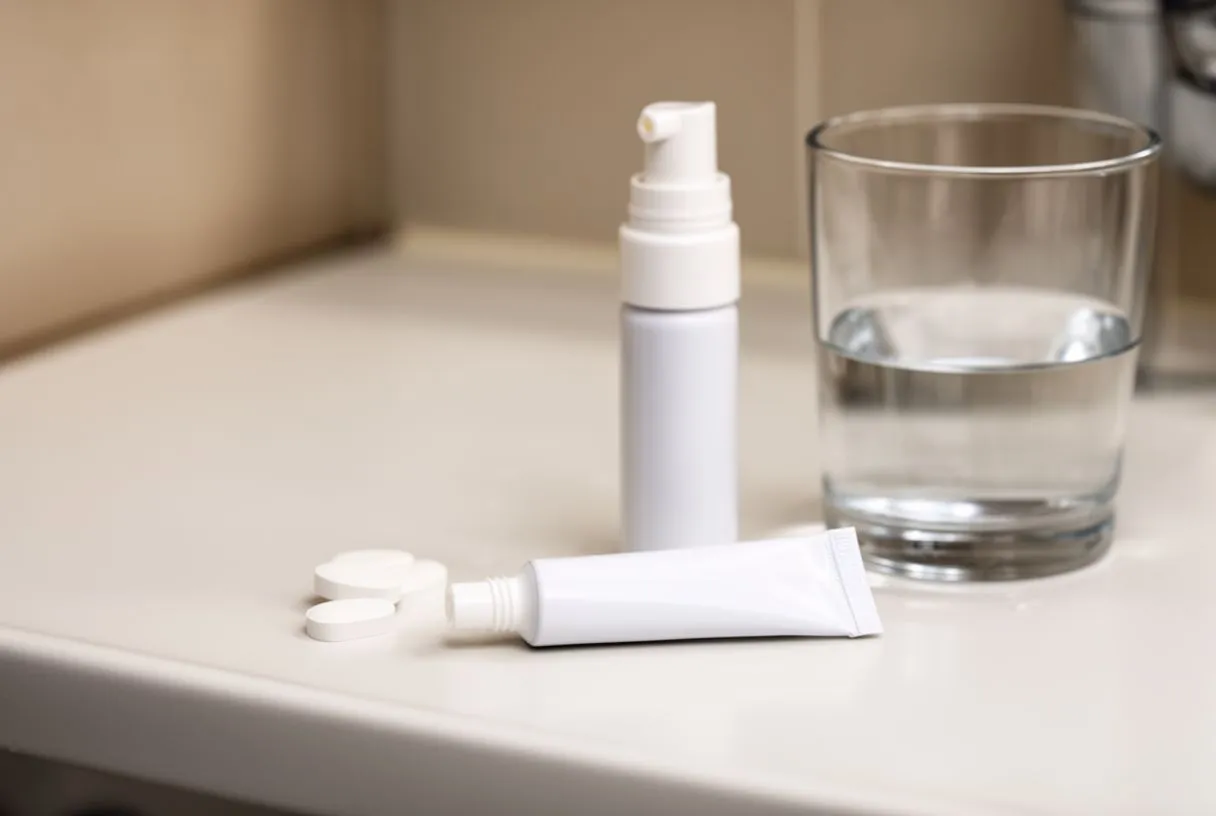
Standard rescue dosing schedule: The typical approach when chest pain begins is to take one dose of sublingual nitroglycerin and wait five minutes. If the pain has not eased, a second dose may be taken, followed by a third after another five minutes. If pain persists after the third dose, emergency services should be called immediately. This three-dose rule is a guideline, not a rigid protocol, and your doctor may adjust it based on your blood pressure, prior heart attacks, or other medications. Some patients with predictable exertional angina are advised to take a dose five to ten minutes before activities known to trigger symptoms, such as climbing several flights of stairs or walking in cold wind.
For longer-acting forms, the dosing strategy changes. A transdermal patch is typically applied once daily and worn for twelve to fourteen hours, then removed overnight to prevent tolerance, a phenomenon where the body becomes less responsive to the drug with continuous exposure. Topical ointment is measured in inches along a dosing paper and applied to a clean area of skin, usually every six to eight hours. The key principle with all long-acting nitrates is to build in a daily nitrate-free interval, usually overnight, to preserve the drug's effectiveness. Your cardiac team will specify the exact schedule and may rotate application sites to avoid skin irritation.
How to Take Nitroglycerin Tablets Under the Tongue
Taking nitroglycerin tablets correctly is a skill every patient and family member should master before an actual emergency. Sit down first, because nitroglycerin can cause a sudden drop in blood pressure that makes you lightheaded or even faint. Place one tablet under your tongue and let it dissolve completely. Do not swallow the tablet whole, because the digestive system would break down the medication before it can reach your bloodstream. You should feel a slight tingling or burning sensation under your tongue, which is a sign that the tablet is active and absorbing properly.
What if you use the spray instead of tablets? If your doctor has prescribed a nitroglycerin spray, the technique is slightly different but equally straightforward. Hold the canister upright, prime it if it has not been used in several weeks, and spray one or two doses directly under your tongue without inhaling. Close your mouth immediately after spraying. The spray has a practical advantage over tablets in cold weather or when your hands are trembling, because tablets can crumble or be difficult to handle. Whether you use tablets or spray, remain seated for at least five to ten minutes after dosing, and avoid standing up suddenly.
One common question patients ask is whether it is safe to take nitroglycerin while taking other heart medications such as aspirin, a blood thinner that prevents clot formation in narrowed arteries. In most cases, yes, aspirin and nitroglycerin serve different purposes and can be used together as directed. However, if you are on multiple medications, it is vital to carry an updated list of everything you take and share it with any healthcare provider you encounter during an emergency. This simple habit can prevent dangerous drug interactions and help clinicians make rapid, informed decisions about your care.
When to Use Nitroglycerin for Chest Pain Episodes
Recognizing when to reach for your nitroglycerin requires understanding the difference between stable and unstable angina. Stable angina follows a predictable pattern: the same level of exertion or stress produces the same chest discomfort, and it reliably responds to rest and a dose of nitroglycerin. This is the scenario the medication was designed for. If you know that walking briskly uphill for ten minutes brings on your familiar pressure, taking nitroglycerin either at the onset of symptoms or shortly before the activity is an appropriate and effective strategy.
When is chest pain NOT typical angina? Pain that is new, different from your usual pattern, occurs at rest, or does not respond to three doses of nitroglycerin may signal unstable angina or a heart attack, and you should call emergency services immediately. Atypical infarction, a heart attack that presents with unusual symptoms such as nausea, fatigue, or jaw discomfort rather than classic chest pressure, is more common in women, older adults, and people with diabetes. Never assume that because your nitroglycerin eased the pain slightly, the danger has passed. A partial response still warrants urgent medical evaluation, especially if the episode felt different from your usual angina.

For patients with known coronary disease, your cardiologist will help you map out a personalized action plan. This plan typically includes when to take nitroglycerin preventively, how many doses are safe within a given timeframe, and at what point to stop self-treating and call for help. If you have had procedures such as balloon angioplasty, where a small balloon is inflated inside a narrowed artery to widen it, or if you carry an atheromatous plaque in a critical location, your threshold for seeking emergency care may be lower than for someone with mild stable disease. Discussing these scenarios in advance with your cardiac team removes the guesswork from a frightening moment and helps your family know exactly what to do.
Nitroglycerin Side Effects and What to Expect
Most people tolerate nitroglycerin well, but side effects are common and usually related to the drug's blood-vessel-widening action. The most frequently reported effects are headache, flushing of the face and neck, dizziness, and a feeling of warmth. Headaches can be pronounced, sometimes throbbing, and may occur within minutes of taking a dose. While uncomfortable, these effects are generally not dangerous and tend to lessen as your body adjusts to the medication. Many patients find that taking the lowest effective dose and sitting quietly after use minimizes these sensations.
How to manage nitroglycerin headaches: Headaches from nitrates result from the same blood vessel dilation that relieves your chest pain, so in a sense they are a sign the drug is working. Over-the-counter pain relievers such as acetaminophen may help, but always check with your doctor or pharmacist before combining medications. If headaches are severe or persistent, your cardiologist may adjust your dose or switch you to a different formulation. Do not skip doses or stop nitroglycerin abruptly without medical guidance, because rebound chest pain can occur. Less common but more serious effects include a significant drop in blood pressure, especially when standing quickly, which can cause fainting.
Other side effects worth knowing about include a rapid heart rate, a pounding sensation in the chest, and occasionally nausea. If you experience severe dizziness, fainting, or a dramatic change in your heart rhythm, such as the irregular contractions seen in atrial flutter, seek medical attention promptly. Atrial flutter is an organized but abnormally fast rhythm originating in the atrium, the upper chamber of the heart, and while it can coexist with coronary disease, any new rhythm change warrants evaluation. Your cardiac team will review your side-effect profile at follow-up visits and adjust your regimen to maintain the lowest risk for your situation.
Nitroglycerin Precautions and Contraindications
Nitroglycerin is not safe for everyone, and certain conditions make its use dangerous. The most critical contraindication is concurrent use of medications for erectile dysfunction, such as sildenafil or tadalafil. These drugs also lower blood pressure through a similar nitric oxide pathway, and combining them with nitroglycerin can cause a life-threatening, irreversible drop in blood pressure. If you have taken any of these medications within the past 24 to 48 hours, do not use nitroglycerin and inform any healthcare provider treating you immediately.
Other conditions where nitroglycerin must be avoided or used with caution:
- Severe low blood pressure: If your systolic pressure is already below 90 mmHg, nitroglycerin can push it dangerously lower.
- Right ventricular infarction: A heart attack affecting the right side of the heart makes the heart highly dependent on preload, which nitroglycerin reduces.
- Severe anemia or increased intracranial pressure: Nitroglycerin can worsen these conditions by altering blood flow dynamics.
- Recent PDE-5 inhibitor use: The 24-to-48-hour window varies by drug, so confirm the specific interval with your pharmacist.
Patients who have had specific cardiac procedures should also discuss their nitroglycerin use with their specialist. If you have undergone balloon aortic valvuloplasty, a procedure that uses a balloon catheter to widen a narrowed aortic valve, or if you have received a balloon-expandable valve as part of a transcatheter aortic valve replacement, your blood pressure dynamics may be different from what they were before the procedure. Similarly, if you have had surgery involving the ascending aorta, the first segment of the body's largest artery as it leaves the heart, your vascular physiology requires individualized assessment. Always carry a medical summary card listing your procedures, medications, and allergies so that emergency responders can make safe decisions quickly.
Nitroglycerin Storage and Handling Tips
Nitroglycerin is a sensitive medication that loses potency when exposed to heat, light, and moisture. Sublingual tablets, in particular, are notorious for degrading quickly if stored improperly. The original bottle is designed to protect them, and you should keep the tablets in that container with the cap tightly closed. Never transfer tablets to a daily pill organizer or a plastic bag, because exposure to air and plastic accelerates the loss of active ingredient. Cotton wool packed in the bottle should be left in place until first use, then removed, because it can absorb the medication over time.
How to tell if your nitroglycerin has lost potency: The classic sign that sublingual tablets are still active is the tingling or burning sensation under your tongue when you take one. If you no longer feel that sensation, or if your chest pain does not respond the way it usually does, the tablets may have degraded. Tablets should be replaced every three to six months after opening, even if some remain, and sooner if they have been exposed to high temperatures. Spray formulations are generally more stable and have a longer shelf life, but they should still be stored at room temperature and kept away from direct sunlight.
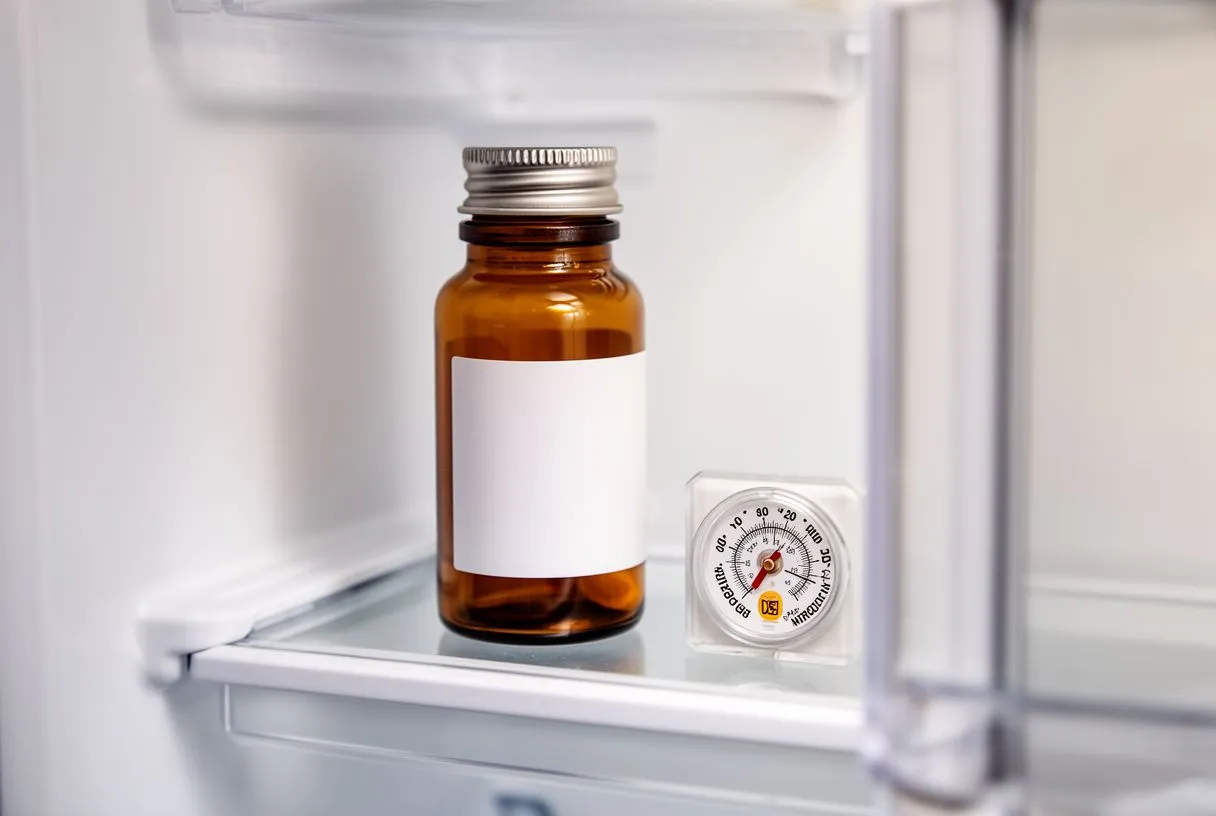
For patients who travel frequently, storage requires extra attention. Never leave nitroglycerin in a car glove compartment on a hot day, because temperatures can exceed the drug's stability threshold within minutes. When flying, keep your medication in your carry-on bag rather than checked luggage, so it remains temperature-controlled and accessible. If you are visiting a region with a very warm climate, consider using a small insulated pouch. These practical steps ensure that when you need the medication most, it will work as intended, and you will not find yourself with a degraded product at a critical moment.
Nitroglycerin Interactions With Other Heart Medications
Most patients with angina take several medications, and understanding how they interact is essential for safety. Blood pressure medications such as beta-blockers, calcium channel blockers, and ACE inhibitors can amplify the blood-pressure-lowering effect of nitroglycerin. This is not necessarily a reason to avoid the combination, but your doctor may need to adjust doses so that your pressure does not fall too low. Signs of excessive blood pressure reduction include dizziness on standing, fatigue, and blurred vision, and these should be reported to your cardiac team at the next visit.
What about blood thinners and antiplatelet drugs? Medications such as aspirin, which prevents platelets from clumping together on atheromatous plaque, are commonly prescribed alongside nitrates. There is no direct pharmacological conflict between aspirin and nitroglycerin, and the combination is a standard part of secondary prevention after a cardiac event. However, if you are on stronger anticoagulants or dual antiplatelet therapy following a stent placement or a valve procedure, your overall bleeding risk increases, and any new symptom, such as unexplained bruising or dark stools, should be discussed with your doctor.
For patients who have undergone valve replacement, the choice between transcatheter and surgical approaches has long-term implications for medication management. The NOTION trial, which followed patients for ten years, found that Transcatheter or surgical aortic valve implantation: 10-year outcomes of the NOTION trial showed comparable long-term results in selected patient populations, meaning that whether you received a transcatheter valve or a surgical one, your need for angina medications depends on the state of your coronary arteries, not the valve itself. If you have had a transcatheter aortic valve replacement, also called TAVR, and you also have coronary disease, your nitroglycerin instructions remain focused on your coronary symptoms. Always review your full medication list with your cardiologist after any procedure to confirm that doses and combinations are still appropriate for your new anatomy.
When to Seek Emergency Help Instead of Using Nitroglycerin
Nitroglycerin is a powerful tool, but it is not a substitute for emergency care when a true cardiac event is unfolding. The clearest signal that you should call emergency services rather than continue self-treating is chest pain that does not respond to three doses of nitroglycerin taken five minutes apart. This guideline, endorsed by major cardiovascular organizations, recognizes that persistent pain after maximal rescue dosing may indicate a complete artery blockage, a heart attack, or unstable angina that requires hospital-level intervention. Time is muscle, as cardiologists say, and every minute of delay increases the amount of heart tissue that may be permanently damaged.
Red flags that mean call emergency services immediately:
- Chest pain lasting more than 15 minutes despite rest and nitroglycerin use.
- New or worsening symptoms at rest that differ from your usual angina pattern.
- Shortness of breath, cold sweat, or sudden weakness accompanying chest discomfort.
- Pain plus fainting or near-fainting, which may indicate dangerously low blood pressure or a serious arrhythmia.
In some situations, having an automated external defibrillator, a portable device that can deliver an electric shock to restore a normal heart rhythm, nearby can be life-saving if a cardiac arrest occurs. These devices are increasingly available in public spaces and are designed to be used by bystanders with no medical training, providing spoken instructions step by step. If someone collapses and is unresponsive, calling emergency services and locating the nearest defibrillator should happen simultaneously. For your own care, the most important takeaway is this: nitroglycerin manages symptoms, but it does not diagnose or treat a heart attack. If you are uncertain whether your symptoms represent stable angina or something more serious, err on the side of caution and seek help. Discuss your personal risk profile, your current medications, and your family history with a qualified cardiac team, and book a consultation to build a plan tailored to your situation rather than relying on self-assessment alone.