Pacemaker Surgery: Implantation, Recovery and Daily Life
Learn about pacemaker surgery recovery, from implantation to daily life.
When your cardiologist first mentions a pacemaker, it is natural to feel anxious about what comes next. Pacemaker surgery is one of the most common and well-established cardiac procedures performed worldwide, and for the vast majority of patients it brings significant relief from symptoms such as dizziness, fatigue, and fainting. This guide walks you through every stage of the journey, from understanding why the device is recommended to what pacemaker surgery recovery looks like in the days, weeks, and months after implantation.
What Is Pacemaker Surgery and Why Is It Recommended?
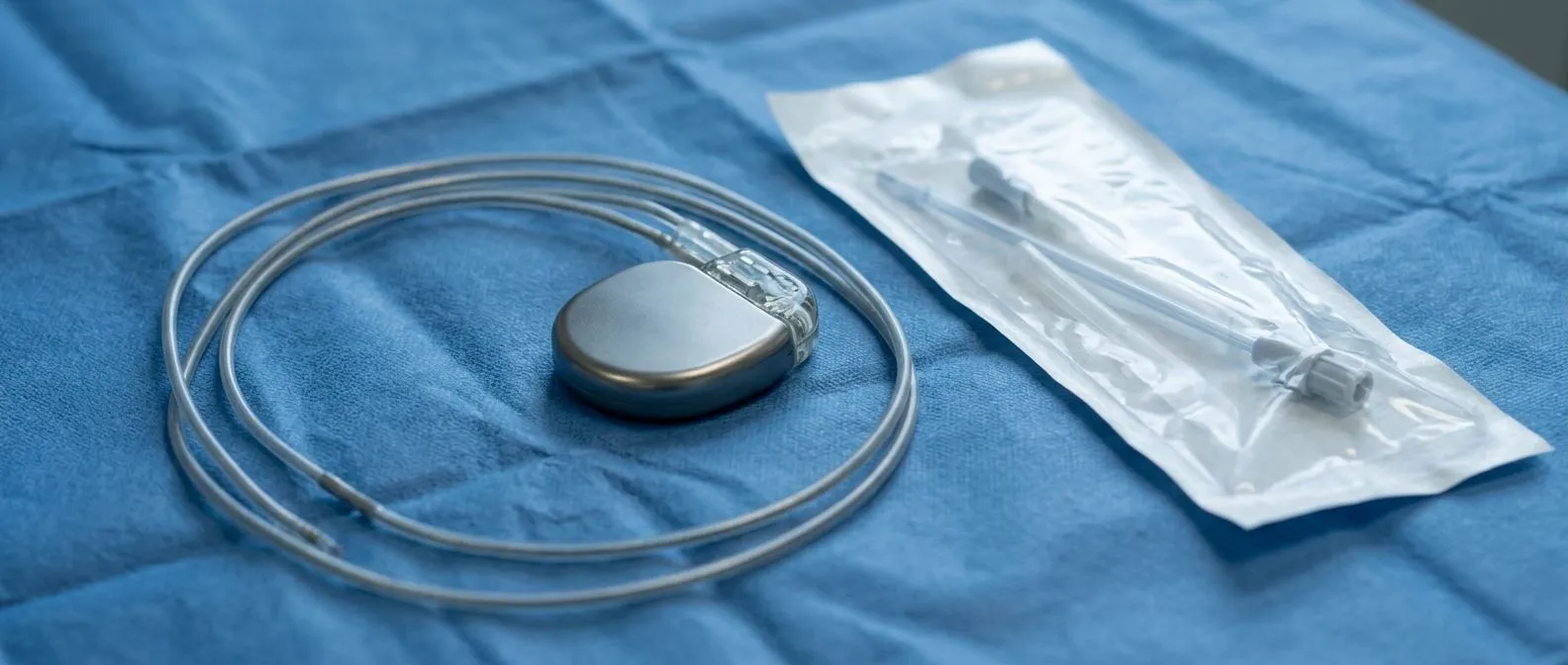
A pacemaker is a small electronic device implanted under the skin of your chest to help regulate your heartbeat. Your heart has a natural electrical system that controls the rate and rhythm at which it beats, and when that system malfunctions, the heart may beat too slowly, too fast, or irregularly. Pacemaker surgery involves placing thin wires called leads into the cardiac chambers and connecting them to a pulse generator that delivers tiny electrical impulses, prompting the heart to beat at a healthy pace.
Bradycardia and heart block are the two most common reasons patients receive a pacemaker. Bradycardia means the heart beats fewer than 60 times per minute at rest, which can leave you feeling weak, short of breath, or lightheaded. Heart block occurs when the electrical signal travelling from the upper chambers to the lower chambers is delayed or blocked entirely. In both cases, the pacemaker steps in only when your natural rhythm falls below the programmed minimum, so the device does not fire continuously and you are unlikely to feel it working.
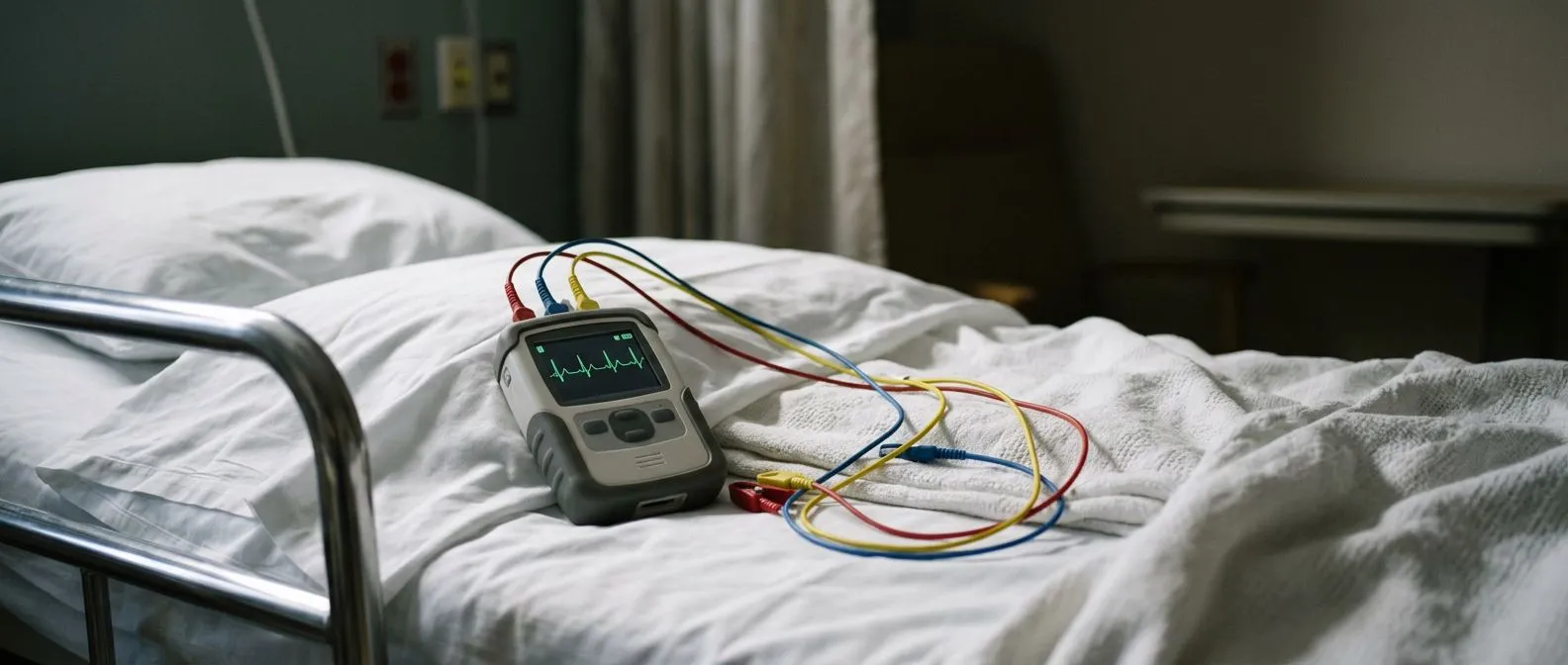
Your cardiologist will recommend pacemaker surgery only after confirming that symptoms are linked to an electrical conduction problem, typically through an electrocardiogram, Holter monitoring, or a Cardiac CT. Sometimes the decision is urgent, for example after a syncopal episode (fainting), and other times it is elective, planned weeks ahead. Either way, understanding the rationale behind the recommendation helps you approach the procedure with confidence rather than fear.
How Does a Heart Pacemaker Work?
Once implanted, a heart pacemaker continuously monitors your heart's natural electrical activity through the leads positioned inside or on the surface of the heart. When it detects that your heart rate has dropped below a safe threshold or that the rhythm has become irregular, the pulse generator sends a controlled electrical impulse through the leads to stimulate the heart muscle. This impulse mimics the signal your heart's natural pacemaker, the sinoatrial node, would normally produce.
Modern pacemakers are far more sophisticated than early models that simply paced the heart at a fixed rate. Today's devices adapt to your activity level, increasing your heart rate when you exercise and slowing it when you rest. Some devices also monitor specific conditions such as atrial fibrillation and store detailed data that your cardiologist can download during follow-up visits. Research into heart-pacemaker interaction has advanced significantly, as explored in A Reaction-Diffusion Heart Model for the Closed-Loop Evaluation of Heart-Pacemaker Interaction, which examines the complex feedback between the device and cardiac tissue.
The pulse generator itself is about the size of a large coin and houses a battery, circuitry, and a small antenna. The battery typically lasts between five and fifteen years depending on how often the pacemaker needs to fire. When the battery runs low, the entire generator is replaced in a minor procedure, while the leads usually remain in place. Understanding this cycle of monitoring, pacing, and eventual battery replacement helps you see the pacemaker as a long-term partner in managing your heart rhythm rather than a one-time fix.
Types of Pacemakers for Different Cardiac Conditions
Not all pacemakers are the same, and the type recommended for you depends on your specific cardiac condition, anatomy, and overall health. The three main categories are single-chamber, dual-chamber, and biventricular pacemakers, each designed to address different conduction problems. Your electrophysiologist will determine which configuration provides the best pacing strategy for your situation.
- Single-chamber pacemaker: One lead is placed in either the right atrium or the right ventricle. This is suitable when only one chamber needs pacing support.
- Dual-chamber pacemaker: Two leads are used, one in the right atrium and one in the right ventricle, allowing coordinated pacing between the upper and lower chambers. This more closely mimics the natural sequence of a heartbeat.
- Biventricular pacemaker (CRT): Three leads stimulate both ventricles simultaneously, used primarily for patients with heart failure and a wide QRS complex. This therapy, known as cardiac resynchronization therapy, can improve the efficiency of each contraction.
Wireless pacemakers, also called leadless pacemakers, represent a newer option for select patients. These tiny devices are implanted directly inside the right ventricle through a catheter, eliminating the need for leads and the pocket under the skin. While not suitable for everyone, they reduce certain risks such as lead dislodgement and pocket infection. For patients with complex congenital anatomy, implantation can be particularly challenging, as documented in a case study on Cardiac Resynchronization Therapy Device Implantation in a Patient with Congenitally Corrected Transposition of Great Vessels, which illustrates how surgeons adapt their approach when standard lead placement is not anatomically feasible.
Preparing for Your Pacemaker Procedure
Preparation for pacemaker surgery begins with a thorough evaluation, including blood tests, an electrocardiogram, and sometimes a chest X-ray or Cardiac Magnetic Resonance imaging to map your heart's anatomy. Your surgeon will review all medications you currently take, as certain blood thinners may need to be paused or adjusted before the procedure. You will also receive specific instructions about fasting, typically avoiding food and drink for six to eight hours before surgery.
Logistical planning matters as much as medical preparation. Arrange for a family member or friend to drive you home after the procedure, as you will not be able to drive for a period determined by your surgeon. Pack loose, comfortable clothing that buttons or zips in the front, since pulling a shirt over your head can stress the incision site. If you are travelling from outside Guadalajara, Querétaro, or Hermosillo, plan to stay locally for at least one night after discharge so you can return quickly if any concerns arise.
It is also worth discussing the financial aspects with the clinic ahead of time. Pacemaker surgery costs in Mexico vary depending on the type of device, the hospital facility, and the complexity of the implantation. Having this information in advance reduces stress and lets you focus on your recovery rather than unexpected bills.
How Long Does Pacemaker Surgery Take?
One of the most common questions patients ask is how long the procedure itself lasts. For a standard single- or dual-chamber pacemaker, the surgery typically takes between one and two hours. Biventricular pacemaker implantation may take longer, sometimes up to three hours, because placing the third lead in the coronary sinus requires additional fluoroscopic guidance and precise positioning.
The procedure is performed under local anaesthesia with sedation in most cases, meaning you are awake but relaxed and pain-free. You may feel some pressure as the surgeon creates the pocket for the pulse generator and threads the leads into position, but sharp pain is uncommon. The surgeon uses X-ray imaging to guide each lead through a vein near your collarbone and into the correct position within the heart, then tests each lead to confirm it senses and paces effectively before securing the generator beneath the skin.
After the device is implanted and tested, the incision is closed with sutures or surgical adhesive and covered with a sterile dressing. You will be moved to a recovery area for monitoring as the sedation wears off. Most patients remain in hospital overnight so the team can observe the initial function of the pacemaker and check the incision site. Understanding this timeline helps you and your family plan accordingly, though individual cases may vary based on anatomical complexity and any concurrent procedures.
Pacemaker Surgery Recovery: The First Few Weeks
Pacemaker surgery recovery happens in phases, and knowing what to expect at each stage helps you pace yourself appropriately. In the first 48 hours, you will likely stay in hospital for monitoring. The nursing team will check the incision site, confirm the pacemaker is functioning via a device interrogation, and help you manage any discomfort with standard pain medication. You may notice some bruising and swelling near the implantation site, which is normal and typically resolves within two weeks.
During the first two to four weeks at home, you should avoid raising the arm on the side of the pacemaker above shoulder level, lifting anything heavier than about five kilograms, or making large sweeping arm movements. These precautions protect the leads while they settle into position and reduce the risk of dislodgement. Your surgeon will provide a specific timeline for when you can gradually resume normal arm movements, usually around six weeks. Gentle walking is encouraged from the first day home, as movement promotes circulation and helps prevent blood clots.
Wound care is straightforward but important. Keep the incision dry for the first week, which means sponge baths rather than showers. After the dressing is removed, you can shower gently with mild soap and water but should avoid soaking the area in a bath or pool until the incision is fully healed. Watch for signs of infection such as increasing redness, warmth, discharge, or fever above 38°C, and contact your cardiac team immediately if any of these occur. Studies catalogued on PubMed consistently show that prompt attention to wound complications prevents more serious infections.
Returning to Work After Pacemaker Surgery
Most patients can return to work within one to two weeks after pacemaker surgery, though this depends heavily on the nature of your job and your overall health. If you work in an office or perform light duties, you may feel ready to return after seven to ten days. For those whose work involves physical labour, heavy lifting, or repetitive arm movements, a longer recovery period of four to six weeks may be necessary to ensure the leads are fully stabilised.
It is wise to discuss your specific job requirements with your surgeon so they can give you a realistic timeline. Some patients benefit from a phased return, starting with shorter hours or modified duties before resuming a full schedule. If your employer requires a medical clearance letter, the clinic can provide documentation detailing your procedure, recovery status, and any temporary restrictions. For patients travelling internationally for treatment, factor in the time needed for an initial follow-up appointment before flying home, usually within one to two weeks of surgery.
Fatigue is common during the first few weeks, even if the incision itself is healing well. Your body is recovering from surgery and adjusting to a new heart rhythm, so do not be surprised if you tire more quickly than usual. Listen to your body, rest when needed, and gradually increase your activity level. If you had significant symptoms before the pacemaker, you may notice an improvement in energy within days, though some patients take several weeks to feel the full benefit as the heart adapts to consistent pacing.
Pacemaker Activity Restrictions and Lifestyle Changes
Living with a pacemaker means adapting certain habits, but the restrictions are fewer than most patients expect. After the initial recovery period of six to eight weeks, most people return to nearly all their previous activities. Your pacemaker is designed to support an active lifestyle, and regular exercise is beneficial for your overall cardiovascular health. The key is to ease back into activities gradually and avoid anything that places direct pressure on the device.
- Exercise: Walking, cycling, swimming, and golf are generally fine after full recovery. Avoid contact sports like boxing or rugby that could involve a direct blow to the chest.
- Electronics: Everyday devices such as mobile phones, microwaves, and computers are safe. Hold your phone to the opposite ear and avoid carrying it in a chest pocket.
- Medical procedures: Always inform healthcare providers about your pacemaker before any medical imaging, surgery, or radiation therapy. MRI scans are possible with most modern pacemakers but require specific protocols.
- Driving: Most guidelines recommend waiting at least one week after surgery before driving, and longer if you experienced fainting before the procedure. Commercial driving restrictions may apply.
Airport security metal detectors will not harm your pacemaker, though the device may set off the alarm. Carry your pacemaker identification card and present it to security personnel, who can perform a manual pat-down instead of using a handheld wand over the device. If you have concerns about specific equipment in your workplace or hobbies, discuss them during your follow-up visit so your cardiologist can give you personalised guidance based on your device model and cardiac condition.
Pacemaker Follow-Up Care and Battery Life
Follow-up care is an essential part of living with a pacemaker, and it is far less demanding than many patients anticipate. Your first device check typically occurs within two to four weeks after surgery, followed by checks every three to twelve months depending on your device and condition. During these visits, a technician uses a specialised programmer that communicates wirelessly with your pacemaker, downloading detailed information about your heart rhythm, the number of pacing events, and the battery status. The appointment is painless and usually takes less than 30 minutes.
Battery life is one of the most practical concerns patients raise. Most pacemaker batteries last between five and fifteen years, with the variation depending on how much the device needs to pace and the specific model implanted. Your team will monitor the battery at each follow-up and schedule a replacement well before it runs low. The replacement procedure is simpler than the original implantation, typically performed under local anaesthesia as a day case. The old generator is removed from the pocket, the leads are disconnected and reconnected to the new generator, and the incision is closed. Recovery from a generator change is usually a matter of days rather than weeks.
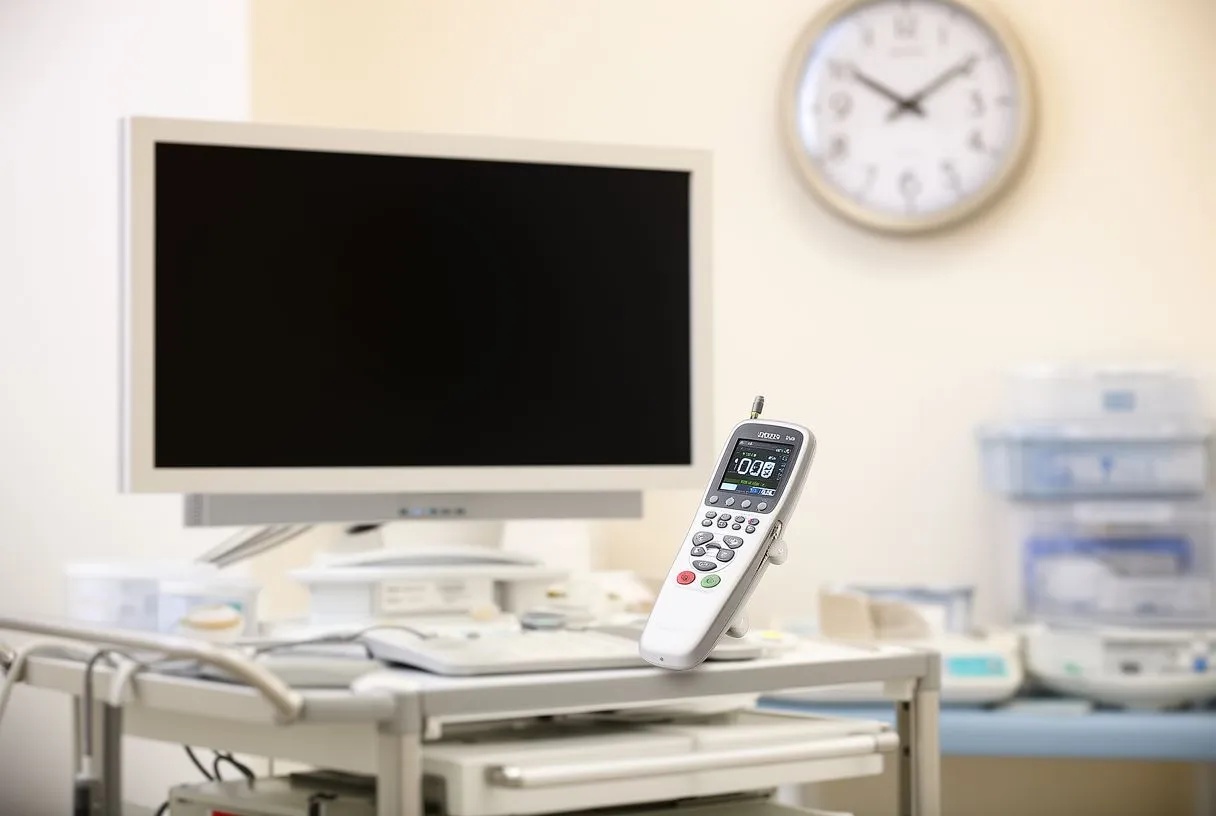
Remote monitoring is increasingly available for many modern pacemakers, allowing your cardiac team to receive automatic alerts if the device detects an arrhythmia or a technical issue. A bedside transmitter communicates with your pacemaker while you sleep and sends the data to your clinic via a secure connection. This technology reduces the need for in-person visits and provides peace of mind, particularly for patients who live far from their treating centre or travel frequently. Ask your team whether remote monitoring is available for your device.
Living With a Pacemaker: Long-Term Outlook
For the majority of patients, a pacemaker transforms daily life for the better. Symptoms that once limited activity, such as dizziness, breathlessness, and fainting, often resolve or significantly improve once the heart maintains a stable rhythm. Many patients report feeling more energetic and confident within weeks of implantation, and the device quickly becomes a quiet, unobtrusive part of their routine. You will not feel the pacemaker firing under normal circumstances, and most people eventually forget it is there unless they see the small bump beneath their skin.
It is important to maintain regular cardiology follow-up, take any prescribed medications, and address underlying conditions such as high blood pressure or coronary artery disease. A pacemaker manages rhythm, but it does not treat all aspects of cardiovascular health. Your cardiac team will work with you to develop a comprehensive plan that includes diet, exercise, medication, and ongoing surveillance. For patients with conditions like carcinoid heart disease or structural abnormalities such as a bicuspid aortic valve, the pacemaker is one component of a broader management strategy that may involve additional interventions over time.
If you or a loved one is facing the prospect of pacemaker surgery, the most valuable step you can take is to have an open, detailed conversation with a qualified cardiac team. Every patient's situation is unique, and decisions about device type, timing, and recovery planning should be tailored to your specific anatomy, symptoms, and lifestyle. We encourage you to book a consultation with Cirugía de Corazón to discuss your individual circumstances, ask questions, and receive personalised guidance rather than relying on general information alone. A pacemaker is a tool, and with the right team behind you, it can be a remarkably effective one.