Coronary CT Angiography: Why Your Doctor Ordered It
Understand coronary CT angiography reasons and why your doctor ordered this scan.
If your cardiologist has ordered a coronary CT angiography, you may be wondering what the test is for and whether something serious is wrong. In most cases, there is one simple reason behind the referral: your doctor wants a clear picture of the Coronary Arteries — the small vessels that feed blood to your heart muscle — without putting a catheter inside your body. Understanding coronary CT angiography reasons takes the fear out of the appointment. This guide walks you through why the scan is ordered, how it works, what it finds, and what to do with the results, in plain language for patients and families in Mexico and beyond.
What Is Coronary CT Angiography and Why Did Your Doctor Order It?
Coronary CT angiography is a non invasive coronary angiogram. A CT scanner takes rapid X-ray images of your heart while a small amount of iodine contrast flows through your veins. A computer then builds detailed, three-dimensional pictures of the coronary arteries, so your doctor can see the vessel walls, not just the channel inside them. The words "CT angiography" simply mean "imaging of blood vessels using a CT scanner."
Why doctor ordered coronary CT angiography in your case. The most common reason is symptoms: chest discomfort, breathlessness, or an abnormal finding on another test such as an ECG. Doctors also order it when Coronary Artery Disease — the buildup of cholesterol plaque inside the heart's arteries — is suspected but not confirmed. The scan answers a direct question: are the arteries narrowed, and if so, where and how severely?
It is worth saying clearly: being referred for this scan does not mean you have heart disease. For many patients, the result is reassuring — clean, open arteries and an explanation for their symptoms that lies elsewhere. Patients who understand the purpose of the test beforehand usually arrive calmer and get more out of the consultation that follows.
How Do They Do a Coronary CT Angiogram?
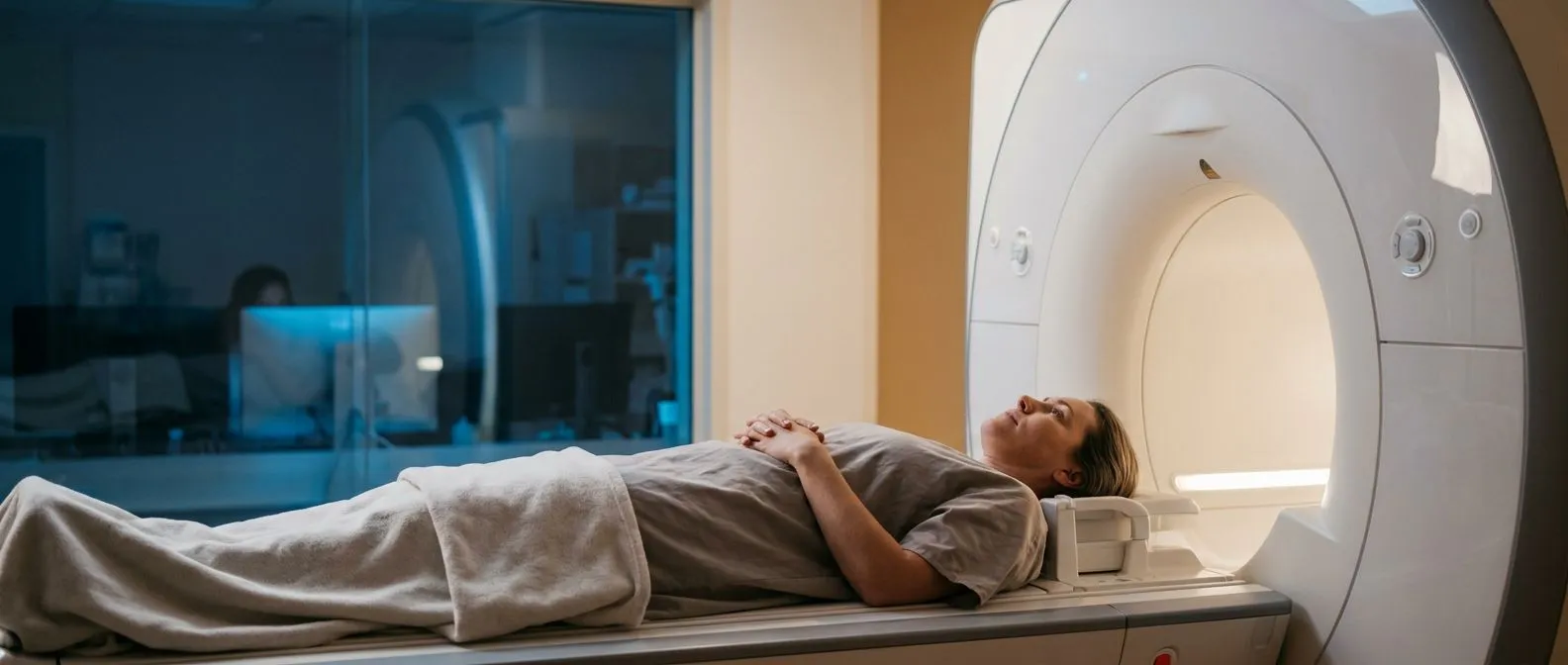
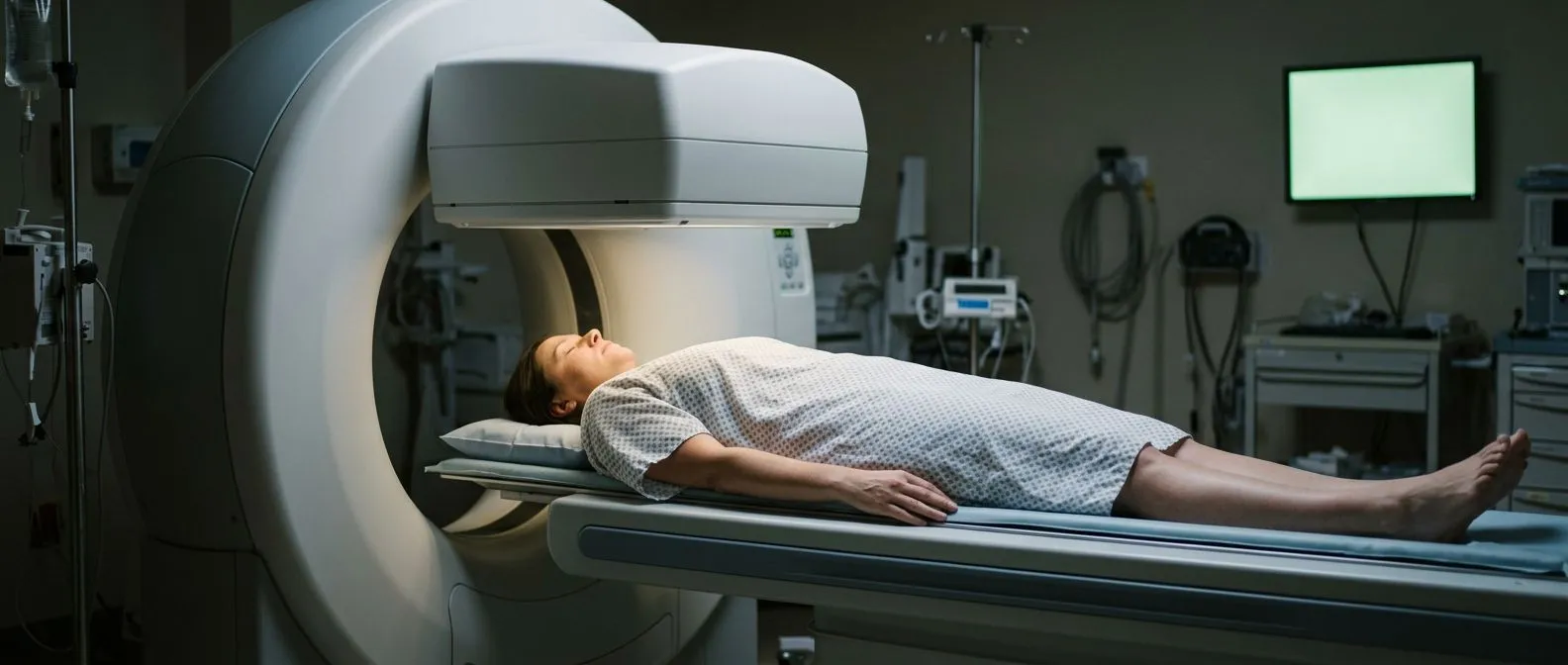
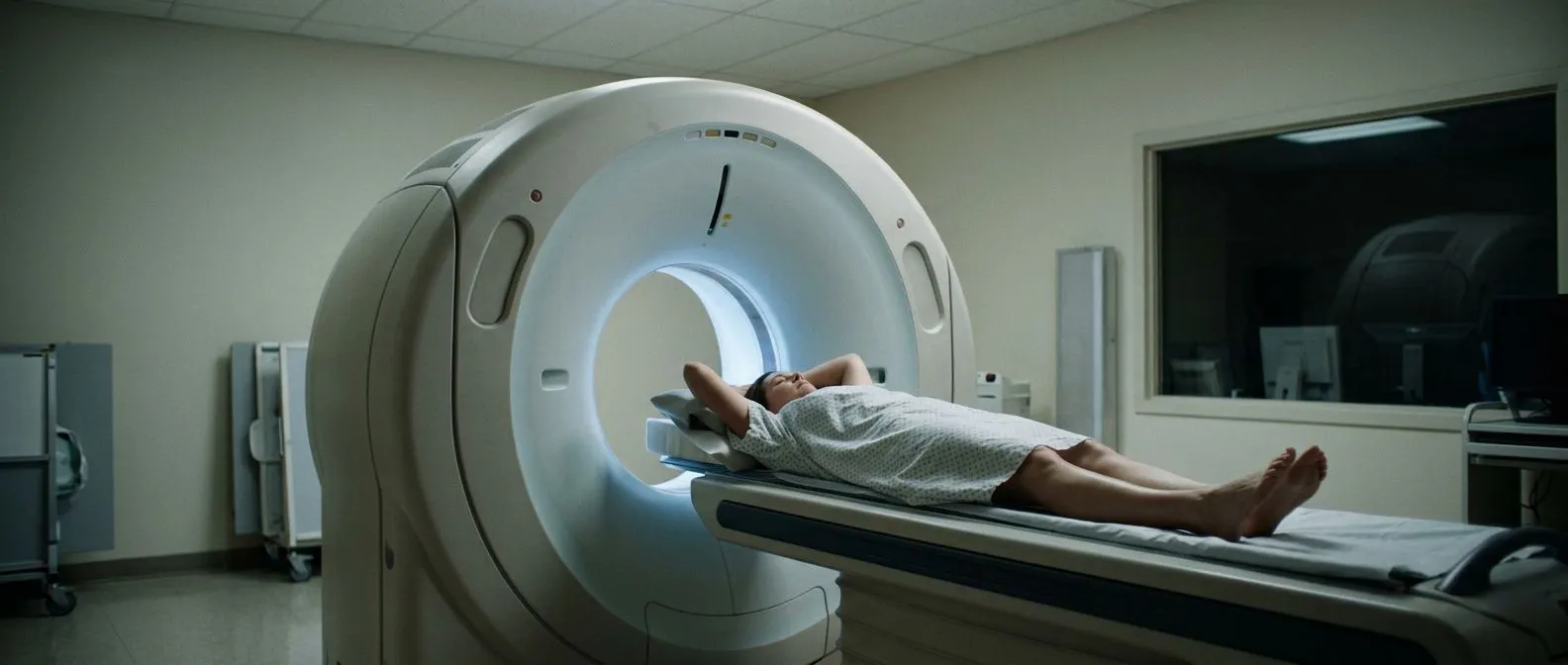
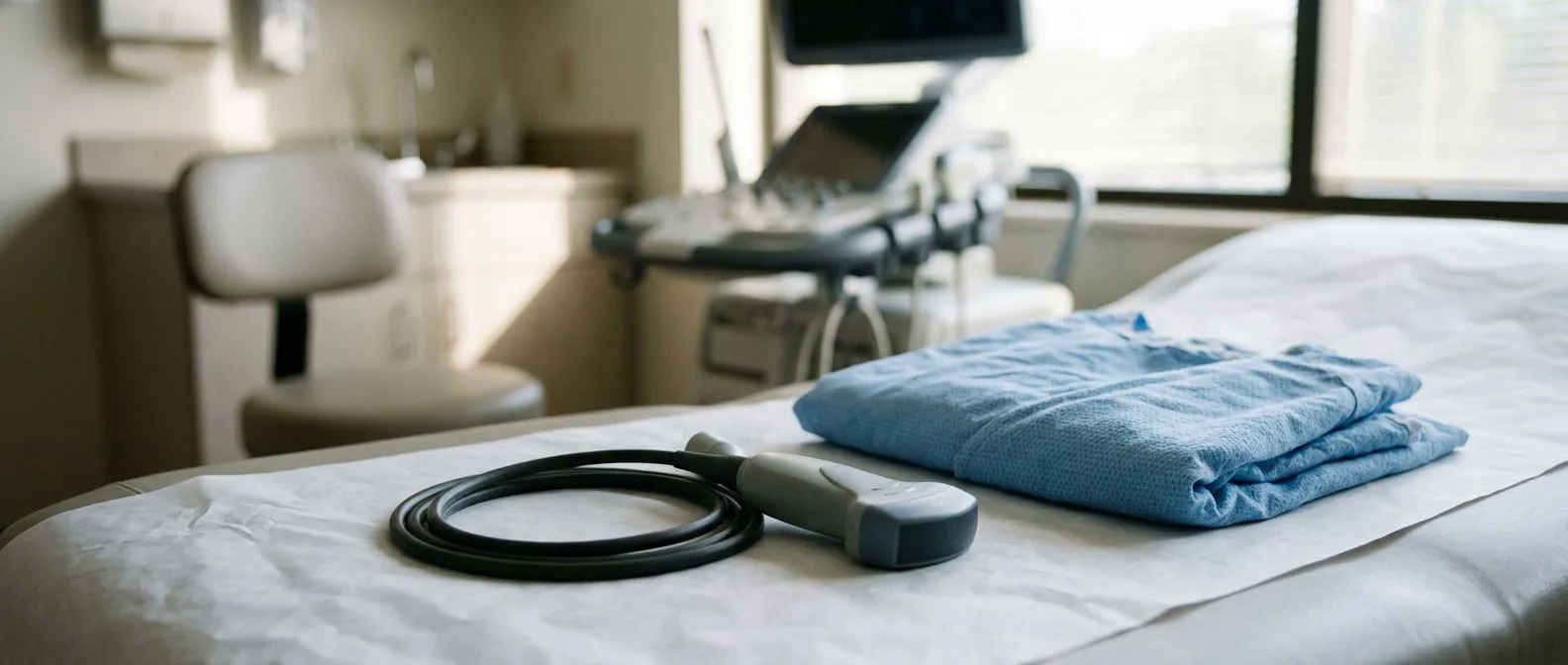
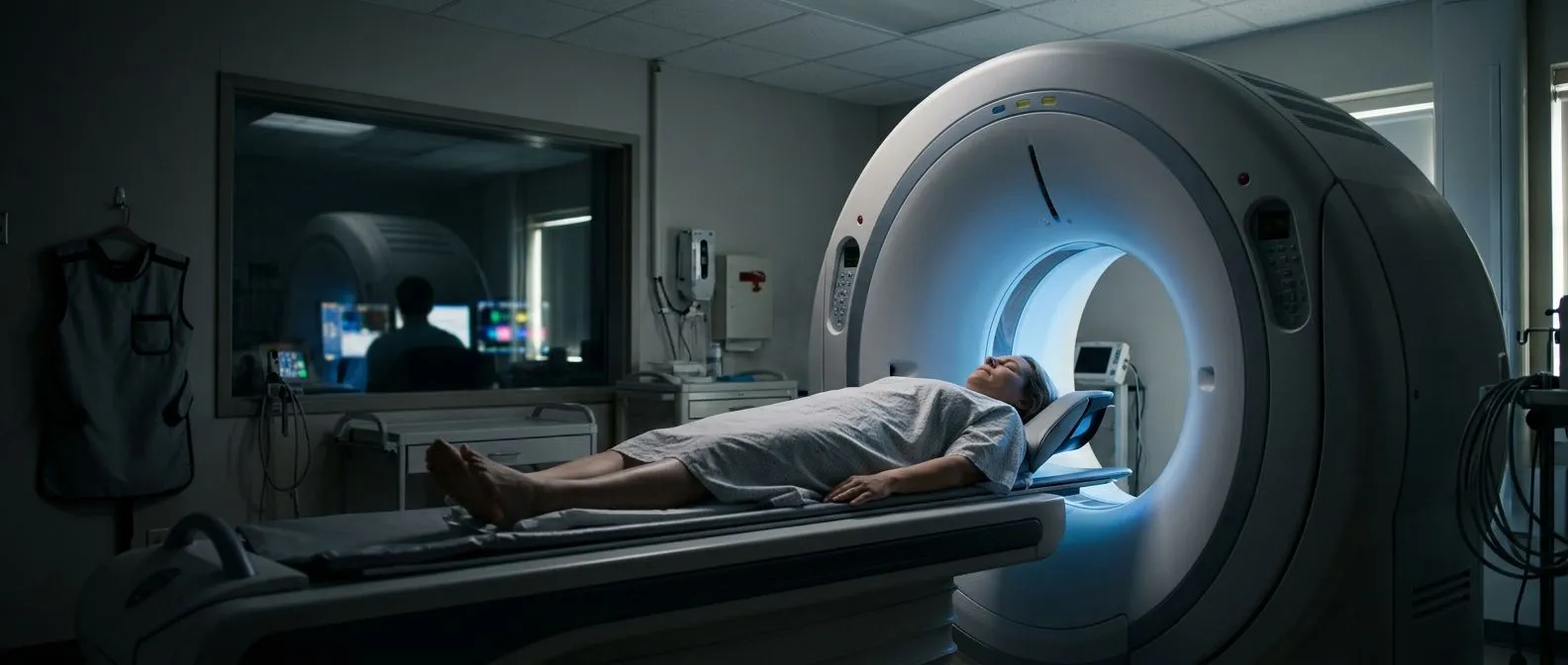
The "how do they do a coronary CT angiogram" question is one we hear at every first visit, and the answer surprises most people: it is quick and needs no sedation. You lie on a narrow table that slides into a large ring-shaped scanner. A technician places a small intravenous line, usually in your arm. Contrast dye is injected, and the scanner captures images of your beating heart in seconds.
What to expect during the scan itself. Your heart rate matters, because sharper images come from a slower, steadier heartbeat. Many centres give beta-blocker medication before the scan and nitroglycerin under the tongue to relax the arteries. You will be asked to hold your breath for a few seconds at a time while the images are taken. From start to finish, the scanning portion usually takes 10 to 20 minutes, though the whole appointment may last about an hour.
There is no recovery period to plan for. You can eat, drink, and drive home afterwards unless your doctor says otherwise. Patients are usually in and out of the scanner within the morning.
Coronary CT Angiography vs Catheterization: Which Test Do You Need?
The choice between coronary CT angiography vs catheterization is really a choice between a diagnostic picture and a treatment platform. Conventional Coronary Angiography — often called cardiac catheterization — involves threading a thin tube through an artery in the wrist or groin to the Coronary Ostia, the openings where the coronary arteries leave the aorta. It delivers the sharpest images and allows treatment on the spot, such as a Coronary Stent or Percutaneous Coronary Intervention.
When the CT scan is the better first step. CT angiography is used as a gatekeeper: it can rule out significant blockages without a catheter, sparing many patients an invasive procedure they do not need. It is ideal when the probability of Coronary Artery Disease is low to moderate, or when symptoms need a clear explanation. Catheterization is reserved for patients whose CT scan, stress test, or symptoms show a high likelihood of significant narrowing that may need treatment.
When catheterization comes first instead. Patients with severe, unstable symptoms — ongoing chest pain at rest, an abnormal stress test, or an acute coronary syndrome — usually go directly to invasive angiography, because treatment may be needed immediately. Every case is different, and in our practice each one is reviewed by the multidisciplinary team against international practice guidelines before any recommendation is made, so the patient receives a clear proposal with the alternatives and the final decision is always theirs.
Coronary CT Angiography vs Stress Test: What's the Difference?
A stress test tells you how the heart performs under effort; a CT angiogram shows you the plumbing itself. In a stress test — whether on a treadmill or with medication — electrodes track your heart's electrical activity while it works hard. If the heart muscle is starved of blood, characteristic changes appear. It answers a functional question: does the heart get enough blood when stressed?
Coronary CT angiography vs stress test: which gives more information? The CT scan is anatomical. It shows the exact location, size, and composition of plaque, and it can detect disease even when a stress test is normal. This matters because some blockages — especially in branches like the Right Coronary Artery or the Left Main Coronary Artery — behave differently than expected. The two tests are complementary rather than rivals, and your cardiologist chooses based on your symptoms, age, and risk factors.
For patients who want a heart CT scan without catheter and without prolonged exercise, CT angiography is often the most direct route to an answer. We encourage patients to ask their doctor why a particular test was chosen — a good explanation is a sign of good care.
What Coronary CT Angiography Detects: Plaque, Calcium and Blockages
Understanding what coronary CT angiography detects helps you read your report with confidence. The scan shows three things that matter most: the degree of narrowing in each artery, the type of plaque causing it, and the overall burden of disease across the whole Coronary Arteries tree.
Soft plaque and the heart calcium score. A Coronary Calcium Score is a simpler CT scan that measures only calcified — hardened — plaque. It is quick and useful for screening, but it misses soft, non-calcified plaque, which can also rupture and cause heart attacks. Full CT angiography sees both. That is one of the central coronary CT angiography reasons doctors prefer it when a patient's symptoms demand a real answer rather than a risk number.
- Stenosis severity: the percentage narrowing in each vessel segment, graded mild, moderate, or severe.
- Plaque composition: whether plaque is calcified, soft, or mixed — soft plaque deserves closer follow-up.
- Distribution: how many arteries are involved, which guides whether medication, stents, or Coronary Artery Bypass Grafting is discussed.
Coronary CT Angiography for Chest Pain Diagnosis
Chest pain is frightening, and most people who feel it never have a heart problem. Coronary CT angiography for chest pain diagnosis exists precisely to sort this out quickly and safely. International guidelines now endorse CT angiography as a first-line test for patients with stable chest pain and an intermediate likelihood of Coronary Artery Disease, because it can rule out blockages with high accuracy in a single appointment.
When is coronary CT angiography needed for symptoms? Typical scenarios include new chest pressure during exertion, unexplained breathlessness, or an emergency-room visit where initial tests were inconclusive. The scan either finds a culprit — a narrowed artery that explains everything — or clears the arteries, letting your doctor look for other causes such as esophageal, muscular, or anxiety-related chest pain.
Getting answers sooner rather than later. One honest word from experience: in our consultations we take the time to explain what the studies actually show, in plain words, and to answer every question before any decision is made. Chest pain deserves that kind of clarity. If your chest pain is new, severe, or comes with sweating, nausea, or pain radiating to the arm or jaw, treat it as an emergency and seek immediate care — do not wait for a scheduled scan.
Coronary CT Angiography for Stent Check and Risk Assessment
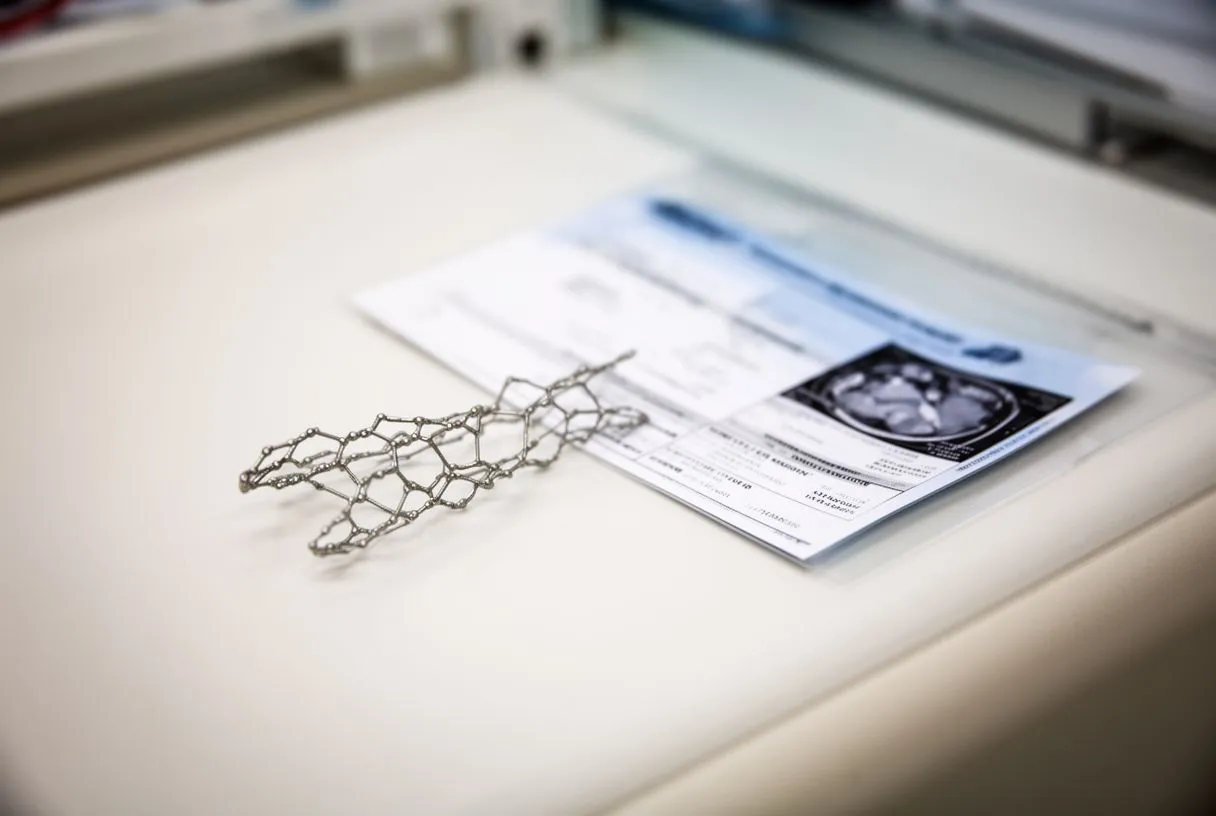
Patients who already have a Coronary Stent often need follow-up imaging. Coronary CT angiography for stent check has improved markedly with modern scanners, and it is increasingly used to assess whether a stent remains open. Research on complex procedures, including a study of Percutaneous Coronary Intervention for in-stent restenosis chronic total occlusion published in Dove Medical Press, shows how heavily these decisions rely on good imaging of the treated vessel.
Coronary artery disease CT screening and risk assessment. Beyond individual blockages, the scan supports coronary artery disease CT screening in people with strong risk factors — diabetes, family history, smoking, or high cholesterol — even before symptoms begin. The result feeds into a Coronary CT Angiography risk assessment that shapes whether you need medication changes, lifestyle intervention, or closer surveillance.
Also worth knowing: CT scans of the chest sometimes reveal unexpected findings in nearby structures. Case reports such as an incidental finding of a large mobile aortic arch mass during conventional angiography, published in the Journal of Tehran Heart Center, remind clinicians that imaging can uncover surprises in the aorta and other organs — findings that need specialist review, which is exactly what a multidisciplinary cardiac team is for.

Is CT Coronary Angiography Risky? Safety and Side Effects
Patients frequently ask, "Is CT coronary angiography risky?" The honest answer is that the risks are small and well understood. The scan is non-invasive — nothing enters your heart — and serious complications are rare. Still, three points deserve attention so you can weigh them calmly.
Radiation exposure. Modern scanners use dose-reduction techniques, and the radiation from one coronary CT angiography is comparable to the background exposure of a few years of ordinary living. It is not a dose you should fear, but it is also a reason the test is not repeated casually without justification.
Contrast dye and allergies. The iodine contrast is injected into a vein. A small number of people have mild reactions such as warmth, flushing, or nausea; severe allergic reactions are uncommon, and imaging teams are equipped to manage them. If you have kidney disease or a prior contrast reaction, tell the imaging team beforehand — they may adjust the protocol or pre-medicate you.
Beta-blocker considerations. Because heart-rate control improves image quality, some patients receive beta-blockers. These are generally safe but can cause temporary fatigue or lightheadedness, and they need caution in patients with asthma or certain heart-rhythm problems. A recent review in JAMA noted that coronary CT angiography is associated with fewer downstream invasive procedures than conventional strategies without added safety concerns, which reflects how mature and low-risk this test has become. On our team, we review each patient's medications and medical history before the scan is ordered precisely to avoid surprises like these.
Coronary CT Angiography Preparation: How to Get Ready
Good coronary CT angiography preparation makes the images sharper and the appointment shorter. The instructions are simple, and following them carefully can spare you a repeat scan.
Before the day of the scan. You will be asked to avoid caffeine for 12 to 24 hours — coffee, tea, energy drinks, and chocolate — because caffeine raises your heart rate. Some centres ask you to avoid Viagra, Cialis, or similar medications for 24 to 48 hours, since they interact with the nitroglycerin given during the scan. Bring a list of all your medications, and mention any allergies, kidney problems, or previous contrast reactions.
On the day itself. Come having avoided food for a few hours as your centre directs, wear comfortable clothing without metal, and arrive early enough to relax — a calm heart beats slowly, and slow beats make better images. Going through this checklist before the scan is scheduled means nothing is discovered on the day itself.
- No caffeine: skip coffee, tea, and energy drinks for 12–24 hours before the appointment.
- Bring your medication list: especially diabetes drugs, blood thinners, and any ED medications.
- Mention allergies and kidney issues: these may change the contrast plan.
- Arrive early and relaxed: a steady, slow heart rate produces the clearest images.
How Long Does It Take to Get Coronary CTA Results — and What Do They Mean?
The "how long does it take to get coronary CTA results" question has a reassuring answer: images are captured in minutes, and the formal report usually follows within one to three days. A cardiac radiologist analyses hundreds of cross-sectional images, measures each narrowing, and grades plaque. Your doctor then sits with you to translate that report into a plan.
Coronary CT angiography results meaning in everyday terms. A normal result — no significant narrowing — usually means you can be managed with medication and lifestyle changes, and many patients need no further cardiac testing. A result showing mild disease often means medication optimization and periodic review. Moderate to severe narrowing triggers a conversation about the next step: stress testing, catheterization, a stent, or surgery.
What happens after an abnormal result. No one should face that conversation alone or hurried. In our practice, the patient receives a clear proposal with the alternatives after the whole team has reviewed the case, and the final decision is always theirs. We also openly encourage second opinions — we treat seeking one as a normal, sensible part of deciding about heart surgery, not as a slight on the treating doctor.
Coronary CT Angiography Cost in Mexico and When to Seek a Second Opinion
For many international and local patients, coronary CT angiography cost in Mexico is significantly more accessible than in the United States or Canada, without any compromise in scanner quality at major private hospitals and imaging centres in cities like Guadalajara. Exact prices vary by centre, contrast protocol, and whether a cardiologist's interpretation is included, so always ask for a full, itemized quote before booking.
Choosing where to have the scan and what comes after. The scan itself is only the first step; what matters is what your team does with it. If an abnormal result leads to a discussion about stents, bypass surgery, or valve procedures, that is the moment to involve a team that performs the full range — conventional, minimally invasive, robotic, and transcatheter — and recommends the less invasive route only where the evidence supports it for your specific anatomy.
Dr Molina trained in cardiothoracic surgery at the Universidad de Guadalajara, in cardiac, minimally invasive, robotic and structural surgery at the University of Montreal, and in structural cardiology and TAVR at CHU Bordeaux, and the team also trained in Jena, Bad Berka and Buffalo. When a scan result raises questions about treatment, the first contact with us is a free video consultation: we get to know you, talk through your condition, and tell you which studies are still needed so no unnecessary ones are ordered — a face-to-face visit follows only when you decide to go ahead.

Taking the next step with confidence. A coronary CT angiography referral is not a verdict; it is a fast, low-risk way to get real answers about your heart. Understand why the test was ordered, prepare well, and make sure someone qualified explains your results in plain words before any treatment decision is made. If you have been referred for this scan, or if a recent result has left you with questions, the most sensible next step is a conversation with a qualified cardiac team — bring your images, ask every question you have, and let the decision be made together, never by a search engine or by fear.