

Pacing Wires After Heart Surgery: Removal and Care
Pacing wires after heart surgery: learn removal timing, site care tips, infection signs and recovery guidance.
What Are Pacing Wires After Heart Surgery?
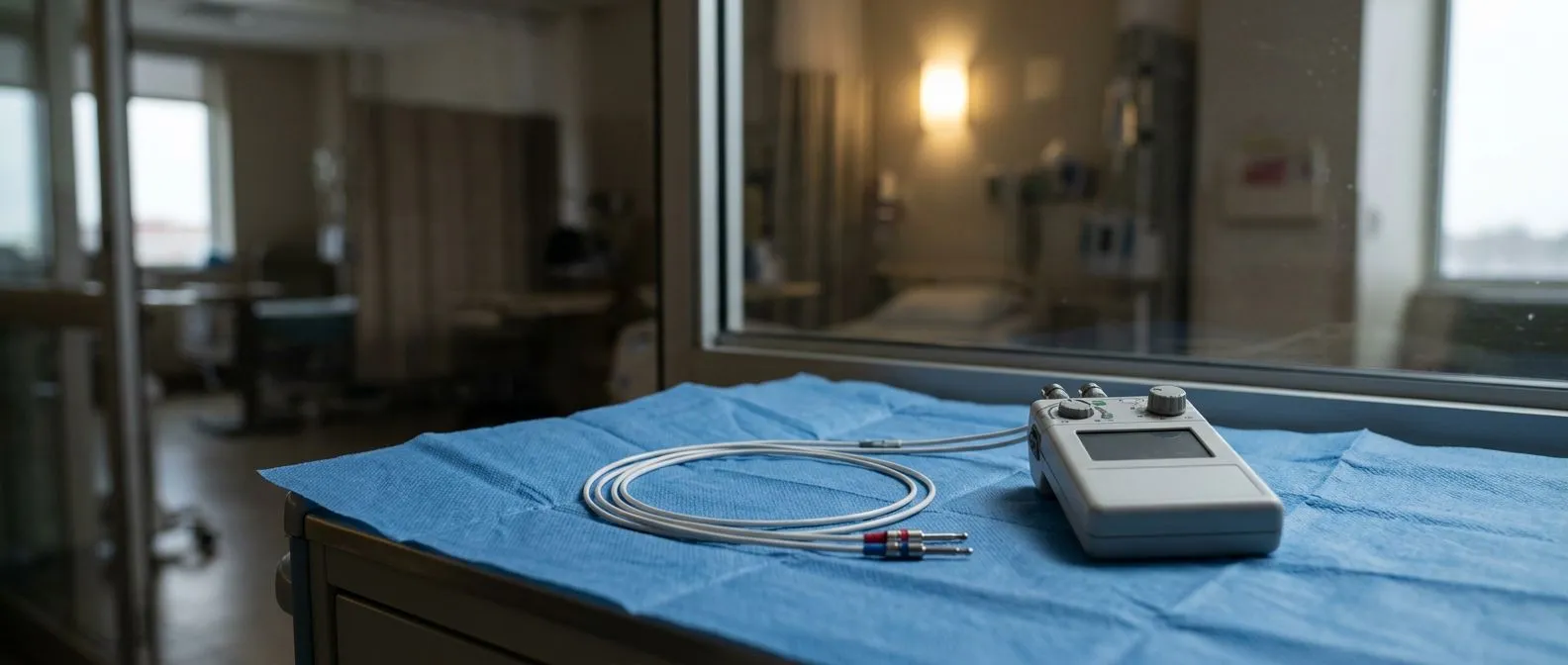
After a cardiac operation, the heart is often irritable, and its electrical system — the tiny signals that tell the muscle when to squeeze — can slow down for a few days. To keep your heartbeat safe during that vulnerable window, surgeons attach temporary epicardial pacing wires to the outer surface of the heart, then tunnel the trailing ends out through the skin of your upper abdomen or chest. These wires connect to an external pacemaker box at the bedside, giving the team a direct way to speed the heart up or steady its rhythm on demand.
The wires are thin, flexible, and meant to be temporary — a bridge, not a permanent implant. Think of them as jumper cables for a recovering heart: they support the rhythm only until the heart's own conduction tissue recovers, usually within the first week. According to the NHLBI, heart surgery frequently disrupts normal signaling because the procedure involves cooling the heart, stopping it temporarily, and manipulating structures such as the atrium, so a backup pacing plan is standard rather than exceptional.
For most patients, the presence of these wires is invisible — they sit under a small dressing and are monitored by the intensive-care nurses. They are not there because something went wrong; they are placed proactively, much like an arterial line or urinary catheter, as part of routine peri-operative safety. Understanding their purpose helps families see them as a tool of protection, not a sign of complication.
Why Are Temporary Pacemaker Wires Placed During Bypass Surgery?
Protecting the atrium and ventricles from slow rhythms: Operations on or near the heart — including coronary bypass, valve repair, and surgery on the ascending aorta — can bruise the conduction pathways. Swelling around the atrioventricular node can cause pauses or a slow rate (bradycardia) in the first 48–72 hours. Temporary wires let the team pace the heart externally without delay, avoiding the need to rush in a permanent pacemaker that may never be needed.
Managing atrial flutter and other tachyarrhythmias: It is not only slow rhythms that concern surgeons. Fast rhythms such as atrial flutter are common after cardiac surgery, and pacing wires can sometimes be used to "overdrive" pace the atrium and break the abnormal circuit. This non-pharmacologic option reduces reliance on additional medication during a period when the kidneys and liver are already processing anesthetic and pain drugs.
Placement is also a matter of access. Once the chest is closed, reaching the heart's surface for emergency pacing would require reopening the incision — a major step no surgeon wants to take unnecessarily. By leaving wires in place for a short, defined window, the team retains control of rhythm with minimal risk. Families often ask whether the wires hurt; in practice, patients rarely feel them, and their removal is described below as a brief, well-tolerated procedure.
How Are Pacing Wires Removed After Heart Surgery?
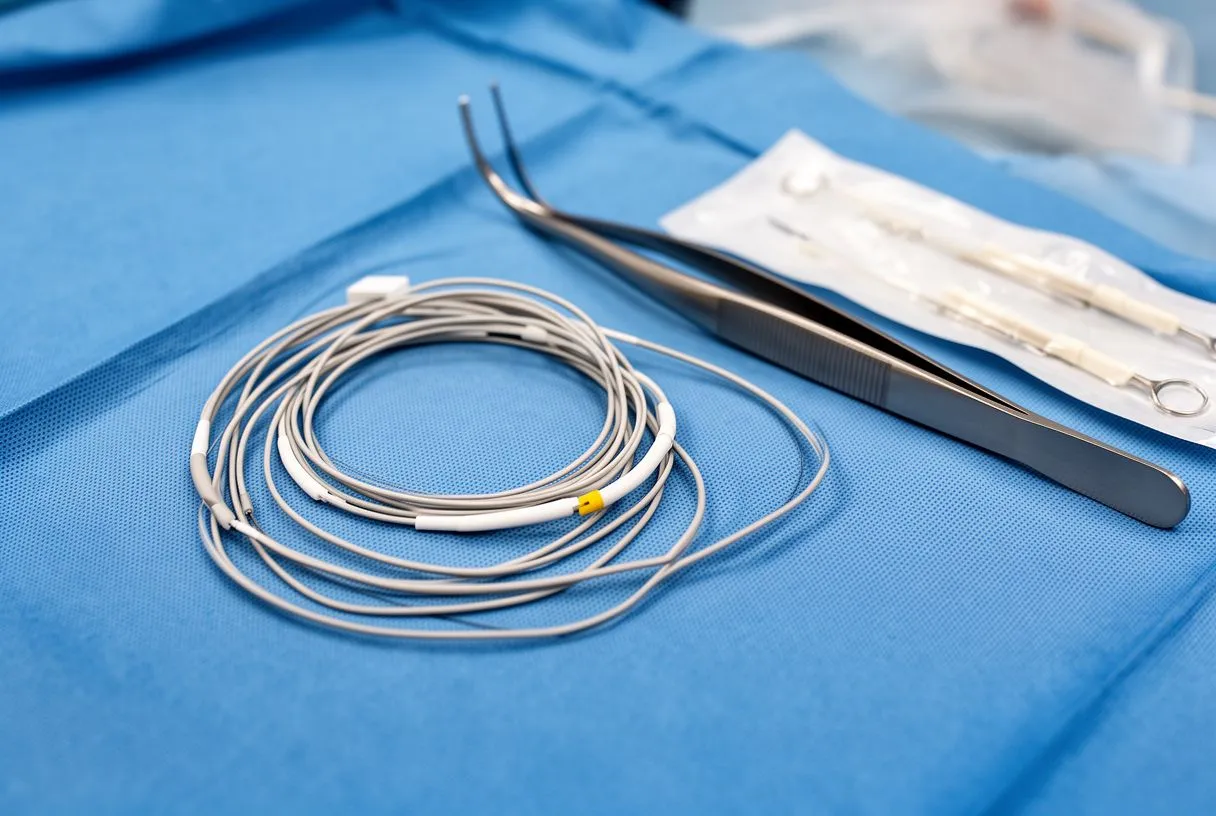
Removal is performed at the bedside, usually by a physician or trained cardiac nurse, and takes only a minute or two. The external box is disconnected first, the dressing is lifted, and each wire is pulled out with steady, gentle traction. Most patients describe a brief tugging sensation or mild chest pressure rather than sharp pain — the wires slide through the tissue they were tunneled through, and the tiny skin exit site is then covered with a sterile dressing.
If you are wondering how are pacing wires removed without anesthesia, the answer is that the wire itself is smooth and unbarbed; it is not sewn into the heart muscle. The epicardial end simply rests against the outer surface of the heart, so withdrawal does not require cutting or reopening anything. According to clinical observations in The Specific Features of an Early Period after Minimally Invasive Cardiac Surgery, patients tolerate wire removal well, and the exit site typically seals within 24 hours.
After removal, the nurse will check your heart rhythm on the monitor for several minutes to confirm it remains stable without external support. In the rare case that the rhythm slows again, the team has medications and, if ever needed, permanent pacing options ready — but for the large majority of patients, removal marks the moment the heart is trusted to beat on its own again.
When Are Pacing Wires Typically Removed?
The standard window is between the second and fifth post-operative day, once the team confirms that your intrinsic heart rate is adequate and stable without pacing support. The decision is individualized: a younger patient with an uncomplicated valve repair may have wires removed on day two, while someone with pre-existing conduction disease or a complex operation may keep them longer. The goal is to remove them as soon as it is safe to do so, because every additional day slightly increases the small risk of infection at the exit site.
Factors that influence timing: Surgeons weigh several data points — the underlying rhythm on telemetry, whether anti-arrhythmic drugs are still being titrated, electrolyte balance, and whether the patient has needed any pacing at all in the past 24 hours. If the heart has been beating independently since surgery, the wires are essentially dormant, and there is little reason to retain them. If intermittent pacing has been required, the team will often wait another day or two and re-evaluate.
For families, this is a useful milestone to watch for: when the nurses mention the wires are coming out, it usually signals that the heart's electrical system has declared itself stable, and the patient is moving from intensive monitoring toward the step-down unit. Asking the care team, "Has pacing been used in the last day?" is a fair, informed question that helps you follow the recovery arc.

Pacing Wire Site Care During Recovery
While the wires are still in place, the exit sites are covered with a sterile transparent dressing that you should not lift, wet, or change yourself. The nursing staff inspects the sites for redness, drainage, and secure anchoring during routine care. Keep the area dry — sponge baths rather than showers are advised until removal — and avoid pulling on the external loops of wire, which are intentionally coiled and taped to prevent accidental tugs.
After removal, keep it clean and covered: Once the wires are out, a small adhesive dressing remains for about 24–48 hours. You can shower after that dressing is removed, letting mild soap and water run over the closed sites without scrubbing. Pat dry; do not apply ointments, powders, or home remedies unless your cardiac team specifically instructs you to. The skin punctures heal quickly, and scarring is minimal.
If you are traveling home from Mexico after your procedure, plan for the site to be fully healed before long flights. Carry a short written summary of your operation, including the date of wire removal, so that any clinician you see later understands your recent history. This kind of documentation matters more than most patients expect, especially when crossing borders or visiting a new primary-care provider.
Signs of Pacing Wire Infection to Watch For
Infection at the pacing wire site is uncommon but not impossible, and recognizing it early is one of the most important things a family can do. The classic signs are the same as for any skin wound: increasing redness spreading outward from the exit site, warmth, swelling, tenderness, or any pus-like drainage. A low-grade fever in the first days after surgery can have many causes, but a fever combined with a red, tender wire site should be reported immediately.
What infection signs look like in practice:
- Local redness: a pink halo that grows wider over hours, not days.
- Fever or chills: especially new after the immediate post-operative period has settled.
- Drainage change: clear fluid is normal briefly; cloudy, yellow, or foul-smelling output is not.
- Worsening pain at the site: discomfort that increases rather than improves over time.
Early infection is almost always manageable with oral or intravenous antibiotics and, if the wires are still in place, prompt removal. Delaying the call because you "do not want to bother the team" is the one mistake that turns a small problem into a larger one. Your cardiac surgeon would always rather see a false alarm than a late presentation.
Pacing Wires Complications and Risks
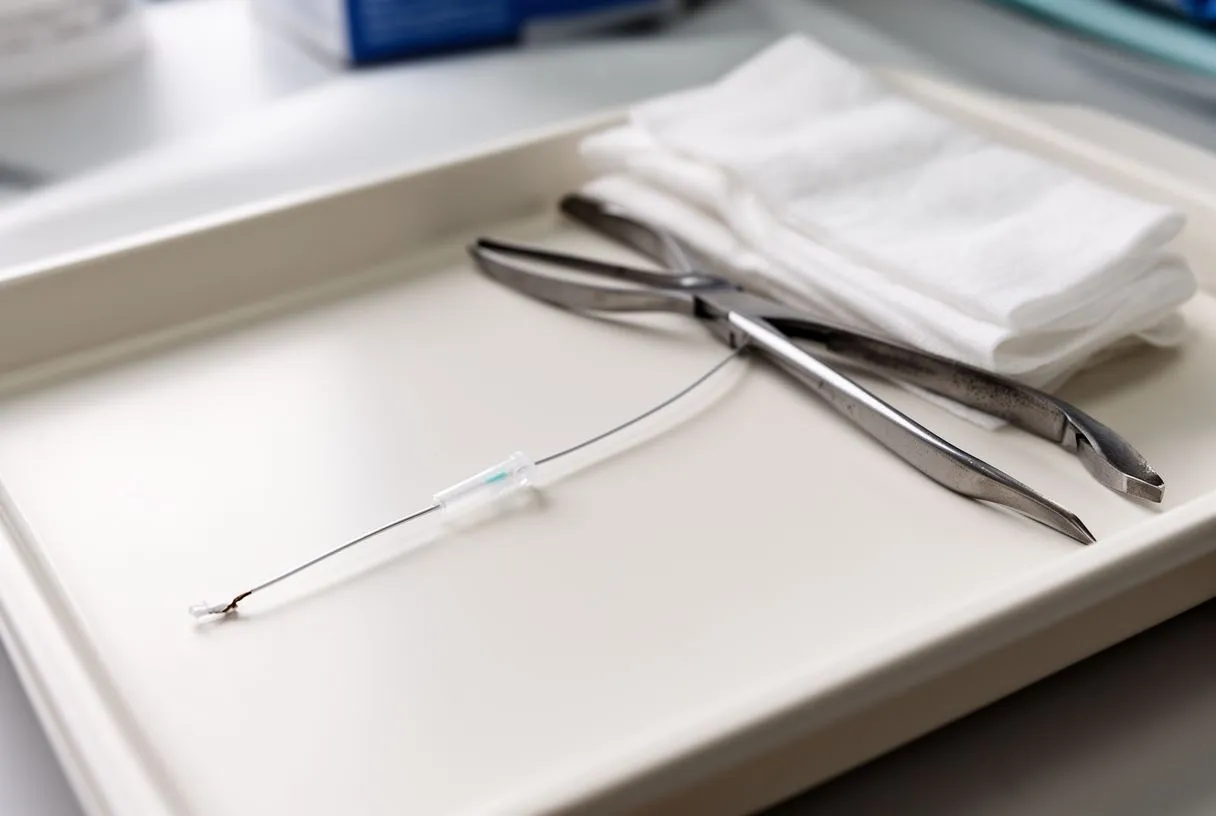
Serious complications from temporary epicardial wires are rare. The most frequently reported issue is minor bleeding at the exit site after removal, which is controlled with brief pressure. Less common but documented risks include wire fracture (a segment breaking during pull-out, leaving a small retained piece), infection, and very rare injury to underlying structures if the wire migrates — a scenario that modern fixation techniques and prompt removal are designed to prevent.
Retained wire fragment: When a small piece of wire breaks and remains in the chest, the usual recommendation is conservative observation rather than immediate surgical retrieval, because reoperation carries far more risk than a tiny inert metallic fragment. Teams document the finding, monitor the patient, and only intervene if symptoms develop. Understanding this possibility in advance — however unlikely — prevents shock if it is mentioned later on a chest X-ray.
It is also worth noting that wires are not a substitute for definitive rhythm management. If the heart still needs pacing beyond the expected window, the conversation shifts from "removal" to evaluation for a permanent pacemaker, which is a separate procedure with its own considerations. This is part of why surgeons pay close attention to every rhythm reading in the first few days — they are deciding not only when to pull the wires, but whether the heart will ever stand alone.
Heart Surgery Recovery Tips With Pacing Wires
Recovery in the first week is shaped by many factors beyond the wires themselves. Holding a small pillow against your chest when you cough, walking with assistance as soon as the team permits, and using the incentive spirometer every hour while awake all support lung re-expansion and help prevent complications that can indirectly affect rhythm — for example, low oxygen or a partially collapsed lung can stress the heart.
Medication and monitoring continuity: Many patients resume or continue aspirin or other prescribed cardiac medications during this window, and consistent dosing matters more than people realize. Large studies such as ARISTOTLE have shaped how clinicians balance bleeding and clotting risk after cardiac procedures, and your team will tailor these decisions to your specific operation. Do not stop or start medications on your own while the wires are still in place.
Rest, nutrition, and emotional support are not luxuries here — they are part of the protocol. A patient who sleeps poorly, eats little, and sits tensely for days tends to have more atrial arrhythmias, which can delay wire removal and lengthen stay. Families help most by keeping the room calm, encouraging short walks, and flagging concerns early rather than waiting for rounds.
Post-Operative Pacing Wires and Your Activity
While the wires are in place, your activity is deliberately limited: assisted walking to the bathroom and short hallway ambulation are usually fine, but no strenuous movement, no lifting, and nothing that could pull on the chest or abdomen. The external wire segments are taped and looped precisely so that ordinary turning in bed does not yank them, yet a sudden reach or twist can still transmit force to the epicardial end, so controlled, gentle motion is the rule.
After removal, ease back gradually: Once the wires are out and the sites are sealed, you will still follow standard sternal precautions for several weeks — no pushing, pulling, or lifting more than a few kilograms, and no driving until your surgeon clears you. Arm Pain or shoulder discomfort after surgery is common and usually musculoskeletal from positioning during the operation, but any new chest pain should always be reported, never assumed to be "just soreness."
Travel home — whether by road or air — is usually discussed around the time of wire removal, because that milestone often coincides with the team's overall read on stability. For international patients flying from Mexico, travel is usually planned so that you are not in transit during the highest-risk window, and it helps to carry documentation that airlines and border clinics can read easily.

When to Call Your Cardiac Team About Pacing Wires
Once you are home, the pacing wire sites should fade into the background of your recovery. Call your cardiac team promptly if you notice any of the infection signs listed above, if you feel new palpitations, dizziness, or fainting, or if the small scars from the exit sites open, bleed, or become painful days after they had healed. These are not emergencies in the panic sense, but they are not "wait and see" issues either.
Ausctivation and follow-up checks: Your first post-operative outpatient visit usually includes listening to the heart (auscultation), reviewing your rhythm, and confirming that the wire sites have closed cleanly. Bring any home blood-pressure and heart-rate readings you have been keeping, and do not minimize symptoms — a one-line note such as "felt very fast for ten minutes on day four" is genuinely useful clinical information. The recovery literature, including observations on post-operative monitoring such as Intraoperative transfontanelle ultrasonography for pediatric patients, reminds us how much of safe recovery depends on careful, repeated assessment rather than one-time checks.
Finally, remember that pacing wires are one chapter in a larger recovery, not a verdict on your heart's future. Most hearts resume their own rhythm within days, the wires come out, and the small marks heal. If you have questions specific to your situation — your operation, your rhythm history, your travel plans — the most useful next step is to discuss them directly with a qualified cardiac team. We encourage you to book a consultation with us rather than self-diagnosing from this guide; every recovery is individual, and your decisions deserve individual counsel.






