Porcine Valve Replacement: How Long a Pig Valve Lasts
Porcine valve lifespan ranges 10–15 years.
What Is a Porcine Valve Replacement?
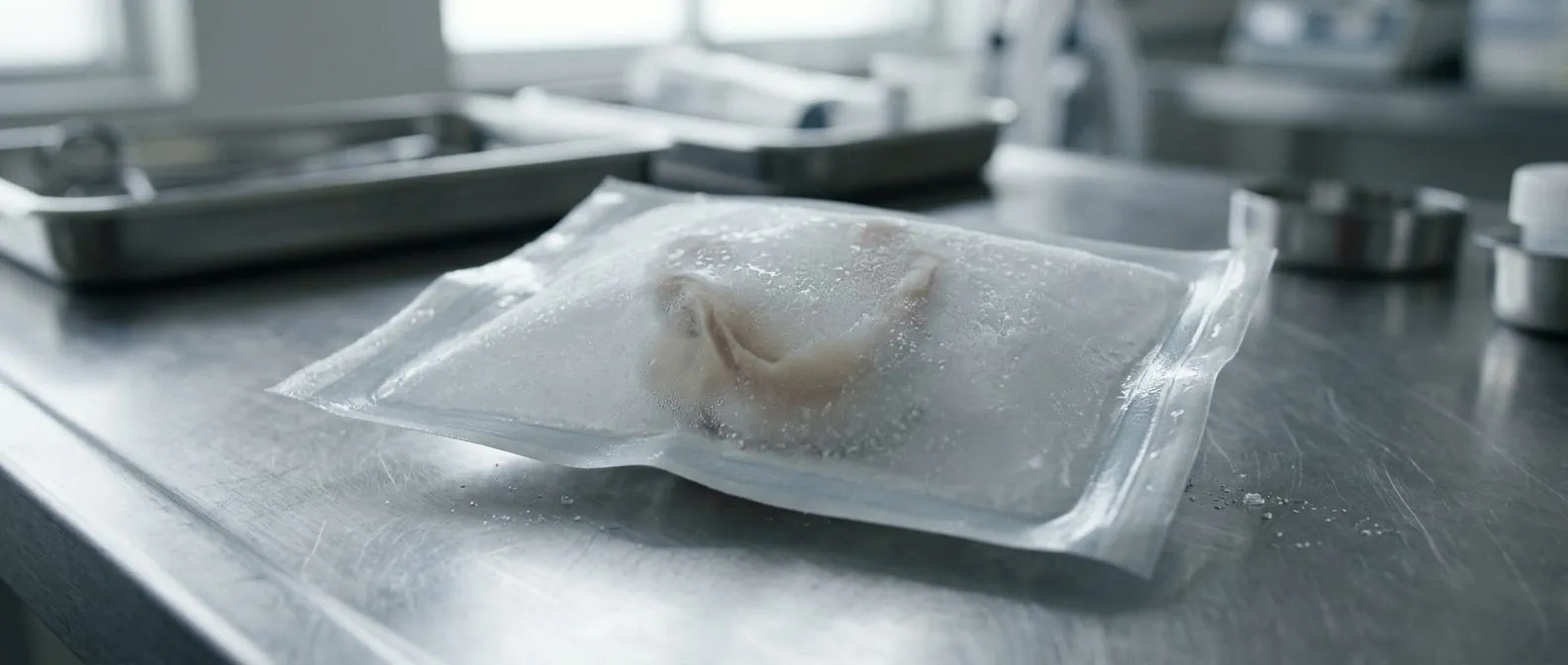
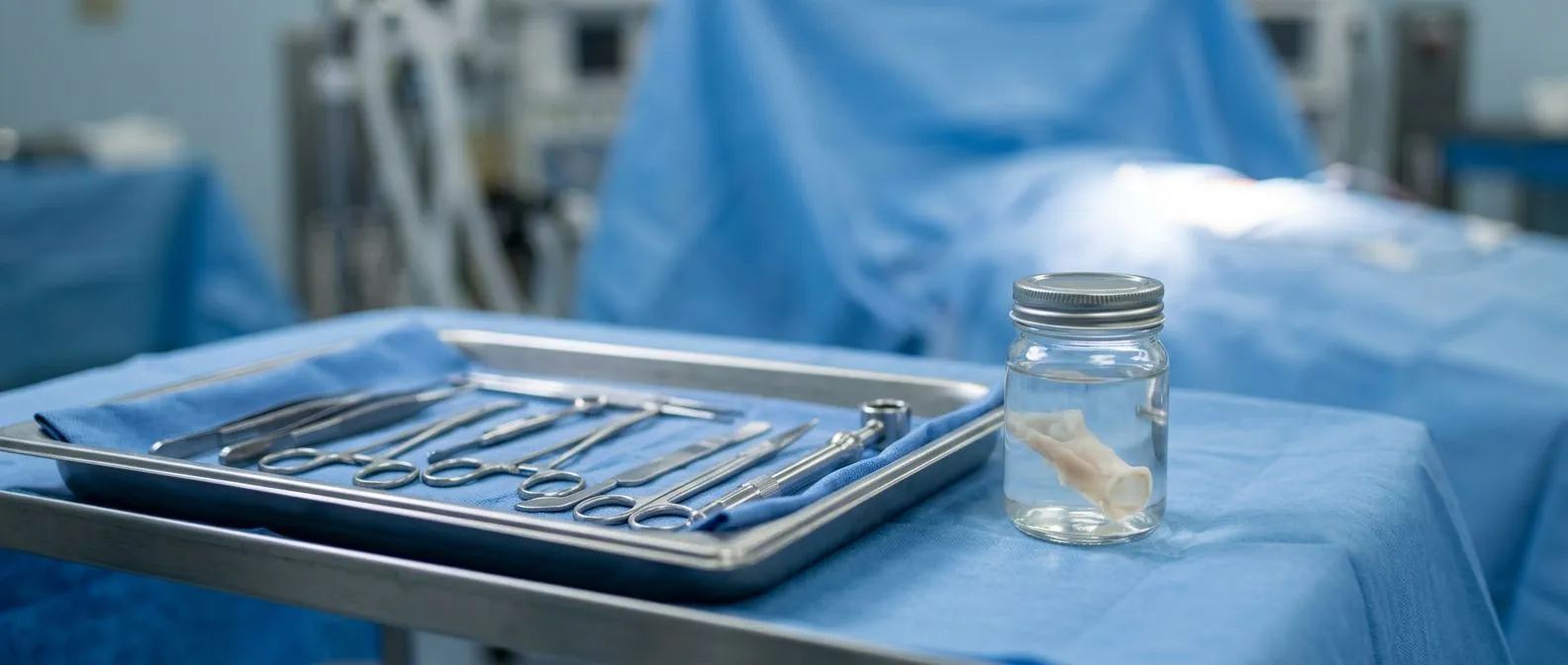
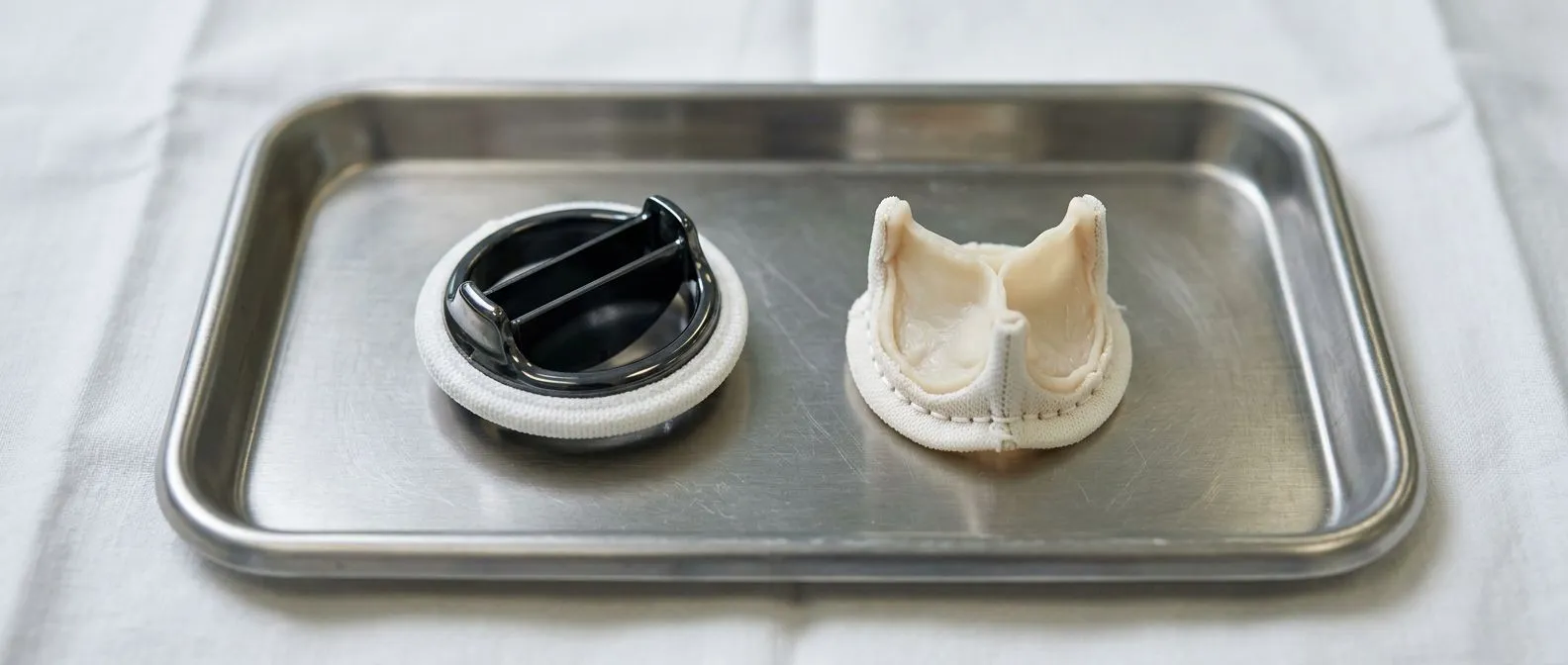
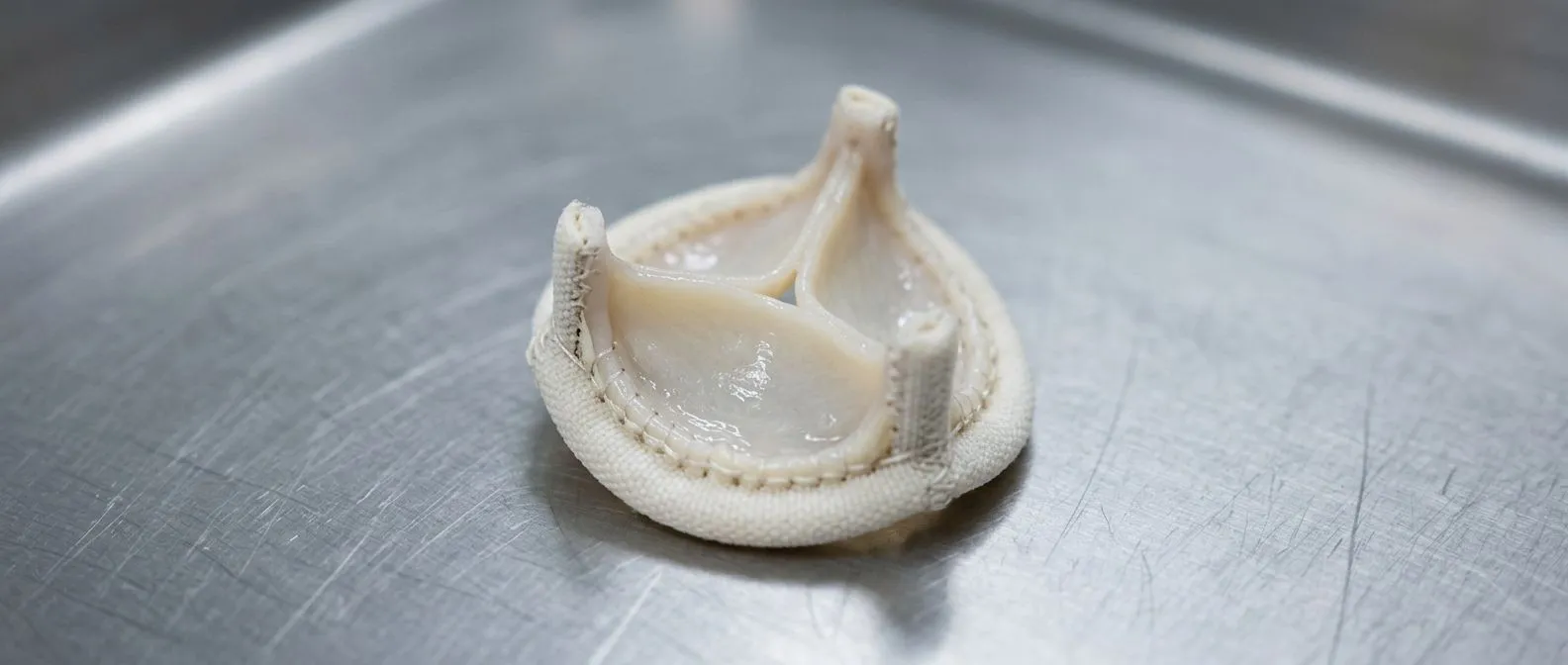
When a patient learns they need a new heart valve, one of the first decisions is what type of valve to receive. A porcine valve replacement uses tissue from a pig heart, specifically the valve leaflets, which are chemically treated and mounted on a frame to function inside a human heart. These are called bioprosthetic valves because they are made from biological tissue rather than metal or carbon. For many patients facing aortic or mitral valve disease, a porcine tissue valve offers a middle path between durability and the convenience of avoiding long-term blood thinners. The decision is never one-size-fits-all, and understanding what these valves are — and how long they last — is the first step toward an informed conversation with your surgeon.
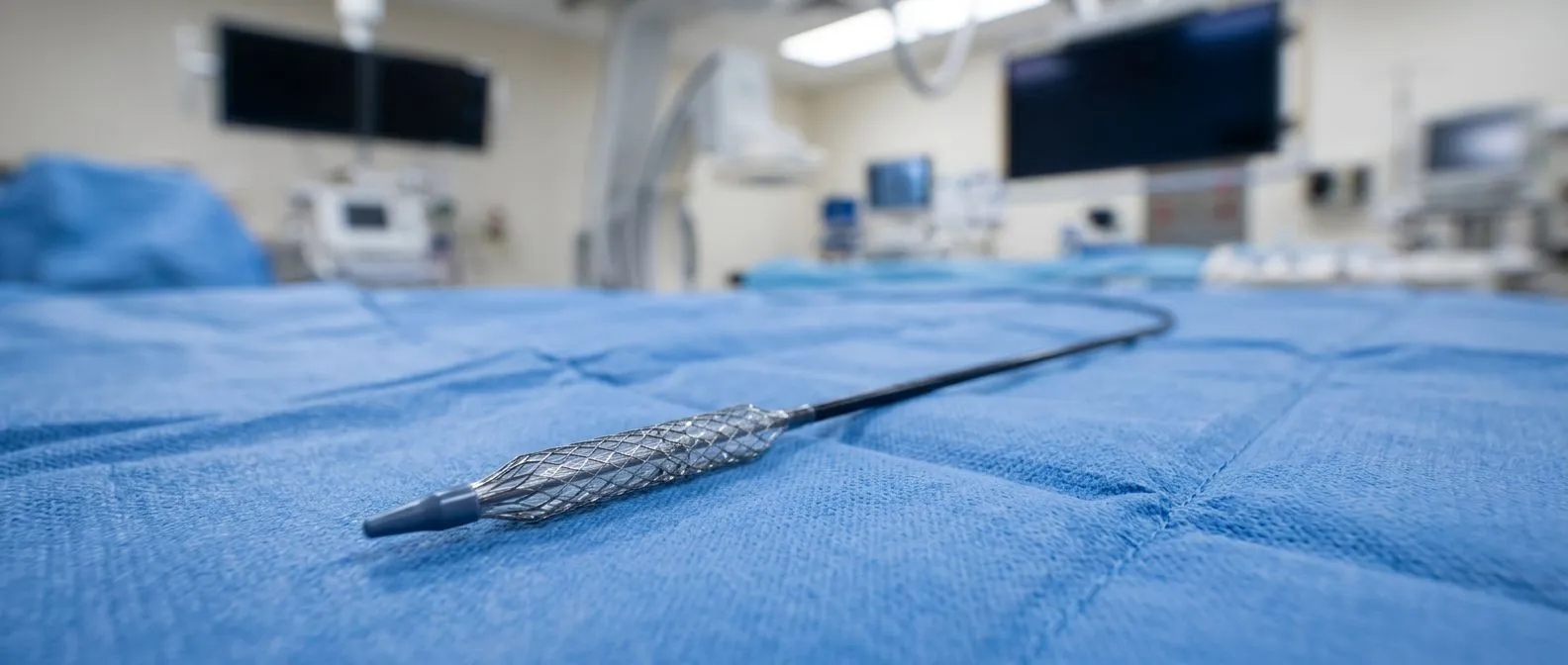
The porcine valve is shaped to mimic the natural tri-leaflet (three-flap) design of a human aortic valve, which sits at the exit of the left ventricle and controls blood flow to the body. Surgeons position the replacement valve at the same anatomical site, typically at the base of the Ascending Aorta, the major artery carrying oxygen-rich blood away from the heart. Once sewn into place, the valve opens and closes with each heartbeat, just as a native valve does. Some modern porcine valves are designed for a procedure called transcatheter aortic valve replacement, or TAVR, where the valve is compressed into a catheter and guided into position without opening the chest. According to Cleveland Clinic, bioprosthetic valves are commonly recommended for patients who cannot or prefer not to take warfarin, a blood thinner, for the rest of their lives.
For patients treated at practices like Cirugía de Corazón in Guadalajara, Querétaro, and Hermosillo, the choice of valve type is driven by age, lifestyle, other medical conditions, and a frank discussion about expected longevity versus the burden of medication. A younger patient might lean toward a mechanical valve because it lasts much longer, while an older patient may prefer a porcine valve to avoid daily anticoagulation therapy. There is no universally superior option — only the one that best fits your anatomy, your risk profile, and your priorities for quality of life after surgery.
What Is the Typical Porcine Valve Lifespan After Surgery?
The question patients ask most often is straightforward: how long will this valve last inside me? Porcine valve lifespan is not a single fixed number but a range that depends on the patient's age at implant, the valve's position in the heart, and the manufacturer's design. In general, published clinical data suggest that most porcine aortic valves function well for 10 to 15 years in older adults, with some lasting beyond 20 years. In younger patients — typically under 50 — the same valves tend to degenerate sooner, sometimes within 5 to 8 years, because younger immune systems are more active and the valve endures more opening-and-closing cycles over time.
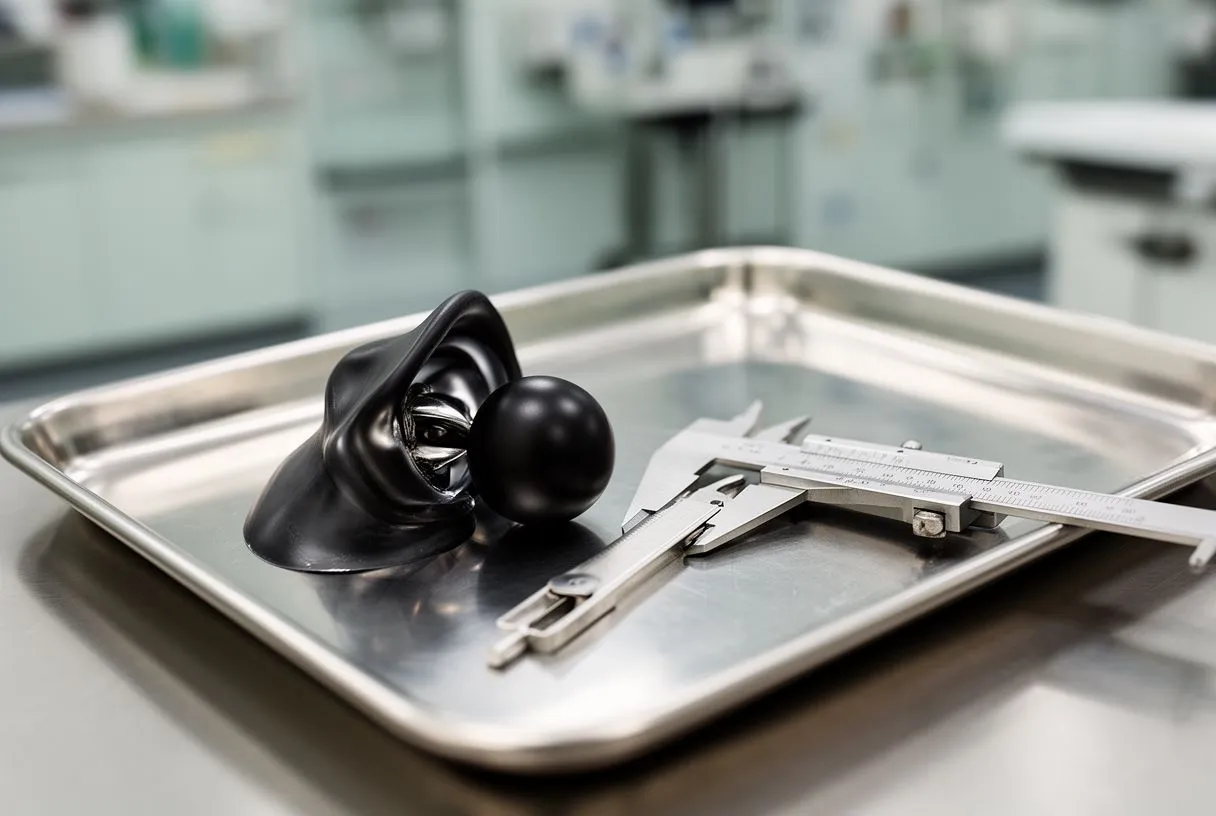
It is important to understand that "lifespan" in this context refers to structural valve deterioration — a gradual process where the leaflets become stiff, calcified, or even torn, causing the valve to leak or narrow. This is not a sudden breakage but a slow, predictable decline that your cardiologist can monitor with regular echocardiograms. Some patients never experience valve failure within their natural lifetime because the valve outlasts them. Others, particularly those implanted in their 50s or 60s, may face a second valve procedure decades later. The degeneration process reflects how the body slowly deposits calcium on the treated tissue, similar to the way native valves calcify with age — a phenomenon researchers have studied extensively, including work on porcine valvular interstitial cells published in the Journal of the American Heart Association.
When counseling patients, cardiac surgeons frame porcine valve lifespan not as a warranty but as a clinical expectation shaped by individual factors. A 75-year-old receiving a porcine aortic valve has a statistically high probability that the valve will last for the remainder of their life. A 45-year-old receiving the same valve is far more likely to need a reoperation. This is why age at implant is the single most influential variable in predicting how long the valve will serve you, and why surgeons often recommend mechanical valves for patients under a certain age threshold unless other factors argue otherwise.
What Affects Pig Valve Longevity in Patients?
Several variables influence how long a bioprosthetic valve performs well inside the body, and not all of them are under the patient's control. Age at the time of implant is the dominant factor — younger patients have faster calcium metabolism and more vigorous immune responses, both of which accelerate tissue degeneration. But other elements matter too, including valve position (aortic valves tend to last longer than mitral bioprostheses), the specific valve brand and generation, and the patient's overall cardiovascular health. Someone with poorly controlled high blood pressure places more mechanical stress on the valve leaflets, which can shorten functional life.
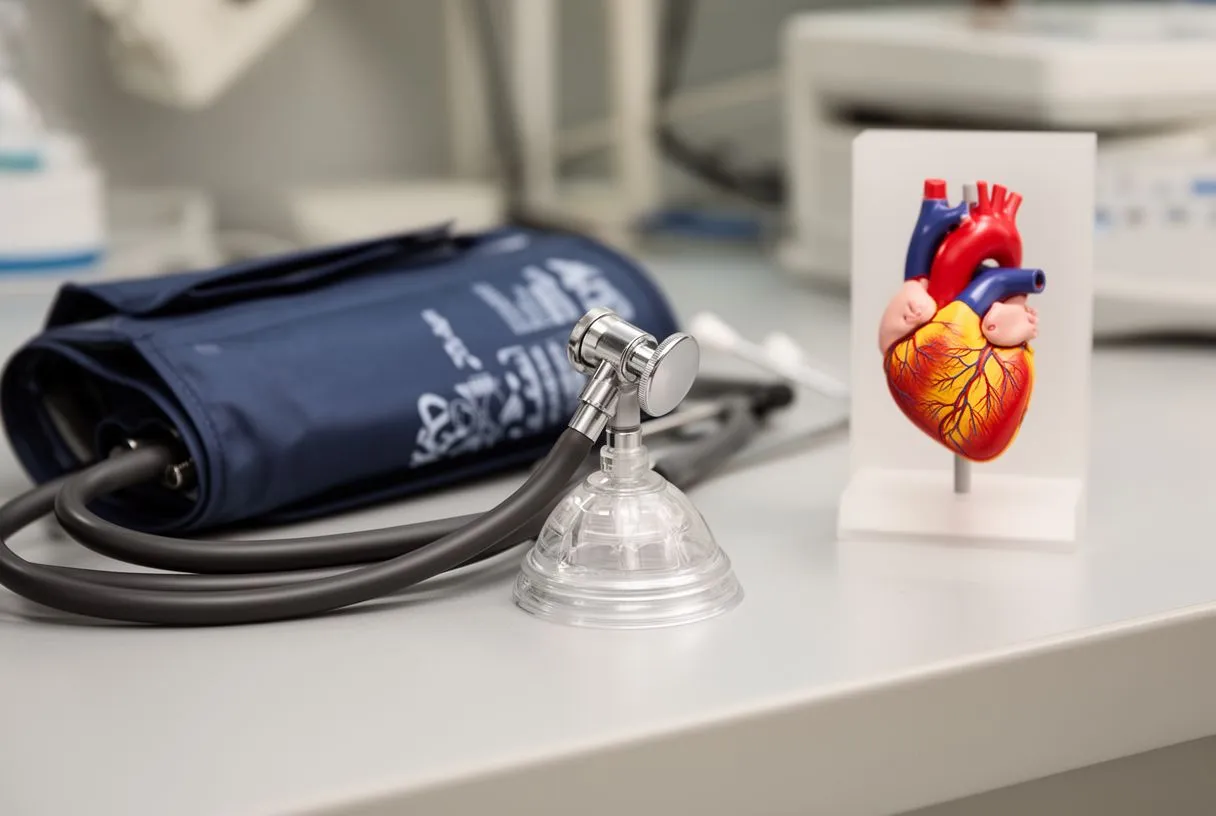
Calcification is the primary mechanism of porcine valve degeneration. Over years, calcium crystals deposit on and within the treated leaflet tissue, making it stiff and less flexible. As the leaflets lose their pliability, the valve may become stenotic (narrowed, restricting blood flow) or regurgitant (leaky, allowing blood to flow backward). This process mirrors what happens to natural aortic valves in elderly patients, though it occurs faster in bioprosthetic tissue. Other modes of failure include leaflet tear, which can happen when calcified tissue is stressed by repeated cardiac cycles, and endocarditis, an infection of the valve that can destroy tissue rapidly regardless of the valve's age. Research on porcine biology, including a review in Trends in Microbiology, has helped scientists understand why pig tissue is both well-suited and imperfect for human valve replacement.
Patients sometimes ask whether lifestyle changes can extend valve life. While no diet or exercise regimen will stop calcification entirely, maintaining healthy blood pressure, avoiding tobacco, and managing conditions like diabetes reduce the overall workload on the heart and may slow the stress placed on the valve. Regular follow-up with echocardiography is the most practical step a patient can take — not to prevent degeneration but to detect it early, before symptoms develop, giving your cardiac team time to plan a re-intervention if one becomes necessary.
Porcine Valve vs Mechanical Valve: Which Lasts Longer?
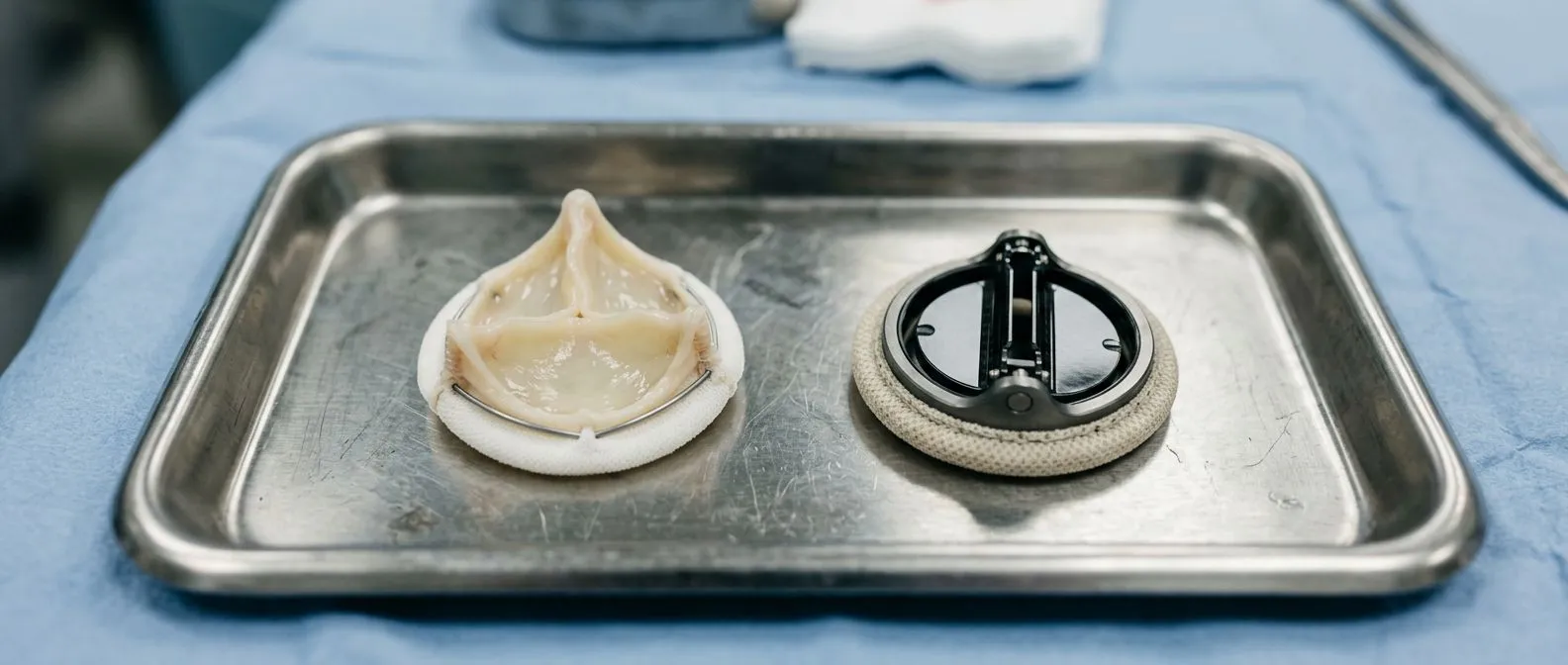
This comparison sits at the center of most pre-surgical consultations. Mechanical valves, made from durable materials like pyrolytic carbon, are designed to last a lifetime — they do not calcify or tear the way tissue valves do. For a young patient, that durability is a major advantage: one operation may be all they ever need. The trade-off is that mechanical valves require lifelong anticoagulation therapy, typically with warfarin, to prevent blood clots from forming on the artificial surfaces. This means regular blood tests, dietary considerations, and a small but real increase in bleeding risk for the rest of the patient's life.
Porcine valves flip that trade-off. They generally do not require long-term blood thinners, which is a significant quality-of-life advantage for many patients — especially older adults, those at higher bleeding risk, or those who live far from regular laboratory monitoring. The price for that convenience is a finite lifespan and the possibility of a second surgery. For some patients, the choice also involves a Balloon-expandable Valve option, particularly in TAVR procedures, where a porcine valve is deployed via catheter and may be easier to redo in the future if needed. Your surgeon may also consider whether you have had prior Balloon Angioplasty or other cardiac interventions that affect access routes for future procedures.
- Mechanical valve: designed to last a lifetime; requires daily warfarin and regular INR monitoring; small ongoing bleeding risk.
- Porcine tissue valve: typically lasts 10–15 years (longer in older patients); usually no long-term blood thinners needed; may require reoperation.
- Age factor: surgeons often recommend mechanical valves for patients under 50–60 and porcine valves for older patients, with individualized exceptions.
There is no right answer that applies to everyone. A 60-year-old who travels frequently and cannot reliably access warfarin monitoring may choose a porcine valve even knowing a reoperation may be needed. A 40-year-old with no contraindications to anticoagulation may prefer a mechanical valve to avoid a second open-heart surgery. These are deeply personal decisions, and your cardiac team's role is to lay out the evidence clearly so you can choose the option that aligns with your values and life circumstances.
Signs Your Porcine Tissue Valve May Be Wearing Out
One of the most important things a patient with a bioprosthetic valve can do is recognize the signs of valve degeneration before they become dangerous. Porcine valve wear is usually gradual, and symptoms develop slowly enough that patients may attribute them to aging or lack of fitness. The classic signs overlap with the original symptoms that led to valve replacement in the first place: increasing shortness of breath, especially with exertion; new or worsening fatigue; chest tightness or pressure; and in some cases, swelling in the legs or ankles if the heart begins to struggle with forward flow.
Some patients notice a change in the sound of their heartbeat or develop an irregular rhythm. Atrial Flutter, a rapid, organized beating pattern in the upper chambers of the heart, can appear as the heart responds to a valve that is becoming stenotic or leaky. Others may experience Arm Pain radiating from the chest, which can signal reduced coronary blood flow — though this can also result from other cardiac conditions and always warrants prompt evaluation. Your cardiologist will listen for new murmurs using Auscultation, the process of listening to the heart with a stethoscope, which can detect changes in blood flow patterns that suggest the valve is no longer opening or closing properly. An echocardiogram will confirm whether the leaflets have thickened, calcified, or developed a tear.

If you have a porcine valve and notice any new cardiac symptom — breathlessness, palpitations, chest discomfort, or unexplained fatigue — do not assume it is minor. Contact your cardiologist. Early detection of valve degeneration allows for planned intervention rather than emergency surgery, and modern options for re-replacement, including transcatheter approaches, may make the second procedure less invasive than the first.
Porcine Valve Replacement Recovery Timeline
Recovery from valve replacement surgery follows a broad but predictable arc, though every patient's experience differs. For open-heart surgical valve replacement, the hospital stay typically ranges from 4 to 7 days, with the first 24 to 48 hours spent in an intensive care unit where monitors track heart rhythm, blood pressure, and drainage from chest tubes. An Arterial Line — a thin tube placed in a wrist artery — provides continuous, second-by-second blood pressure readings during this critical early period. Patients may also have an Arterial Cannula or venous lines in place from the heart-lung machine that supported circulation during the operation.
The first few weeks at home focus on gentle mobilization, wound care, and gradual return to daily activities. Most patients can walk independently within a week or two, drive after 4 to 6 weeks (depending on surgeon guidance), and resume light exercise shortly after. Full recovery — meaning the chest incision has healed completely and stamina has returned to near-baseline — generally takes 8 to 12 weeks. During this period, your team monitors for complications such as infection, fluid retention, or rhythm disturbances. Some patients are prescribed Aspirin or a short course of anticoagulation to reduce clot risk on the new valve, though long-term warfarin is usually not required for porcine valves. If Autologous Blood — your own blood — was collected before surgery for reinfusion, this can reduce the need for donor transfusions and speed hematologic recovery.
For patients who undergo TAVR rather than open surgery, recovery is dramatically shorter. Many TAVR patients are walking within a day and discharged home in 2 to 3 days, with return to normal activities within a week or two. This is one reason catheter-based porcine valve replacement has become a preferred approach for older or higher-risk patients who would face significant recovery challenges from open-heart surgery. Your surgeon will discuss which approach fits your anatomy and risk profile, and what recovery realistically looks like for your specific situation.
Are Porcine Valves Safe for Older Patients?
For older adults — typically those over 70 — porcine valves are often the preferred choice, and for sound clinical reasons. The expected lifespan of a porcine valve in this age group frequently exceeds the patient's remaining life expectancy, meaning the valve will serve them well without the burden of daily anticoagulation. Older patients also tend to face higher bleeding risks on warfarin, and the logistical challenges of regular INR monitoring can be significant, particularly for international patients who travel for care or live far from specialized laboratories. A bioprosthetic valve eliminates that ongoing management burden.
Surgical safety in older patients is assessed using risk scoring systems such as EuroSCORE II, which estimates operative mortality based on factors including age, existing cardiac conditions, lung disease, and kidney function. A high score does not automatically disqualify a patient from surgery, but it informs the conversation about whether open-heart valve replacement or a less invasive approach like TAVR is more appropriate. For patients with significant Atheromatous Plaque — fatty deposits in the arteries — the surgical team evaluates access routes carefully, since diseased vessels can complicate both traditional surgery and catheter-based approaches. The presence of an Atypical Infarction history or prior Automated External Defibrillator use may also factor into the operative plan.
- Low anticoagulation burden: porcine valves usually avoid lifelong warfarin, reducing bleeding risk in older patients.
- Risk-adjusted planning: EuroSCORE II and similar tools help surgeons estimate operative risk and choose the safest approach.
- Travel-friendly follow-up: without routine INR checks, international patients face fewer logistical hurdles after returning home.
It is worth noting that age alone does not determine eligibility. A healthy 80-year-old with good organ function may be an excellent candidate for valve replacement, while a 65-year-old with multiple comorbidities may require a different strategy. The decision is always individualized, and your cardiac team will review your full medical picture — not just your chronological age — before recommending a path forward.
What Happens When a Pig Valve Fails?
When a porcine valve reaches the end of its functional life, the next step depends on how the valve has failed and the patient's overall condition at that time. If the valve has become stenotic — narrowed by calcium — the heart must work harder to push blood through, and symptoms like breathlessness and fatigue return. If the valve has become regurgitant — leaky because the leaflets no longer close tightly — blood flows backward with each beat, reducing cardiac efficiency. In both cases, the treatment is replacement of the failing bioprosthesis, but the method varies.
For patients who originally had open-heart surgery, a second open-heart procedure — called a redo sternotomy — is one option. This is more complex than the first surgery because the heart and surrounding tissues have scarred adhesions from the prior operation, and the surgeon must carefully separate these without damaging the heart or blood vessels. An Arterial Graft from the first surgery, if one was placed, adds another structure that must be protected. Alternatively, for aortic valves, a TAVR-in-TAVR procedure may be possible: a new catheter-delivered valve is placed inside the old one, expanding it and creating a new functional valve without opening the chest. This approach is increasingly used for older or higher-risk patients and avoids the complexity of redo open-heart surgery. In select centers, techniques like Awake ECMO — extracorporeal membrane oxygenation without general anesthesia — have been explored to support patients during high-risk re-interventions.
The key message for patients is that a failing porcine valve is not an emergency in most cases. Degeneration is gradual, and with regular echocardiographic follow-up, your team will see changes developing months or years before symptoms appear. This allows for planned, elective re-intervention at the right time — not rushed surgery under urgent conditions. If you are years out from your original valve replacement, maintain your scheduled follow-up appointments; they are your best protection against an unplanned crisis.
Living With a Porcine Tissue Valve: Daily Considerations
Most patients with a porcine valve return to a full and active life, and the valve itself requires remarkably little day-to-day attention. Unlike mechanical valve recipients, who must take warfarin every day and monitor their blood clotting levels, porcine valve patients typically take a modest dose of aspirin or no anticoagulation at all after the initial healing period. This means no dietary restrictions tied to warfarin (such as monitoring vitamin K intake from leafy greens) and no routine blood draws to check clotting times. For international patients who may not have easy access to specialized coagulation clinics, this simplification is a meaningful quality-of-life benefit.
That said, certain precautions apply. All patients with prosthetic heart valves need to be aware of endocarditis prophylaxis — taking antibiotics before certain dental procedures to prevent bacteria from settling on the valve. Your cardiologist will give specific guidance, but this typically applies to procedures involving the gums or tooth roots. Patients should also inform any new healthcare provider about their valve before MRIs, surgeries, or invasive procedures. If you were enrolled in a clinical trial like the ARISTOTLE study during your treatment, your records may contain specific follow-up instructions worth keeping on hand. Understanding the role of Apolipoprotein B — a protein involved in cholesterol transport — can also help you manage cardiovascular risk factors that affect overall heart health after valve replacement.
Exercise is generally encouraged once your surgeon clears you for activity. Walking, swimming, cycling, and light resistance training are all compatible with a porcine valve. Competitive or contact sports that risk chest trauma should be discussed with your cardiologist. The Atrium and ventricles continue to work as they always have; the valve simply ensures one-way flow at the right location. If you ever feel lightheaded, short of breath, or develop a new heartbeat irregularity during activity, stop and contact your cardiac team. These are not necessarily signs of valve failure, but they should never be ignored.
When to Talk to Your Cardiac Surgeon About Valve Options
If you have been diagnosed with significant aortic stenosis, aortic regurgitation, or mitral valve disease, the right time to speak with a cardiac surgeon is before symptoms become severe. Early consultation does not commit you to surgery — it gives you and your surgeon time to understand your anatomy, assess your risk, and plan the best timing. For aortic stenosis, guideline thresholds such as an aortic valve area below 1.0 cm² or a mean gradient above 40 mmHg often drive the decision to intervene, but these numbers must always be interpreted alongside symptoms and overall heart function.
When you meet with a surgeon, ask directly about valve options and expected longevity. Ask what factors in your case favor a porcine valve over a mechanical one, or vice versa. Ask about surgical approach — traditional sternotomy, minimally invasive surgery, or TAVR — and what recovery looks like for each. If you have a family history of valve disease, or if imaging shows your Ascending Aorta is dilated (aortic diameter above 5.5 cm is a common surgical threshold), these details shape the operative plan. If a Balloon Aortic Valvuloplasty has been discussed as a bridge procedure, understand that it is typically a temporary measure, not a definitive treatment. An Autograft — using one of your own valves to replace another, as in the Ross procedure — is another option for select younger patients, though it is not appropriate for everyone.
At Cirugía de Corazón, Dr Alejandro Molina and the team in Guadalajara, Querétaro, and Hermosillo offer consultations designed to answer these questions in plain language, with no pressure and no rushed decisions. If you or a family member is facing valve disease, book a consultation to review your imaging, discuss your options, and understand what lies ahead. The right valve choice is the one made with full information, careful planning, and a team you trust. Do not self-diagnose or delay seeking care based on what you read online — speak directly with a qualified cardiac surgeon who can evaluate your specific situation.