Post-Traumatic Stress After Heart Surgery or Cardiac Arrest
Post-traumatic stress heart surgery recovery is possible with the right support.
Post-traumatic stress after heart surgery is one of the most common experiences patients never expect to have. People often prepare carefully for the operation itself — the tests, the hospital stay, the chest restrictions — and then feel blindsided by nightmares, a racing heart at night, or a fear that something is wrong with the repaired heart. If that describes you or someone in your family, the first thing to know is this: it is a recognised, treatable response to a genuinely frightening event, not weakness, and not a sign that the surgery failed.
What Is Post-traumatic Stress After Heart Surgery?
Post-traumatic Stress is the psychological reaction that can follow an event involving real or perceived threat to life. Heart surgery qualifies on both counts. The body was opened, the heart was stopped or manipulated, and — for many patients — there was a period of uncertainty about whether they would wake up. The brain can file the whole experience as a danger it must keep watching for.
It is important to distinguish between normal adjustment and post-traumatic stress disorder (PTSD), the formal diagnosis. Nearly everyone feels shaken in the first weeks. The condition itself is defined by symptoms that persist for more than a month, interfere with daily life, and cluster into re-experiencing, avoidance, negative mood, and hyperarousal. A study in patients with acute coronary syndrome found that higher stress glucose ratios were associated with in-hospital cardiac arrest, underlining how strongly the body's stress response and cardiac outcomes are linked (Cardiovascular Diabetology).
The encouraging part is the outlook. Cardiac patients who receive early support for psychological symptoms recover well, and most people who experience some form of trauma response do not go on to develop chronic PTSD. Recognising it early is the single most useful step.
Why Does Heart Surgery Cause Trauma Symptoms?
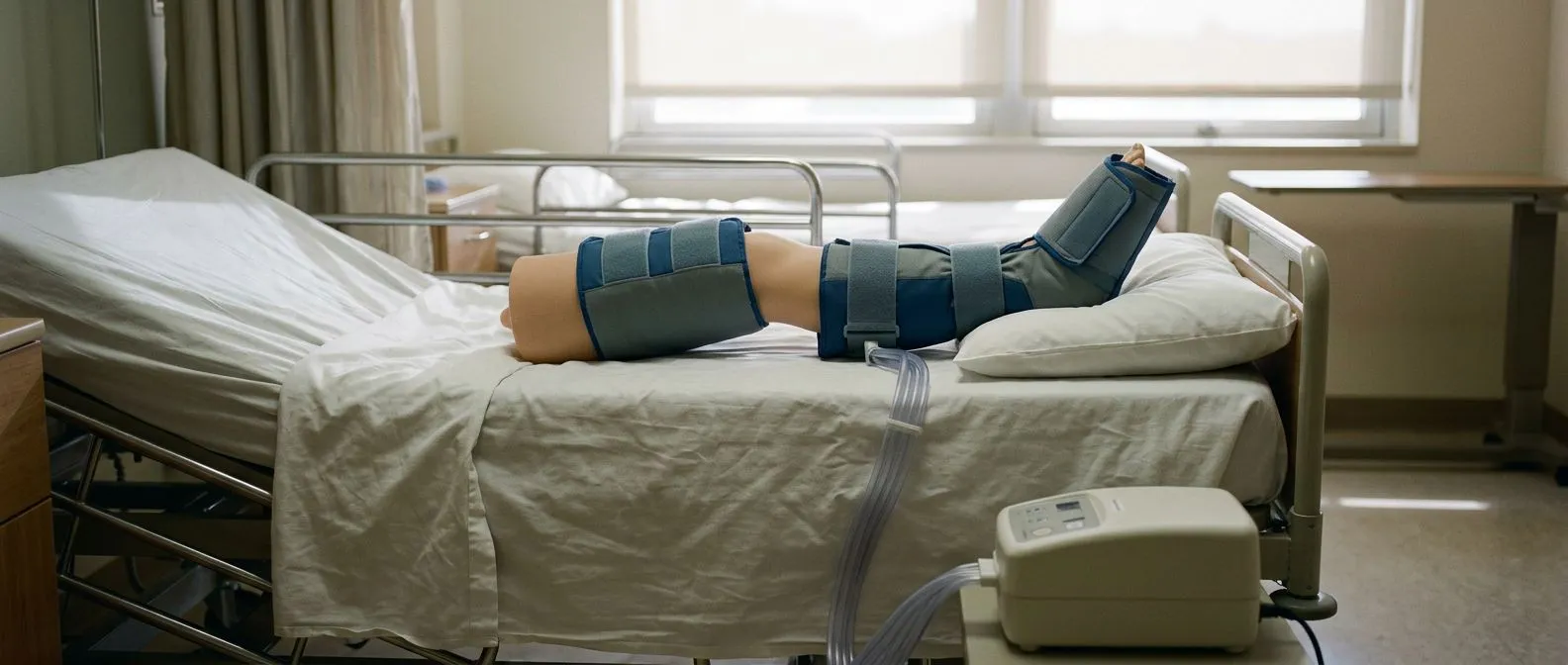
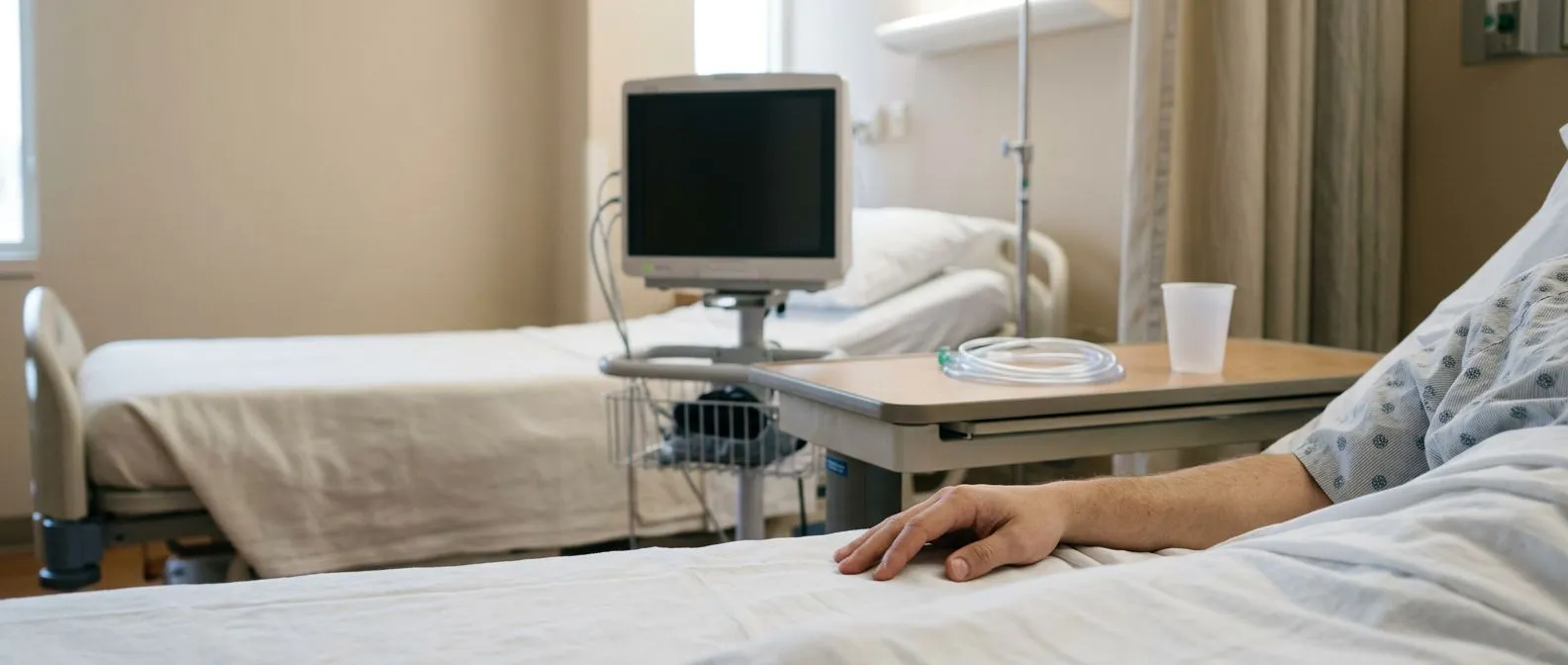
The intensive care environment plays a large role. The Recovery Room and the intensive care unit combine several trauma ingredients at once: sedation with fragmented memory, unfamiliar voices and alarms, restraints, procedures performed on the body without full awareness, and waking with a breathing tube in place. The brain often reconstructs the missing hours as something worse than reality.
Physical sensations become threat signals. After a sternotomy — the opening of the breastbone — every chest twinge can sound like danger. A skipped heartbeat that a healthy person would ignore may feel like the beginning of another crisis. Over time, the nervous system can learn to react to the heart itself as an enemy, which is precisely the loop PTSD reinforces.
Loss of control is the quiet driver. Patients spend hours unable to move, speak, or influence what happens to them. Research on ICU survivors consistently links that sense of helplessness to later traumatic memories. In our consultations we take the time to explain what each study actually shows and what will happen at each stage, in plain words, because patients tell us that understanding the plan in advance makes the hospital period feel far less frightening.
What Are the Signs of PTSD After Cardiac Surgery?
Re-experiencing is usually the first sign families notice. This includes flashbacks of the operating room or resuscitation, nightmares about the hospital, and intense distress when something reminds the patient of the event — a beeping monitor, the smell of disinfectant, even the drive past the hospital.
Avoidance and negative mood follow. Patients may refuse to talk about the surgery, cancel follow-up appointments, withdraw from family, or describe a numb feeling about life. Some become convinced the operation will need repeating, even when the tests are excellent.
Hyperarousal keeps the body on alert. Typical features are:
- Sleeplessness after heart surgery — difficulty falling asleep, waking suddenly with a pounding heart
- Palpitations triggered by ordinary stress, with intense fear that another cardiac event is starting
- Being easily startled by noises, crowds, or unexpected touch on the chest
- Trouble concentrating, irritability, and a persistent sense that something bad is coming
Verywell Health describes how these symptom clusters are assessed in clinical practice (Verywell Health). If several of these have been present for more than a month, it is worth raising them with your cardiologist or a mental health professional rather than waiting for them to fade on their own.
How Is PTSD Different From Depression After Heart Surgery?
Depression after heart surgery centres on loss and low mood. The person may feel sad, hopeless, guilty about becoming a burden, unable to enjoy activities they used to love, or physically slowed. Depression is extremely common after cardiac surgery and deserves treatment in its own right, because it affects motivation for rehabilitation and medication.
PTSD centres on fear and threat. The core emotion is not sadness but dread — the feeling that the danger is not over. The two conditions overlap frequently, and many patients experience both, which is why a proper assessment matters more than guessing from symptoms alone.
A simple way to think about it: depression asks "what is the point?", while PTSD asks "is it going to happen again?". Both questions deserve answers, and both respond well to treatment. In our practice, every case is reviewed by the multidisciplinary team before a recommendation is made, and we treat emotional recovery as part of the plan rather than an afterthought.
Can Surviving Cardiac Arrest Cause PTSD?
Cardiac Arrest is the sudden stop of effective heart pumping, and surviving it is one of the strongest predictors of later PTSD. The patient may have no memory of the arrest itself but vivid memories of waking intubated, confused, and surrounded by people in a strange room. Families who witnessed the resuscitation carry their own trauma and often need support too.
Fear of it happening again shapes daily life. Many survivors become hypervigilant about every heartbeat, avoid exercise, or sleep with the lights on. Others swing the opposite way and take reckless risks, as if to prove the fear wrong. Both patterns are common and both are worth discussing with a professional.
Exercise testing is sometimes used to assess the heart safely after events like suspected myocarditis in athletes, and a structured, supervised Stress Test can also give survivors the reassurance they need to move again ( Methodist DeBakey Cardiovascular Journal). Avoiding activity out of fear tends to prolong anxiety; graded, supervised return to movement usually shortens it.
When Do Emotional Symptoms Usually Appear?
The first two weeks are dominated by physical recovery. Fatigue, pain, and medication effects blur everything. Most patients feel a strange emotional flatness rather than clear distress — partly anaesthetic, partly the body conserving energy.
Weeks three to eight are when symptoms typically surface. As energy returns, the mind catches up with what happened. This is the period when nightmares, flashbacks, and heart surgery recovery anxiety most often appear, sometimes seemingly out of nowhere. Families frequently report that the patient seemed "fine" in hospital and then deteriorated emotionally at home.
Beyond three months, symptoms should be improving. A slow week is normal; a steady worsening over months is not. If symptoms persist past the three-month mark, or worsen at any time, that is the point at which a formal assessment is appropriate rather than optional.
How Does Sleeplessness After Heart Surgery Affect Recovery?
Sleep is when the heart heals and the mind files the experience away. Broken sleep deprives both processes. Nightmares about the hospital, fear of falling asleep, and waking with palpitations create a vicious cycle: poor sleep increases anxiety, and anxiety further breaks sleep.
Practical changes help more than people expect. Keeping a consistent schedule, limiting caffeine after midday, sleeping propped up during the sternotomy healing period, and removing the alarm clock from sight all reduce night-time arousal. If nightmares are frequent and vivid, mention them specifically — targeted therapies exist for exactly this symptom.
Mention sleep at follow-up visits, because patients rarely volunteer it, and persistent sleeplessness after heart surgery is one of the clearest early signals that emotional recovery needs attention alongside the physical.
What Coping Strategies Help After Heart Surgery?
Structure your days, not just your medications. A simple daily rhythm — wake time, a short walk, a meal, rest, a small task, bed at the same hour — gives the nervous system the predictability it lost in hospital. Uncertainty feeds PTSD; routine starves it.
Breathe on purpose. Slow breathing with a longer exhale, practiced for a few minutes several times a day, lowers the physical arousal that drives palpitations and fear. It is not a cure, but it is a tool you can use anywhere, including in the middle of the night.
Reconnect with the heart gradually. Attending cardiac rehabilitation, where a monitored Stress Echocardiogram or exercise programme shows the heart working well, is one of the most effective ways to rebuild trust in your own body. Recovery after heart surgery is emotional as much as physical, and the small steps that rebuild confidence matter:
- Short, planned walks that grow slightly each week — measured progress beats guessing
- Telling one trusted person the full story of what happened, in your own words
- Writing down "what I was afraid of" versus "what actually happened" after a frightening episode
Avoid the two common traps: total avoidance of anything cardiac-related, and pushing through fear so hard that palpitations and panic return. Graded exposure, ideally with professional guidance, sits between them.

When Should You See a Therapist After Heart Surgery?
Seek help when symptoms persist beyond a month, worsen, or limit life. Cancelling appointments you were previously willing to attend, avoiding the staircase you need daily, drinking alcohol to sleep, or feeling that life is not worth living — each of these is a clear signal, not an overreaction.
Treatments for PTSD are well established and effective. Trauma-focused cognitive behavioural therapy, EMDR (a therapy that processes traumatic memories through guided eye movements), and certain medications have strong evidence in cardiac patients. Many people improve within a few months of starting treatment. Nothing about seeking help delays your cardiac recovery — quite the opposite.
You do not have to wait for a diagnosis. Talking to a psychologist early, while symptoms are still mild, prevents many small problems from becoming entrenched ones. We encourage patients to seek second opinions and treat it as a normal part of deciding about heart surgery — and the same openness applies to mental health support: asking for it is a sign of taking recovery seriously.
How Can Your Cardiac Team Support Emotional Recovery?
A good team plans for the mind as well as the chest. Before surgery, patients should be told honestly what the intensive care period will feel like, including the breathing tube and the confusion afterwards. This simple preparation measurably reduces traumatic memories. In our practice, Dr Alejandro Molina and the team review every case together against international practice guidelines before recommending anything, and the patient always receives a clear proposal with the alternatives — because an informed patient enters surgery with a calmer mind.
Recovery is checked, not assumed. A good follow-up looks at the whole picture: wound healing, medications, exercise tolerance, mood, sleep, and whether family members are coping. If symptoms suggest PTSD, we say so plainly and involve the right professionals rather than dismissing it as "just nerves".
The first conversation can be a low-pressure one. Our first contact is a free video consultation: we get to know the patient, talk through the condition, and identify which studies are actually needed before anything is ordered. If you are reading this before surgery and worried about the emotional side, or recovering now and recognising yourself in these pages, raising it in a consultation like that is a reasonable and welcome first step.
Conclusion: Recovering Mentally From Heart Surgery
Post-traumatic stress after heart surgery is real, common, and treatable. The signs — flashbacks after heart surgery, sleeplessness, avoidance, fear of another event — are your mind's attempt to protect you from something that already happened. They respond to time, structure, and, when needed, professional therapy. Families carry part of this load too, and they deserve support as much as patients do.
If you are a patient or family member, do not self-diagnose and do not wait in silence. Bring these questions to a qualified cardiac team — ask about your own recovery, your heart's actual condition, and the emotional support available to you. If you would like to review your situation with our team, you can book a consultation with Dr Alejandro Molina in Guadalajara, Querétaro or Hermosillo, and we will take the time to answer every question before any decision.