Pre-Operative Assessment for Heart Surgery: Tests and Visits
Pre-operative assessment heart surgery patients need: blood work, ECG, echocardiogram, stress tests and anesthesia evaluation.
If you or a family member has just been told you need heart surgery, one of the first things you will hear about is the pre-operative assessment heart surgery teams use before setting a date in the operating room. This is not a formality. It is a careful, structured review of your whole health — your heart, your lungs, your blood, your medications, and your everyday life — designed to answer one question: what is the safest way to treat you? In this guide we walk through every test and visit in that process, what each one actually shows, and how you can prepare for them calmly.
What Is a Pre-Operative Assessment Heart Surgery Patients Need?
The pre-operative assessment is a series of examinations and studies done in the weeks before surgery to map your condition in detail. It is sometimes called the pre-operative cardiac surgery evaluation or the pre-op cardiology workup, and it always begins with an Initial Assessment: a long conversation about your symptoms, your medical history, the medicines you take, and any previous operations or illnesses.
Who performs it? Usually a multidisciplinary team — cardiologists, cardiac surgeons, anesthesiologists and specialized nurses — working from international practice guidelines. At our consulting rooms in Guadalajara, Querétaro and Hermosillo, every case is reviewed by the whole multidisciplinary team against international practice guidelines before a recommendation is given, and the patient receives a clear proposal with the alternatives.
What comes out of it? A written plan. That plan names the tests you still need, the ones you do not, the surgical approach being considered, and the realistic risks for your particular situation. The goal is simple: no surprises in the operating room, and no unnecessary tests along the way.
Why Heart Surgery Pre-Op Tests Matter for Your Safety
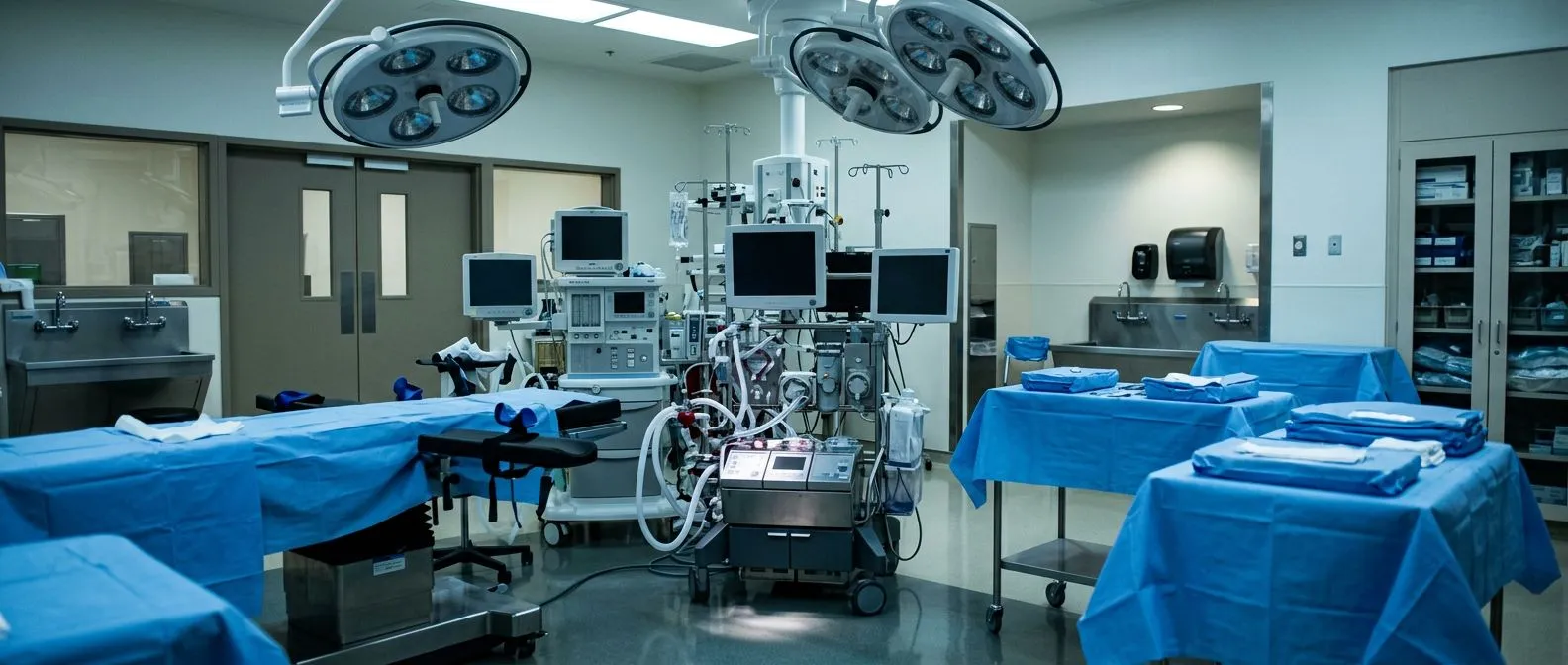
Heart surgery places real demands on the body: the heart is stopped or manipulated, the lungs are managed by a machine, and the blood is thinned with medication. The heart surgery pre-op tests exist to find anything that could raise those risks — a lung problem, a kidney issue, a rhythm disturbance, a narrow coronary artery that changes the surgical plan.
Operative Mortality and how it is estimated. Surgeons use scoring tools such as the EuroSCORE II, which combines factors like age, kidney function, lung disease and urgency, to estimate the risk of death around surgery. These numbers are estimates, not promises — but they guide decisions about whether to operate, when to operate, and which approach carries the lowest risk for your situation.
Finding silent problems. Some findings — a lung that needs support, a valve that was thought to be fine but is not — change the plan before the first incision is made. That is exactly what the assessment is for. In the consultation we take the time to explain what the studies actually show, in plain words, and to answer every question before any decision is made.
What Happens at the Cardiac Surgery Consultation Visit?
The cardiac surgery consultation visit is the first in-person milestone. You will be asked about chest pain, breathlessness, palpitations, dizziness or fainting episodes — including pre-syncope, that feeling of nearly fainting that patients often dismiss. Bring your medication list, your recent test results, and a family member if you wish.
What the surgeon does. A physical examination follows: listening to the heart for murmurs, checking the pulse in the neck and legs, looking at the lungs and the legs for swelling. Then the surgeon explains what surgery is being considered — a valve repair, a bypass, a structural heart procedure — and what the realistic options are, including less invasive ones.
Our first contact is a free video consultation: we get to know the patient, talk through the condition, and say which studies are still needed so no unnecessary ones are ordered; a face-to-face visit at the consulting rooms follows when the patient decides to go ahead. We also encourage second opinions and treat seeking one as a normal part of deciding about heart surgery.

Which Blood Work Is Done Before Heart Surgery?
The pre-operative blood work heart surgery patients undergo is broad but not random. Each tube has a purpose. A typical panel includes:
- Complete blood count: checks for anemia or infection that should be treated before an operation.
- Kidney and electrolyte panel: the kidneys process the medications used during surgery, so this result shapes drug choices and fluid management.
- Coagulation studies: how fast your blood clots matters enormously when a heart operation involves anticoagulation.
- Liver Function Tests: the liver clears many of the anesthesia drugs, and abnormal results can change the plan.
Why it matters. Abnormal results rarely cancel surgery on their own. What they do is alert the team so that everything — medication doses, timing, monitoring — can be adjusted in advance. If you have a family member helping coordinate appointments, ask the office for the list of studies required so blood draws can be done in a single visit where possible.
Electrocardiogram Before Heart Surgery: What It Shows
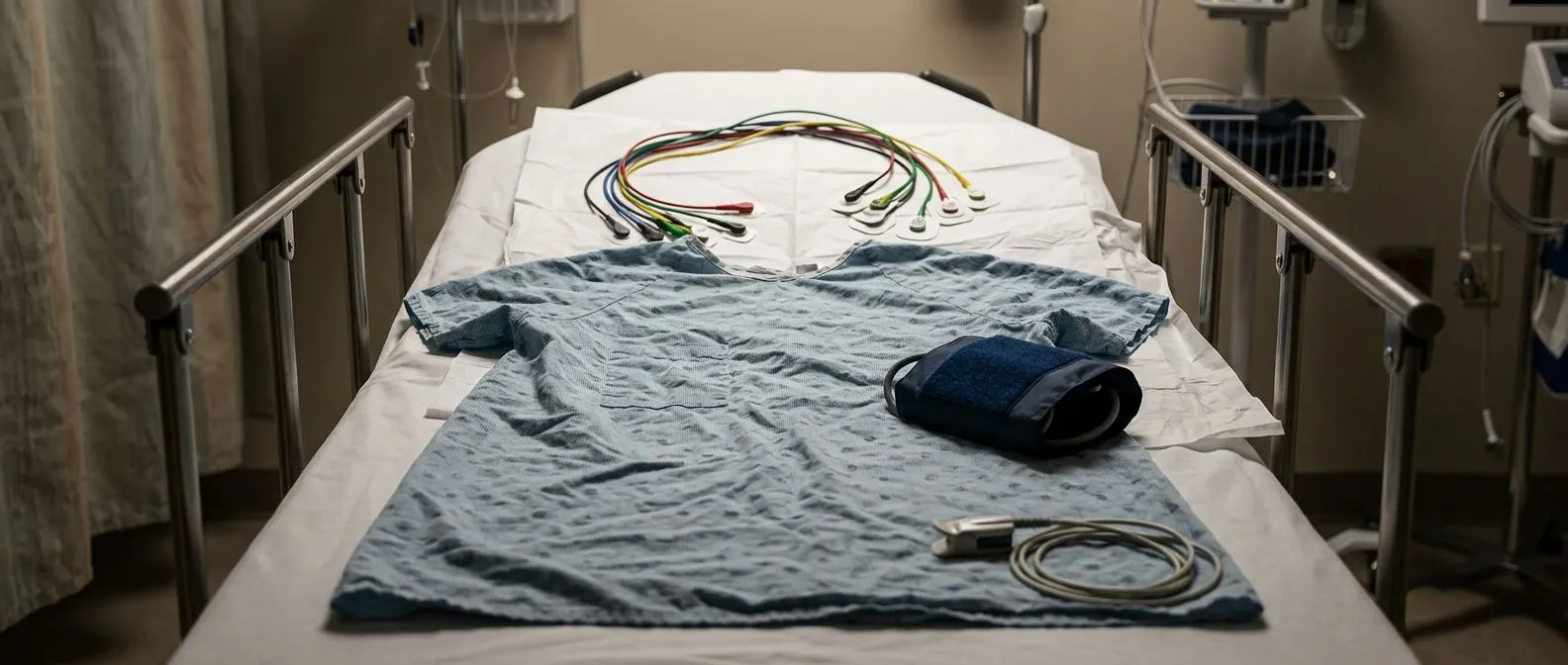
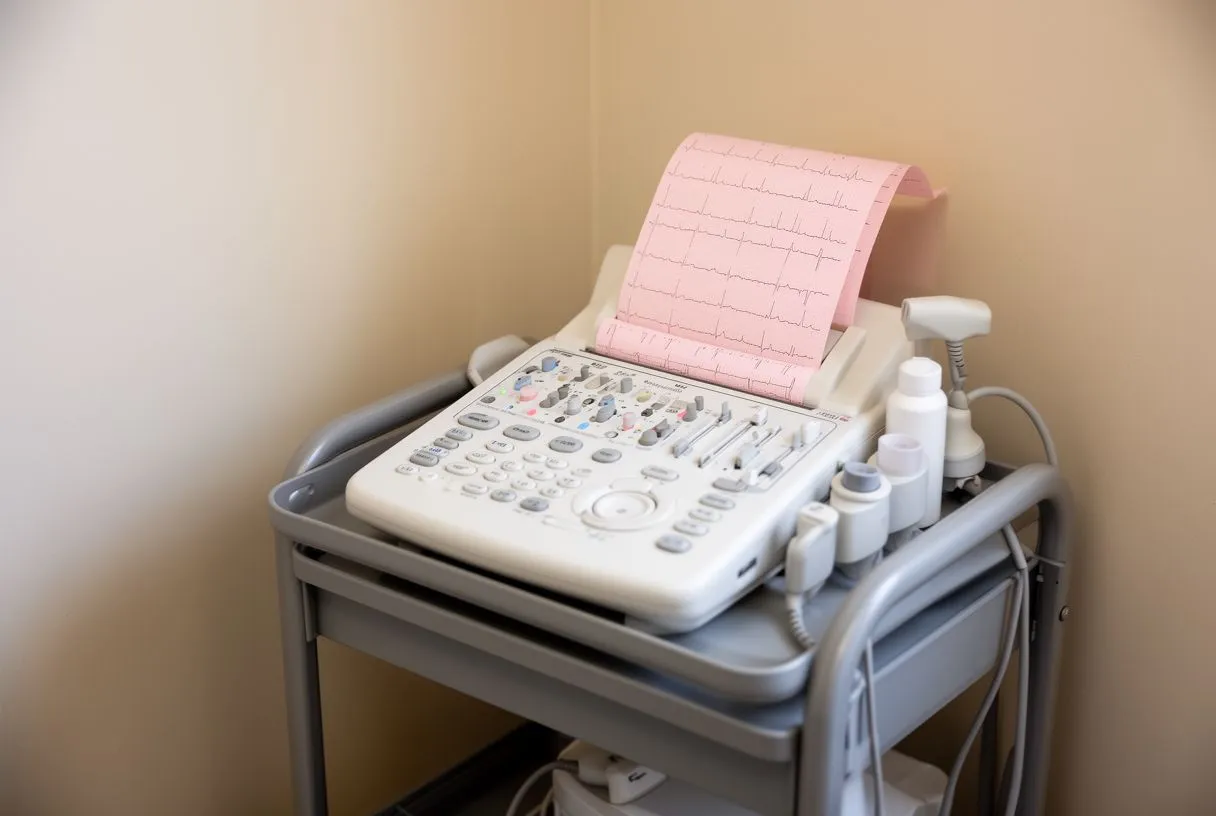
The electrocardiogram before heart surgery — the ECG — is a quick, painless recording of the heart's electrical activity. Sticky electrodes on the chest capture each beat, and the tracing reveals the rhythm, the heart rate, and signs of old heart attacks, thickened heart muscle, or conduction blockages.
What changes the plan. An irregular rhythm such as atrial fibrillation may need medication adjustments before surgery. A pattern suggesting reduced blood flow to the heart muscle may prompt further testing with a stress study or a catheterization. A completely normal ECG, on the other hand, is reassuring but rarely the final word — it is one piece of the puzzle.
Painless and fast. The whole test takes a few minutes. No needles, no preparation, no fasting. You can usually have it done the same morning as other studies.
Echocardiogram Pre-Surgery: Seeing Your Heart Move
The echocardiogram pre-surgery is perhaps the single most informative study for most cardiac operations. It is an ultrasound of the heart — the same technology used in pregnancy — and it shows the chambers, the valves, and the pumping strength in real time, with no radiation and no needles.
Why surgeons rely on it. The echo measures the ejection fraction, which is the percentage of blood the heart pumps with each beat, and it grades the severity of valve disease. It is the study that tells a surgeon whether a mitral valve can be repaired, whether an aortic valve needs replacing, and what the heart's reserve looks like. Its practical role in planning low-risk non-cardiac surgery has been examined in detail in the cardiology literature (see Frontiers in Cardiovascular Medicine).
Sometimes a transesophageal echo. When the images through the chest are unclear, a thin probe is passed into the esophagus under light sedation to get close-up views of the valves. For complex valve cases — including mixed rheumatic tricuspid disease, where preoperative evaluation details matter enormously — our team reviews every imaging study together before recommending an approach (see Kardiochirurgia i Torakochirurgia Polska).
Stress Test and Cardiac Catheterization Pre-Op
When the question is "is there blocked blood flow that surgery must address?", two studies answer it. The Stress Test — often a Treadmill Test or a pharmacological equivalent — watches how the heart responds to exertion. A cardiac catheterization pre-op goes further: a thin tube is guided into the coronary arteries and dye is injected to show any narrowings directly on X-ray.
Which one do you need? It depends on your symptoms and what earlier tests showed. Many patients coming for valve surgery already have a catheterization; others may only need a stress study. The team decides based on guidelines, not habit.
What the experience is like. A stress test is exercise on a treadmill with ECG monitoring, or medication that simulates exercise if you cannot walk comfortably. Catheterization is done with local anesthesia at the wrist or groin; most patients go home the same day. Because we perform conventional, minimally invasive, robotic and transcatheter procedures, the catheterization images often determine which of those approaches we recommend — the less invasive route only where the evidence supports it for that patient.
The National Heart, Lung, and Blood Institute offers clear patient-facing guidance on why these pre-surgery evaluations are standard practice in the United States and elsewhere (see National Heart, Lung, and Blood Institute).
Chest X-Ray and Pulmonary Function Tests Before Heart Surgery
The pre-operative chest x-ray heart teams order is quick and inexpensive, yet it catches important information: the size and shape of the heart, the state of the lungs, and any infection that should clear up before an operation.
Pulmonary Function Tests add numbers. These are breathing maneuvers into a machine that measure how much air your lungs hold and how fast you can move it. For patients who smoke, have asthma, or have chronic lung disease, the results tell the anesthesia team what to expect and what to prepare for.
Stopping smoking before surgery. Even a few weeks without cigarettes measurably reduces lung complications. If you smoke, raise it at your consultation — the team can help you plan. Lung function review is often part of pre-surgical protocol discussions, because the lungs and the heart share the same surgery day.
Anesthesia Evaluation Cardiac Surgery: What to Expect
The anesthesia evaluation cardiac surgery patients complete is a dedicated visit with the anesthesiologist — the physician who keeps you safe and asleep during the operation. It covers your airway, your neck and mouth anatomy, your history with anesthesia, any allergies, and every medication you take, including supplements and blood thinners.
Medication instructions. Some drugs must be stopped days before surgery — particularly blood thinners, certain diabetes medications, and some supplements. This is a critical part of the Pre-Surgical Protocol, and the team will give you precise written instructions. Never stop a medication on your own.
Questions you should ask. How will you be kept asleep? Will you be on a heart-lung machine? What pain control is planned afterward? A good anesthesia team welcomes these questions.
Pre-Operative Assessment Checklist Heart Surgery Patients Can Use
A practical pre-operative assessment checklist heart surgery patients can follow makes the whole process calmer. Bring these to every appointment:
- Your full medication list — including doses, supplements, and any recent antibiotic courses.
- All prior test results — echo reports, catheterization films, ECGs, lab work from other hospitals if you have them.
- Your symptom diary — when breathlessness or chest discomfort appears, and what triggers it.
- Insurance and travel documents — especially for international patients arranging care in Mexico.
- Your questions in writing — so nothing is forgotten in the moment.
A note on heart surgery risk assessment. Every result feeds into the heart surgery risk assessment your team performs — the scoring, the guidelines review, the final recommendation. Nothing about it is automatic; it is a judgment made by people who have seen many hearts like yours. Dr Molina trained in cardiothoracic surgery at the Universidad de Guadalajara, in cardiac, minimally invasive, robotic and structural surgery at the University of Montreal, and in structural cardiology and TAVR at CHU Bordeaux — and every recommendation still goes through the same team review before it reaches the patient.
Completing a pre-operative assessment for heart surgery takes time and several appointments, but each study has a clear purpose: to define your condition precisely and to choose the safest path forward. Bring your questions, ask for plain explanations, and remember that a second opinion is a normal, sensible step. If you are weighing surgery for yourself or a loved one, discuss your situation with a qualified cardiac team — we are a multidisciplinary team of cardiac surgeons led by Dr Alejandro Molina, and we are glad to start with a free video consultation so you know exactly which studies you need and which you do not.