

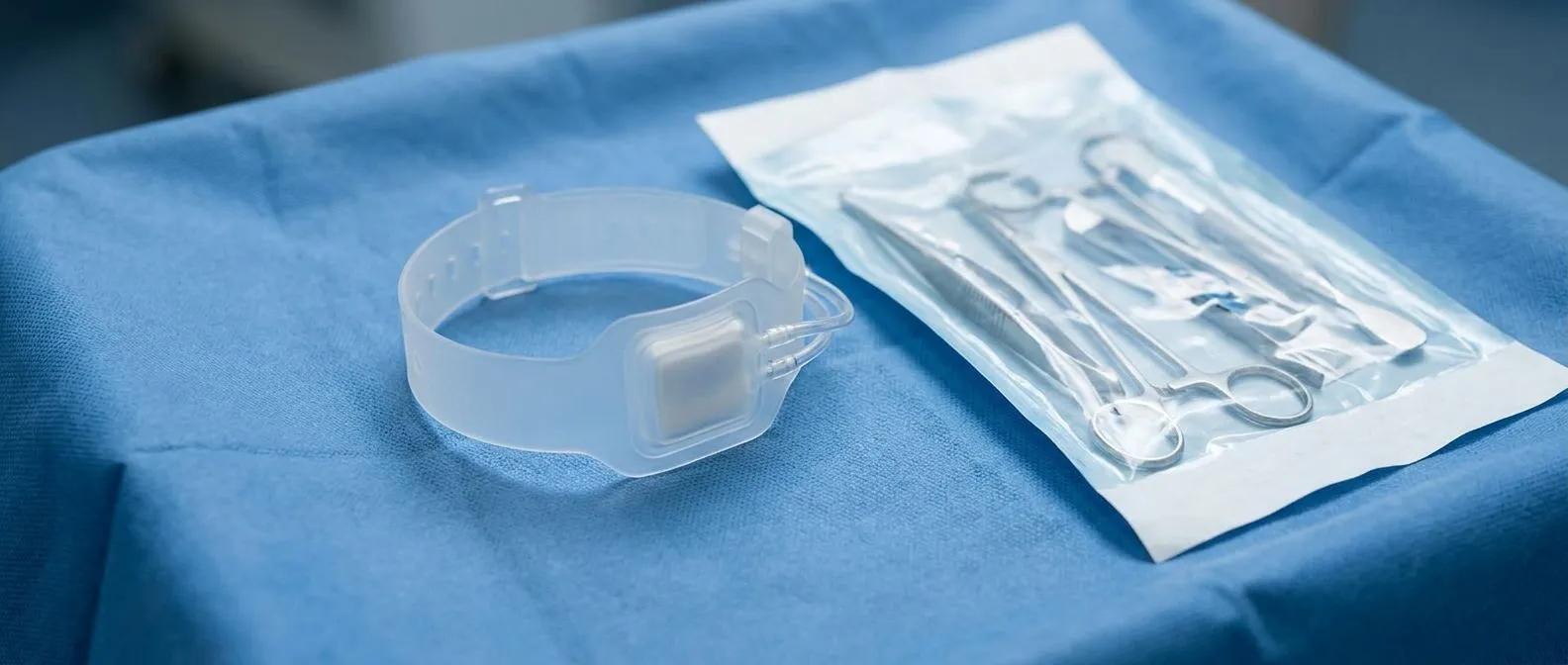
Radial Artery Access and Grafts in Heart Procedures
Radial artery heart procedures offer safer access and durable bypass grafts.
What Are Radial Artery Heart Procedures?
The radial artery is the blood vessel that runs along the underside of your forearm — the same pulse point a clinician feels when checking your wrist. In modern cardiology, this artery has become a gateway for both diagnostic procedures and surgical treatments. Radial artery heart procedures encompass two broad categories: using the artery as an access point for catheter-based interventions (transradial cardiac catheterization), and using a segment of the artery as a graft during coronary artery bypass surgery. Both applications take advantage of the vessel's size, durability, and accessibility, and both have transformed how cardiac teams approach patient care.
When a cardiologist needs to examine your coronary arteries — to locate blockages, measure pressures, or place stents — they traditionally threaded a catheter through a large artery in the groin. Transradial cardiac catheterization instead passes that same thin tube through the wrist artery. After a thorough assessment that may include auscultation (listening to heart sounds with a stethoscope) and blood tests, the team numbs the wrist and guides the catheter upward into the heart. The approach has gained wide acceptance because the radial artery sits close to the surface and is easy to compress, which reduces bleeding complications at the access site.
On the surgical side, the radial artery serves as an excellent conduit — a replacement pipe — for coronary bypass. When atheromatous plaque builds up in the arteries feeding the heart muscle, surgeons can reroute blood flow using a healthy vessel harvested from elsewhere in the body. The radial artery, with its muscular wall and resistance to disease, has proven to be a durable choice for this purpose. Many cardiac programs now prefer it over vein grafts for certain coronary targets, especially when total arterial revascularization is the goal.
How Does Transradial Cardiac Catheterization Work?
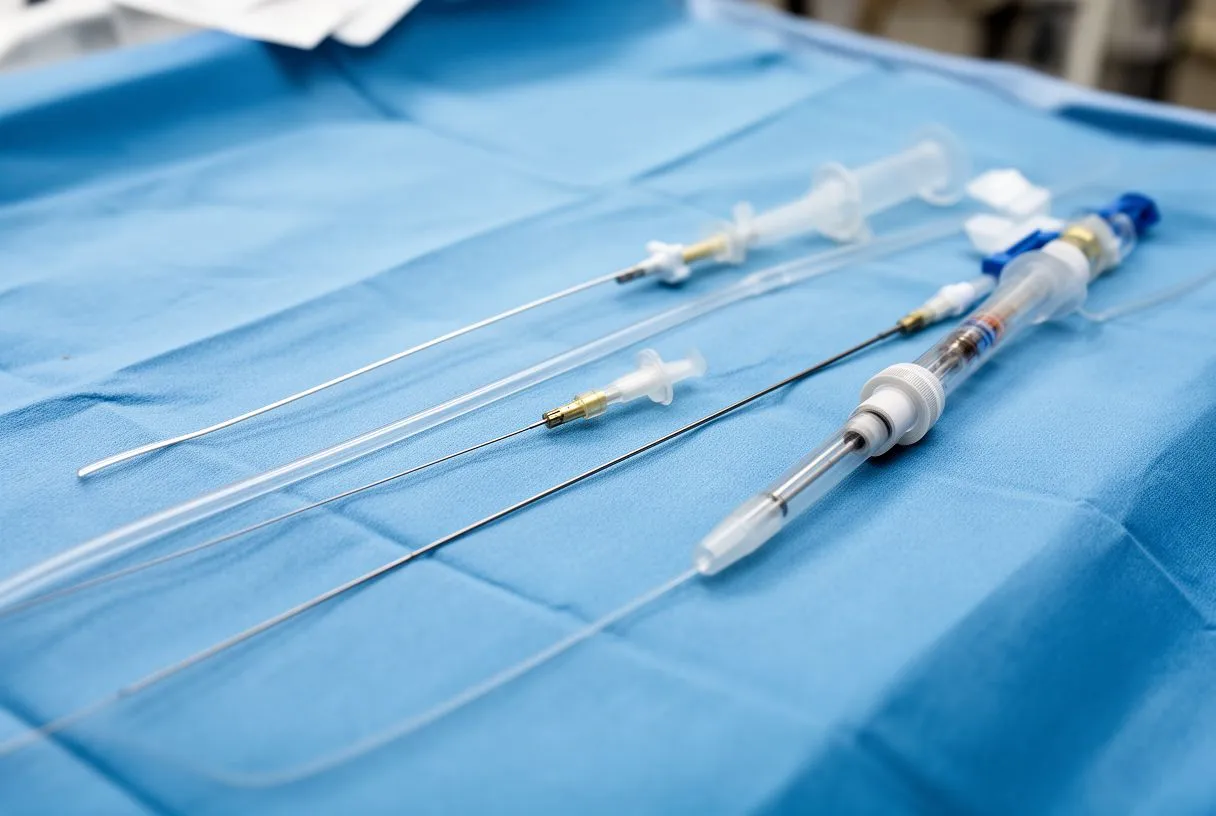
Transradial cardiac catheterization begins with the patient lying flat on an examination table, typically sedated but awake. The cardiologist locates the radial pulse at the wrist, cleans the area, and injects a local anesthetic. A small needle is inserted into the artery, through which a thin sheath is placed — this sheath acts as a stable entry port for the catheter. An arterial line, essentially a monitoring pathway, may also be established to track blood pressure throughout the procedure.
What happens once the catheter is inside? The cardiologist threads a long, flexible catheter up through the arm, across the shoulder, and into the chest, navigating it toward the heart's coronary arteries. Contrast dye is injected, and X-ray imaging (fluoroscopy) reveals any blockages in real time. If a narrowing is found, the team may perform balloon angioplasty — inflating a tiny balloon to compress the plaque against the artery wall — and often place a stent to keep the vessel open. According to Cleveland Clinic, the radial approach is now the preferred method for many catheterization procedures because it significantly lowers the risk of major bleeding at the access site compared with the femoral route.
How does the procedure end? After the intervention, the sheath is removed and a tight compression band is applied to the wrist. Because the radial artery is superficial and supported by bone and tendon underneath, pressure can be controlled precisely. Most patients sit up and walk within minutes, a stark contrast to the hours of flat-bed rest required after femoral access. The compression device is gradually loosened over the following hours, and discharge typically occurs the same day.
Radial Artery vs Femoral Access Comparison
For decades, the femoral artery in the groin was the standard entry point for cardiac catheterization. It is a large vessel that accommodates wide-bore catheters, and it allows relatively straightforward navigation to the heart. However, the femoral approach carries a meaningful risk of bleeding, hematoma, and retroperitoneal hemorrhage — complications that can extend hospital stays and, in rare cases, require transfusion or surgery.
The radial approach addresses these concerns directly. Because the wrist artery is small and easily compressible, bleeding at the puncture site is rare and almost always manageable with manual pressure. Patients who undergo transradial procedures experience fewer access-site complications overall and tend to mobilize and be discharged sooner. The trade-off is that the radial artery has a smaller diameter, which can make catheter manipulation more technically demanding, and a small percentage of patients have an incomplete arterial circle in the hand — meaning blood supply to the palm depends more heavily on the radial artery, making it less ideal for harvesting as a graft.
Choosing between the two approaches depends on the patient's anatomy, the complexity of the planned intervention, and the operator's experience. For straightforward diagnostic angiograms and many stenting procedures, radial access is increasingly the default. For situations requiring large catheters, mechanical support devices, or when the radial artery cannot be safely used, the femoral route remains a reliable and well-understood alternative.
- Bleeding risk: Radial access has a markedly lower rate of major access-site bleeding compared with femoral access.
- Mobility: Patients can sit up and walk almost immediately after radial catheterization; femoral access requires hours of bed rest.
- Vessel size: The femoral artery is larger, supporting bigger catheters and mechanical support devices when needed.
- Hand perfusion: Radial harvesting requires confirming that the hand has adequate blood supply from the ulnar artery via a collateral circulation test.
What Is Radial Artery Grafting in Coronary Bypass?
Coronary artery bypass grafting (CABG) is a surgical procedure that creates new routes for blood to reach the heart muscle when the native coronary arteries are blocked by atheromatous plaque — a fatty, calcified deposit that narrows the vessel. Surgeons harvest a healthy blood vessel from elsewhere in the body and attach it beyond the blockage, restoring flow. The radial artery, when used for this purpose, becomes an arterial graft — a living conduit that carries oxygenated blood to the myocardium.
Which grafts are typically used together? The most commonly used grafts historically have been the internal thoracic artery (from inside the chest wall) and the saphenous vein (from the leg). The internal thoracic artery, attached to the front of the heart near the ascending aorta, has the best long-term track record. Vein grafts, while easier to harvest, tend to degenerate over time. The radial artery fills a valuable middle ground: it is an artery, not a vein, so it has the muscular wall structure that resists the pressures of the arterial circulation, and it has shown better long-term patency than vein grafts when used to bypass certain coronary vessels.
Who qualifies for radial artery grafting? Not every patient is a candidate. Before harvesting the artery, the surgical team must confirm that the hand will continue to receive adequate blood flow from the ulnar artery, the other major vessel supplying the wrist. A simple bedside test — compressing both wrist arteries and asking the patient to open and close the hand — confirms whether collateral circulation is sufficient. Patients with conditions that affect small-vessel health, such as severe diabetes or Raynaud's phenomenon, may be better served by alternative grafts. Elevated Apolipoprotein B levels, which signal higher cardiovascular risk, are also factored into the overall surgical planning and postoperative medication strategy.
How Is the Radial Artery Harvested for Surgery?
When a patient is scheduled for coronary bypass and the surgical plan includes a radial artery graft, harvesting takes place at the beginning of the operation, while the patient is under general anesthesia. The surgeon makes an incision along the forearm — traditionally a long, open cut from wrist to elbow, though many programs now use endoscopic radial harvesting, which requires only a small incision near the wrist and uses a camera and specialized instruments to remove the artery through that limited opening.
What does the hand rely on afterward? The radial artery is carefully dissected free from surrounding tissue, with side branches clipped or cauterized. Because this artery is being repurposed as an autograft — tissue moved from one part of the body to another in the same patient — there is no risk of rejection. The artery is then flushed with a preservation solution and kept ready for grafting. The hand and forearm, now relying on the ulnar artery for blood supply, typically adapt without difficulty. Arm pain after surgery is usually mild and resolves within days to weeks, though careful testing beforehand ensures the hand will not be compromised.
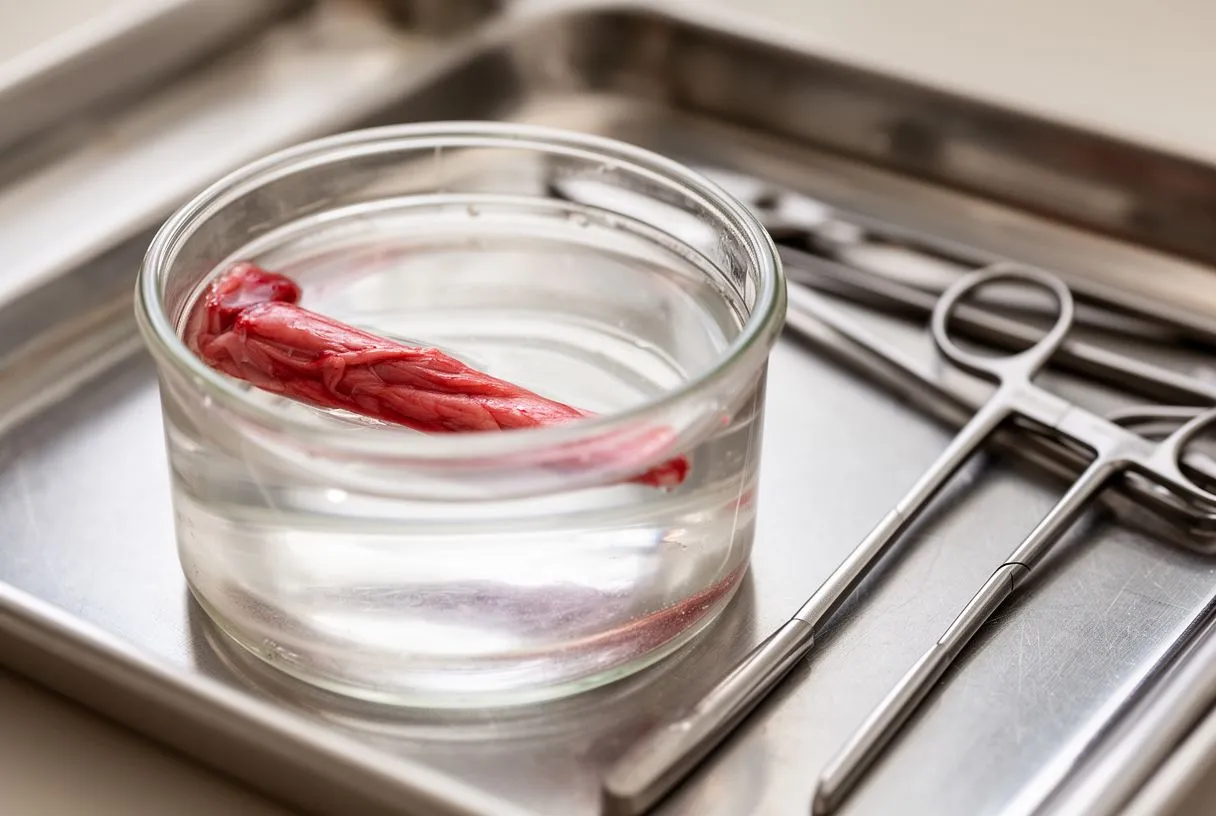
The cosmetic and functional outcome of radial harvesting has improved significantly with endoscopic techniques. The smaller incision means less postoperative discomfort, a shorter scar, and a faster return to normal use of the arm. Patients are generally advised to avoid heavy lifting or repetitive gripping with the harvested arm for several weeks, but full function returns for the vast majority of people. Before surgery, the cardiac team will discuss which graft strategy offers the lowest risk for your situation, weighing factors like target vessel size, the extent of coronary disease, and the availability of suitable conduits.
Radial Artery Patency and Graft Longevity
The single most important measure of a bypass graft's success is patency — whether it remains open and carries blood to the heart over the long term. Radial artery grafts have been studied extensively, and the data consistently show that when they are used to bypass high-grade stenoses (severe blockages) in target vessels, their patency rate is excellent. The reason lies in the artery's biology: the radial artery has a thick muscular wall that resists the intimal hyperplasia and atherosclerosis that cause vein grafts to fail over time.
Several factors influence how long a radial artery graft stays open. The severity of the target coronary stenosis matters — radial grafts connected to vessels with moderate rather than severe blockages are more prone to competitive flow, where blood takes the path of least resistance and the graft narrows. Medication also plays a critical role. Patients typically take aspirin and other antiplatelet agents to prevent clot formation, and calcium channel blockers may be prescribed to reduce the risk of arterial spasm in the graft. Long-term management of risk factors — controlling blood pressure, managing Apolipoprotein B levels, and addressing atrial flutter or other rhythm disturbances — contributes to graft survival. This aligns with broader evidence that overcoming clinical inertia in the treatment of heart failure is essential for durable outcomes, as highlighted by research on clinical inertia in the treatment of heart failure.
Patients should understand that graft longevity is a shared responsibility. The surgeon's technique, the choice of target vessel, and the patient's adherence to medication and lifestyle changes all interact. Regular follow-up with a cardiac team — including stress testing or imaging when symptoms change — helps detect problems early, when they are most treatable. A graft that begins to narrow can sometimes be rescued with medication adjustments or, in select cases, with a targeted catheter intervention before it closes completely.
What Complications Can Occur With Radial Access?
Radial artery procedures are generally safe, but like any medical intervention, they carry risks. For transradial catheterization, the most common issues are minor and self-limiting. Some patients experience transient spasm of the radial artery during sheath insertion, which can be managed with medication delivered through the sheath itself. Bruising and tenderness at the puncture site are normal and resolve within a week or two.
What about radial artery occlusion? Radial artery occlusion — where the artery clots and does not reopen after catheterization — occurs in a small percentage of patients. In most cases this is silent because the ulnar artery continues to supply the hand, but it means the same radial artery cannot be used for future access. Rarely, patients may present with an atypical infarction pattern or signs of hand ischemia if collateral circulation is inadequate. Hematomas can occasionally compress the median nerve, causing numbness or weakness, though this typically resolves with conservative management. Infection at the access site is exceedingly rare but possible.
What about complications from surgical harvesting? For surgical harvesting, the main concern is ensuring the hand's blood supply is not compromised after the artery is removed. Preoperative testing is thorough, but patients with conditions that affect circulation — diabetes, peripheral arterial disease, or connective tissue disorders — require especially careful evaluation. The decision to harvest the radial artery is always individualized, and the cardiac team will discuss whether this approach presents the lowest risk for your situation before proceeding.
Radial Access Recovery Time and Expectations
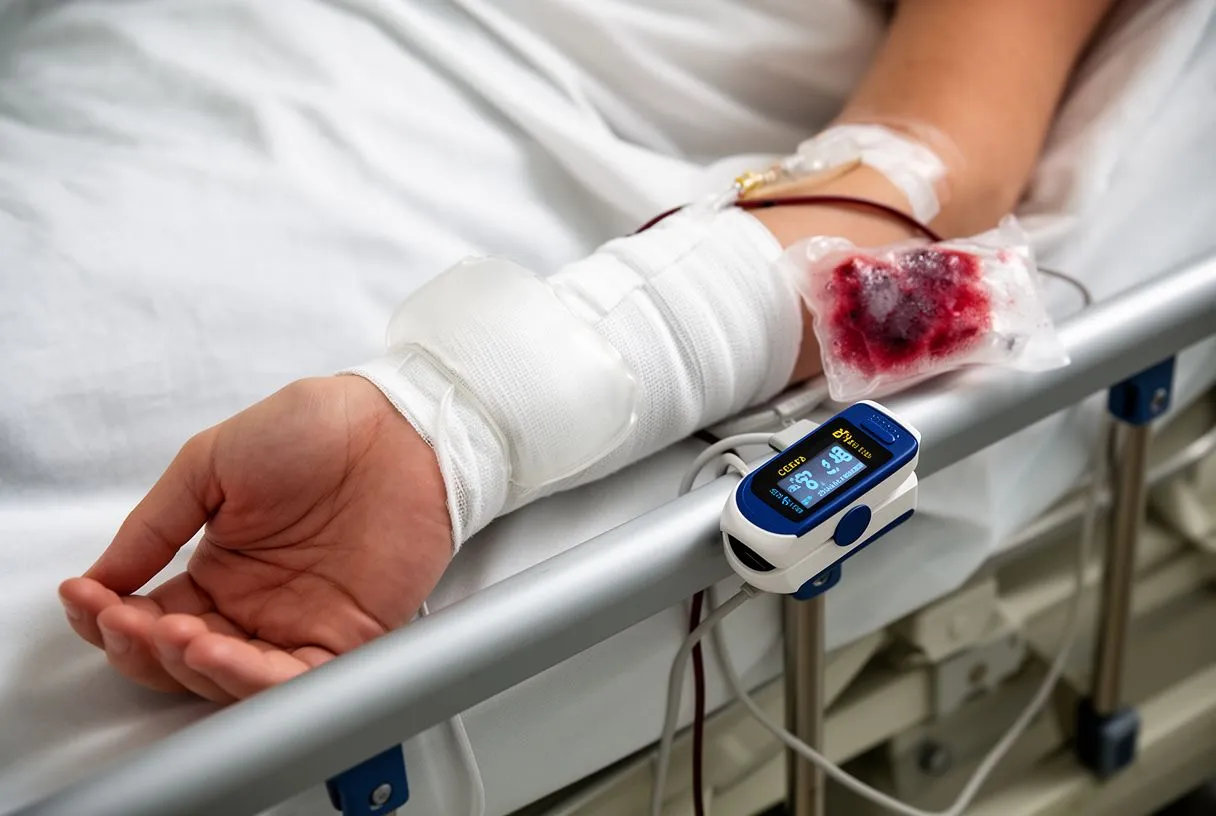
Recovery from transradial cardiac catheterization is notably swift. After the compression band is applied to the wrist, most patients are monitored for a brief period — typically one to four hours — before discharge. The band is gradually loosened to restore full circulation while maintaining hemostasis. Patients can usually go home the same day, with instructions to avoid strenuous activity with that arm for several days.
Specific guidelines help ensure smooth healing. The puncture site should be kept clean and dry for the first twenty-four hours. Patients may notice a small bruise or a tiny lump at the wrist, both of which are normal. Any expanding bruise, persistent numbness, coolness or pallor in the hand, or worsening pain warrants immediate contact with the medical team. The compression band schedule provided by your nurse should be followed precisely, as premature removal can lead to rebleeding.
- First 24 hours: Keep the wrist dry; avoid lifting more than a few pounds; do not flex the wrist repeatedly.
- Days 2–7: Gradual return to light activity; bruising fades; mild soreness is expected and manageable.
- Week 2: Most patients resume normal arm use; the puncture site should be fully healed.
- Red flags: Numbness, cold or pale fingers, expanding hematoma, or severe pain require urgent evaluation.
For patients undergoing radial artery harvesting as part of bypass surgery, the recovery timeline is governed by the sternotomy (chest incision) healing, which takes six to eight weeks. The forearm incision itself heals faster, and arm function typically returns to baseline within two to three weeks for endoscopic harvesting, or four to six weeks for open techniques. Physical therapy may be recommended to restore full grip strength, and most patients regain complete use of the harvested arm within three months.
Total Arterial Revascularization Explained
Total arterial revascularization is a surgical strategy that uses only arteries — never veins — as bypass grafts. The rationale is straightforward: arterial grafts, including the radial artery and the internal thoracic arteries, last longer and develop fewer blockages than vein grafts over the years following surgery. When a surgeon can construct every bypass using arterial conduits, the long-term need for repeat intervention drops significantly.
This approach typically combines both internal thoracic arteries (left and right) with one or two radial artery grafts. The ascending aorta serves as the origin point for some grafts, while others are attached in a sequential fashion to maximize the number of coronary branches served by a single conduit. The radial artery's length and caliber make it versatile — it can reach the back of the heart to bypass the right coronary artery or its branches, and it can be anastomosed to the circumflex system on the lateral wall. Understanding the range of congenital and structural variations in cardiac anatomy is important, as global research on the birth prevalence of congenital heart defects, detailed in a systematic review of 260 studies, underscores how vascular anatomy can vary — a principle that extends to adult coronary and graft anatomy as well.
Total arterial revascularization is not appropriate for every patient. It requires adequate arterial conduits, suitable target vessels, and a surgeon experienced in the technique. For patients who are good candidates, it represents the most durable surgical option available, with evidence supporting improved freedom from repeat revascularization and, in some studies, better long-term survival compared with conventional grafting that includes veins. The decision depends on a detailed review of your angiogram, your overall health, and a frank discussion of risks and benefits.
Are Radial Artery Heart Procedures Right for You?
Deciding whether a radial artery approach — whether for catheterization or for bypass grafting — is appropriate depends on a thorough evaluation by a qualified cardiac team. The decision is never one-size-fits-all. Your anatomy, the specific coronary disease pattern, comorbidities, and even the preference and experience of your interventional cardiologist or surgeon all play a role. For catheterization, radial access is now the default in many centers, but certain complex cases still require femoral access. For bypass surgery, the use of the radial artery as a graft is a decision made after reviewing your coronary anatomy on angiogram and confirming adequate hand circulation.
The benefits of radial artery heart procedures are well documented, but they must be weighed against your individual circumstances. A patient with severe peripheral vascular disease, for example, may not be a candidate for radial harvesting even if the coronary anatomy is ideal. Similarly, a patient who needs a complex multivessel intervention requiring large-bore catheters may be better served by femoral access for that specific procedure. These are nuanced decisions that require the judgment of a team that has reviewed your imaging and examined you in person.
If you or a loved one is facing a cardiac procedure and you have questions about whether the radial artery approach is appropriate, the most important step is a direct conversation with your cardiac team. At Cirugía de Corazón, Dr Alejandro Molina and his team in Guadalajara, Querétaro, and Hermosillo take the time to explain each option, review your imaging, and recommend the approach that carries the lowest risk for your situation. The information in this article is intended to help you understand the conversation — not to replace it. We encourage you to book a consultation to discuss your specific case, ask questions, and make an informed decision with expert guidance at your side.






