Saphenous Vein Harvest for Bypass Surgery: Leg Recovery
Recovery after saphenous vein harvest bypass patients get leg pain care tips, swelling relief, and scar healing timelines.
What Is Saphenous Vein Harvest Bypass Surgery?
Why the leg is involved in heart surgery: When a patient requires a coronary artery bypass, the cardiac surgeon needs a healthy blood vessel to reroute blood around a blockage in the heart. The great saphenous vein, which runs along the inner thigh and calf, is often chosen because it is long, easily accessible, and leaving it in the leg does not typically compromise overall circulation. During a saphenous vein harvest bypass procedure, this vessel is carefully removed and prepared to serve as a new pathway for blood to reach the heart muscle, bypassing the diseased segment. The goal is to restore consistent blood flow to the heart, relieving symptoms like chest pain and reducing the risk of future heart attacks.
The anatomy of the bypass graft: Once the vein is harvested, it is reversed so that the valves inside it do not obstruct blood flow, and it is attached to the heart. One end is usually sewn to the aorta—the body's main artery, specifically the ascending aorta which carries oxygenated blood away from the heart—and the other end is attached downstream of the coronary blockage. This harvested vein acts as an autograft, meaning it is a tissue transplanted from one part of your body to another, reducing the risk of rejection. In some cases, your surgical team may prefer an arterial graft, such as the internal mammary artery, for certain bypasses because of its long-term durability, but the leg vein remains a workhorse for multi-vessel bypasses.
Setting expectations for the procedure: Undergoing a saphenous vein harvest bypass means you will have incisions in both your chest and your leg. The blockages in your heart are often caused by an atheromatous plaque, a buildup of cholesterol and fats that narrows the arteries. While the chest incision heals relatively quickly under the protection of the ribcage, the leg incision is subjected to the pressures of standing, walking, and gravity, which makes leg recovery a distinct and important part of your healing journey. Understanding how this vein is removed and how the leg heals is crucial for a smooth recovery and a successful return to daily life.
How Endoscopic Vein Harvesting Works
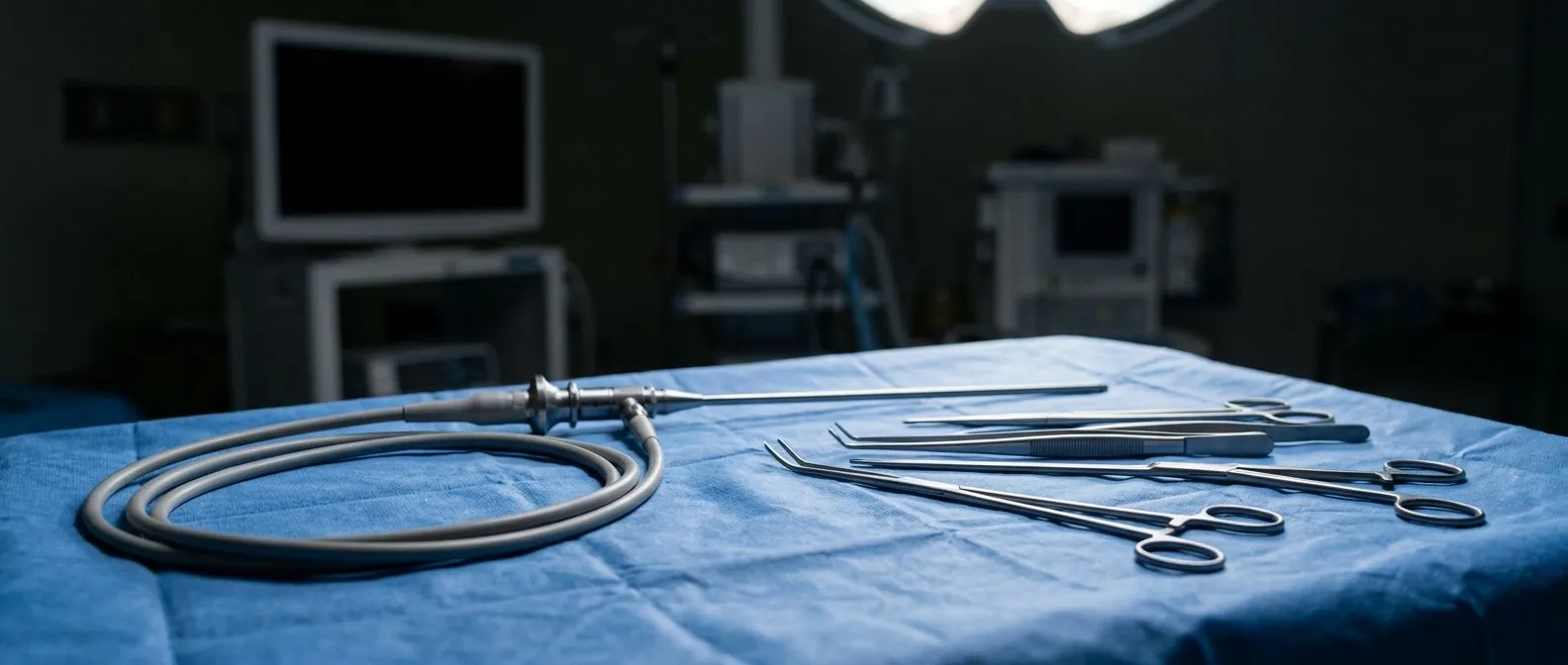
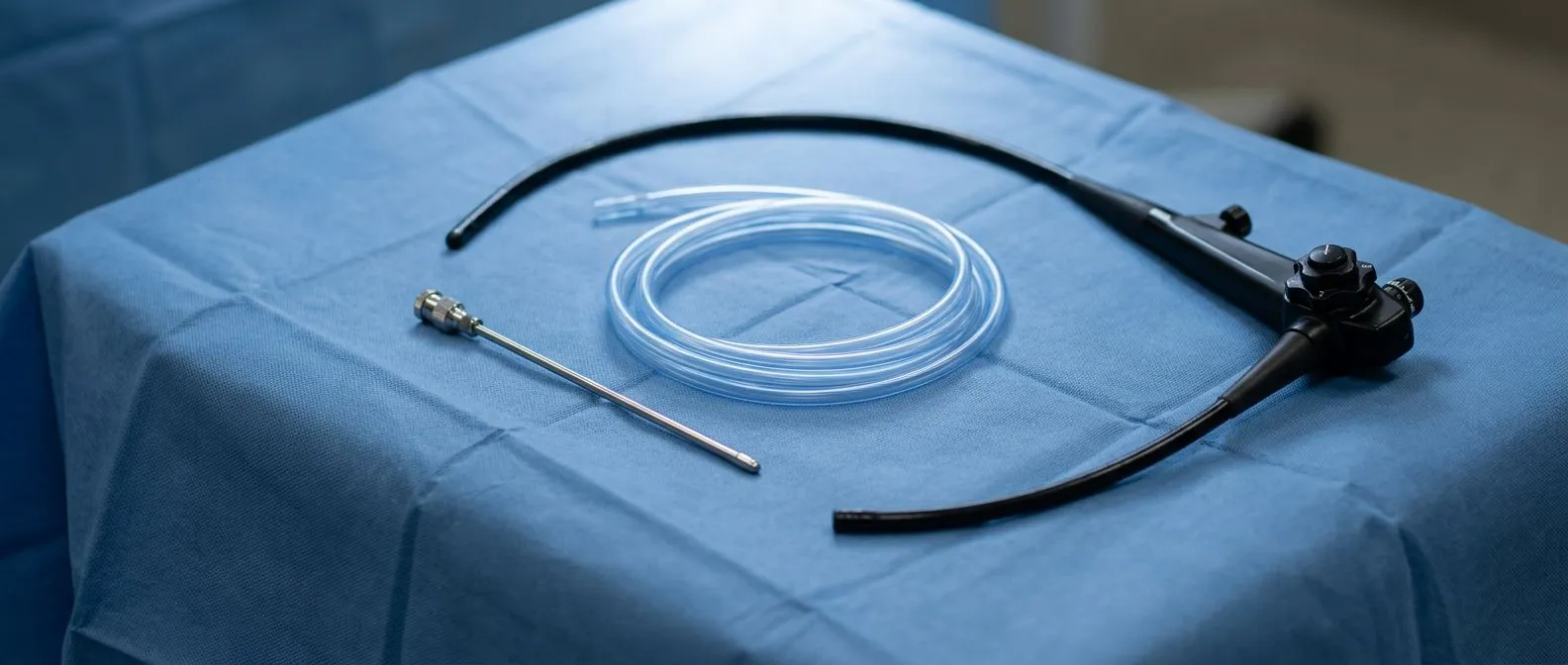
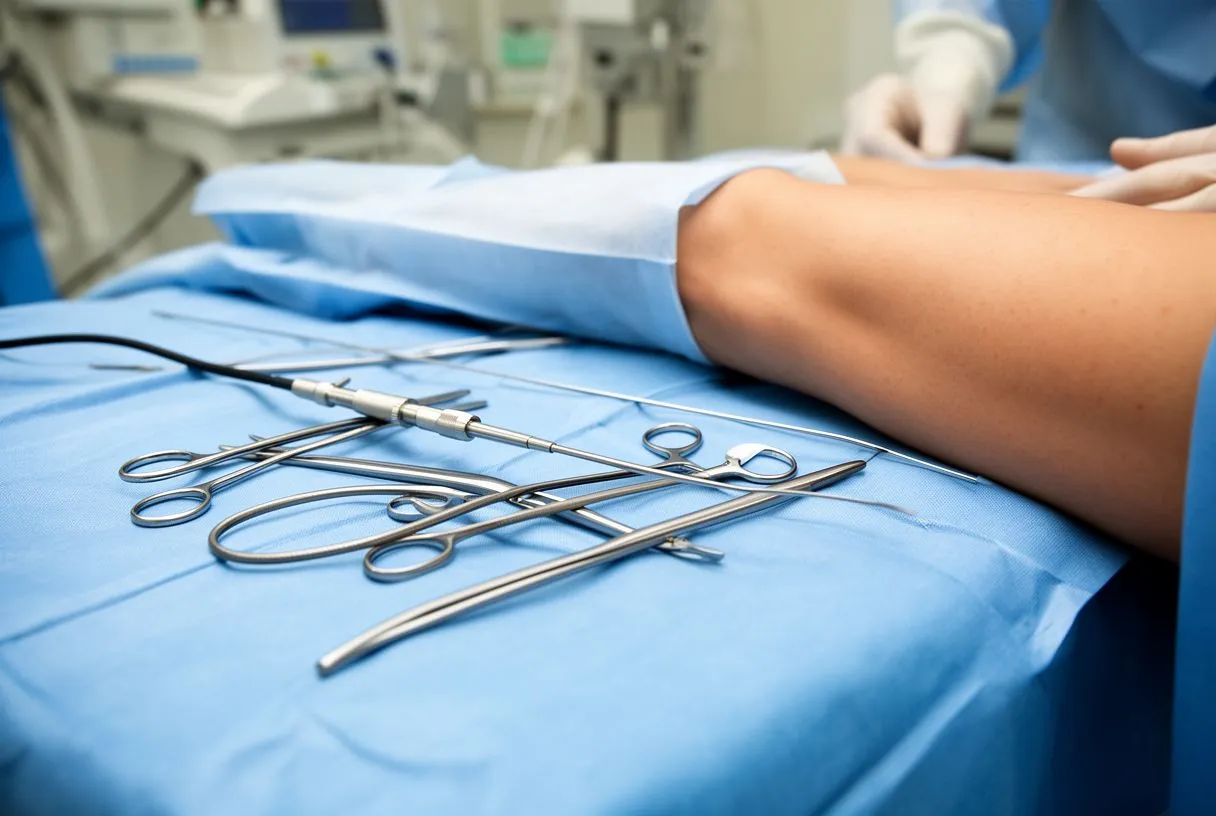
Minimally invasive vein removal: In the past, removing the saphenous vein required a long, single incision running from the groin down to the ankle. Today, most patients benefit from endoscopic vein harvesting, a minimally invasive technique that uses a small camera and specialized instruments. The surgeon makes one or two small incisions in the leg, typically near the knee or groin, and tunnels the tools under the skin to carefully extract the vein. This approach drastically reduces the size of the bypass surgery leg incision, leading to less postoperative pain, lower risk of infection, and a significantly faster recovery for the leg compared to traditional open harvesting.
The biological impact of harvesting: While the physical removal of the vein is a mechanical process, the body's biological response to the procedure is complex. The endothelial cells lining the blood vessels must remain intact for the graft to function properly in the heart. Research into how these cells and surrounding tissues react to manipulation is ongoing; for instance, studies such as one detailing how Intimal macrophages develop from circulating monocytes during vasculitis highlight the delicate nature of vascular tissue and the body's inflammatory responses. Your surgical team takes great care to handle the vein gently to preserve its cellular integrity, which directly impacts the long-term success of your bypass.
What happens in the operating room: During the operation, you will be under general anesthesia, and an arterial line will be placed in your wrist to continuously monitor your blood pressure. The endoscopic equipment allows the surgeon to visualize the vein on a monitor without exposing the entire leg, minimizing trauma to the surrounding muscles, nerves, and skin. Once the vein is removed, the small incisions are closed with sutures or surgical glue. Because the procedure is less invasive, patients often notice that their leg feels much better than expected in the days following surgery, allowing them to focus more on their cardiac recovery and less on severe leg discomfort.
What to Expect During Leg Recovery After Bypass
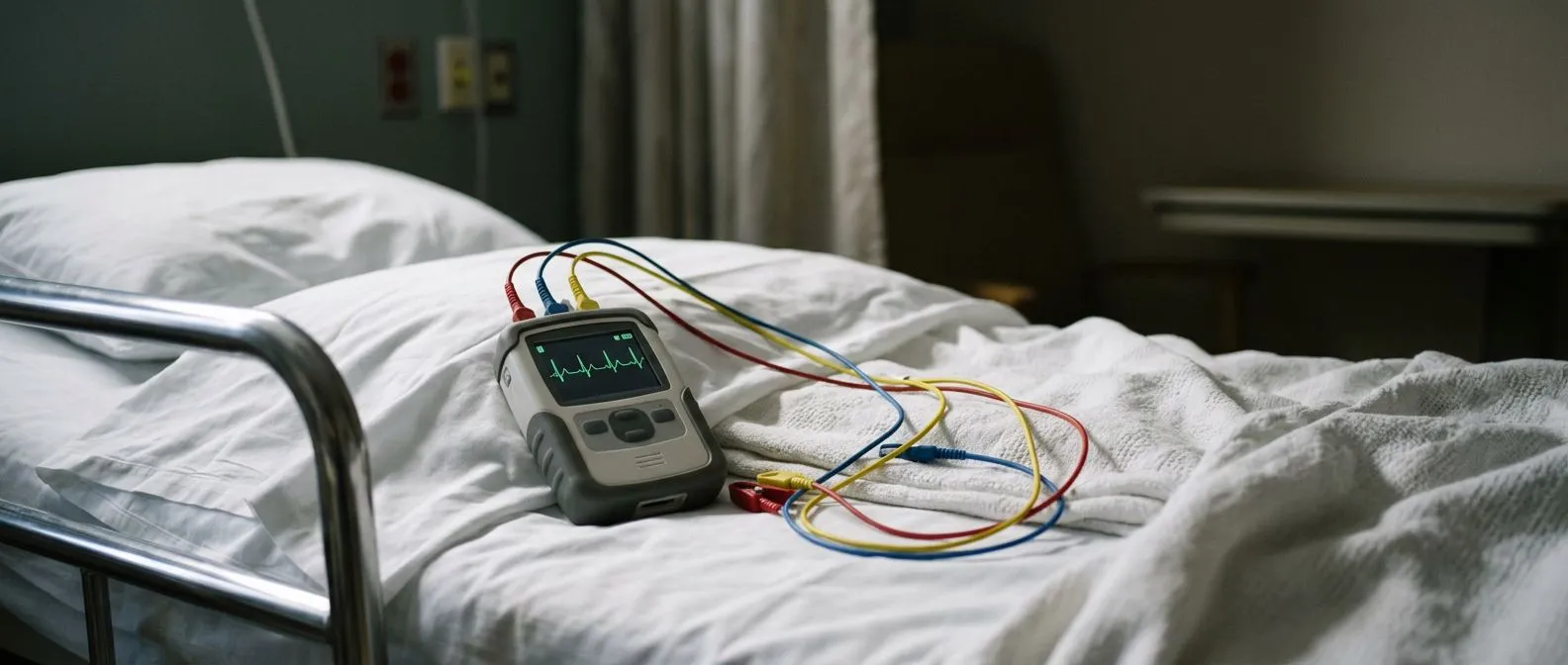
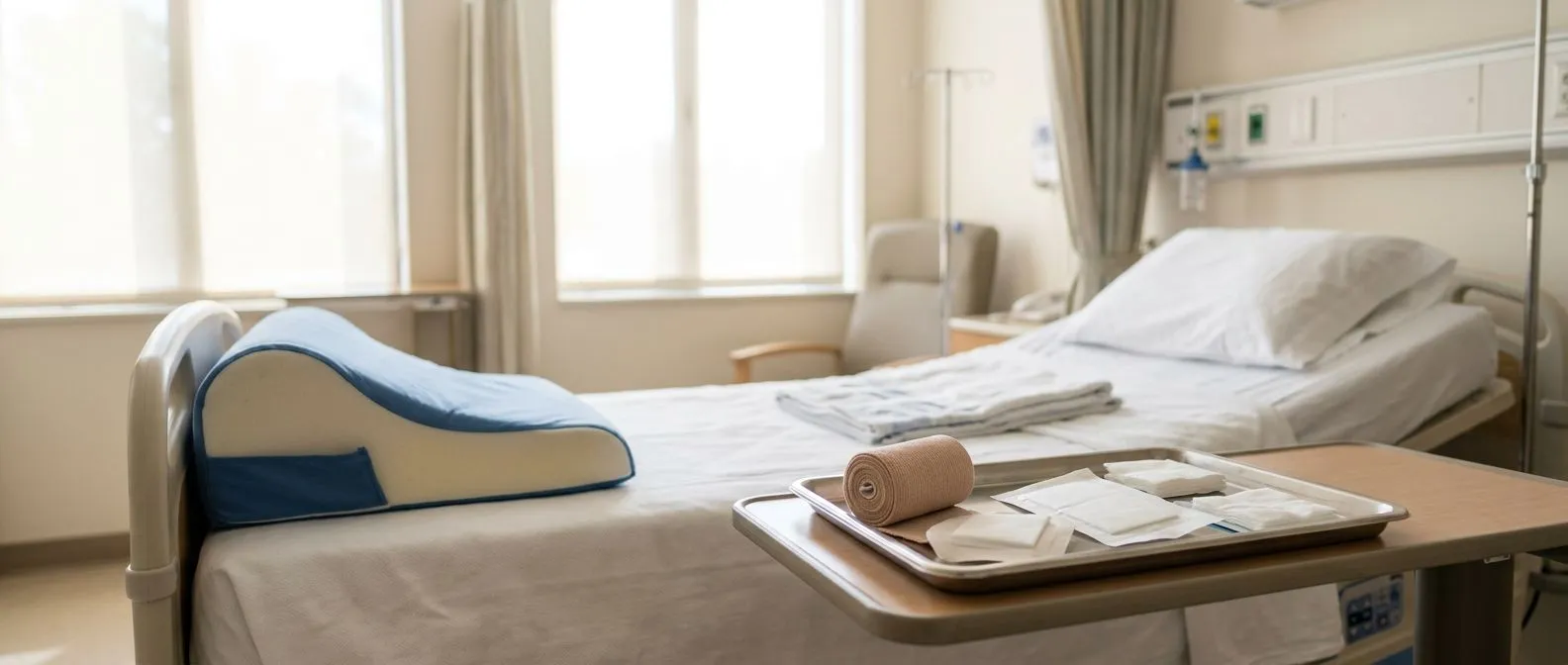
The first few days in the hospital: Immediately after your bypass surgery, you will wake up in the intensive care unit, where your care team will closely monitor your heart and incisions. You will likely notice a firm compression bandage wrapped around your leg, which helps minimize bleeding and swelling in the harvested area. During morning rounds, the medical team will perform an auscultation, listening to your heart and lungs to ensure your cardiovascular system is stabilizing. Your leg will feel sore and bruised, particularly around the incision sites, but you will be encouraged to move your feet and ankles to promote circulation.
The transition to walking: Leg recovery after bypass requires a delicate balance between resting and moving. Within the first day or two, a physical therapist will help you sit up and take a few steps. You might be surprised by how much your leg aches when you first put weight on it, but this movement is essential to prevent blood clots and encourage healing. The pain should feel like a deep muscle ache or tenderness along the path of the harvested vein rather than sharp, stabbing pain. Walking a few times a day in the hospital hallway is a critical milestone that sets the foundation for your home recovery.
Going home with a healing leg: When you are discharged, your chest and leg incisions will still be healing, and you will likely have a set of guidelines for caring for them. The leg may feel heavy, tired, or tight, especially after periods of activity. It is completely normal for the area around the incisions to have bruising that shifts from purple to yellow over several weeks. The most important thing is to listen to your body; if the leg pain increases after walking, it is a sign to rest and elevate your limb. Recovery is a marathon, not a sprint, and your leg will gradually regain its strength and comfort over the coming weeks.
Managing Bypass Surgery Leg Incision Pain
Identifying normal versus abnormal pain: Pain is an expected part of the healing process, but understanding what is normal is vital. Typical bypass surgery leg incision pain includes a dull ache, sensitivity around the incision, and a feeling of tightness when you stretch or bend the leg. You might also experience numbness or a tingling sensation along the incision line, which occurs because small skin nerves are disturbed during the procedure. This nerve pain is generally harmless and improves as the nerves slowly regenerate over months. However, pain that is sharp, worsening, or accompanied by redness spreading from the incision site requires immediate medical attention.
Medications and home remedies: To keep the pain manageable, your care team will prescribe specific medications. You will likely be advised to take aspirin to prevent blood clots from forming in your grafts or leg veins, and you may be given mild pain relievers to ease the incisional discomfort. Over-the-counter medications are usually sufficient once you are home, but it is important to follow your cardiologist's exact dosing instructions. Elevating your leg above the level of your heart when you are resting is one of the most effective home remedies; gravity helps drain excess fluid, which instantly relieves pressure and throbbing pain in the surgical area.
The timeline for nerve and tissue healing: The soft tissues in your leg will undergo significant changes in the first month. While the surface incision may close within two weeks, the deeper tissues take much longer to heal. The tingling or hypersensitivity you feel will likely peak around the third week and then slowly fade. Gentle massage around the incision site—once the skin has fully closed and your doctor gives permission—can help desensitize the nerves and break down scar tissue. Remember that everyone's pain tolerance and healing speed are different, so do not compare your progress to others; focus on a steady, gradual reduction in discomfort.
Leg Wound Care After Surgery: Step by Step
Keeping the incision clean and dry: Proper leg wound care after surgery is critical to prevent infection and ensure the tissue heals correctly. The incisions from endoscopic vein harvesting are usually closed with dissolvable stitches under the skin and reinforced with surgical glue or sterile strips on the surface. You should inspect the sites daily for any signs of separation or drainage. It is safe to gently wash the area with mild soap and water during a quick shower, but you must avoid soaking the leg in a bathtub, hot tub, or swimming pool until your surgeon explicitly clears you, which usually takes several weeks.
Monitoring for signs of infection: While minimally invasive techniques have lowered infection rates, vigilance is still required. During your early follow-up visits, your clinic is prepared for emergencies, often equipped with an automated external defibrillator and other life-saving tools, but routine wound checks are usually straightforward. You should watch for increased redness, warmth, or a foul-smelling discharge. Occasionally, clear fluid tinged with pink may accumulate under the incision; this is often serous fluid mixed with a tiny amount of autologous blood and is usually harmless. However, if you develop a fever along with leg redness, you must contact your cardiac team immediately.
- Cleaning routine: Wash hands thoroughly before touching the incision. Pat dry with a clean towel; do not rub.
- Daily inspection: Look for increased redness, spreading warmth, or opening of the wound edges.
- Showering rules: Let soapy water run over the leg. Avoid direct high-pressure spray on the incision.
- Clothing choices: Wear loose, breathable clothing to prevent friction against the healing tissue.
Managing Steri-Strips and glue: If surgical tape (Steri-Strips) was applied, they will naturally curl and fall off as the skin heals, usually within seven to ten days. Do not pull them off prematurely, as this can disrupt the delicate new skin forming underneath. If surgical glue was used, it will form a protective barrier that peels away on its own over a few weeks. If you notice any localized swelling that feels like a small, hard lump under the incision, it is often a small pocket of fluid called a seroma, which the body typically reabsorbs over time. Keep the area protected, and the wound will continue to strengthen.
Understanding Bypass Surgery Leg Swelling
Why fluid accumulates in the leg: It is incredibly common to experience bypass surgery leg swelling after returning home. The saphenous vein is a major superficial vessel that helps return blood from the leg to the heart. Removing it alters the venous drainage in that limb, meaning the remaining veins must work harder to manage fluid return. Combined with the trauma of surgery, this causes fluid to pool in the tissues, leading to noticeable swelling, particularly in the ankle and lower calf. This swelling is usually worse at the end of the day after you have been walking or sitting for long periods.
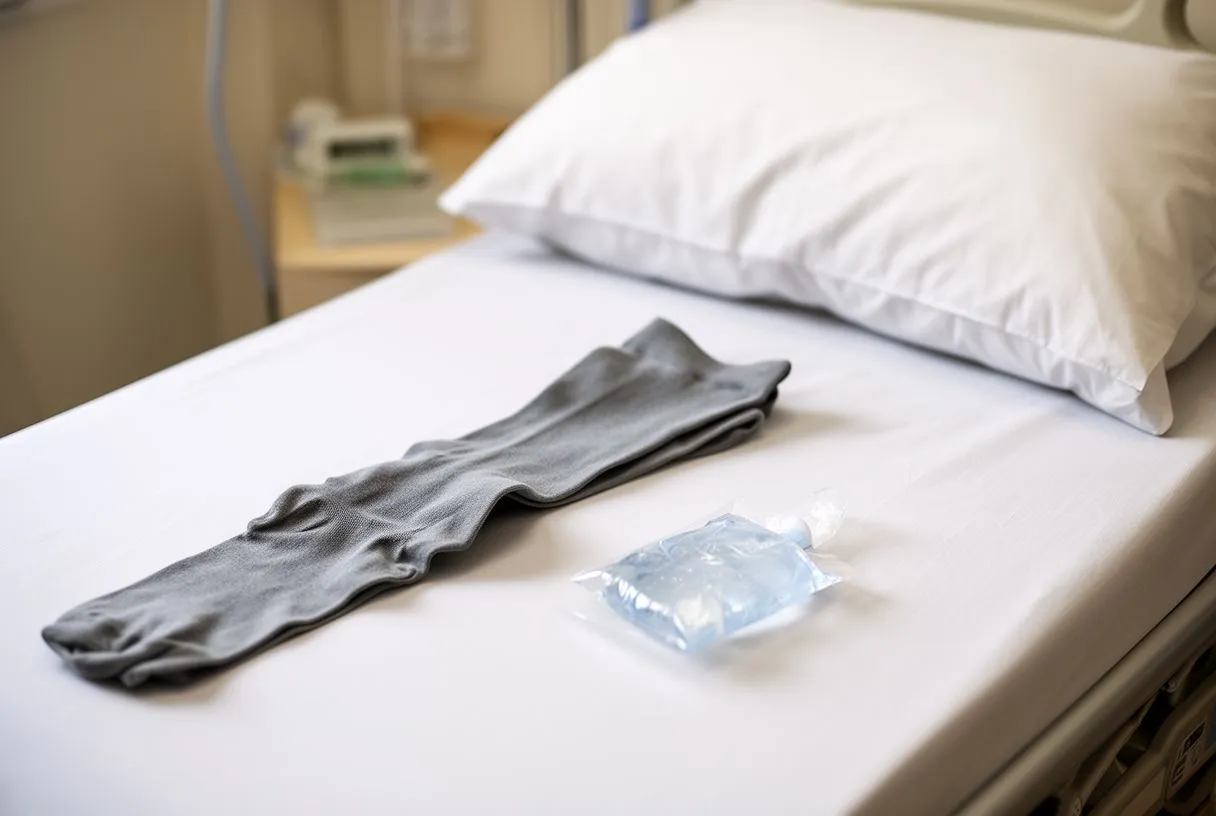
Strategies for managing edema: Managing this fluid retention is a key part of saphenous vein harvest bypass recovery. The most effective strategy is elevation; when you sit or lie down, prop your leg up on pillows so that your foot is higher than your hip. Wearing graduated compression stockings during the day can also provide significant relief by applying pressure that helps push fluid back up the leg. It is important to note that conditions like diabetes can impact vascular healing; for instance, an Association between glycemic control and morning blood surge with vascular endothelial dysfunction in type 2 diabetes mellitus patients shows how systemic health impacts blood vessels, making blood sugar management crucial for leg healing.
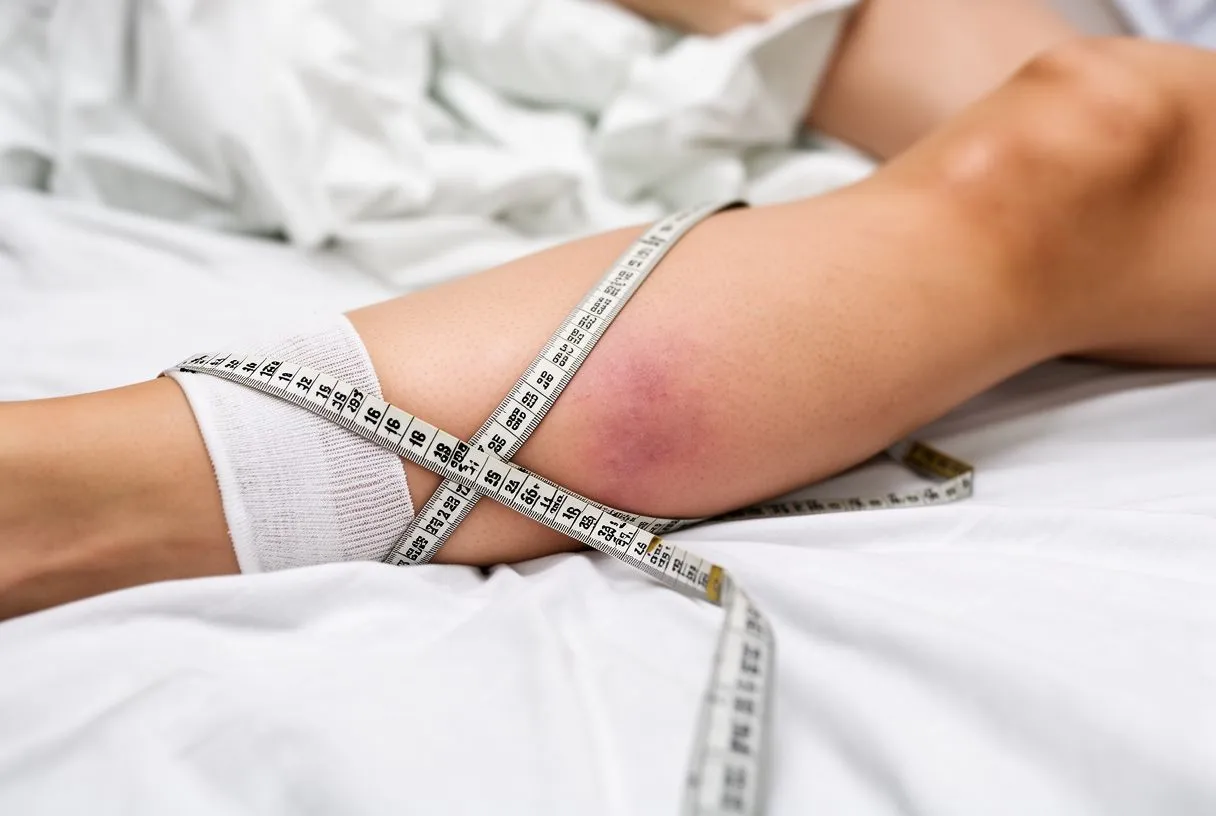
When swelling indicates a problem: While mild, symmetrical swelling is normal, sudden or severe swelling requires attention. If one leg swells dramatically larger than the other, becomes painful to the touch, or develops a red, warm streak, it could be a sign of a deep vein thrombosis (DVT), a serious blood clot. Unlike the typical aches of recovery, DVT pain is often localized in the calf and feels like a severe cramp that does not go away. In rare cases, swelling can also cause pain radiating up to the thigh or even mimic arm pain if the fluid retention affects your posture and mobility. If you notice any of these severe symptoms, you should seek immediate medical evaluation to rule out a clot.
Minimizing Vein Harvest Complications
Preventing wound dehiscence: Vein harvest complications range from minor skin issues to more serious circulatory problems. Wound dehiscence, where the incision edges separate, can occur if the leg is subjected to too much tension too early in the healing process. To prevent this, avoid heavy lifting, strenuous exercise, and sudden, deep stretching of the leg for at least six weeks after surgery. If a small section of your incision opens slightly, do not panic; keep the area clean, apply a sterile dressing, and contact your surgeon. Often, minor separations will heal from the inside out with proper care, though it may take a few weeks longer than a closed incision.
Protecting overall circulation: Because you are recovering from heart surgery, your overall circulatory health is paramount. Some patients may experience arrhythmias like atrial flutter during their recovery, which can make the heart pump less efficiently and worsen leg swelling. If you already had circulatory issues before surgery, your doctor may schedule additional monitoring. Should a blockage occur elsewhere in the body, interventions like a balloon angioplasty might be discussed in the future, but for now, the focus is on allowing the leg to heal without added strain. Maintain a healthy diet, stay hydrated, and keep your blood pressure within the target range your doctor provided.
Recognizing and treating infection early: Infections in the leg incisions are rare but manageable if caught early. The risk of infection increases if you have diabetes, poor circulation, or a weakened immune system. If you notice pus, increasing redness spreading outward from the incision, or if you develop chills and a fever, you must alert your medical team. They may prescribe a course of oral antibiotics, or in more severe cases, clean the wound in a clinical setting. By following your wound care instructions meticulously and avoiding environments that are dirty or unsanitary, you greatly minimize the risk of any infectious complications delaying your recovery.
Saphenous Vein Graft Healing: Long-Term Care
Patency of the new bypass: After the initial recovery, the focus shifts to saphenous vein graft healing over the long term. A vein graft is living tissue that adapts to its new role in the high-pressure arterial system. In the first year, the graft undergoes remodeling, thickening its walls to handle the force of arterial blood. Long-term success, known as graft patency, depends largely on managing your cardiovascular risk factors. According to research published in Nature and other leading scientific journals, managing cholesterol and blood pressure is critical to preventing the new graft from developing the same blockages that affected your original arteries.
Lifestyle adjustments for graft longevity: To keep your new bypass functioning well, you must adopt lifelong heart-healthy habits. This means taking prescribed medications, such as statins and antiplatelets, exactly as directed without skipping doses. You should also engage in a structured cardiac rehabilitation program, which guides you through safe, monitored exercises that improve your heart and leg strength. Over time, the leg where the vein was harvested will adapt to the altered venous return, and any persistent swelling will likely diminish. Your leg will continue to be fully functional, but it will rely on the deeper veins to carry the bulk of the blood back to your heart.
Long-term leg health: Even after the primary healing is complete, the leg that underwent the harvest requires ongoing attention. You may notice that the leg tires slightly faster than the other one during intense physical activity, or that it is more sensitive to changes in weather. This is normal, but it means you should prioritize leg comfort, perhaps by wearing compression socks during long flights or extended periods of standing. Maintaining a healthy weight reduces the mechanical stress on the remaining veins. By treating your leg and your heart as a connected system, you ensure both continue to function optimally for years to come.
Saphenous Vein Scar Treatment Options
The natural maturation of scars: Once the incisions have closed, you will be left with a scar, which is a natural part of the biological healing process. Initially, the scar will be red, raised, and potentially firm to the touch. Over the course of six months to a year, the scar tissue will remodel, gradually flattening and fading to a lighter color. The small incisions from endoscopic harvesting generally leave very minimal, cosmetically acceptable scarring. Understanding this timeline helps manage expectations; the initial redness is not a sign of a problem, but rather blood vessels supplying the new tissue.
Topical treatments and massage: For patients interested in saphenous vein scar treatment, several conservative options can improve the appearance and texture of the scar. Once the skin is fully healed and there is no risk of reopening the wound, gentle massage can break down dense collagen fibers, making the scar softer and more pliable. Silicone gel sheets or scar creams applied daily can also help flatten the tissue and reduce redness. These methods require patience and consistency, as results are seen over months rather than days. Always ensure your hands and the scar area are clean before massaging to avoid introducing bacteria.
- Silicone sheets: Apply medical-grade silicone sheets overnight to hydrate the scar and reduce collagen overproduction.
- Desensitizing massage: Use circular motions with a gentle lotion to soften tissue and reduce nerve sensitivity.
- Sun protection: Keep the scar covered or apply strong sunscreen, as UV rays can permanently darken new scar tissue.
Medical interventions for severe scarring: In rare cases, the body produces an overabundance of collagen, resulting in a raised, thickened scar known as a keloid or hypertrophic scar. If topical treatments fail, your dermatologist can offer advanced interventions. These might include corticosteroid injections to flatten the scar, laser therapy to reduce redness, or minor surgical revisions. While patients visiting for cardiac care are primarily focused on treatments like valve replacements—where options might include a balloon-expandable valve—the physical appearance of the leg scar is still a valid quality-of-life concern. Discuss your scar goals with your care team so they can guide you to the right specialist if needed.
When to Seek Help for Post Bypass Leg Pain
Normal aches versus warning signs: As you progress through your recovery, it is crucial to distinguish between routine healing and signs that require medical intervention. It is normal to feel fatigued and to have days where your leg aches more than others, especially if you have increased your walking distance. However, certain symptoms are red flags. If you experience a sudden increase in pain that is not relieved by rest and elevation, or if your leg becomes pale, cold, or blue, these are signs of a potential vascular emergency. Your leg needs a healthy blood supply to heal, and any disruption in circulation must be addressed immediately.
Recognizing systemic issues: Sometimes, leg pain can be a manifestation of a broader issue. For example, if you develop chest pain or shortness of breath alongside leg swelling, it could indicate that your heart is struggling to pump efficiently, a condition that might require advanced interventions such as Awake ECMO if it becomes critical. If you experience severe pain in the calf accompanied by a feeling of heat and visible swelling, you may have a deep vein thrombosis. Never attempt to self-diagnose or treat severe leg pain at home; the risk of ignoring a blood clot or an infection is far too great.
Encouragement for your recovery journey: Recovering from a saphenous vein harvest bypass is a significant undertaking that requires patience, diligence, and close communication with your medical team. The incision in your leg is the visible reminder of the lifesaving work done on your heart, and caring for it properly ensures your overall recovery is smooth. By understanding the healing timeline, managing your pain and swelling, and knowing exactly when to call your doctor, you take an active role in your health. We encourage you to discuss your specific symptoms and recovery milestones with a qualified cardiac team. To receive a personalized assessment of your leg recovery or to discuss your cardiac health, please book a consultation rather than relying on self-diagnosis.