Sternotomy Pain: How Long It Lasts and How to Manage It
Sternotomy pain recovery typically takes weeks to months.
Sternotomy pain recovery is often the most daunting aspect of facing heart surgery. A median sternotomy is the surgical division of your breastbone, performed to give your surgeon direct, life-saving access to your heart. While the procedure resolves critical cardiac conditions, the physical act of cutting and rewiring bone creates a significant healing hurdle. Understanding what to expect in the weeks following your operation can transform fear into manageable, proactive care.
What Is Sternotomy Pain Recovery Like After Heart Surgery?
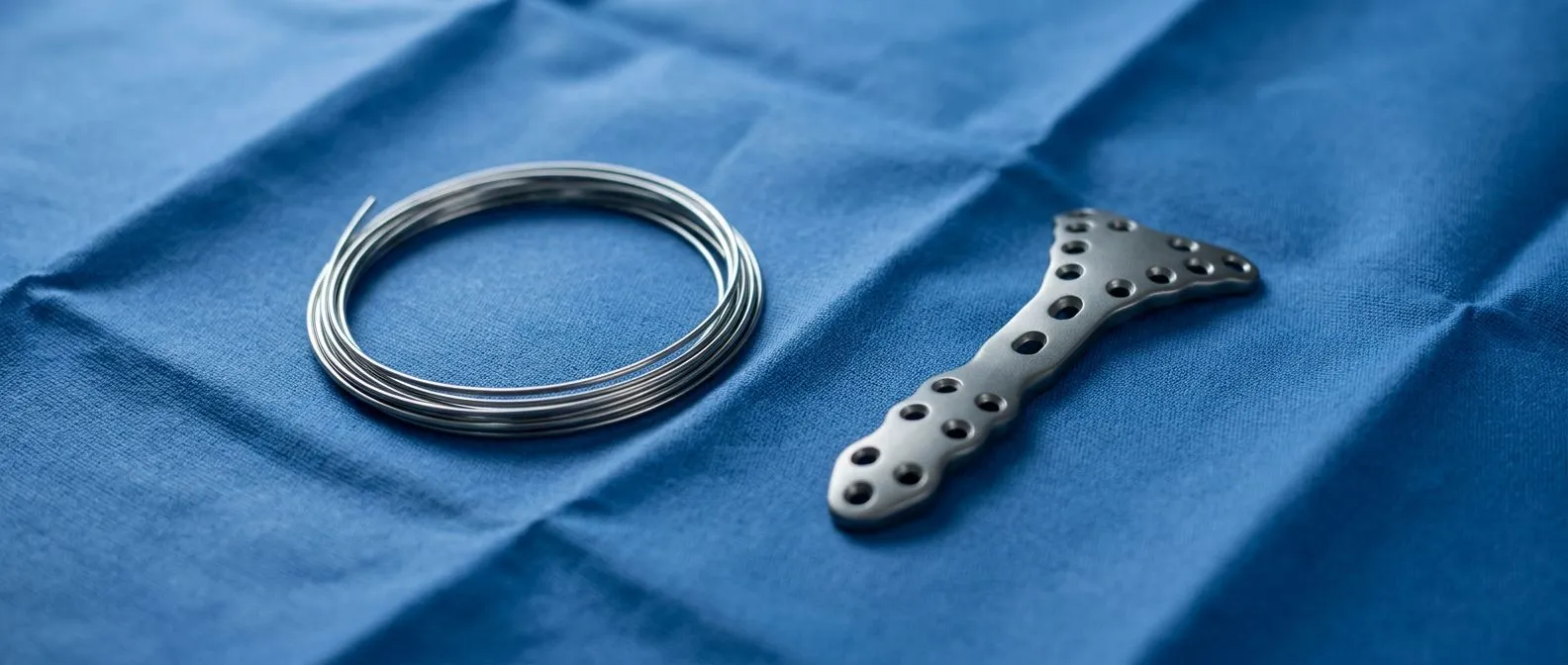
Sternotomy pain recovery begins the moment you wake up in the intensive care unit. The discomfort you feel is primarily musculoskeletal rather than cardiac. Your breastbone has been precisely divided, often to access the ascending aorta or to perform bypasses, and it is held together by stainless steel wires that will remain in your chest permanently. This deep bone ache is your body's natural response to trauma, and it requires careful, patient management.
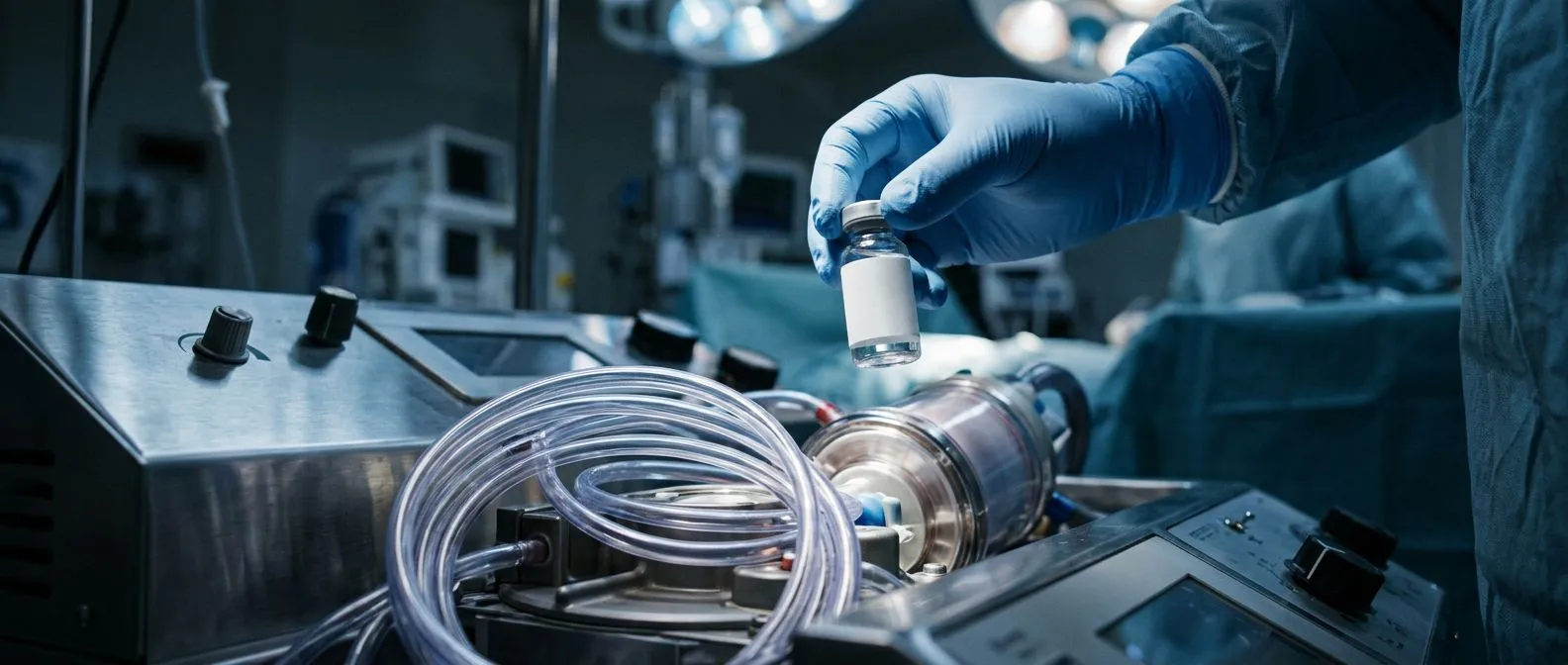
Understanding the incision site: The skin and tissue over your chest are healing, but the deeper structures take time to settle. Your surgical team will use auscultation—listening to your chest with a stethoscope—to ensure your lungs and heart are functioning properly despite the trauma. To support your healing, you may have received autologous blood, meaning your own blood was collected and reused during the procedure to minimize transfusion risks. According to Cleveland Clinic, keeping the incision clean and dry is critical during this phase to prevent deep sternal wound infections.
It is also important to remember that sternotomy pain recovery is layered with other cardiac medications. For example, you will likely be taking Aspirin daily to prevent blood clots from forming in your new grafts or valves. This medication does not treat the bone pain, but it is a vital part of your overall postoperative regimen. The pain itself will feel sharpest when you move your upper body, take deep breaths, or transition from lying down to standing up.
How Long Does Sternotomy Pain Recovery Usually Take?
One of the most common questions patients ask is how long the discomfort will last. Sternotomy pain recovery generally follows a predictable timeline, though individual experiences vary based on age, overall health, and the specific surgery performed. The first week is usually the most intense. During this time, the pain is sharp and requires strong prescription medications. Simple tasks like getting out of bed or taking a deep breath require immense effort and focus.
Week-by-week milestones: By the second and third weeks, the sharp, stabbing pains begin to transition into a dull, aching soreness. This is a sign that the initial inflammation is subsiding and the bone is beginning to calcify and fuse. During your hospital stay, your blood pressure was continuously monitored via an arterial line, a thin tube placed in your artery. Once that line is removed and you are home, you will still feel bruised and tender along the chest wall.
True bone fusion takes about six to eight weeks. During this middle phase of sternotomy pain recovery, you may experience occasional muscle spasms or sudden twinges when you twist unexpectedly. It is also common to experience heart rhythm changes during this window, such as atrial flutter, where the upper chambers of the heart beat too quickly. If this occurs, your cardiology team will manage it with medication, but it underscores the importance of keeping your follow-up appointments.
Long-term aching: Even after the bone has fused, some patients report mild aching at the incision site for several months, especially in cold or damp weather. This is normal nerve regeneration. You can review detailed metabolic and cellular healing guidelines in the FDG PET/CT: EANM procedure guidelines for tumour imaging: version 2.0 to understand how cellular activity correlates with post-surgical inflammation and pain.
What Causes Discomfort During Sternotomy Pain Recovery?
The primary source of your discomfort is the bone healing process itself. When the sternum is cut, the surrounding periosteum—a tough, pain-sensitive membrane covering the bone—is highly irritated. Additionally, the surgeon uses retractors to hold the chest open, which stretches the muscles, ligaments, and cartilage of the rib cage. This mechanical stretching causes significant postoperative inflammation.
Nerve regeneration and sensitivity: As the skin and tissue heal, you may notice numbness, tingling, or sharp, shooting sensations near the incision. This is caused by nerves repairing themselves. You might also experience referred arm pain, where discomfort radiates from your chest into your shoulders or arms due to the positioning required during surgery. If you had a coronary bypass, an arterial graft—often the internal mammary artery—was rerouted to bypass a blockage, which adds to the internal chest soreness.
Internal harvesting sites also contribute to the overall pain profile. If a vein was taken from your leg, you will have separate incision pain there. In valve surgeries, if you underwent the Ross procedure, an autograft—your own pulmonary valve—was used to replace the aortic valve, meaning two surgical sites must heal simultaneously. All these factors combine to make sternotomy pain recovery a multi-faceted experience.
How to Manage Sternotomy Pain at Home?
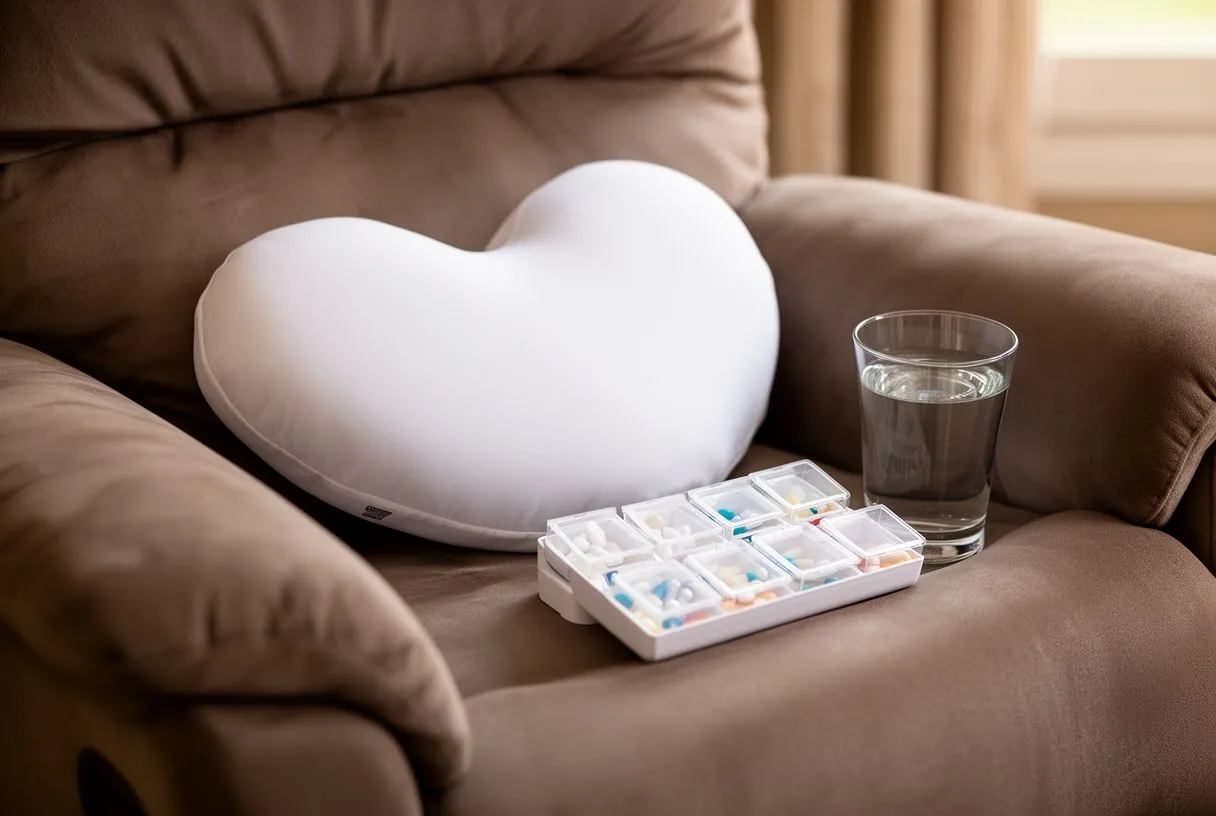
Effective pain management at home is crucial because uncontrolled pain prevents deep breathing and walking, which are essential for recovery. Your surgical team will prescribe a step-down plan, starting with opioid medications and transitioning to over-the-counter pain relievers like acetaminophen. It is vital to take your medications on schedule rather than waiting for the pain to become unbearable. Weaning off prescription painkillers too early can lead to a cycle of uncontrolled pain that is hard to break.
Heart pillow technique: You will likely be given a firm, small pillow to hold against your chest. Splinting your chest with this pillow when you cough, sneeze, or transition positions provides external support to the healing bone, drastically reducing sudden, sharp pains. While your primary focus is on pain management, remember that the underlying goal of the surgery was to prevent a future atheromatous plaque from rupturing and causing a heart attack, so the temporary discomfort is a necessary step toward long-term health.
- Medication timing: Stay ahead of the pain by taking prescribed analgesics on schedule rather than waiting for discomfort to peak.
- Ice application: Use cold packs wrapped in a towel over the incision site for short intervals to reduce swelling and numb nerve pain.
- Gentle movement: Short, frequent walks prevent stiffness and promote blood flow, which accelerates the overall healing process.
Incision care: Keep the area clean and dry, following your surgeon's specific showering instructions. Report any increasing redness, heat, or drainage immediately. Your home care routine is just as critical as the hospital care you received.
When Is Chest Pain a Concern During Sternotomy Pain Recovery?
Distinguishing between normal surgical pain and a medical emergency is a critical skill during sternotomy pain recovery. Normal incisional pain is usually localized to the surface of your breastbone, feels sharp when you move, and improves with rest and pain medication. It is tender to the touch but does not radiate or feel like a heavy weight on your chest. If your pain fits this description, it is likely part of the normal healing trajectory.
Warning signs to watch for: If your pain feels like it is returning to the original cardiac pain you experienced before surgery, or if it is accompanied by shortness of breath, sweating, or nausea, seek help immediately. You must be vigilant for signs of an atypical infarction, a heart attack that presents without the classic crushing chest pain. In severe cardiac events, an automated external defibrillator may be required to restart the heart, so recognizing symptoms early is life-saving. For complex rhythm management post-surgery, you can reference the HRS/EHRA/ECAS Expert Consensus Statement on Catheter and Surgical Ablation of Atrial Fibrillation: Recommendations for Personnel, Policy, Procedures and Follow-Up to understand clinical thresholds for arrhythmia interventions.
Additionally, watch for signs of sternal wound infection. If the incision site begins to separate, produces foul-smelling discharge, or if you develop a fever above 100.4°F (38°C), contact your surgeon immediately. Deep sternal wound infections are rare but serious complications that require intravenous antibiotics and sometimes further surgical intervention.
Sleeping Positions to Ease Sternotomy Pain Recovery
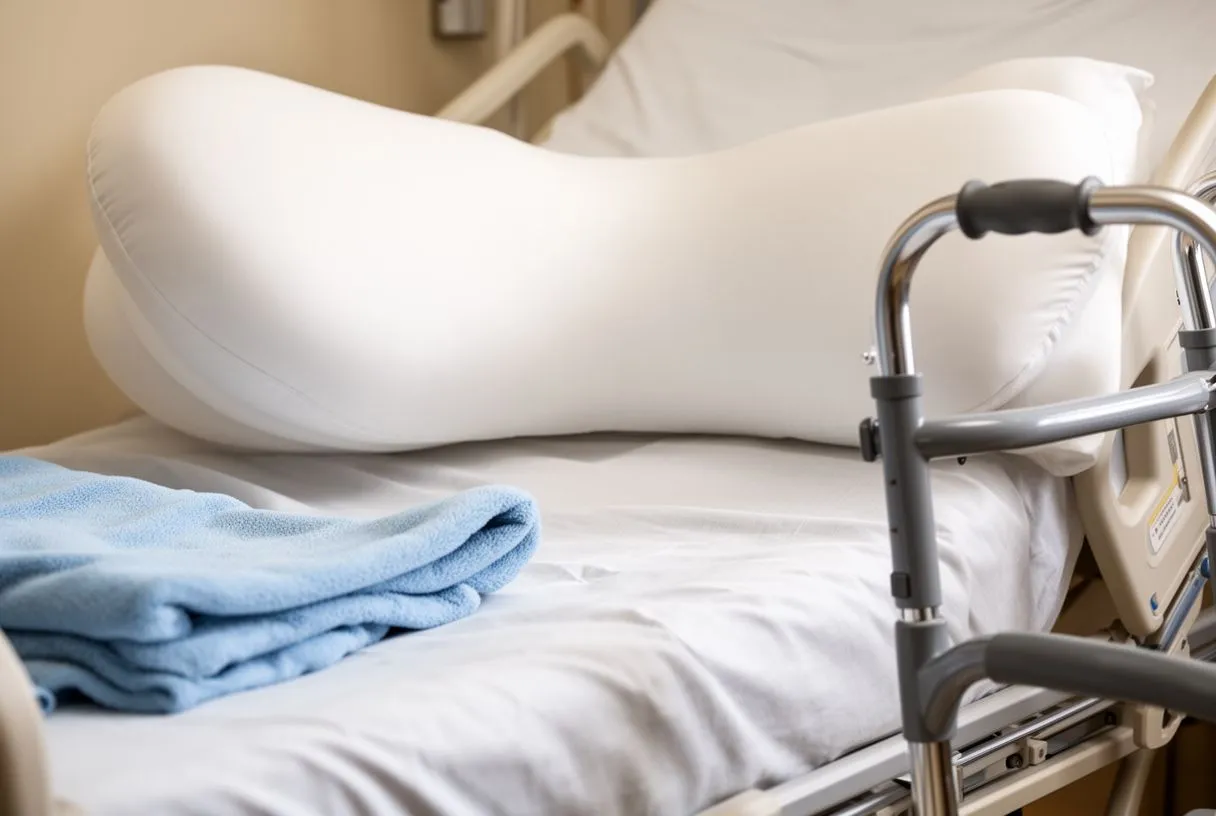
Restorative sleep is the foundation of healing, but finding a comfortable sleeping position after heart surgery is challenging. During the early phases of sternotomy pain recovery, sleeping flat on your back is generally the safest and most comfortable option. You should sleep in a reclined position, using a wedge pillow or an adjustable bed to keep your upper body elevated at a 30- to 45-degree angle. This reduces gravitational pressure on your chest.
Getting out of bed safely: The method you use to leave the bed is just as important as how you sleep. You must use the "log roll" technique to avoid twisting your torso and putting stress on the sternum. The healing process places extra workload on the atrium, the upper chamber of the heart, so minimizing physical strain while resting helps your cardiovascular system recover efficiently. Let your family know not to pull you up by your arms, as this can destabilize the bone.

Side sleeping precautions: Many patients wonder when they can sleep on their side. Generally, you should avoid side sleeping for at least four to six weeks. When you do transition, place a firm pillow against your chest and another between your knees to maintain spinal alignment. If side sleeping causes sharp pain, return to your back. Comfort should dictate your timeline, not a calendar.
Coughing and Sneezing After Heart Surgery
Coughing and sneezing are unavoidable biological functions, but after a sternotomy, they can be terrifying. The sudden, forceful contraction of your chest muscles puts direct mechanical stress on the newly wired bone. However, suppressing a cough is dangerous. Clearing your lungs prevents pneumonia, a serious risk after general anesthesia. You must learn to splint your chest firmly every time you feel the urge to cough or sneeze.
How to splint your chest correctly: Press a heart pillow flat against your sternum with both arms crossed over it, applying firm pressure. Brace yourself against this pressure as you cough. While your immediate focus is pain control, remember that managing your long-term cardiovascular risk factors—sometimes tracked through apolipoprotein B levels to monitor cholesterol—is equally vital. Some patients may have previously undergone a balloon angioplasty to open an artery, but ultimately required surgery for definitive treatment.
Using an incentive spirometer is another critical tool. This device encourages you to take slow, deep breaths, expanding the lower lobes of your lungs. Shallow breathing caused by pain avoidance leads to fluid build-up and infection. Make using the spirometer a game, trying to beat your previous volume numbers every few hours.
Returning to Physical Activity Safely
Movement is medicine, but it must be dosed correctly. During the first six weeks of sternotomy pain recovery, your main physical activity is walking. Start with short, flat distances inside your home, gradually increasing your distance and pace as tolerated. You should avoid lifting anything heavier than ten pounds (about 4.5 kilograms) and refrain from pushing or pulling heavy objects, like vacuum cleaners or heavy doors.
Walking as your primary medicine: Walking prevents blood clots, improves lung function, and boosts your mood. If you have been prescribed blood thinners—dosages and choices often guided by clinical trials like ARISTOTLE—you must avoid activities with a high risk of falling or injury to prevent bleeding complications. For patients who underwent transcatheter procedures instead of an open sternotomy, perhaps receiving a balloon-expandable valve, the recovery timeline is much faster, but open-heart patients must respect the bone healing window.

Driving restrictions: Do not drive until your surgeon explicitly clears you, usually around six to eight weeks. The physical twisting required to check blind spots, combined with the risk of an airbag deploying against your chest, makes driving highly dangerous during early healing. Enlist friends and family to help you attend cardiac rehabilitation sessions, which are essential for a safe return to full activity.
Emotional and Psychological Impact of Sternotomy Pain
The physical pain of a sternotomy is deeply intertwined with psychological stress. It is entirely normal to feel anxious, vulnerable, or even depressed after heart surgery. The constant ache serves as a persistent reminder of the trauma, and the fear of sternal fracture can make patients overly cautious, leading to physical deconditioning. Acknowledging these feelings is the first step toward healing.
Recognizing post-surgery depression: If your pain is causing you to isolate yourself or lose interest in activities you once loved, speak to your care team. Sometimes, severe illness requires extreme measures, like awake ECMO for lung failure, making the standard sternotomy recovery feel like a minor hurdle in comparison. However, your personal experience of pain is valid, and psychological support is a standard part of comprehensive cardiac care. Even if you previously had a balloon aortic valvuloplasty as a bridge to surgery, the final surgical fix brings its own emotional weight.
- Open communication: Tell your family or care team when you are struggling emotionally or feeling overwhelmed by the healing process.
- Stress reduction: Practice deep breathing and relaxation techniques to lower anxiety levels that can amplify the perception of physical pain.
- Cardiac rehabilitation: Joining a supervised rehab program provides both physical monitoring and a supportive community of peers.
Long-Term Outcomes After Sternotomy Pain Recovery
As the weeks pass, the intense pain of a sternotomy fades into a distant memory. By three to six months post-surgery, the breastbone is completely fused, and the sternal wires feel like a natural part of your anatomy. You will regain your full range of motion, and the majority of the scar tissue will soften. Your focus will shift from pain management to long-term cardiovascular health and longevity.
Life after the sternum heals: Once the bone is stable, you can return to virtually all your normal activities, including exercise, travel, and returning to work. The initial surgery, which utilized an arterial cannula to connect you to the heart-lung machine, was the beginning of a new chapter. You might even forget the wires are there until you pass through an airport metal detector, though these rarely trigger alarms. If you were deemed too high-risk for open surgery initially and had a balloon aortic valvuloplasty first, completing your sternotomy pain recovery marks the successful conclusion of a complex medical journey.
Ultimately, navigating sternotomy pain recovery requires patience, disciplined home care, and clear communication with your cardiac team. Every twinge of pain is a step toward a stronger, healthier heart. If you are preparing for heart surgery or currently struggling with your postoperative journey, do not face it alone. We encourage you to discuss your specific situation, pain levels, and recovery milestones with a qualified cardiac team. Contact Cirugía de Corazón to book a consultation with Dr Alejandro Molina and ensure your recovery is guided by expert, compassionate care.