Sternum Pain After Heart Surgery: What Is Normal
Experiencing sternum pain after heart surgery?
Experiencing sternum pain after heart surgery is a common concern for many patients and their families. When you undergo a procedure that involves opening the chest, the breastbone needs time to heal, and that healing process naturally brings significant discomfort. Understanding what is normal during your recovery can ease anxiety and help you focus on resting. Always discuss your specific symptoms with a qualified cardiac team to ensure your healing is progressing safely and to get the lowest risk for your situation.
What Causes Sternum Pain After Heart Surgery?
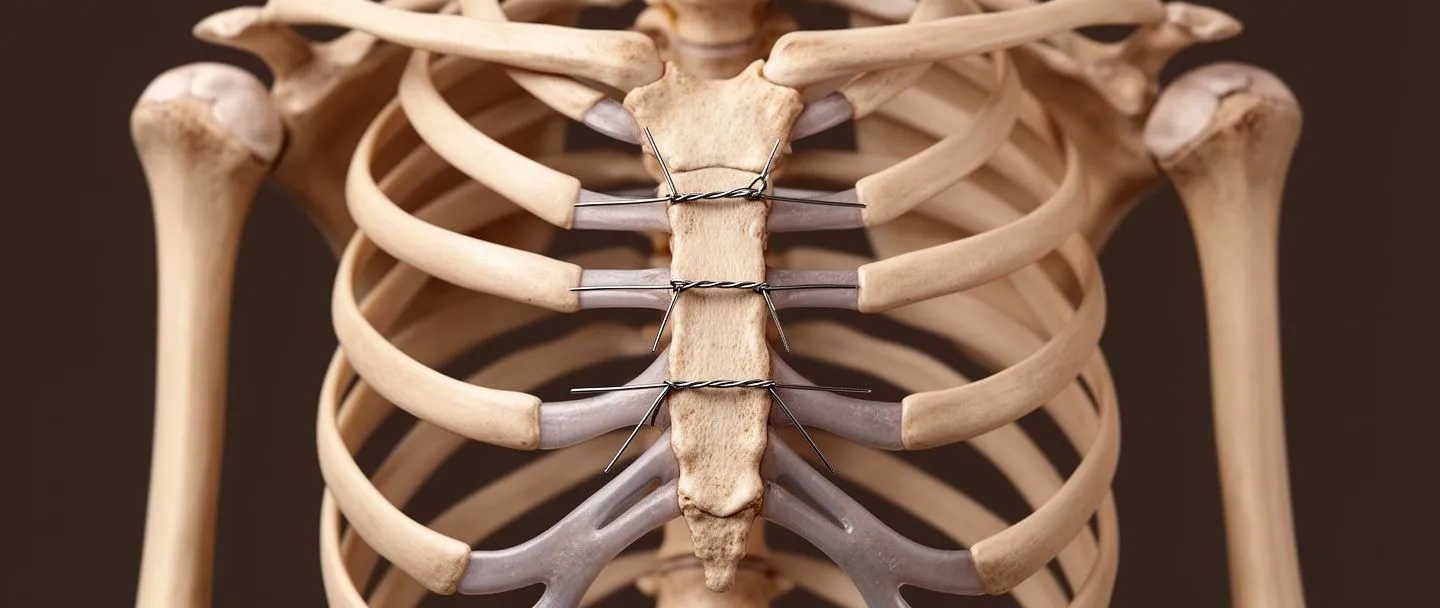
To understand your discomfort, it helps to know why this pain happens in the first place. During traditional open-heart procedures, the surgeon makes a precise incision down the chest and carefully divides the sternum, which is your breastbone, to access the heart. This is a standard approach for complex cardiac repairs. Once the surgery is complete, the bone is pulled back together and secured, often with strong stainless steel wires. This process naturally traumatizes the bone and surrounding tissues, leading to inflammation and soreness as the body begins its extensive repair work.
Bone healing mechanics: The breastbone is a thick, strong bone, and cutting it takes a significant toll on the body. Surgeons use specialized clamps to temporarily stop blood flow during repairs, and the extensive manipulation around the chest cavity leaves the surrounding muscles and ribs aching for weeks. Your body has to rebuild the bone tissue, much like healing a severe fracture, which requires energy, rest, and time. Reputable research from Frontiersin.org highlights how the mechanical stress of opening the chest triggers a complex biological response that drives this necessary discomfort.
Why inflammation is actually helpful: While the swelling and tenderness can be alarming, inflammation is a necessary first step in healing. Blood rushes to the surgical site to deliver cells that clean up debris and lay down new tissue. If you received an Autograft, where a blood vessel from another part of your body is used to bypass a blockage, the trauma spans multiple areas, adding to the overall systemic soreness. This widespread discomfort is your body's way of signaling that it needs rest to mend properly.
How Long Does Sternum Pain Last Post-Surgery?
Many patients ask how long the discomfort will linger. Generally, the most intense sternum pain peaks within the first week and gradually subsides over the following six to eight weeks. During the first few weeks, you will notice the pain is worse when you twist your torso, lift your arms above your head, or take a deep breath. This is your body enforcing rest so the bone can fuse properly without being subjected to disruptive movements.
The typical healing timeline: By the end of the second month, the bone has usually formed a solid bridge of new tissue, meaning the sharp, stabbing pains should be replaced by a dull ache or occasional tightness. However, complete healing deep within the bone can take up to a year. For patients who require ongoing electrical support for their heart rhythm, the integration of a pacemaker is a separate but related process, as explored in clinical studies like A Reaction-Diffusion Heart Model for the Closed-Loop Evaluation of Heart-Pacemaker Interaction.
Factors that influence recovery speed: Your overall health plays a big role in how quickly you heal. Conditions like diabetes or poor kidney function can slow down tissue repair significantly. Some patients may undergo Beating-heart Surgery, where the heart is not stopped, which can sometimes alter the immediate postoperative pain profile, but the sternal division remains the same. Always follow your specific timeline, as every patient's anatomy and cardiac condition requires a highly individualized recovery plan.
Is Sternum Clicking After Heart Surgery Normal?
Understanding the popping sensation: It can be startling to feel or hear a clicking, popping, or grinding sensation in your chest while you move. For the most part, sternum clicking after heart surgery is a normal part of the healing process. The stainless steel wires holding your breastbone together can shift minutely against the bone as you move, creating these sounds and sensations. As long as there is no severe pain associated with the click, it is usually just a mechanical reaction.
When wires are the culprit: Sometimes, the end of a surgical wire sits just under the skin and rubs against the tissue as you breathe or raise your arms. This can feel like a sharp poke or a persistent click. In procedures involving extensive valve repairs, the hardware inside the chest combined with the sternal wires can create a variety of unusual sensations, none of which necessarily mean something is wrong. Your surgeon will check the stability of these wires during your follow-up appointments to ensure everything is holding together as expected.
Recognizing abnormal clicking: While a quiet click is usually fine, a loud, painful pop accompanied by a sudden change in the shape of your chest requires immediate medical attention. If the bone feels unstable or if the clicking is accompanied by severe, spreading pain, it could indicate that the wires have loosened or the bone has separated. Never hesitate to contact your surgical team if a new symptom worries you, as early intervention can prevent complications.
Managing Coughing and Sneezing With Sternum Pain
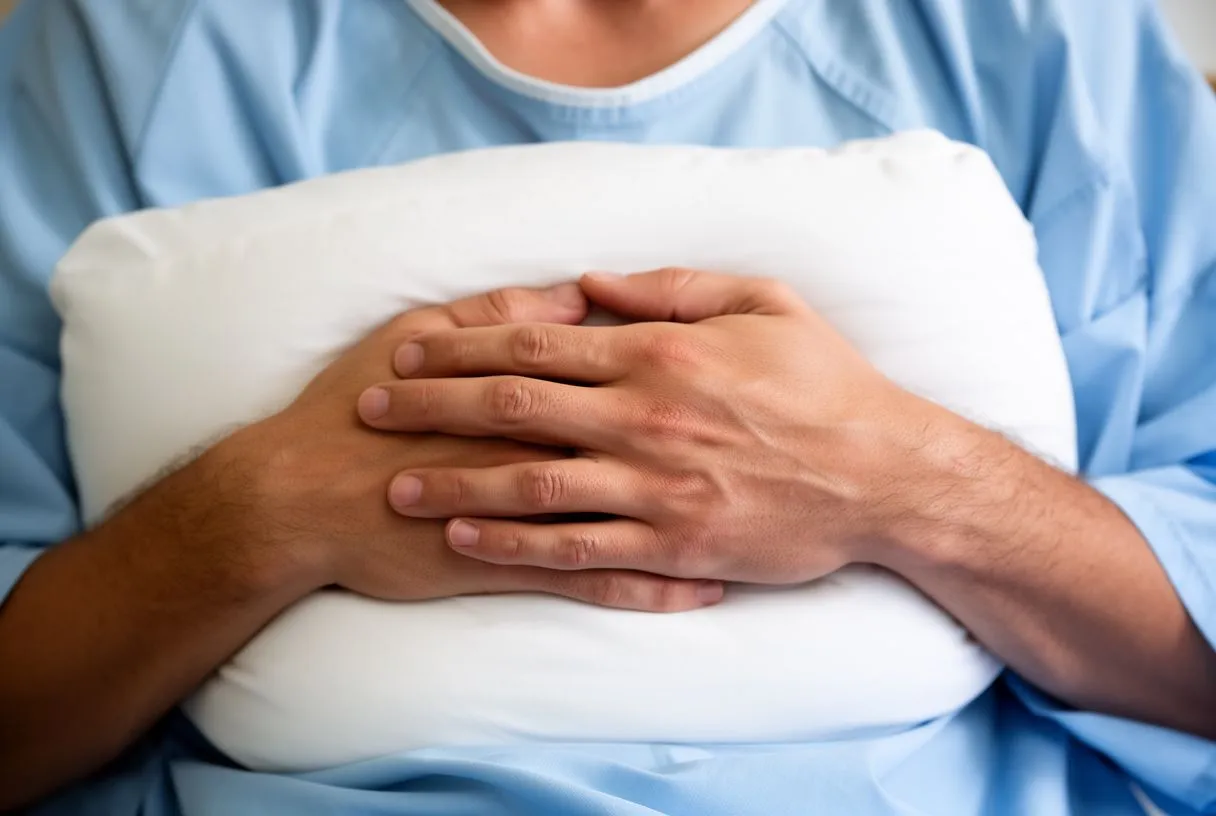
Why coughing is so painful: A cough puts sudden, intense pressure on your healing breastbone, making it one of the most painful activities during early recovery. To manage coughing and sneezing with sternum pain, the best technique is to splint your chest. Simply hold a firm pillow tightly against your sternum with both arms before you feel the cough or sneeze coming on. This counter-pressure stabilizes the bone and significantly reduces the sharp pain of the sudden muscular contraction.
The importance of clearing your lungs: Even though it hurts, you must not avoid coughing entirely. Clearing your lungs is critical to prevent pneumonia, a serious risk after any major surgery. If you developed an irregular heart rate or Bradycardia, which is a slower-than-normal heartbeat during your procedure, your energy might be low. This makes deep breathing exercises feel exhausting, but pushing through the discomfort is essential for your respiratory health and overall recovery.
Medications to ease the strain: Taking your prescribed pain medication before doing your breathing exercises can make the process much more bearable. Using an incentive spirometer, a simple breathing device, will encourage your lungs to expand fully and keep them clear of fluid. If you need a minor procedure like Balloon Angioplasty in the future to open a narrowed artery, keeping your lungs healthy now will make you a better candidate for quick recovery later.
How to Sleep Comfortably With Sternum Pain
Finding a comfortable resting position is often one of the biggest challenges when you come home. Learning how to sleep comfortably with sternum pain requires changing your usual habits. For the first several weeks, you must sleep on your back, preferably elevated with a wedge pillow or a recliner, to avoid rolling onto your side and twisting your healing chest. This position keeps your airway open and prevents accidental pressure on the incision site.
Protecting your sternum in bed: Getting in and out of bed without using your arms is difficult but necessary. Use a log-rolling technique: bend your knees, roll onto your side as a single unit, and use your elbows to push yourself up. This prevents you from putting weight on your arms, which would pull directly on your chest muscles and breastbone. Mastering this technique early in your recovery will save you from many painful nights and mornings.
Here are a few tips to make sleeping easier during your recovery:
- Use multiple pillows: Prop yourself up at a 45-degree angle to reduce pressure on the chest and make breathing easier throughout the night.
- Wear loose clothing: Avoid tight pajama tops that press against the incision site or restrict your breathing while you sleep.
- Time your medication: Take a dose of pain relief 30 minutes before bed so you can fall asleep before the discomfort peaks.
Warning Signs: Sternum Pain vs Heart Pain
One of the most frightening aspects of recovery is wondering if a new chest pain is from the bone or the heart itself. Distinguishing between sternum pain vs heart pain is crucial for your safety. Sternal pain is usually sharp, localized to the surface, and worsens when you press on the skin, twist your torso, or take a deep breath. It is highly positional and directly related to the movement of your chest wall and ribs.
Identifying cardiac warning signs: Heart pain, or angina, typically feels like a deep, heavy pressure or squeezing sensation in the center of the chest, and it may radiate to the jaw, left arm, or back. It does not usually change when you press on the chest wall or move your body. Procedures that involve complex pacing or resynchronization add to the overall trauma, as detailed in clinical case studies like Cardiac Resynchronization Therapy Device Implantation in a Patient with Congenitally Corrected Transposition of Great Vessels.
When to call for emergency help: If your chest pain feels like the original heart attack pain, if you experience shortness of breath that does not improve with rest, or if you notice a Blood Pressure Difference Between Arms, seek emergency care immediately. Monitoring overall health metrics helps doctors understand these postoperative symptoms, but it is always safer to have a medical professional evaluate a sudden, unexplained symptom rather than waiting to see if it resolves on its own.
Best Sternum Recovery Exercises and Precautions
Movement is a vital part of your recovery, but it must be done with extreme care. The best sternum recovery exercises focus on gentle walking and maintaining mobility without stressing the chest. Walking prevents blood clots, improves circulation, and helps clear the lungs, making it the most important activity you can do in the first few weeks at home. Start slow and listen closely to your body's signals.
What to avoid entirely: You must strictly avoid lifting anything heavier than five to ten pounds for at least six weeks. This includes groceries, pets, and even grandchildren. You should also avoid pushing or pulling motions, like vacuuming or opening heavy doors. If you had a minimally invasive valve procedure like TAVR rather than a full open chest surgery, your doctor will give you specific restrictions based on the exact surgical approach used and your individual healing rate.
Safe activities during your early recovery include:
- Short, frequent walks: Start with a slow, five-minute walk around your house, gradually increasing the distance as you feel able.
- Gentle shoulder rolls: Keep your arms below shoulder level and slowly roll your shoulders backward to prevent stiffness without straining the sternum.
- No driving yet: Wait until your doctor clears you, as sudden braking or an airbag deployment could cause severe damage to your healing breastbone.
What to Know About Sternum Wires and Pain
Are the wires permanent? Most patients wonder about the metal wires used to close their chest. In the vast majority of cases, the sternal wires are left inside your body permanently and become a normal part of your anatomy. The body forms scar tissue around the wires, integrating them into the bone as it heals, which helps maintain stability. You will not feel them under your skin once the initial swelling goes down.
Dealing with wire irritation: While rare, sometimes a wire end can irritate the overlying skin or cause a sharp, localized pain months or even years after surgery. If this happens, your surgeon can perform a minor procedure to trim or remove the offending wire. This is common knowledge for patients who have undergone repairs involving multiple types of hardware, such as those who later require a Bare-metal Stent in a coronary artery to keep a vessel open.
Security at the airport: It is also worth noting that sternal wires rarely set off metal detectors at airports. If you are traveling, simply carry a card from your surgeon explaining your surgery if you are concerned. The wires are small and designed to blend in, so you can go about your daily life without worrying about them. If you do trigger an alarm, a simple explanation and your medical card will resolve the situation quickly.
When to Return to Work After Sternum Healing
Balancing rest and productivity: Returning to your daily routine is a major milestone, but it must be paced correctly. When considering when to return to work after sternum healing, the general rule for a desk job is six to eight weeks. For physically demanding jobs that require lifting or heavy manual labor, you may need to wait three months or more to ensure the bone is completely fused and capable of withstanding the strain.
Listening to your body: Fatigue is a major factor in the first few months. Even if your breastbone feels fine, your heart and body are still recovering from a massive physiological event. If you are taking medications like a Beta Blocker to manage your heart rate and blood pressure, your energy levels might fluctuate. You may need to start with half-days at work before building up to a full schedule, allowing your cardiovascular system to adapt to the demands of your daily routine.
Cardiac rehabilitation as a bridge: Enrolling in a supervised cardiac rehab program is an excellent way to safely transition back into physical activity. These programs monitor your heart while you exercise, giving you confidence that your body is ready for work. Always communicate with your cardiac team to ensure your return to work is aligned with your cardiovascular health and bone healing milestones, rather than pushing yourself based on a calendar date alone.
Long-Term Chest Tightness Months After Open Heart Surgery
Why tightness lingers: It is not uncommon to feel a sense of chest tightness months after open heart surgery. As the scar tissue forms and matures, it can pull slightly on the surrounding skin and muscles, creating a sensation of constriction. Additionally, the nerves in the chest wall take a long time to heal, which can manifest as numbness, tingling, or a persistent feeling of tightness across your upper torso.
The role of scar tissue: The tissues around your heart and the chest wall undergo significant trauma during surgery. This deep healing involves layers of tissue knitting back together. If you received a Biological Valve made from animal tissue to replace a diseased valve, the presence of this new structure alongside the healing bone can contribute to unusual physical sensations. The tightness is often just the stiffness of these newly formed scars, which will gradually soften and stretch over the course of a year.
Ultimately, recovering from heart surgery is a marathon, not a sprint. Every patient's journey with sternum pain after heart surgery is unique, and it is entirely normal to have good days and bad days. We encourage you to discuss your specific symptoms, pain levels, and recovery milestones with a qualified cardiac team to ensure your healing is on track. If you have concerns about your chest pain or are ready to evaluate your cardiac health, please book a consultation with our specialists today rather than self-diagnosing.