


Subclavian Artery Disease and Heart Surgery
Subclavian artery disease treatment, from angioplasty to bypass surgery, explained by Guadalajara heart specialists.
What Is Subclavian Artery Disease?
Subclavian artery disease occurs when the major arteries that supply blood to your arms and brain become narrowed or blocked. These vessels, located just below your collarbones, are critical pathways for oxygen-rich blood. When atheromatous plaque builds up inside these arteries, it restricts blood flow, leading to a condition known as subclavian stenosis.
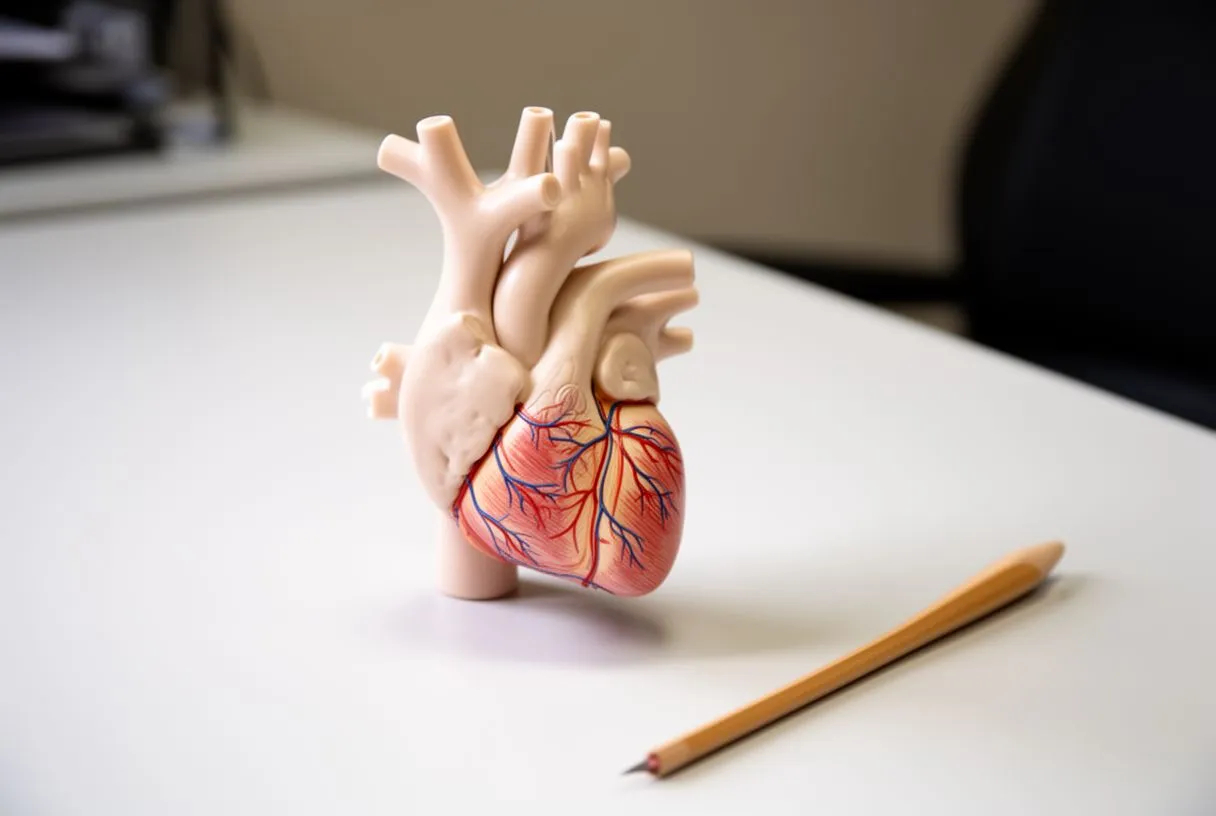
Anatomical role of the subclavian arteries: The right and left subclavian arteries branch off differently, but both ultimately supply the arms. They also feed the vertebral arteries, which travel up the back of the neck to supply the brain. When a blockage forms, it affects this dual supply system, creating consequences for both the upper extremity and the posterior brain.
Why plaque forms in this specific location: Atherosclerosis, the buildup of cholesterol and calcium, is the most common cause. Just as MedlinePlus outlines for general vascular health, lifestyle factors heavily influence this plaque development. The narrowing forces the heart to work harder to push blood past the obstruction, altering the delicate pressure balance in the upper body.
Subclavian Artery Blockage Symptoms and Arm Claudication
Recognizing subclavian artery disease early helps prevent complications. The symptoms often depend on which part of the artery is blocked and how severe the narrowing has become. Because the subclavian artery supplies both the arm and parts of the brain, symptoms can manifest in two distinct regions, sometimes making the condition difficult to pinpoint without a vascular evaluation.
Arm claudication and circulation changes: Arm claudication is pain or cramping in the arm muscles that occurs during exercise and stops with rest. It happens because the muscles demand more oxygen than the narrowed artery can deliver. You might also notice that one arm has a weaker pulse or lower blood pressure than the other, indicating a deficit in arterial delivery.
When to seek a vascular evaluation: Unexplained arm pain or persistent dizziness warrants a professional evaluation. Doctors use careful auscultation—listening with a stethoscope—to detect a "bruit," or abnormal whooshing sound over the artery, which often indicates turbulent blood flow from a blockage.
How Subclavian Steal Syndrome Affects Your Circulation
Subclavian steal syndrome is a specific and fascinating mechanism within subclavian artery disease. It occurs when a blockage in the subclavian artery reverses the normal direction of blood flow in the vertebral artery. Instead of flowing up to the brain, blood flows down the vertebral artery to supply the starving arm.
The mechanics of vascular "stealing": When the subclavian artery is severely narrowed before it gives off the vertebral artery branch, the arm becomes starved for blood. To compensate, the body creates a pressure gradient that pulls blood backward from the brain through the vertebral artery. This effectively "steals" blood from the posterior circulation of the brain, which controls balance and vision.
Symptoms triggered by arm exercise: This stolen blood flow is often asymptomatic at rest. However, when you use your arm for physical activity, the muscles demand more oxygen. This increases the steal effect, pulling even more blood away from the brain, leading to acute dizziness, double vision, or even syncope. For patients with a previous heart bypass using the internal mammary artery, this can also steal blood from the heart itself.
Left Subclavian Artery Occlusion: A Common Presentation
Left subclavian artery occlusion is statistically more common than blockages on the right side. This is due to the unique angle and origin of the left subclavian artery, which branches directly off the aortic arch. The turbulence at this origin point makes it more susceptible to plaque buildup over time.
Anatomical differences between left and right: The left subclavian artery arises as the third major branch off the ascending aorta, while the right subclavian artery branches off the brachiocephalic trunk. This direct origin on the left side creates different hemodynamic forces that can encourage atheromatous plaque formation precisely at the vessel's origin.
Connecting systemic health to localized disease: Vascular health is deeply interconnected with systemic inflammation. Research on The gut microbiota and host health demonstrates how systemic inflammatory states can influence widespread vascular integrity. Managing these systemic factors is crucial for preventing progression in any major artery, including the left subclavian.
Understanding Subclavian Artery Disease Risk Factors
The risk factors for subclavian artery disease mirror those of general cardiovascular disease. Addressing these factors is the first line of defense in preventing the progression of arterial blockages. Patient education focuses on modifiable lifestyle elements that directly impact arterial health.
The role of lipids and metabolic health: High levels of Apolipoprotein B, a protein involved in lipid metabolism, indicate a higher number of plaque-forming particles in the blood. Controlling cholesterol and managing diabetes are paramount. Patients often take Aspirin to reduce the risk of clot formation over existing plaques.
Modifiable and non-modifiable risks: We evaluate each patient's unique risk profile to determine their baseline vulnerability. This personalized approach allows us to recommend the lowest risk interventions for your specific situation.
- Smoking: The most significant modifiable risk factor, directly damaging the endothelial lining of all arteries.
- Hypertension: High blood pressure accelerates the mechanical stress on arterial walls, hastening plaque rupture.
- Diabetes: Impaired glucose tolerance damages small and large vessels, complicating subclavian stenosis.
- Hyperlipidemia: Elevated cholesterol provides the raw material for atheromatous plaque buildup.
How Subclavian Stenosis Is Evaluated and Diagnosed
Accurate diagnosis of subclavian stenosis requires a combination of physical examination and advanced imaging. Just as neurologists rely on specific protocols like the EANO guidelines on the diagnosis and treatment of diffuse gliomas, vascular surgeons use established pathways to map subclavian blockages precisely.
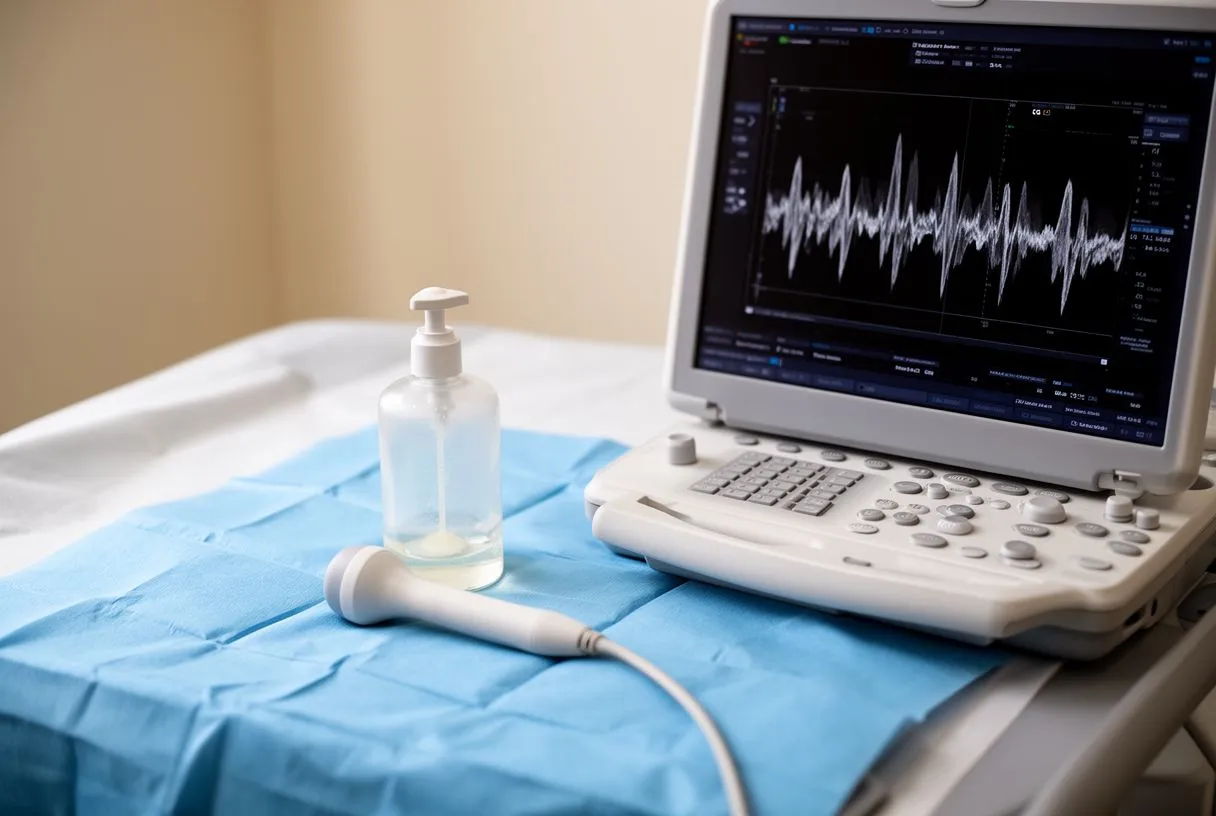
Non-invasive ultrasound and imaging: Subclavian artery ultrasound is typically the first diagnostic step. It is painless and uses sound waves to visualize blood flow and measure velocities, which increase as blood squeezes through a narrowing. We can often identify the exact location and severity of the blockage with this tool alone.
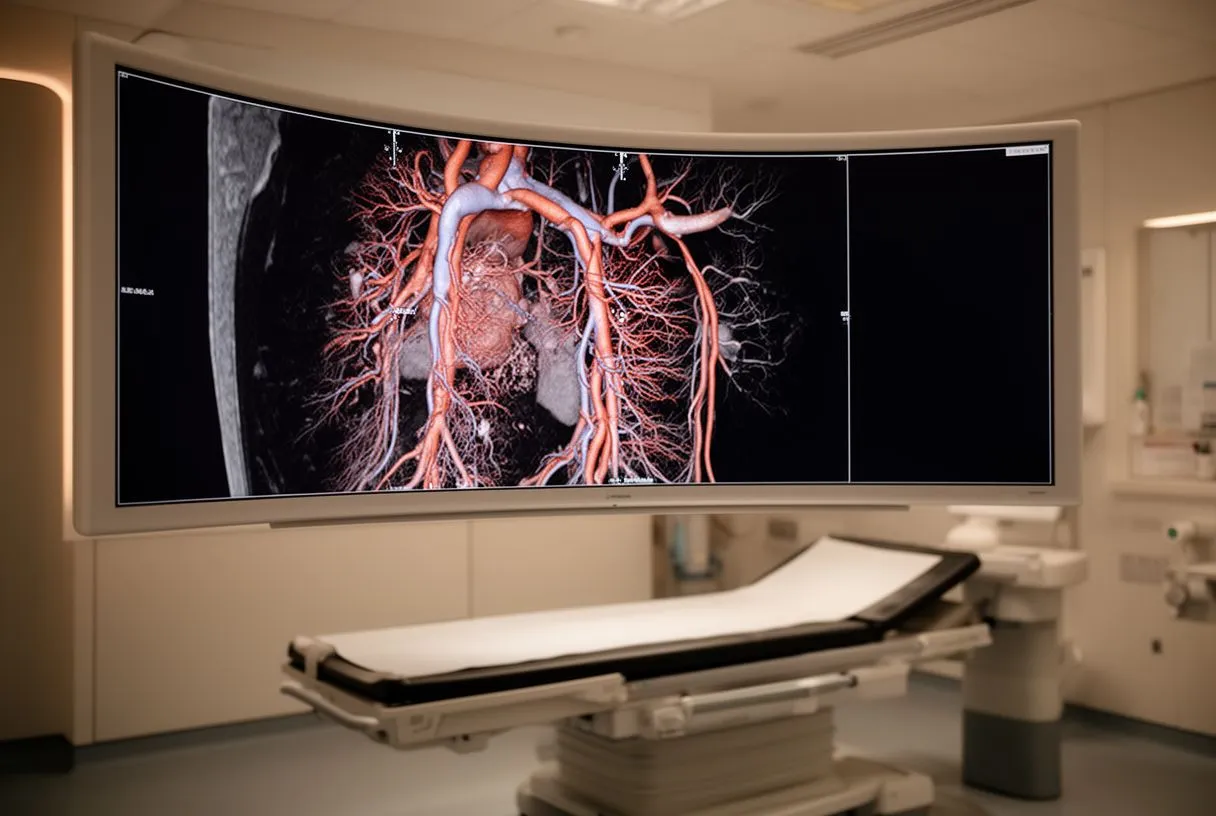
Confirming diagnosis with CT or MR angiography: If ultrasound suggests a significant blockage, we may recommend a CT angiogram. This provides a detailed, three-dimensional roadmap of the arteries, crucial for planning any intervention. In complex cases, precise pressure gradients measured by an arterial line confirm hemodynamically significant blockages requiring surgical action.
Angioplasty for Subclavian Artery Disease: Minimally Invasive Options
When subclavian artery disease causes significant symptoms or endangers a heart bypass graft, intervention is necessary. Angioplasty is often the preferred first-line treatment. It is a minimally invasive procedure that can restore blood flow without the need for large surgical incisions.
The mechanics of balloon angioplasty: During the procedure, a catheter is threaded through a small puncture in the groin or wrist up to the subclavian artery. A specialized balloon is inflated at the site of the blockage, flattening the atheromatous plaque against the artery walls to widen the channel.
Stent placement and long-term patency: In most subclavian cases, a stent—a small wire mesh tube—is placed to keep the artery open. This acts as a permanent scaffold. The success rates for subclavian angioplasty and stenting are generally excellent, with high rates of long-term vessel patency, or openness.
Bypass Surgery for Subclavian Artery Disease: What to Expect
For complex subclavian artery blockages that cannot be treated with angioplasty, bypass surgery is a highly effective alternative. This open surgical procedure creates a new route for blood to flow around the blockage, restoring circulation to the arm and brain.
Common bypass techniques used: The most common approach is a carotid-subclavian bypass, where an arterial graft is used to connect the healthy carotid artery in the neck to the subclavian artery beyond the blockage. Another method is an axillo-axillary bypass, connecting the two subclavian arteries across the chest.
Surgical materials and autologous options: Surgeons may use synthetic grafts, typically made of polyester or PTFE, for these bypasses. In some specific cases, an autograft, using the patient's own vein, might be considered, though synthetic materials are standard for the large diameter vessels involved in subclavian reconstruction.
Recovery Timeline After Subclavian Artery Surgery
Recovery from subclavian artery surgery is generally well-tolerated, but it requires patience and adherence to medical guidance. The immediate postoperative period focuses on pain management and monitoring the success of the bypass or stent.
Immediate postoperative care: Patients spend the first night in a monitored unit. The care team checks arm pulses, blood pressure in both arms, and watches for any signs of bleeding or graft occlusion. Early walking is encouraged to prevent blood clots in the legs.
Long-term recovery and restrictions: Full recovery from open bypass surgery takes about four to six weeks. You will need to avoid heavy lifting or strenuous arm exercises during this time to allow the incisions and graft to heal properly. Here is what to expect during your recovery journey:
- First 2 weeks: Focus on gentle walking and incision care. Expect fatigue and limit arm movement above the shoulder.
- Weeks 3-6: Gradual return to normal daily activities. Cardiac rehabilitation or structured walking programs may begin.
- Long-term follow-up: Regular vascular ultrasounds to monitor graft patency and check for new blockages.
Long-Term Management and Heart Surgery Connections
Managing subclavian artery disease does not end with surgery. The underlying atherosclerosis that caused the blockage remains a systemic threat. Long-term management is crucial to protect your arteries, your heart, and your brain from future events.
The connection to future heart surgery: If you have subclavian disease and may need future heart surgery, repairing the subclavian blockage first is often essential. A healthy subclavian artery is required to support the internal mammary artery, which is the gold standard graft for coronary bypass surgery.
Partnering with your cardiac team: Your journey with subclavian artery disease is a marathon, not a sprint. We encourage you to discuss your specific anatomy, risk factors, and symptoms with our qualified cardiac team in Guadalajara, Querétaro, or Hermosillo. Booking a consultation is the best way to receive a personalized assessment rather than self-diagnosing based on general information.






