


Surgical Ablation for Atrial Fibrillation: The Maze Procedure
Surgical ablation for atrial fibrillation restores normal heart rhythm when medications fail.
What is Surgical Ablation for Atrial Fibrillation?
Atrial fibrillation is a chaotic electrical rhythm in the upper chambers of the heart, known as the atrium. When medications fail to control this irregular heartbeat, your cardiac team may discuss surgical ablation as a definitive option. This procedure creates precise lines of scar tissue to block the abnormal electrical signals causing the arrhythmia, restoring a normal rhythm.
Understanding what happens during this surgery helps reduce the anxiety that often accompanies heart procedures. The goal is to isolate the areas where the rogue electrical signals originate, most commonly around the pulmonary veins. By creating a "maze" of scar tissue, the surgeon forces the electrical impulse to travel along a single, controlled path, preventing the rapid, erratic beats that characterize atrial fibrillation.
Choosing to undergo heart rhythm surgery is a significant decision that requires careful consideration. It is typically recommended when other treatments, such as catheter ablation or antiarrhythmic drugs, have not provided lasting relief. We will explore how this approach works, who benefits most, and what to expect during recovery to help you make an informed choice about your cardiac care.
How Does the Maze Procedure Work?
The Maze procedure is the most common form of surgical ablation performed today. During the operation, the surgeon uses specialized energy sources—such as radiofrequency or cryotherapy, which uses extreme cold—to create a specific pattern of lesions on the heart muscle. These lesions heal into permanent scar tissue, which does not conduct electricity, effectively corralling the chaotic signals.
This is particularly effective for patients who also experience atrial flutter, a related but distinct rapid heart rhythm. By interrupting the abnormal circuits in the heart's upper chambers, the procedure restores the coordinated beating necessary for efficient blood flow. The surgeon carefully maps the heart's electrical system to ensure the new pathway will support a healthy, steady rhythm without the dangerous pauses or racing spells.
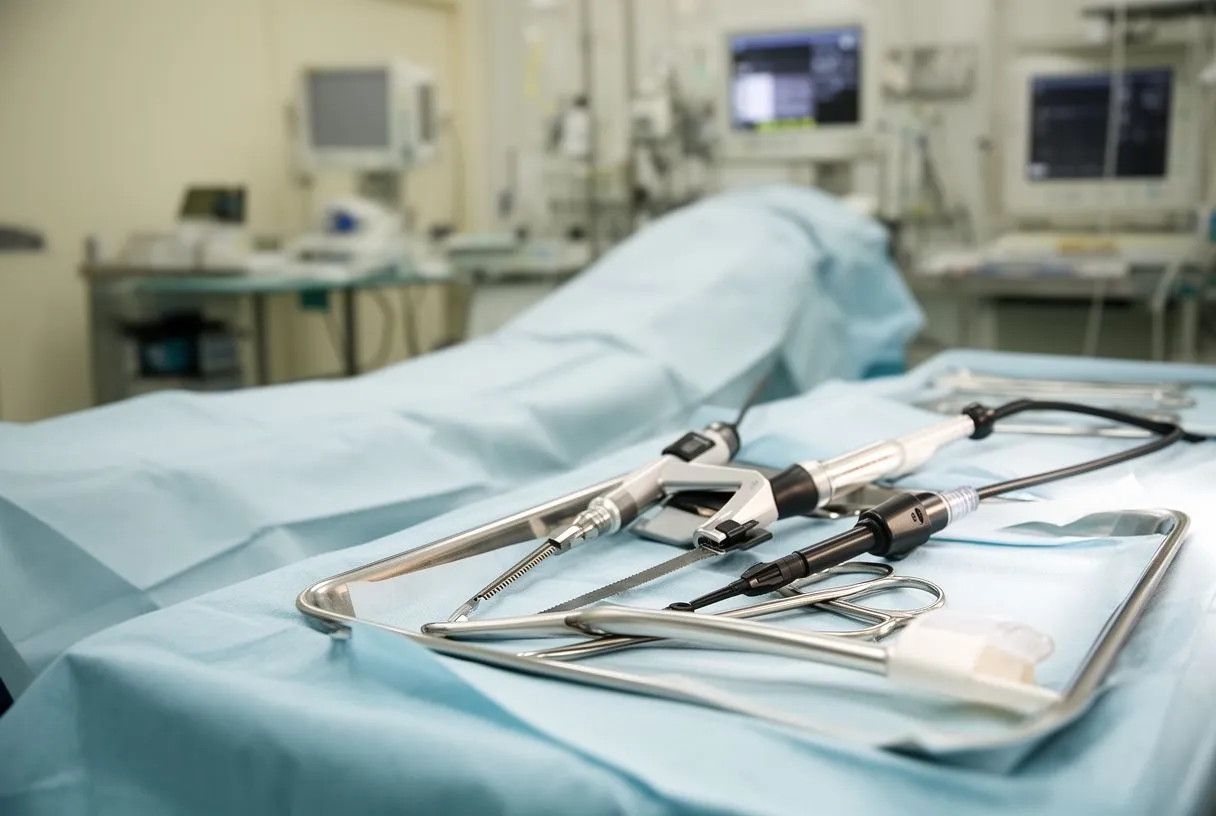
The procedure can be performed as a standalone operation or combined with other necessary heart surgeries. Because the heart's structure is permanently altered in a predictable way, the electrical reset is often more durable than less invasive alternatives. This anatomical precision is what gives the Maze procedure its high success rates in maintaining normal sinus rhythm over time, freeing patients from the burden of daily arrhythmia symptoms.
Candidates for AFib Surgery: When Is It Recommended?
Not everyone with an irregular heartbeat requires surgery. Surgical ablation is generally reserved for patients whose atrial fibrillation is persistent, severely symptomatic, and resistant to medication. Your cardiologist will conduct a thorough evaluation, including a review of your heart's structure and any underlying conditions that might complicate rhythm control, before recommending a surgical path.
During your assessment, the medical team will look for signs of structural heart disease, which can sometimes masquerade as or exacerbate rhythm issues. For example, severe atheromatous plaque buildup in the arteries or a history of an atypical infarction, which is an unusual presentation of a heart attack, can influence your surgical risk profile. A careful physical examination, including auscultation where your doctor listens to your heart with a stethoscope, helps your team understand your overall cardiovascular health.
- Symptom Severity: Patients whose daily life is severely impacted by palpitations, fatigue, or shortness of breath are prime candidates for intervention.
- Failed Prior Treatments: Those who have not found lasting success with catheter ablation or antiarrhythmic medications often consider the surgical route.
- Concomitant Heart Disease: Patients already scheduled for bypass or valve surgery who also have AFib can benefit from treating both simultaneously.
Your surgical risk is carefully calculated using established metrics, ensuring the benefits of restoring normal rhythm outweigh the risks of surgery. It is important to discuss your specific symptoms and medical history openly with your team. They will help you determine if this intervention offers the lowest risk for your situation and provides the best chance for a lasting cure.
Surgical Ablation vs Catheter Ablation: What Are the Differences?
When comparing surgical ablation vs catheter ablation, the primary difference lies in the approach and the invasiveness of the procedure. Catheter ablation is performed by an electrophysiologist who threads a thin tube through a vein in your leg up to the heart, using energy to destroy the abnormal tissue. Surgical ablation, conversely, involves direct access to the heart, allowing for more comprehensive lesion sets and the removal of the left atrial appendage, a common source of blood clots.
Catheter ablation is generally the first-line invasive treatment for many patients due to its lower immediate recovery burden and avoidance of a large incision. However, for certain complex anatomies or persistent arrhythmias, the transvenous approach may not be sufficient to create the deep, durable lesions needed. According to the National Center for Biotechnology Information, direct surgical access allows for more robust and transmural lesions, which can result in better long-term rhythm control for specific patient cohorts.
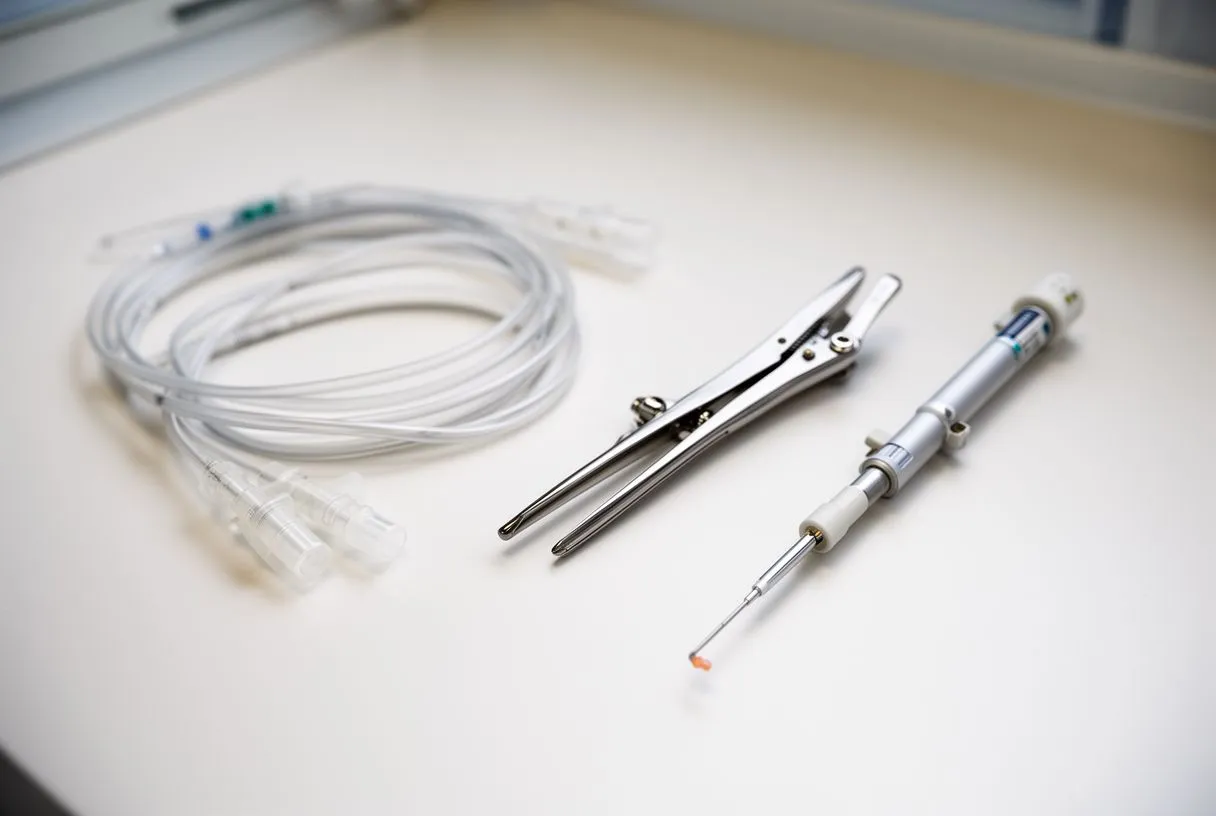
Choosing between the two depends on your specific anatomy, the duration of your atrial fibrillation, and whether you need other cardiac procedures. If you have tried catheter ablation without success, surgery offers a different, more definitive anatomical solution rather than just managing symptoms. Your cardiac team will weigh the trade-offs of a higher initial recovery period against the potential for a more permanent cure when recommending the best path forward.
Concomitant Surgical Ablation With Heart Valve Surgery
Many patients facing heart valve surgery afib issues are relieved to discover they can address both problems at once. Performing concomitant surgical ablation during valve repair or replacement adds minimal additional risk to the overall operation. Since the chest is already open and the heart exposed, adding the Maze procedure is highly efficient and spares the patient a second major surgery down the line.
This combined approach is particularly common in patients with severe aortic stenosis who also suffer from atrial fibrillation. While transcatheter aortic valve replacement (TAVR) using a balloon-expandable valve is an option for some high-risk patients, open surgery remains the standard for those who can tolerate it. For patients who are too frail for open surgery, procedures like balloon aortic valvuloplasty might be used as a bridge, though they do not offer the definitive rhythm correction of a surgical Maze.
Combining these procedures requires a highly coordinated surgical plan tailored to your unique heart structure. Research on Transcatheter Aortic-Valve Implantation for Aortic Stenosis in Patients Who Cannot Undergo Surgery highlights the importance of tailoring the approach to the individual. By treating the mechanical obstruction and the electrical chaos simultaneously, patients often experience a dramatic improvement in their overall cardiac function and quality of life.
Minimally Invasive Maze Procedure Options
For patients who need the Maze procedure but do not require open heart surgery, minimally invasive options are available. These thoracoscopic approaches use small incisions between the ribs, guided by a camera, rather than a large sternotomy down the middle of the chest. This technique significantly reduces postoperative pain and accelerates the initial recovery timeline, allowing you to return home sooner.
During a minimally invasive maze procedure, the surgical team still achieves full access to the heart's surface to create the necessary lesion lines. They may use specialized instruments to place an arterial cannula for cardiopulmonary bypass or insert an arterial line for precise blood pressure monitoring throughout the operation. In highly specialized centers, complex technologies like awake ECMO can support patients who need lung and heart bypass without full sedation, though this is reserved for very specific cases.
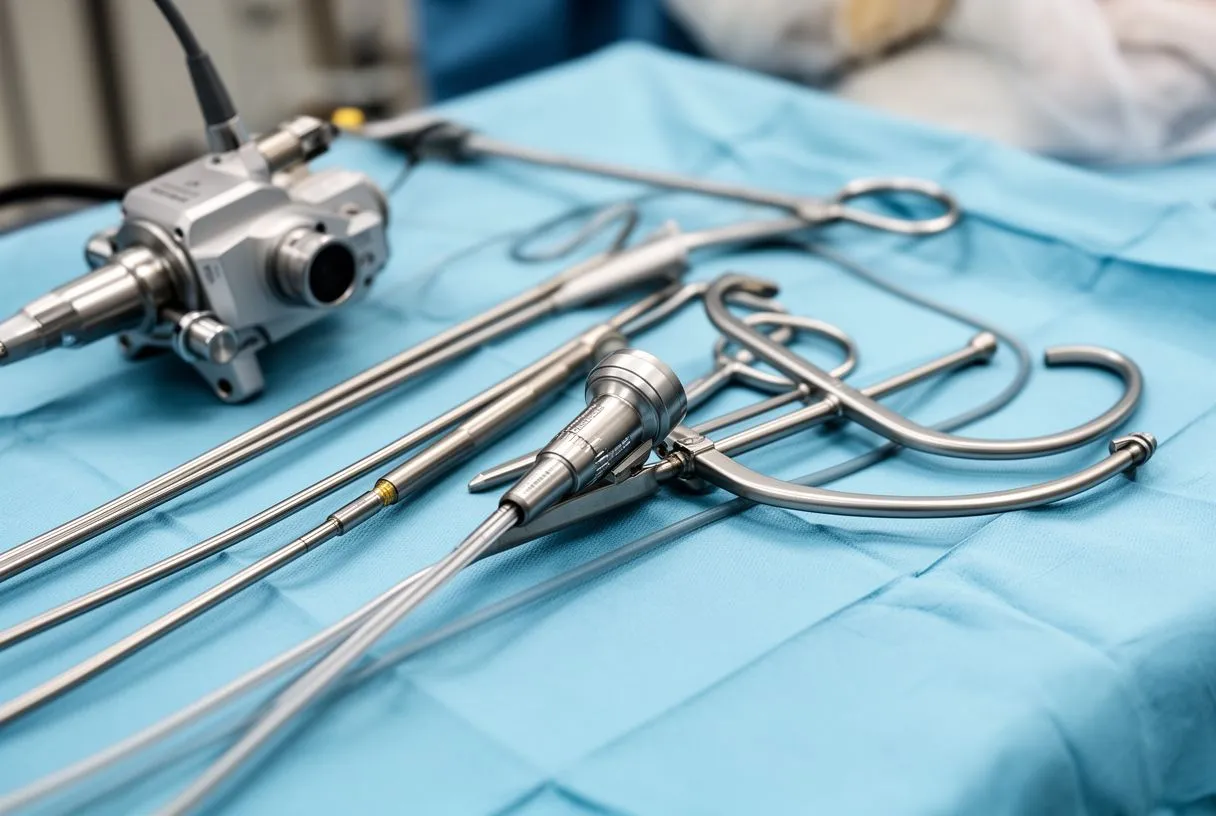
Advances in surgical technology have made these less invasive routes safer and more effective over the past decade. Patients often benefit from having their own blood salvaged and returned to them during surgery, a process known as autologous blood transfusion. This reduces the need for donor blood transfusions and promotes a gentler recovery, making the prospect of heart surgery far less daunting for patients and their families.
Maze Surgery Recovery and Timeline
Maze surgery recovery begins in the intensive care unit, where you will be closely monitored for the first 24 to 48 hours. The heart is often irritable after surgery, and it is common to experience temporary rhythm fluctuations as the heart muscle heals and inflammation subsides. You will likely be started on medications, such as Aspirin, to prevent blood clots and support the healing process during this critical early phase.
Most patients stay in the hospital for about five to seven days before being discharged home with detailed instructions. You will be encouraged to walk and perform light activities to regain your strength, gradually increasing your endurance over the following weeks. It is completely normal to experience some incisional discomfort or even referred arm pain if a chest tube was placed near the shoulder, but this is managed with medication and gentle stretching.
- First Few Days: Focus on resting, managing pain, and taking short walks in the hospital corridor with assistance from the nursing staff.
- Weeks 1-3: Gradual return to basic daily activities at home, avoiding heavy lifting, pushing, or strenuous exercise.
- Months 1-3: Most patients feel significantly stronger and begin cardiac rehabilitation to rebuild cardiovascular endurance safely.
Full recovery from heart surgery is a marathon, not a sprint, and requires patience as your body adapts. The scar tissue created during the surgical ablation takes about three months to fully mature and permanently block the abnormal electrical signals. During this time, you will have regular follow-up appointments with your cardiologist to monitor your heart rhythm and adjust your medications as needed.
Surgical Ablation Complications and Risks
Like any major surgery, surgical ablation carries certain risks that patients must understand before proceeding. While serious complications are relatively rare in experienced centers, they can include bleeding, infection, or stroke. The risk of stroke is carefully mitigated by addressing the left atrial appendage during surgery, which is a common site for clot formation in AFib patients.
Your surgeon will review your individual risk factors, such as advanced age or previous cardiac events, to ensure surgery is the right path. If you take blood thinners, the management of these medications—sometimes guided by clinical trials like the ARISTOTLE study—is crucial before and after your operation. Furthermore, understanding your metabolic markers, such as Apolipoprotein B levels, can help your team optimize your overall cardiovascular health prior to surgery and reduce the likelihood of complications.

Another consideration is the possibility that the arrhythmia may not be fully cured, requiring continued medication or a subsequent catheter ablation. However, even in cases where a perfect normal rhythm is not immediately achieved, the surgery often reduces the burden of AFib, making it much easier to manage. Your surgical team will discuss the specific risks related to your anatomy and health status so there are no surprises on the day of your procedure.
Long-Term Outcomes and Success Rate
The maze procedure success rate is highly encouraging, particularly for patients with persistent atrial fibrillation. Because the surgery provides a complete, anatomically defined block against abnormal electrical signals, many patients achieve long-term freedom from arrhythmia. This often means they can stop taking antiarrhythmic drugs and, in some cases, discontinue blood thinners under strict medical supervision.
Long-term success also depends on managing underlying cardiovascular risk factors that originally contributed to the rhythm disorder. Patients who require an autograft for bypass surgery or have enlargement of the ascending aorta often see comprehensive benefits when all structural and electrical issues are addressed together. The restoration of normal heart mechanics allows the heart to pump more efficiently, reducing symptoms like fatigue and shortness of breath.
Global cardiovascular health trends show that comprehensive management of conditions like atrial fibrillation significantly reduces mortality and improves quality of life. According to the Heart Disease and Stroke Statistics—2013 Update, treating atrial fibrillation is a critical component of reducing overall cardiovascular morbidity. Patients who undergo successful surgical ablation often report a dramatic return to their normal activities without the constant shadow of an irregular heartbeat.
Consulting Your Cardiac Team About AFib Surgery
Deciding to undergo surgical ablation is a deeply personal choice that should be made in partnership with a trusted cardiac team. It requires a thorough discussion of your symptoms, your tolerance for medications, and your overall health goals. Your surgeon and electrophysiologist will present the facts clearly, explaining the anticipated benefits and the realistic recovery expectations.
It is vital to remember that every heart is unique, and what works for one patient may not be the right choice for another. In emergency situations where a patient collapses from a lethal arrhythmia, an automated external defibrillator is used to restart the heart, but surgical ablation is an elective, preventive measure to avoid reaching that critical stage. It is about improving your long-term quality of life, not just managing an immediate crisis.
If you are struggling with atrial fibrillation and feel your current treatment plan is not providing the relief you need, it may be time to explore surgical options. We encourage you to discuss your specific situation with a qualified cardiac team to determine if the Maze procedure offers the lowest risk for your situation. Book a consultation today to take the first step toward understanding your options and regaining control of your heart health.






