Surgical Haemostasis: Controlling Bleeding in Heart Surgery
Surgical haemostasis in heart surgery: the techniques used to control bleeding, reduce complications and support recovery.
What is Surgical Haemostasis in Heart Surgery?
What is surgical haemostasis in heart surgery? For any patient preparing for a cardiac procedure, understanding how bleeding is controlled is essential. Surgical haemostasis refers to the specific techniques, medications, and tools your surgical team uses to stop blood loss during an operation. When undergoing complex procedures at the base of the heart, managing bleeding is just as critical as the structural repair itself. Meticulous bleeding control significantly reduces complications, lowers the risk of infection, and speeds up your overall recovery time so you can return home sooner.
Patient anxiety about blood loss: It is entirely normal to feel anxious about bleeding during surgery, and families often worry about the need for donor blood. At Cirugía de Corazón, Dr. Alejandro Molina and his team in Guadalajara, Querétaro, and Hermosillo use advanced protocols to minimize blood loss. We approach every operation, whether traditional open surgery or beating-heart surgery where the organ continues to pump, with the goal of protecting your native blood volume and ensuring you receive the safest care for your specific situation.
Anatomical precision: The heart is a constantly moving, high-pressure pump that requires delicate navigation through fragile tissues and major vessels. The surgical team uses a combination of mechanical pressure, precise suturing, and specialized medications to ensure that once a surgical step is complete, the area remains dry and secure. This multi-layered approach lowers the risk of hidden internal bleeding compromising your early recovery in the intensive care unit.
How Bleeding Occurs During Cardiac Surgery
Bleeding during cardiac surgery happens for several mechanical and physiological reasons. The surgery itself involves cutting through skin, muscle, and the pericardium, which is the protective sac around the heart. Larger vessels, such as those used for bypass grafts or where an autograft of your own tissue is harvested, must be carefully managed. Furthermore, when operating on delicate structures, the surgical team must sew artificial materials into living tissue, creating tiny gaps where blood can escape under pressure.
The impact of anticoagulation: To use the heart-lung machine, your blood must be thinned with heparin to prevent dangerous clots from forming in the machine tubing. This necessary thinning makes bleeding much harder to control naturally, so the team must carefully and precisely reverse this medication afterward. According to Harvard Health, managing this delicate balance of thinning and reversing is a cornerstone of safe cardiac surgery, protecting both your brain and your surgical site.
Understanding blood products: When bleeding occurs, the loss of volume and red blood cells must be addressed to keep your organs oxygenated. While modern blood products are highly safe and rigorously screened, minimizing their use avoids immune reactions and infections. The surgical team monitors clotting times continuously and uses targeted interventions to ensure that your blood returns to its normal clotting ability as soon as it is safe to do so, bridging the gap until your body can heal naturally.
Surgical Haemostasis Techniques: Mechanical Control
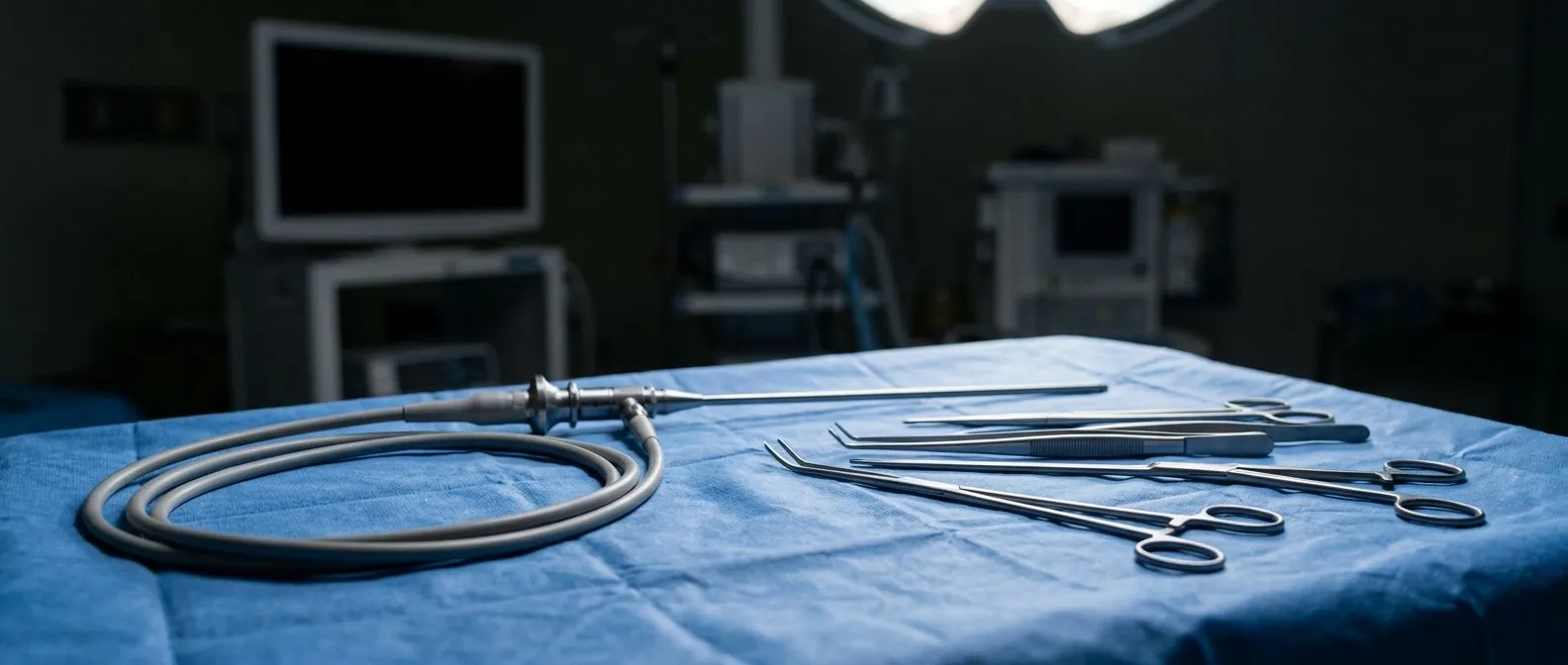
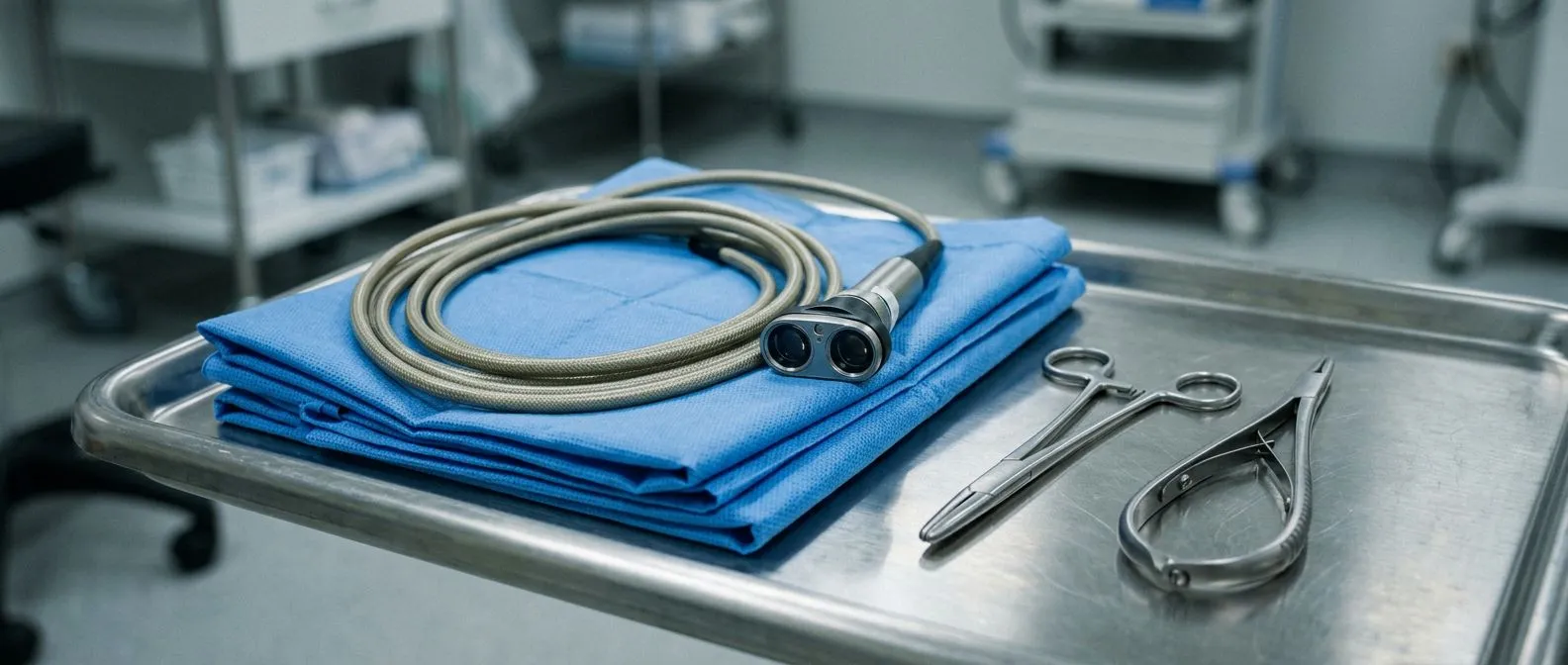
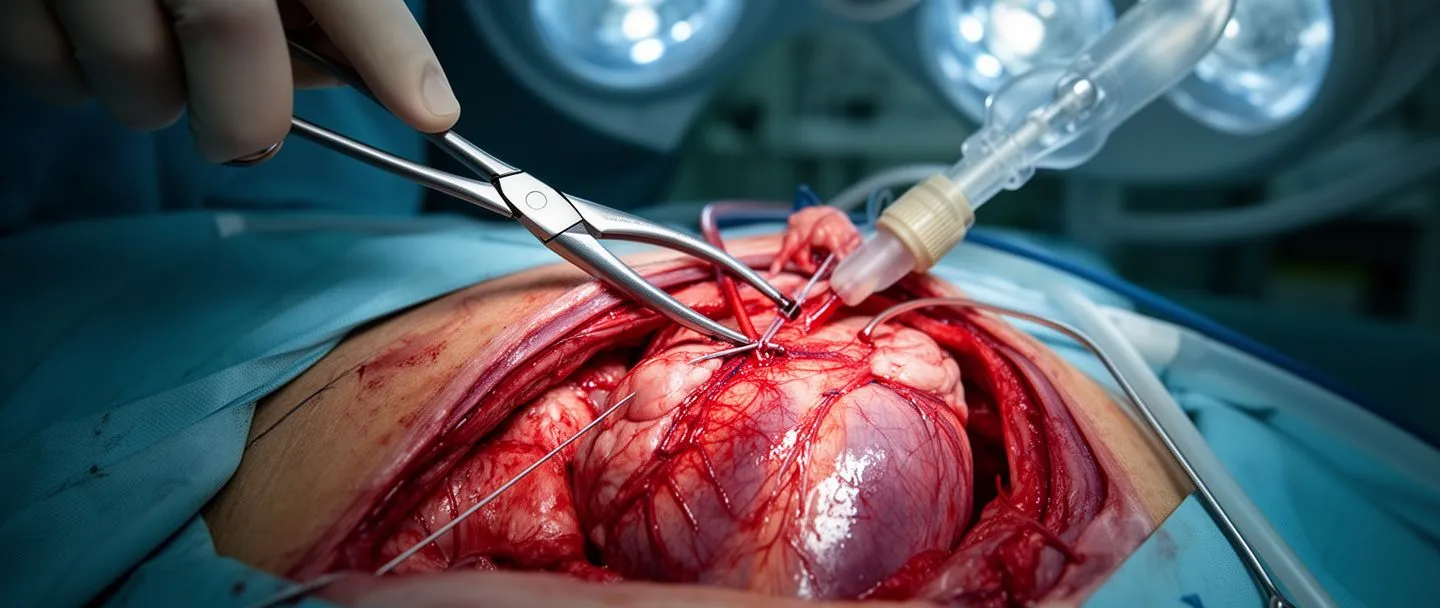
The most fundamental approach to surgical haemostasis is mechanical. This involves physically closing off bleeding vessels using fine, specialized sutures to stitch tissues together tightly. For larger bleeding sites, metal clips are applied to pinch vessels closed quickly and effectively. Electrocautery is another common tool; it uses a controlled electrical current to heat tissue, sealing blood vessels and cutting tissue simultaneously, which prevents widespread bleeding as the surgeon works carefully around the heart.
Managing the arterial line: When connecting you to the heart-lung machine, tubes called cannulas are placed into your major vessels to divert blood. These puncture sites are heavily secured with purse-string sutures. Once the machine is turned off and your heart resumes pumping, these sutures are tightened down like a drawstring, closing the hole completely before the tubes are removed, ensuring no leakage from these critical entry points.
- Suturing: Fine stitches physically close tissue edges and vessel holes with exact precision.
- Electrocautery: Controlled heat seals small vessels to prevent continuous oozing.
- Clips: Small mechanical devices permanently clamp off larger bleeders instantly.
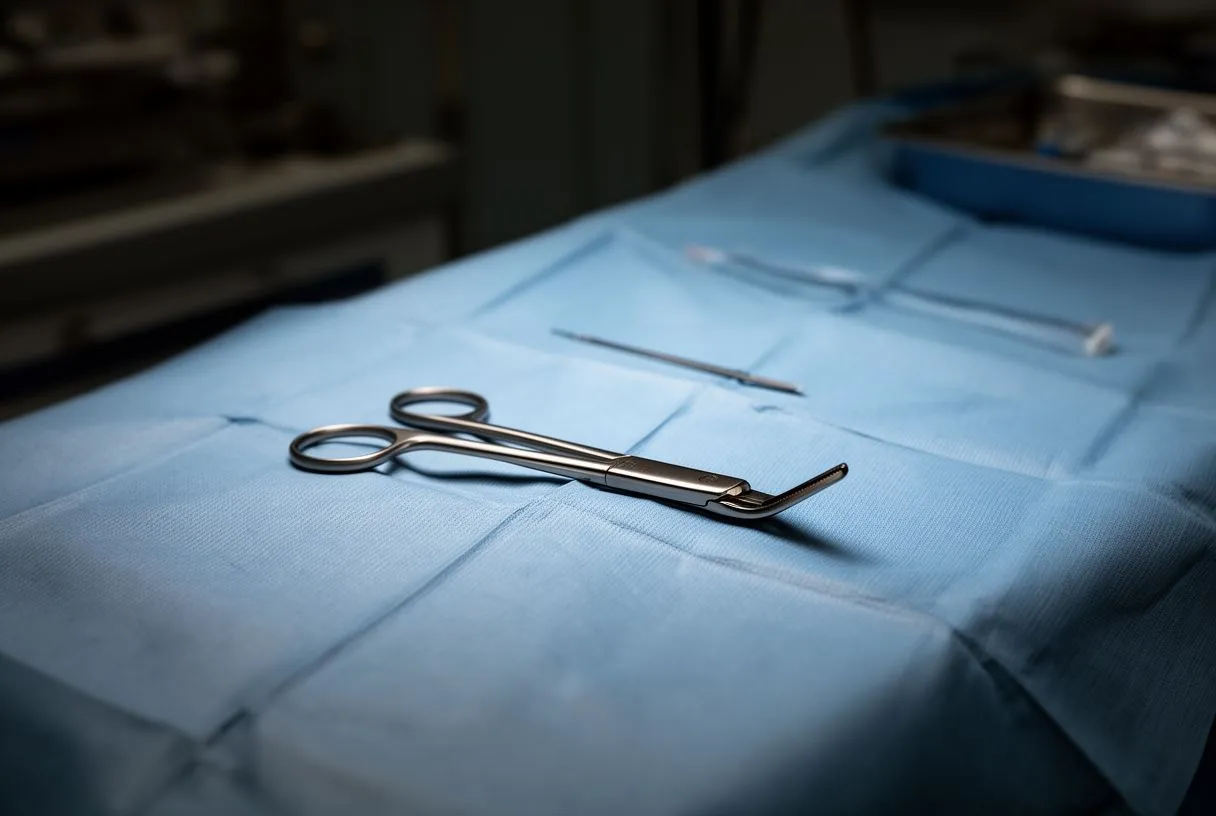
Ensuring a dry surgical field: Before moving to the next phase of the operation, the surgeon meticulously inspects all mechanical closures. Any small oozing spot is addressed immediately with additional sutures or cautery. This step-by-step verification is what prevents cumulative blood loss, ensuring that the surgical field remains clear and that the team can focus on the intricate repair of your heart without visual obstruction or constant fluid management slowing them down.
Topical Haemostatic Agents and Sealants
Sometimes, mechanical sutures are not enough, especially in fragile tissues or areas that are difficult to reach safely. In these cases, surgeons apply topical haemostatic agents. These are specialized medical glues, powders, or sponges that actively promote clotting when applied directly to a bleeding surface. A common application is when securing a bovine pericardial valve, where the seam between the new valve's sewing ring and the patient's native tissue must be perfectly sealed against high pressure.
How sealants work: These agents often contain concentrated clotting proteins, like thrombin or fibrin, which jumpstart the final stages of your body's natural clotting cascade. They act as a temporary biological patch that holds the area dry while your body heals. This is particularly crucial in minimally invasive approaches, as evidenced in complex structural reports like the Transapical Implantation of a 2nd-Generation JenaValve Device in Patient with Extremely High Surgical Risk, where sealing leaks is paramount to success.
Device integration: These agents are also used around the insertion sites of various cardiac devices. Even with a well-made device, the body's natural reaction to a foreign implant can cause microscopic oozing. Sealants provide an extra layer of security, ensuring that the surgical field remains completely dry and that blood loss remains at an absolute minimum throughout the procedure and the critical early hours of recovery.
Antifibrinolytic Therapy and Medication Strategies
In addition to physical tools, surgeons use medications to control bleeding from the inside out. Antifibrinolytic therapy involves drugs like tranexamic acid, which prevent the body from breaking down blood clots too early. Given before the incision is made and continued during the operation, they stabilize the clots that form, drastically reducing overall blood loss. This approach is a standard and highly effective practice in modern cardiac surgery, backed by decades of clinical evidence.

Managing daily medications: Before surgery, your medical team will review your current prescriptions carefully. Drugs like Aspirin, a common blood thinner, are often paused several days prior to reduce bleeding risk. A Beta Blocker, used for blood pressure and heart rate, might be continued or adjusted. Balancing these medications is critical; stopping some too early can risk clots, while continuing them can increase bleeding, so the timing is tailored exactly to your surgical date.
Postoperative medication: After the operation, medications are reintroduced carefully and systematically. For procedures like standard valve replacements or bypass surgeries, the risk of clots forming on the new valve must be weighed against the risk of bleeding at the surgical site. Your cardiology team will provide a strict schedule for resuming blood thinners, ensuring the lowest risk for your specific situation and a smooth transition to a safe, long-term recovery at home.
Blood Conservation and Autologous Blood Management
Blood conservation is a core philosophy in modern heart surgery, aiming to minimize the need for allogeneic donor blood transfusions. One of the most effective tools is cell salvage, a specialized machine that collects blood lost during surgery, cleans it, and returns it to you. This process uses your own blood, which eliminates the risk of donor-related reactions and infections, making it an excellent option for international patients traveling to Mexico for their cardiac care.
Why conservation matters: For international patients, maintaining native blood volume helps the immune system recover faster and reduces systemic inflammation. Avoiding a blood transfusion means your body does not have to adjust to foreign antibodies or proteins. This translates to shorter hospital stays, less fatigue, and a quicker return to your daily routine. Dr. Molina's team prioritizes these conservation techniques to ensure you return home stronger and more resilient.
Preoperative optimization: Blood conservation starts long before you enter the operating room. If you have anemia, your doctor may prescribe iron supplements or vitamins to boost your red blood cell count in the weeks leading up to surgery. Ensuring you are in the best possible nutritional state helps your body tolerate the inevitable small blood loss of surgery without requiring external support, keeping your recovery on the smoothest possible path.
Preventing Bleeding After Cardiac Surgery: Protocols
Preventing bleeding is a team effort that relies on strict, evidence-based protocols. Before surgery, your team checks your complete blood count and coagulation profile. If there is any sign of infection, which can subtly alter your clotting ability, blood cultures are drawn to identify the issue before proceeding. Your surgeon's Board Certification ensures they follow standardized, rigorous checklists for every operation, closing potential bleeding points methodically before closing the chest.
Intraoperative checklists: Before the surgical incision is closed, the team performs a final, comprehensive inspection. The anesthesiologist and surgeon work together to visually confirm that all suture lines and raw surfaces are completely dry. As noted in research such as TAVI para la insuficiencia aórtica mediante dispositivos dedicados. Revisión sistemática, precise intraoperative control is vital to ensuring prosthetic seals are perfect and complications are avoided entirely.
Chest closure: Closing the sternum, or breastbone, is a delicate process that requires exact alignment. The wires used to hold the bone together must be placed without damaging underlying vessels or the heart itself. The layers of muscle and skin are carefully stitched to eliminate dead space where blood could pool. These meticulous steps prevent hematomas, which are collections of blood outside the vessels that can cause pain and pressure during your recovery.
Managing Cardiac Surgery Bleeding Complications
Despite all precautions, bleeding complications can occasionally occur in the immediate postoperative period. The most serious is cardiac tamponade, where blood collects in the pericardium and compresses the heart, preventing it from pumping effectively. Symptoms include a sudden drop in blood pressure and a rising heart rate. Recognizing this quickly is critical, and the surgical team is trained to respond immediately by reopening the chest to relieve the pressure.
Re-exploration surgery: If bleeding continues despite medical management, the surgeon may perform a re-exploration. This means taking you back to the operating room to find and stop the source of the bleed. While this adds time to your hospital stay, it is a life-saving measure. The decision is made swiftly based on the volume of blood draining from your chest tubes, prioritizing your safety and long-term health above all else.
- Tamponade: Blood compressing the heart, requiring immediate surgical drainage.
- Coagulopathy: A condition where blood loses its ability to clot, managed with clotting factors.
- Re-exploration: Returning to surgery to physically stop active bleeding at its source.
Systemic clotting issues: Sometimes, the body's clotting system becomes temporarily impaired due to the massive physiological stress of surgery or the large volume of fluids administered. This condition is managed by administering specific clotting factors or blood products to restore the blood's natural viscosity and clotting ability. Close monitoring in the intensive care unit ensures any systemic issue is caught early and treated promptly.
Recovery Reality: What to Expect After Surgery
Recovering from heart surgery involves dealing with chest drainage tubes for the first few days. These tubes are placed during surgery to evacuate any normal bleeding and fluid that collects around the heart and lungs. It is normal to see a moderate amount of red fluid draining in the first 24 hours. This drainage gradually turns to a lighter, yellowish color and decreases in volume as your body heals.

Visible bruising: You may notice bruising around your incisions or even lower down on your chest and abdomen. This happens because gravity pulls minor internal bleeding downward through the tissue planes. While it can look alarming, this bruising is a normal part of the body reabsorbing small amounts of trapped blood. It will fade over a few weeks, changing colors from purple to green to yellow as the blood breaks down.
Returning to activity: Healing takes time and patience, and activity must be moderated. If you had a bare-metal stent placed during a balloon angioplasty or a more complex bypass, your activity will be restricted to prevent stressing the surgical sites. Walking is encouraged, but heavy lifting is strictly avoided. Your team will provide a detailed timeline for resuming normal activities, ensuring your incisions heal securely without bleeding risks.
When to Seek Help: Warning Signs After Discharge
Once you are discharged home or to your hotel, monitoring your incisions is a daily responsibility. While some minor oozing from the edges of the skin incision is normal during the first day or two, continuous bleeding that soaks through bandages is not. If you notice bright red blood actively flowing from the wound, you must apply pressure and seek medical attention immediately. Do not wait to see if it stops on its own.
Circulation checks: Pay close attention to your overall circulation and energy levels. If you experience dizziness, extreme fatigue, or a racing heart, it could indicate internal blood loss. If you had an arterial line in your wrist during surgery, check for a blood pressure difference between arms, which could indicate a vascular complication. Pale or clammy skin is also a sign that your blood volume might be low and requires immediate evaluation.
Consult your cardiac team: This information is designed to prepare you, not to replace professional medical advice. Every patient's recovery is unique. If you have any concerns about your healing, bleeding, or drainage, contact your surgical team right away. We encourage you to book a consultation with Dr. Alejandro Molina's team to discuss your specific diagnosis and surgical options, ensuring you feel confident and supported every step of the way.