
Syncope Causes in the Heart: When Fainting Is Cardiac
Syncope causes heart specialists in Guadalajara treat range from arrhythmia to valve disease.
Fainting, or syncope, is a frightening experience for both patients and their families. It happens when the brain temporarily does not get enough blood flow, leading to a sudden loss of consciousness. While many fainting spells are harmless, understanding the various syncope causes heart specialists monitor closely is vital for patient safety. This guide will help you bridge the gap between complex cardiology and everyday understanding, so you know exactly when to seek professional medical advice.
What Are Syncope Causes Heart Specialists Watch For?
Structural versus electrical: When evaluating syncope causes heart doctors generally categorize them into structural heart disease and electrical issues. The heart is a complex pump, and any disruption to its structure or rhythm can lower blood pressure drastically. During an initial assessment, your doctor will use careful auscultation—listening to your heart with a stethoscope—to detect murmurs or irregular sounds that might point to underlying structural damage. These sounds often provide the first clue that a fainting episode was not just a simple dizzy spell.
The brain relies on a continuous, high-pressure supply of oxygen-rich blood. If a structural issue restricts blood leaving the heart through the ascending aorta—the main artery carrying blood from the heart to the body—the brain will briefly starve for oxygen. This specific drop in blood flow is what causes a sudden fainting spell. Unlike benign fainting, these structural blockages are critical syncope causes heart doctors treat immediately to prevent future, potentially more dangerous episodes.
Silent heart attacks: Sometimes, fainting is the only outward sign of a serious but silent condition. For instance, an atypical infarction—a heart attack that presents without the classic crushing chest pain—can disrupt the heart's pumping ability enough to cause syncope. Recognizing these atypical signs is crucial, especially for older adults or those with diabetes who might not feel traditional heart attack symptoms. Identifying the exact syncope causes heart patients experience requires a comprehensive evaluation.
How Vasovagal Syncope Differs From Cardiac Syncope
The nervous system response: Many people ask about vasovagal syncope vs heart-related fainting. Vasovagal syncope is the most common type of fainting and is usually harmless. It occurs when your body overreacts to certain triggers, like the sight of blood or standing for long periods, causing a sudden drop in heart rate and blood pressure. In these cases, the heart is perfectly healthy; the nervous system simply misfires temporarily.

Cardiac syncope, on the other hand, happens because the heart itself is failing to pump blood effectively. This could be due to a dangerous arrhythmia fainting episode, a severely narrowed valve, or heart failure. The critical difference is the underlying risk: vasovagal syncope is benign, while cardiac syncope warns of potential life-threatening conditions. Distinguishing between the two is the primary goal of any emergency room visit following a fainting spell.
A key distinguishing factor is the presence of other symptoms. If you experience arm pain, chest tightness, or palpitations right before you faint, the episode is much more likely to be cardiac in origin. Vasovagal episodes are typically preceded by a feeling of warmth, nausea, or tunnel vision. By sharing these specific details with your cardiac team, you help them quickly narrow down the diagnosis.
What Heart Valve Problems Lead to Fainting?
Aortic stenosis: Heart valve syncope occurs when one of the heart's valves becomes severely narrowed or leaky, preventing normal blood flow. The aortic valve, which controls blood flow from the left ventricle to the body, is a frequent culprit. When it becomes narrowed—a condition called aortic stenosis—the left atrium must work harder to push blood through, eventually weakening the heart muscle and causing sudden fainting, especially during physical exertion.
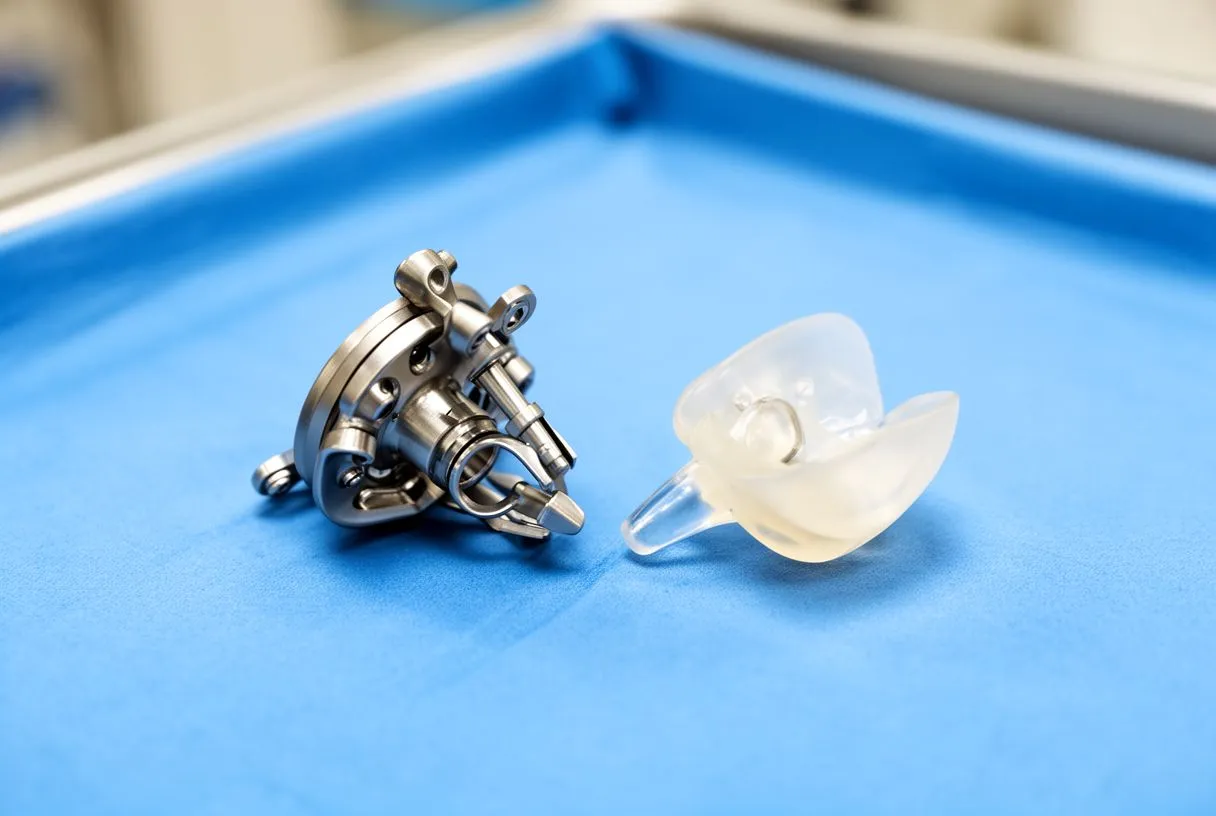
In some cases, less invasive procedures can help open a narrowed valve. Balloon Aortic Valvuloplasty is a procedure where a catheter with a small balloon is guided into the valve and inflated to stretch it open. This can temporarily relieve the blockage and reduce fainting episodes while a patient awaits a more permanent solution. It is an option for patients who need immediate symptom relief.
For tricuspid valve issues on the right side of the heart, newer technologies are emerging. According to recent research on Transcatheter Edge-to-Edge Repair for Treatment of Tricuspid Regurgitation, minimally invasive approaches can repair leaky valves without open surgery. In some of these procedures, doctors deploy a Balloon-expandable Valve to restore normal blood flow. This is a common syncope causes heart surgeons fix to eliminate the root cause of the fainting and improve the patient's quality of life.
How Arrhythmias and Bradycardia Cause Sudden Fainting
Fast heart rhythms: Arrhythmias are electrical problems in the heart that cause it to beat too fast, too slow, or irregularly. Tachycardia syncope happens when the heart beats so rapidly that it cannot fill with blood properly, leading to a sudden drop in blood pressure. Conditions like Atrial Flutter—an abnormally fast heartbeat in the upper chambers—are common triggers for this type of fainting.
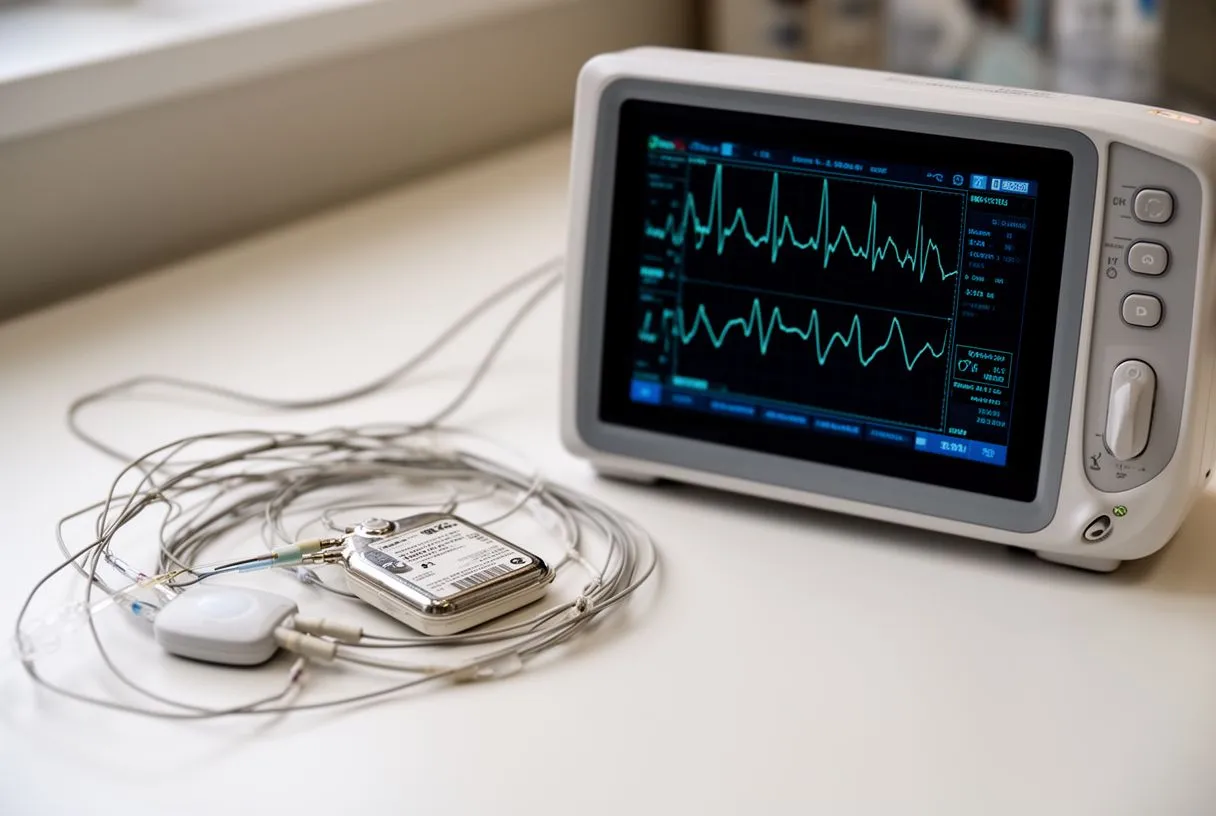
Conversely, bradycardia fainting occurs when the heart beats too slowly to supply adequate blood to the brain. This can happen because of aging electrical pathways or damage from a previous heart attack. For these patients, finding the exact syncope causes heart specialists to treat is a primary focus, making age-related electrical blocks a common cause of falls and injuries in older adults.
Managing these electrical issues often involves medication and careful monitoring. For example, some patients take Aspirin to prevent blood clots that can form when the heart's rhythm is irregular. Here are the primary ways doctors manage arrhythmia-induced syncope:
- Medication Adjustments: Changing doses to control heart rate without dropping it too low.
- Cardioversion: A controlled electric shock to reset the heart's normal rhythm.
- Ablation: Destroying the tiny area of heart tissue causing the faulty electrical signals.
Specific Syncope Causes Heart Failure Patients Face
Weakened pumping capacity: Heart failure fainting is a serious concern for patients whose hearts cannot pump blood efficiently. When the heart muscle is weak, even minor stressors—like a small arrhythmia or a sudden drop in blood pressure—can cause syncope. This happens because the failing heart has no reserve capacity to increase its output when the body demands more oxygen.
Fluid overload is another factor. In heart failure, fluid can build up around the heart and lungs, restricting its movement. During certain heart surgeries, doctors might use Autologous Blood—a patient's own previously donated blood—to safely restore volume without risking rejection. If the heart cannot handle this volume, pressure builds up in the venous system, further decreasing cardiac output and leading to fainting.
For these patients, any unexplained syncope causes heart specialists to suspect a worsening of their baseline condition. It is a sign that current medications might need adjustment or that the disease has progressed to a stage requiring more advanced interventions, such as mechanical support or transplant evaluation. Never ignore a fainting spell if you have an established heart failure diagnosis.
How Cardiogenic Syncope Treatment Is Planned
Targeted therapies: Cardiogenic syncope treatment is highly individualized. The first step is always a thorough diagnostic workup to pinpoint the exact mechanism causing the fainting. If an electrical problem is found, treatment focuses on rhythm control. If a structural issue is discovered, surgical or catheter-based interventions are planned. The goal is to fix the exact syncope causes heart teams can address with modern treatment to prevent future brain starvation.
In emergencies, an Automated External Defibrillator (AED) can be a lifesaving tool if syncope is caused by a lethal arrhythmia like ventricular fibrillation. These portable devices analyze the heart's rhythm and deliver an electric shock if needed to restore a normal beat. Knowing how to use one can save a life while waiting for emergency responders to arrive.

For patients with tricuspid valve disease causing syncope, modern treatment planning often includes reviewing outcomes of newer procedures. A recent study on Outcomes After Current Transcatheter Tricuspid Valve Intervention shows that minimally invasive valve replacements can significantly improve survival and reduce symptoms. These advancements mean that even high-risk patients who faint due to severe valve disease now have viable, lower-risk treatment options.
When a Pacemaker for Syncope Becomes Necessary
Implantable devices: A pacemaker for syncope is the standard treatment when fainting is caused by severe bradycardia or pauses in the heart's rhythm. A pacemaker is a small device implanted under the skin that monitors the heartbeat. If it detects that the heart is beating too slowly or pausing, it sends a painless electrical signal to prompt the heart to beat at a normal rate, preventing fainting.
Deciding to implant a pacemaker is based on clear guideline thresholds. If a patient's heart rate drops below a certain level, or if they experience pauses longer than three seconds while awake, a pacemaker is strongly recommended. This is especially true for elderly patients, as the natural aging process degrades the heart's electrical pathways over time.
Recovery from pacemaker implantation is usually quick, with most patients returning home the next day. The device provides an immediate safety net, completely eliminating the risk of syncope from a slow heart rate. Patients with pacemakers can usually return to their normal activities, confident that their heart will maintain a steady, reliable rhythm.
What a Syncope Evaluation Involves
Medical history: A comprehensive syncope evaluation involves several steps to safely rule out dangerous heart conditions. The evaluation usually begins with a detailed medical history and physical examination. They will ask about the specific circumstances of your fainting spell, what you felt before it happened, and how quickly you recovered. This history is often the most important diagnostic tool.
Advanced monitoring is frequently required. Sometimes, an Arterial Line is placed to continuously and accurately measure blood pressure during testing. In more complex surgical scenarios, an Arterial Cannula might be used to support circulation. These tools provide real-time data that helps the cardiac team see exactly how the heart and blood vessels behave under stress, ensuring a precise diagnosis.
Here is what you can expect during your cardiac workup:
- Electrocardiogram (ECG): Records the heart's electrical activity to find hidden arrhythmias.
- Echocardiogram: An ultrasound that uses sound waves to visualize heart valves and muscle function.
- Stress Test: Monitors your heart while you walk on a treadmill to induce exercise-induced syncope.
Exercise Induced Syncope Heart Warning Signs
Exertion and demand: Exercise induced syncope heart issues are particularly concerning. When you exercise, your muscles demand more oxygen, and your heart must pump harder and faster to supply it. If you faint during physical exertion, it suggests the heart cannot increase its output to meet demand, which is a major red flag for structural heart disease or dangerous arrhythmias.
Underlying coronary artery disease is a common cause. An atheromatous plaque—a buildup of cholesterol and fat in the artery wall—can restrict blood flow to the heart muscle itself. High levels of Apolipoprotein B in the blood are a strong indicator of these plaques. When the heart muscle is starved for blood during exercise, it can trigger arrhythmias that lead to sudden fainting.
If you experience syncope during exercise, you should stop all physical activity immediately and seek a cardiac evaluation. This is not the time to "push through" or assume it was just dehydration. Identifying these exercise induced syncope heart warning signs early can prevent sudden cardiac arrest, particularly in young athletes and active adults with undiagnosed conditions.
When Fainting Means Heart Disease Requires Surgery
Surgical thresholds: Knowing when fainting means heart disease requires surgery depends on the underlying anatomy. If syncope is caused by severe aortic stenosis or coronary artery blockages, surgery is often the only definitive treatment. Guidelines often recommend surgery if the aortic diameter is greater than 5.5 cm or if the aortic valve area is severely restricted, as these structural limits directly cause cardiac syncope.
Surgical options vary based on the specific defect. If blocked arteries are the issue, Balloon Angioplasty can open them, sometimes using an Autograft or an Arterial Graft for bypass surgery. For very sick patients, Awake ECMO (Extracorporeal Membrane Oxygenation) might be used temporarily to support heart and lung function before surgery. According to the American Heart Association, prompt surgical intervention for structural heart disease dramatically improves long-term survival rates.
Fainting is your body's alarm system. By understanding the various syncope causes heart patients face, you are better equipped to take action. Do not ignore unexplained fainting, especially if it happens during exercise or alongside chest discomfort. We encourage you to discuss your symptoms with a qualified cardiac team to find the safest, most effective path forward. Book a consultation today rather than self-diagnosing, and let us help you protect your heart.