The Scrub Nurse in Your Heart Operation: What They Do
Scrub nurse heart surgery specialists prepare instruments, maintain sterility, and assist surgeons during cardiac procedures.
If you are facing heart surgery, you will meet many people on the day of your operation. Most of them you will never speak to, and one of the most important works in silence beside your surgeon. A scrub nurse heart surgery specialist prepares every instrument, guards sterility, and hands the surgeon exactly what is needed at exactly the right moment. Understanding this role can make the operating room feel less mysterious and far less frightening. This guide explains what a scrub nurse does, how the role fits into the wider cardiac team, and what it means for the safety of your operation.
What Is a Scrub Nurse in Heart Surgery?
A scrub nurse is a registered nurse who works inside the sterile field during an operation. "Scrubbing in" means washing hands and arms in a special way, putting on a sterile gown and gloves, and standing at the operating table. Once scrubbed, that nurse can touch only sterile things: instruments, drapes, the surgical site, and the surgeon's gloved hands.
Cardiac surgery raises the stakes for this role. Operations on the heart and the large vessels around it involve dozens of specialised instruments, delicate sutures finer than a hair, and strict demands on time. A Specialist Nurse in the scrub role for cardiac surgery must know the flow of an entire open-heart procedure from the first incision to the final stitch. There is no time to search for an instrument when a surgeon is working near the aortic valve.
The term can confuse patients. Nurses sometimes call their scrubs "OR blues" or simply "scrubs", and the word refers to the clothing as well as the role. What matters for you is simpler: when you are asleep, this person is the surgeon's right hand on the sterile side of the drapes.
What Does a Scrub Nurse Do in Heart Surgery?
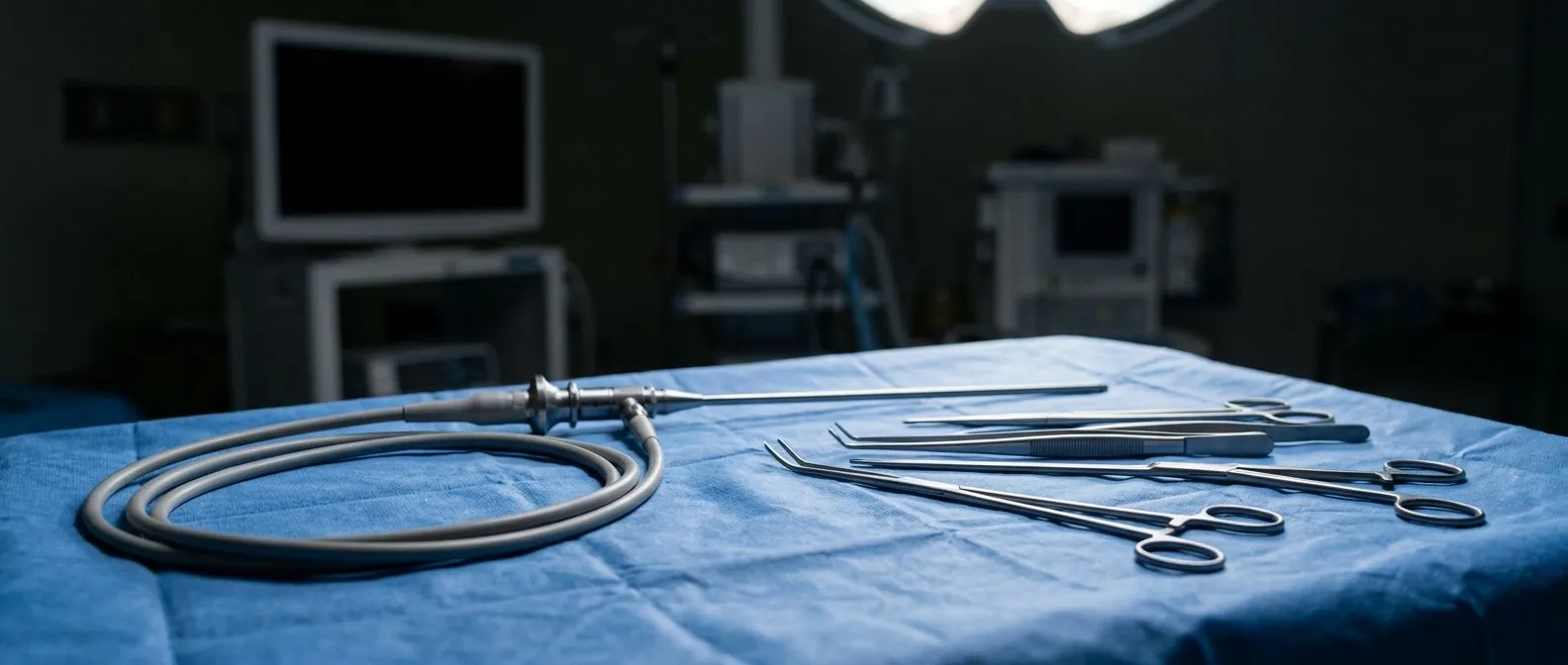
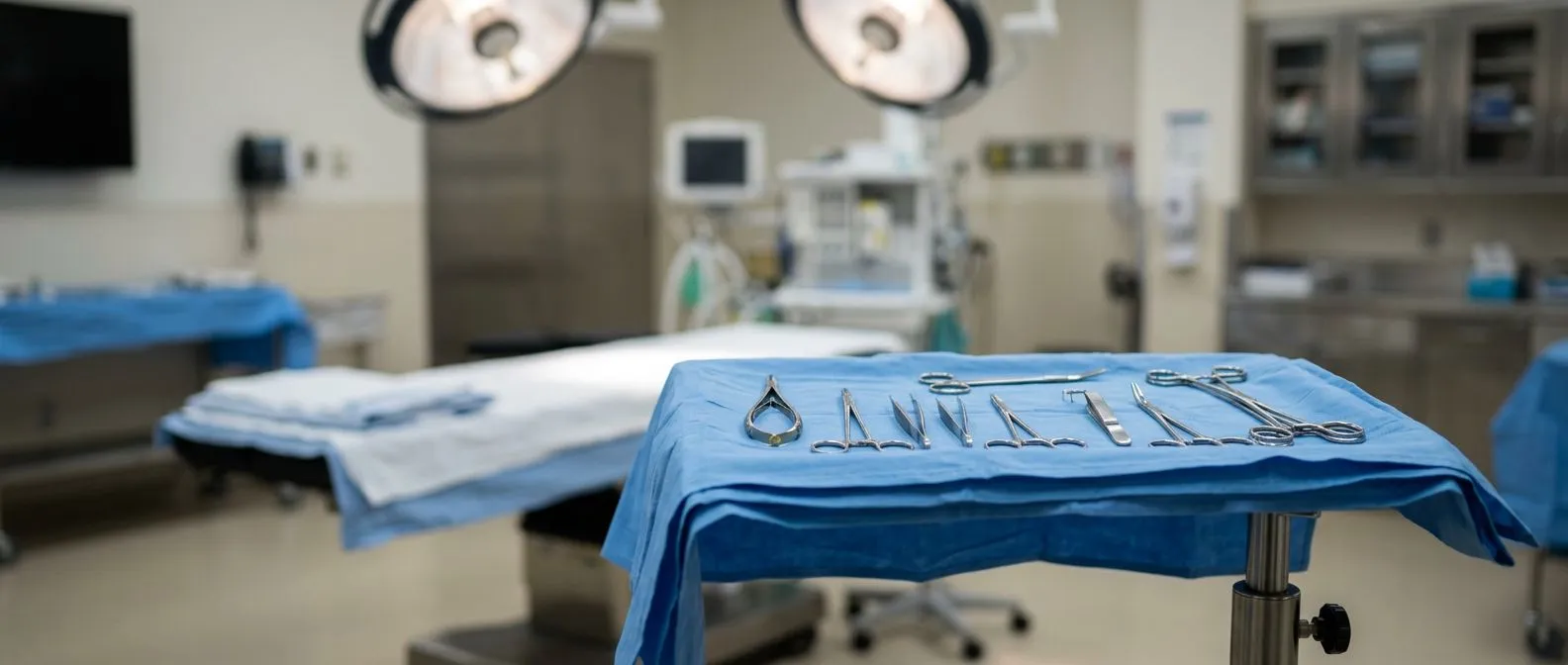
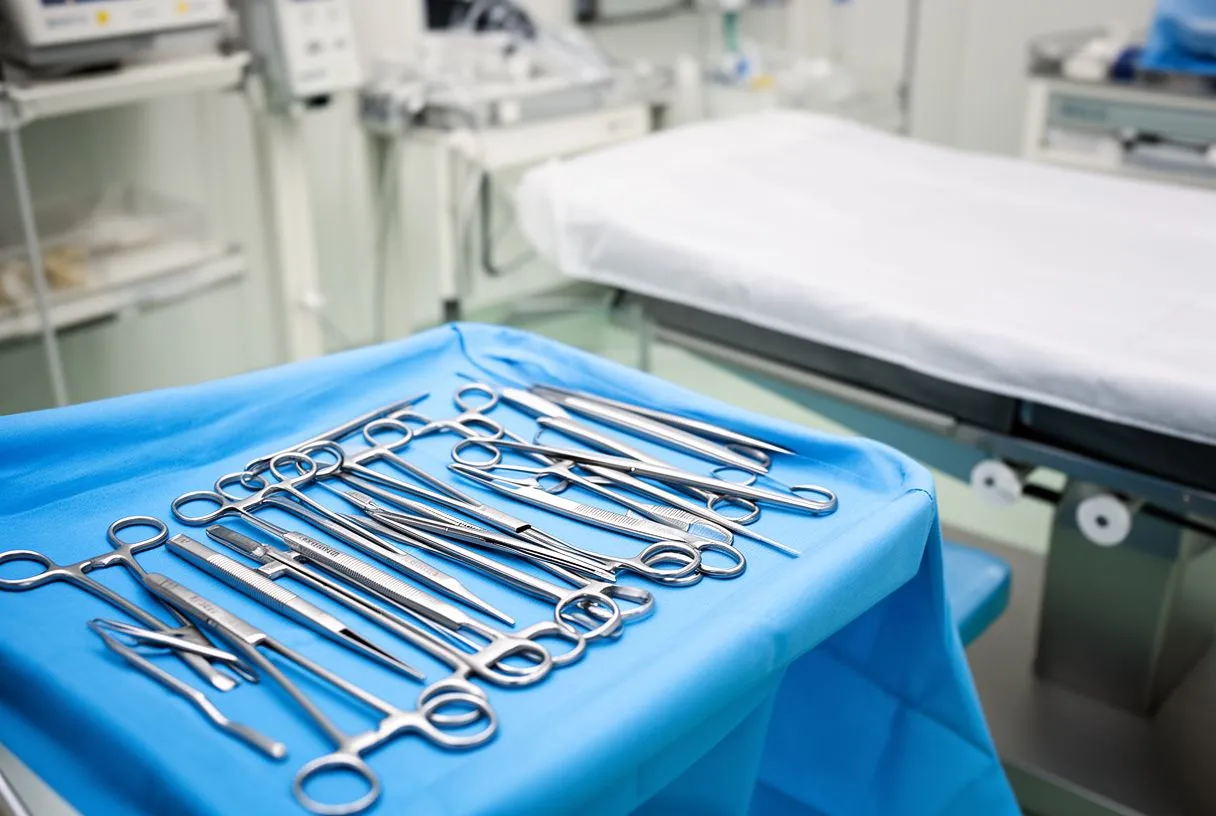
Before the first cut: the scrub nurse arrives early. Instruments are counted, checked, and arranged on a back table and a small tray called a Mayo stand. Sutures are opened and loaded. Suction, electrocautery, and the saw or sternal instruments are tested so nothing fails mid-operation.
During the operation: the nurse passes instruments, anticipates the next need, and keeps the field clear of blood and clutter. In heart surgery this includes managing delicate items such as vascular clamps, valve sizers, cannulas for the heart-lung machine, and retractors that hold the chest open.
After the operation: every needle, sponge, and instrument is counted again to confirm nothing was left inside the chest. Counts happen before, during, and after the procedure, and a mismatch stops everything until it is resolved.
Scrub Nurse Responsibilities in the Operating Room
People often ask what the main responsibilities of a scrub nurse in the operating room actually are. The list is longer than most patients expect, and each item protects you directly.
- Instrument handling: passing instruments in the correct orientation, ready for immediate use, so the surgeon never breaks rhythm.
- Sterility enforcement: watching every hand and object near the field and calling out any break in sterile technique, no matter who caused it.
- Counts: counting sponges, needles, and instruments with the circulating nurse at set points, which prevents retained objects.
- Suture and device management: preparing the exact suture type requested, from fine coronary sutures to heavy sternal wires.
- Documentation support: noting implant details, such as the make and size of a valve, which goes into your permanent record.
Many patients also ask about the five core responsibilities of any nurse. In broad terms these are assessment, planning, implementation, evaluation, and patient advocacy. The scrub nurse applies all five inside the operating room: assessing the plan before surgery starts, preparing and organising, carrying out the surgical assistance, checking the outcome of every count, and speaking up on the patient's behalf whenever safety is in question.
Ideally, every operation is planned in advance and the scrub team receives the full surgical plan beforehand. Briefing the whole operating room team on the specific valve or coronary plan before the patient enters the theatre matters, because a prepared team is a safer team.
Scrub Nurse vs Surgical Tech in Heart Surgery
Families sometimes ask whether the person at the table is a nurse or a surgical technologist. Both roles scrub in and both handle instruments, and in many operating rooms they work side by side. The practical difference is training and scope.
A scrub nurse holds a nursing degree and a professional nursing licence. Nursing training covers the whole perioperative picture, including patient assessment and medication knowledge. A surgical technologist completes a focused surgical programme, usually a certificate or associate degree, and is an essential part of the sterile team but does not hold a nursing licence.
For patients, the distinction rarely changes what happens during the operation. What matters is that the person scrubbed for your heart procedure is experienced in cardiac work specifically. Cardiac instruments and technique differ from general surgery, and familiarity with the exact steps of a valve replacement or a coronary bypass is what keeps the operation moving smoothly. Studies of minimally invasive cardiac surgery, such as early published experiences with small-incision heart operations, emphasise that a well-drilled sterile team is central to making these approaches safe and reproducible (Revista Brasileira de Cirurgia Cardiovascular).
How the Scrub Nurse Keeps the Sterile Field Safe
Infection is one of the most serious risks of open-heart surgery, and the scrub nurse is the first line of defence against it. The chest is opened, and the heart's surface is exposed to everything in the room. A single contaminated glove or a drape that slips can introduce bacteria where they must never be.
Sterile field discipline: the scrub nurse treats everything below table level, behind the surgeon's back, and outside the drapes as unclean without exception. If an instrument falls or drifts, it leaves the field and never returns. This may look wasteful, but the rule is absolute for a reason.
Watchfulness throughout: the scrub role is as much about vigilance as about hands. The nurse monitors the team's gloves, gown fronts, and drapes for hours. If anyone's sleeve brushes a non-sterile surface, the scrub nurse says so immediately and the item is changed.
This vigilance matters even in operations that seem unrelated to the surgical wound. Research into the autoimmune aftermath of streptococcal infection shows how profoundly the body can react to cardiac inflammation, which is one more reason every precaution around the open chest is taken seriously (Frontiers in Cardiovascular Medicine).

What the Scrub Nurse Does During Open Heart Surgery
Open-heart surgery, such as a coronary bypass or an aortic valve replacement, follows a rhythm, and the scrub nurse moves with it. Understanding the sequence helps you picture where your surgical team's attention goes.
Opening and exposure: the sternum, the breastbone, is divided with a specialised saw, and retractors hold the chest open. The nurse manages these heavy instruments and keeps the field clear as the pericardium, the sac around the heart, is opened.
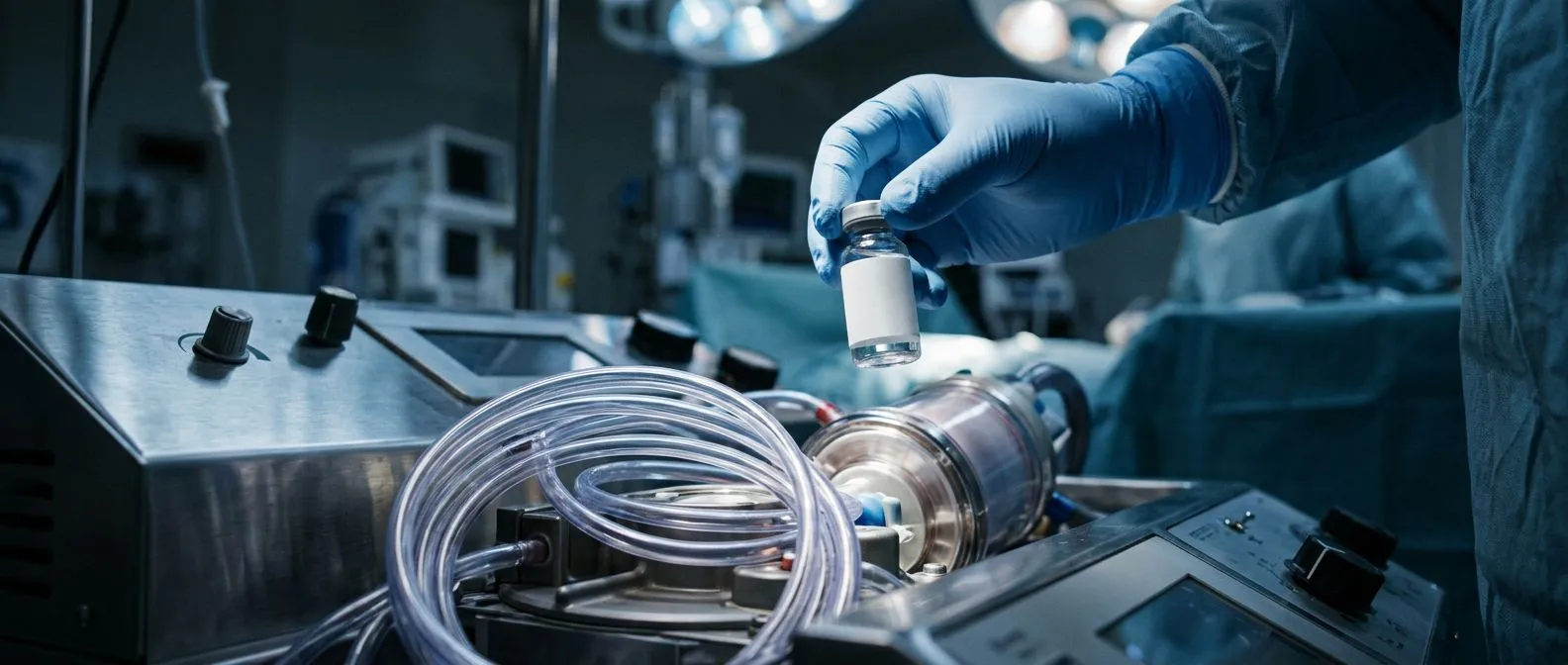
The heart-lung phase: for many operations the heart is temporarily stopped and a machine takes over circulation. The nurse passes cannulas, tubing, and clamps during this transition, which is one of the busiest stretches of the entire case.
The repair itself: whether the team is sewing grafts onto the coronary arteries or seating a new valve, suture after suture is passed in quick succession. The scrub nurse anticipates each request from the surgeon's hands and voice, often before the sentence is finished.
During a bypass operation, time on the heart-lung machine is kept as short as safely possible, a principle emphasised in national heart, lung, and blood guidance on cardiac procedures (National Heart, Lung, and Blood Institute). A sharp scrub team shortens every step along the way.
How to Become a Scrub Nurse for Heart Surgery
For readers considering this career, the path is well marked. It begins like any nursing career and then narrows toward the operating room and, eventually, the cardiac theatre.
- Nursing degree: complete a registered nursing programme and pass the licensing examination in your country.
- Perioperative training: gain hospital experience and enter an operating room orientation programme, where experienced scrub nurses teach technique over months.
- Cardiac specialisation: request placement in cardiovascular surgery, where you will learn the instrument sets, suture sequences, and pace specific to heart operations.
- Certification: pursue recognised perioperative credentials where available, which formalise your competence and open doors to higher-acuity cases.
Cardiac scrub nursing is not an entry-level post. Surgeons in this field tend to work with nurses they know and trust, because a long open-heart case runs on mutual anticipation. Salary and job outlook are generally favourable for perioperative nurses, and cardiac experience is among the most valued specialisations in the field.
Do Scrub Nurses Make More Money?
This is one of the most common questions people ask about the role, and the honest answer is: often, yes, compared with many other nursing posts. Operating room nursing typically pays more than general ward nursing, and specialty experience such as cardiac surgery tends to command a further premium.
Pay varies widely by country, city, hospital type, and shift patterns. On-call duties matter too: a cardiac scrub nurse may be called in at night for emergency operations such as a ruptured aortic dissection, and on-call hours are usually compensated. In higher-paying markets, experienced OR nurses earn salaries well above the median for registered nurses, though figures differ so much between regions that a single number would mislead.
For patients, none of this is trivia. Fair, well-supported pay is part of what keeps experienced people in these demanding roles. In cardiac surgery, experience at the table translates directly into smoother, shorter operations.
What Patients Notice About the Scrub Team
Before you are asleep: you may see the team preparing around you. The scrub nurse is already gowned, arranging instruments on the sterile table, often before you enter the room. The calm orderliness you notice at that moment is the product of hours of preparation.
After you wake up: you will never meet the scrub nurse in the same way you meet your surgeon or ward nurse. Yet the evidence of their work follows you: a wound closed with even, precise stitches, counts confirmed, the exact valve model documented in your record, and a procedure that ran without delay.
When patients ask us what a good operating team looks like, we tell them to watch how quietly it works. Experienced surgeons and scrub nurses often communicate with little more than an open hand and a nod, because that level of anticipation only comes from working many cases together.
One practical note for patients travelling for surgery: ask your programme how the whole team, not only the surgeon, is organised. A stable, rehearsed scrub team is a reasonable and fair question for any hospital performing heart operations.
The Heart Surgery Team Around the Scrub Nurse
The scrub nurse never works alone. On the sterile side there may also be a surgeon, an assistant, and sometimes a second scrub. On the unsterile side, the circulating nurse manages supplies, documents events, and opens sterile items onto the field. Beyond them sit the anaesthesia team, the perfusionist who runs the heart-lung machine, and imaging and monitoring specialists.
How the roles connect: the circulating nurse and scrub nurse function as a pair. One works inside the sterile boundary, the other outside it, and everything that crosses that boundary passes between them with deliberate care. This two-person system is a core safety design of every modern operating room.
Choosing your team: when you evaluate where to have your heart operation, remember that you are choosing a team, not an individual. Ask how often the hospital performs your specific procedure, who will be in the room, and how the team plans your case. These are questions any confident programme will welcome.
Our team, led by Dr Alejandro Molina with consulting rooms in Guadalajara, Querétaro and Hermosillo, reviews every case against international practice guidelines before recommending anything, and we begin with a free video consultation so you can understand your options without pressure. If you are weighing heart surgery for yourself or a family member, bring your questions to a qualified cardiac team rather than deciding alone. We encourage second opinions and see them as a normal part of a good decision. A conversation is the safest first step you can take.