Unfractionated Heparin in Heart Surgery and Bypass
Unfractionated heparin heart surgery protocols prevent dangerous clotting during bypass.
When preparing for a major cardiac procedure, understanding the medications used to keep you safe is a crucial step. Unfractionated heparin heart surgery protocols are the foundation of safe blood management during operations that require a heart-lung machine. This powerful anticoagulant prevents your blood from clotting while it travels through artificial tubing, ensuring oxygen reaches your body while the surgical team repairs your heart.
What is unfractionated heparin heart surgery
Understanding the role of anticoagulation: Unfractionated heparin is a fast-acting, intravenous medication that prevents blood clots from forming. During procedures involving the cardiopulmonary bypass machine, your blood is temporarily rerouted through external tubing. Without heparin, this artificial surface would trigger immediate and dangerous clotting, putting your life at severe risk.
Why this specific medication is chosen: Surgeons rely on unfractionated heparin because it works instantly and can be reversed just as quickly. Unlike newer oral blood thinners, its effects can be measured in real-time during the operation. This precise control is vital when manipulating the Ascending Aorta or placing an Arterial Cannula to establish bypass.
Your surgical team will calculate your dose based on your weight and specific procedure. They will administer it directly into your bloodstream just before connecting you to the bypass circuit. This ensures your blood remains fluid and safe throughout the entire mechanical circulation process.
How unfractionated heparin bypass works
The mechanics of extracorporeal circulation: During unfractionated heparin bypass, your blood is diverted from the heart and lungs into a pump and oxygenator. The heparin prevents the blood from reacting to the plastic and metal components of this machine. It does this by binding to antithrombin, a natural protein in your blood, effectively blocking thrombin and stopping the clotting cascade before it starts.
Protecting the patient from microclots: By inhibiting thrombin, heparin ensures that no clots form in the Arterial Graft or the bypass tubing itself. If a clot were to form and travel to your brain or other organs, it could cause a stroke or severe tissue damage. The medication acts as a silent shield throughout the hours your blood is outside your body.
This systemic anticoagulation allows the surgeon to work on a still, bloodless heart. Whether they are performing a coronary bypass or repairing a valve, the heparinized blood remains safe in the machine, returning fully oxygenated to your body when the repair is complete.
Heparin dosing cardiac surgery protocol
Standard weight-based initial doses: The heparin dosing cardiac surgery protocol typically begins with a large initial bolus, often around 300 to 400 units per kilogram of body weight. This high dose is designed to achieve complete anticoagulation before the heart-lung machine is activated. The anesthesiologist will inject this directly into a central line while monitoring your vital signs closely.
Maintaining therapeutic levels throughout the case: Heparin naturally wears off over time, so the team will give additional smaller doses as the surgery progresses. The exact amount depends on how long the bypass runs and how your individual body metabolizes the drug. Some patients require more frequent maintenance doses due to variations in heparin resistance.
Careful titration is necessary because too much heparin can lead to excessive bleeding later, while too little risks dangerous clotting inside the machine. Here is what the standard dosing timeline generally looks like:
- Pre-bypass: Large initial bolus to achieve an ACT > 400 seconds.
- Intraoperative: Supplemental boluses given if the ACT drops below 480 seconds.
- Post-bypass: Reversal with protamine once the machine is no longer needed.
Monitoring heparin during heart surgery ACT
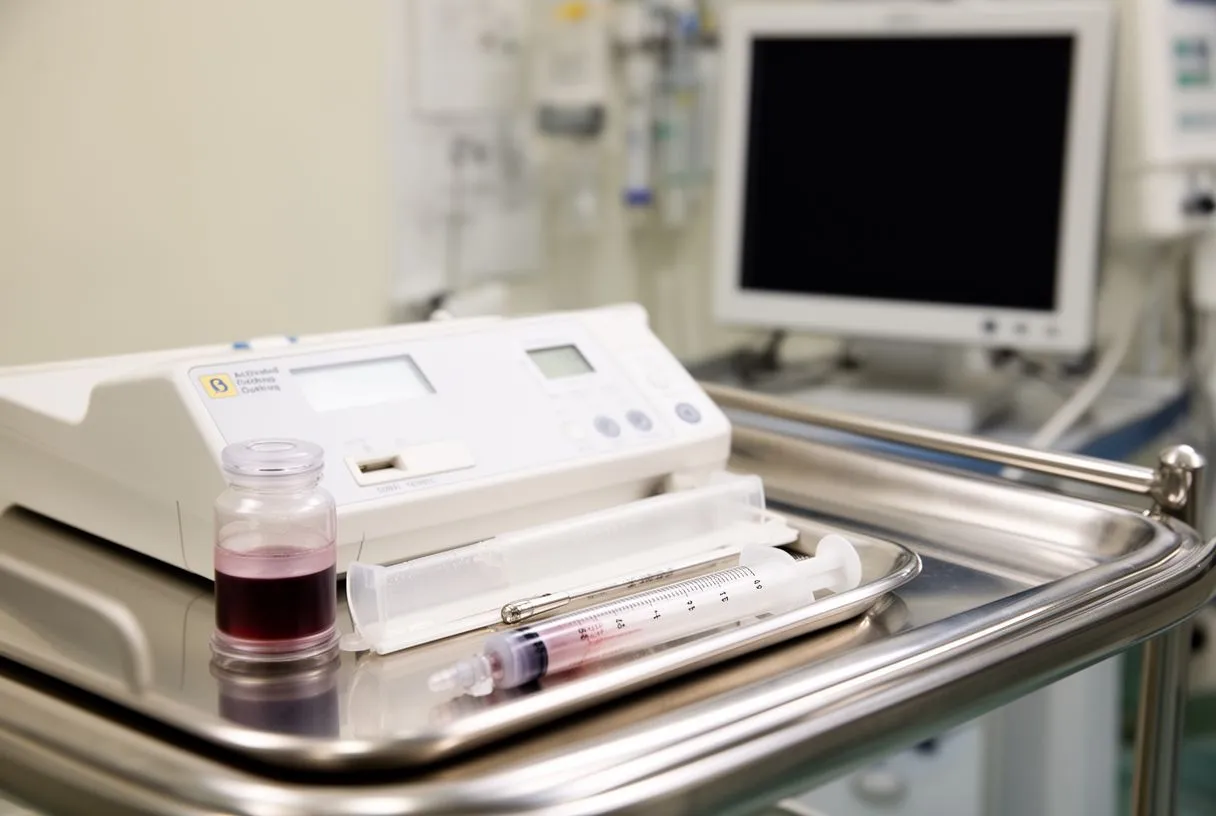
What is an Activated Clotting Time test: Monitoring heparin during heart surgery ACT is done using a simple bedside blood test called the Activated Clotting Time. Normal blood clots in about 100 to 120 seconds, but during bypass, the team wants your ACT to exceed 400 seconds. This proves the heparin is working effectively before they ever start the pump.
How often measurements are taken: The anesthesiologist will draw a small sample of blood from your Arterial Line every 30 to 60 minutes. This frequent testing allows them to catch any drop in heparin levels immediately. If the ACT falls too low, they will administer an extra dose of heparin right away.
This continuous feedback loop is the safest way to manage anticoagulation in real-time. According to Johns Hopkins Medicine, rigorous intraoperative monitoring is a cornerstone of preventing thromboembolic complications during complex cardiovascular interventions. Your team will have a dedicated professional watching these numbers constantly.
Why anticoagulation in cardiac surgery prevents clots
The danger of artificial surfaces: Why anticoagulation in cardiac surgery prevents clots comes down to basic biology. When blood touches foreign materials like the tubing in a heart-lung machine, it triggers an inflammatory and clotting response. Heparin suppresses this response, preventing the formation of an Atheromatous Plaque fragment or fibrin clots that could block vital vessels.
Preventing catastrophic embolic events: If clots form during bypass, they can be pumped directly into your brain. This is why maintaining strict heparin levels is so critical. By keeping the blood thin, the surgical team ensures that no debris or clots travel from the machine into your Atrium and onward to your brain or extremities.
Protecting the surgical site itself: Beyond the machine, the surgical field is also at risk for clotting. Blood pooling in the chest can form clots that complicate the repair. Unfractionated heparin keeps the entire circulating volume safe, ensuring that when the heart is restarted, it pumps clean, unclotted blood through a newly placed Balloon-expandable Valve or repaired vessel.
Heparin reversal protamine administration
The role of protamine sulfate: Once the surgery is complete and the heart-lung machine is disconnected, the heparin reversal protamine administration begins. Protamine is a medication that binds directly to heparin, neutralizing its anticoagulant effect. This allows your body's natural clotting mechanisms to wake up and stop surgical bleeding.
Calculated and careful dosing: The team gives protamine slowly to avoid sudden drops in blood pressure. The dose is typically calculated based on the total amount of heparin still circulating in your system. The anesthesiologist will watch your blood pressure and heart rate closely during this delicate phase.
Reversal must be precise. Too little protamine leaves you at risk for postoperative bleeding, while too much protamine can ironically cause its own anticoagulant effect. The surgical team will measure your ACT again after giving protamine to confirm your blood clotting time has returned to a safe, near-normal baseline before closing the chest.
Unfractionated heparin dosing for specific patients
Adjusting for heparin resistance: Unfractionated heparin dosing for specific patients requires individualized care. Some individuals, particularly those who have received heparin in the past or have certain inflammatory conditions, develop heparin resistance. In these cases, standard doses fail to raise the ACT, requiring much higher amounts of the drug or alternative therapies.
Managing patients with Antithrombin deficiency: Heparin requires a natural protein called antithrombin to function. If a patient has low levels of this protein, the heparin will not work effectively. The team may need to administer fresh frozen plasma or a concentrated antithrombin product to restore the drug's efficacy before bypass can safely proceed.
Patients with complex histories, such as those requiring Autologous Blood transfusions or those with specific genetic markers, need specialized protocols. The team adjusts the heparin to ensure that conditions like Atypical Infarction or Apolipoprotein B abnormalities do not complicate the intraoperative anticoagulation strategy.
Risks and heparin management cardiac surgery
Understanding potential bleeding complications: Risks and heparin management cardiac surgery protocols are designed to balance thinning the blood against causing hemorrhage. The most immediate risk is postoperative bleeding if the protamine reversal is incomplete. Surgeons manage this by carefully checking the surgical site before closing the chest.
Heparin-induced thrombocytopenia (HIT): A rare but serious risk is HIT, an immune reaction that paradoxically causes severe clotting despite the heparin. If a patient develops HIT, all heparin must be stopped immediately and alternative anticoagulants used. This is why a thorough medical history is vital before surgery.
Key risks managed during cardiac surgery include:
- Postoperative bleeding: Managed with precise protamine dosing and surgical hemostasis.
- Heparin-induced thrombocytopenia: Avoided by screening for prior reactions and using alternatives like bivalirudin if needed.
- Drug interactions: Adjusted for patients taking Aspirin or other preoperative anticoagulants.
The surgical team is highly trained to navigate these challenges. They use careful monitoring and have backup plans for every scenario, ensuring your safety remains the top priority throughout the operation and recovery.
Awake ECMO and heparin infusion cardiac care
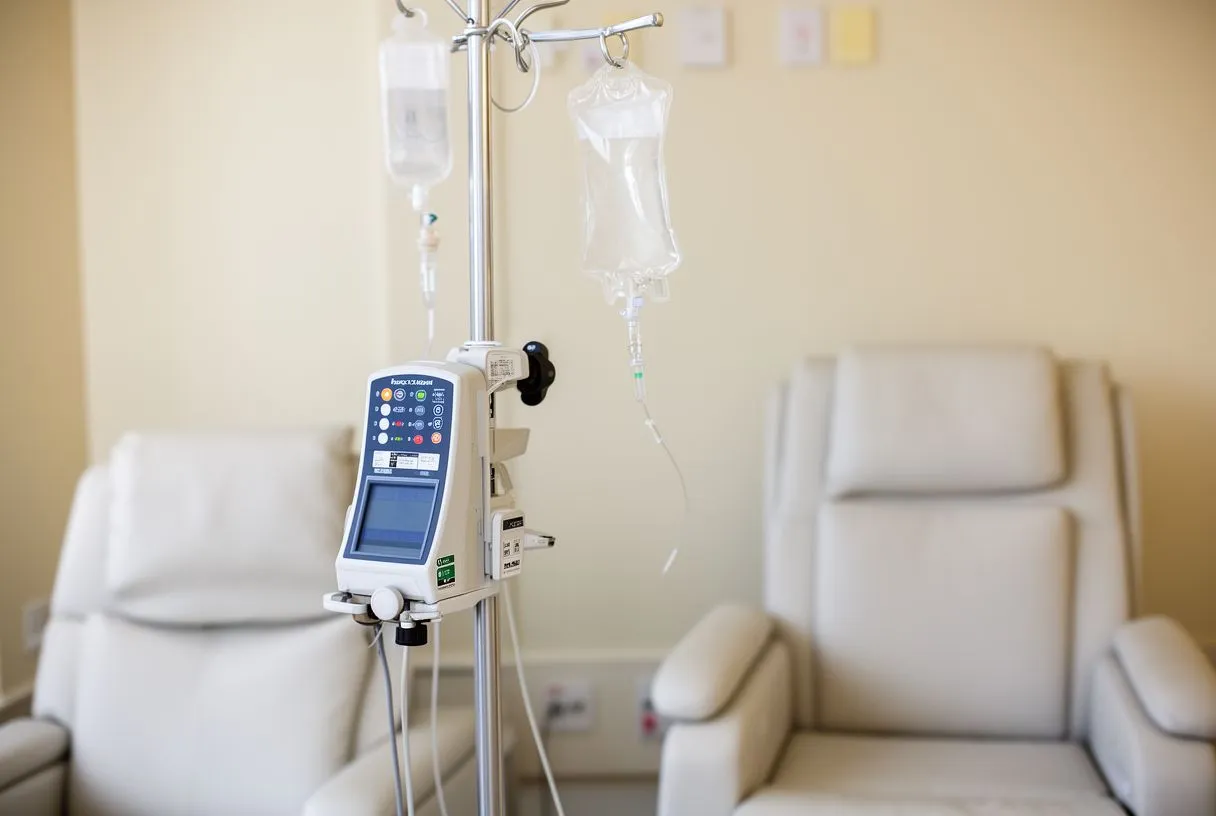
Extracorporeal Membrane Oxygenation basics: In some critical scenarios, patients require Awake ECMO, where a heart-lung machine supports them for days while they are conscious. This requires a continuous heparin infusion cardiac care protocol rather than a single large dose. The goal is to keep the blood just thin enough to prevent clots in the machine, but not so thin that bleeding occurs.
Frequent bedside monitoring: Managing a continuous heparin drip is delicate. Nurses will draw blood every few hours to check the partial thromboplastin time (PTT), adjusting the drip rate constantly. This ensures the ECMO circuit remains clear while allowing the patient to eat, breathe, and interact with their family.
Complex cases, such as a Successful treatment of challenging case of infective endocarditis, demonstrate how prolonged anticoagulation is managed in severe scenarios. The precision required for prolonged heparin management is a testament to the advanced care available in modern cardiac intensive care units.
Recovery after open heart surgery heparin
What to expect immediately postoperatively: Recovery after open heart surgery heparin involves close monitoring in the intensive care unit. While the active heparin is reversed at the end of the operation, your blood will still be tested frequently. The team watches for any signs of bleeding around the heart or within the chest cavity.
Transitioning to long-term blood thinners: Once you are stable, the medical team will decide if you need ongoing anticoagulation. Depending on the surgery, you might be prescribed a mild blood thinner to prevent clots while you heal. If you had a valve replacement, specific long-term protocols will be introduced.
Healing from cardiac surgery is a journey, and medications play a vital role in getting you home safely. As noted in the case report Eyes wide shut - unusual two stage repair of pectus excavatum and annuloaortic ectasia in a 37 year old marfan patient: case report, every patient's path is unique and requires specialized medical guidance. We encourage you to discuss your specific risks, medication needs, and recovery timeline with a qualified cardiac team. Please book a consultation with our practice to review your individual situation rather than making decisions based on general guidelines.