Using an Incentive Spirometer After Heart Surgery
Using an incentive spirometer after surgery speeds lung recovery and prevents pneumonia after heart surgery.
What Is an Incentive Spirometer After Surgery?
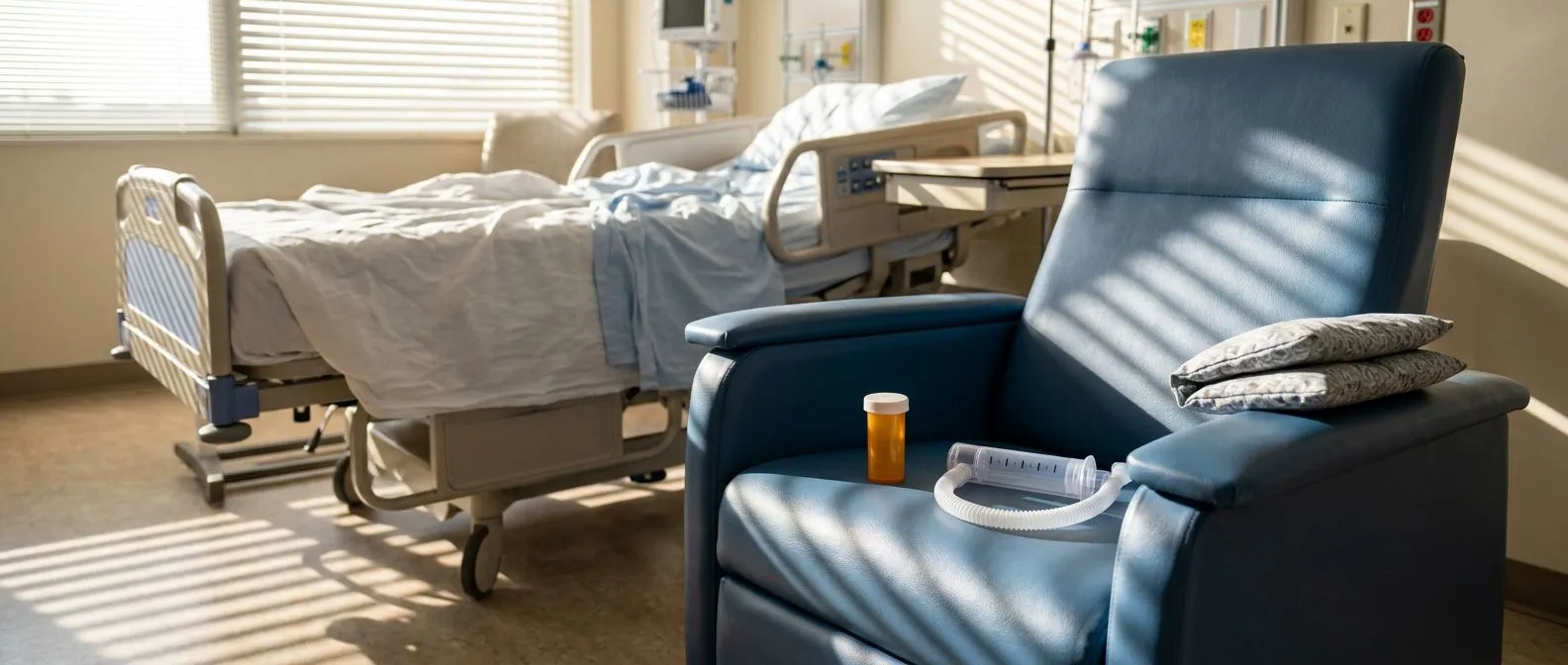
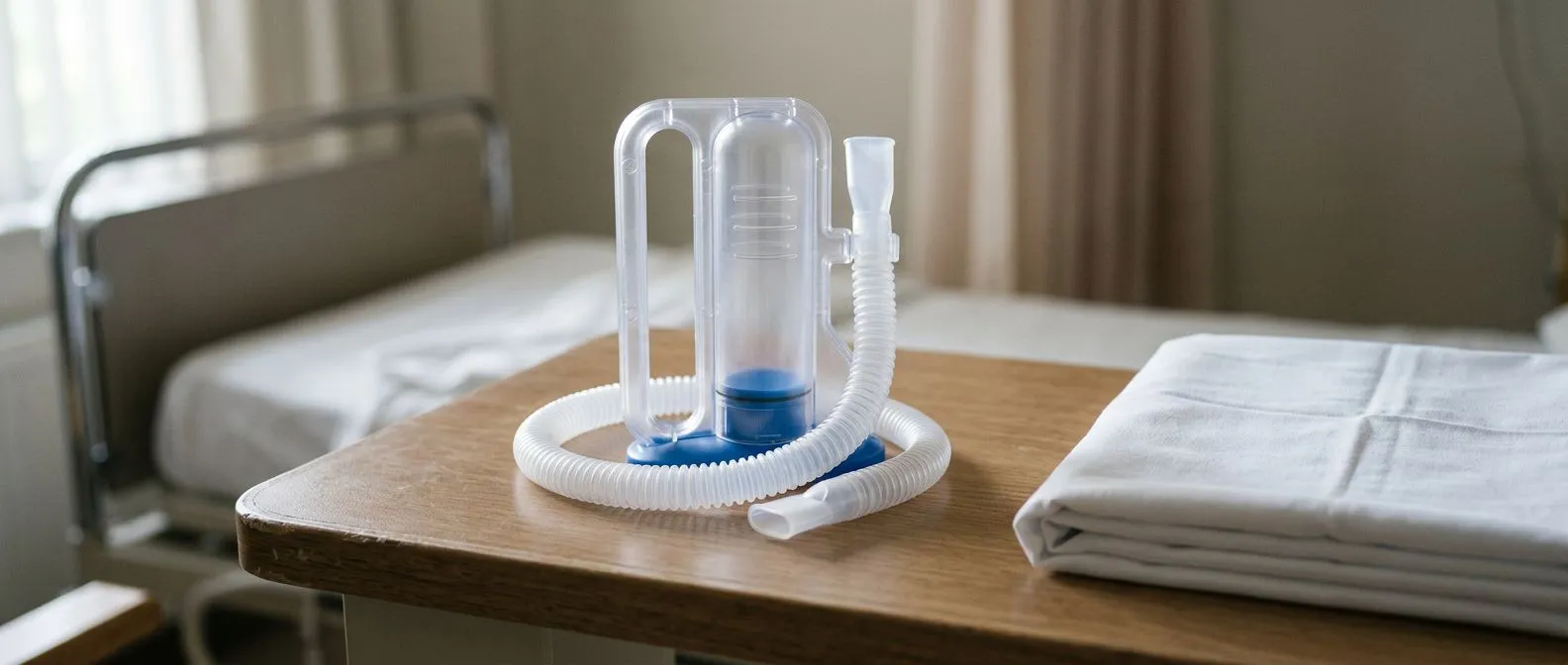
An incentive spirometer is a small, handheld breathing device that helps you take slow, deep breaths after surgery. It contains a chamber with one or more balls or a piston that rises when you inhale, giving you immediate visual feedback on how deeply you are breathing. For patients recovering from cardiac procedures — whether that is coronary bypass grafting, valve repair, or transcatheter aortic valve replacement (TAVR) — this simple tool becomes a daily companion in the first days and weeks of recovery.
When you lie in bed after surgery, your natural breathing pattern becomes shallow. Pain from the incision, the breathing tube used during anaesthesia, and general fatigue all discourage you from taking full breaths. Over time, the small air sacs in your lungs (called alveoli) can partially collapse — a condition known as atelectasis. The incentive spirometer counteracts this by coaching you to inhale deeply enough to re-expand those air sacs and keep them open.
If your surgery involved an arterial graft or manipulation of the ascending aorta, your cardiac team will be especially attentive to your lung function because the heart and lungs share a close anatomical and functional relationship. Breathing deeply also supports circulation: it helps your atrium fill properly and reduces strain on the heart during early mobilisation. Your nurse will likely introduce the device on the same day as your surgery or the morning after, once you are awake and able to follow instructions.
Why Breathing Exercises After Heart Surgery Matter
Why cardiac patients are at higher risk: Heart surgery often requires a sternotomy — splitting the breastbone to access the heart — or the use of an arterial cannula during cardiopulmonary bypass. Both interventions affect the muscles and mechanics you rely on to breathe deeply. The resulting discomfort naturally leads you to guard your chest, taking shorter, shallower breaths. Without intervention, this pattern can persist for days, allowing mucus to pool in the lower lungs and creating an environment where bacteria can thrive.
Breathing exercises after heart surgery restore your normal lung volume and keep airways clear. Each deep breath you take with the spirometer helps move secretions upward where you can cough them out. This is critically important because post-operative patients are vulnerable to hospital-acquired pneumonia, a complication that can extend your stay by days and, in severe cases, delay your return home. According to Verywell Health, consistent use of lung expansion devices significantly lowers the incidence of respiratory complications in surgical recovery.
Beyond preventing infection, deep breathing also promotes circulation. When you inhale fully, the pressure changes in your chest gently assist blood return to the heart, which is beneficial when your heart is still recovering from the stress of surgery. Patients who have had procedures involving an autograft or received autologous blood during surgery may already have improved recovery profiles, but lung health remains a separate and equally vital component of overall healing. Every member of your care team — from surgeons to respiratory therapists — will emphasise that breathing exercises are not optional; they are part of the prescription.
How to Use an Incentive Spirometer Step by Step
Learning how to use an incentive spirometer correctly takes only a few minutes, but mastering the technique makes a measurable difference in your recovery. Your respiratory therapist or bedside nurse will demonstrate the process, and you should ask questions before trying it alone the first time. The goal is a slow, sustained inhalation — not a quick gasp.
- Sit upright: If possible, sit on the edge of the bed or in a chair. Upright posture lets your diaphragm move freely and gives your lungs maximum room to expand. If you cannot sit up, raise the head of your bed as high as tolerated.
- Hold the device upright: Keep the spirometer vertical so the indicator moves accurately. Tilt it and the readings become unreliable.
- Exhale fully: Breathe out normally, then place the mouthpiece in your mouth and seal your lips tightly around it.
- Inhale slowly and deeply: Draw air in steadily through the mouthpiece. Watch the ball or piston rise. Try to keep it floating in the target zone for as long as possible — aim for 3 to 5 seconds.
- Hold, then remove: Hold your breath for 2 to 3 seconds at full inhalation, then remove the mouthpiece and exhale normally.
- Rest between sets: Take a normal breath or two between each effort. Ten repetitions make one set.
If you had a balloon angioplasty or a balloon-expandable valve placed via catheter — such as during TAVR — your groin or arm access site may be sore, but your breathing technique remains the same. Patients who have undergone balloon aortic valvuloplasty will find the spirometer equally useful in the post-procedure window. The key is consistency: doing ten breaths every hour while you are awake produces far better results than sporadic, larger efforts.
Incentive Spirometer Benefits for Lung Recovery After Surgery
Re-expanding collapsed lung tissue: The most immediate benefit of the incentive spirometer is reversing atelectasis. When alveoli collapse, oxygen exchange drops, and you may feel short of breath or fatigued even while resting. Regular deep breathing reopens these sacs, restoring the surface area your body needs to oxygenate blood effectively. For patients who have had an arterial line placed for monitoring or who experienced arm pain after a radial access procedure, improved oxygenation also supports tissue healing at those sites.
Clearing mucus and secretions: Anaesthesia and prolonged bed rest cause mucus to accumulate in the lungs. The deep breaths generated by the spirometer create the airflow needed to loosen and mobilise these secretions, making them easier to cough up. This is particularly important if you have a history of smoking, asthma, or chronic bronchitis. Clearing secretions early prevents them from becoming a breeding ground for bacteria, which is the first step toward pneumonia.
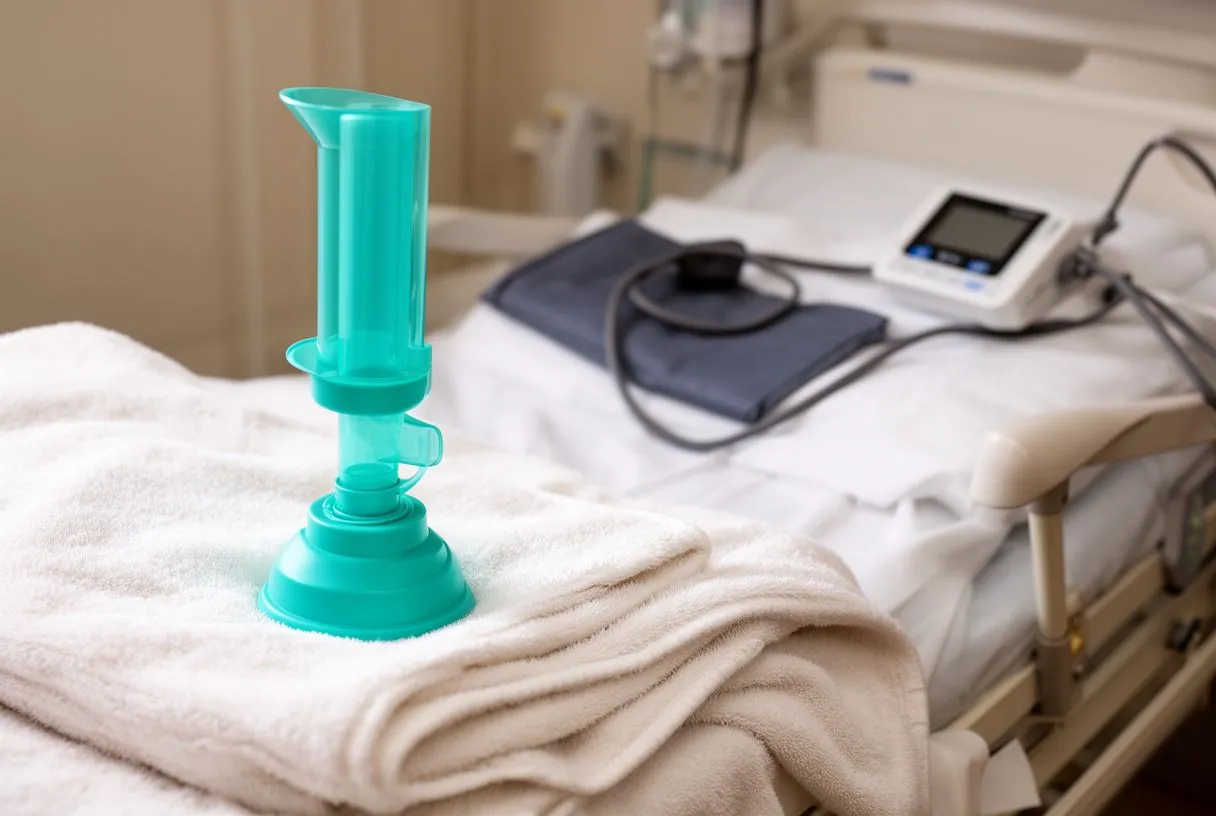
The benefits compound over time. Patients who use the device diligently report less chest tightness, improved energy, and a faster transition from bed to walking. Research comparing recovery outcomes across different valve interventions — including studies such as the EVAL Registry clinical comparison — underscores that respiratory recovery is a shared milestone regardless of the specific cardiac procedure performed. Whether your surgery involved a sternotomy or a minimally invasive approach, the lungs need the same careful retraining.
Preventing Pneumonia After Heart Surgery with Deep Breathing
Post-operative pneumonia is one of the most common and most preventable complications after cardiac surgery. The combination of anaesthesia, intubation, pain-limited breathing, and immobility creates ideal conditions for infection. Using an incentive spirometer disrupts that chain of events by keeping your lungs fully inflated and your airways clear of stagnant secretions.
The mechanism is straightforward. When you breathe shallowly, the air you inhale does not reach the deepest parts of your lungs. Mucus collects in those under-ventilated areas, and the normal cough reflex is suppressed by pain medications and fatigue. Bacteria multiply in this warm, moist environment. Deep breathing with the spirometer reaches those dependent lung regions, moves air past the mucus, and helps you generate an effective cough to expel it. If your recovery involves anticoagulation therapy — for example, if you are on medications related to the ARISTOTLE trial dosing standards for atrial fibrillation — your care team will also coach you on safe coughing techniques to avoid stressing access sites.
Patients with an atheromatous plaque burden or those recovering from procedures complicated by atrial flutter may have additional reasons to protect their lungs: any drop in oxygen saturation stresses the heart further. Preventing pneumonia is not just about avoiding a lung infection; it is about protecting the heart that was just operated on. Every deep breath you take with the spirometer is an investment in both organs recovering together.
What to Expect During Incentive Spirometer Recovery
Day 1 to 2 — the hardest part: In the first 24 to 48 hours after surgery, using the spirometer may feel like the last thing you want to do. Your incision aches, your throat may be sore from the breathing tube, and the effort of sitting up alone can be exhausting. Start with whatever volume you can manage, even if the ball barely lifts. The act of trying is what matters. Your nurse will record your best volume and set it as a baseline to beat.
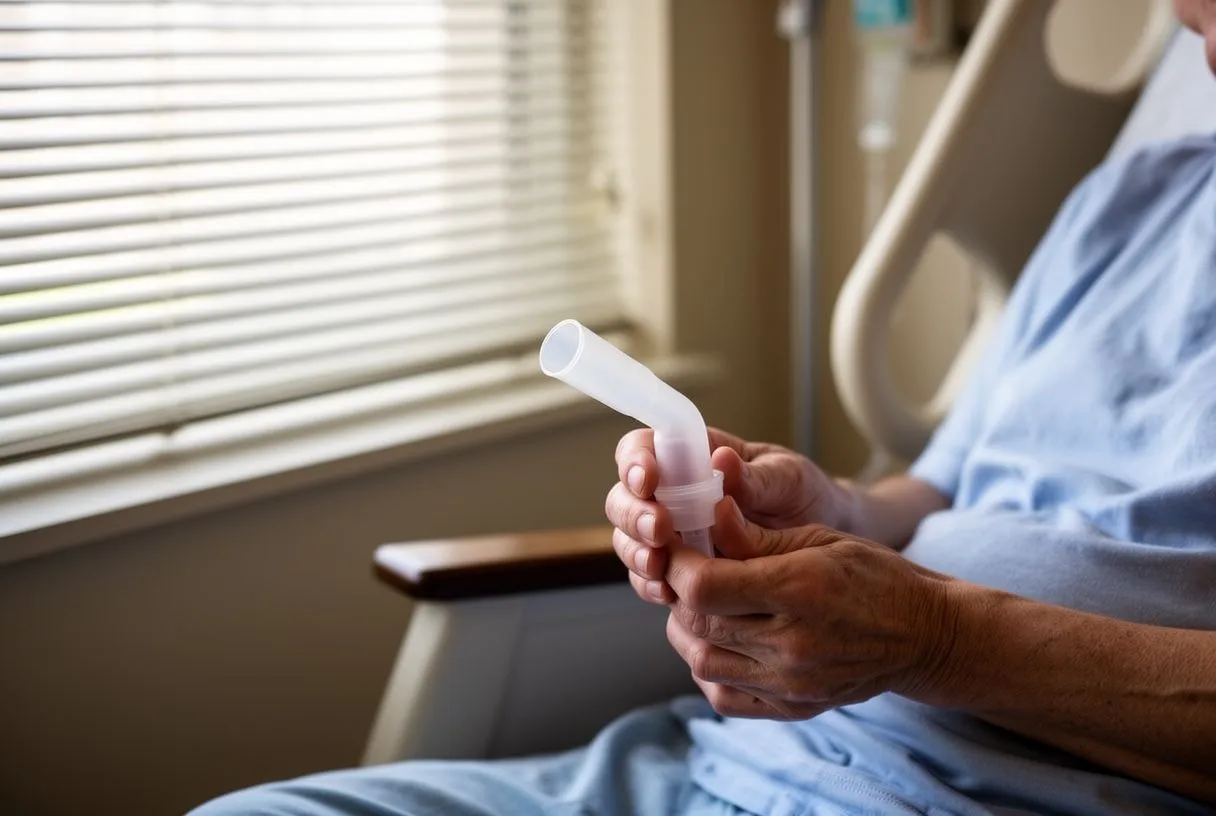
Days 3 to 7 — steady improvement: As pain medications are reduced and you begin walking the halls, you should notice your spirometer volumes climbing. Each day, aim to match or exceed the previous day's best effort. This is also when coughing becomes productive — you will bring up clear or lightly coloured mucus, which is a sign your lungs are clearing. If you hear coarse sounds when a clinician performs auscultation (listening to your chest with a stethoscope), it usually means more deep breathing and coughing are needed.
By the end of the first week, most patients can reach their target volume consistently. You will likely continue using the device at home for another one to two weeks, or longer if your team advises it. The transition from hospital to home does not mean stopping; it means taking ownership of your own recovery. Keep the spirometer at your bedside and use it at the same times each day to build the habit.
Common Mistakes When Using a Post-Op Breathing Device
Even with the best intentions, patients often fall into patterns that reduce the effectiveness of their breathing exercises. Recognising these mistakes early can save you days of slow progress and unnecessary frustration. The most common issue is breathing too quickly — a sharp inhale may lift the ball, but it does not give the air time to reach the deep lung tissue where it is needed most.
Another frequent mistake is slouching or using the device while lying flat. Gravity works against your lungs when you are horizontal, and your diaphragm cannot descend fully. Always sit as upright as your pain and condition allow. Some patients also forget to hold their breath at the top of inhalation, which is the step that keeps the alveoli open long enough to re-expand. If you skip the breath-hold, you lose much of the benefit.
- Skipping sessions because of pain: Pain is expected, but avoiding deep breathing makes recovery slower. Take your prescribed pain medication 30 minutes before spirometry sessions if needed.
- Not tracking progress: Write down your best volume each day. Without a record, you cannot see improvement or identify plateaus.
- Breathing through the nose: The mouthpiece is designed for oral inhalation. Nasal breathing reduces the force reaching the device and the lungs.
A subtler mistake is treating the spirometer as a one-time exercise rather than a recurring habit. Ten breaths once a day will not prevent atelectasis. The device rewards frequency, not intensity. Your care team will emphasise hourly use during waking hours for the first several days, tapering to every two hours as your lung function improves.
How Often Should You Use an Incentive Spirometer?
The standard recommendation in most cardiac recovery protocols is ten breaths every hour while awake, starting on the day of or the day after surgery. This frequency ensures that your lungs are regularly re-expanded and that secretions do not have time to accumulate. Each session takes only a few minutes, but the cumulative effect over a full day is substantial.
As you transition from the intensive care unit to a regular ward and then to home, the schedule adjusts. Most patients move to every two hours during the second week, then three to four times a day by the third week. Your discharge instructions will include a specific tapering plan. If you have had a procedure involving a balloon-expandable valve or if your recovery involves management of conditions related to an atypical infarction, your cardiologist may extend the timeline based on your individual lung function and overall progress.
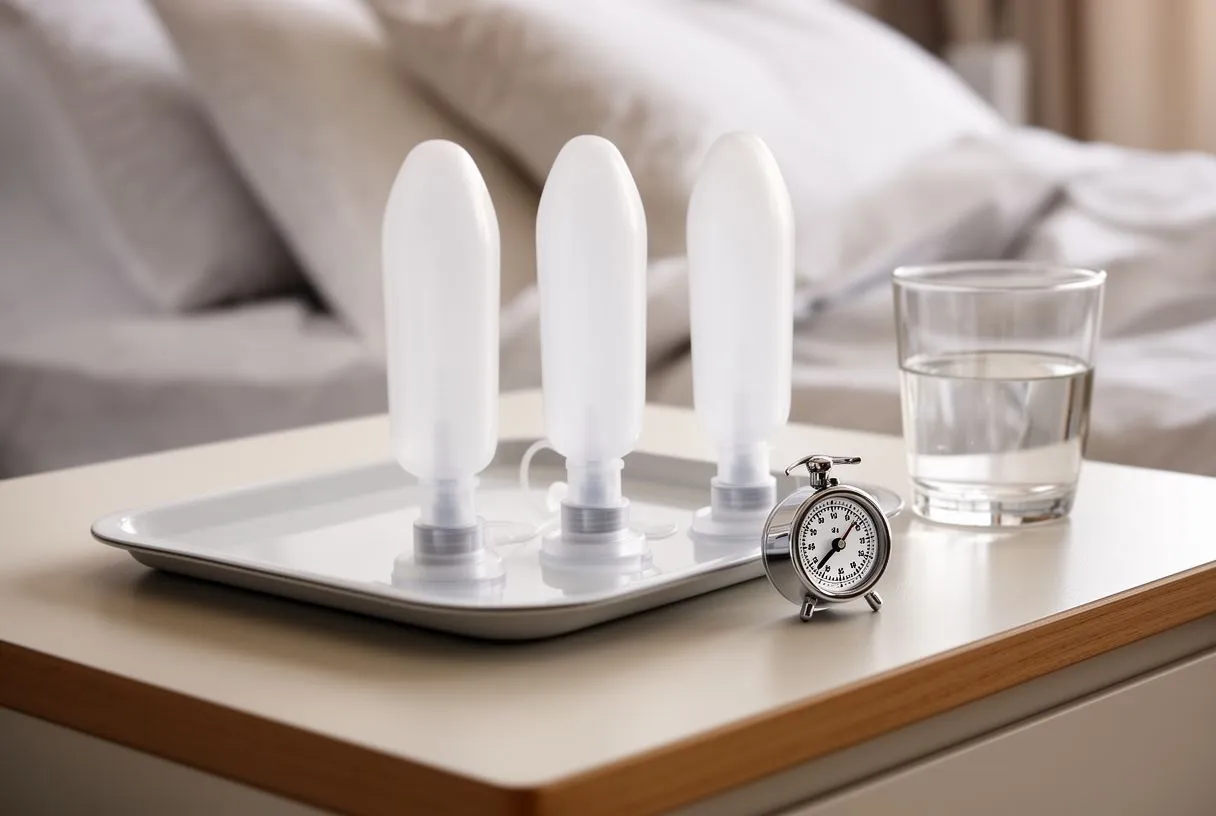
It is worth noting that some patients benefit from continuing gentle breathing exercises even after the formal spirometry period ends. If you have a history of chronic lung disease, if you were a long-term smoker, or if your surgery was particularly complex, your team may recommend ongoing pulmonary rehabilitation. The spirometer is a starting point — the habit of deep, mindful breathing is the long-term goal. Patients who maintain this habit often report better exercise tolerance and fewer respiratory infections months after surgery.
Cardiac Surgery Respiratory Care Beyond the Spirometer
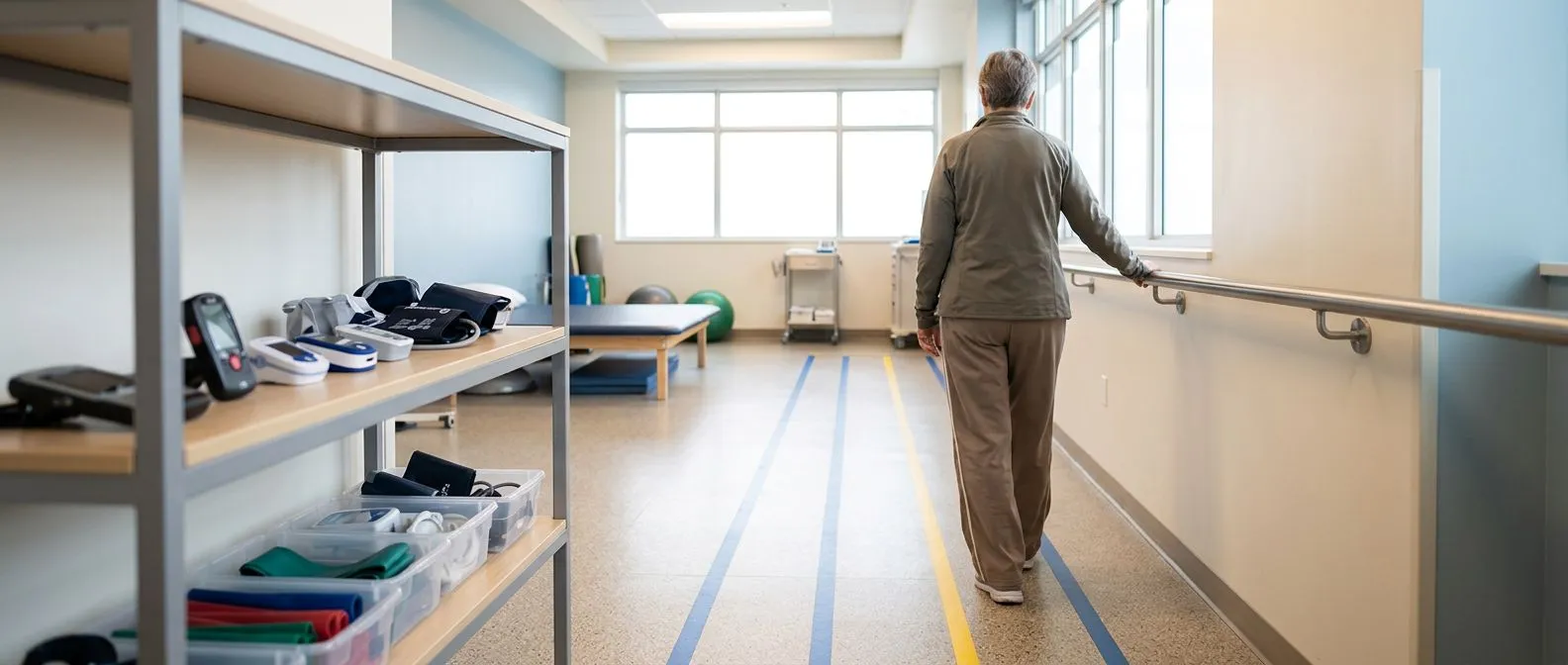
The incentive spirometer is a cornerstone of post-operative lung care, but it works best as part of a broader respiratory strategy. Early mobilisation — getting out of bed and walking — is arguably the single most effective intervention for preventing lung complications after surgery. Walking changes your breathing pattern naturally, encouraging deeper breaths without conscious effort. Your physiotherapist will help you progress from sitting on the edge of the bed to walking short distances within the first day or two.
Coughing and splinting are also essential. Hold a firm pillow against your chest incision when you cough to reduce pain and provide support. This technique, called splinting, makes productive coughing tolerable and effective. In some advanced cardiac centres, techniques such as awake ECMO (extracorporeal membrane oxygenation used in selected patients who remain alert) demonstrate how closely respiratory and cardiac support are intertwined, though these are specialised scenarios far beyond routine recovery. Even in standard cases, your team may combine spirometry with percussion (rhythmic clapping on the chest) or vibration devices to help loosen stubborn secretions.
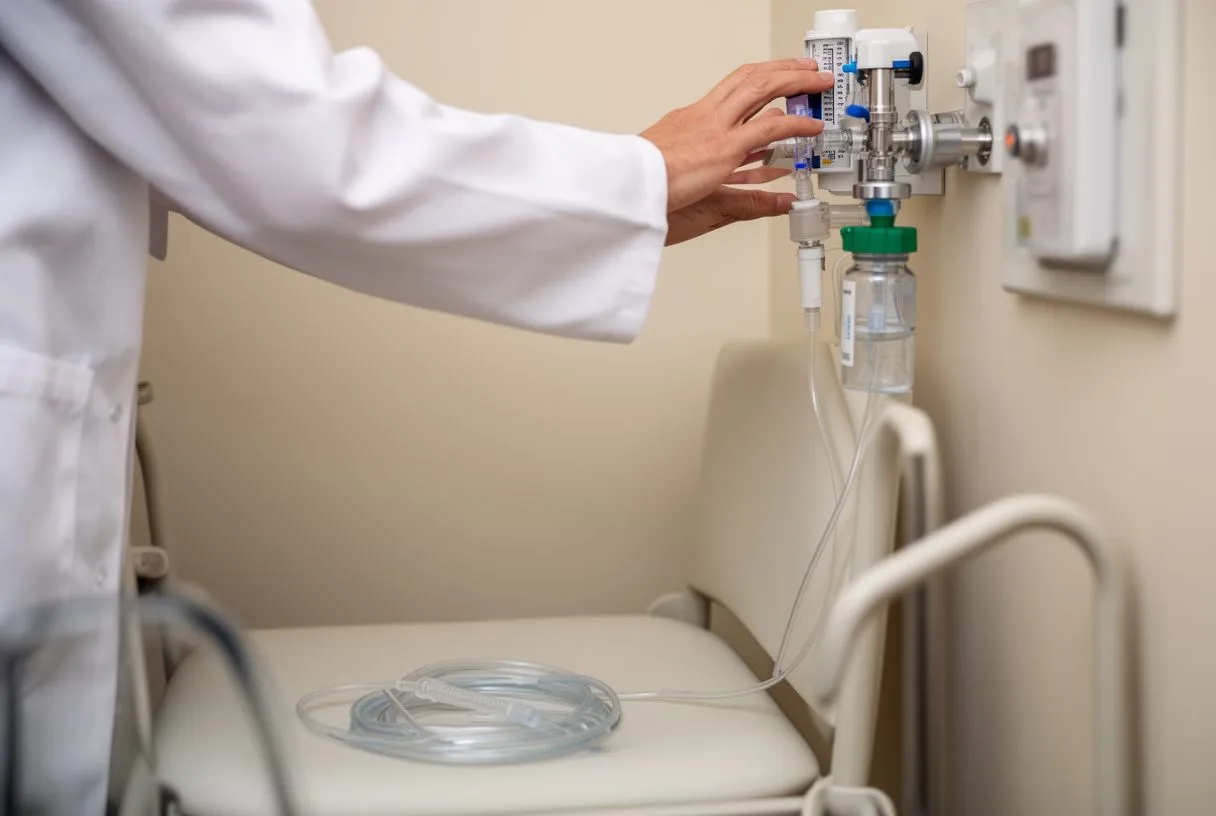
Hydration plays a supporting role. Thin, well-hydrated mucus is easier to clear than thick, sticky secretions. Unless your cardiologist has restricted your fluid intake — which can happen in heart failure management — aim for the daily fluid target your team recommends. Patients who have received a stent or who are on aspirin and related blood thinners should also be mindful that coughing hard can occasionally cause minor bleeding at access sites; report any unusual bruising to your nurse. Finally, if your recovery involves training with an automated external defibrillator for home safety planning, know that strong respiratory health supports the overall resilience that such precautions are designed to protect.
When to Seek Help During Post-Surgery Lung Expansion
Recovery after heart surgery is rarely linear, and some setbacks are expected. However, certain signs warrant immediate communication with your care team. If your spirometer volumes suddenly drop after days of steady improvement, this may indicate a developing complication such as a pleural effusion (fluid around the lung) or a partial lung collapse that needs medical attention. Do not interpret a bad day as laziness or lack of effort — it may be your body signalling a problem.
Watch for fever above 38°C (100.4°F), increasing shortness of breath at rest, chest pain that differs from your incisional discomfort, or mucus that turns thick, dark yellow, green, or blood-tinged. These symptoms may suggest a developing pneumonia or other respiratory issue. The clinical assessment of regurgitation or leakage after valve procedures — as explored in research on aortic regurgitation after transcatheter valve implantation — reminds us that cardiac and respiratory symptoms can overlap, making professional evaluation essential rather than relying on self-diagnosis.
On a reassuring note, most patients who use their incentive spirometer consistently experience steady improvement without complications. The journey from the first shallow post-operative breath to walking out of the hospital is paved with hundreds of deep, deliberate inhalations. If you are preparing for surgery or currently recovering, discuss your breathing exercise plan with your cardiac surgeon and care team. Every patient's recovery timeline is unique, and the guidance in this article is general — your own doctors can tailor every recommendation to your specific procedure, anatomy, and goals. To talk through your situation with an experienced cardiac team, consider booking a consultation with Dr Alejandro Molina at Cirugía de Corazón, serving patients in Guadalajara, Querétaro, and Hermosillo, Mexico.