Ankle Swelling and Heart Failure: When to Get Checked
Ankle swelling heart failure is an early warning sign.
Noticing that your ankles look puffier than usual at the end of the day is easy to dismiss — maybe you stood too long, maybe it is the heat. But ankle swelling heart failure is one of the most common early warnings your body sends when the heart is struggling to pump efficiently. For patients and families in Mexico considering a cardiac evaluation, understanding the difference between harmless fluid retention and swelling that signals a deeper problem can be the turning point that leads to earlier diagnosis and better outcomes. This guide walks you through what happens inside your body, what symptoms deserve urgent attention, and how a qualified cardiology team evaluates swelling to determine whether your heart is the cause.
What Is the Link Between Ankle Swelling and Heart Failure?
Why do the ankles swell first? Gravity pulls excess fluid downward, so the lowest points of your body — the feet, ankles, and lower legs — are where fluid pools when your circulation slows. When the heart pumps weakly, blood returning from the legs moves more sluggishly through the veins, raising pressure inside the venous system. That pressure forces fluid out of the blood vessels and into the surrounding tissues, producing the visible puffiness you can see and the tightness you can feel when removing socks at night. The swelling is not the disease itself; it is a visible consequence of a pump that is no longer keeping up with demand.
Is ankle swelling heart failure or something else? Many people assume swollen ankles are simply part of aging or a long day on their feet, and sometimes that is true. But when the swelling is bilateral — meaning both ankles swell roughly equally — and it worsens over days or weeks rather than hours, the heart becomes a primary suspect. The American Heart Association explains that heart failure develops when the heart muscle cannot fill with or pump enough blood to meet the body's needs, and fluid backup into the legs is one of the hallmark signs. Recognising this link early matters because heart failure is manageable when caught before the heart remodels significantly.
The connection between ankle swelling and heart failure is not always direct. A weakened left ventricle — the main pumping chamber — fails to push blood forward efficiently, so pressure builds backward into the lungs. A weakened right ventricle, or a combination of both sides, sends that pressure backward into the venous system, which is what produces leg and ankle edema. Understanding which side of the heart is struggling helps your cardiologist predict the pattern of swelling and tailor treatment accordingly. This is why a simple physical observation — your socks leaving deep indentations — can be clinically meaningful when paired with the right evaluation.

How Heart Failure Causes Fluid Retention in Your Legs
What happens inside the body when fluid builds up? In a healthy circulation, the heart maintains a steady forward flow, and the kidneys regulate how much water and sodium your body holds or releases. When cardiac output drops — meaning the heart pumps less blood per minute than the body expects — the kidneys sense reduced blood flow and respond by holding onto sodium and water, believing the body is dehydrated. This survival mechanism, helpful in genuine dehydration, becomes harmful in heart failure because the extra fluid volume increases the workload on an already struggling pump, creating a vicious cycle of worsening edema.
The fluid does not distribute evenly at first. It collects where gravity and pressure are greatest. During the day, that means the ankles and lower legs. If you spend extended time lying down, the fluid redistributes to the lower back and the area around the lungs, which is why some patients notice breathlessness when lying flat rather than ankle swelling in the morning. The atrium — the upper receiving chamber of the heart — plays a role here as well; when it cannot empty properly, pressure transmits backward through the venous system. Patients with atrial flutter, a rapid and irregular rhythm in the upper chambers, may experience accelerated fluid retention because the heart loses its coordinated filling cycle.
Sodium intake amplifies this process. A high-salt meal can add several hundred millilitres of retained fluid overnight, which is why cardiologists often see patients report sudden worsening of ankle swelling after a restaurant dinner or a trip. The body's fluid balance is delicate, and when the heart's pumping ability is compromised, even modest dietary sodium can tip the scales. Understanding this mechanism helps patients see why a low-sodium diet is not merely a recommendation — it is a direct intervention against the fluid overload that drives ankle swelling and breathlessness.
Early Heart Failure Signs: What Your Swollen Ankles Tell You
What does cardiac ankle swelling look and feel like? Swelling from heart failure typically affects both legs symmetrically, though one may be slightly more puffy than the other depending on which side you favour when sitting or sleeping. The skin over the swollen area may appear shiny or stretched, and pressing firmly with a thumb for several seconds leaves a visible indentation — a sign doctors call pitting edema. You might notice your shoes feel tighter by afternoon, socks leave deep rings around your ankles, or the skin over the swollen area feels firm and warm but not red or hot the way an infection would feel.
What other symptoms accompany heart-related ankle swelling? Cardiac edema rarely appears in isolation. Patients often describe a cluster of symptoms that build gradually: unusual tiredness with minimal exertion, shortness of breath when climbing stairs or carrying groceries, a dry persistent cough that worsens when lying flat, and waking up at night gasping for air. Some patients notice unexplained weight gain over a week — two or three kilograms that cannot be explained by eating more — which represents retained fluid rather than fat. Arm pain, particularly in the left arm, or chest heaviness alongside new ankle swelling should never be dismissed, as these may indicate the heart muscle itself is under strain from reduced blood supply.
The progression of these symptoms tells a story. In the earliest stage, ankle swelling appears only after prolonged standing and resolves overnight with rest. As heart function declines, the swelling takes longer to resolve, then persists into the morning, and eventually becomes constant. This timeline is what makes ankle swelling heart failure such a valuable early warning — it appears before the heart has suffered irreversible damage, giving patients a window to seek evaluation and begin treatment that can slow or halt progression. Waiting until swelling is constant and accompanied by breathlessness at rest narrows your treatment options and reduces quality of life.

When Should You See a Doctor for Ankle Swelling?
Not every case of swollen ankles requires an emergency room visit, but certain patterns demand prompt medical attention. If the swelling appears suddenly over hours rather than days, affects one leg far more than the other, is accompanied by calf tenderness or warmth, or comes with chest pain or severe breathlessness, you should seek urgent care. Sudden unilateral swelling with calf pain can indicate a deep vein thrombosis — a blood clot in the leg — which is a medical emergency. Swelling combined with chest heaviness, fainting, or coughing up frothy sputum may signal acute heart failure decompensation, requiring hospital-level evaluation.
For swelling that has developed gradually over days or weeks, scheduling a cardiology appointment is the appropriate step. According to the American Heart Association, early diagnosis and treatment of heart failure can significantly improve long-term outcomes, and fluid retention symptoms are among the most important reasons to request an evaluation. Even if the swelling turns out to be non-cardiac, ruling out heart failure with proper testing provides peace of mind and redirects the investigation toward the actual cause. A cardiology consultation typically includes a physical examination, an echocardiogram to assess heart function, blood tests to check for markers of heart strain, and sometimes a chest X-ray to look for fluid around the lungs.
Timing matters more than many patients realise. Heart failure that is diagnosed when ankle swelling is the primary symptom — before breathlessness at rest or hospital admission — falls into earlier clinical stages where medication is most effective. Patients who delay evaluation until they cannot walk across a room without stopping to breathe often face a more difficult treatment journey. If you have noticed persistent bilateral ankle swelling for more than a week, particularly with any of the accompanying symptoms described above, a cardiology checkup is the safest and most rational next step.
What Are the Non-Cardiac Causes of Swollen Ankles?
Could something other than the heart be causing the swelling? Yes — and a thorough evaluation considers all possibilities. Venous insufficiency, where the one-way valves in the leg veins weaken and allow blood to pool, is the most common non-cardiac cause of chronic ankle swelling. Kidney disease can cause swelling when the kidneys fail to filter and excrete excess fluid, and liver disease — particularly cirrhosis — can produce fluid retention through low blood protein levels. Certain medications, especially calcium channel blockers used for high blood pressure, are notorious for causing ankle swelling as a side effect, and hormone changes during pregnancy or menstrual cycles also contribute.
Lifestyle factors play a substantial role as well. Prolonged sitting during long flights or bus journeys, a diet very high in processed sodium, standing for extended work shifts, and being overweight all increase the likelihood of ankle edema independent of heart function. In these cases, the swelling is mechanical or dietary rather than cardiac, and it typically improves with position changes, compression, and salt reduction. A careful history — when the swelling started, what makes it better or worse, whether it resolves overnight — helps your cardiologist separate these causes from heart failure before ordering any imaging or laboratory tests.
This differential diagnosis is why self-diagnosis is risky. A patient who assumes their ankle swelling is from standing too long may miss early heart failure, while a patient who assumes every swollen ankle means heart disease may endure unnecessary anxiety when the cause is venous insufficiency or a medication side effect. A cardiologist uses auscultation — listening to the heart and lungs with a stethoscope — alongside swelling patterns and test results to arrive at an accurate diagnosis. The goal is not to alarm but to clarify, and that clarity comes from professional evaluation rather than guesswork.
How Cardiac Edema Is Diagnosed by a Cardiologist
What tests does a heart specialist use for ankle swelling? The evaluation begins with a detailed conversation and physical examination. Your cardiologist will ask about the onset, duration, and pattern of swelling; other symptoms such as breathlessness, fatigue, or palpitations; your medical history including high blood pressure, diabetes, and previous heart events; and your current medications. During the examination, the doctor presses on the swollen area to check for pitting edema, listens to your heart for murmurs or irregular rhythms, listens to your lungs for crackles that suggest fluid, and may examine the veins in your neck for signs of elevated pressure.
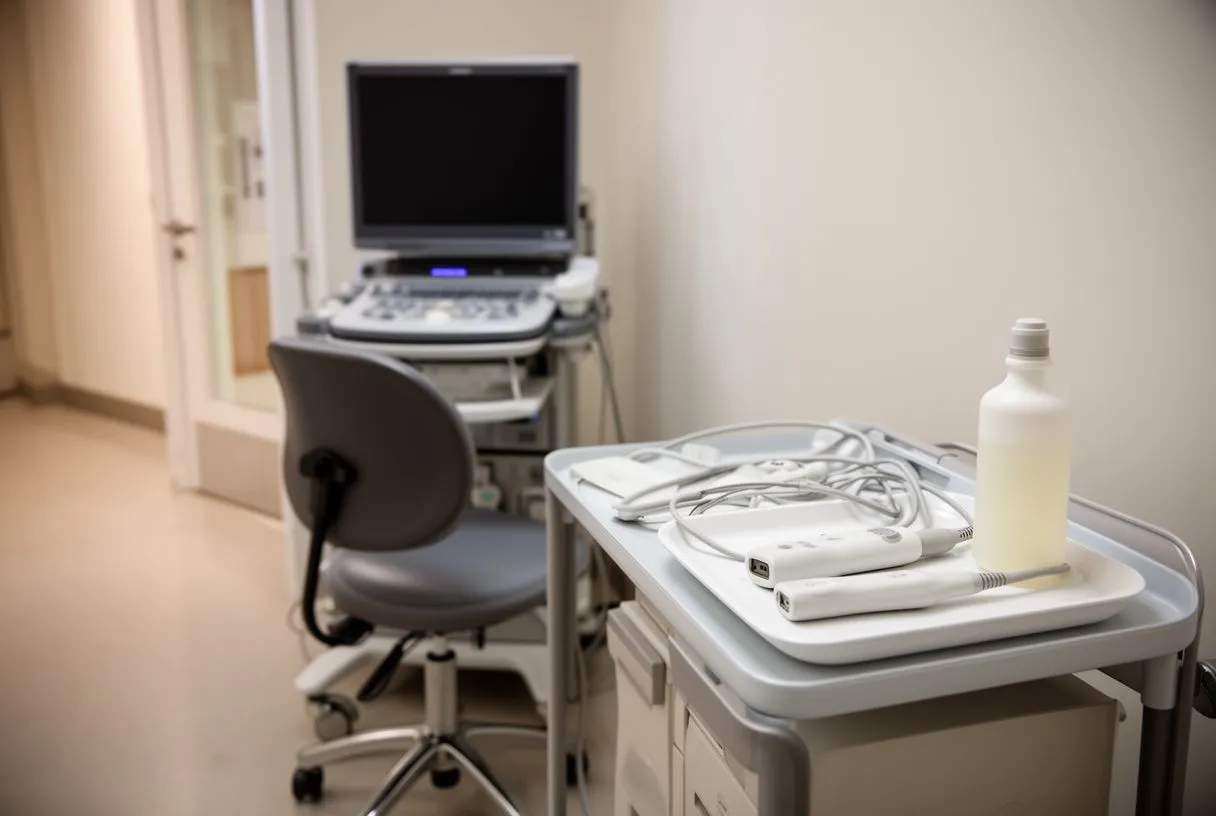
The echocardiogram is the cornerstone test for evaluating ankle swelling heart failure. This ultrasound examination of the heart measures the ejection fraction — the percentage of blood the left ventricle pumps out with each beat — and assesses how well the heart valves open and close. A reduced ejection fraction confirms systolic heart failure, while a normal ejection fraction with filling abnormalities points to diastolic heart failure, a pattern common in older patients with longstanding high blood pressure. Blood tests check for BNP or NT-proBNP, markers that rise when the heart is under strain, and a basic metabolic panel assesses kidney function and electrolyte balance, which influence treatment choices.
Additional testing may include a chest X-ray to look for fluid in the lung tissue or around the heart, an electrocardiogram to detect rhythm disturbances such as atrial flutter, and sometimes a stress test or coronary angiogram if reduced blood supply to the heart muscle is suspected. In certain patients, advanced imaging may reveal atheromatous plaque — fatty deposits in the coronary arteries — that contributes to weakened heart function. The goal of this workup is not to run every test available but to build a precise picture of why the swelling is happening, so treatment targets the root cause rather than simply draining fluid.
Heart Failure Treatments That Reduce Ankle Swelling
How do medications reduce fluid retention? The foundation of heart failure treatment is a combination of medications that improve heart function and reduce fluid overload. Diuretics — often called water pills — help the kidneys excrete excess sodium and water, directly reducing the volume that backs up into the legs and lungs. Loop diuretics such as furosemide are most commonly used for significant edema, while thiazide diuretics may be added for milder cases. The dose is adjusted based on symptom response and kidney function, and patients are typically asked to monitor their weight daily, since a sudden increase of two kilograms in three days often signals fluid retention before visible swelling worsens.
Beyond diuretics, modern heart failure therapy includes medications that reduce the heart's workload and slow disease progression. ACE inhibitors or angiotensin receptor blockers relax blood vessels, beta-blockers slow and strengthen the heartbeat, and mineralocorticoid receptor antagonists block the hormonal signals that promote sodium retention. In selected patients with atrial flutter or other irregular rhythms, anticoagulants may be prescribed — the landmark ARISTOTLE trial demonstrated the safety and effectiveness of apixaban for stroke prevention in atrial fibrillation, a closely related condition. Aspirin may be recommended when coronary artery disease coexists with heart failure, though the decision depends on the individual's full clinical picture.
When medications alone are insufficient, structural interventions may be considered. If heart failure stems from a leaky tricuspid valve — the valve between the right atrium and right ventricle — transcatheter repair techniques are emerging as options for patients too high-risk for open surgery. Recent research on transcatheter edge-to-edge repair for treatment of tricuspid regurgitation, as documented in a study published through HAL, shows promising reductions in regurgitation and symptom improvement. Additionally, outcomes after current transcatheter tricuspid valve intervention, as reported in a clinical outcomes repository, provide further evidence that these minimally invasive approaches can relieve the backward pressure that drives leg swelling in select patients.
Are Swollen Ankles Always a Sign of Heart Disease?
The short answer is no — and understanding this distinction prevents unnecessary panic while ensuring genuine cardiac causes are not overlooked. Most episodes of ankle swelling are not caused by heart failure. A warm day, a long flight, standing for hours, a new medication, a minor ankle sprain, or simply aging veins that no longer pump blood uphill efficiently can all produce swelling without any cardiac problem. The key is recognising which patterns point toward the heart and which point elsewhere, and that assessment requires a trained clinician, not a web search.
Several features make heart failure a more likely explanation. Bilateral swelling that is progressive, worse in the evening, accompanied by shortness of breath on exertion or when lying flat, and associated with unexplained weight gain is more suspicious than unilateral swelling that appears after a known injury or prolonged standing. Swelling that does not improve with elevation and overnight rest is more concerning than swelling that resolves completely by morning. When these cardiac-pattern features are present, an echocardiogram and blood tests provide the definitive answer, and the result guides whether treatment focuses on the heart, the veins, the kidneys, or lifestyle modification.

It is also important to understand that swollen ankles can have more than one cause simultaneously. A patient with mild venous insufficiency may develop heart failure, and the combination makes swelling worse than either condition alone. A patient taking a calcium channel blocker for hypertension may also have early heart failure, and the medication amplifies the cardiac swelling. This is why a single appointment with a cardiologist — rather than self-management — is the safest approach when swelling persists. The evaluation is designed to separate these layers and address each contributing factor rather than treating the symptom in isolation.
Living With Heart Failure: Managing Leg Swelling Long-Term
What daily habits help control ankle swelling? Managing heart failure-related edema is a partnership between medication and lifestyle. A low-sodium diet — generally under two grams of sodium per day for heart failure patients — is one of the most effective interventions. Reading food labels, avoiding processed and restaurant foods, and cooking at home with herbs and spices rather than salt makes a measurable difference in fluid balance. Daily weight monitoring catches fluid retention early: a rise of more than two kilograms over three days warrants contacting your cardiology team, even before visible swelling worsens. Elevating the legs above heart level for thirty minutes in the afternoon reduces pooling, and graduated compression stockings improve venous return during standing activities.
Regular moderate exercise — walking, cycling, or swimming at a comfortable pace — strengthens the calf muscles that pump blood back toward the heart and improves overall circulation. Cardiac rehabilitation programmes, available through many cardiology practices, provide supervised exercise tailored to heart failure patients, along with education on diet, medication, and symptom monitoring. Fluid intake may need adjustment; while dehydration is harmful, excessive water drinking can overwhelm a struggling heart, so your cardiologist may recommend a daily fluid target based on your body weight and kidney function. These practical strategies, applied consistently, reduce swelling frequency and severity and improve quality of life measurably.
- Daily weight check: Weigh yourself each morning after using the bathroom; a rise of more than 2 kg over 3 days signals fluid retention.
- Sodium target: Aim for under 2 grams per day; prioritise fresh foods and avoid canned, frozen, and restaurant meals.
- Leg elevation: Raise legs above heart level for 20–30 minutes in the afternoon to reduce venous pooling.
- Regular movement: Walk or cycle daily at a comfortable pace to engage calf-muscle pumping and improve circulation.
- Medication adherence: Take diuretics and heart medications exactly as prescribed; never skip doses even on a good day.
When to Book a Heart Checkup in Guadalajara or Querétaro
Who should seek evaluation and when? If you have persistent bilateral ankle swelling lasting more than a week, swelling accompanied by breathlessness, fatigue, palpitations, or unexplained weight gain, or a family history of heart disease combined with new leg swelling, scheduling a cardiology consultation is the appropriate response. Patients already diagnosed with hypertension, diabetes, coronary artery disease, or valve disease who develop ankle swelling should not wait for the swelling to resolve on its own — the new symptom may indicate that their condition is progressing and that their treatment plan needs adjustment. Early intervention changes the trajectory of heart failure, and the earlier the evaluation, the broader the treatment options.
For patients travelling to Guadalajara, Querétaro, or Hermosillo for cardiac evaluation, the process is straightforward. International patients often combine their visit with family support, and the practice coordinates diagnostic scheduling to minimise the number of trips required. The goal is not to rush you into a procedure but to give you a clear, evidence-based understanding of your heart's function and a treatment plan that fits your specific situation — whether that means medication adjustment, lifestyle guidance, or a structural intervention.
- Guadalajara: Consultations and robotic surgery.
- Querétaro: Consultations and robotic surgery.
- Hermosillo: Initial evaluation and follow-up for patients in northwest Mexico.
Ankle swelling heart failure is a signal your body sends before a crisis develops, and that signal deserves professional attention rather than dismissal. If you or a loved one has noticed persistent leg or ankle swelling — with or without other symptoms — the most reassuring step you can take is a thorough cardiac evaluation. Book a consultation with Dr Alejandro Molina's team to get clear answers about your heart's function, a personalised treatment plan if needed, and the peace of mind that comes from knowing rather than guessing. Your heart works for you every moment; when it asks for help, listening early makes all the difference.