

Arrhythmia Ablation Surgery: Recovery and Exercise
Arrhythmia ablation surgery recovery week by week: safe exercise timelines, symptoms to watch, and when to return to work.
When your doctor first mentions arrhythmia ablation surgery, recovery is usually the question that follows close behind: how long will it take, and when can I get back to normal life? An ablation is a procedure that treats an arrhythmia — a heartbeat that is too fast, too slow, or irregular — by targeting the small areas of heart tissue that send the electrical signals astray. It is one of the most common heart procedures performed today, and most people recover far faster than they expect. This guide walks you through the whole journey: what happens in the lab, what the first days feel like, how exercise is rebuilt week by week, and which symptoms deserve a call to your team.
What Is Arrhythmia Ablation Surgery and How Does It Work?
Despite the word "surgery," most arrhythmia ablation surgery is a catheter procedure, not an open operation. A thin, flexible tube called a catheter is threaded through a vein — usually in the groin — into the heart. Once inside, it delivers energy to destroy (or "ablate") the tiny patches of tissue that start or sustain the faulty rhythm. The heart's electrical system works a bit like household wiring: when one spot misfires, the whole circuit can race or stumble. Ablation simply disconnects the trouble spot.
Why it works: the abnormal tissue is the source of the arrhythmia, not the healthy muscle doing the pumping. Removing that spot, rather than weakening the whole heart, is why ablation can be effective. MedlinePlus explains that catheter ablation is used to treat fast or irregular heartbeats when medication or lifestyle changes haven't controlled them.
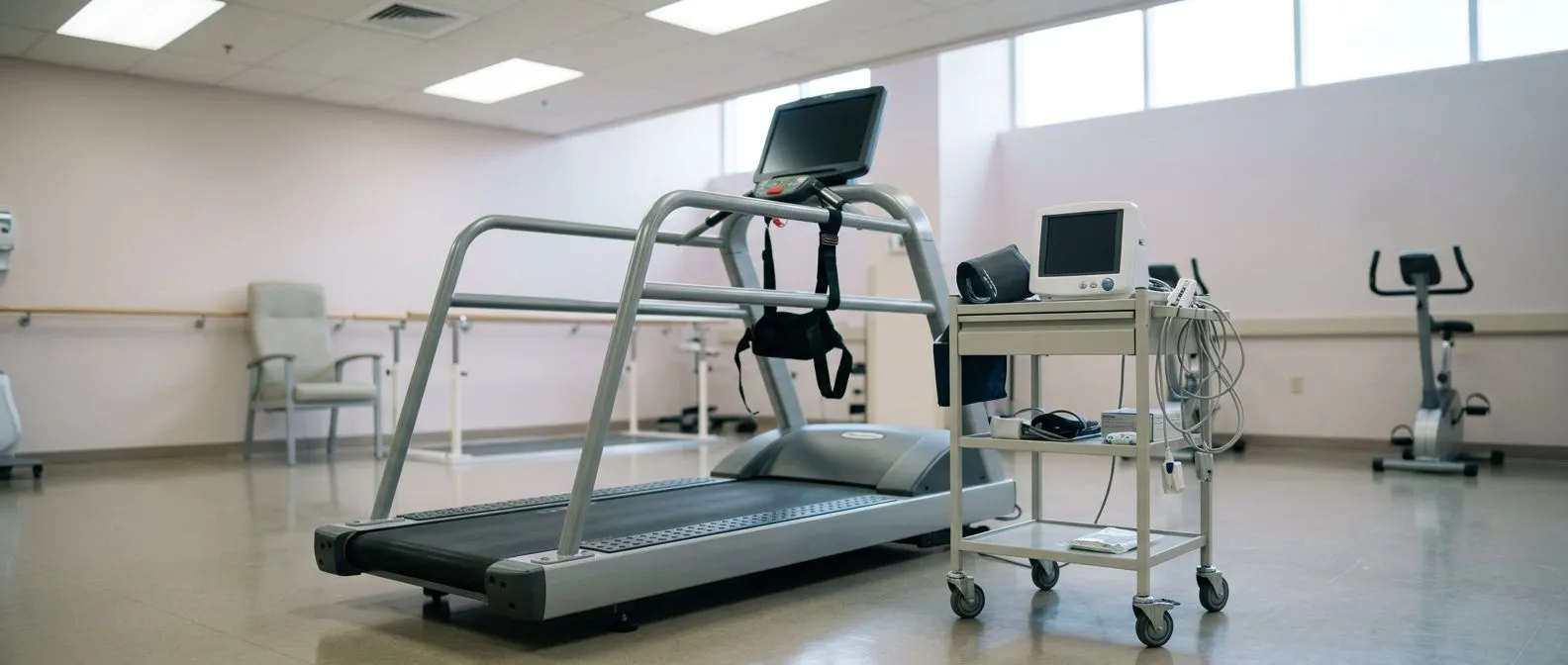
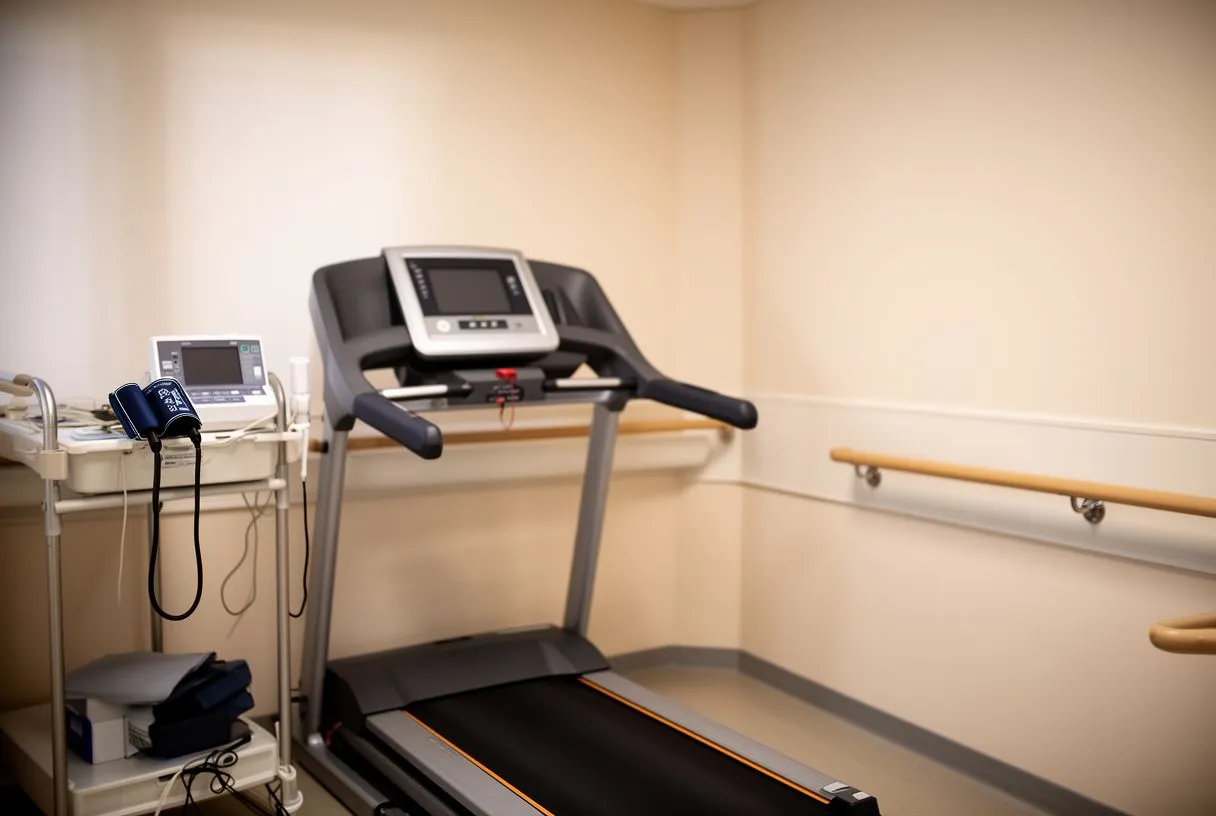
Who it's for: ablation is often considered for atrial fibrillation (AFib — the most common irregular rhythm), atrial flutter, supraventricular tachycardia (SVT), and some forms of ventricular tachycardia. It may be considered after an exercise ergometry — a supervised treadmill test — shows your rhythm misbehaving under exertion. In our practice, every case is reviewed by the multidisciplinary team against international practice guidelines before a recommendation is made, and the patient receives a clear proposal with the alternatives, so the final decision is always theirs.
Types of Arrhythmia Ablation: Catheter, Cryo, Pulsed Field, and Surgical
Radiofrequency catheter ablation: the most established method, using heat to destroy targeted tissue. It has been used for decades and has a long safety record, and it remains the workhorse for many arrhythmias.
Cryoablation: instead of heat, it uses extreme cold delivered by a balloon or catheter tip. Freezing causes less discomfort during the procedure and can be quicker for some arrhythmias.
Pulsed field ablation: a newer technique that uses short electrical pulses to destroy abnormal tissue while largely sparing surrounding healthy structures, such as the esophagus that sits behind the heart.
Surgical ablation: for some patients, ablation is performed at the same time as another cardiac operation, or through a small incision between the ribs. It is a bigger procedure than a catheter ablation and is used when catheter ablation alone isn't enough, or when another condition needs surgery at the same time. Our team performs conventional, minimally invasive, robotic and transcatheter procedures, and we recommend the less invasive route only where the evidence supports it for that patient. Dr Molina trained in cardiac, minimally invasive, robotic and structural surgery at the University of Montreal, and in structural cardiology and TAVR at CHU Bordeaux, so ablation decisions are always made in the context of the whole heart, not just the rhythm.
What to Expect After Arrhythmia Ablation: The First 48 Hours
Right after the procedure: you'll be in a recovery room (sometimes called a post-anesthesia care unit) with pressure on the groin where the catheter was inserted. You'll lie flat for a few hours to let the vein seal. Most people feel tired — the sedation, not the heart, is the usual culprit.
Common feelings: mild soreness in the groin, a sense of the heartbeat feeling "different," or brief fluttering as the heart adjusts. These are normal in the first days and usually settle on their own.
Before discharge, the care team usually checks the puncture site for swelling or bleeding, monitors the heart rhythm, and confirms you can walk comfortably before you're cleared to go home, often the same day or the following morning. Before you leave, ask the care team to explain what the studies show, in plain words, and to answer every question, because going home with clear instructions makes the whole recovery smoother.
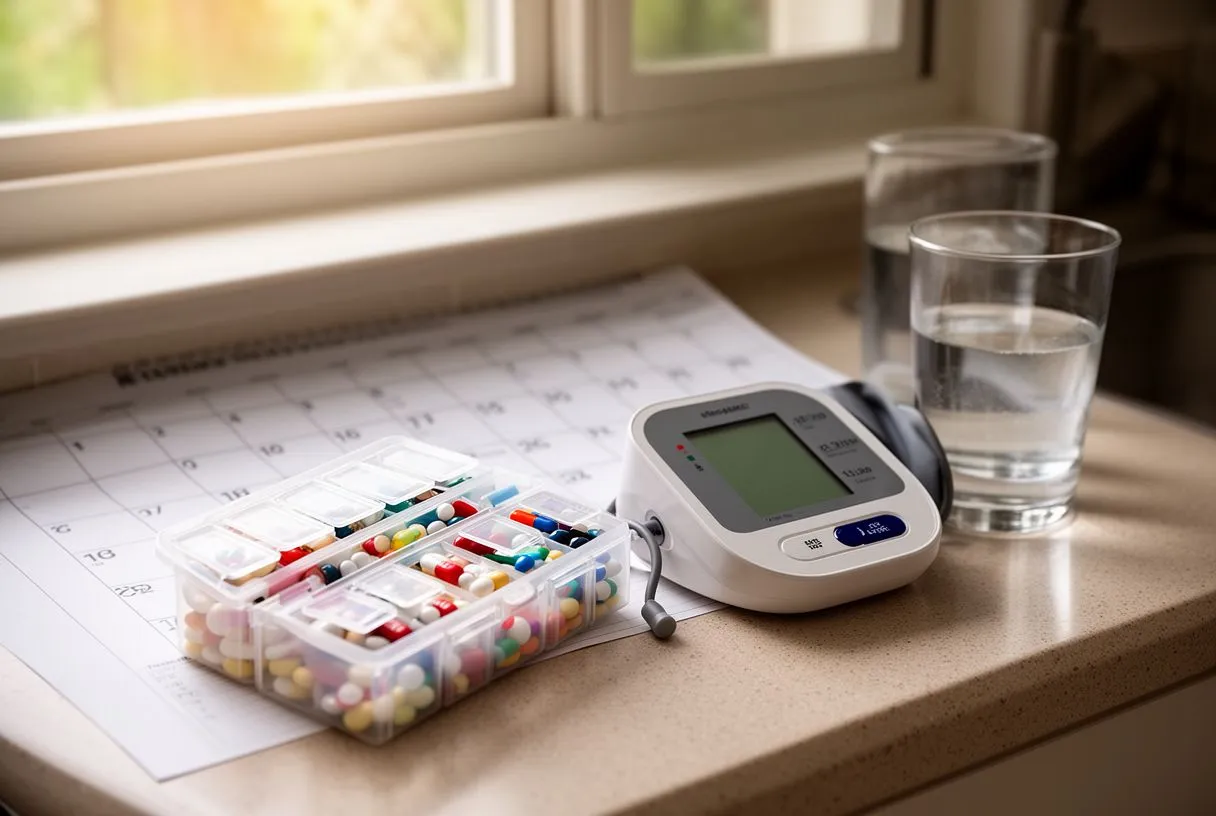
You'll be given written instructions about wound care, medications (often a short course of blood thinners), and activity limits. Keep them — you'll refer to them often in the first week.
Arrhythmia Ablation Recovery Week by Week
Week 1: rest, gentle walks, and wound care. No lifting, no driving, no strenuous activity. The goal is to let the vein heal where the catheter went in.
Weeks 2-3: walking becomes longer and easier. Many people can drive again and return to desk work or light household tasks. The rhythm often feels more settled during this part of arrhythmia ablation recovery.
Weeks 4-6: most people resume normal activities — exercise, work, travel. Your team will confirm this with a check-up and possibly an ECG or Holter monitor, a small wearable recorder that tracks your rhythm over a day or two.
For most people, a catheter ablation is a day procedure or a short hospital stay, and the rough recovery is measured in weeks, not months. A surgical ablation takes longer — more like a month or more — because it involves an incision. A good recovery timeline is built around what the patient actually wants to get back to, not a generic calendar.
When Can I Exercise After Arrhythmia Ablation?
This is one of the most common questions patients ask, and it's a good one — exercise rebuilds confidence as much as fitness. The general answer is that gentle walking begins within days, but higher-intensity exercise waits until your team clears you.
The day you go home: a short walk, 10-15 minutes, is usually fine. Build up gradually — a few extra minutes each day, listening to how you feel.
First week: walking, gentle stretching, no heavy lifting. If you feel dizzy, short of breath, or notice a racing heart, stop and rest.
Weeks 2-4: many people can walk briskly, and some can begin light cycling or swimming once the puncture site is fully healed and your team agrees. Supervised exercise — a structured, monitored program often called cardiac rehabilitation — is worth asking about, especially if you're new to exercise or had other heart issues.
Weeks 4-6 onward: most patients return to their usual exercise routine, including running, weights, and sport, once cleared. A review of the rhythm and a conversation about what you actually want to do (walking, dancing, swimming, or lifting a grandchild) should come before setting a personal exercise plan. If you were training before, you'll rebuild fitness over a few weeks rather than starting from scratch.
Best Exercise After Heart Ablation Surgery
Walking is king: it's low-impact, free, and easy to measure. Start with 10 minutes twice a day and build up. It gently re-trains the heart rhythm and rebuilds stamina.
Swimming and cycling: once cleared, these are excellent low-impact options. They raise the heart rate steadily without jarring the body.
Strength work: light weights are usually safe after about 2-3 weeks, but avoid heavy lifting and breath-holding (which spikes blood pressure) until your team clears you.
Stretching and yoga: gentle, slow movements help with stiffness and calm the nervous system. Avoid poses that compress the chest or require hard breath-holding in the early weeks.
Supervised cardiac rehabilitation: if you had other heart disease alongside the arrhythmia, a structured program with monitored exercise is one of the most valuable things you can do. It teaches you exactly how far you can safely push.
Whatever you choose, the golden rule is gradual progression: increase duration before intensity, and always stop if symptoms return.
Heart Ablation Recovery Do's and Don'ts
Heart ablation recovery do's and don'ts are the practical backbone of the first few weeks. Here's the honest summary.
- Do: take your medications exactly as prescribed — especially blood thinners if given, which protect against clot during the healing period.
- Do: keep the puncture site clean and dry, and check it daily for swelling or bruising.
- Do: walk every day, even if just for 10 minutes. Movement helps the heart and the mood.
- Don't: lift anything heavier than about 5 kg (10 lbs) in the first week, or push a vacuum, shopping trolley, or stroller.
- Don't: drive until your team advises — often 48-72 hours for a catheter procedure, longer for a surgical one.
- Don't: drink alcohol in the first week or two. Alcohol is a known trigger for arrhythmias, and after ablation your heart is still adjusting.
On the question "can I drink alcohol after heart ablation?" — the honest answer is that it's best to wait a few weeks, and if you have atrial fibrillation, cutting back long-term is genuinely worth discussing. Alcohol is one of the most reliable rhythm disruptors there is, and reducing it improves ablation outcomes.
Arrhythmia Ablation Recovery Symptoms: Which Are Normal?
Normal in the first weeks: mild groin soreness, small bruising, occasional "flutters" or brief palpitations, fatigue, and mild chest discomfort when you cough or breathe deeply. These fade as healing progresses.
Early palpitations after ablation: it's common — and counterintuitive — for the heart to misbehave in the first few weeks after a procedure meant to fix it. The healing tissue can be irritable and fire off extra beats. This doesn't mean the ablation has failed; the rhythm often settles as the tissue heals.
When to call your team: persistent bleeding or swelling at the puncture site, fever, chest pain that worsens rather than improves, shortness of breath at rest, or a fast heartbeat that doesn't settle. These are uncommon, but the earlier you call, the simpler any fix is. Call your care team rather than worry; a phone call about a small thing is far better than a delay about a big one.
Returning to Work After Arrhythmia Ablation
Desk work: most people return within a few days to a week for a catheter ablation, provided they can commute without heavy lifting. The first day back is often more tiring than expected — build in breaks.
Physical work: jobs involving lifting, climbing, or machinery usually need 2-4 weeks off, depending on the exact demands and what your team says. A written note outlining your restrictions is worth asking for.
Driving: for a catheter ablation, driving is usually safe within a few days once you're not taking strong pain medication and the groin is comfortable. For a surgical ablation with an incision, it may be a few weeks. Your team will confirm.
Flying: short flights are usually fine within a week or two. Long-haul travel — especially while on a blood thinner — deserves a conversation with your team first, since sitting still for long hours raises clot risk.
Patients who plan a gentle first week back rather than diving in at full speed tend to settle far better. It's not weakness to pace yourself — it's good recovery planning.
Arrhythmia Ablation Post-Op Care and Follow-Up
Follow-up visits: expect a check-up within a few weeks — often with an ECG to confirm the rhythm, and possibly a Holter monitor to record your heart over 24-48 hours. This is how your team confirms the ablation is doing its job.
Continuing medications: depending on the arrhythmia, you may stay on blood thinners or antiarrhythmic drugs for a period. Some patients stop these over time; others stay on them long-term. This is a case-by-case decision your team will discuss with you, and the alternatives are always laid out.
Long-term outlook: many people live a completely normal life after ablation, including with an occasional irregular beat that causes no symptoms. The goal is not a perfect rhythm line on a monitor — it's a heart that doesn't limit what you want to do. For a minority, a second ablation is needed; for some arrhythmias, medications remain part of the plan.
On the question of living a normal life with an irregular heartbeat — many people do. If the arrhythmia is well controlled by ablation, medication, or a combination, the impact on daily life can be minimal. The key is monitoring and honest conversations with your team.
Ablation is often part of a wider picture that includes valve problems, coronary disease, or other structural heart conditions. In those cases, a multidisciplinary plan matters more than any single procedure. If ablation is part of a wider heart problem such as valve or coronary disease, our first contact is a free video consultation: we get to know you, talk through the condition, and say which studies are still needed so no unnecessary ones are ordered. From there, a face-to-face visit at one of our consulting rooms in Guadalajara, Querétaro or Hermosillo follows when you decide to go ahead. Dr Molina performed the first robotic mitral valve repair in the Ángeles Health System and the first robotic heart surgery in Guadalajara — but what matters most to you is the conversation, not the credentials. Discuss your own situation with a qualified cardiac team and book a consultation rather than self-diagnose; your heart deserves a plan, not a guess.






