

Carcinoid Heart Disease and Valve Replacement
Carcinoid heart disease valve replacement restores cardiac function and quality of life.
If you or someone you love has a neuroendocrine tumor — a rare tumor that can release hormones into the bloodstream — you may have heard the term carcinoid heart disease valve damage mentioned during appointments. It can be frightening to learn that a tumor affecting your hormones can also affect your heart. This guide explains, in plain language, what carcinoid heart disease is, how it is detected, and when valve surgery becomes part of the plan. Our goal is to help you understand the condition well enough to ask the right questions and make calm, informed decisions alongside your medical team.
What Is Carcinoid Heart Disease?
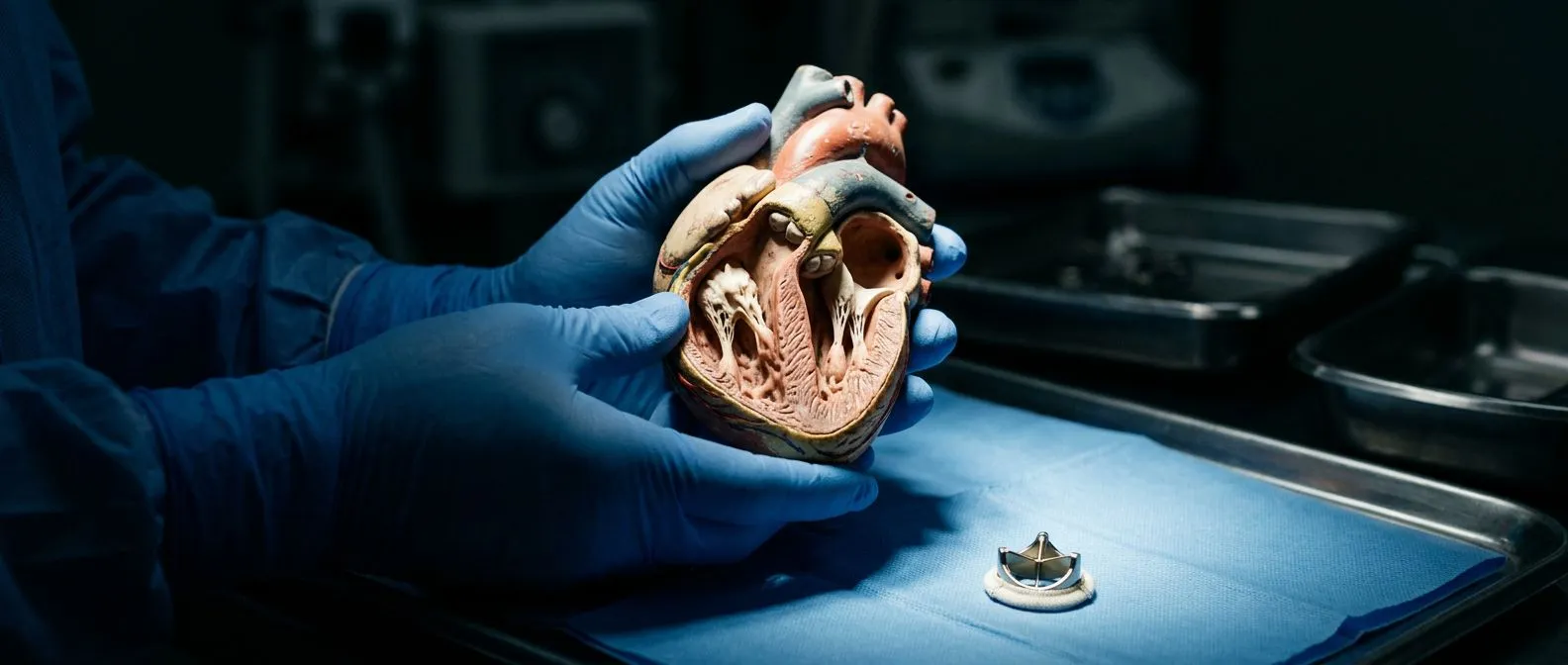
A rare but well-recognized condition. Carcinoid heart disease is a form of heart valve damage caused by a neuroendocrine tumor, most often one that has spread to the liver. These tumors release substances such as serotonin into the circulation. Over time, those substances can cause fibrous, plaque-like deposits to build up on the heart valves, stiffening them and preventing them from closing properly. The condition is uncommon, but it is important because it can be treated — and treating it can significantly improve comfort and quality of life.
Why the right side of the heart. Carcinoid valvular disease almost always affects the valves on the right side of the heart, mainly the tricuspid valve, and sometimes the pulmonary valve. This happens because the substances released by liver metastases reach the right-sided valves in full concentration before the lungs filter them out. That is why a tricuspid valve damaged by carcinoid disease behaves differently from other kinds of valve disease — and why treatment needs specialists who understand the whole picture.
It is worth knowing that carcinoid heart disease develops slowly in many patients, and in some it never causes severe problems. Regular monitoring with echocardiography — an ultrasound of the heart — is the key to catching changes early, before symptoms appear.
How Carcinoid Tumors and Serotonin Damage Heart Valves
The serotonin connection. A frequent question is what the relationship between carcinoid tumors and serotonin actually is. Serotonin is a natural substance the body uses in digestion, mood, and blood vessel control. Carcinoid tumors can produce large amounts of it. When the tumor burden is high — especially when it has spread to the liver — serotonin and related substances circulate at levels high enough to irritate the valve tissue itself.
What actually happens to the valve. The valve surfaces develop a fibrous, whitish coating — sometimes described as carcinoid plaque. This material is not cancer on the valve; it is scar-like tissue built up in response to circulating hormones. The result is that the valve leaflets become thickened, pulled back, and fixed in position. The valve then leaks blood backward (a condition called regurgitation) and may also be narrowed. Both problems make the right side of the heart work harder.
Over months or years, this extra workload can enlarge the right ventricle — the chamber that pumps blood to the lungs. That is why doctors watch for early signs of right heart strain, not only valve function itself.
What Are Cardiac Neuroendocrine Tumors?
Defining the terms. "Cardiac neuroendocrine tumors" can mean two different things, and it helps to keep them separate. Most often, the phrase refers to neuroendocrine tumors elsewhere in the body (commonly in the gut or pancreas) that have spread and are producing hormones that affect the heart. Occasionally, a neuroendocrine tumor arises within the heart itself — a genuinely rare finding that is usually discovered on imaging done for other reasons.
Carcinoid syndrome. Many patients with liver metastases develop carcinoid syndrome: episodes of facial flushing, diarrhea, and sometimes wheezing, caused by the hormones the tumor releases. Carcinoid syndrome is one of the strongest warning signs that the heart may be at risk, because it signals that large amounts of serotonin are reaching the circulation. If you have carcinoid syndrome, your care team should be checking your heart on a regular schedule.
Not every neuroendocrine tumor causes heart problems. The risk rises with how much hormone is circulating, how long it has been elevated, and whether the tumor has reached the liver. This is why a multidisciplinary view — oncology, cardiology, and cardiac surgery talking together — matters so much in this condition.
Carcinoid Heart Disease Echocardiography: What to Expect
The main diagnostic tool. Carcinoid heart disease echocardiography is an ultrasound scan of the heart, and it is painless and non-invasive. A sonographer places a small probe on your chest and takes moving images of your valves and chambers. The echocardiogram can show the characteristic thickening and retraction of the tricuspid valve leaflets, measure how much blood leaks backward, and assess how well the right ventricle is coping.
How often should it be done? Patients with carcinoid syndrome typically have an echocardiogram at least once a year, and more often if symptoms change or hormone levels rise. Your oncology and cardiology teams will set a schedule together. The goal is to detect valve disease before it causes symptoms, because intervening at the right time — not too early, not too late — gives the best results.
Additional tests may include blood tests for serotonin byproducts (such as 5-HIAA collected in a 24-hour urine sample), a CT or MRI scan to follow the tumor itself, and sometimes a specialised heart MRI to look at the right ventricle in detail. None of these are frightening procedures, and most are done as outpatient visits.
Symptoms of Tricuspid Valve Regurgitation in Carcinoid Patients
What patients actually notice. Tricuspid valve regurgitation in carcinoid disease tends to produce a particular set of symptoms. Because the right side of the heart handles blood returning from the body, problems there show up as congestion: swelling of the ankles and legs, a bloated or enlarged abdomen from fluid around the liver, puffiness of the face, and a feeling of fullness or discomfort in the upper abdomen. You may also feel unusually tired, especially with activity, and notice a pounding sensation in the neck or chest.
Why symptoms can arrive late. The right side of the heart is remarkably adaptable, and it can compensate for a leaking valve for a long time. Many patients attribute their swelling or fatigue to the tumor treatment or to age. This is exactly why scheduled echocardiography matters: it can show a deteriorating valve well before daily life is affected.
It is worth mentioning that left-sided valves are rarely affected by carcinoid disease. When they are, it is usually in patients with a patent foramen ovale — a small natural opening between the two upper chambers — or with very high bronchial carcinoid activity. Your team will check all four valves on every study, but the tricuspid valve is the one under the closest watch.
When to Replace a Carcinoid-Damaged Valve
The decision factors. Deciding when to replace a carcinoid valve is one of the most nuanced judgments in this field, because the underlying tumor must be considered alongside the heart. In general, surgery is considered when the valve disease is severe and the patient is symptomatic — or when the right ventricle is beginning to fail even without obvious symptoms. Timing also depends on the tumor itself: how fast it is growing, how it is responding to systemic treatment, and whether the oncology team expects the patient to have meaningful time ahead.
Stabilizing first. Many teams recommend starting systemic treatment for the tumor — somatostatin analog injections, for example, which reduce hormone output — and allowing the carcinoid syndrome to settle before surgery. This lowers the risk of a carcinoid crisis, a sudden, severe episode of flushing and blood pressure swings that can be triggered by anesthesia. Patients are usually given intravenous octreotide around the time of surgery to prevent this.
At our practice, every case is reviewed by the multidisciplinary team against international practice guidelines before a recommendation is given, and the patient receives a clear proposal with the alternatives — the final decision is always theirs. We also encourage a second opinion, and we treat seeking one as a normal, sensible part of deciding about heart surgery.
Valve Replacement Options for Carcinoid Heart Disease
Why mechanical valves are usually avoided. In carcinoid heart disease valve replacement, the choice of prosthesis matters more than in almost any other kind of valve surgery. Serotonin and related substances keep circulating after surgery, and they can deposit fibrous material on a new valve just as they did on the original one. For this reason, most teams prefer tissue valves (bioprosthetic valves) over mechanical valves, which would require lifelong blood thinners and can still be affected by the same process.
The surgical approach. Right heart valve replacement in carcinoid patients is typically done through conventional open-heart surgery under general anesthesia, on a heart-lung machine. The damaged tricuspid valve is removed and replaced with a bioprosthesis — either a stented valve or a stentless valve depending on the anatomy and the surgeon's judgment. The pulmonary valve is treated at the same time if it is also affected. In selected patients, less invasive or transcatheter options can be discussed; our team performs conventional, minimally invasive, robotic and transcatheter procedures, and we recommend the less invasive route only where the evidence supports it for that specific patient.
- Tissue (bioprosthetic) valves: the usual choice for carcinoid patients; no lifelong anticoagulation is required, and replacement can be planned if the valve degenerates.
- Mechanical valves: rarely used in carcinoid disease because hormone deposits can affect them too and they require permanent blood thinners.
- Valve-in-valve procedures: if a bioprosthetic valve wears out years later, a new valve can sometimes be placed inside it using a catheter, avoiding repeat open surgery.
- Combined planning: the oncology team coordinates with the cardiac surgeon so tumor treatment and valve surgery are sequenced for safety.
What Heart Valve Surgery for Carcinoid Syndrome Involves
Before surgery. Carcinoid syndrome heart valve surgery requires careful preparation. You will meet the anesthesiologist, who will plan extra octreotide cover to prevent a carcinoid crisis during the operation. Blood hormone levels are checked, heart function is re-measured, and the whole team confirms that the tumor is stable enough to proceed. At our consulting rooms in Guadalajara, Querétaro and Hermosillo, we take the time in the consultation to explain what the studies actually show, in plain words, and to answer every question before any decision is made.
The operation itself. The surgery typically takes several hours. The surgeon opens the chest, connects you to the heart-lung machine, removes the diseased valve, and sews in the new prosthesis. Many carcinoid patients also need surgery on the tumor — for example, liver-directed treatment — either before or after the heart operation, so the sequencing is planned jointly with oncology.
After surgery. You will spend a day or two in intensive care, then several days on a regular ward as you regain strength. Recovery to everyday activity usually takes six to eight weeks, though it varies with your overall condition and the extent of the tumor treatment. Cardiac rehabilitation — a supervised program of gentle, progressive exercise — is strongly recommended and makes a real difference to how quickly you feel like yourself again.
Carcinoid Heart Disease Prognosis After Valve Surgery
What the evidence shows. Published case series of carcinoid heart disease prognosis after valve surgery consistently show two things: symptom relief is substantial, and outcomes depend heavily on the behavior of the underlying tumor. Patients who reach surgery at the right time — with a reasonably controlled tumor and before severe right heart failure — generally regain comfort and daily function that they had lost to fluid retention and fatigue. The valve itself rarely limits them afterward, although bioprosthetic valves can degenerate over the years and may eventually need valve-in-valve replacement.
What drives long-term outcome. The main determinant of survival after carcinoid valve surgery is the tumor, not the valve. Ongoing oncologic treatment — somatostatin analogs, targeted therapies, liver-directed procedures — continues after the heart has been fixed. This is why the cardiac surgeon and the oncologist must work as one team: the heart operation buys comfort and time, and the tumor treatment determines how that time is used.
In our experience, patients who come to surgery well-prepared — with the syndrome controlled and the team aligned — tolerate the operation better and recover faster than they expected. We see this pattern repeatedly in the patients our multidisciplinary team reviews together before recommending surgery.
Living With Carcinoid Heart Disease
Can you live a normal life with cardiovascular disease? This is one of the questions patients ask most, and the honest answer is: many people do, with the right care. A diagnosis of carcinoid heart disease does not mean the end of an active life. With the tumor controlled, the valve monitored or repaired, and attention to diet, gentle activity, and symptom awareness, patients can travel, work, and enjoy family life. The key is partnership — knowing your numbers, keeping your follow-up appointments, and reporting new swelling, fatigue, or breathlessness early.
Practical daily measures. Small things add up. Limit added salt if your team has advised it, because it reduces fluid retention. Weigh yourself regularly — a sudden gain of two or three kilograms in a few days is a signal to call your doctor. Take your prescribed medications exactly as directed, including somatostatin analogs, which reduce hormone release and may slow valve damage. And keep a simple written record of symptoms to bring to each appointment.
Questions to ask your team. Coming to appointments prepared helps you get the most from them. Consider bringing this list:
- How severe is my valve disease today, and how has it changed since my last echocardiogram?
- At what point would you recommend valve surgery, and what would we do first to prepare?
- How does my tumor treatment affect my heart, and vice versa?
- Which symptoms should make me call you between appointments?
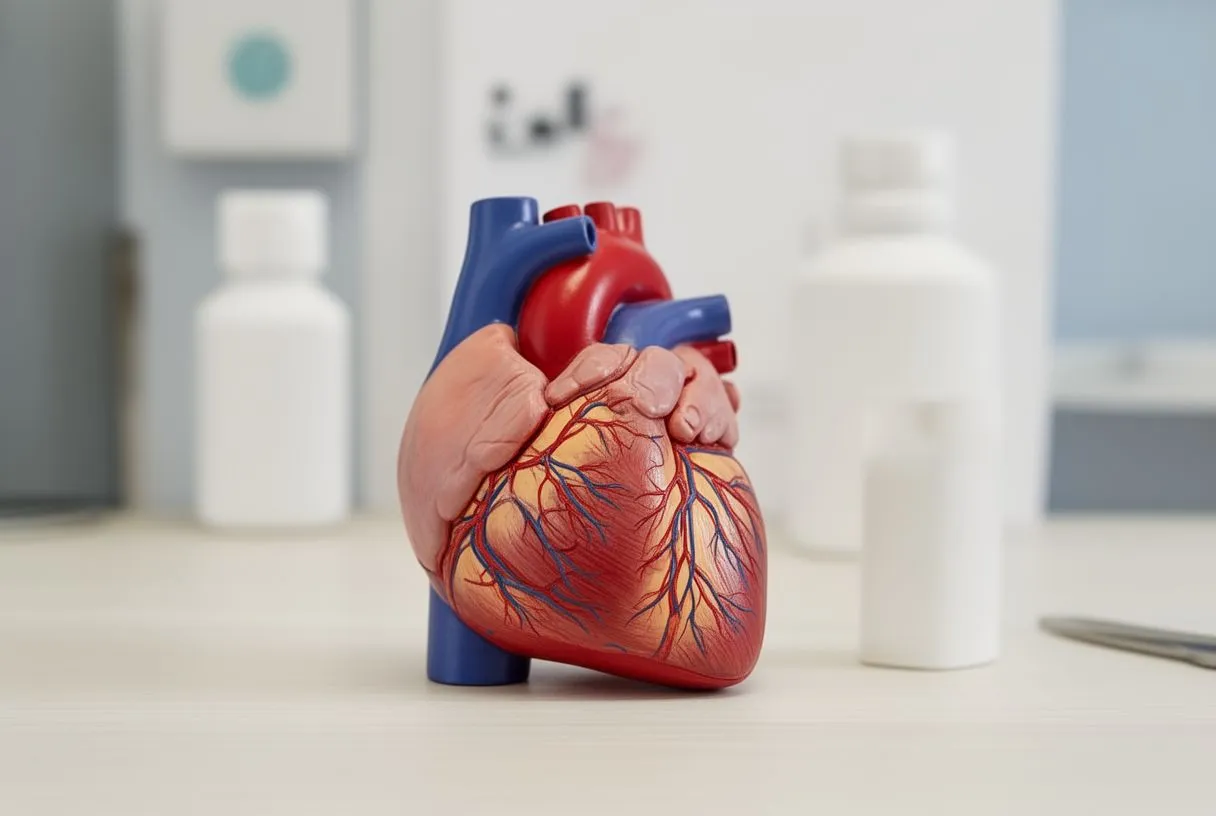
Coronary artery disease — the narrowing of the arteries that feed the heart muscle — is a separate condition from carcinoid heart disease, but it can coexist, especially in older patients, and your team will assess it as part of your complete cardiac evaluation before any valve procedure. One heart, one plan: that is the advantage of being treated by a group that reviews the whole picture. Our team, led by Dr Alejandro Molina, treats valve disease, coronary disease, the aorta and structural heart conditions, and every recommendation is made with the patient as part of the conversation.
Carcinoid heart disease is a serious diagnosis, but it is also one of the most treatable complications of a neuroendocrine tumor when it is caught on schedule. The essentials are simple: monitor the heart regularly if you have carcinoid syndrome, act when echocardiography shows severe valve damage, choose a bioprosthetic valve in most cases, and keep the tumor treatment going alongside the heart care. The first contact with our team is a free video consultation, where we get to know you, talk through your condition, and identify which studies are genuinely needed so nothing unnecessary is ordered — and a face-to-face visit follows when you decide to go ahead. Whatever you decide, please discuss your own situation with a qualified cardiac team rather than self-diagnosing; you deserve a plan built around you.






