

Cell Salvage in Heart Surgery: Recycling Your Own Blood
Cell salvage heart surgery recycles your own blood during cardiac procedures, cutting transfusion risks.
When you or someone you love faces heart surgery, one of the concerns that often surfaces is blood loss. The heart and its major vessels carry your entire circulation, and operating on them inevitably means some bleeding. Cell salvage is a technique that captures the blood you lose during surgery, cleans it, and returns it to your body — so you receive your own blood instead of a stranger's. For patients undergoing cardiac procedures, this approach can significantly reduce the need for donor transfusions and the risks that come with them. Understanding how this process works can help you have a more informed conversation with your surgical team.
What Is Cell Salvage in Heart Surgery?
The core concept: Cell salvage, sometimes called autotransfusion or blood recovery, is a medical process that collects blood lost during surgery, processes it to remove contaminants and debris, and reinfuses it into the same patient. Rather than discarding blood that pools in the surgical field — which in heart operations can be substantial — the surgical team routes it through a specialized machine that washes and concentrates the red blood cells. The result is autologous blood, meaning blood that comes from your own body and goes back to your own body.
This approach has become a cornerstone of blood conservation in cardiac surgery because heart operations are uniquely demanding. Surgeons work on the ascending aorta, the heart chambers, and major coronary vessels, often while the patient is on cardiopulmonary bypass — a heart-lung machine that takes over circulation temporarily. The bypass circuit itself requires anticoagulation medications that thin the blood, and the combination of surgical incisions and thin blood means that bleeding is part of every cardiac case to some degree.
For patients, the idea of receiving your own blood back can feel reassuring, but the technique is more than a comfort measure. It represents a deliberate shift in surgical practice toward minimizing exposure to donor blood, which carries its own set of risks and considerations. The practice has evolved over decades from a crude collection method into a sophisticated, automated process that is now standard in most cardiac operating rooms around the world.
How Does a Cell Saver Machine Work During Cardiac Surgery?
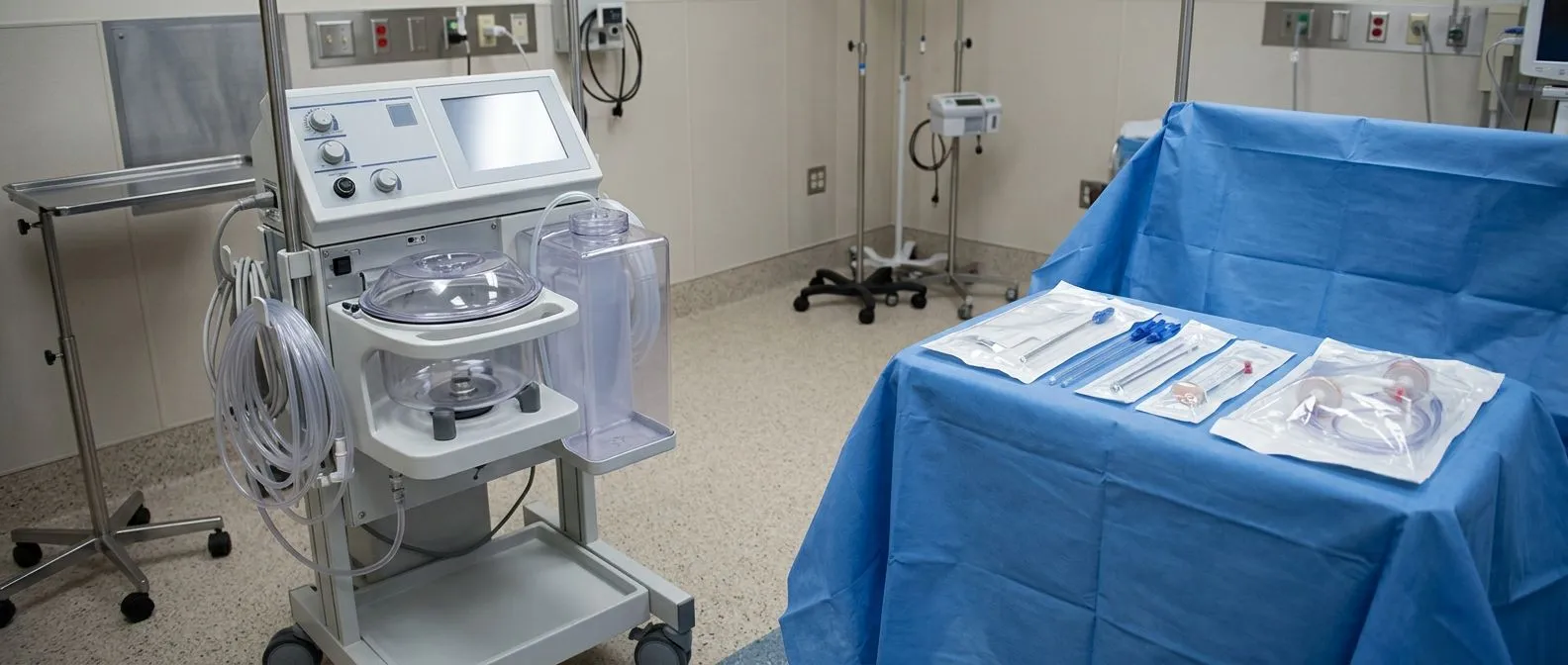
The process begins at the operating table. As the surgeon works, blood that would normally be absorbed by surgical sponges or suctioned away into waste containers is instead drawn through a specialized tubing system. This blood is immediately mixed with an anticoagulant solution — typically a form of citrate or heparin — to prevent it from clotting as it travels through the collection circuit. The suction tip used by the surgical assistant is connected directly to the cell salvage machine, so collection happens in real time.
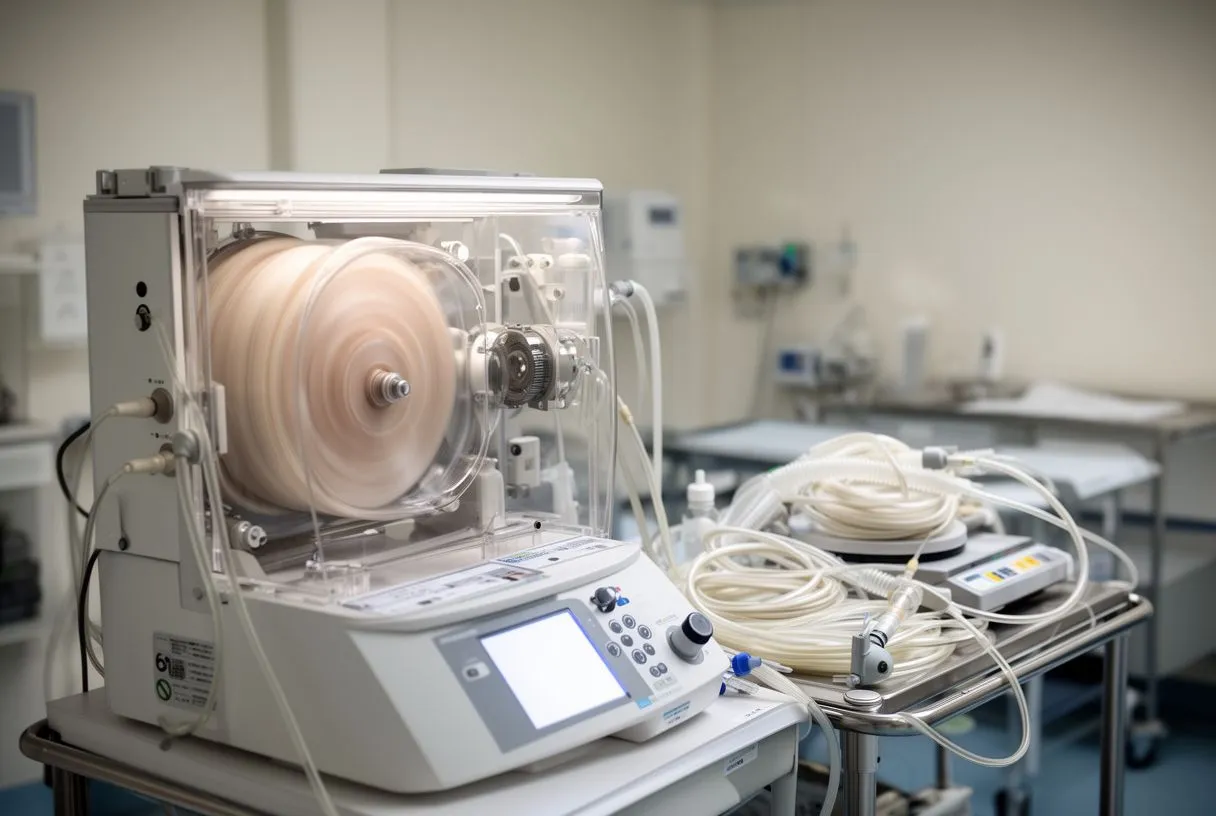
Once inside the machine, the blood enters a centrifuge bowl that spins at high speed. This spinning motion separates the components by density: red blood cells, being the heaviest, settle to the outer wall of the bowl, while lighter components like plasma, platelets, and the anticoagulant solution remain closer to the center and are eventually washed away. The washed red cells are then resuspended in a sterile saline solution and held in a reservoir, ready to be returned to you through an intravenous line. According to Stanford Health Care, this technology allows for rapid processing, meaning that blood lost early in the operation can be cleaned and returned to the patient within minutes.
The machine also plays a role beyond the operating table. Blood that remains in the cardiopulmonary bypass circuit after the heart-lung machine is weaned off can also be processed through the cell saver rather than being discarded. This is particularly important because the bypass circuit holds a significant volume of blood — sometimes a liter or more — and returning it as washed red cells helps preserve the patient's hemoglobin levels as they transition back to their own circulation.
Why Is Blood Recycling Important for Heart Patients?
Cardiac surgery involves more blood loss than nearly any other type of operation. The heart pumps roughly five liters of blood per minute through the body, and the vessels that surgeons must open and close are large-caliber arteries and veins carrying that full volume. Even with meticulous technique, some bleeding is inevitable, and patients who take aspirin or other blood-thinning medications before surgery may bleed even more, as those drugs interfere with the platelets' ability to form clots.
When blood loss is significant, the traditional response has been to transfuse donor blood. While donor blood is screened and tested, it is not risk-free. Transfusions can trigger immune reactions, carry a small risk of transmitting infections, and have been associated with longer hospital stays and increased complication rates in cardiac patients. For some patients — particularly those with rare blood types or those who, for religious or personal reasons, prefer not to receive donor blood — cell salvage offers a way to manage blood loss without relying on the blood bank.
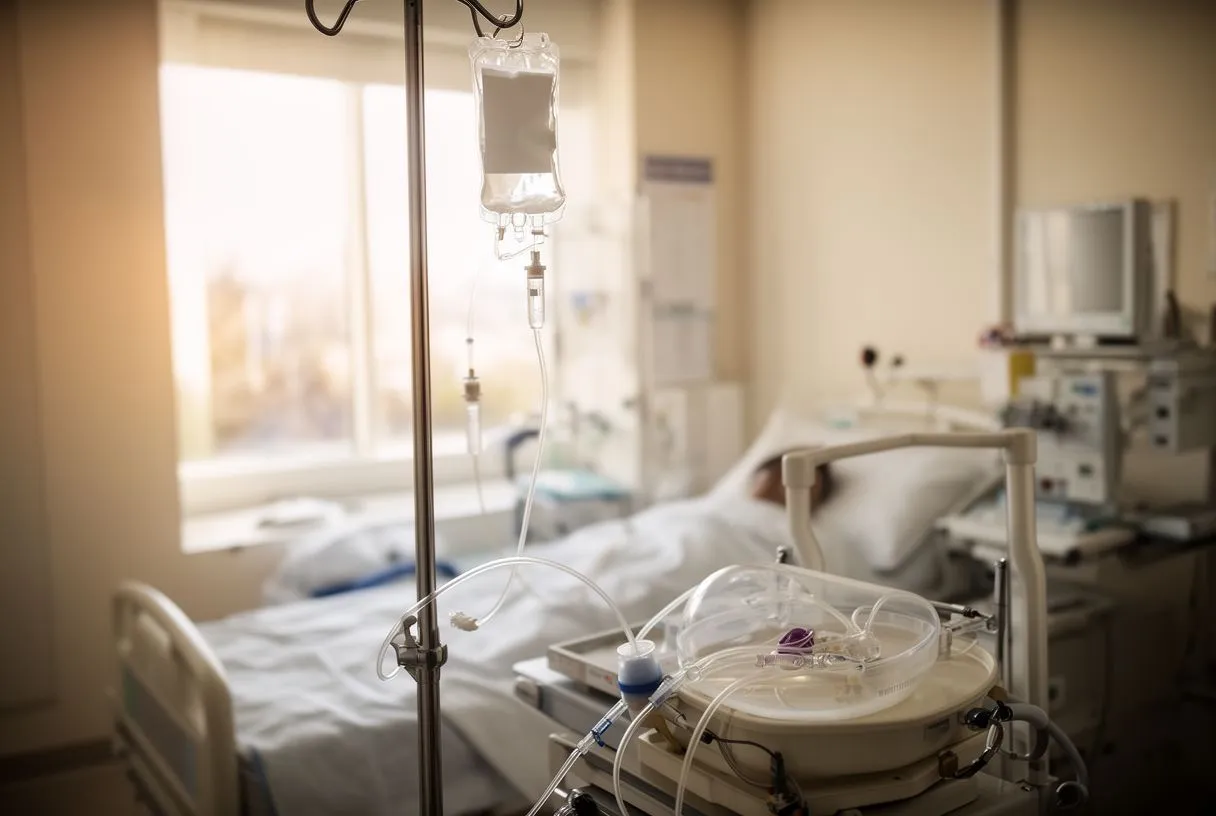
Blood recycling also matters because it preserves a resource that is not infinite. Donor blood is a gift that someone else has given, and using less of it means more is available for patients who truly have no alternative. In cardiac programs that prioritize blood conservation, cell salvage is one of several tools — alongside careful surgical technique, medications that promote clotting, and minimizing the volume of blood drawn for laboratory tests — that together reduce transfusion rates substantially compared to programs that do not use these strategies.
What Are the Benefits of Autotransfusion in Cardiac Surgery?
Eliminating compatibility concerns: The most immediate benefit of autotransfusion is that you receive your own blood, which eliminates the risk of transfusion reactions caused by mismatched blood types. Every donor transfusion requires careful cross-matching, and even with meticulous testing, rare immune reactions can occur. With cell salvage, the blood that returns to you is genetically identical to what you started with — it is simply your own red cells, washed and concentrated.
Beyond compatibility, autologous approaches in medicine — whether using your own blood, your own tissue as an autograft, or other biological materials from your own body — represent a broader philosophy of minimizing foreign exposures. Research into using patients' own biological materials extends across surgical fields; for instance, a review titled Application of Collagen Scaffold in Tissue Engineering: Recent Advances and New Perspectives illustrates how autologous and biologically derived materials are increasingly valued in reconstructive and regenerative medicine for reducing rejection risk and supporting natural healing. Cell salvage in heart surgery reflects the same principle: your own biological material is safer and better tolerated than material from a donor.
- No infection risk from donor blood: Your own blood cannot introduce new viruses or bacteria that were not already present in your body.
- Faster availability: Washed red cells can be reinfused within minutes, without waiting for blood bank processing or cross-matching.
- Reduced inflammatory response: Donor blood contains foreign proteins and cells that can trigger systemic inflammation, which salvaged autologous blood does not.
- Lower transfusion-related costs: Each unit of donor blood avoided represents savings in acquisition, testing, and administration costs.
When Is Cell Salvage Used During Heart Procedures?
Cell salvage is used in the majority of major cardiac operations, including coronary artery bypass grafting, valve repair or replacement, and surgery on the aorta. Any procedure where the surgeon anticipates significant blood loss — or where the patient's condition makes donor transfusion undesirable — is a candidate for blood recovery. In practice, most cardiac surgery programs now consider cell salvage a standard component of their intraoperative blood management strategy rather than an optional add-on.
Certain situations make cell salvage especially valuable. Patients who have undergone previous heart surgeries — what surgeons call redo operations — face more bleeding because scar tissue distorts normal anatomy and makes dissection more difficult. Patients who need an arterial graft taken from the chest wall or leg for bypass surgery may bleed more at the harvest site. Even patients who have had prior procedures like balloon angioplasty to open narrowed arteries, where atheromatous plaque was dislodged or modified, may arrive at surgery with altered clotting profiles that make blood conservation more important.
Blood recovery is also relevant in less invasive cardiac interventions. While transcatheter procedures — such as transcatheter aortic valve replacement, which we call TAVR — involve smaller incisions than open surgery, they still require vascular access through large arteries, and bleeding complications can occur. Some centers extend cell salvage principles to these settings as well, particularly for higher-risk patients or those with known bleeding tendencies.
Are There Risks With Cell Salvage During Surgery?
Cell salvage is generally considered safe, but it is not entirely without risk, and understanding its limitations helps set realistic expectations. The most significant limitation is that the cell saver machine recovers only red blood cells. The centrifuge washes away plasma — the liquid portion of blood that contains clotting factors and proteins — and platelets, the cell fragments that form the initial plug in any bleeding vessel. After processing, what you receive back is concentrated red cells suspended in saline, not whole blood.
This means that if you lose a large volume of blood, you may still need some donor plasma or platelets to restore your clotting ability, even if your red cell count is well-maintained through cell salvage. Understanding how blood-borne pathogens behave in different species has been central to transfusion medicine safety; as noted in a study titled The pig: a model for human infectious diseases, animal models have been essential for understanding how infectious agents spread through blood and tissues, which underscores why eliminating donor blood exposure through autotransfusion is so valuable. There are also specific situations where salvaged blood should not be returned — for instance, if the surgical field is contaminated with bowel contents, infected material, or, in cancer operations, potentially malignant cells. In cardiac surgery, these scenarios are uncommon but not impossible.
Another consideration is that the salvaged red cells, while functional, have been through mechanical processing. The suction, spinning, and washing steps can cause minor damage to some cells, and a small percentage may rupture. However, clinical experience and research have shown that the vast majority of salvaged cells remain viable and effective at carrying oxygen, which is their primary job in your circulation.
How Does Cell Salvage Compare to Donor Blood Transfusions?
The comparison between autologous blood recovery and donor transfusion comes down to several key differences in safety, availability, and physiological impact. When you receive donor blood, even when well-matched, your immune system recognizes it as foreign to some degree. This can trigger a mild inflammatory response, and in some cases, more serious immune reactions. Donor red cells also have a limited storage life — they are typically kept in refrigeration for up to 42 days — and during storage, they undergo changes that can reduce their ability to deliver oxygen effectively immediately after transfusion.
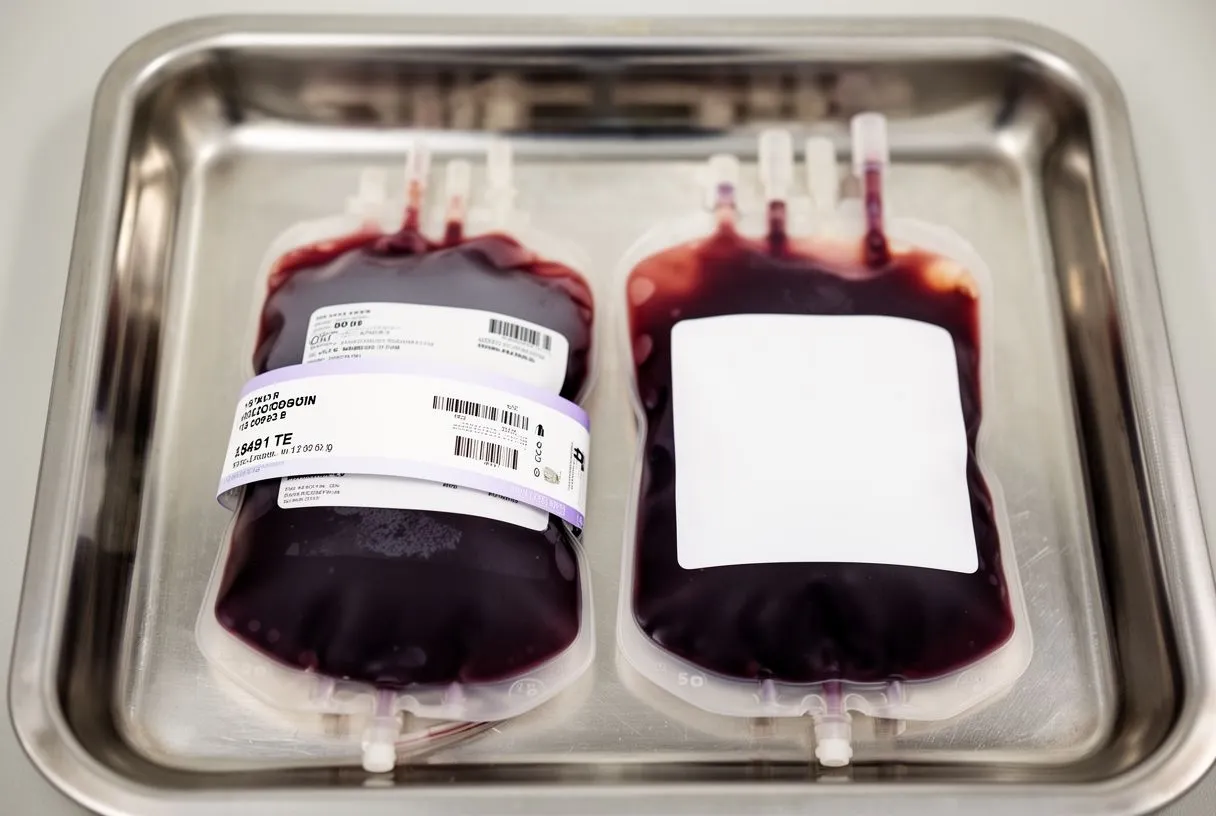
- Source: Salvaged blood is your own; donor blood comes from another person with a different genetic and immune profile.
- Freshness: Salvaged cells are processed and returned within minutes of being lost; donor blood may have been stored for weeks.
- Immune impact: Your own blood triggers no immune reaction; donor blood can provoke inflammation or, rarely, hemolytic reactions.
- Infection risk: Autologous blood carries no new infection risk; donor blood carries a small but real residual risk despite screening.
- Component completeness: Donor blood can provide whole blood, plasma, or platelets; cell salvage returns only washed red cells.
For patients managing conditions like atrial flutter — an irregular heart rhythm originating in the atrium — or those taking anticoagulants as part of trials such as ARISTOTLE, blood management becomes more nuanced. These patients may already have altered clotting profiles, and their surgical teams must balance the benefits of cell salvage with the possible need for plasma and platelet components that the machine cannot provide. In these cases, cell salvage is one tool within a broader blood management plan that may still include some donor products, but the goal is always to minimize their use.
What Heart Surgery Procedures Most Often Use Blood Conservation?
Blood conservation strategies, including cell salvage, are most commonly associated with the largest cardiac operations — those where blood loss is expected to be significant. Coronary artery bypass grafting, particularly when multiple vessels are grafted, routinely involves cell salvage. During this procedure, the surgeon creates new routes for blood to flow around blocked arteries, often using an arterial graft from the internal mammary artery inside the chest wall or a vein from the leg. Each connection point, or anastomosis, is a potential source of bleeding, especially when the patient has been on cardiopulmonary bypass with full anticoagulation.
Valve surgery — whether repairing or replacing the mitral, aortic, or tricuspid valves — also relies heavily on blood recovery. When surgeons replace a diseased valve, they may use a mechanical valve or a biological valve made from animal tissue. In transcatheter approaches, a balloon-expandable valve may be implanted through a catheter rather than through open surgery, and this technique sometimes follows a balloon aortic valvuloplasty, where a balloon catheter first stretches the narrowed valve opening. Even in these catheter-based procedures, vascular access sites can bleed, and cell salvage principles may apply to blood collected from the access sheath.
Aortic surgery — operations on the body's largest artery — represents the highest-bleeding-risk category. Repairing an aneurysm or dissection of the ascending aorta or aortic arch requires extensive tissue division and sometimes circulatory arrest, where blood flow is intentionally stopped temporarily. In these cases, cell salvage is not optional; it is essential for maintaining the patient's red cell volume. Increasingly, advanced techniques like awake ECMO, where extracorporeal membrane oxygenation supports a patient who is awake and breathing without a ventilator, also incorporate blood recovery as part of their comprehensive circulatory support strategy.
How Does Blood Recovery Affect Your Recovery After Surgery?
The impact of cell salvage extends well beyond the operating room and into your recovery. When you receive your own blood instead of donor blood, your immune system does not have to process foreign cells and proteins, and this can translate into a less inflammatory postoperative course. Some studies have suggested that patients who receive fewer donor transfusions experience shorter stays in the intensive care unit, fewer infections, and better overall outcomes, though the relationship is complex and influenced by many factors beyond blood management alone.

Blood markers matter in recovery, too. After heart surgery, your cardiac team monitors levels like hemoglobin and hematocrit, and in some contexts, specialized markers such as apolipoprotein B, which reflects lipid metabolism and cardiovascular risk. Maintaining your own red cell mass through cell salvage helps keep these levels more stable in the critical first hours after surgery, when your heart is adjusting to the changes made during the operation. Patients who maintain better blood counts often experience less fatigue, less shortness of breath, and a faster return to walking — which is one of the first recovery milestones after cardiac surgery. Arm pain from IV lines and monitoring catheters can also be less bothersome when blood counts are stable, because adequate oxygen delivery to tissues supports nerve and muscle recovery.
Quality of life after surgery is influenced by many factors — the success of the repair, the condition of your heart muscle, your overall health, and how your body responds to the stress of surgery. Blood conservation plays a supporting role in this picture by reducing one source of physiological stress: the immune and inflammatory burden of donor blood. While it is not a magic bullet, it is one of several evidence-based practices that, when combined, contribute to smoother recoveries and better patient experiences.
When Should You Ask Your Cardiac Team About Cell Salvage?
If you are scheduled for heart surgery — or even if you are in the early stages of considering it — asking about blood management is a reasonable and important part of your preparation. You might ask whether the surgical program uses cell salvage routinely, what their typical transfusion rates are for the specific procedure you are facing, and whether there are any reasons why cell salvage might not be appropriate in your case. A good cardiac team will welcome these questions, because they indicate that you are engaged and informed about your care.
It is also worth discussing any medications you take that affect bleeding. If you are on blood thinners for atrial flutter, if you take aspirin for coronary disease, or if you have had prior interventions like the placement of an automated external defibrillator, your surgical team needs a complete picture to plan your blood management strategy. Some medications are stopped before surgery to reduce bleeding risk, but the decision depends on your specific condition and the procedure planned, and should never be made without consulting your physician.
Every patient's situation is unique, and the decisions about blood management during heart surgery depend on the specific procedure, your medical history, your blood type, and many other factors that your cardiac surgeon will weigh. If you have questions about cell salvage, blood conservation, or any aspect of cardiac surgery, we encourage you to discuss them with a qualified cardiac team. Dr Alejandro Molina and the team at Cirugía de Corazón, with practices in Guadalajara, Querétaro, and Hermosillo, are available to review your individual case, explain your options in clear terms, and help you make informed decisions about your cardiac care. Booking a consultation is the next step — because understanding your options is the foundation of a confident decision about your heart surgery.






