Conduction Block After Valve Surgery or TAVR
Conduction block after valve surgery or TAVR can slow the heartbeat.
Conduction block after valve surgery is one of the most common rhythm problems patients and families ask us about before an aortic valve replacement or a TAVR procedure. The heart has its own electrical wiring, and the aortic valve sits directly beside it. Any procedure that repairs or replaces that valve can temporarily — or occasionally permanently — disturb the signals that tell the heart to beat. This guide explains, in plain language, why conduction block happens, what it feels like, how doctors watch for it, and when a pacemaker is actually needed.
What Is Heart Block and What Causes It?
Heart block is a delay or interruption in the electrical signals travelling from the upper chambers of the heart (the atria) to the lower chambers (the ventricles). When those signals are slowed or stopped, the heart can beat too slowly to circulate blood effectively. Doctors classify it by degree: first-degree means simple delay, second-degree means some signals fail to get through, and third-degree — also called complete heart block — means no signals cross at all, so a backup rhythm takes over far below the normal rate.
Heart block can exist long before any operation. Common causes include ageing of the conduction tissue, coronary artery disease, certain medications such as beta-blockers, and structural valve disease itself. A heavily calcified aortic valve can press on the very tissue that conducts electricity, so some patients arrive at surgery with a block already present.
Why surgery adds a new cause. Valve procedures add mechanical causes on top of these: swelling around the conduction pathways, small bruising from instruments, and the placement of the new valve itself. In most patients these effects settle within days as the tissue recovers, which is why careful observation in the days after surgery matters so much.
What Is the Conduction System Through the Heart?
Knowing the conduction system through the heart makes it much easier to understand why valve surgery can affect it. The heartbeat normally starts in the sinus node, a small natural pacemaker in the right atrium. The signal spreads across the atria, making them contract, then reaches the atrioventricular (AV) node — the electrical gateway between atria and ventricles. From there it travels down the bundle of His and into the left and right bundle branches, which distribute the signal so the ventricles contract in a coordinated squeeze.
The aortic valve's close neighbour. The AV node and the bundle of His sit immediately below the aortic valve, in the wall between the ventricles. That is the anatomical heart of the matter: the tissue surgeons and transcatheter systems work closest to is precisely the tissue that carries the heartbeat. Research into conduction system injury valve surgery has shown that the distance between the valve landing zone and the conduction tissue is one of the strongest anatomical predictors of conduction damage after transcatheter aortic valve implantation (see the published analysis of anatomical predictors of conduction damage after transcatheter implantation of the aortic valve, Kyoto University).
In our consultations we often draw the conduction system on paper for patients and families, because once people see how close the aortic valve sits to the heart's wiring, the whole risk discussion becomes far clearer.
What Is Second-Degree Atrioventricular Block?
Second-degree atrioventricular block is the middle stage of conduction disturbance. Some signals from the atria reach the ventricles; others are dropped entirely. It has two classic forms. Mobitz type I (Wenckebach) shows a progressive delay before one beat is dropped, and it is often benign. Mobitz type II drops beats suddenly, without warning, and is more serious because it can progress to complete heart block.
What it feels like. Patients with second-degree block may notice skipped beats, occasional lightheadedness, or fatigue — or, in the milder form, nothing at all. It is frequently discovered on the continuous heart monitor rather than by symptoms. After valve surgery, second-degree block on the monitor is treated seriously because the anatomy has just been manipulated near the conduction tissue.
Why the degree matters for treatment. The distinction between first-, second- and third-degree block directly drives the decision to implant a pacemaker. A mild first-degree delay may simply be observed, while Mobitz type II or complete block after a valve procedure usually prompts a much closer look at whether permanent pacing is required. Postoperative rhythm strips are usually reviewed against international guidelines before any pacing recommendation is made, and the reasoning should be explained to the patient in plain words.
Why Does Conduction Block Happen After Valve Surgery?
Conduction block after valve surgery has several identifiable mechanisms, and knowing them helps patients understand why it is anticipated rather than surprising.
- Direct tissue injury: cutting, suturing or removing a calcified valve can bruise or interrupt the AV node or bundle of His, which sit millimetres away.
- Swelling and inflammation: local inflammation after the operation can slow signals temporarily; this is the most common pattern and often resolves on its own.
- Medication effects: drugs used to protect the heart, such as beta-blockers, can slow conduction in the early recovery period and are adjusted as needed.
- Pre-existing disease: bundle branch block present before surgery — especially left bundle branch block in aortic valve disease — lowers the reserve of the conduction system and raises the risk.
Why the aortic valve carries the highest risk. Among all four valves, the aortic valve's proximity to the conduction tissue makes atrioventricular block after surgical aortic valve replacement the best-described rhythm complication of valve surgery. Mitral and tricuspid valve operations sit farther from the main conduction highway, so their risk is lower, though not zero.
Not the same as valve degeneration. Conduction block is a problem of the heart's wiring, not of the valve itself. It is a separate issue from valve degeneration, which refers to a prosthetic valve wearing out over the years. The two can coexist, but they have different causes, timelines and treatments.
How Do TAVR Procedures Affect the Heart's Wiring?
TAVR — transcatheter aortic valve replacement — delivers a new valve through a catheter, usually from the groin artery, without opening the chest. The new valve is pressed open at the site of the old one, and in doing so it pushes against the surrounding tissue, including the conduction pathways beneath it. This mechanical pressure is why heart block after aortic valve replacement is more frequently discussed in the TAVR setting than after some other procedures.
Which patients face higher risk. A pre-existing right or left bundle branch block is the best-known warning sign. The conduction system has two main bundle branches; if one is already blocked, the TAVR valve's pressure on the remaining pathway can tip the system into complete block. Clinical research, including the ongoing trial of prophylactic permanent pacemaker in patients with right bundle branch block undergoing TAVI (ClinicalTrials.gov), is testing whether implanting a pacemaker before discharge in these patients prevents later problems. The American Heart Association's journals publish extensively on this question (AHA Journals).
Why valve choice matters. The design and stiffness of the transcatheter valve, and how deeply it sits in the outflow tract, influence how much pressure reaches the conduction tissue. Shallower placement is associated with less new conduction disturbance. When we plan a TAVR, our multidisciplinary team measures the anatomy beforehand specifically to predict this risk, and Dr Molina's structural training in TAVR at CHU Bordeaux feeds directly into that planning.
What Are the Symptoms of Heart Block After Valve Replacement?
Early warning signs in hospital. Most significant heart block after valve surgery shows up while the patient is still monitored, before discharge. Families and patients should know the signs that can appear in the days after either surgery or TAVR:
- Lightheadedness or fainting: a beat dropped or slowed can briefly reduce blood flow to the brain; a true faint after a valve procedure should always be reported immediately.
- Unusual breathlessness or fatigue: a heart beating too slowly may not keep up with simple activities like walking to the bathroom.
- Fluttering, pauses or a "skipping" sensation: these can reflect dropped beats or a slow backup rhythm taking over.
Symptoms after discharge. Once home, patients should contact their cardiac team for dizziness, near-fainting, palpitations, or exercise intolerance that is worse than expected for the stage of recovery. These symptoms do not necessarily mean heart block — other causes exist — but they always deserve evaluation rather than waiting.
A written list of exactly which symptoms to report and who to call helps, because families tend to cope better when the warning signs are spelled out before discharge rather than explained in passing.
When Is a Pacemaker Needed After Valve Surgery?
The question of when a pacemaker is needed after valve surgery follows well-established rules, and knowing them helps patients judge how their own situation is being handled. Not every slow rhythm needs a device. Transient slowing that resolves within days, for example, is managed by observation and medication adjustment.
Situations that usually lead to pacing. A pacemaker is generally considered when block persists and carries a risk of sudden complete failure:
- Complete (third-degree) heart block that does not recover within the observation window after surgery or TAVR.
- Mobitz type II block, because of its unpredictable progression.
- Symptomatic slow rhythms — fainting or severe lightheadedness attributable to block — even when the pattern on the monitor is intermittent.
- Persistent new left bundle branch block with additional findings after TAVR, where some teams extend monitoring before deciding.
Why teams wait before deciding. Many conduction disturbances after valve procedures recover as swelling settles, so current practice favours a period of extended monitoring before committing to a permanent device. A permanent pacemaker is a lifelong commitment, and implanting one that was never needed would be a real harm. A pacemaker should be proposed only after the case is reviewed against international practice guidelines, with the alternatives presented alongside the recommendation, and the final decision belongs to the patient.
Transient vs Permanent Heart Block After Valve Surgery
The distinction between transient and permanent block is one of the most reassuring facts for patients. Most conduction block seen after aortic valve procedures is temporary: it appears in the first hours or days, is managed with temporary pacing wires or monitoring, and disappears as inflammation around the new valve resolves. A smaller group of patients — those with pre-existing bundle branch block, deeper valve implantation, or more calcified anatomy — have block that persists.
How doctors tell the difference. There is no single test that predicts recovery perfectly. Teams look at the pattern on continuous monitoring, the degree of block, whether the escape rhythm (the heart's backup beat) is reliable, and how many days have passed. Guidelines commonly suggest waiting a period of days to allow recovery before implanting a permanent device, precisely because many cases revert.
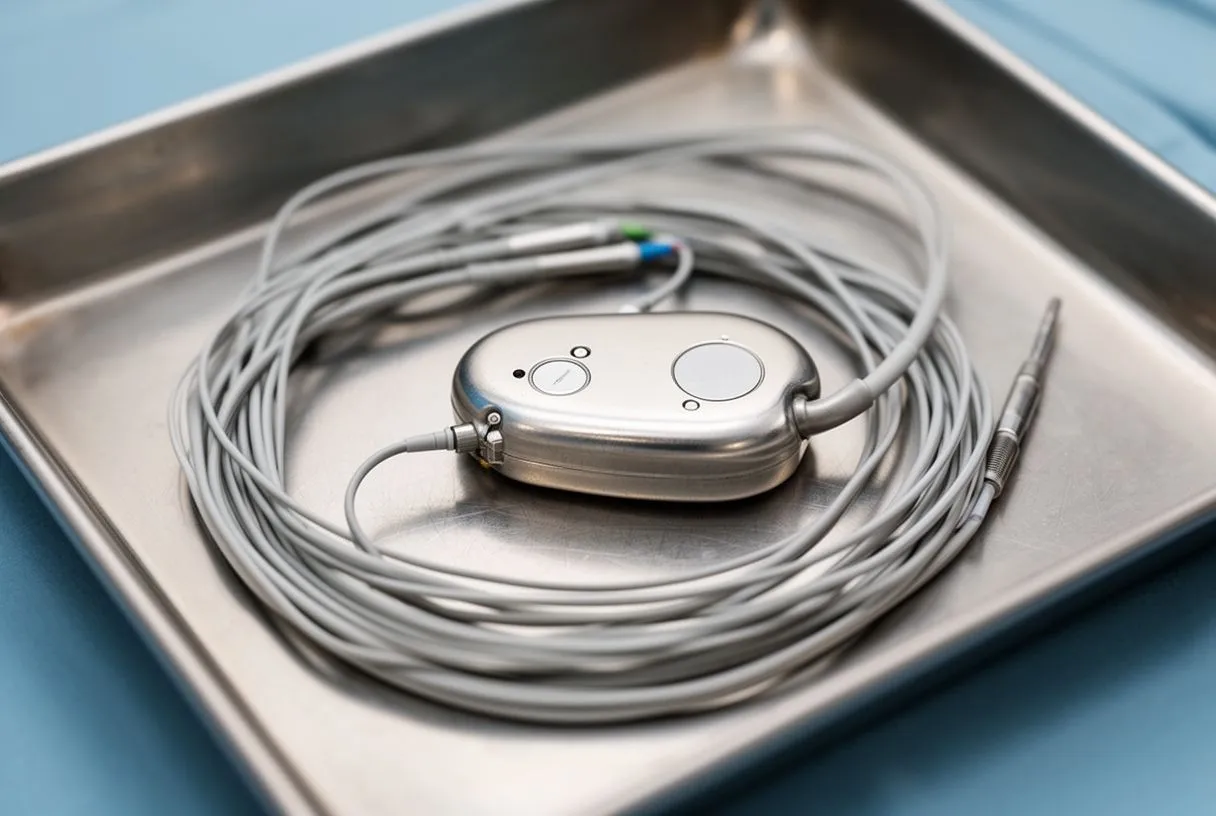
What permanent pacing involves. A permanent pacemaker is a small generator placed under the skin near the collarbone, connected to leads that reach the heart. Modern devices monitor every beat and intervene only when the heart's own signal fails. For patients who need one after valve surgery, daily life is largely unrestricted, and the device removes the danger of a sudden dangerous pause. We walk patients through exactly what life with a pacemaker looks like — including driving, exercise and device checks — so the decision is made with a realistic picture rather than fear.
How Is Heart Rhythm Monitored After a Valve Procedure?
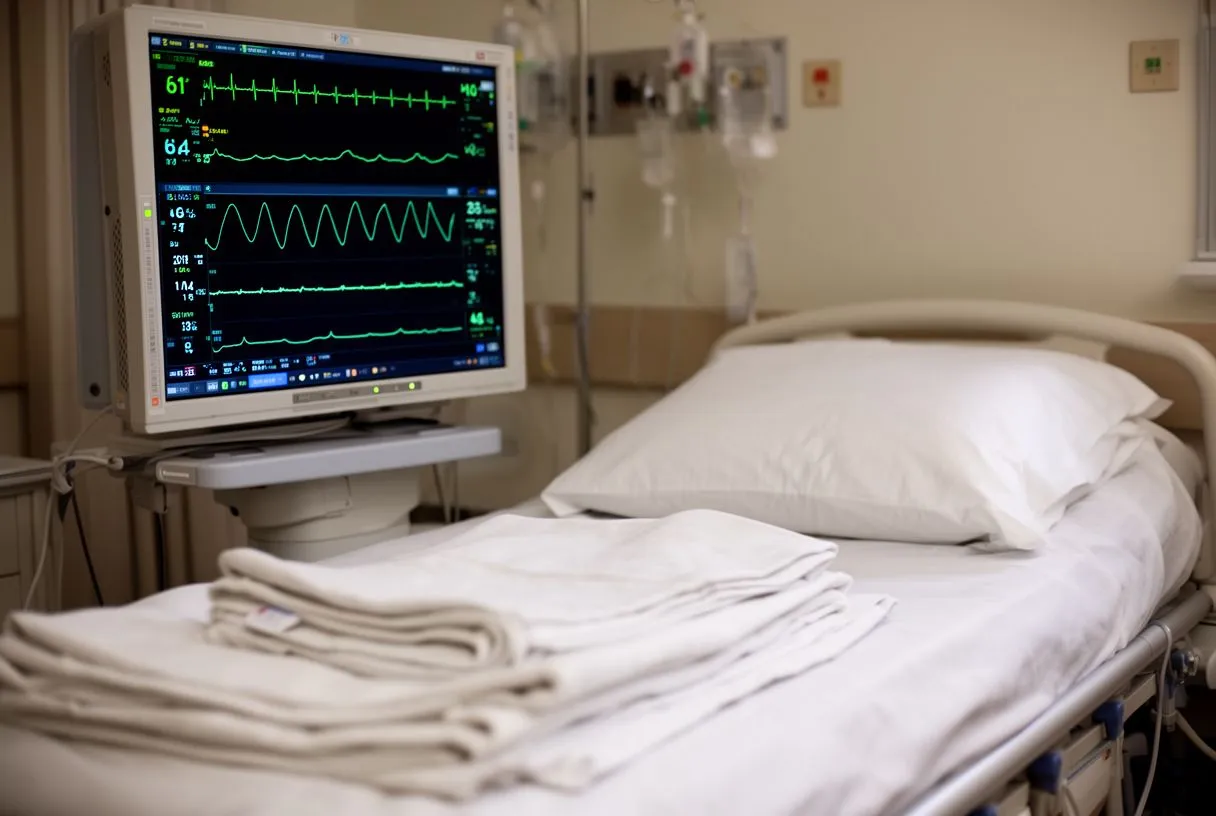
In hospital. After any aortic valve procedure, patients are attached to continuous telemetry — a monitor that records every beat. After surgical aortic valve replacement, temporary epicardial pacing wires are routinely left in place, connected to an external pacemaker that can support the heart if block appears. These wires are painless and are simply removed at the bedside when no longer needed. After TAVR, telemetry continues, often with a longer observation period, because conduction recovery can unfold over days.
After discharge. Some patients go home with a wearable patch monitor or a loop recorder for one to four weeks to catch intermittent block that continuous hospital monitoring may have missed. This is particularly common for patients with new bundle branch block after valve replacement. Follow-up electrocardiograms at the first postoperative visits complete the picture.
Electrophysiology follow-up. When block is persistent or borderline, a cardiologist specialising in heart rhythm (an electrophysiologist) may be involved in follow-up to decide on device timing and programming.
Can You Reduce the Risk of Heart Blockage Without Surgery?
Many patients ask how to reduce heart blockage without surgery. The honest answer depends on which "blockage" is meant. Narrowing of the coronary arteries — the cholesterol plaques that cause angina — can often be stabilised or slowed with medication, blood pressure control, exercise and stopping smoking. Electrical heart block, however, is a structural problem of the conduction tissue, and there is no medication or lifestyle change that reverses it once established.
What genuinely helps before a valve procedure. The most effective ways to lower the risk of needing a pacemaker are decisions made with the surgical team, not measures the patient takes alone: choosing the least invasive approach the evidence supports for that specific anatomy, planning valve position carefully during TAVR, and reviewing any pre-existing bundle branch block before the operation. This is exactly how our team works — we recommend the less invasive route only where the evidence supports it for that patient, and we actively encourage second opinions as a normal part of the decision.
What patients can do. Review medications with the cardiologist, since some drugs slow conduction and can be adjusted. Report any history of fainting or known conduction problems early. And keep follow-up appointments after the procedure, because early detection of a slow rhythm almost always leads to simpler management than a late one.
Conduction block after valve surgery sounds frightening, but the practical picture is manageable: most cases are temporary, teams watch for them closely and systematically, and a permanent pacemaker is offered only when clear guidelines say it is needed. If you are facing an aortic valve replacement or TAVR and conduction block is on your mind, discuss it openly with a qualified cardiac team rather than deciding alone — ask how your own anatomy and any existing bundle branch block change your personal risk, and what monitoring plan will follow your procedure. If you would like a specialist opinion, our team led by Dr Alejandro Molina offers a first video consultation to talk through your condition and your options, in Guadalajara, Querétaro or Hermosillo.