COPD and Heart Surgery: How Lung Disease Changes the Plan
Discover how COPD and heart surgery require specialized planning.
What Is the Connection Between COPD and Heart Surgery?
When we talk about COPD and heart surgery, we are discussing how two vital organ systems interact under extreme stress. Chronic Obstructive Pulmonary Disease (COPD) is a long-term lung condition that makes it hard to breathe by damaging the air sacs and the airways. When a patient with COPD needs heart surgery, the surgical team must carefully balance the need to fix the heart with the lungs' reduced ability to provide oxygen to the body. The connection is deeply intertwined, as the heart and lungs work together continuously to keep every cell in your body alive and functioning properly.
Understanding structural changes: Both organs share the chest cavity and are affected by similar systemic diseases, such as long-term inflammation. For example, the same processes that cause an enlarged aortic diameter (a dangerous widening of the main artery leaving the heart) can also stiffen blood vessels throughout the lungs. The adventitia, which is the tough outer layer of your blood vessels, can become rigid and less flexible, making it harder for blood to flow easily between the heart and lungs. Recognizing these shared disease pathways helps your cardiac team anticipate challenges. Comprehensive guidelines from escardio.org emphasize that treating the heart requires treating the whole cardiovascular and respiratory system together.
The shared burden of systemic disease: Because COPD limits the amount of oxygen that reaches the bloodstream, the heart has to pump harder to deliver that limited oxygen to your organs. Over time, this extra workload can actually cause or worsen heart problems, leading to the need for surgery in the first place. The surgical team must understand exactly how much your lung disease limits oxygen absorption so they can safely guide you through the operation. By assessing this relationship early, we can create a customized plan that protects both your heart and your lungs from beginning to end.
How Does Lung Disease Affect Surgical Risks?
Any major surgery puts stress on the body, but heart surgery requires the lungs to temporarily take over the workload while the heart is being repaired. When a patient has COPD, the lungs are already struggling to function at full capacity. This means the baseline risk for complications is naturally higher. The primary concern is hypoxia, a dangerous condition where tissues in the body are starved of the oxygen they need to survive and heal. Your surgical team will carefully evaluate these risks to ensure the benefits of the operation far outweigh the potential dangers.
Assessing long-term survival factors: To understand the full scope of the risk, doctors look at how lung disease affects overall patient outcomes, including all-cause mortality (the total risk of death from any cause during or after the procedure). They also look for compounding factors, such as anaemia (a shortage of red blood cells, which are responsible for carrying oxygen). When both the lungs and the blood are compromised, delivering enough oxygen to the brain and other organs during surgery becomes a delicate juggling act. A broader approach to managing complex cardiac patients, similar to the multi-system care models validated in clinical research such as The effects of lowering LDL cholesterol with simvastatin plus ezetimibe in patients with chronic kidney disease (Study of Heart and Renal Protection): a randomised placebo-controlled trial., shows how treating one organ system requires paying close attention to others to improve overall survival.
Postoperative infection and healing: Poor lung function can also slow down the healing process after surgery. If the lungs cannot clear out secretions effectively, bacteria can grow in the airways, leading to pneumonia. Furthermore, the physical stress of breathing hard against diseased lungs can put tension on healing chest incisions. Knowing these risks ahead of time allows the surgical team to prepare advanced respiratory therapies, specialized breathing monitors, and targeted medications to support you from the moment you wake up in the intensive care unit.
Can You Have Heart Surgery with COPD?
Yes, you absolutely can have heart surgery if you have COPD. Having lung disease does not disqualify you from receiving life-saving cardiac care, but it does change how that care is delivered. The key is careful, individualized planning. Your cardiac surgeon, pulmonologist, and anesthesiologist will work together as a team to design a surgical approach that minimizes stress on your lungs while effectively treating your heart condition. Many patients with moderate to severe COPD successfully undergo heart surgery every day and go on to live much fuller, more active lives.
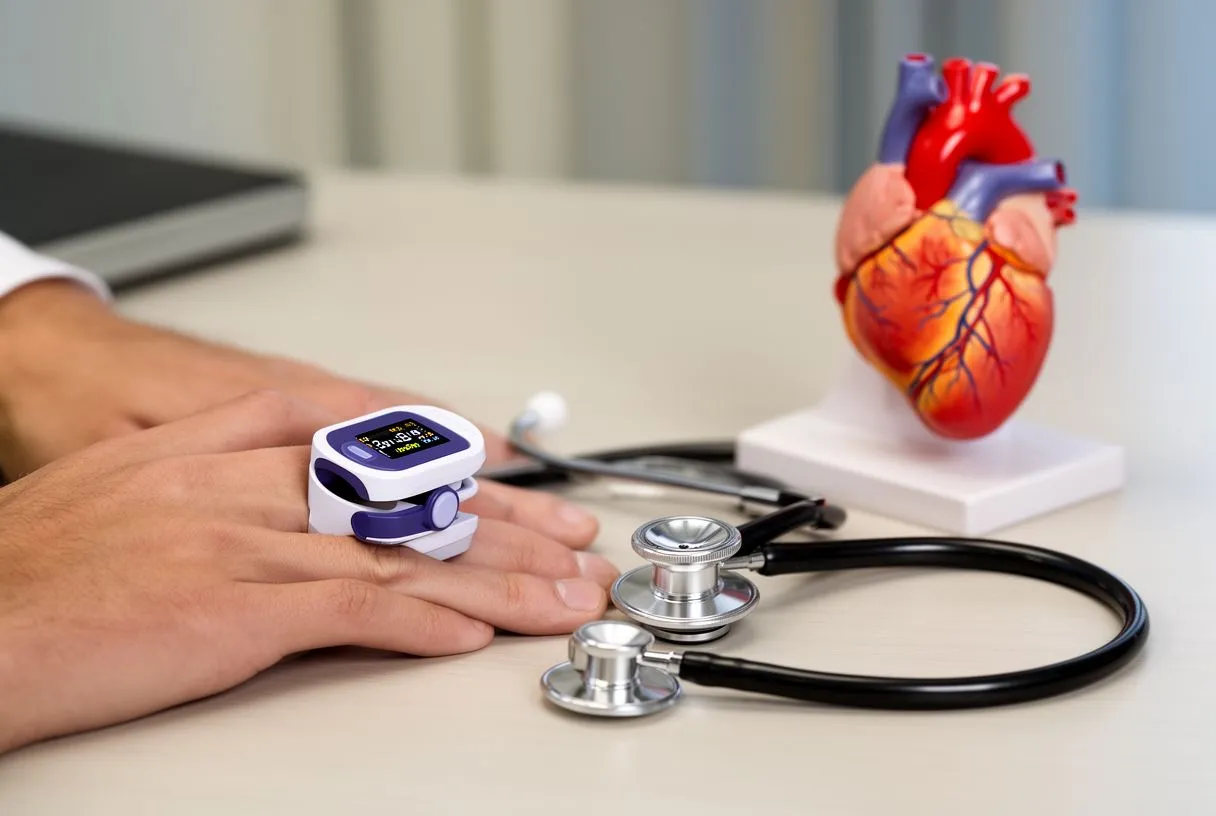
Tailoring the surgical plan: If your COPD is severe, the team might choose a different surgical technique than they would for a patient with healthy lungs. They may opt for a minimally invasive approach, use a different type of heart-lung machine setting, or modify how they manage your pain after surgery so that your breathing is not restricted. The goal is always to achieve the necessary cardiac repair with the smallest possible physical toll on your respiratory system. This highly personalized strategy is the cornerstone of modern cardiac care for patients with complex medical backgrounds.
Collaborative decision making: Before any incision is made, you will have a thorough discussion with your medical team about what to expect. They will explain exactly how your COPD impacts the procedure, what steps they are taking to protect your lungs, and what your recovery timeline might look like. This open conversation ensures that you and your family feel prepared and confident. It is a partnership, where your comfort and safety are the ultimate priorities guiding every medical decision.
What Is Preoperative Pulmonary Evaluation?
Before your surgery, your doctors need a clear picture of how well your lungs are working. A preoperative pulmonary evaluation is a series of breathing tests and physical exams designed to measure your lung capacity and oxygen levels. The most common test is a pulmonary function test (PFT), which measures how much air your lungs can hold and how quickly you can blow the air out. These numbers give the anesthesiologist a precise understanding of your lung reserve, which is the extra breathing capacity your body can call upon during times of stress.
Looking at the whole picture: The evaluation also includes a review of your complete medical history, including any recent cardiac imaging like an annual echocardiogram, which uses sound waves to create a moving picture of your heart. By looking at both the heart and lung data together, your doctors can see how the two organs are interacting. They will also give you specific instructions on how to prepare your body, such as using an antimicrobial shower with a special soap the night before surgery to reduce the risk of skin infections. Understanding how the body responds at a cellular level to stress, as explored in research regarding the Biological properties of extracellular vesicles and their physiological functions., helps doctors appreciate the complex communication between tissues that must happen for a successful recovery.
Optimizing lung function before surgery: If the tests show that your COPD is not well controlled, your surgery might be delayed slightly while we optimize your lung health. This could mean adjusting your inhalers, starting a course of pulmonary rehabilitation, or treating an underlying infection. Think of it like tuning up a car engine before a long road trip; we want your lungs in the best possible condition before we ask them to work extra hard. This preparation phase is critical for reducing complications and ensuring a smooth, steady recovery.
How Does Anesthesia Work for Patients with Lung Disease?
Anesthesia is the use of medications to prevent pain and put you to sleep during surgery. For patients with COPD, the anesthesiologist takes special care to ensure the breathing medications do not further irritate the lungs. During heart surgery, the anesthesiologist essentially breathes for you using a ventilator, a machine that pushes oxygen into your lungs. For someone with lung disease, the settings on this machine must be highly customized to avoid damaging the delicate air sacs while still providing enough oxygen to the blood.
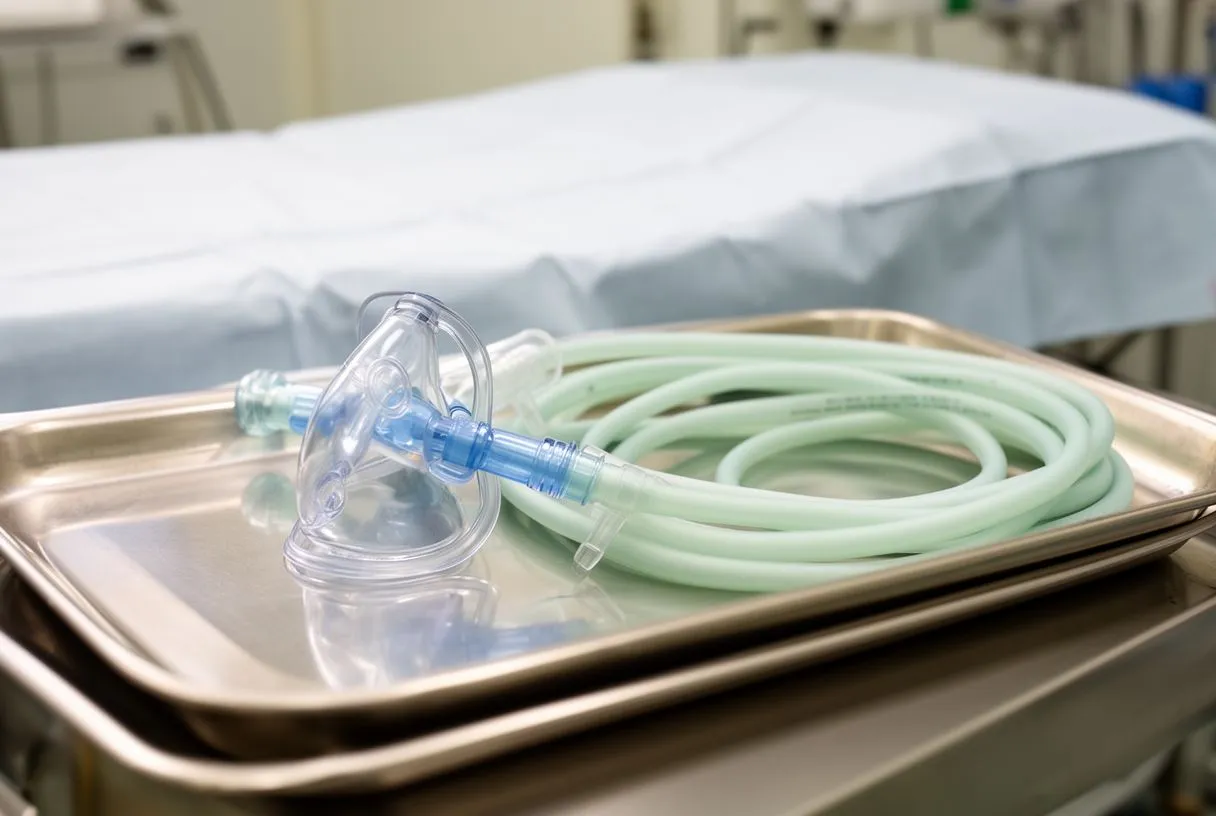
Protecting the brain and body: During the operation, the anesthesiologist constantly monitors oxygen levels in your blood and brain. In complex procedures, they may use techniques like antegrade cerebral perfusion, a method of delivering oxygen-rich blood directly to the brain to protect it while the heart is stopped. They will also carefully time the application of the aortic cross-clamp, a tool used to temporarily stop blood flow to the heart so the surgeon can operate on a still, bloodless field. Every step is coordinated to ensure your vital organs receive exactly the oxygen they need without overwhelming your compromised lungs.
Managing medications carefully: Certain anesthesia drugs can remain in the body longer for patients with lung disease, making it harder to wake up and breathe independently after surgery. Your anesthesiologist will choose short-acting medications whenever possible and use advanced monitoring to ensure the drugs wear off quickly and safely. This careful pharmacological management is one of the many ways the team adapts standard heart surgery protocols to meet the unique needs of patients with chronic lung conditions, ensuring a smooth transition off the ventilator.
What Are the Minimally Invasive Heart Surgery Options for COPD?
Whenever possible, surgeons prefer minimally invasive techniques for patients with COPD because they require smaller incisions and cause less trauma to the chest. Traditional open-heart surgery involves cutting through the sternum (the breastbone), which is very painful and makes it hard for patients to cough and take deep breaths after surgery. Minimally invasive approaches avoid splitting the entire breastbone, allowing patients to breathe deeply much sooner, which is crucial for preventing pneumonia and other lung complications in COPD patients.
Transcatheter aortic valve replacement (TAVR): For patients with a narrowed aortic valve, a procedure called transcatheter aortic valve replacement (TAVR) is often an excellent option. Instead of opening the chest, the surgeon threads a catheter through a blood vessel in the groin and guides it up to the heart. The team carefully measures the aortic annulus (the ring of tissue where the valve attaches) to ensure the new valve fits perfectly. Because TAVR does not require the use of a heart-lung machine or large incisions, it is often much easier on the lungs and allows for a faster, less painful recovery.
Other advanced surgical techniques: If you need a more complex procedure, such as an aortic arch replacement (surgery to repair the curved part of the main artery leaving the heart), your surgeon will discuss whether a minimally invasive or hybrid approach is possible. Sometimes, smaller incisions or robotic assistance can be used even for complex repairs. The decision depends entirely on your specific anatomy, the extent of your heart disease, and how well your lungs are functioning, all of which are carefully weighed by your surgical team.
How Are COPD Patients Managed During Coronary Artery Bypass?
Coronary artery bypass grafting (CABG) is a surgery that improves blood flow to the heart by taking healthy blood vessels from another part of your body and using them to bypass blocked arteries. For patients with COPD, the surgical team takes specific steps to protect the lungs during this procedure. One major consideration is whether to use the heart-lung machine, which temporarily takes over the job of pumping blood and oxygenating it, allowing the surgeon to work on a stopped heart.
Off-pump surgery considerations: In some cases, the surgeon may perform an "off-pump" or "beating heart" bypass, which avoids using the heart-lung machine entirely. This can be beneficial for COPD patients because the machine can sometimes cause inflammation in the lungs or require large amounts of fluid that makes breathing harder afterward. After the surgery, patients begin antiplatelet therapy (medications that prevent blood clots from forming in the new grafts) and receive antibiotic prophylaxis (preventative antibiotics) to ward off infections. Here are the key management focuses for COPD patients undergoing bypass:
- Lung Protection: Using specialized ventilator settings to prevent overstretching damaged air sacs.
- Medication Management: Choosing anesthetics and pain relievers that do not suppress the natural urge to breathe and cough.
- Fluid Balance: Carefully monitoring intravenous fluids to prevent fluid from building up in the lungs, a common risk in cardiac surgery.
Immediate postoperative care: Right after the bypass is complete, the focus shifts to waking you up and removing the breathing tube as soon as it is safe to do so. Prolonged time on a ventilator can weaken the breathing muscles and increase the risk of lung infections, so the team works diligently to help you breathe on your own quickly. They will support your breathing with masks or nasal tubes if needed, ensuring your oxygen levels remain stable while your heart and lungs recover.
What Are the Breathing Problems After Open Heart Surgery?
It is very common to experience some degree of breathing difficulty after heart surgery, especially if you have COPD. The main issue is often atelectasis, a condition where the tiny air sacs in the lungs collapse or fail to expand fully. This happens because the pain from the chest incision makes you want to take shallow breaths instead of deep, filling breaths. When the air sacs remain collapsed, less oxygen reaches your blood, making you feel short of breath and tired.
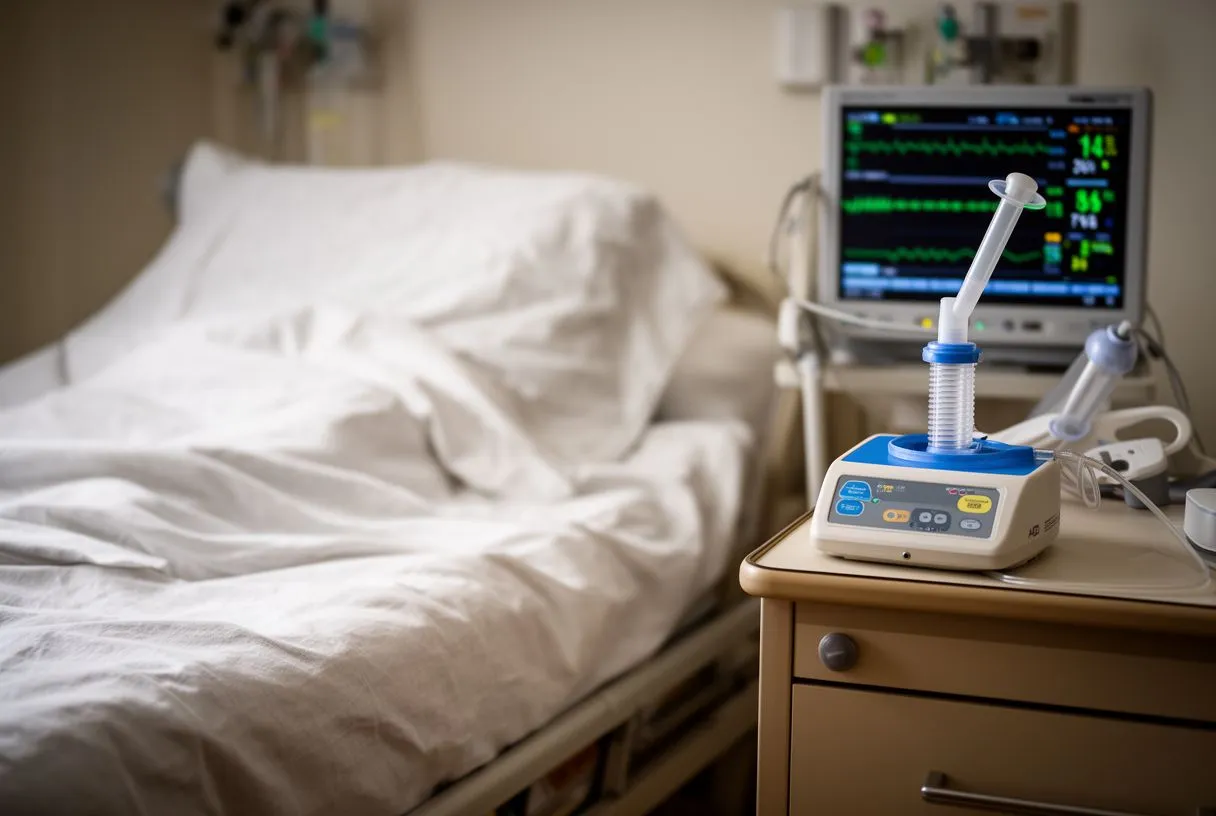
Fluid and rhythm complications: Another common issue is the buildup of fluid in the spaces around the lungs, known as a pleural effusion. This fluid can press against the lung, preventing it from expanding completely. Your doctors will monitor your heart rhythms closely, as irregular heartbeats are common after surgery and can worsen breathing. If an irregular rhythm occurs, medications like Amiodarone (a drug used to restore a normal heartbeat) may be given. You might also notice mild ankle swelling as your body adjusts to new fluid balances, which can sometimes accompany changes in breathing patterns.
Managing secretions and coughing: COPD patients often produce more mucus in their airways, and after surgery, clearing this mucus is vital to preventing pneumonia. However, coughing can be very painful with a healing chest incision. Nurses and respiratory therapists will teach you how to splint your chest with a firm pillow to support the bone while you cough. They will also use techniques like incentive spirometry, a breathing exercise device that encourages you to take slow, deep breaths to keep your airways open and clear.
How Does Cardiac Rehab Work for COPD Patients?
Cardiac rehabilitation is a medically supervised program that helps you recover safely and build strength after heart surgery. For patients with COPD, this program is uniquely adapted to address both heart and lung limitations. It usually begins while you are still in the hospital with simple, gentle movements to prevent blood clots and muscle weakness. Once you go home, you will attend outpatient sessions where therapists guide you through monitored exercises that improve both cardiovascular and pulmonary fitness.
A gradual, dual-focused approach: The rehabilitation team includes physical therapists, exercise physiologists, and nurses who understand how COPD limits physical stamina. They will teach you how to pace yourself, recognize when you are pushing too hard, and use your inhalers correctly before exercising. If you also underwent another major procedure, like an aortic aneurysm repair (surgery to fix a bulging weak spot in the main artery), the rehab program will be tailored to protect those surgical repairs while safely building your overall endurance. Your medication regimen, including blood thinners like warfarin, will be continuously monitored to ensure your safety during physical activity.
Education and lifestyle support: Beyond physical exercise, cardiac rehab offers extensive education on eating a heart-healthy diet, managing stress, and quitting smoking if you still use tobacco. The combination of exercise, education, and emotional support is incredibly powerful. Studies consistently show that patients who complete cardiac rehab have better outcomes, fewer complications, and a higher quality of life. It is the bridge that helps you return from being a surgical patient to living your daily life with confidence and strength.
How to Prevent COPD Exacerbation After Surgery?
A COPD exacerbation is a sudden worsening of your breathing symptoms, which can be triggered by surgery, infections, or stress. Preventing an exacerbation after heart surgery is a primary focus of your recovery plan. The best defense is strict adherence to your postoperative care instructions, including taking all prescribed lung medications exactly as directed. You will likely be given a rescue inhaler and possibly a course of oral steroids to keep inflammation down in the days following your operation.
Protecting the airways and surgical site: Good hygiene is essential to prevent respiratory infections that can trigger a flare-up. Avoid crowds and sick people in the first few weeks, and always wash your hands thoroughly. Depending on the specific surgeries you had, such as complex repairs requiring annulus sizing (measuring the valve opening to fit an annuloplasty ring, a device used to support a repaired heart valve), your body needs a calm environment to heal. If there was disease in the aortic arch (the top curved part of the main artery), the surgical trauma is significant, and your lungs must not be burdened by an avoidable infection. Here are essential steps to prevent a post-surgery lung flare-up:
- Consistent Breathing Exercises: Use your incentive spirometer every hour while awake to keep air sacs open.
- Strict Hand Hygiene: Wash hands frequently and avoid touching your face to prevent colds and flu.
- Avoid Irritants: Stay away from smoke, strong fumes, and extremely cold air, which can cause airways to spasm.

Knowing when to call the doctor: Finally, it is crucial to know the warning signs of a COPD exacerbation. If you notice a significant change in the color or thickness of your mucus, an increase in breathlessness that does not improve with your rescue inhaler, or a fever, you must contact your medical team immediately. Early intervention can prevent a minor issue from becoming a serious complication. We encourage you to discuss your specific risks and recovery plan with a qualified cardiac team. Every patient is unique, and booking a consultation with our specialists at Cirugía de Corazón will allow us to review your heart and lung history in detail, ensuring you receive a precise, personalized plan rather than relying on self-diagnosis.