


Epigastric Pain or a Heart Attack: Telling Them Apart
Epigastric pain heart attack symptoms can mimic indigestion.
Experiencing a sudden, sharp ache in your upper abdomen can be deeply unsettling, especially when you are unsure of the cause. When that discomfort strikes just below your ribs, you might wonder if you simply ate something that disagreed with you, or if it is a sign of something far more serious. The confusion surrounding an epigastric pain heart attack scenario is a common reason patients delay seeking emergency care. This guide will help you understand the anatomical differences, recognize the warning signs, and know exactly when to seek medical intervention.
What is epigastric pain heart attack confusion?
Why do stomach and cardiac symptoms overlap? The nerves supplying your heart and your stomach originate from similar areas of the spinal cord. When your heart experiences distress, such as a lack of blood flow, the brain can misinterpret the signals as coming from the digestive tract. This neurological overlap is the primary reason why an epigastric pain heart attack presentation can be so difficult to distinguish from simple indigestion. Patients often describe a burning sensation or a feeling of fullness in the upper abdomen, assuming it is merely acid reflux rather than a life-threatening cardiovascular event.
Ignoring these overlapping signs can lead to delayed treatment, which significantly impacts survival rates and recovery outcomes. According to Healthline, atypical symptoms like upper abdominal discomfort are frequently overlooked by patients until the pain becomes unbearable, which is why awareness is so critical for early intervention. Many individuals attempt to self-medicate with antacids, wasting precious time that could be used to restore blood flow to the heart muscle. Understanding that the stomach and heart share neural pathways is the first step in taking ambiguous upper abdominal pain seriously.
How can you tell them apart at home? While it is challenging to self-diagnose with certainty, cardiac-related pain usually worsens with physical exertion and improves with rest, whereas gastrointestinal pain often fluctuates with meals or specific foods. During a physical exam, a physician may use a stethoscope for auscultation to listen to your heart sounds and bowel activity, looking for irregular rhythms that might suggest a deeper cardiovascular issue rather than a simple stomach ache. If your pain is accompanied by sweating, nausea, or a profound sense of fatigue, the scales tip heavily toward a cardiac origin, and you should seek emergency care immediately rather than waiting to see if the pain resolves on its own.
Epigastric pain vs heart attack: understanding the anatomy
Where exactly is the epigastric region located? The epigastric region is the upper central portion of the abdomen, situated just beneath the rib cage and above the umbilicus. It houses parts of the stomach, liver, and pancreas, which is why inflammation or ulcers here commonly cause localized pain. Understanding this anatomy helps clarify why issues in this exact spot are so easily mistaken for a heart attack. When a patient points to the area directly below their sternum, doctors must consider both digestive inflammation and referred cardiac pain as potential culprits.
The heart rests directly above the diaphragm, just behind the sternum, meaning it is physically adjacent to the epigastric region. When a blockage occurs in the vessels supplying the ascending aorta or the heart muscle itself, the pain can radiate downwards into the upper abdomen. This referred pain happens because the heart and the upper digestive organs share neural pathways, sending overlapping distress signals to the brain. Because of this anatomical proximity, fluid backup from a failing heart can also cause the liver to swell, creating a very real, physical sensation of epigastric fullness that mimics a gastrointestinal issue.
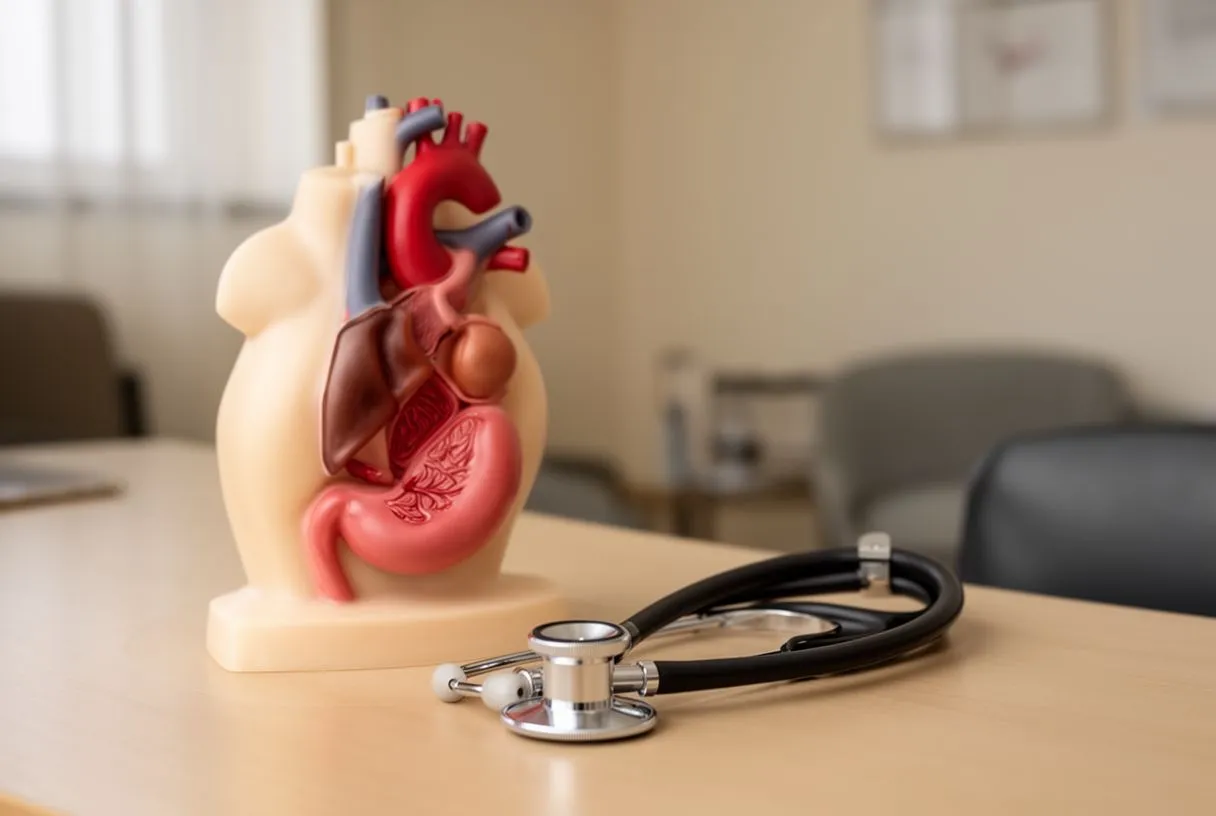
Does the pain radiate to other areas? Cardiac pain frequently radiates beyond the chest and epigastrium. You might feel discomfort traveling up to your jaw, down your left arm, or causing generalized arm pain that feels heavy and weak. Conversely, pure epigastric pain from a gastric ulcer usually stays localized to the abdomen, though severe cases of acid reflux can occasionally mimic the burning sensation that radiates upward toward the chest. Tracking where your pain travels provides crucial diagnostic clues for emergency room physicians trying to determine the true source of your distress.
Heart attack warning signs masked as indigestion
What are the subtle warning signs of a cardiac event? When a heart attack presents as indigestion, the pain is often accompanied by unexplained nausea, cold sweats, or severe lightheadedness. Unlike a standard stomach ache, this discomfort comes on suddenly and does not resolve after taking antacids or using the restroom. The persistent, crushing nature of the pain is a major red flag that something cardiovascular is wrong. Patients frequently report feeling a sudden, overwhelming sense of doom or anxiety, which is a physiological response to the heart struggling to pump blood effectively.
When should shortness of breath raise concern? If your epigastric pain is paired with difficulty breathing, especially when lying flat, it suggests that the heart is struggling to pump effectively. Fluid may be backing up into the lungs because the left atrium is not clearing blood efficiently, leading to pulmonary congestion. This combination of abdominal pain and respiratory distress is a hallmark of a serious cardiac event rather than a mild digestive upset. If you find yourself gasping for air or unable to catch your breath while experiencing upper abdominal pressure, you must call emergency services immediately.
Patients who have a history of high cholesterol or a high level of Apolipoprotein B, a protein strongly linked to plaque buildup in the arteries, should be particularly vigilant. If an atheromatous plaque ruptures within a coronary vessel, it can cause a sudden, complete blockage that manifests as severe indigestion-like pain. Never assume that upper abdominal discomfort is benign if you have known risk factors for coronary artery disease, as prompt medical evaluation is essential to prevent irreversible muscle damage.
Is epigastric pain a heart attack symptom in women?
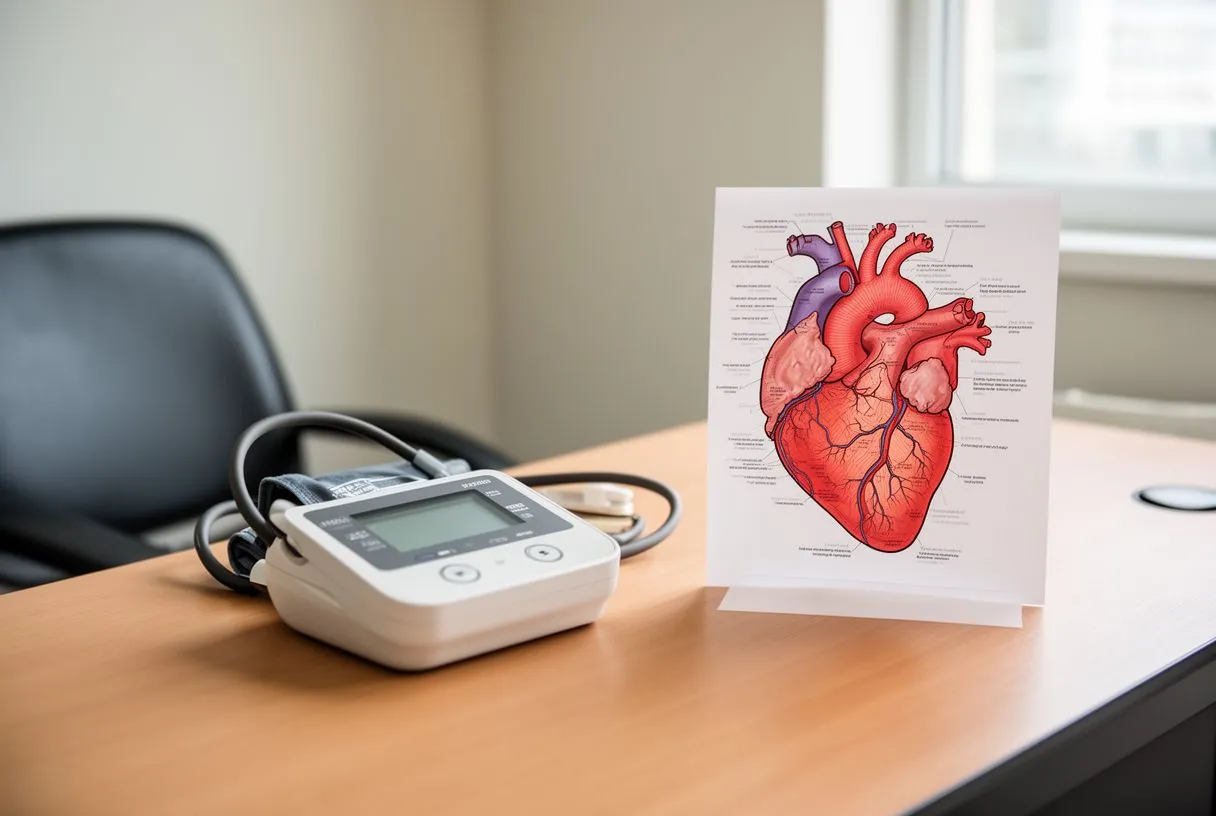
Why do women experience different heart attack symptoms? Women are more likely than men to experience atypical infarction symptoms, which often include upper abdominal pain, fatigue, and back discomfort rather than the classic crushing chest pain. The physiological differences in women's cardiovascular systems mean that plaque erosion, rather than sudden plaque rupture, is more common, leading to these subtler, slower-building presentations. Recognizing these unique symptoms is vital for preventing delayed treatment in female patients, who are historically underdiagnosed during acute cardiac events.
How does female cardiac pain present in the abdomen? For many women, the primary sensation is a heavy, uncomfortable pressure in the epigastrium that feels exactly like severe bloating or heartburn. This pain may come and go over a period of hours or days, leading them to dismiss it as a dietary issue or general stress. However, if this abdominal pressure is accompanied by profound exhaustion, dizziness, or nausea, it warrants immediate emergency attention, as these are common precursors to a major cardiac event. Women must trust their instincts and advocate for themselves if they feel something is fundamentally wrong.
Medical professionals emphasize that women's heart attacks are frequently missed because the symptoms are so easily attributed to gastrointestinal problems. Research from various clinical trials, including observations from ARISTOTLE, shows that women often report to the emergency room days after symptoms begin, having waited for the pain to pass. If you are a woman experiencing unrelenting epigastric discomfort that does not respond to normal digestive remedies, it is always safer to seek cardiac evaluation rather than waiting for the condition to worsen.
Epigastric region pain: when is it an emergency?
What specific symptoms require an immediate ambulance call? You must call emergency services immediately if your epigastric pain is accompanied by fainting, severe chest pressure, or pain radiating to your left arm. Other emergency indicators include sudden, severe shortness of breath and a cold, clammy sweat. In these critical moments, having access to an automated external defibrillator can be lifesaving while waiting for paramedics to arrive, as it can correct lethal heart rhythms before permanent brain damage occurs.
Time is muscle when it comes to the heart. The longer a coronary artery remains blocked, the more permanent damage occurs to the heart tissue, increasing the risk of severe heart failure or death. Do not attempt to drive yourself to the hospital if you suspect you are having a heart attack; the sudden onset of life-threatening arrhythmias means you could lose consciousness behind the wheel. Paramedics can begin life-saving interventions immediately upon arrival, providing critical care that bridges the gap between your home and the emergency room.
- Sudden, severe chest or upper abdomen pressure: Especially if it feels like a heavy weight sitting directly on your stomach.
- Pain spreading to the jaw, neck, or back: This radiation is a classic sign of cardiac distress rather than digestive upset.
- Shortness of breath with or without discomfort: Difficulty breathing paired with epigastric pain is highly suspicious for a heart attack.
It is always better to be cautious and seek help promptly. Emergency rooms frequently evaluate patients for both gastric and cardiac issues, and sending you home with an antacid is a much better outcome than arriving too late to treat a heart attack. If the pain feels different from your usual indigestion, or if it is accompanied by a sense of impending doom, treat it as an emergency. Seeking help promptly ensures the lowest risk for your situation and maximizes your chances of a full, uncomplicated recovery.
Difference between epigastric pain and heart attack triggers
What triggers pure gastrointestinal epigastric pain? Gastrointestinal pain is typically triggered by eating, particularly spicy or fatty foods, alcohol consumption, or lying down immediately after a large meal. The pain often builds gradually and may be relieved by burping, vomiting, or taking over-the-counter antacids. Stress can also exacerbate stomach acid production, leading to reflux that causes a burning sensation in the epigastrium without any underlying cardiac issues. If you can link your pain directly to a heavy dinner and it resolves with digestive aids, it is likely gastrointestinal in nature.
What triggers a cardiac event masquerading as stomach pain? Cardiac epigastric pain is usually triggered by physical exertion, emotional stress, or exposure to cold weather, all of which increase the heart's demand for oxygen. If your upper abdominal pain reliably starts when you walk up a flight of stairs and stops when you sit down to rest, it is highly indicative of angina rather than indigestion. This predictable pattern of pain with exertion is a crucial diagnostic clue for your physician, pointing directly to a struggling cardiovascular system rather than a digestive complaint.
Understanding your personal risk factors helps you interpret these triggers accurately. If you have a family history of heart disease or have been previously diagnosed with conditions like atrial flutter, your threshold for suspecting a cardiac cause should be much lower. While a heavy meal can temporarily increase the workload on the heart and trigger cardiac pain, differentiating between a food trigger and an exertion trigger is key to understanding the root cause of your discomfort and seeking the appropriate medical care.
Diagnosing epigastric pain cardiac symptoms accurately
What tests do doctors use to rule out a heart attack? When you arrive at the hospital with epigastric pain, the first step is typically an electrocardiogram (ECG) to measure the electrical activity of your heart. Blood tests are also crucial; doctors look for specific enzymes like troponin that leak into the blood when heart muscle is damaged. These immediate tests allow physicians to quickly differentiate between a simple stomach issue and a life-threatening cardiac event. Often, an arterial line is placed to provide continuous, highly accurate blood pressure monitoring during this critical evaluation period.
Further diagnostics may involve continuous monitoring of your heart rate and rhythm to catch any intermittent arrhythmias. Guidelines such as the 2021 ESC Guidelines for the diagnosis and treatment of acute and chronic heart failure provide physicians with standardized protocols for evaluating ambiguous chest and abdominal pain. By following these evidence-based pathways, doctors can ensure that no subtle signs of heart failure or ischemia are missed during your emergency assessment. The goal is to definitively rule out cardiac causes before moving on to less critical gastrointestinal investigations.
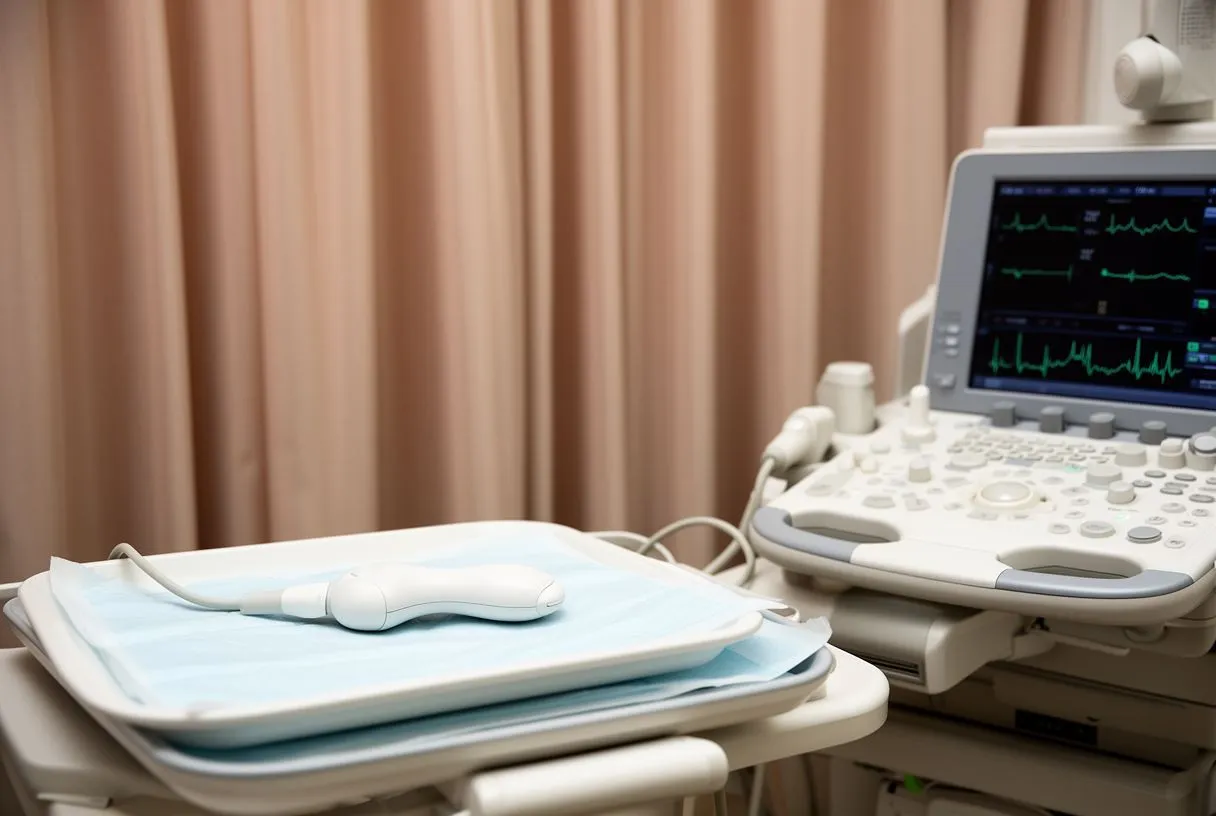
How do doctors confirm a gastrointestinal cause? If your cardiac enzymes are normal and your ECG shows no acute changes, the medical team will shift their focus to your digestive system. They may perform an ultrasound or endoscopy to look for gallstones, ulcers, or severe inflammation of the stomach lining. This thorough, step-by-step approach helps you receive the correct diagnosis and the most appropriate treatment for your specific condition, whether it requires cardiac intervention or simple gastrointestinal care.
Treatment options for cardiac epigastric pain
What immediate treatments are used in the emergency room? If a heart attack is confirmed, the immediate goal is to restore blood flow to the heart muscle as quickly as possible. This often involves medications to break up clots, as well as interventions like balloon angioplasty to physically open the blocked artery. In some cases, if a narrowed heart valve is contributing to the cardiac distress and abdominal pain, a specialized balloon aortic valvuloplasty might be performed to widen the valve and improve blood flow temporarily.
- Antiplatelet therapy: Medications like aspirin are administered immediately to prevent further clotting in the arteries.
- Percutaneous coronary intervention: A stent is placed in the artery to keep it open permanently and restore blood flow.
- Oxygen therapy: Supplemental oxygen is provided to reduce the workload on the damaged heart muscle and improve oxygenation.
Long-term management strategies are then established based on established medical protocols. Adhering to recommendations found in the 2013 ACCF/AHA Guideline for the Management of Heart Failure, your cardiologist will likely prescribe a regimen of beta-blockers, statins, and blood pressure medications. These medications help manage the underlying coronary artery disease and prevent future episodes, ensuring your heart heals properly. In severe cases where multiple vessels are diseased, a coronary artery bypass using an arterial graft may be recommended over stenting to provide a more durable solution.
Recovery and long-term management after an event

What does the immediate recovery period look like? Recovery from a heart attack takes time, patience, and careful monitoring. In the first few weeks, you will need to limit physical exertion while your heart muscle heals. Depending on the severity of the attack and the degree of heart failure, some critically ill patients require advanced support, such as awake ECMO, which assists the heart and lungs in pumping blood and oxygen while the body recovers from the acute trauma. This advanced technology allows patients to remain conscious and communicate with their medical team during the most vulnerable stages of recovery.
How do lifestyle changes impact long-term outcomes? Long-term survival and health rely heavily on cardiac rehabilitation and lifestyle modifications. You will be encouraged to adopt a heart-healthy diet low in saturated fats, engage in supervised exercise, and completely quit smoking. These changes directly address the root causes of arterial plaque and help prevent the recurrence of epigastric pain and other warning signs of cardiac distress. Your cardiac team will work with you to design a personalized rehabilitation program that safely increases your physical endurance without overtaxing your healing heart.
Consistent follow-up care with your cardiologist is non-negotiable. Your doctor will monitor your progress, adjust medications, and perform routine stress tests to ensure your heart is functioning optimally. In complex cases, particularly those involving structural repairs where an autograft was used, specialized monitoring ensures that your surgical sites are healing correctly and your heart function remains stable as you return to your daily activities. Committing to these long-term follow-up appointments is the best way to ensure a durable recovery.
When to book a consultation with our cardiac team
How can Cirugía de Corazón help with your symptoms? If you have been experiencing recurrent epigastric pain and are concerned about your heart health, it is essential to consult with a specialist rather than ignoring the symptoms. Dr Alejandro Molina and the team at Cirugía de Corazón offer a free video consultation, with consulting rooms in Guadalajara, Querétaro, and Hermosillo. Our priority is to give you clear, actionable answers so you can make informed decisions about your health.
Why choose our practice for your cardiac care? Our practice bridges complex cardiology with clear, calm explanations, ensuring you understand every step of your diagnosis and treatment plan. We never claim a procedure is painless; instead, we focus on providing the lowest risk for your situation and ensuring your symptoms are managed with medication or surgery only when clinically indicated. We believe in honest, evidence-based medicine that prioritizes your long-term well-being over unnecessary interventions.
Do not wait for an emergency to evaluate your heart health. If you have a family history of heart disease, high blood pressure, or persistent unexplained epigastric discomfort, booking a consultation is the safest step you can take. Contact Cirugía de Corazón today to schedule a comprehensive evaluation with Dr Alejandro Molina, and let us help you protect your heart and secure your long-term health with expert, compassionate care. We are here to guide you from uncertainty to a confident, healthy future.






