Full Blood Count Before Heart Surgery: What It Checks
Full blood count before surgery checks your red cells, white cells, platelets and hemoglobin.
What Is a Full Blood Count Before Surgery?
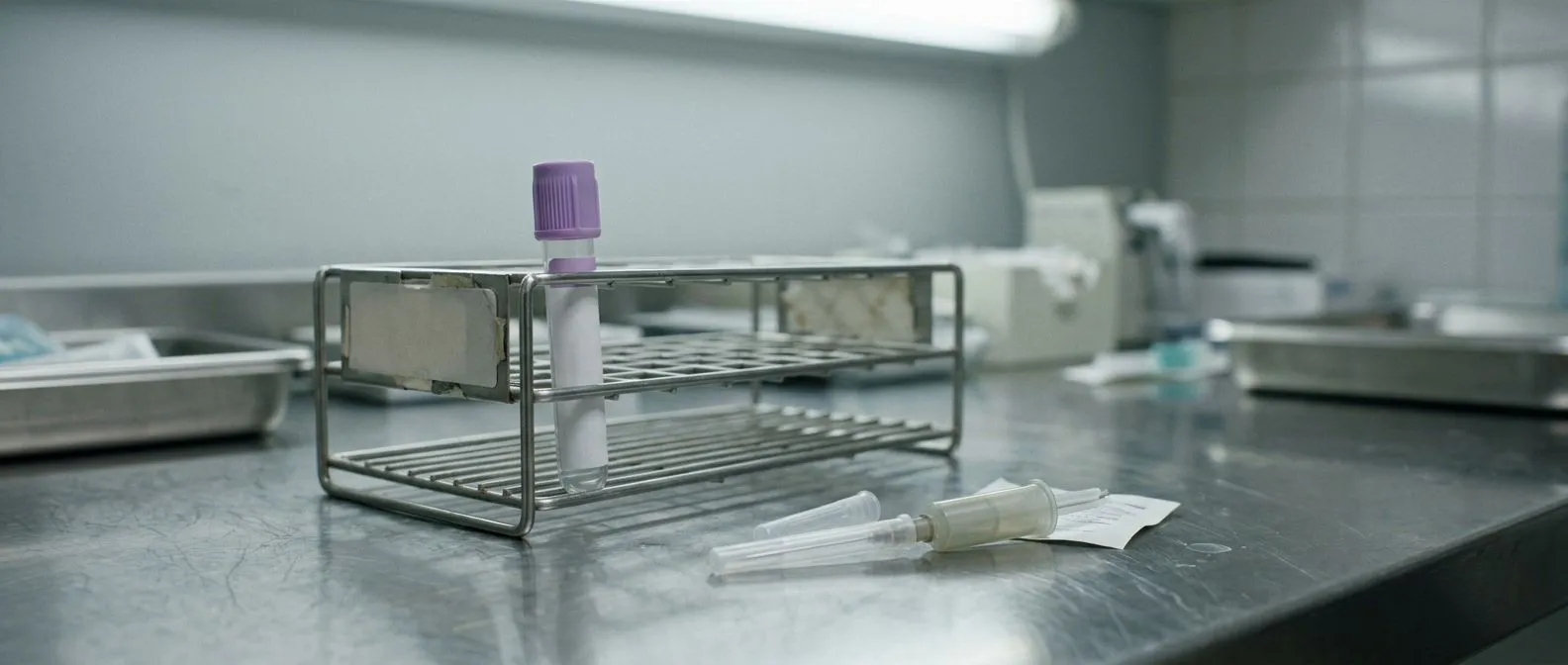
A full blood count before surgery is one of the most fundamental laboratory tests your cardiac team orders in the days or weeks leading up to a heart procedure. It is a simple blood draw — usually a few millilitres taken from a vein in your arm — that gives your surgeon a snapshot of the cells circulating in your bloodstream. The test measures red blood cells, white blood cells, and platelets, along with the amount of haemoglobin and the proportion of blood volume made up by cells. For patients preparing for cardiac surgery, this baseline picture helps your medical team assess whether your body is ready for the physical stress of an operation.
When you are scheduled for a procedure such as coronary bypass, valve repair, or transcatheter aortic valve replacement (TAVR), your surgical team needs to understand your blood profile before making any incision. A blood count tells them how well your blood can carry oxygen, whether your immune system is fighting an active infection, and whether your blood clots appropriately. If any of these values fall outside the normal range, your surgeon may adjust the timing of your operation, recommend treatment beforehand, or plan for additional support such as a blood transfusion during surgery. The goal is always to reduce avoidable risk and give you the best possible outcome.
Many patients feel anxious when they see a long list of preoperative tests and wonder why so many are necessary. The blood count is not a formality — it is a decision-making tool. A low haemoglobin level, for example, can mean your heart is already working harder than it should to deliver oxygen to your tissues. Operating under those conditions increases the strain on your heart during and after the procedure. By identifying and addressing problems early, your cardiac team can plan the safest path forward for your individual situation.
Why Cardiac Surgery Requires a Preoperative Blood Count
Heart surgery places extraordinary demands on your body. During operations on the ascending aorta or inside the heart chambers, your surgical team may need to use a heart-lung bypass machine, which temporarily takes over the work of your heart and lungs. This process alters how blood flows and how your body responds to fluid shifts, making an accurate blood count essential. Your team needs to know your starting values so they can monitor changes throughout the operation and respond quickly if something moves outside a safe range.
Bypass machine and blood dilution: When you are connected to cardiopulmonary bypass, the machine is primed with a clear fluid that dilutes your blood. This means your haemoglobin and platelet levels drop the moment bypass begins. If your preoperative blood count already shows borderline values, that dilution can push them into a danger zone. Your surgeon uses your baseline numbers to calculate how much circulatory support you will need and whether autologous blood — your own blood collected before surgery — should be available to transfuse back during the procedure.
Surgical bleeding and transfusion planning: Cardiac operations involve cutting through tissue rich in blood vessels, and some bleeding is expected. Your team estimates how much blood you can afford to lose based on your starting counts. Patients with a healthy blood count have more reserve; those with pre-existing anaemia or low platelets may need blood products standing by in the operating theatre. According to research published by Frontiers, preoperative anaemia is one of the strongest predictors of transfusion requirements in cardiac surgery, which is why identifying it early matters so much.
What Does a CBC Check Before Heart Surgery?
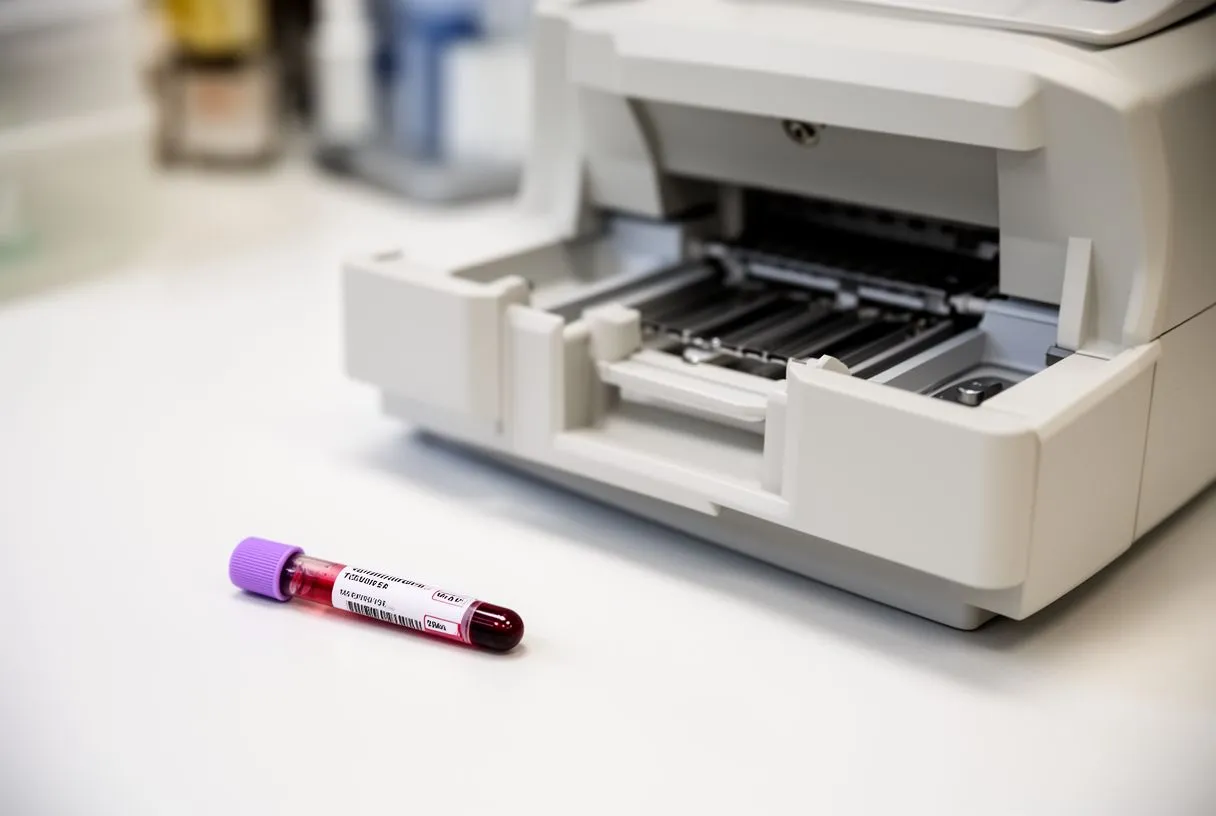
A complete blood count, often abbreviated as CBC, is the full panel that measures several distinct components. When patients ask what the test actually looks at, the answer breaks down into three main categories: red blood cells, white blood cells, and platelets — each with sub-measurements that give your team granular detail about your health status.
Red blood cell panel: This includes the total red cell count, haemoglobin concentration, haematocrit (the percentage of blood volume occupied by cells), and indices that describe the size and haemoglobin content of each cell. Together, these values tell your team whether your blood can deliver enough oxygen to your organs under surgical stress. Low values point to anaemia, which is common in cardiac patients and can stem from chronic illness, iron deficiency, or medication effects such as long-term aspirin use.
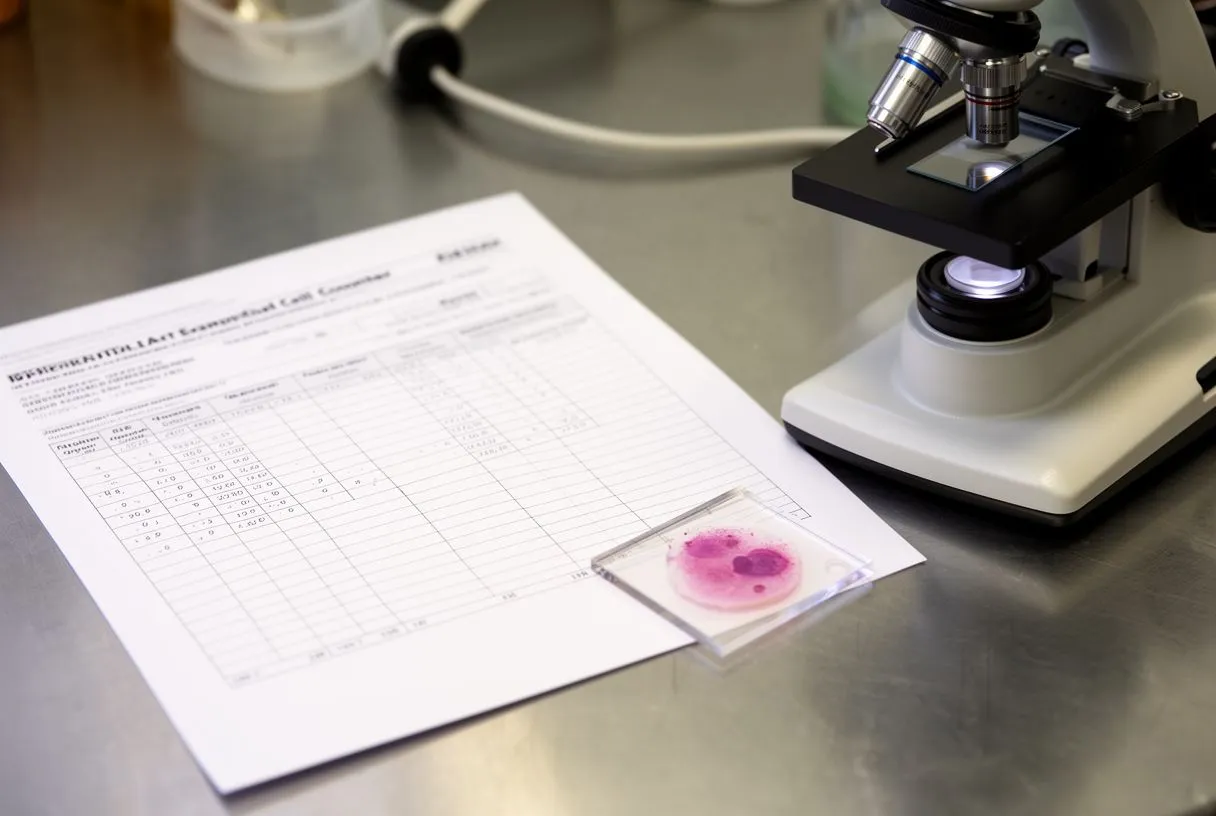
White blood cell and platelet panel: The white cell count is broken down into subtypes — neutrophils, lymphocytes, monocytes, eosinophils, and basophils — each of which responds to different types of infection or inflammation. A raised neutrophil count, for instance, may signal a bacterial infection that needs to be treated before surgery. Platelets are measured by count and by average size; abnormal values can indicate a clotting disorder or a bone marrow issue that changes your surgical plan. Your team reviews every line of this report, not just the headline numbers.
Red Blood Cells and Hemoglobin Before Surgery
Red blood cells are the oxygen carriers of your body. Each cell contains haemoglobin, a protein that binds oxygen in your lungs and releases it into your tissues. For heart surgery, the haemoglobin level is one of the single most important numbers on your blood count report. Most laboratories report it in grams per decilitre, with a general reference range of about 13.5 to 17.5 for men and 12.0 to 15.5 for women, though ranges can vary slightly between labs. If your level is well below these thresholds, your surgeon will want to understand why before proceeding.
What low haemoglobin means for your heart: When haemoglobin is low, your heart must pump more blood to deliver the same amount of oxygen. In a patient already facing valve disease or blocked arteries, this extra workload can worsen symptoms such as chest tightness, shortness of breath, and fatigue. Correcting anaemia before surgery — through iron supplements, vitamin injections, or in some cases a preoperative transfusion — reduces the risk of complications and shortens recovery time. Your team weighs the urgency of your surgery against the time needed to improve your blood count.
There are situations where surgery cannot wait for haemoglobin to normalise. In emergency cases or semi-urgent valve procedures, the team proceeds with blood products on standby and a clear transfusion plan. The clinical decision is always individualised. If you have an atypical infarction — a heart attack that presents with unusual symptoms — and your blood count shows significant anaemia, your team will discuss the trade-offs between correcting the blood count first and operating promptly. This conversation is a normal part of surgical planning, and you should feel free to ask your cardiologist to explain the reasoning behind their recommendation.
White Blood Cells and Infection Markers Before Surgery
White blood cells are your immune system's front-line responders. A full blood count before surgery measures both the total number and the breakdown of each type. An elevated total count, particularly with a high proportion of neutrophils, can indicate that your body is fighting an infection. Operating on a patient with an active infection increases the risk of wound complications, pneumonia, and infection of the surgical site or even an artificial valve. Your team will investigate the source and treat it before scheduling your operation.
Differential count and what each cell type tells your team: The differential white cell count separates the subtypes so your team can interpret the pattern. High lymphocytes may point to a viral infection; raised eosinophils can suggest an allergic or parasitic process; abnormal numbers of any type may prompt further tests such as blood cultures or imaging. If you have an arterial line or an arterial cannula already in place for monitoring, your team will also check whether these devices could be a source of infection. Every clue in the blood count helps your surgeon decide whether it is safe to proceed.
Clinical research continues to refine how preoperative blood markers predict outcomes. For example, the Registry of Endovascular Treatment for Vertebrobasilar Dissecting Aneurysms in China, registered on ClinicalTrials.gov, illustrates how large registries track blood-based and imaging data to improve procedural safety. While that study focuses on vascular interventions rather than cardiac surgery specifically, it reflects the broader principle that preoperative blood analysis is central to risk stratification across all cardiovascular procedures.
Platelet Count and Clotting Before Cardiac Surgery
Platelets are the tiny cell fragments that clump together to form clots and stop bleeding. A normal platelet count ranges from about 150,000 to 450,000 per microlitre of blood. When your count is too low, you are at greater risk of excessive bleeding during and after surgery. When it is too high, your blood may clot more easily than it should, which can be dangerous in a patient already at risk for clots in the coronary arteries or in the chambers of the heart, particularly if you have conditions such as atrial flutter.
Medications that affect platelet function: Many cardiac patients take blood-thinning medications such as aspirin or other antiplatelet drugs that alter how platelets behave, even if the platelet count itself is normal. Your surgeon will give you specific instructions about whether to continue or stop these medications before surgery. Stopping too early can increase clot risk; stopping too late can increase bleeding risk. Your preoperative blood count, combined with a clotting profile, helps your team time this decision precisely for your safety.
When platelet levels need correction: If your count is genuinely low — a condition called thrombocytopenia — your team may recommend a platelet transfusion before surgery or arrange for platelets to be available in the operating theatre. In some cases, the cause is a medication you are taking; in others, it may relate to a liver problem or an immune condition. Guidelines for cardiac chamber quantification, such as those detailed in Recommendations for Cardiac Chamber Quantification by Echocardiography in Adults, available via ORBi (University of Liège), underscore the importance of combining blood-based and imaging data to build a complete preoperative picture.
Anemia Screening and Blood Transfusion Risk
Anemia screening is a central purpose of the blood count test before heart surgery. Anaemia means your blood has fewer red blood cells or less haemoglobin than normal, which limits how much oxygen your blood can carry. Cardiac patients are especially vulnerable because chronic heart conditions, kidney problems, and long-term medications can all contribute. Identifying anaemia before surgery allows your team to treat it, which reduces the likelihood that you will need a blood transfusion during your operation.
Why transfusion risk matters: Blood transfusions are sometimes necessary and life-saving, but they are not without risk. Each unit of donated blood carries a small but real chance of an immune reaction, infection transmission, or fluid overload. For cardiac surgery patients, transfusions have also been associated with longer hospital stays and slightly higher complication rates. This is why your surgical team works to minimise the need for transfusion by optimising your blood count before the operation. If your haemoglobin is low, they may prescribe iron therapy, erythropoietin injections, or other treatments in the weeks before surgery to bring it into a safer range.
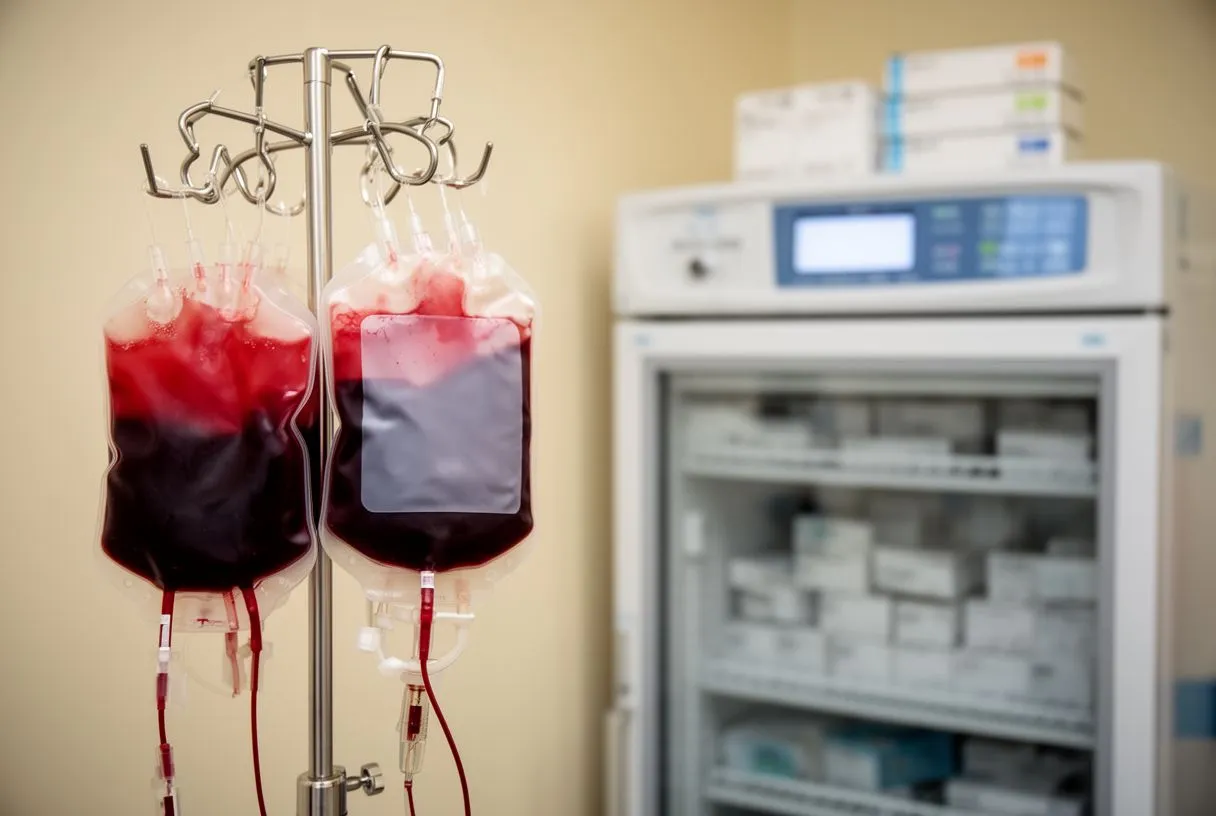
In cases where anaemia is severe and surgery is urgent, a preoperative transfusion may be the most appropriate step. Your team will discuss this with you, explaining the benefits and the risks so you understand the plan. The goal is never to achieve a perfect number on a lab report but to ensure your body has enough oxygen-carrying capacity and clotting ability to tolerate the operation and recover well. Every recommendation is tailored to your specific cardiac condition, your overall health, and the type of surgery you are facing.
Blood Type Crossmatch Before Heart Surgery
Alongside the full blood count, your team will determine your blood type and perform a crossmatch test. This involves mixing a small sample of your blood with donor blood to confirm compatibility. Heart surgery can involve significant blood loss, and having compatible blood ready in the operating theatre is a standard safety measure. The crossmatch ensures that if a transfusion becomes necessary, the blood waiting for you will not trigger a dangerous immune reaction.
How blood typing works: Your blood type is defined by antigens on the surface of your red blood cells — the ABO system and the Rh factor. A person with type A positive blood, for example, has A antigens and the Rh factor. Receiving incompatible blood can cause your immune system to attack the transfused cells, a serious and potentially life-threatening reaction. The crossmatch test catches any incompatibility before a single drop is transfused. For planned cardiac surgery, this testing is usually done days in advance; for emergency cases, a rapid typing method is used.
Planning for autologous blood: Some cardiac centres offer the option of autologous blood donation, where you donate your own blood in the weeks before surgery so it can be transfused back to you if needed. This eliminates the risk of receiving someone else's blood, but it is only suitable for patients whose haemoglobin is high enough to tolerate the donation. Your preoperative blood count determines whether you are a candidate. Your surgeon will discuss this option if it is appropriate for your situation, but it is not offered in every case — particularly for urgent procedures or patients with pre-existing anaemia.
How Other Preoperative Lab Tests Work With Blood Count
The full blood count does not stand alone. Your preoperative workup typically includes several other blood tests that together build a comprehensive picture of your surgical readiness. A kidney function panel measures creatinine and urea to assess how well your kidneys filter waste — important because bypass surgery and some cardiac medications can stress the kidneys. A liver function panel checks enzymes and proteins that reflect liver health, which influences how your body metabolises medications and produces clotting factors.
Electrolyte panel and its cardiac significance: An electrolyte panel measures sodium, potassium, chloride, and other minerals in your blood. Potassium is particularly important for heart surgery patients because abnormal levels can cause dangerous arrhythmias — irregular heart rhythms that may require intervention with medication or, in extreme cases, an automated external defibrillator. Your team corrects any imbalances before surgery to keep your heart rhythm stable throughout the procedure. If you take diuretics or have kidney impairment, electrolyte monitoring is especially critical.
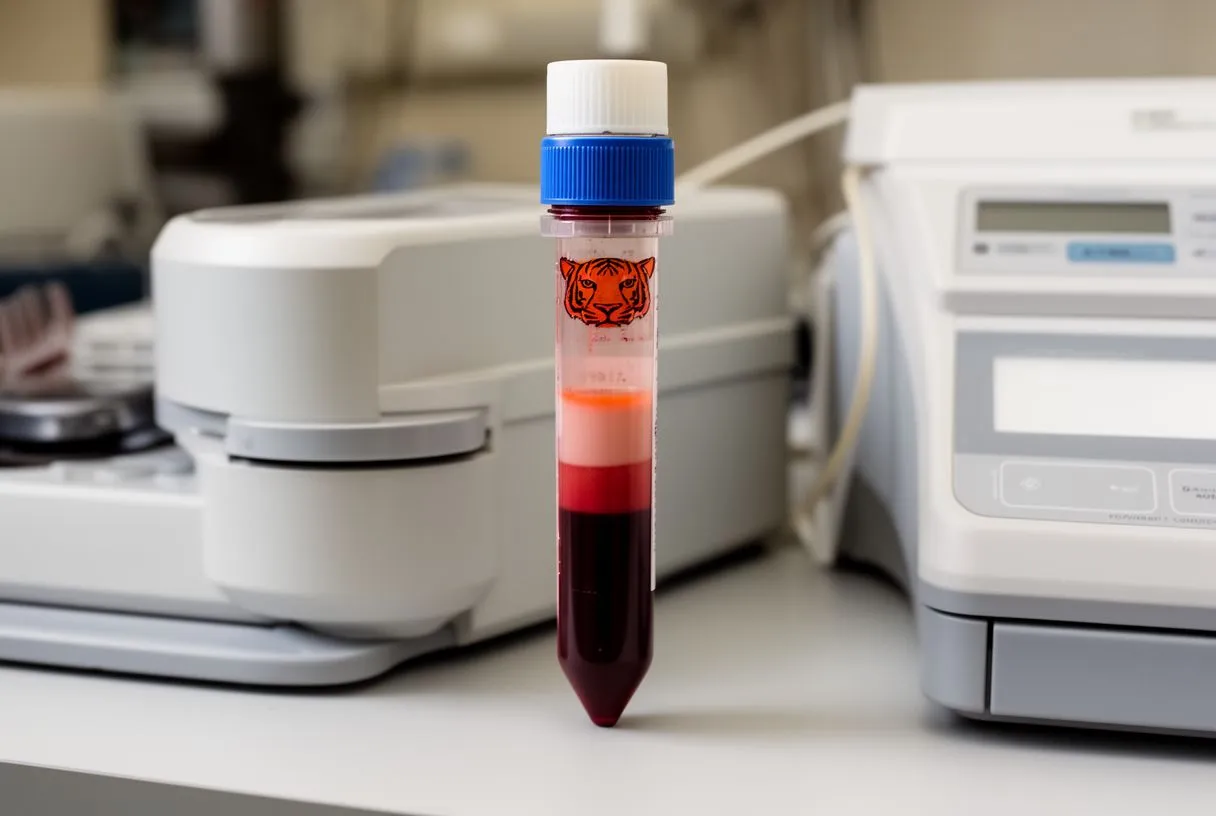
Coagulation profile and lipid markers: A coagulation profile — usually measuring prothrombin time and activated partial thromboplastin time — assesses how long your blood takes to clot. This complements the platelet count from your full blood count and helps your team decide on blood-thinner management. Some centres also check apolipoprotein B, a protein linked to cholesterol-carrying particles, as part of a broader cardiovascular risk assessment, particularly if you have an atheromatous plaque in your coronary arteries. Together, these tests give your surgeon a multidimensional view of your health.
Preparing for Surgery When Blood Count Results Are Abnormal
When your blood count results come back with abnormal values, it does not automatically mean your surgery is cancelled. It means your team needs to understand the cause and decide whether to treat the problem first, adjust the surgical plan, or proceed with extra preparations. Many abnormalities are mild and easily corrected; others require deeper investigation. Your cardiac surgeon will explain what the results mean for your specific case and what options are available.
Common corrections before surgery: If your haemoglobin is low, iron supplements taken for several weeks can often restore it to a safe level. If your white cell count is high due to an infection, a course of antibiotics may resolve the issue. If your platelets are low, your team will investigate whether a medication is responsible and whether a platelet transfusion is warranted. In every case, the decision is guided by the type and urgency of your surgery. An elective valve replacement may be postponed to allow treatment; an emergency procedure for a ruptured arterial graft may proceed with blood products on standby.
Your role as a patient is to stay informed and ask questions. If your surgeon mentions an abnormal blood count result, ask what it means, what the plan is, and whether it affects your surgery date. Bring a list of all medications and supplements you take, as some can influence blood count values. Most importantly, do not try to interpret the results on your own — a slightly low number that looks alarming on a printout may be perfectly manageable in the context of your overall health. Discuss every concern with your cardiac team, and book a consultation to review your preoperative results in detail so you can approach your surgery with confidence and clarity.