HbA1c Before Heart Surgery: Why Your Sugar Control Matters
HbA1c before heart surgery reveals your true blood sugar control and helps prevent infections and slow healing.
What Is HbA1c and Why Does It Matter Before Heart Surgery?
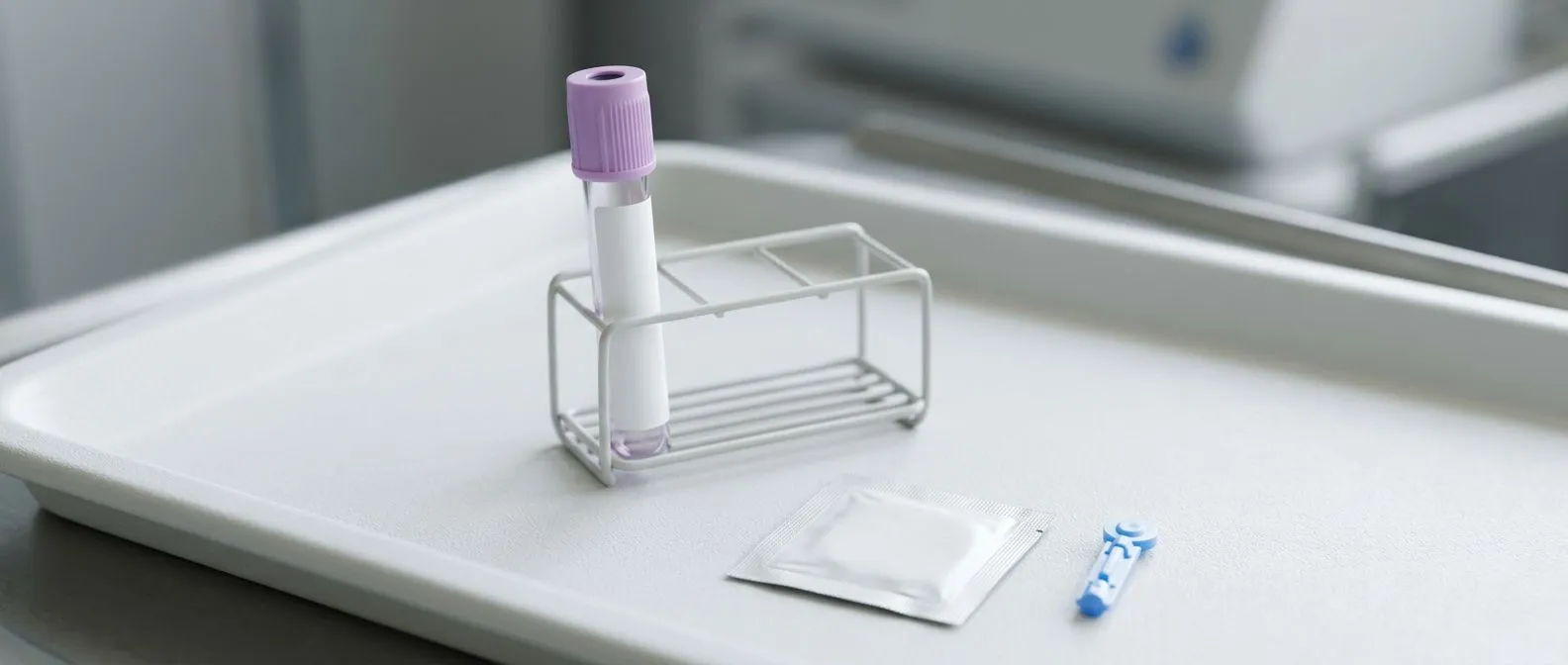
If you or a family member are preparing for a heart operation, your surgical team will almost certainly order a test called HbA1c. Understanding your HbA1c before heart surgery is one of the simplest ways to protect yourself from complications. HbA1c stands for glycated hemoglobin. It is a blood test that shows your average blood sugar over the previous two to three months.
Think of it as a memory of your blood sugar. Every day, sugar in your blood attaches to the hemoglobin inside your red blood cells. The more sugar present, the more hemoglobin gets coated. Because red blood cells live about three months, the test captures the big picture, not just one morning's reading.
This matters enormously for cardiac patients. Surgery is a physical stress, and the body responds by releasing hormones that raise blood sugar even in people without diabetes. If your starting point is already high, that stress can push glucose into a range that slows healing and invites infection. In our consultations we explain these numbers in plain words before any decision is made, because we believe a patient who understands their own results makes calmer, better decisions.
What Is a Normal HbA1c Level?
For most adults without diabetes, a normal HbA1c sits below 5.7 percent. A result between 5.7 and 6.4 percent signals prediabetes, meaning your blood sugar runs higher than ideal but not yet in diabetic territory. A result of 6.5 percent or above on two separate tests is the standard threshold for a diabetes diagnosis.
These cutoffs come from large population studies and are used by laboratories worldwide. They are worth knowing before any operation, because the difference between 5.6 and 6.5 percent changes how your surgical team plans your care.
- Below 5.7%: normal blood sugar control; no diabetes management needed.
- 5.7% to 6.4%: prediabetes; your team will watch glucose closely around surgery.
- 6.5% or higher: diabetes; glucose management becomes part of your surgical plan.
Knowing where you fall on this scale is the first step in any pre surgery diabetes management plan. If your result surprises you, do not panic. An elevated reading is information, not a verdict, and it gives your team time to act.
What Is the Alarming Level of HbA1c?
Patients often ask what number should worry them. An HbA1c above 8 percent generally signals poorly controlled diabetes, and above 10 percent control is seriously off track. In the setting of surgery, many teams treat an HbA1c around 8 percent or higher as a red flag worth investigating before proceeding.
This is the danger zone people ask about. At these levels, the risks of wound infection, slow healing, kidney stress, and irregular heart rhythms after an operation all climb. It does not mean surgery is impossible. It means your team will want to bring your numbers down first whenever the situation allows.
There is an important exception. If your heart problem is urgent, such as an unstable blockage or a damaged valve that cannot wait, surgery proceeds and glucose is managed intensively around the operation. Elective cases, where timing is flexible, offer the window to optimize first. When we review a case at our consulting rooms in Guadalajara, Querétaro or Hermosillo, we always weigh how urgently the heart needs treatment against how much time the patient has to improve their sugar control, and we say so clearly.
Why Do Doctors Check HbA1c Levels Before Cardiac Surgery?
Checking HbA1c levels before cardiac surgery serves three purposes at once. First, it screens for diabetes in patients who did not know they had it. Many people discover elevated blood sugar only when a heart problem forces a full workup. Second, it shows how well known diabetes has been managed over recent months, which a single glucose reading cannot reveal.
Third, it predicts risk. Patients with elevated HbA1c undergoing cardiac operations face higher rates of deep sternal wound infection, the serious infection of the breastbone incision. The European Society of Cardiology guidelines on diabetes and cardiovascular disease recommend screening and managing blood glucose in patients scheduled for heart procedures, precisely because this link is so well established.
Checking HbA1c levels before cardiac surgery also helps with diabetes screening heart operation planning: it flags the patients who need medication adjustments, closer glucose monitoring, or specialist input before the operation date. Every case we see is reviewed by the whole multidisciplinary team against international practice guidelines, and the patient receives a clear proposal with the alternatives before anything is decided.
Fasting Blood Sugar vs HbA1c Before Surgery: Which Counts More?
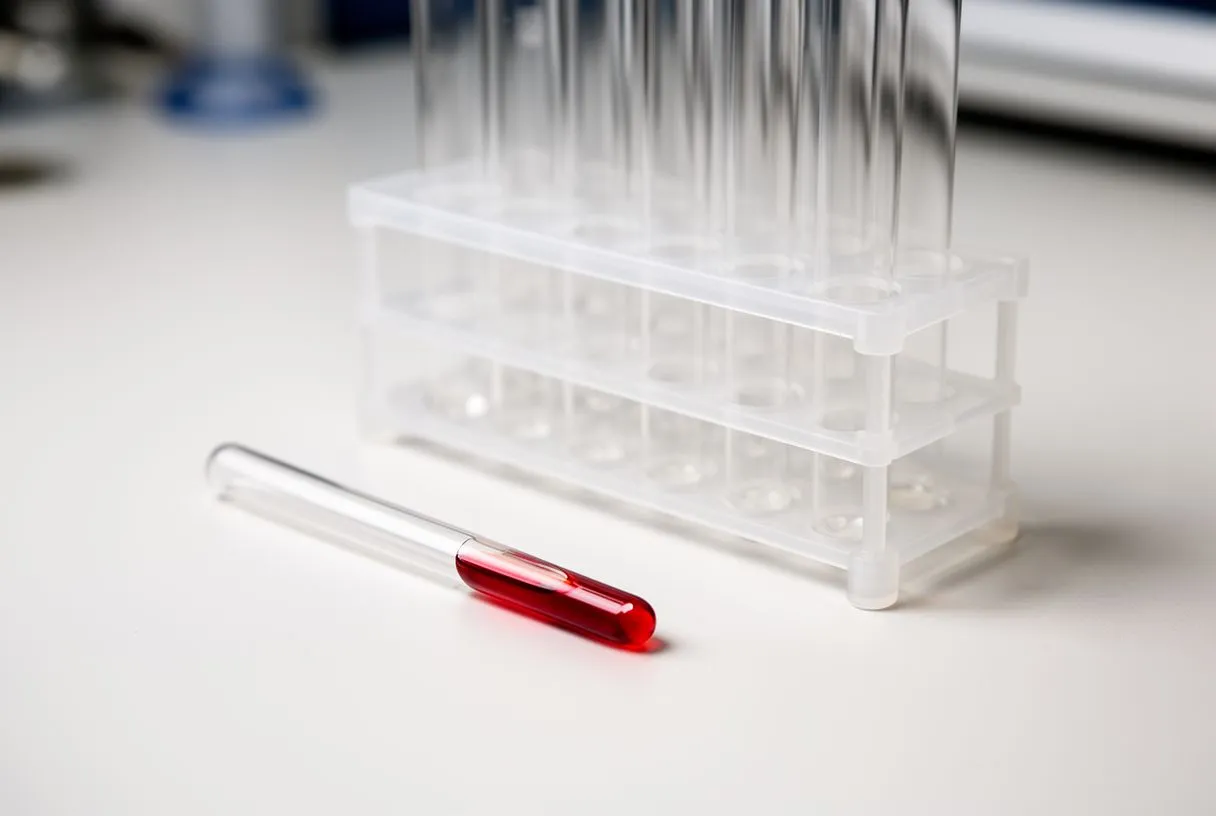
Many patients arrive having checked their fingerstick glucose daily and feel confident about the number they see. Understanding fasting blood sugar vs HbA1c surgery decisions is worth a moment. A fasting glucose is a photograph: it shows one moment, and it can be thrown off by a poor night's sleep, a missed meal, or stress on the way to the lab.
HbA1c is the film, not the photograph. It averages roughly three months, so it cannot be faked by behaving well for a week before the test. This is why surgeons and anesthesiologists rely on it as the honest measure of preoperative blood sugar control. Both numbers matter, but they answer different questions.
How teams use both: your daily readings show how your body responds to meals and medication right now, which guides dosing around the operation. Your HbA1c shows your baseline discipline and predicts healing capacity. Before surgery, it helps to bring both your recent fingerstick logs and your latest lab results to your appointments, because together they tell your team far more than either alone.
What Is a Good HbA1c by Age?
Targets shift somewhat with age and health status. For a healthy adult under 65 without diabetes, staying below 5.7 percent is the goal. For someone with diabetes, most guidelines suggest an HbA1c below 7 percent as a general target.
For adults over 65, especially those with other conditions, doctors often accept a slightly higher range, sometimes up to 7.5 or 8 percent. The reason is practical: pushing an older, frail patient toward very tight sugar control raises the risk of dangerous low-sugar episodes, which can cause falls, confusion, and cardiac stress.
The lesson for heart patients: there is no single perfect number. Your blood sugar optimization cardiac procedures plan should be individualized by a team that knows your age, your heart condition, and your other illnesses. Your team should set a realistic target with you, because a number you can actually reach safely beats an ideal number you cannot.
What Is the Right HbA1c Target for Bypass Surgery?
For elective coronary artery bypass grafting, where the chest is opened and the breastbone is divided, many cardiac teams aim for an HbA1c below 8 percent before the operation, and ideally closer to 7 percent. This HbA1c target for bypass surgery balances the benefit of good glucose management before coronary artery bypass against the risk of delaying a needed operation too long.
Not every heart procedure carries the same wound risk. Here is how the picture differs across common operations:
- Bypass surgery (CABG): involves the sternal incision, so wound infection risk is the main concern; good sugar control before and after matters most here.
- Valve surgery: similar incision and similar glucose considerations; healing of the breastbone is the priority.
- TAVR (transcatheter aortic valve replacement): done through a small puncture in the groin rather than opening the chest, so wound risk is lower, though glucose still affects recovery and infection at the access site.
Why the approach matters: for diabetic patients heart surgery outcomes improve when the least invasive appropriate technique is chosen, because a smaller wound means less tissue to heal and less surface for infection. Our team performs conventional, minimally invasive, robotic and transcatheter procedures, and we recommend the less invasive route only where the evidence supports it for that specific patient.
How Does High Blood Sugar Affect Wound Healing After Heart Surgery?
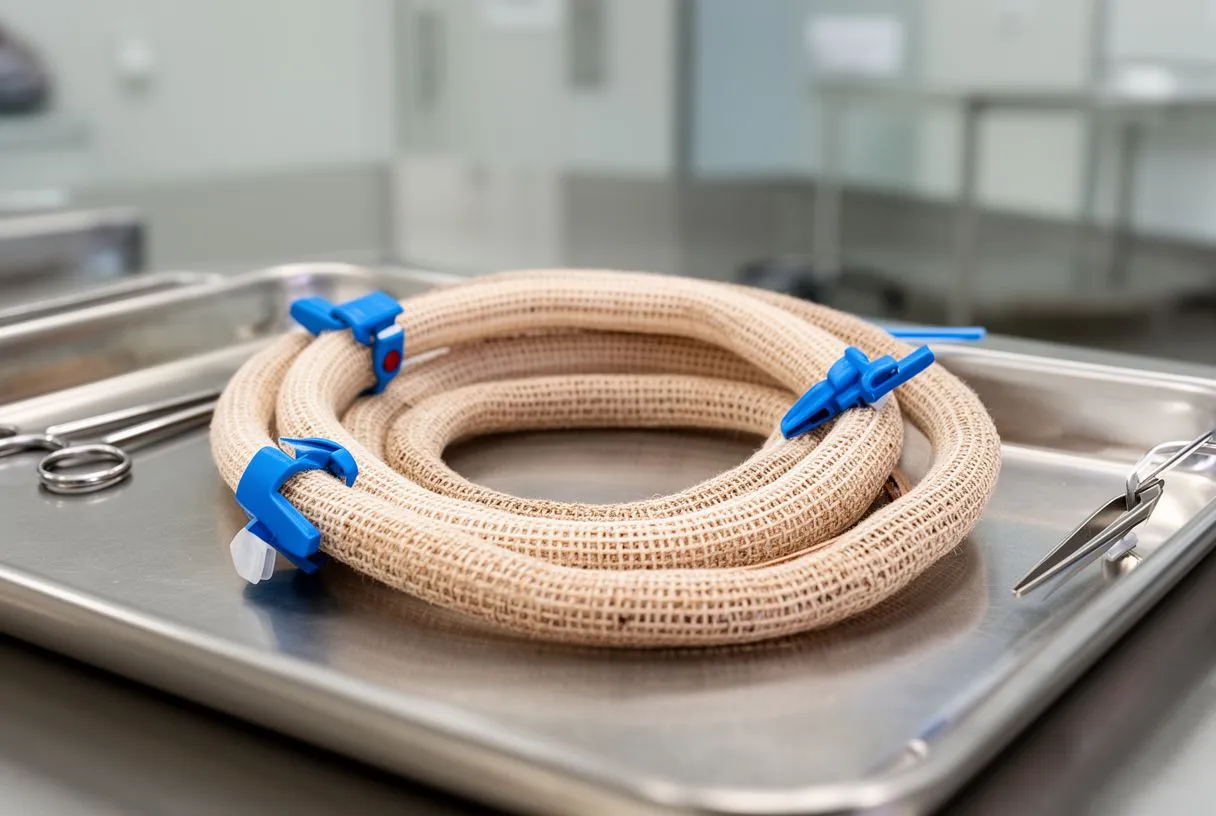
The connection between HbA1c and wound healing surgery outcomes comes down to biology. High glucose in the blood makes white blood cells, your infection fighters, sluggish. It also damages the tiny vessels that carry oxygen to healing tissue and makes platelets stickier, raising clot risk.
For a sternotomy patient, this shows up in the most vulnerable spot: the breastbone. Sternum infections are among the most feared complications of cardiac surgery because they can require additional operations and long courses of treatment. Elevated HbA1c before the operation is one of the few risk factors patients can actually change ahead of time.
What this means in practice: weeks of improved preoperative blood sugar control translate into stronger immune function on the day of surgery and better healing afterward. Recovery also involves comfort measures, and glucose management is usually paired with careful Pain Control, because pain raises stress hormones that push blood sugar upward. We review each patient's infection and healing risks together as a team before recommending a surgical approach, because prevention starts before the first incision, not after it.
What Does a Good Pre-Surgery Diabetes Management Plan Look Like?
A sensible plan starts the moment surgery becomes a possibility, not the week before. The goal is steady improvement toward HbA1c levels before cardiac surgery that your team considers safe. Practical steps include:
- Get tested early: know your HbA1c and fasting glucose well before the operation date.
- Adjust your diet with help: consistent meals with controlled carbohydrates beat drastic last-minute dieting.
- Review your medications: some diabetes drugs, including certain SGLT2 inhibitors, are paused before surgery; never stop or change them on your own.
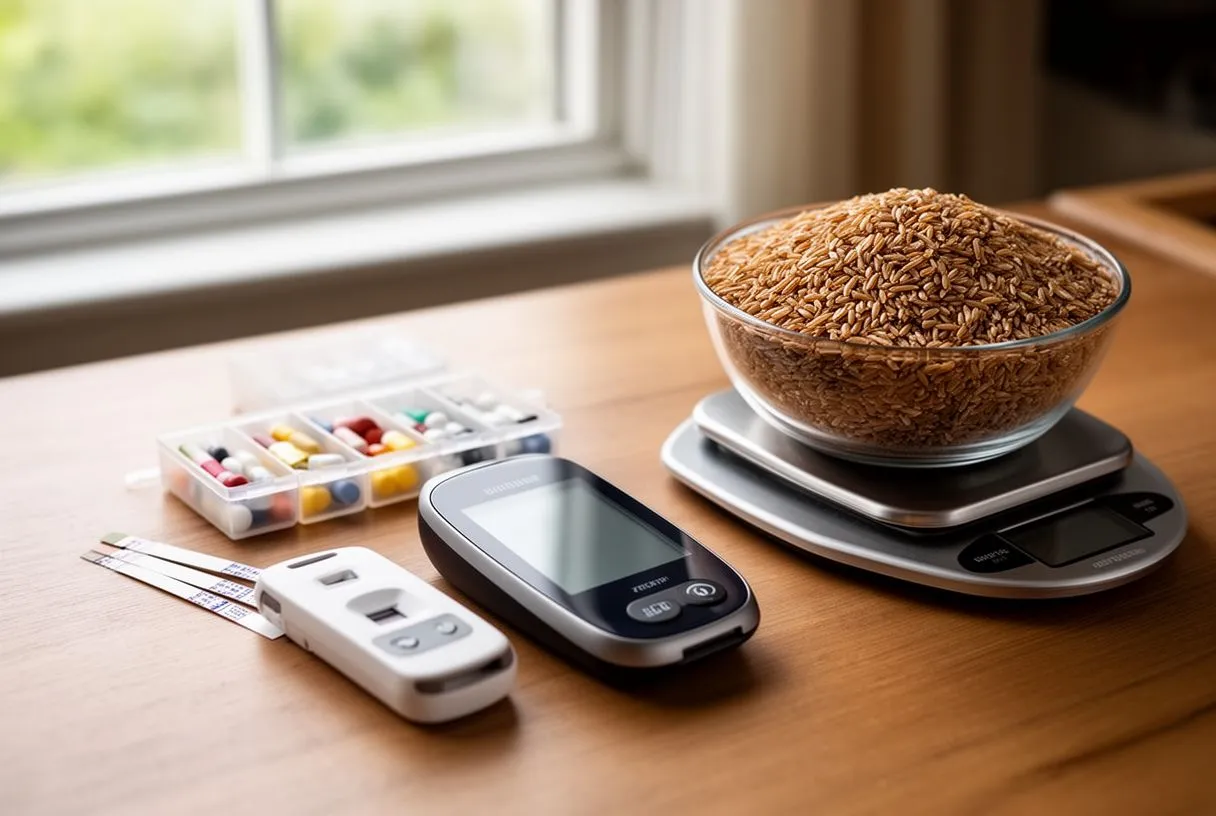
- Monitor at home: daily readings help your team fine-tune doses in the final weeks.
- Stop smoking: it damages vessels and worsens healing just as high sugar does.
Who coordinates it: ideally, your cardiac surgeon and whoever manages your diabetes work together. This is where a real pre surgery diabetes management plan earns its name: clear targets, clear responsibility, and regular check-ins rather than guesswork.
On the day itself: modern hospitals check glucose frequently during and after the operation and use insulin infusions when needed. This perioperative glycemic control guidelines approach keeps sugar in a safe band during the stress of surgery, when it would otherwise surge.
When Should You Ask for an Endocrinologist Referral Before Heart Surgery?
An endocrinologist referral before heart surgery makes sense in several situations: a new diabetes diagnosis discovered during your cardiac workup, an HbA1c well above target despite your current treatment, insulin therapy that needs fine-tuning, or episodes of very low blood sugar that complicate matters.
An endocrinologist is a doctor who specializes in hormone conditions, including diabetes. For complex patients, involving one before an operation shortens the path to safe sugar levels. Many cardiac programs have such specialists as part of the routine workup for diabetic patients.
How to raise it: simply ask. At your next appointment, say you want a specialist's input on your sugar control before the operation date. A good team will welcome the request. We encourage second opinions, and we treat a patient seeking another specialist's view as a normal, healthy part of deciding about heart surgery, not as a challenge to our recommendations.
Bringing everything together: your HbA1c before heart surgery is not just another lab box to tick. It is a measure of how well your body will handle the stress of an operation, fight infection, and heal a serious wound. Know your number, understand your target, and give yourself weeks, not days, to improve it. If your heart condition is urgent, your team will proceed and manage glucose carefully around the operation. If it is elective, use the waiting time wisely. Every heart is different, and so is every plan. If you are facing a valve, coronary, aortic or structural heart procedure, talk it through with a qualified cardiac team, ask about your own numbers, and book a consultation rather than trying to judge your risk alone. Our team, led by Dr Alejandro Molina, offers a free first video consultation in which we get to know you, explain what your studies actually show in plain words, and tell you exactly which tests are still needed, so nothing unnecessary is ordered.