
Heart Failure With Preserved Ejection Fraction: Treatment
Treatment options for heart failure with preserved ejection fraction, as used by Guadalajara cardiologists: medications and lifestyle changes.
Receiving a diagnosis of heart failure can be deeply unsettling, but understanding the specific type you have is the first step toward effective management. Preserved ejection fraction heart failure, often called HFpEF or diastolic heart failure, is a condition where the heart muscle pumps normally but is too stiff to relax and fill properly. For patients and families navigating this diagnosis, understanding the mechanisms and treatment options brings clarity and control to an otherwise overwhelming situation.
What is preserved ejection fraction heart failure?
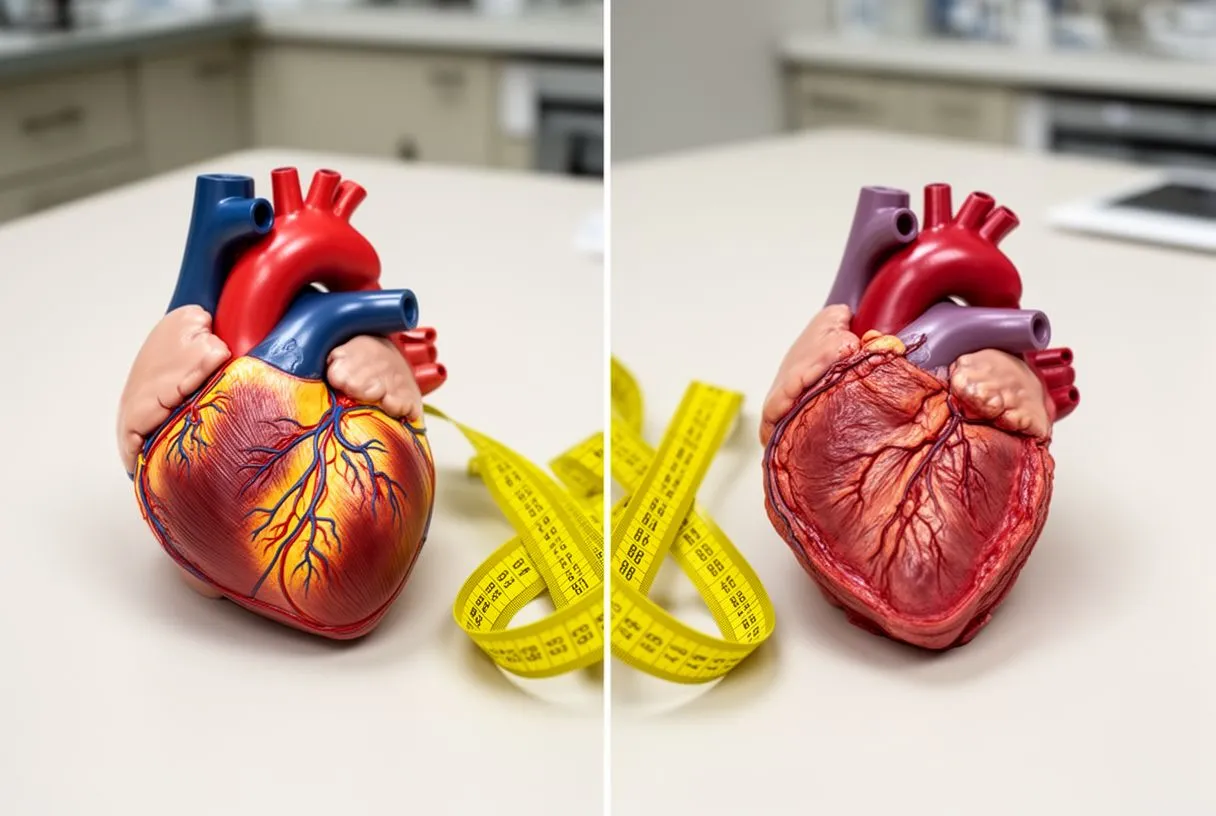
Understanding the mechanics of a stiff heart: In preserved ejection fraction heart failure, the left ventricle—the main pumping chamber—contracts with normal force, pushing out roughly 50% to 70% of its blood with each beat. However, the muscle walls have become thick and rigid. Because the chamber cannot relax fully between beats, it accepts less blood. This means the heart must rely on higher filling pressures just to move blood through the body, which forces fluid backward into the lungs and body tissues.
This stiffness is usually the result of chronic underlying conditions that quietly damage the heart muscle over many years. High blood pressure is the most common culprit, forcing the heart to pump against high resistance and causing the muscle to thicken in response. Obesity, diabetes, and chronic kidney disease also contribute heavily to the systemic inflammation and structural changes that define this condition. Over time, these factors transform the flexible, elastic heart muscle into a rigid, fibrous structure.
During a physical exam, your cardiologist may use auscultation—listening to your heart and lungs with a stethoscope—to detect signs of fluid overload. Hearing crackling sounds in the lungs or an abnormal heart sound can indicate that the pressure inside the left atrium is higher than it should be. This upper chamber pushes blood into the stiff left ventricle, and when pressure builds up, it manifests as the congestion symptomatic of heart failure. Recognizing these mechanical failures is essential for tailoring the right treatment plan.
How does HFpEF differ from reduced ejection fraction?
Contrasting pumping vs. filling problems: The heart has two main phases: systole (pumping) and diastole (relaxing and filling). Heart failure with reduced ejection fraction (HFrEF) is a pumping problem; the heart is weak and cannot squeeze forcefully. Preserved ejection fraction heart failure (HFpEF) is a filling problem; the heart squeezes fine but cannot relax to accept enough blood. Both conditions lead to similar symptoms of fluid backup, but the underlying anatomical issues require completely different treatment strategies.
Because the pumping function is intact in HFpEF, standard heart failure medications designed to strengthen the pump are often less effective. Instead, treatment focuses on lowering blood pressure, controlling fluid volume, and managing the systemic conditions causing the stiffness. For instance, managing an irregular heartbeat like atrial flutter becomes critical, as a rapid heart rate severely reduces the time the heart has to fill, dramatically worsening HFpEF symptoms.
Patients with HFpEF often have a unique cluster of comorbidities compared to those with HFrEF. They are more likely to be older, female, and have a history of hypertension, obesity, and metabolic syndrome. Understanding these differences helps your cardiac team choose therapies that target the root causes of your specific heart failure phenotype, ensuring you receive care optimized for your exact physiological needs.
What are the common preserved EF symptoms?
Recognizing the signs of fluid backup: The symptoms of HFpEF are driven by fluid congestion and inadequate cardiac output during exertion. The most common signs include shortness of breath, particularly during physical activity or when lying flat. You might notice swelling in your legs, ankles, or abdomen, and experience profound fatigue that prevents you from doing everyday tasks. These symptoms occur because blood backs up behind the stiff left ventricle, leaking fluid into your lungs and tissues.
Symptoms can fluctuate based on your daily habits, diet, and medication adherence. Eating a high-sodium meal can cause sudden weight gain and increased shortness of breath within hours. Because blood pressure elevations directly translate to higher filling pressures in the heart, missing blood pressure medications can trigger an acute episode of congestion. Patients must remain vigilant about these daily fluctuations.
In some cases, the symptoms might point toward a different or overlapping cardiac issue. For example, if the congestion is localized or accompanied by chest discomfort, your doctor might investigate whether an atypical infarction or a localized valve issue is contributing to the clinical picture. Tracking your symptoms daily and reporting sudden changes to your cardiologist is vital for preventing hospitalizations and managing the disease effectively.
How is heart failure with normal ejection fraction diagnosed?
Using imaging to confirm diastolic dysfunction: Diagnosing HFpEF requires proving that the heart's pumping function is normal while its relaxing function is impaired. An echocardiogram is the primary tool for this, using sound waves to visualize the heart's structures and measure blood flow. The technician looks for signs of left ventricular hypertrophy (thickened walls), enlarged left atrium, and specific Doppler measurements that show how stiff the heart muscle has become.
Blood tests also play a crucial role in the diagnostic process. Your cardiologist will check for elevated levels of natriuretic peptides (BNP or NT-proBNP), which are hormones released when the heart is under stretch and pressure. While these levels can be elevated in both types of heart failure, combining these lab results with echocardiogram findings helps cement an HFpEF diagnosis. Sometimes, an invasive hemodynamic test is needed to measure the exact filling pressures inside the heart chambers.
Because HFpEF shares symptoms with many other conditions, ruling out alternative diagnoses is a major part of the workup. Your doctor may look for evidence of atheromatous plaque in your coronary arteries to ensure your symptoms are not simply due to blocked arteries causing ischemia. They will also assess your kidney and liver function, as fluid retention from these organs can mimic heart failure symptoms. A comprehensive evaluation ensures the treatment targets the correct underlying cause.
What are the best HFpEF medication options?
Targeting fluid and pressure: Medication for preserved ejection fraction heart failure focuses on reducing congestion and lowering blood pressure. Diuretics (water pills) are frequently prescribed to help the kidneys remove excess fluid, relieving shortness of breath and swelling. Blood pressure medications, particularly beta-blockers and calcium channel blockers, help slow the heart rate and give the stiff ventricle more time to fill properly during diastole.
Recent clinical guidelines have introduced new classes of medications that show promise for HFpEF patients. SGLT2 inhibitors, originally developed for diabetes, have been shown to improve outcomes in HFpEF by reducing hospitalizations and cardiovascular deaths, regardless of whether the patient has diabetes. These medications work by altering how the body handles glucose and sodium, reducing overall inflammation and fluid overload.
Managing coexisting conditions is equally important in the medical management of HFpEF. If you have a history of blood clots or certain arrhythmias, your doctor may prescribe Aspirin or other anticoagulants. Decisions regarding these medications depend heavily on your specific risk factors and bleeding risks. According to the Society of Thoracic Surgeons, managing these comorbidities meticulously is one of the most effective ways to stabilize heart failure patients.
How does diet impact HFpEF treatment?
Managing sodium and fluid intake: Diet is a cornerstone of HFpEF management because what you eat directly dictates your blood volume and fluid status. A low-sodium diet is absolutely essential; consuming too much salt causes your body to retain water, which increases blood pressure and forces your stiff heart to work even harder. Patients are generally advised to limit sodium to under 2,000 milligrams per day, which requires avoiding processed foods and reading nutrition labels carefully.
Fluid restriction is another vital component of your daily routine. Depending on your kidney function and the severity of your heart failure, your cardiologist may recommend limiting fluids to 1.5 to 2 liters per day. This includes water, soups, juices, and even high-water-content fruits. Monitoring your weight daily is the best way to ensure your diet is working; a sudden weight gain of two pounds in a day or five pounds in a week is a warning sign of fluid retention.
Specific dietary components can also influence the progression of related vascular diseases. For example, managing cholesterol levels to lower apolipoprotein B can help prevent the progression of coronary artery disease, which frequently coexists with HFpEF. Eating a heart-healthy diet rich in fresh vegetables, lean proteins, and whole grains supports overall cardiovascular health and helps manage the systemic inflammation driving the heart muscle stiffness.

What exercise is safe for diastolic heart failure?
Benefits of supervised cardiac rehabilitation: While it might feel counterintuitive to exercise when you have heart failure, physical activity is highly beneficial for HFpEF patients. Supervised cardiac rehabilitation programs help improve exercise tolerance, reduce symptoms, and enhance quality of life. These programs are carefully monitored by medical professionals who track your heart rate, blood pressure, and oxygen levels while you exercise, ensuring your safety.
Aerobic exercises, such as walking, cycling, or swimming, are the foundation of a good routine. The goal is to strengthen the cardiovascular system without overloading the stiff heart muscle. Your specialist will likely recommend starting with low-intensity sessions and gradually increasing the duration and intensity as your tolerance improves. This progressive approach prevents sudden spikes in blood pressure that could strain your heart.
It is important to learn the warning signs that tell you when to stop exercising. If you experience sudden arm pain, chest pressure, or severe shortness of breath, you must halt activity immediately and seek medical attention. Exercise should challenge you but never push you to the point of distress. Building a routine that fits your lifestyle and physical capabilities is key to long-term adherence and symptom management.
Are there surgical options for preserved EF heart failure?
Addressing structural abnormalities: While HFpEF itself is a diffuse muscle disease treated primarily with medication, surgery may be required if structural abnormalities are contributing to the heart failure. If a stiff left ventricle is accompanied by a narrowed ascending aorta or severe valve disease, surgical intervention can relieve the extra workload on the heart. Correcting these mechanical issues can dramatically improve the heart's overall function and relieve symptoms.
When coronary artery disease coexists with HFpEF, restoring blood flow to the heart muscle can prevent further ischemic damage and stiffness. Minimally invasive techniques have advanced significantly, offering patients alternatives to traditional open-heart surgery. Research such as the Experiência inicial com operações cardíacas minimamente invasivas demonstrates that these less invasive approaches can lead to quicker recoveries, which is particularly beneficial for older HFpEF patients with multiple comorbidities.
For patients requiring coronary bypass who also have diabetes, the surgical strategy must be carefully chosen. Studies, including one on Minimally Invasive Versus Conventional Coronary Artery Bypass Grafting in Patients with Type 2 Diabetes, help surgeons understand the metabolic responses and perioperative courses of these complex patients. By utilizing techniques that might use an arterial graft or autologous blood recovery, the surgical team can minimize trauma and support the heart's healing process, indirectly supporting the management of the underlying HFpEF.

What is the life expectancy with preserved ejection fraction?
Understanding prognosis and risk factors: The prognosis for preserved ejection fraction heart failure is influenced heavily by age, the severity of symptoms, and how well comorbidities are managed. While HFpEF was once considered less severe than HFrEF, modern data shows that the long-term outcomes and hospitalization rates are remarkably similar. The key to improving life expectancy is aggressive management of the conditions causing the heart stiffness, such as hypertension and diabetes.
Patients who adhere strictly to their medication regimens, dietary restrictions, and exercise plans generally experience a much better quality of life and slower disease progression. Regular follow-ups with your cardiologist are essential to adjust medications as the disease evolves. Failing to manage fluid retention or allowing blood pressure to remain elevated can lead to frequent hospitalizations and a rapid decline in cardiac function.
In advanced stages, when the heart becomes extremely stiff and unresponsive to standard medical therapy, patients may experience severe symptoms at rest. In these critical situations, advanced therapies might be discussed. While heart transplantation is rarely indicated for isolated HFpEF, mechanical support options, such as an arterial line for continuous monitoring or specialized pumps, might be utilized in acute care settings to stabilize the patient and bridge them to recovery or further management.
How to find a diastolic heart failure specialist in Guadalajara?
Choosing the right cardiac team: Finding a cardiologist who specializes in diastolic heart failure is crucial for receiving an accurate diagnosis and an effective treatment plan. You need a specialist who understands the nuances of HFpEF and can look beyond just the pumping function of the heart. A qualified team will evaluate your whole cardiovascular profile, including your blood vessels, kidney function, and metabolic health, to tailor a comprehensive care strategy.
When looking for a specialist in Guadalajara, Querétaro, or Hermosillo, consider the resources available at the practice. A comprehensive clinic should have advanced echocardiography capabilities, access to cardiac rehabilitation, and a multidisciplinary approach that includes dietary counseling. The ability to perform complex evaluations, such as checking for plaque via balloon angioplasty candidacy or assessing valve issues like those requiring a balloon aortic valvuloplasty, indicates a well-rounded cardiac practice.
Ultimately, managing preserved ejection fraction heart failure requires a partnership between you and your medical team. At Cirugía de Corazón, Dr Alejandro Molina and his team are dedicated to providing compassionate, expert care tailored to your specific condition. Do not let uncertainty dictate your health; we encourage you to discuss your symptoms with a qualified cardiac team and book a consultation today to take control of your heart health.

- Monitor Daily: Weigh yourself every morning to track fluid retention before symptoms worsen.
- Limit Sodium: Keep salt intake under 2,000 mg daily to prevent fluid backup in the lungs.
- Stay Active: Engage in supervised, low-intensity exercise to improve stamina safely.
- Adhere to Meds: Take blood pressure and diuretic medications exactly as prescribed.
Navigating preserved ejection fraction heart failure requires patience, vigilance, and expert guidance. By understanding how your heart functions, adhering to dietary and medical therapies, and working closely with a specialized cardiac team, you can manage your symptoms effectively and maintain your quality of life. Remember that every patient's journey is unique, and your treatment plan should be as individualized as you are. Reach out to a specialist to map out your path forward.