

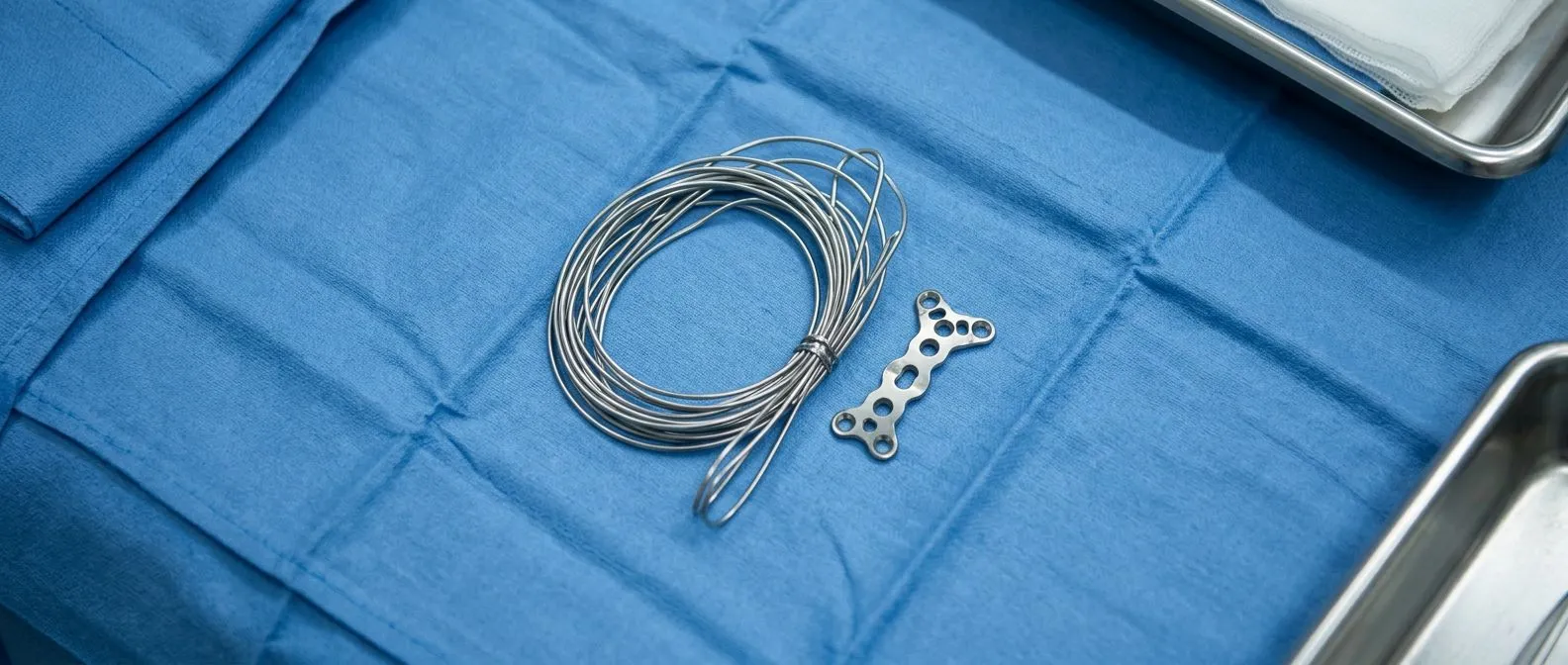
Heart Reoperation: Planning a Safe Second Surgery
Heart reoperation planning helps surgeons prepare for a safe second cardiac surgery.
Hearing that you may need heart surgery a second time is frightening, and it raises questions the first operation never did. Heart reoperation planning is the careful, deliberate process a surgical team follows to make a repeat cardiac procedure as safe as possible, from the first scan to the day of surgery. This guide walks you through what reoperation means, why scar tissue changes everything, how surgeons prepare, what recovery really looks like, and how you can take part in every decision along the way.
What Is Heart Reoperation and Why Might You Need a Second Surgery?
What reoperation means in plain language. A reoperation is any heart operation performed on a patient who has already had one. The meaning is simple: the surgeon operates again, usually through the same or a nearby incision, on a heart that has already been touched by surgery. It is also called revision surgery or "redo" surgery, and the word carries no judgment about the first operation — it simply describes a second one.
Why hearts sometimes need surgery twice. The most common reasons are natural. A biological tissue valve wears out after ten to fifteen years. Coronary bypass grafts can narrow over time. New disease can appear in a vessel or valve that was healthy at the first operation. In other cases, a previous repair needs refining, or a complication such as bleeding required an early return to the operating room. None of these outcomes means the first surgery failed; most mean the heart kept living.
What you experience first. Patients usually notice it themselves: returning breathlessness, fatigue, new murmurs heard on a stethoscope, or abnormal findings on a routine echocardiogram. For some, the need for a second operation emerges slowly over years of monitoring. For others — as in an acute aortic dissection, a tear in the body's main artery — a reoperation becomes urgent within hours. In our practice, we review every such case as a multidisciplinary team before any recommendation is made, and we take the time to explain in plain words what the studies actually show.
How Does Heart Reoperation Planning Work Step by Step?
Gathering the full picture. Second heart surgery planning begins with information, not decisions. The team collects the complete record of the first operation — the operative report, the type of grafts or prosthetic material used, the dates, and any complications. Then comes a fresh set of studies: a CT angiogram of the chest to map the heart and its vessels in three dimensions, an echocardiogram to assess valves and pumping function, blood work, and a heart catheterization when indicated.
Mapping what scar has changed. This is the heart of cardiac reoperation evaluation. After the first sternotomy, the pericardium — the protective sac around the heart — often adheres to the heart's surface. The right ventricle, the aorta, and previously placed grafts can be stuck directly beneath the breastbone. Advanced CT imaging lets the surgical team see exactly where these adhesions are, how far the aortic wall is from the sternum, and which structures are at risk when the chest is reopened. Some teams also use preoperative simulations to plan the safest opening sequence.
Building the surgical strategy. With the anatomy mapped, the team writes a specific heart reoperation surgical strategy: the incision, the opening technique, whether cardiopulmonary bypass is established through the groin vessels before or after opening the chest, what backup plans exist if a vessel is injured, and which team members stand by with blood products ready. The patient receives a clear proposal with the alternatives explained, and the final decision is always theirs. A face-to-face visit at the consulting rooms follows once the patient decides to go ahead — but the first contact is a free video consultation, where we talk through the condition and order only the studies that are still needed, so no unnecessary ones are done.

Redo Sternotomy Planning: What Happens When the Chest Reopens?
The moment of highest risk. In most redo cases, the single most delicate step is reopening the breastbone — the sternum — through the old scar. The first time, the heart lay freely in its pericardial sac. The second time, scar tissue may bind the right ventricle or a bypass graft to the back of the sternum, and opening must be done millimeter by millimeter, sometimes with the groin vessels prepared for emergency bypass before the saw is used. Redo sternotomy planning is essentially the study of how to make this one moment safe.
Alternatives to the standard incision. Planning also includes choices about approach. Some patients can avoid a full repeat sternotomy entirely. A minimally invasive approach through a right-side incision, a robotic operation, or a transcatheter procedure can treat certain valve problems without ever opening the old scar. We perform conventional, minimally invasive, robotic and transcatheter procedures, and we recommend the less invasive route only where the evidence supports it for that specific patient — never as a default.
What your surgeon is silently doing. When you review your plan, listen for the details that show preparation: which artery the CT showed closest to the sternum, whether femoral bypass will be ready, whether a sternal saw with an oscillating blade or a specialized retractor is planned. A team that can answer these questions has done its heart reoperation preparation properly, and that preparation is what separates a routine redo from a dangerous one.
What Are the Main Risks of Redo Cardiac Surgery?
Honest numbers, not reassurance without evidence. Redo cardiac surgery carries higher risk than a first operation, and you deserve to hear that stated plainly. The added risks come mainly from adhesions: injury to the right ventricle or an old graft during chest reopening, longer operative times, more bleeding, and a greater need for transfusion. International registries consistently show that with experienced teams and careful planning, these risks are manageable — and several large review series, including a recent clinical study of reoperation for acute type A aortic dissection published in Frontiers in Cardiovascular Medicine, document how structured planning improves outcomes in exactly these difficult cases.
The risks that matter most. Bleeding and transfusion are the most frequent complications. Injury to structures adherent to the sternum is the most feared, but it is rare in experienced hands. Stroke, kidney injury, lung complications, and infection of the sternal wound complete the list. Each one has a specific prevention plan built into modern heart reoperation planning: cell-saver blood recycling, careful temperature and perfusion management, antibiotic timing, and sternal closure techniques that reduce infection risk.
- Bleeding and transfusion: the most common added risk of redo surgery, reduced by cell-saver systems and preoperative blood optimization.
- Injury to adherent structures: prevented by CT mapping of the retrosternal space and a deliberate, step-by-step reopening plan.
- Stroke and organ protection: managed through careful choice of cannulation sites and perfusion strategy decided before the operation starts.
What risk scores tell you. Teams often use scoring systems such as EuroSCORE II, which weighs age, prior surgery, kidney function, urgency and other factors to estimate operative risk. The number is a conversation starter, not a verdict — it helps you and your surgeon compare the risk of operating against the risk of not operating, which is often the real question.
What Does "Postoperative" Mean and How Do You Get Back to Normal?
What postoperative actually means. "Postoperative" simply means "after the operation" — the entire period from the moment you leave the operating room until you have fully healed. It is usually divided into the hospital stay, the first weeks at home, and the months of rebuilding strength. Knowing the vocabulary helps you ask better questions at each stage.
The first days. After a redo cardiac operation, most patients wake in an intensive care unit with a breathing tube that is removed within hours. Drainage tubes around the heart come out over the first day or two. Because adhesions make redo operations somewhat longer, it is normal to feel more tired than after the first surgery, and to need a day or two more of monitoring before stepping down to a regular ward.
Getting back to normal, step by step. Recovery follows a rhythm, and it rewards patience more than speed. Walking begins the day after surgery. Stairs come in the first week at home. Most patients drive again around four to six weeks, return to desk work in six to eight, and rebuild full physical activity over three months with a supervised cardiac rehabilitation program. If you want to know how you can get back to normal after surgery, the honest answer is: gradually, with a plan, and with your team checking each milestone rather than guessing.
Follow-up reviews at fixed points in the first three months help, because recovery tends to go better when each milestone is expected and checked rather than left to chance.

Planning Repeat Heart Valve Surgery: Options and Trade-Offs
Why valve patients face redo surgery most often. Planning repeat heart valve surgery is one of the most frequent scenarios in cardiac reoperation, because tissue valves wear out predictably. A patient who received a biological aortic valve at age 55 will often face replacement around age 70. The question is no longer whether the valve will fail, but how to replace it with the least risk.
The conventional route. A repeat open operation through the sternum allows the surgeon to see the whole valve, remove the old one completely, and place a new one under direct vision. It offers the most complete and durable solution, and it remains the right choice for many patients — especially when another problem needs fixing at the same time.
The transcatheter alternative. For many redo patients, TAVR — transcatheter aortic valve replacement — is a major option. A new valve is delivered through a catheter, usually from an artery in the groin, and placed inside the old worn valve. No chest reopening and no cardiopulmonary bypass are needed. The trade-off is that the old valve is not removed and long-term durability data in this exact setting is more recent. This is precisely the kind of decision where our team lays both options side by side, states what the evidence supports for your anatomy, and leaves the choice with you.
Coronary Reoperation Planning: What Changes the Second Time?
Old grafts change the map. Coronary reoperation planning starts with a central question: what has happened to the grafts from the first bypass? A vein graft may have narrowed or closed over the years, while an internal mammary artery graft — the artery taken from inside the chest — often remains open for decades. The surgeon must protect that healthy artery above all, because it is frequently adherent to the underside of the sternum.
New grafts, new targets. The second operation usually grafts to coronary arteries that were not bypassed before, or to arteries whose old grafts have failed. Some patients who already carry an internal mammary graft to the left anterior descending artery can be treated instead with stents or other catheter-based techniques, avoiding surgery entirely — a decision the heart team makes together, not the surgeon alone.
Dr Molina trained in cardiothoracic surgery at the Universidad de Guadalajara, in cardiac, minimally invasive, robotic and structural surgery at the University of Montreal, and in structural cardiology and TAVR at CHU Bordeaux.
How Common Is Revision Surgery and Which Operations Carry the Most Risk?
How common is revision surgery? More common than most patients expect. As the first generation of cardiac surgery patients ages, reoperations now make up a substantial share of adult cardiac cases at major centers — driven largely by aging tissue valves and aging bypass grafts. If you need a second operation, you are not an outlier; you are one of thousands each year, and surgical teams train specifically for it.
What are the top 3 riskiest surgeries? Patients often ask this, and in the cardiac world the answers cluster around three operations: repeat open-heart surgery on a heart with heavy adhesions, surgery on the acute aortic dissection itself, and combined multi-valve procedures. All three share the same feature — complexity that depends on anatomy and timing, not on the surgeon's confidence. When Dr Molina performed the first robotic mitral valve repair in the Ángeles Health System and the first robotic heart surgery in Guadalajara, the lesson that stayed with our team was that careful planning, not boldness, is what makes complex operations safe.
What are three types of surgery? A useful way to frame it: emergency surgery (done within hours to save life), urgent surgery (done within days because waiting carries risk), and elective surgery (planned weeks ahead for the best outcome). Reoperations exist in all three categories, and knowing which one yours is helps you understand the pace of every decision that follows.
Heart Reoperation Risk Assessment: Are You a Candidate, and When?
Redo heart surgery candidacy. Candidacy for a second operation rests on three questions. First: does the heart problem truly need surgery — is the valve, graft or aneurysm threatening enough that leaving it is riskier than fixing it? Second: can your heart, lungs, kidneys and general health withstand the operation? Third: is there a less invasive alternative that treats the same problem with less risk? A genuine heart reoperation risk assessment answers all three in writing, not in vague reassurance.
Timing considerations. Heart reoperation timing is one of the most important and least discussed parts of planning. Some conditions — a rapidly enlarging aortic aneurysm, progressive valve failure with worsening heart function — argue for operating sooner. A guideline threshold worth knowing: an ascending aortic aneurysm generally warrants surgery at a diameter above 5.5 cm, or earlier with family history or connective tissue disease. Other findings can safely be watched for years with imaging, and choosing "watchful waiting" is often the right, active decision.
Complex cases, structured review. Complex cardiac reoperation planning is never a solo judgment. Every case in our practice is reviewed by the multidisciplinary team of cardiac surgeons against international practice guidelines before a recommendation is given, because the safest plan is the one that has survived more than one expert's scrutiny. The balance of evidence in this field has been shaped by decades of registry data summarized in leading journals such as The Lancet, which is why we anchor our recommendations to published guidelines rather than to individual experience alone.
Why a Second Opinion Matters Before Complex Cardiac Reoperation
A normal part of deciding, not a betrayal. We encourage second opinions and treat seeking one as a normal part of deciding about heart surgery. Reoperation is exactly the situation where the five reasons to ask for a second opinion before high-risk surgery apply most fully: confirming the diagnosis, confirming the need, confirming the approach, comparing the less invasive alternative, and confirming the timing. A good team welcomes these questions; a team that resists them is telling you something.
What a useful second opinion looks like. Bring your operative report, your most recent echocardiogram and CT images, your medication list, and your own list of questions. A strong consultant will review all of it, examine you, and give you a specific recommendation — not a menu of everything theoretically possible. If two experienced teams agree, you can proceed with confidence. If they differ, the disagreement itself tells you exactly what to investigate next.
How we make the first step easy. Our first contact is a free video consultation: we get to know you, talk through your condition together, and tell you which studies are still needed so nothing unnecessary is ordered — and a face-to-face visit at our consulting rooms in Guadalajara, Querétaro or Hermosillo follows only when you decide to move forward. You will never be pressured into a decision, and every recommendation comes with its alternatives stated openly.
Heart reoperation planning is, at its core, the discipline of turning a high-risk situation into a managed one: mapping the scar, choosing the safest approach, weighing surgery against alternatives, and timing everything deliberately. If you or a loved one has been told a second heart operation may be needed, the most useful thing you can do is not to search for reassurance — it is to sit down with a qualified cardiac team, review the actual studies, and ask every question until the plan makes sense to you. Book a consultation, bring your records, and let a specialist team help you decide; no one should face a second surgery on their own judgment alone.






