High LDL Cholesterol and Your Arteries: How It Narrows Them
High LDL cholesterol arteries narrow silently as plaque builds up—learn symptoms, tests, treatments, and when to see a heart surgeon in Guadalajara.
What Is LDL Cholesterol and Why Does It Matter?
High LDL cholesterol arteries narrow slowly and quietly, often over decades, before a person feels anything wrong. LDL stands for low-density lipoprotein. It is a small particle that carries cholesterol, a fatty substance, through the bloodstream. Cholesterol itself is not an enemy. Your body needs it to build cell walls and make hormones. The problem is having too much of the LDL kind, which tends to drop that fat into the walls of your arteries.
Why is LDL called the "bad" cholesterol? Because LDL particles are small enough to slip into the inner lining of blood vessels. Once there, they can become trapped and oxidised, which starts the inflammation that leads to plaque. HDL cholesterol, the high-density kind, works in the opposite direction: it carries cholesterol away from the arteries back to the liver. That is why doctors often describe LDL as the "bad" and HDL as the "good" cholesterol.
How do you describe LDL to a patient? We prefer a simple picture. Imagine LDL as trucks delivering fat to your arteries, and HDL as trucks hauling it away. When the delivery trucks outnumber the haulers, the arteries slowly fill up. The goal of every test, medicine, and lifestyle change in this article is to restore that balance. Understanding high LDL cholesterol arteries in this way makes the rest of the treatment decisions much easier to follow.
How High LDL Cholesterol Affects Arteries
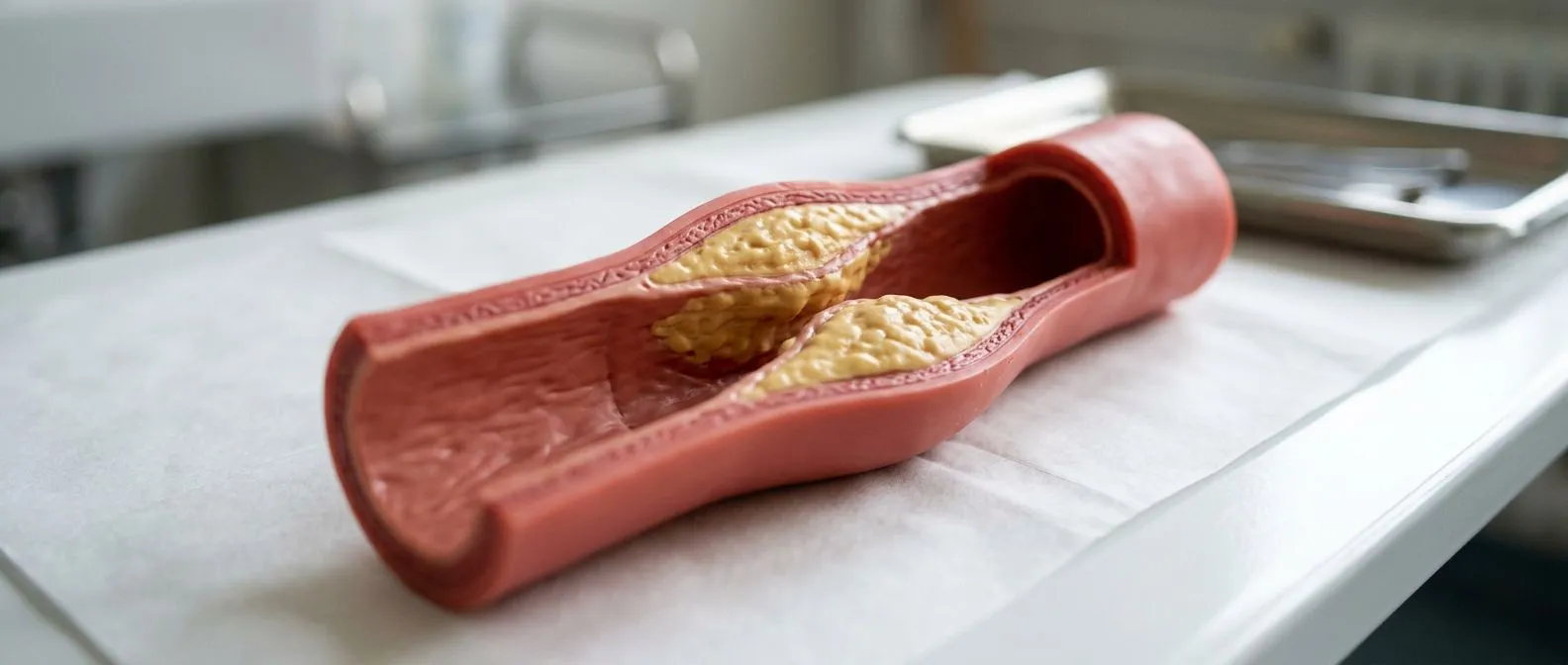
To see how high LDL cholesterol affects arteries, you need to know a little anatomy. Arteries are not stiff pipes. They are living tubes with three layers: a smooth inner lining called the endothelium, a muscular middle layer, and an outer protective coat. The endothelium is where the trouble begins. When blood pressure is high or you smoke, that lining gets damaged, and LDL particles can slip through it.
Where does the damage happen? Certain arteries are especially vulnerable. The Left Anterior Descending Artery, the Left Main Coronary Artery, and the Right Coronary Artery are the three main vessels that feed the heart muscle. When high LDL cholesterol arteries in the heart narrow, the muscle downstream struggles. Outside the heart, the Femoral Artery in the thigh and the Carotid Artery in the neck can also narrow, affecting the legs and brain respectively.
Can high LDL cholesterol clog arteries? It rarely blocks them overnight. Instead, the process called atherosclerosis, the medical term for hardening of the arteries, builds up in layers. LDL enters the vessel wall, white blood cells arrive to clean it up, smooth muscle cells migrate in, and the whole thing becomes a plaque. Some plaques are stable and fibrous. Others have a thin cap over a soft core, and those are the ones that can rupture suddenly and cause a heart attack.
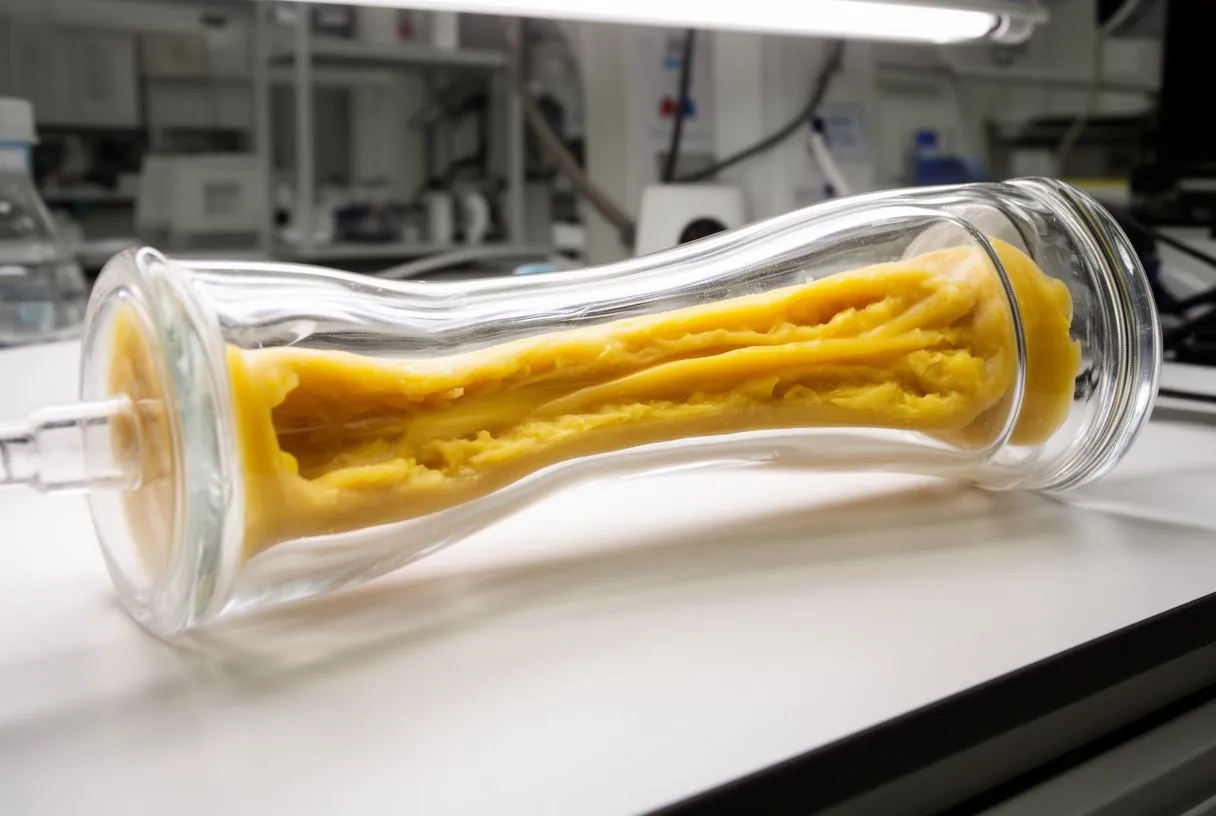
What is atherosclerosis, in plain words? Think of it like rust forming inside a water pipe. At first, water flows fine. Over the years, the rust layer thickens, the pipe's opening shrinks, and flow becomes restricted. The heart has a remarkable backup system called collateral vessels — small side channels that grow around a blockage — but these are not always enough. That is why prevention matters far more than repair.
What Does High LDL Do to Arteries Over Time?
High LDL cholesterol arteries do not narrow in one step; the process unfolds in stages. The first stage starts in early adulthood, sometimes even in the teenage years, when fatty streaks — thin lines of cholesterol inside the artery wall — appear. These streaks are harmless by themselves, but they are the seeds of everything that follows.
How fast does the narrowing progress? It depends on how high your LDL is, how long it has been high, and what else is working against you. Smoking, high blood pressure, diabetes, and obesity all accelerate the process. A large meta-analysis of over 170,000 participants in 26 randomised trials showed that lowering LDL cholesterol, especially with intensive treatment, steadily reduces the risk of major vascular events — and that the benefit grows the longer LDL stays low (The Lancet meta-analysis of 26 randomised trials). The same logic works in reverse: the longer LDL stays high, the more plaque accumulates.
What happens when plaque becomes unstable? A stable plaque slowly narrows an artery and causes predictable symptoms, such as chest pain during exertion. An unstable plaque has a thin cap that can tear. When it tears, the body forms a clot over the break, and that clot can block the artery in seconds. This is the mechanism behind most heart attacks. It is also why a person can have "only moderate" narrowing for years and then suddenly experience a major event — the blockage that matters is the one you did not see coming.
High Cholesterol Artery Disease Symptoms: What to Watch For
High cholesterol artery disease symptoms depend on which artery is narrowed. Because the process is gradual, many people feel nothing until the blockage is severe. But the body does send signals, and knowing them can save your life.
What does it feel like when heart arteries narrow? The classic sign is angina: pressure, tightness, or a burning sensation in the chest, usually triggered by effort or stress and relieved by rest. It can spread to the left arm, the jaw, the back, or the stomach. Some people, especially women and people with diabetes, experience atypical symptoms instead — unusual breathlessness, extreme fatigue, or nausea. Never assume chest discomfort is "just indigestion" if it appears with exertion.
- Heart arteries: chest pressure or tightness with activity, breathlessness, or unexplained fatigue.
- Carotid Artery (neck): sudden weakness on one side, slurred speech, or vision loss in one eye — a possible warning of stroke.
- Leg arteries: cramping or pain in the calves when walking that eases with rest, a condition called peripheral artery disease.
- Emergency signs: chest pain lasting more than 15 minutes, sweating, nausea, or pain radiating to the arm or jaw — call emergency services immediately.
In our practice we always ask patients to describe when the discomfort appears, not only where it is located. Symptoms that come with exercise and disappear with rest point strongly toward a narrowed artery, and that pattern is worth investigating rather than ignoring.
What Tests Are Used to Check LDL Cholesterol Levels?
What tests are used to check LDL cholesterol levels? The starting point is a simple blood test called a lipid panel, drawn after a fasting period or, in modern labs, without fasting. It measures total cholesterol, LDL, HDL cholesterol, and triglycerides, which are the fats circulating in your blood after meals.
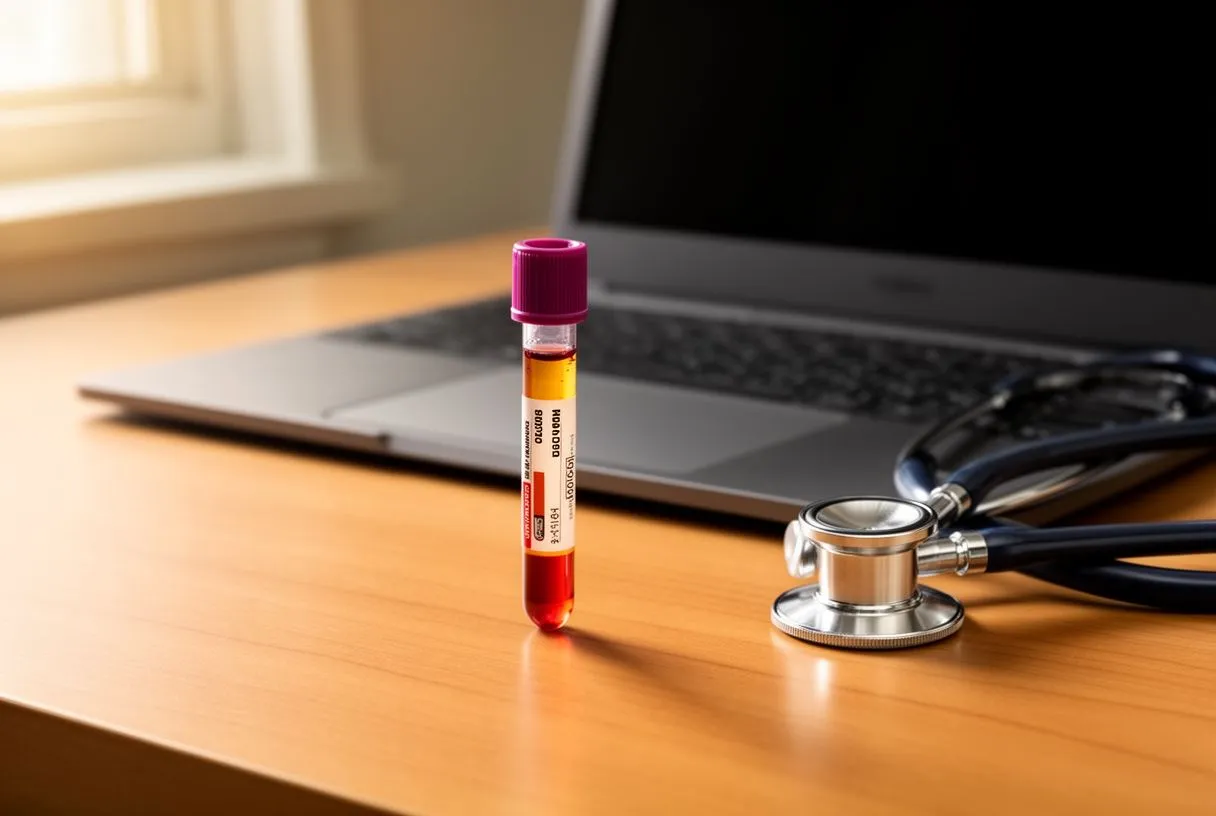
What do the numbers mean? Your LDL number is the most important one for preventing plaque. Below 100 mg/dL is generally considered optimal for most people. If you already have Coronary Artery Disease, diabetes, or other major risk factors, your doctor may aim for a much lower target, often below 70 mg/dL. HDL should ideally be above 40 mg/dL in men and 50 mg/dL in women, and triglycerides below 150 mg/dL.
Beyond the basic panel: when the picture is unclear, doctors use additional tools. A lipoprotein(a) test measures an inherited particle that can accelerate plaque even when standard LDL looks fine. A calcium score CT scan looks for calcium deposits in the heart arteries — a direct snapshot of how much plaque has already formed. High-sensitivity Troponin is a blood marker that detects heart muscle injury; it is used to rule out a heart attack in someone with active symptoms, not to screen healthy people. If symptoms suggest a genuine blockage, a coronary angiogram — a dye study of the heart arteries — is the definitive test.
How is testing approached? At our first free video consultation, we get to know the patient, talk through the condition, and say which studies are still needed so no unnecessary ones are ordered. We review each result with you in plain language before any decision is made.
What Is an Alarming LDL Cholesterol Level? Targets by Age
What is an alarming LDL cholesterol level? Values above 190 mg/dL are considered very high and usually signal a genetic tendency, a condition called familial hypercholesterolaemia. At that level, doctors recommend treatment without waiting for lifestyle changes to fail. A value of 160 mg/dL or above is high, and 100–160 mg/dL is above optimal depending on your overall risk.
What should your LDL be for your age? The answer depends less on your birthday and more on your risk profile. Guidelines from the American Heart Association and the American College of Cardiology tie LDL targets to your calculated 10-year cardiovascular risk rather than to age alone:
- Healthy adults, low risk: LDL below 100 mg/dL is the goal.
- Diabetes or multiple risk factors: LDL below 100 mg/dL, with some guidelines pushing toward 70 mg/dL.
- Known coronary disease or a prior heart attack: LDL below 70 mg/dL, ideally below 55 mg/dL for the highest-risk patients.
- Any level above 190 mg/dL: treat immediately, regardless of age.
Why does LDL matter more as you get older? Plaque builds cumulatively. A 65-year-old who has spent decades with high LDL cholesterol arteries typically has far more established disease than a 40-year-old with the same number. That is not a reason to despair — studies such as the Study of Heart and Renal Protection, which tested intensive LDL lowering in high-risk patients, showed that even patients with established disease and kidney problems still benefit from lowering LDL further (European PMC — SHARP trial). It is never too late to reduce your risk, though starting earlier gives more protection.
What Not to Eat if LDL Is High — and What to Eat Instead
What not to eat if LDL is high is one of the questions patients ask most often. The main culprits are foods rich in saturated fat and, to a lesser extent, trans fats. Saturated fat signals your liver to produce more LDL, so cutting it back is the single most effective dietary step most people can take.
Foods to limit or avoid:
- Fatty and processed meats: sausages, bacon, ribs, and heavily marbled cuts of beef or pork.
- Full-fat dairy: cream, butter, and whole-milk cheeses, which are dense in saturated fat.
- Fried foods and commercial baked goods: doughnuts, pastries, and packaged snacks that may contain trans fats or hydrogenated oils.
- Coconut oil and palm oil: plant-based but still highly saturated.
Foods that help lower LDL: oats, beans, and lentils supply soluble fibre, which binds cholesterol in the gut so it never reaches the blood. Fatty fish such as salmon and sardines provide omega-3 fats that support healthy triglyceride levels. Nuts, olive oil, avocado, and vegetables round out the pattern most cardiologists call the Mediterranean diet, which has strong evidence for reducing heart events.
What about lifestyle beyond food? Regular aerobic exercise raises HDL and helps clear LDL. Quitting smoking matters enormously — smoking damages the very endothelium where LDL enters the artery wall. Losing even modest weight, managing blood pressure, and controlling diabetes all slow the plaque process. Diet and exercise alone rarely lower LDL below the targets needed for high-risk patients, but they multiply the effect of every medicine.
How Can I Reduce My High LDL? Medicines That Work
How can I reduce my high LDL when lifestyle changes are not enough? Medicine is the answer for most people at elevated risk, and the evidence for it is overwhelming. Statins are the first-line treatment. They block an enzyme the liver uses to make cholesterol, forcing the liver to pull LDL out of the blood.
How much do statins lower LDL? Typically 30 to 50 percent, depending on the dose. They also stabilise existing plaques, making the thin-capped ones less likely to rupture. In patients with chronic kidney disease, a population often excluded from older studies, the combination of simvastatin plus ezetimibe still lowered LDL and reduced major vascular events in a large randomised trial (European PMC — SHARP trial). Ezetimibe works differently — it blocks cholesterol absorption in the intestine — and is often added when a statin alone is not enough.
What if statins are not working or are not tolerated? Newer injectable medicines called PCSK9 inhibitors can lower LDL by an additional 50 to 60 percent on top of statins. They are given by injection every few weeks or months and are reserved for patients with very high LDL or intolerance to statins. A small number of people also need bile acid sequestrants, which are older agents that bind cholesterol in the gut. Statin intolerance is real — some patients get muscle aches — but it is often dose-related, and switching to a lower dose or a different statin works for many people.
How is a medicine chosen? Every case is reviewed by our multidisciplinary team against international practice guidelines before a recommendation is given. The patient receives a clear proposal with the alternatives, and the final decision is always theirs. We take the time to explain what the studies actually show, in plain words, and to answer every question before any decision.
When Medicine Is Not Enough: Surgery for High LDL Cholesterol and Narrowed Arteries
When high LDL cholesterol and narrowed arteries have already caused a serious blockage, medicines can no longer fix the plumbing. That is where the cardiac surgeon comes in. The standard operation for blocked heart arteries is Coronary Artery Bypass Grafting, often called CABG or "bypass surgery." The surgeon takes a healthy blood vessel — usually the Left Internal Mammary Artery from the chest wall, or a Radial Artery from the wrist or a vein from the leg — and attaches it past the blockage, creating a detour for blood.
Why is the Left Internal Mammary Artery so valued? Because it is an artery, not a vein, it resists the same cholesterol-driven disease that blocked the original vessel and often stays open for decades. Vein grafts work but tend to narrow over time. The Left Internal Mammary Artery is typically connected to the Left Anterior Descending Artery, the vessel most critical for heart muscle survival.
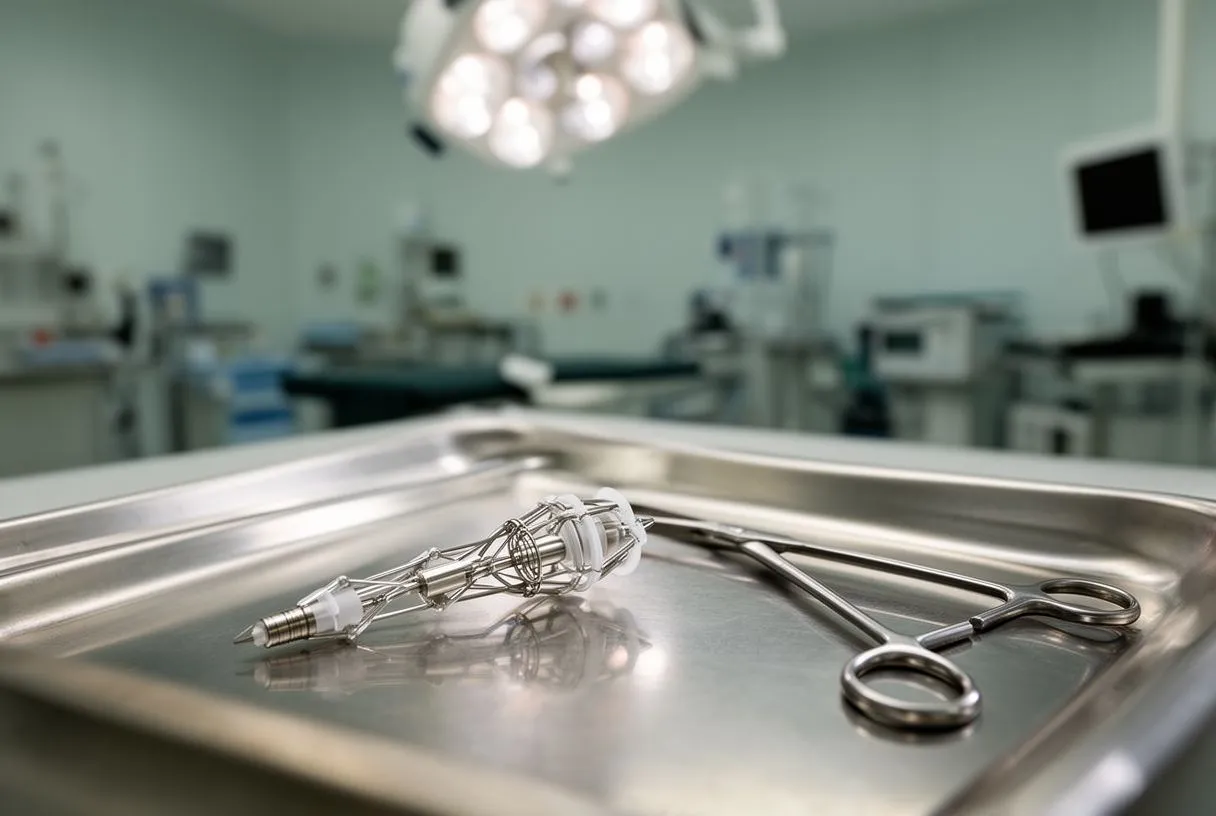
What about less invasive options? Not every blockage requires open surgery. A stent — a small metal mesh tube placed through a catheter in the wrist or groin — can reopen a narrowed artery without opening the chest. For selected patients with complex disease, minimally invasive and robotic bypass techniques allow surgery through small incisions rather than a full sternotomy. For damaged valves, transcatheter aortic valve replacement, known as TAVR, replaces a stiffened aortic valve through a catheter, often in patients who are not candidates for open surgery. Our work covers valve disease, coronary disease, the aorta and structural heart conditions; we perform conventional, minimally invasive, robotic and transcatheter procedures, and we recommend the less invasive route only where the evidence supports it for that patient.
How is the decision made? Every case is reviewed by our multidisciplinary team of cardiac surgeons against international practice guidelines before a recommendation is given. The patient receives a clear proposal with the alternatives, and the final decision is always theirs. We encourage second opinions and treat seeking one as a normal part of deciding about heart surgery; in fact, asking for one before high-risk surgery is something we actively support.
Living with High LDL Cholesterol Arteries: Your Next Step
High LDL cholesterol arteries can be managed — and in many cases, the damage can be slowed or partly stabilised — when you act early and follow a clear plan. The essentials come down to a handful of habits: know your numbers, cut saturated fat, move daily, quit smoking, and take the medication your doctor prescribes. For most patients, lowering LDL cholesterol for artery health is a lifelong partnership with a medical team, not a one-time fix.
What can realistically be reversed? Established plaques rarely disappear entirely, but intensive LDL lowering can shrink soft plaques, stabilise their caps, and dramatically reduce the chance of rupture. That is the true goal of "reverse high cholesterol artery damage" — not erasing the past, but preventing the future event. Patients who reach their LDL target consistently after a heart attack or stent live longer and have fewer repeat procedures than those who do not.
When should you seek help? See a doctor if you have chest discomfort with exertion, unexplained breathlessness, leg pain when walking, or an LDL above your target despite treatment. If you have already been told you need heart surgery and feel uncertain, a second opinion from an experienced cardiac team is a reasonable and wise step. In our team, led by Dr Alejandro Molina, a cardiothoracic surgeon trained at the Universidad de Guadalajara, the University of Montreal and CHU Bordeaux, the first contact is a free video consultation where we get to know the patient and talk through the condition — no obligation, no pressure. We have consulting rooms in Guadalajara, Querétaro and Hermosillo, and every recommendation is reviewed by the full team before it reaches you.
The most important takeaway is this: do not self-diagnose, and do not wait for symptoms to force the conversation. Book a consultation with a qualified cardiac team, bring your latest lipid panel, and ask every question you have. The earlier high LDL cholesterol arteries are addressed, the more options you will have — and the more of them will be the gentlest ones.