


High Troponin Meaning: What It Says About Your Heart
Learn the high troponin meaning behind your blood test results.
What Does High Troponin Mean for Your Heart
When a doctor tells you that a blood test showed high troponin, the first word that often comes to mind is heart attack. That reaction is understandable, because troponin is the protein most closely tied to injury of the heart muscle. Yet a single elevated number is not a diagnosis on its own. Understanding high troponin meaning begins with knowing that troponin is a structural protein released when heart muscle cells are stressed or damaged, and the amount leaking into your bloodstream helps estimate how much muscle is involved.
Troponin exists in different forms, but the clinically relevant one for adults is called cardiac troponin, which is found almost exclusively in the heart. There are two subtypes usually measured: troponin I and troponin T. When the heart is injured, these proteins enter the blood within hours and can remain detectable for days. A rising pattern across several samples is far more meaningful than one isolated result, which is why emergency teams repeat the test rather than act on a single value.
The key point for patients and families is that high troponin is a signal, not a sentence. It tells your care team that the heart needs urgent attention, but the underlying cause can range from a blocked artery to severe strain from another illness. The number itself does not tell you what is wrong; the clinical picture does. That is why an elevated result is always read together with your symptoms, your electrocardiogram, and your medical history, never in isolation.
What Causes Elevated Troponin Levels Beyond a Heart Attack
The most recognised cause is myocardial infarction, the formal term for a heart attack, which occurs when a coronary artery becomes blocked and a region of muscle is starved of oxygen. In that setting, troponin rises quickly and substantially. But many other conditions can produce an elevated troponin level without a classic blockage, and knowing these helps you avoid unnecessary panic while still taking the result seriously.
Causes beyond a heart attack include severe infections, kidney failure, intense exercise, inflammation of the heart muscle, abnormal heart rhythms such as Atrial Flutter, and significant strain on the heart from lung disease. Atheromatous Plaque rupture is the classic mechanism for a true infarction, but a stressed heart can leak small amounts of troponin even when no plaque has ruptured. Research compiled by nature.com outlines how non-ischaemic mechanisms, including critical illness and structural heart disease, can raise troponin through cellular stretch and micro-injury rather than complete blockage.
Other contributors include procedures that mechanically stress the heart, such as placement of an Arterial Line or prolonged cardiac surgery, as well as conditions that increase the workload of the left ventricle. The distinction between a true infarction and other forms of myocardial injury is important because the treatments differ. Your cardiologist will look at the whole pattern, not just the laboratory value, before deciding whether the cause is a blocked artery or another form of heart strain.
How Is a Troponin Blood Test Performed and Interpreted
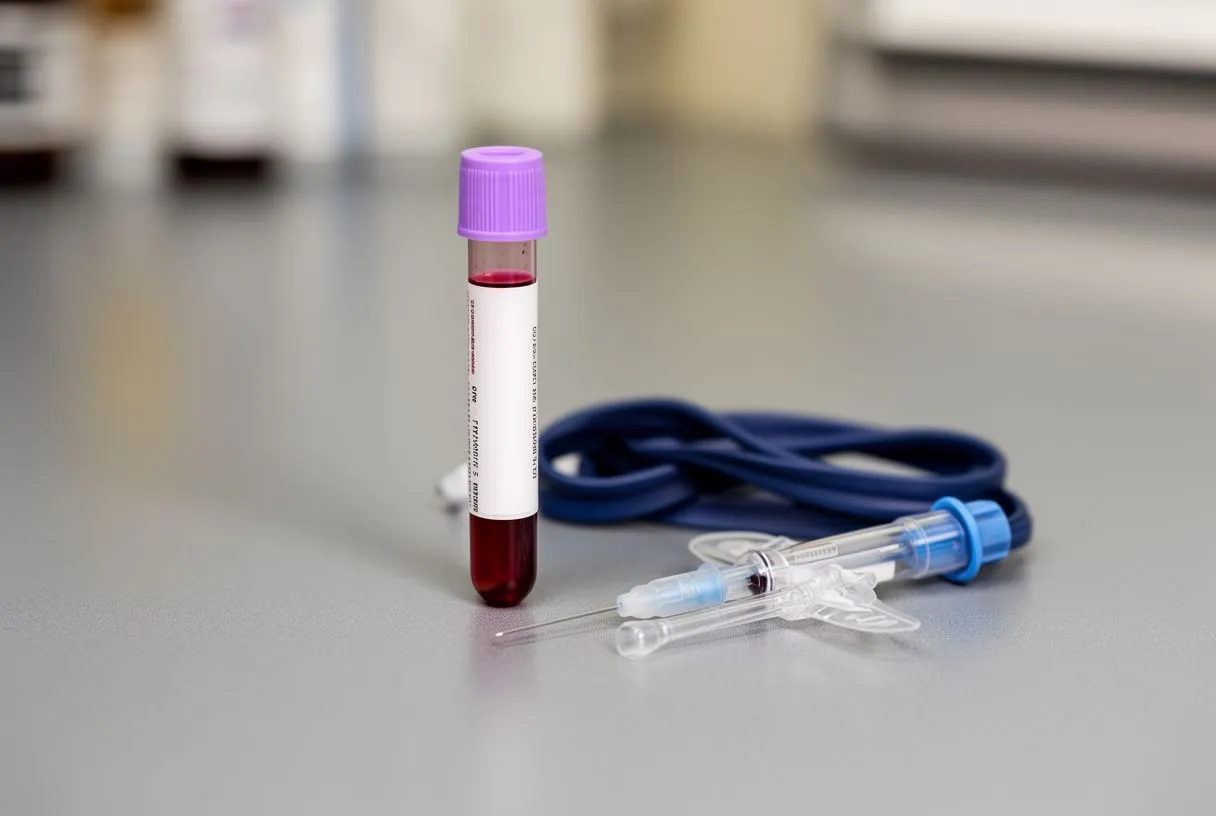
The troponin test is a simple blood draw, usually from a vein in the arm, and it can be processed in minutes in most emergency departments. Arm Pain after the draw is uncommon and brief. What matters clinically is not a single measurement but the trend across serial samples taken several hours apart, because a rising or falling pattern is what distinguishes an evolving injury from a stable, chronic elevation.
Laboratories report a number and a reference range, and modern high-sensitivity assays can detect very small amounts of troponin that older tests missed. This sensitivity is a double-edged sword: it catches small heart injuries earlier, but it also flags minor elevations from non-cardiac causes that would previously have gone unnoticed. Interpreting the result therefore requires comparing your value to the local cut-off and watching how it changes over time.
A common misconception is that any detectable troponin means a heart attack. In reality, healthy people can have low, stable levels, and the concern arises when the value exceeds the laboratory threshold or rises significantly between draws. Your emergency team will pair the blood result with your electrocardiogram, your symptoms, and sometimes imaging such as an echocardiogram before drawing conclusions.
High Troponin Symptoms and When to Go to the Emergency Room
Symptoms that warrant an emergency visit include central chest pressure or tightness lasting more than a few minutes, pain spreading to the jaw or arm, cold sweat, severe shortness of breath, or fainting. These are classic warning signs of possible myocardial infarction, and waiting to see whether they pass can cost precious heart muscle. If you experience them, call emergency services rather than driving yourself.
Not every heart emergency looks the same. An Atypical Infarction can present as indigestion, profound fatigue, or discomfort in the upper abdomen rather than the textbook crushing chest pain. Women, older adults, and people with diabetes are more likely to have these less obvious presentations, which is why a troponin test is often ordered even when the story does not seem classic.
When you arrive, the team will assess you quickly with an electrocardiogram and the first troponin draw. The following list summarises red-flag symptoms that should never wait for a routine appointment:
- Sudden heavy chest pressure lasting more than five minutes, especially with sweating or nausea.
- Discomfort spreading to the jaw, neck, or left arm, even if mild, when it appears with breathlessness.
- Fainting or near-fainting with palpitations or a very fast, irregular pulse.
Troponin Normal Range and Understanding Your Results
Every laboratory sets its own reference value, so there is no single universal number for a normal troponin. In general, a high-sensitivity result below the laboratory cut-off, with no rise between serial samples, is reassuring. Results that sit just above the threshold but remain flat may reflect chronic conditions such as kidney disease rather than an acute heart event.
Reading a troponin level chart requires attention to the units and the timing of the draw. A value taken three hours after symptoms is read very differently from one taken twelve hours later. Clinical guidance, including reviews such as Cardiac Toxicity of Thoracic Radiotherapy: Existing Evidence and Future Directions, notes that troponin can rise in contexts of cumulative cardiac stress, including prior chest radiation, which is relevant for patients with a history of treated cancer.

For most patients, the practical question is not the exact number but whether the value is rising. A single mildly raised result, in a person who feels well and has a normal electrocardiogram, is usually followed by repeat testing rather than immediate intervention. Your cardiologist will explain whether your result reflects an acute event or a background elevation tied to another condition, and what the next diagnostic step should be.
High Troponin and Heart Failure What Is the Connection
Heart failure, a condition in which the heart cannot pump efficiently, is a common setting for mildly elevated troponin. The failing ventricle works under increased wall stress, and that mechanical strain releases small amounts of troponin even without a blocked artery. This is why high troponin meaning must always be interpreted in the context of your overall cardiac function.
Patients with advanced heart failure may have chronically raised troponin, which carries prognostic weight. A persistently elevated value can reflect ongoing remodelling of the Atrium and ventricles, and it tends to correlate with worse outcomes. This does not mean the number alone predicts your future, but it does help your team gauge the severity of the strain on the heart over time.
Systemic inflammation is another factor. Severe inflammatory illnesses, including flares of chronic bowel disease, can stress the heart enough to raise troponin, as discussed in consensus guidance such as the British Society of Gastroenterology consensus guidelines on the management of inflammatory bowel disease in adults. In these cases the elevated troponin reflects whole-body stress more than a primary coronary event, and the focus shifts to treating the underlying inflammation.
Can Stress Tests and Chest Pain Raise Troponin
A common worry is that exertion itself can damage the heart and raise troponin. In healthy people, ordinary exercise does not cause clinically meaningful elevation. Extreme endurance events, such as ultramarathons, can produce small rises that return to normal, but these are not the same as the sustained elevation seen in a heart attack.
A structured troponin stress test, where doctors measure troponin before and after supervised exercise, is sometimes used to detect supply-demand mismatch in the heart muscle. If blood flow cannot meet increased demand, small amounts of troponin may leak. This finding helps identify coronary artery disease in patients whose resting tests are normal, and it guides whether further imaging or intervention is needed.

Chest pain that appears during exertion and eases with rest is called stable angina, and it is a warning sign worth investigating even if troponin is normal at rest. The combination of symptoms, stress test response, and any troponin change guides the decision to proceed to coronary angiography or to begin medical therapy. The goal is to find the lowest-risk strategy for your situation, not to chase a single number.
High Troponin Prognosis and Treatment Options
Prognosis depends entirely on the underlying cause. A high troponin from a small, successfully treated infarction can carry an excellent outlook, while the same number in critical illness may reflect the severity of that illness rather than the heart alone. Your cardiologist combines the troponin trend with imaging and your clinical condition to estimate risk.
Treatment is directed at the cause. If a coronary artery is blocked, urgent restoration of flow, sometimes supported by medications such as Aspirin, is the priority. If the cause is heart failure, therapy focuses on reducing the workload of the heart. If the elevation reflects systemic illness, treating that illness usually brings the troponin down. The following list outlines the main treatment directions:
- Coronary intervention for confirmed infarction, including stenting or, in selected cases, bypass using an Arterial Graft.
- Medical therapy for heart failure or stable coronary disease, guided by guideline thresholds and your overall risk score.
- Treat the underlying illness when troponin elevation stems from infection, kidney failure, or inflammation.
Decisions are not made on the laboratory value alone. Tools such as EuroSCORE II help estimate operative risk when surgery is being considered, and imaging such as echocardiography assesses how much muscle is still functioning. Your team will weigh these together to recommend the option with the lowest risk for your specific situation.
How a Cardiologist Interprets Cardiac Troponin Elevation
A cardiologist reads troponin as part of a narrative, not as a standalone verdict. The first question is always whether the elevation is acute, meaning a clear rise and fall over hours, or chronic, meaning a stable, low-level elevation. Acute rises point toward an event that needs urgent attention, while chronic elevations suggest ongoing strain or background conditions.

The next step is to integrate the physical examination. Auscultation, listening to the heart with a stethoscope, may reveal a new murmur, irregular rhythm, or signs of fluid overload that contextualise the laboratory result. Blood pressure, heart rate, and oxygen levels add further detail. Together these findings determine whether the troponin reflects a blocked artery, heart failure, a rhythm problem, or a systemic illness.
Imaging is often the deciding factor. An echocardiogram shows whether regions of the heart are not contracting properly, which supports a diagnosis of infarction. A coronary angiogram may follow if the pattern suggests a blocked artery. The cardiologist's role is to convert a single blood number into a clear plan, explaining each step so you understand why a particular treatment is recommended and what alternatives exist.
Finding the Right Cardiac Team for High Troponin Results
Receiving a high troponin result can feel overwhelming, especially when you are far from home or navigating an unfamiliar health system. The most important next step is a structured evaluation by a qualified cardiac team that can interpret the result in context, not in isolation. A calm, evidence-based assessment is far more useful than an immediate assumption of catastrophe.
If you have a known cardiac history, bring your previous results, medication list, and any imaging reports to your consultation. If your troponin was checked during an emergency visit, request the serial values rather than just the final number, because the trend tells the story. Understanding whether your elevation was acute or chronic helps you and your team choose the right follow-up, whether that is further testing, medication adjustment, or simply reassurance.
A cardiologist can evaluate questions about high troponin meaning, chest pain, and possible coronary disease. Rather than self-diagnosing from a laboratory report, we encourage you to book a consultation with a qualified cardiac team who can review your full clinical picture. A measured, expert assessment is the safest way to understand what your troponin result truly means for your heart and what steps, if any, are needed to protect it.






