

Is heart surgery safe? What the risks really are
Is heart surgery safe?
How surgical risk is calculated, which factors raise it, the real frequency of each complication, and what you can do yourself to lower the odds. Is heart surgery safe for you? These are the numbers that answer it. Surgeons estimate your own risk with tools such as the risk calculator from the Society of Thoracic Surgeons.
How risk is assessed before heart surgery, which factors increase it, what complications can occur and how often, and what you can do yourself to reduce them.
Hearing that you or someone you love needs heart surgery can be one of the most overwhelming pieces of news in life. It is normal to feel fear and uncertainty, and to have a great many questions.
One of the questions patients and their families ask most often is: "How dangerous is it? Is this operation really safe?"
The good news is that heart surgery — open-heart surgery — is today far safer than in the past, thanks to medical advances, technology and highly trained professional teams.
But like any major procedure it is not free of risk. It is worth mentioning that the great majority of heart operations today are performed electively, that is to say planned in advance, rather than as emergencies.
Is heart surgery safe?
The quick, clear answer is yes. The great majority of cardiac operations are carried out successfully. Procedures such as valve replacement, coronary bypass and even heart transplantation currently have very high rates of survival and recovery, particularly when:
- The surgery is planned rather than an emergency
- The patient arrives well prepared
- It is carried out at a hospital with experience
- The medical team follows up-to-date protocols
Even so, every patient is unique, and it is fundamental to assess individual risk before going into theatre.
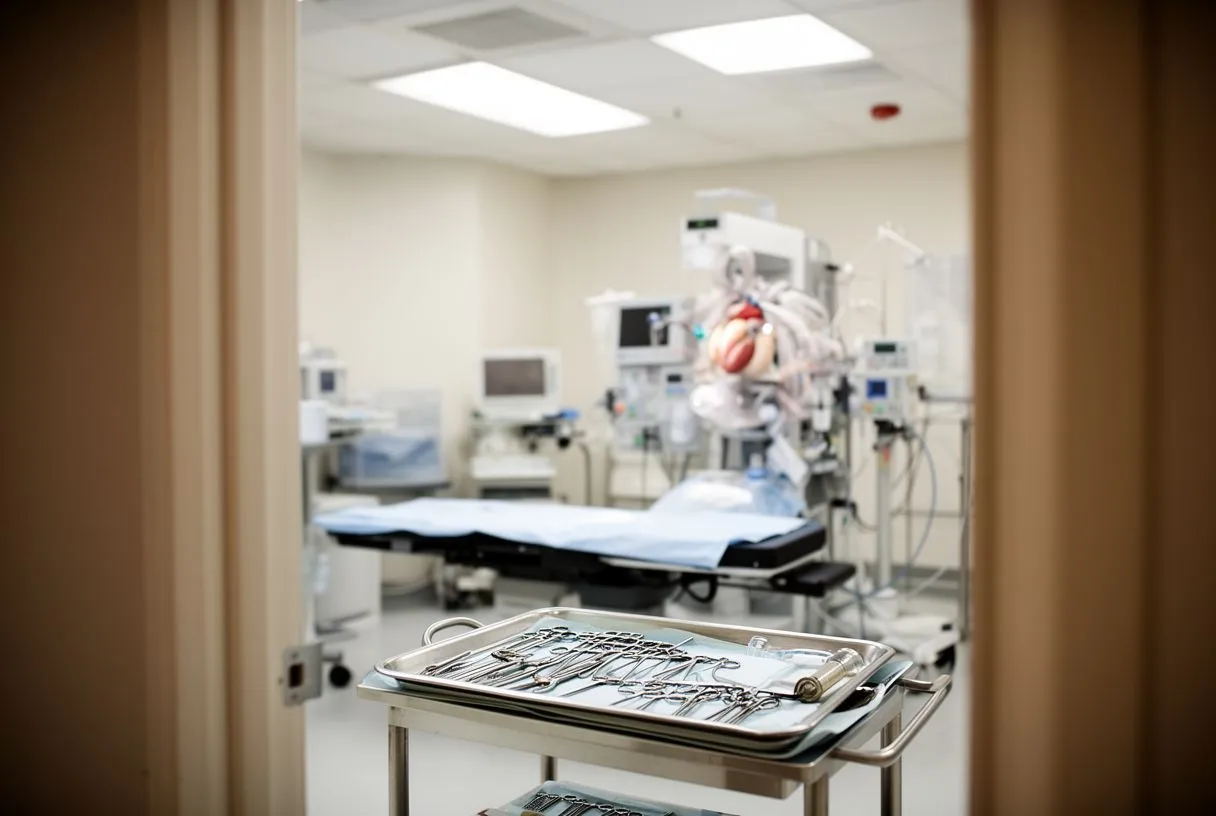
Which factors increase surgical risk?
Some patients have conditions that can make the surgery or the recovery more complex. These are the most important factors doctors take into account:
- Older age. This is relative. Age on its own is not a contraindication or a risk factor; it depends on the state each patient is in at each age. There are people over 70 or 80 in excellent physical and mental condition, just as there are people of 55 in very poor health.
- Poorly controlled high blood pressure. The longer it has been badly controlled, the more it tends to affect.
- Diabetes, especially where it affects the kidneys or the circulation. If it has been out of control for many years, there is usually damage to several organs, including the heart, kidneys and brain.
- Lung problems such as COPD, or a history of smoking. Smoking is probably the most important risk factor there is for your heart.
- Obesity, which can make breathing and healing more difficult.
- Kidney failure — kidneys with impaired or greatly reduced function.
- A very weak heart or one with reduced function (low ejection fraction), or a heart that is very dilated or diseased.
- Emergency surgery, or patients in a critical state. The fact that an operation is carried out urgently usually has an important impact on the risk of the procedure.
Having one or more of these factors does not mean you cannot have surgery — but it does mean your medical team will need to prepare you with greater care, monitor you more closely, and choose the best moment to operate.
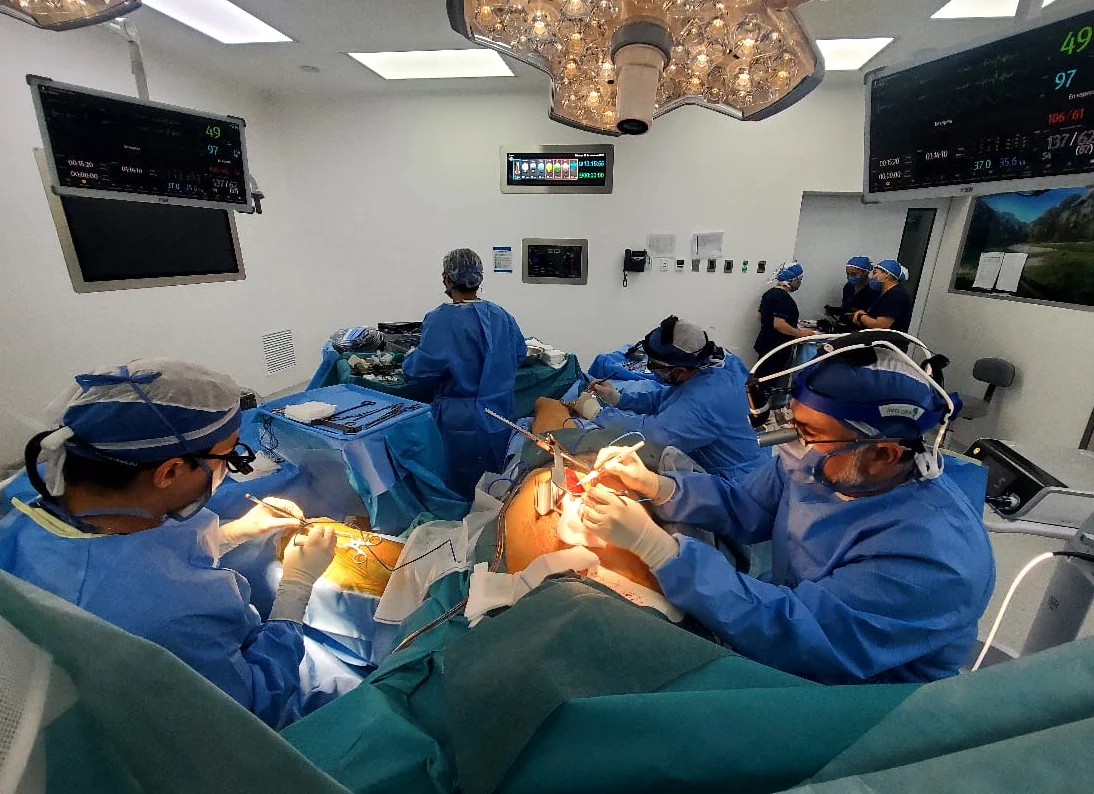
How is risk calculated?
It is not a hunch. Surgeons use internationally validated medical tools such as EuroSCORE II and the STS Score, which calculate, on the basis of thousands of cases, the estimated risk of complications or death.
These tools take into account age, chronic illnesses, the function of the heart, the type of surgery (valve, coronary, transplant and so on), and the patient's general condition.
For example, a young patient with no previous illness having planned surgery may have a surgical risk of under 1%. By contrast, someone of advanced age with several risk factors having emergency surgery may have a risk above 10%.
The aim is not to frighten you, but to make informed decisions and prepare you as well as possible.
What complications can occur?
One of the most frequent — and entirely valid — questions patients and families ask before heart surgery is: "Doctor, what are the risks? What could happen to me?"
Although cardiac surgery today is far safer thanks to medical advances and the experience of surgical teams, as with any major operation some complications can arise. They do not always occur, but it is important to know about them, discuss them honestly, and understand that in most cases they can be prevented, treated or managed in time.

The most common complications
After the operation, the most frequent thing is for the patient to experience certain temporary changes in their body. It is not unusual, for example, for an irregular heart rhythm called atrial fibrillation to appear. It is a fairly common arrhythmia in the first days after surgery and, although it sounds alarming, it is usually well controlled with medication and leaves no lasting effects.
There can also be some inflammation, discomfort at the wound, or even fluid accumulation causing swelling in the legs or lungs. This happens because the body is responding to the "stress" of surgery and to the use of the heart–lung machine. In most cases all of this improves with treatment and the passing of the days.
In older patients or those with a neurological history, there can be moments of temporary confusion or disorientation after the operation, which we call delirium. This is usually passing, but requires monitoring and support from the family.
Some people need a blood transfusion, which is part of the normal protocol at many hospitals, and others may have a mild infection of the surgical wound. Most of these complications are treatable and do not put life at risk.
Common complications
These occur in 5 to 30% of patients, depending on the case.
| Complication | What it is | Estimated frequency |
|---|---|---|
| Postoperative atrial fibrillation | An irregular heart rhythm appearing after surgery. | 20–25% |
| Wound infection | Can occur at the sternum or where drains are placed. | 3–4% |
| Prolonged pain or inflammation | Normally mild, but can last several weeks. | 10% |
| Temporary confusion or disorientation (postoperative delirium) | More common in older patients. | 10–20% |
| Fluid retention or swelling | From temporary circulatory or kidney changes. | 15–25% |
| Need for blood transfusion | From normal bleeding during surgery. | 30–45% in open surgery |
And the more serious complications?
Fortunately, serious complications are uncommon, particularly when the surgery is planned and the patient is well prepared. Even so, it is important to know they exist.
One is a heart attack, which can occur during or after the operation, though in fewer than 3% of cases. There can also be a stroke, caused by clots travelling to the brain during surgery. This is rare, but more likely in people with existing vascular problems.
Another possible complication is acute kidney failure, especially in patients whose kidney function is already impaired. Sometimes it is mild and resolves on its own, but in more serious cases it can require temporary support with dialysis.
In some patients there can be excessive bleeding, which sometimes means returning to theatre to check it. And, although very infrequent, there is the risk of a deep infection of the sternum, which requires prolonged antibiotics and special care.
The most serious of all — and obviously always the difficult part of the conversation — though fortunately infrequent, is death during or after surgery. In planned heart operations with good preparation, that risk is usually below 1 to 3%. In patients in a critical state or with many illnesses at once, however, that number can be higher.
In well-planned operations with experienced teams, mortality is below 1 to 3%, which means that in more than 97% of cases everything goes well.
More severe complications
Less common, but important.
| Complication | What it involves | Estimated frequency |
|---|---|---|
| Heart attack during or after surgery | Usually from damage to the coronary arteries or poor perfusion. | 1–2% |
| Stroke (neurological event) | Can occur from small clots or emboli. | 1–2% |
| Acute kidney failure | The kidneys stop working properly, temporarily or permanently. | 5–10% (severe: 1–3%) |
| Significant bleeding requiring reoperation | In rare cases, a return to theatre is needed to control bleeding. | 2–5% |
| Deep sternal infection (mediastinitis) | Infrequent, but serious when it occurs. | 0.5–2% |
| Pneumonia | Postoperative lung infection, more common in patients with COPD or smokers. | 2–5% |
| Multi-organ failure or death | Overall risk depends on the patient's condition. | Overall mortality: 1–5% (in planned surgery, even under 1%) |
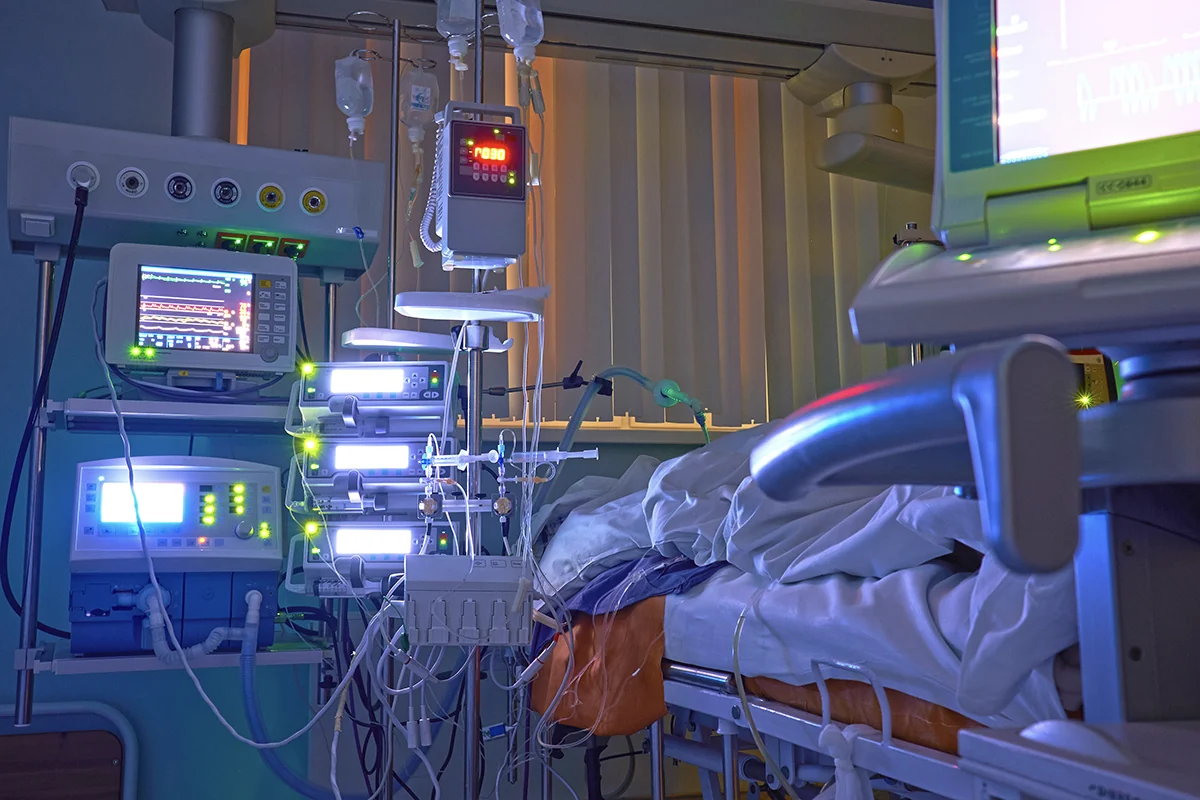
What can you do to reduce the risks?
A great deal. You and your family are a key part of the success. Some recommendations before surgery:
- Keep your diabetes, blood pressure and cholesterol well controlled
- Stop smoking at least four weeks before the operation
- Follow all medical instructions
- Ask about anything you do not understand
- Report any new symptom
- Keep in constant communication with your medical team
Surgery is not just the moment of the scalpel. It is a team process, and you are a fundamental part of it.
Is minimally invasive or robotic surgery safer?
In many cases, yes. Minimally invasive or robot-assisted cardiac surgery has transformed how we operate on the heart, especially in procedures such as valve replacement or the repair of certain cardiac structures.
By operating through small incisions, without fully opening the sternum, we reduce surgical trauma, lower bleeding, pain and infection, and speed up recovery. That means the patient can get up sooner, breathe better, walk sooner and return to normal life earlier.
In centres with robotic technology and specialist teams, these techniques can offer results just as effective as open surgery, but with less risk of postoperative complications.
Not every patient is a candidate, but if you are, your surgeon will explain whether this option is possible and safe for your particular case.
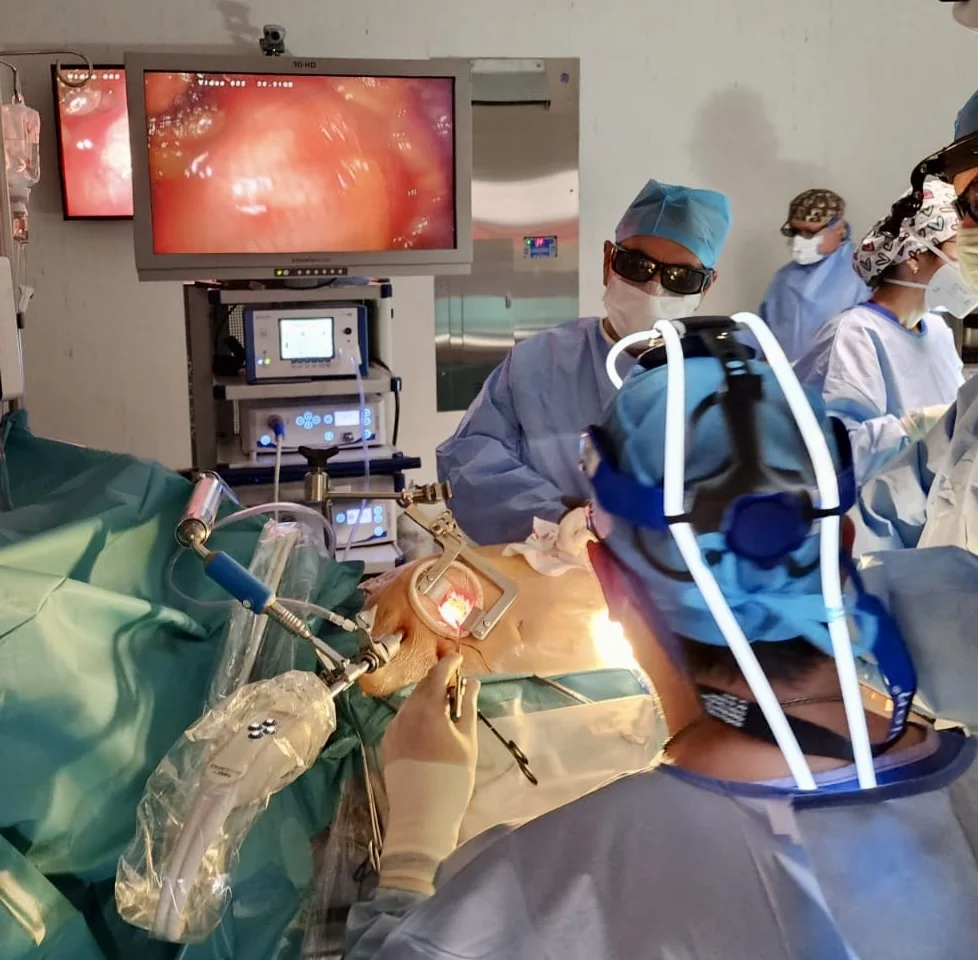
What is minimally invasive cardiac surgery?
It is a more modern way of operating on the heart without needing to open the chest completely — that is, without splitting the sternum from top to bottom as in traditional surgery.
Instead of a large incision in the chest, small incisions are made — between 3 and 6 cm — through which special instruments and a camera are introduced. Through these incisions the surgeon can repair valves, close defects or even replace structures of the heart, with the same precision but causing less trauma to the body.
The advantages:
- Less pain after surgery
- Less blood loss and less need for transfusion
- Lower risk of infection
- Faster recovery, with shorter hospital stays
- Smaller and more cosmetic scars
- Greater comfort for the patient and an earlier return to normal life
And robotic surgery?
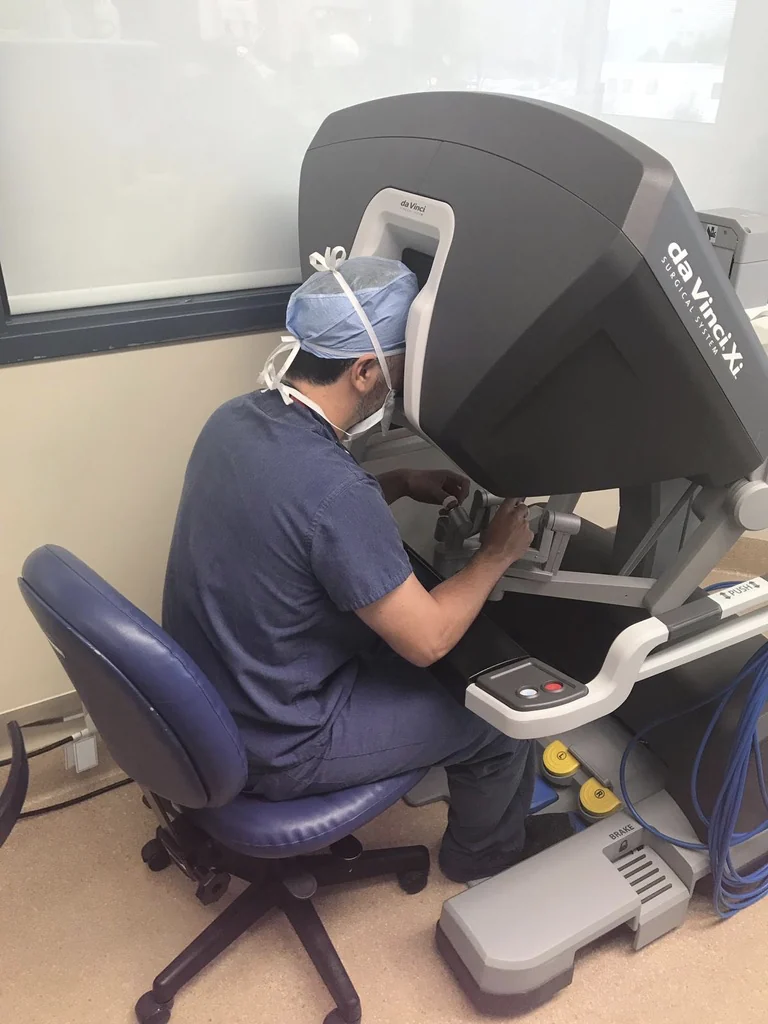
Robotic surgery is an advanced form of minimally invasive surgery. It uses a robotic system controlled directly by the surgeon, known as the Da Vinci Xi system, which allows magnified vision and finer, more precise movements. It is especially useful for repairing valves or working in delicate areas of the heart.
Can every patient be operated on this way?
Not always. Whether minimally invasive techniques can be used depends on the type of disease, the patient's condition and the experience of the surgical team. In some cases traditional surgery remains the safest option.
That is why it is important to assess each case individually. But where it is possible, minimally invasive surgery represents an excellent alternative, with fewer risks and a gentler recovery.
What happens in the medium and long term?
After getting through the immediate recovery, some complications can also arise in the medium or long term, depending on the type of surgery and the care afterwards.
In patients with artificial heart valves, for example, it may be necessary to take anticoagulants for life, which means frequent checks and a risk of bleeding if instructions are not followed properly.
In other cases there can be problems with healing of the sternum, persistent muscular discomfort or, over time, wear of biological valves, which could require a further intervention years later.
It is also possible that some patients develop heart failure if the heart was already very weakened before surgery.
That is why long-term medical follow-up, good cardiac rehabilitation and maintaining a healthy way of living matter so much. Surgery is not the end of the road, but the beginning of a new stage that has to be looked after with consistency and attention.
What is cardiac rehabilitation, and why does it matter so much?
Many people think that once the surgery has gone well, the work is done. In reality, the heart's full recovery does not end when you leave hospital. This is where something fundamental comes in: cardiac rehabilitation.
Cardiac rehabilitation is a specialised, supervised programme including adapted physical exercise, education about cardiovascular health, emotional support and nutritional guidance. Its aim is to help you rebuild strength, recover confidence, improve your quality of life and prevent further heart disease.
It has been shown that patients who take part in rehabilitation have fewer hospital admissions, fewer long-term complications and a greater life expectancy. It also lets them resume daily activities with more confidence, improve their mood and feel in control of their health again.
It is an essential part of treatment, not a luxury. If your medical team recommends it, it is worth doing: it is an investment in your heart, your future and your wellbeing.
Is heart surgery safe for you? Turning numbers into a plan
Tables of percentages are useful, but they describe groups of people. Your own heart surgery risks depend on your heart, your other illnesses and the operation you need. The best answer to "is heart surgery safe for me?" comes from a conversation with your team.
Good heart surgery preparation starts with that conversation. Questions worth asking include:
- Is heart surgery safe at my age and with my other conditions?
- What is my estimated risk score, and what drives it?
- Which cardiac surgery complications are most likely in my case?
- Is there anything I can improve before the operation to lower my risk?
- Is a minimally invasive approach possible for me?
- How many of these operations does the team perform?
- What will heart surgery recovery look like, week by week?
Write the answers down and bring a relative with you. A good team welcomes these questions.
In our practice we also look at the whole person. Breathing, nutrition, kidney function, mood and support at home all count. Small improvements before surgery can make the recovery smoother.
So, is heart surgery safe? For most planned operations, in a well-prepared patient and an experienced centre, the answer is yes. Is heart surgery always perfectly safe? No operation is free of risk. Our job is to know your risk, lower it where we can and explain it honestly.
We are with you
If you or someone you love is facing heart surgery, we want you to know that you are not alone. Our commitment is to accompany you with honesty, clarity and care at every step.
Heart surgery is not just about repairing a valve or an artery. It is about improving your life, giving you more years to share with the people you love, and doing so with quality. Having an experienced and properly prepared team is fundamental. There must be a proper doctor–patient relationship throughout, in which you feel free to talk and to express every question you have.

About the author
Dr Alejandro Molina is a cardiovascular surgeon practising in Guadalajara, Querétaro and Hermosillo. He trained in cardiothoracic surgery at the Universidad de Guadalajara, completed advanced training in cardiac surgery, minimally invasive surgery, robotic surgery and structural interventions at the University of Montreal, and a fellowship in structural cardiology and TAVR at CHU Bordeaux, France. He performed the first robotic mitral valve repair in the Ángeles Health System and the first robotic heart surgery in Guadalajara.
Medical degree: Universidad Autónoma de Guadalajara, Cédula Profesional 5757260 · Cardiothoracic surgery: Universidad de Guadalajara, Cédula de Especialidad 10768871 · Current certification, Consejo Nacional de Cirugía del Tórax, no. 447
Talk to a specialist
Request a free video consultation to clear up your questions and make a better-informed decision.





