Late Complications After Heart Surgery: What to Watch For
Late complications heart surgery patients face can appear months or years later.
Most people who have heart surgery go on to live full, active lives. But surgery on the heart is a big event for the body, and some problems do not show up in the first days or weeks. Late complications heart surgery patients may face are issues that appear weeks, months, or even years after the operation. Knowing what they are, why they happen, and what warning signs to watch for helps you and your family stay calm, stay observant, and get help early when it matters.
What Are Late Complications of Heart Surgery?
Defining the timeline. Surgeons usually divide problems after an operation into three windows. Immediate complications happen during surgery or in the first days. Early complications appear within roughly six weeks, while wounds are still healing. Late complications after heart surgery are those that surface after that early period — sometimes months later, sometimes years later, when many patients assume the hard part is over.
Why "late" does not mean "unexpected." These problems are well known to cardiac teams. They include rhythm disturbances, fluid collecting around the heart, infection at the incision, narrowing or failure of a repaired valve, and blockage of bypass grafts. None of them is a surprise to your surgical team, and most can be managed well when found early — which is exactly why follow-up visits exist.
The good news behind the worry. The majority of patients never experience a serious late problem. The goal of this guide is not to alarm you, but to give you a clear map: what can happen, what it feels like, and what your follow-up schedule is designed to catch. Ask for a written follow-up plan when you leave and review it with your family, so no one is guessing what comes next.
When Do Late Complications After Heart Surgery Begin?
The first six weeks. This is the early healing window. The breastbone is still knitting together, the incision is still closed by sutures, and the body is adjusting to a lower blood count from the operation itself. Most wound-related and rhythm-related problems start here, which is why visits are frequent in this period.
Six weeks to one year. Once the sternum is solid, attention shifts to how the repair itself is behaving. This is when cardiac surgery late complications such as a slowly tightening valve, a narrowing at a repair site, or a bypass graft beginning to narrow may first show on testing — often before you feel anything at all. That silent quality is the strongest argument for keeping every scheduled appointment.
Beyond one year. Heart surgery complications years later are real but usually slower-moving. Grafts can develop blockages over many years, replacement valves can wear or leak, and scar tissue can mature in ways that cause symptoms. This is not a reason to live anxiously; it is a reason to keep a long-term relationship with a cardiology team rather than disappearing after the first year.
What Are the Five W's of Postoperative Complications?
A classic teaching tool. Surgeons have long used "the five W's" to organize why complications happen in the days and weeks after any operation: Wind, Water, Wound, Walking, and Wonder drugs. Each "W" points to a body system and a typical problem. Understanding them helps you see the logic behind your recovery instructions instead of following them blindly.
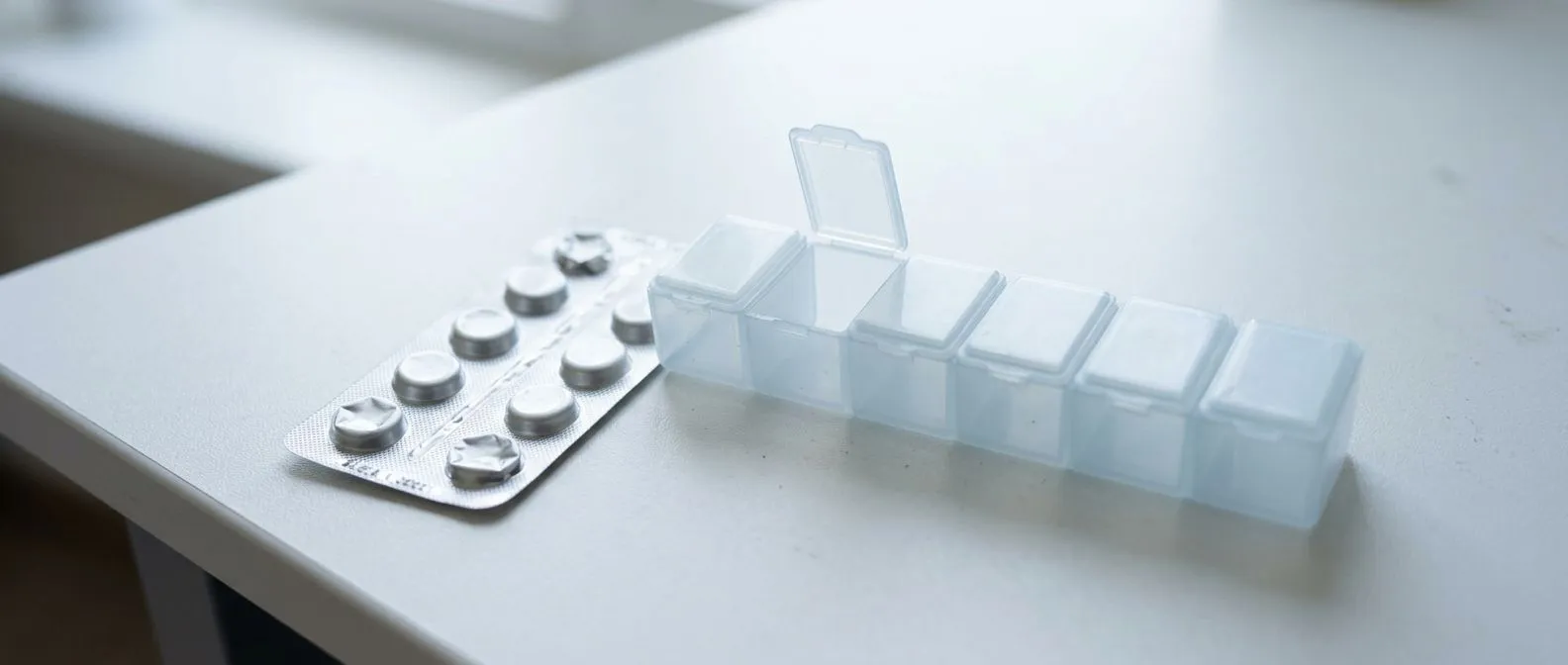
How the W's map to heart surgery. Wind refers to the lungs — pneumonia and collapsed air sacs, prevented by breathing exercises. Water refers to fluid balance — excess fluid or low blood count. Wound covers the incision, breastbone, and leg or forearm harvest sites. Walking stands for blood clots in the legs and immobility problems. Wonder drugs refers to medication side effects and reactions.
- Wind: use your breathing device daily; deep breaths keep the lung sacs open.
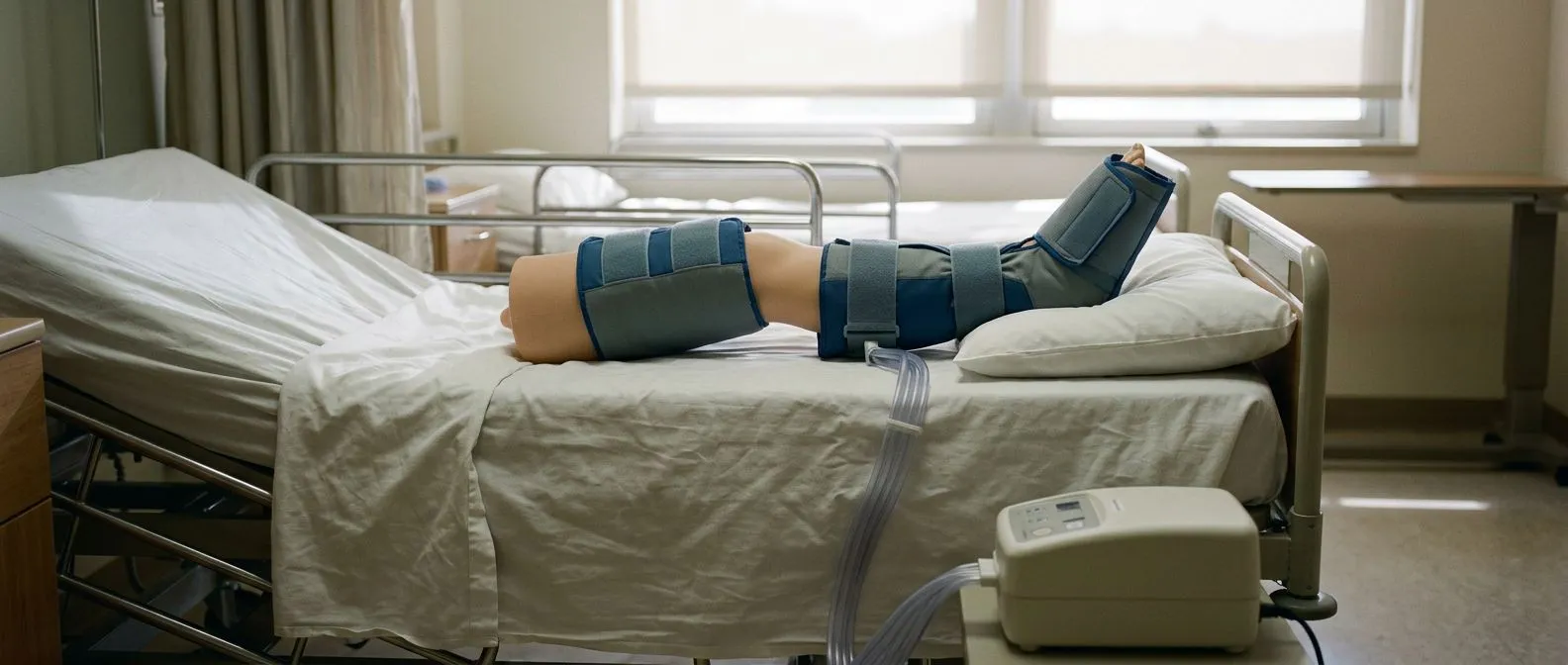
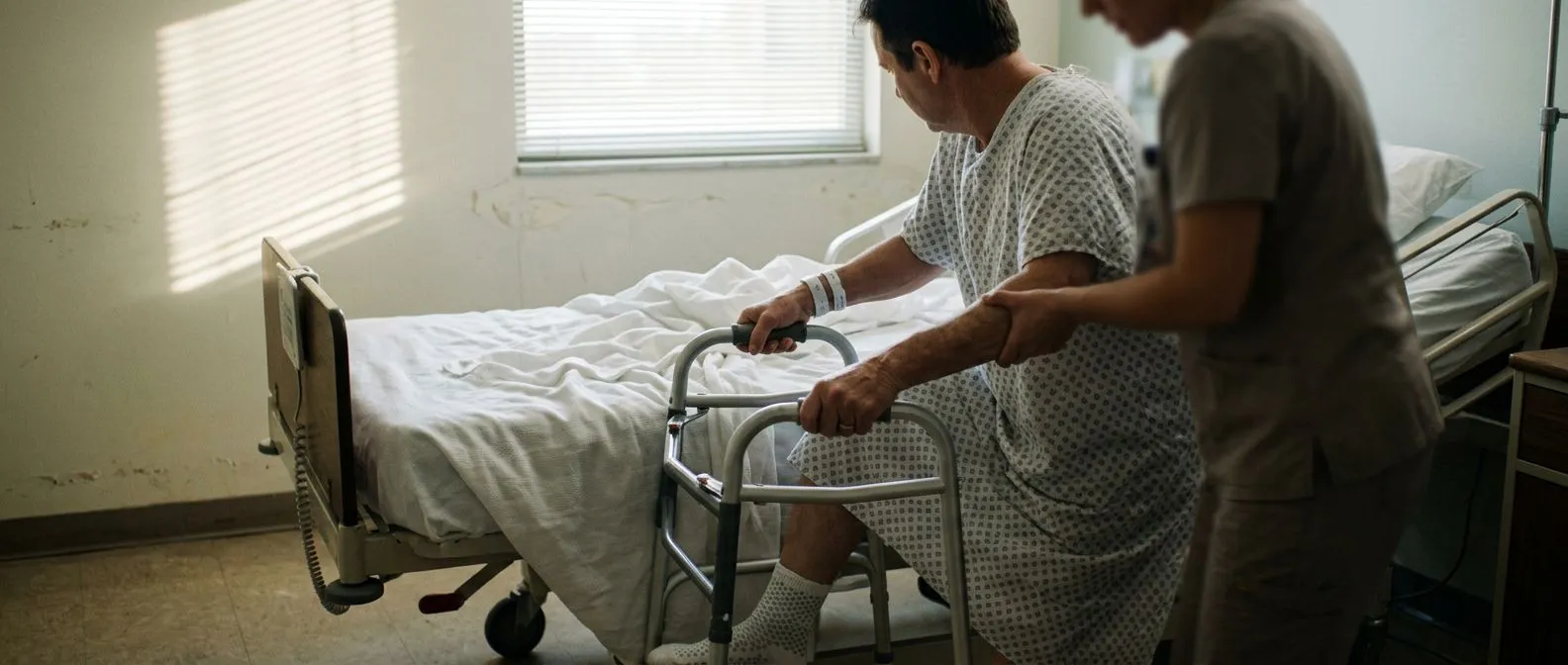
- Walking: short, frequent walks prevent clots; movement is medicine after surgery.
- Wound: inspect your incision and harvest sites every day during healing.
Why this framework still matters late. Even years afterward, the same systems explain most cardiac surgery late complications. A rhythm problem relates to the electrical "wiring" disturbed by the operation; a scar problem relates to the wound. Recognizing which system a symptom belongs to helps you describe it clearly to your doctor.

What Heart Rhythm Problems Can Appear After Surgery?
The most common late rhythm issue. Atrial fibrillation — an irregular, often rapid rhythm in the heart's upper chambers — is the most frequent rhythm problem after open heart surgery. It often appears in the first days, but it can also appear or return months later. Symptoms may include a fluttering or racing heartbeat, sudden fatigue, or shortness of breath during activity you previously managed.
Why surgery disturbs the heart's wiring. Operating near the heart causes inflammation and temporary irritation of the conduction system, the electrical pathways that coordinate each beat. Most of this settles on its own. In some patients, particularly after valve surgery or procedures on the mitral valve, a slower or irregular rhythm can persist and needs medication, a pacemaker, or both.
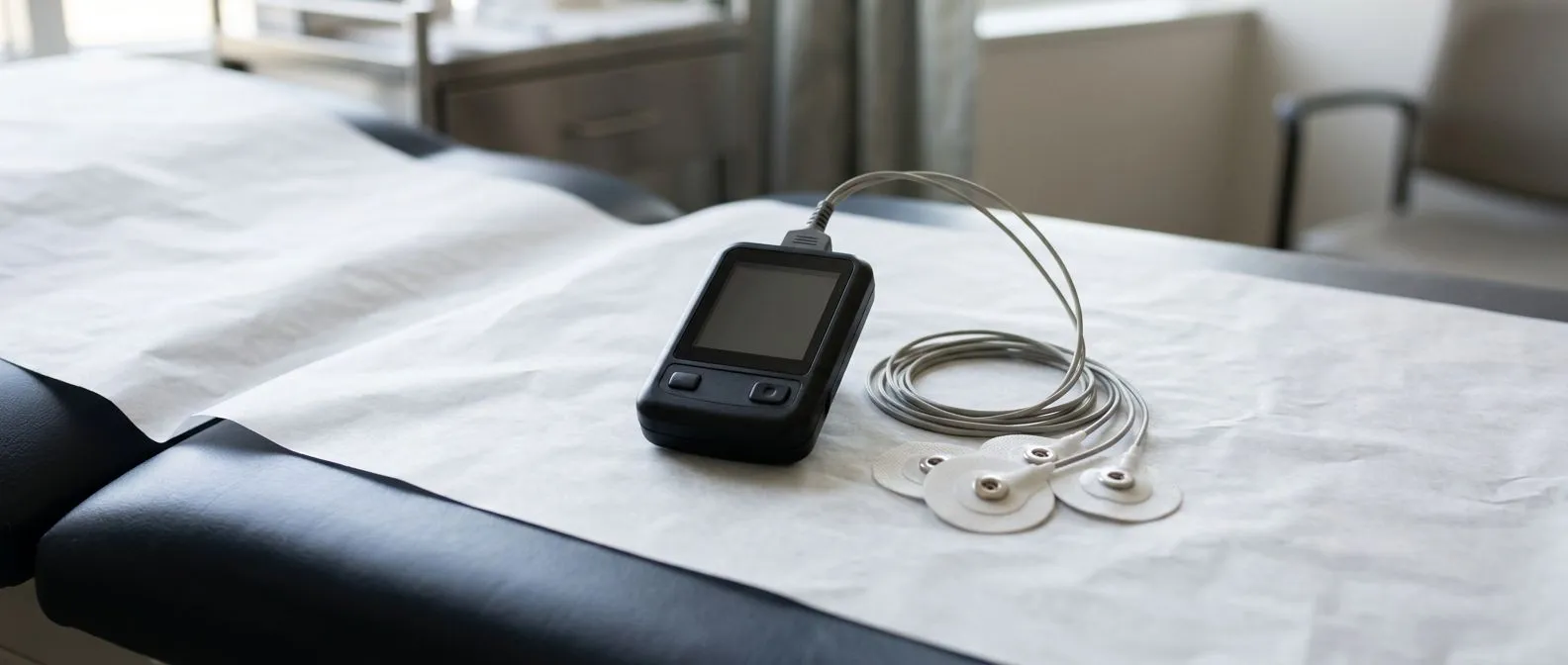
What you can do. Keep a simple record if you feel palpitations: what you were doing, how long it lasted, and how it ended. Modern smartwatches that record a single-lead rhythm can help your team, though they never replace a proper electrocardiogram. We tell every patient we operate on that reporting a rhythm change early is one of the most useful things they can do for their own recovery — most rhythm problems are far easier to treat when we see them early.
What Does Fluid Around the Heart After Surgery Mean?
What the pericardium is. The heart sits inside a thin, lubricated sac called the pericardium. After any cardiac operation, it is normal for some fluid to collect there temporarily as part of healing. Small amounts cause no symptoms and resolve on their own.
When fluid becomes a problem. A larger collection — called a pericardial effusion — can press on the heart and limit its ability to fill. Warning signs include increasing breathlessness, a feeling of pressure in the chest, swelling of the legs or abdomen, lightheadedness when standing, or a rapid heartbeat. Late collections can appear weeks to months after surgery, sometimes triggered by post-pericardiotomy syndrome, an inflammatory reaction after heart surgery.
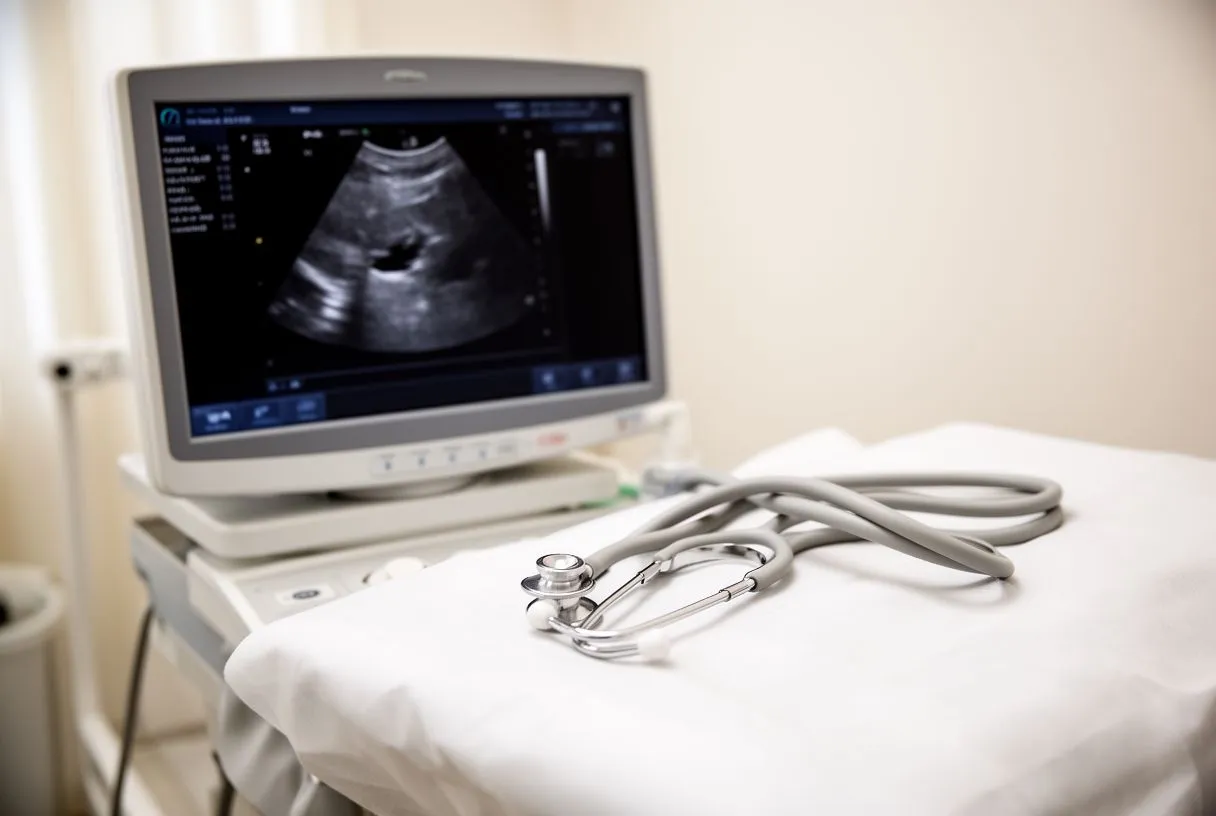
How it is found and treated. Fluid around the heart after surgery is usually detected on a routine echocardiogram — an ultrasound scan of the heart — before it causes symptoms. Small effusions are watched; larger ones may be drained or treated with anti-inflammatory medication. This is one of the clearest examples of why heart surgery follow-up care matters: an echo can catch the problem long before you would.
What Are the Signs of Infection After Heart Surgery?
Normal healing versus infection. Some redness, mild swelling, and tenderness around the incision are expected early on. Infection after heart surgery symptoms are different: increasing redness that spreads, warmth, worsening pain after the first week, drainage that is cloudy, yellow, or foul-smelling, and fever above 38 °C (100.4 °F). Any of these deserves a same-day call to your surgical team.
The deep concern: sternal infection. The most serious wound problem is infection around the breastbone, where the bone was divided and wired back together. It can develop weeks after you left the hospital, when the surface incision looks almost healed. Warning signs include a clicking or grinding sensation at the sternum, increasing instability when pressing on the chest, or fluid leaking from a previously dry incision.
Heart surgery scar complications. Not every late wound problem is infection. Some patients develop thick, raised scars (keloids or hypertrophic scars), small fluid pockets called seromas, or stitched areas that separate slightly. These are usually treatable and rarely dangerous, but they should be assessed rather than ignored. At follow-up visits, the incision, the breastbone and any harvest sites are best examined in person rather than judged only from a photo or a description.
What Long-Term Complications Can Follow Heart Bypass Surgery?
How bypass grafts behave over time. In coronary artery bypass surgery, the surgeon uses vessels — usually an artery from inside the chest wall and veins from the leg — to carry blood around blocked coronary arteries. Arterial grafts, particularly the internal mammary artery, tend to stay open for many years. Vein grafts narrow more often over time, which is why long-term complications heart bypass surgery patients read about usually refer to vein graft disease.
Protecting the grafts you have. The same habits that slow the original coronary disease protect the grafts: not smoking, controlling blood pressure and cholesterol, keeping diabetes well managed, and staying active. International guidelines from bodies such as the American Heart Association (AHA Journals) emphasize secondary prevention — medication and lifestyle after surgery — as the single most powerful tool for keeping grafts open.
Warning signs of a graft problem. New or returning chest discomfort, breathlessness on exertion that had improved, or symptoms that resemble the ones you had before surgery should be reported promptly. These complications after open heart surgery are exactly what follow-up stress testing is designed to detect, often while they are still silent.

What Heart Valve Surgery Complications Can Appear Years Later?
Two kinds of replacement valves, two timelines. Mechanical valves are made of durable materials and can last decades, but they require lifelong blood-thinning medication. Tissue valves, made from animal or human tissue, spare many patients from blood thinners but wear out sooner, especially in younger patients. Heart valve surgery complications years later most often involve either the valve wearing out or blood leaking around it.
Structural valve deterioration. When a tissue valve wears, it can become stiff (narrowing) or leak. The signs are gradual: increasing breathlessness, fatigue, swelling, or a heart murmur your doctor hears. The good news is that a worn tissue valve can often be replaced without repeating open surgery, using a transcatheter approach — a new valve delivered through a tube in the groin, known as TAVR (transcatheter aortic valve replacement).
What we watch after TAVR. TAVR itself has a well-studied follow-up profile. Research programs such as the trial of dual antiplatelet therapy for prevention of peri-interventional embolic events in TAVI (ClinicalTrials.gov) have helped define how blood-thinning strategies after valve procedures are chosen to balance bleeding and clotting risks. Our team performs both surgical and transcatheter valve procedures, and we recommend the less invasive route only when the evidence supports it for that specific patient — every case is reviewed by the whole multidisciplinary team against international guidelines before we propose anything, and the final decision is always yours.
What Does Heart Surgery Follow-Up Care Look Like?
A typical heart surgery recovery timeline. While every plan is individual, the broad shape is similar: a wound check within the first two weeks, a surgical review around four to six weeks, an echocardiogram within the first few months, and then progressively longer intervals — six months, then yearly — assuming everything looks well. Cardiac rehabilitation, a supervised program of exercise and education, is strongly encouraged and helps recovery in measurable ways.
Cardiac rehabilitation after complications. If a complication does occur — a rhythm problem, an effusion, a wound issue — rehabilitation is usually adjusted rather than abandoned. A supervised program lets you regain fitness safely while the team monitors how your heart responds, which is far safer than pushing yourself alone or avoiding activity entirely out of fear.
What happens if you skip follow-up. Many cardiac surgery late complications begin silently. A slowly leaking valve, a narrowing graft, or a modest fluid collection may cause no symptoms for months. Skipping appointments does not make risk disappear; it only removes your early warning system. In the consultation we take the time to explain what each study actually shows, in plain words, so you understand not just that a test was done but why it matters for you.
- Keep every scheduled visit, even when you feel completely well — silent problems are found there.
- Bring a list of your medications and any new symptoms, however minor they seem.
When to Worry After Heart Surgery — and When to Seek Help
Red flags that need urgent care. Some signs should never wait for a scheduled appointment. Go to an emergency department if you experience chest pain or pressure that is new, worsening, or does not settle with rest; severe breathlessness at rest; fainting or near-fainting; coughing up blood; signs of stroke such as weakness on one side, slurred speech, or facial droop; or heavy bleeding or sudden discharge from the incision.
Symptoms that need a prompt call, not an emergency visit. A feeling of palpitations that comes and goes, mild swelling in the ankles, low-grade fever, increasing fatigue, or a change in how your scar looks are all reasons to contact your surgical team the same day. Deciding when to worry after heart surgery gets easier with a simple rule: anything new, persistent, or worsening deserves a conversation.
A second opinion is normal. If you are facing a recommendation you feel unsure about, or you want to confirm a plan, seeking a heart surgery second opinion is a normal, sensible part of deciding — not a betrayal of your surgeon. We actively encourage second opinions and treat them as a routine part of good decision-making about heart surgery. The first contact with our team, led by Dr Alejandro Molina with consulting rooms in Guadalajara, Querétaro and Hermosillo, is a free video consultation: we get to know you, talk through your condition, and tell you which studies are actually still needed — so no unnecessary tests are ordered.
Late complications heart surgery patients face are real, but they are also predictable, monitorable, and mostly treatable when caught early. The pattern to remember is simple: keep your follow-up appointments, know your red flags, report anything new, and stay engaged with a cardiology team for the long term rather than only the first year. If you are preparing for heart surgery, recovering from one, or unsure about a recommendation you have received, talk through your specific situation with a qualified cardiac team — and if you would like that conversation with our team in Guadalajara, Querétaro or Hermosillo, we invite you to book a consultation rather than try to answer these questions alone.