How the Heart-Lung Machine Keeps You Alive During Surgery
Heart-lung machine surgery is the technology that sustains life during cardiac procedures.
What Is Heart-Lung Machine Surgery and Why Is It Used?
Understanding why doctors recommend heart-lung machine surgery begins with recognizing the incredible complexity of the human chest. When patients present with severe symptoms like Arm Pain or an Atypical Infarction, surgical intervention is often required. To safely stop your heart to repair a blocked artery or replace a damaged valve, surgeons must find a way to keep your body alive without the continuous pumping of blood through your heart. This is where the bypass machine steps in as a temporary, mechanical replacement for your natural cardiopulmonary function.
What does a cardiopulmonary bypass actually do? It takes over the workload of both your heart and your lungs for a few hours. Your heart is a muscle that needs rest to allow the surgeon precise, millimeter-level access to delicate structures, such as the atrium or the coronary vessels. By diverting your blood away from these organs, the machine oxygenates the blood and pumps it back into your body, maintaining stable circulation.
Is it a standard part of open procedures? Yes, for many major cardiac interventions, this machine is the foundation that makes the operation possible. Whether you are undergoing a multi-vessel bypass or a complex valve repair, the bypass circuit ensures your brain and other vital organs receive the oxygen they need while the surgical team works on a still, bloodless heart. This controlled environment is what allows for the safest, most accurate repairs.
How Does the Heart-Lung Machine Function During Surgery?
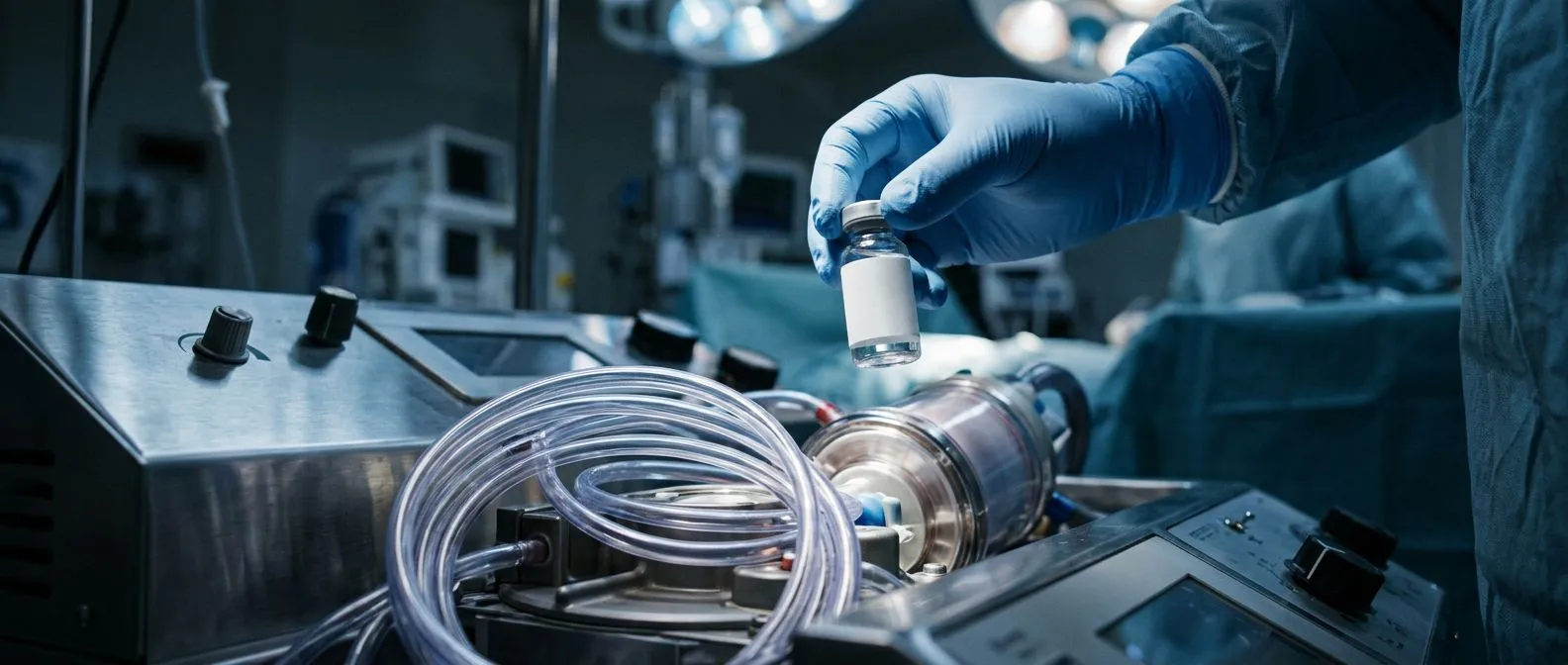
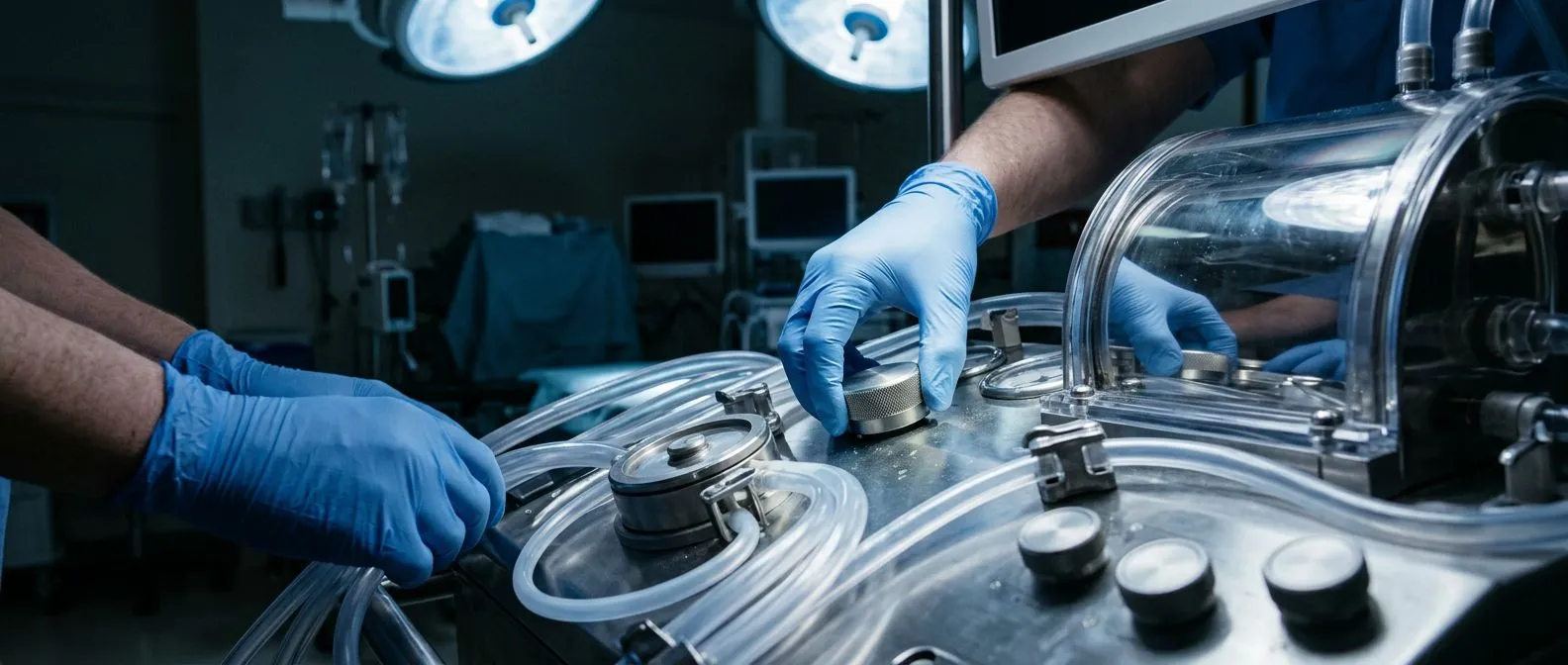
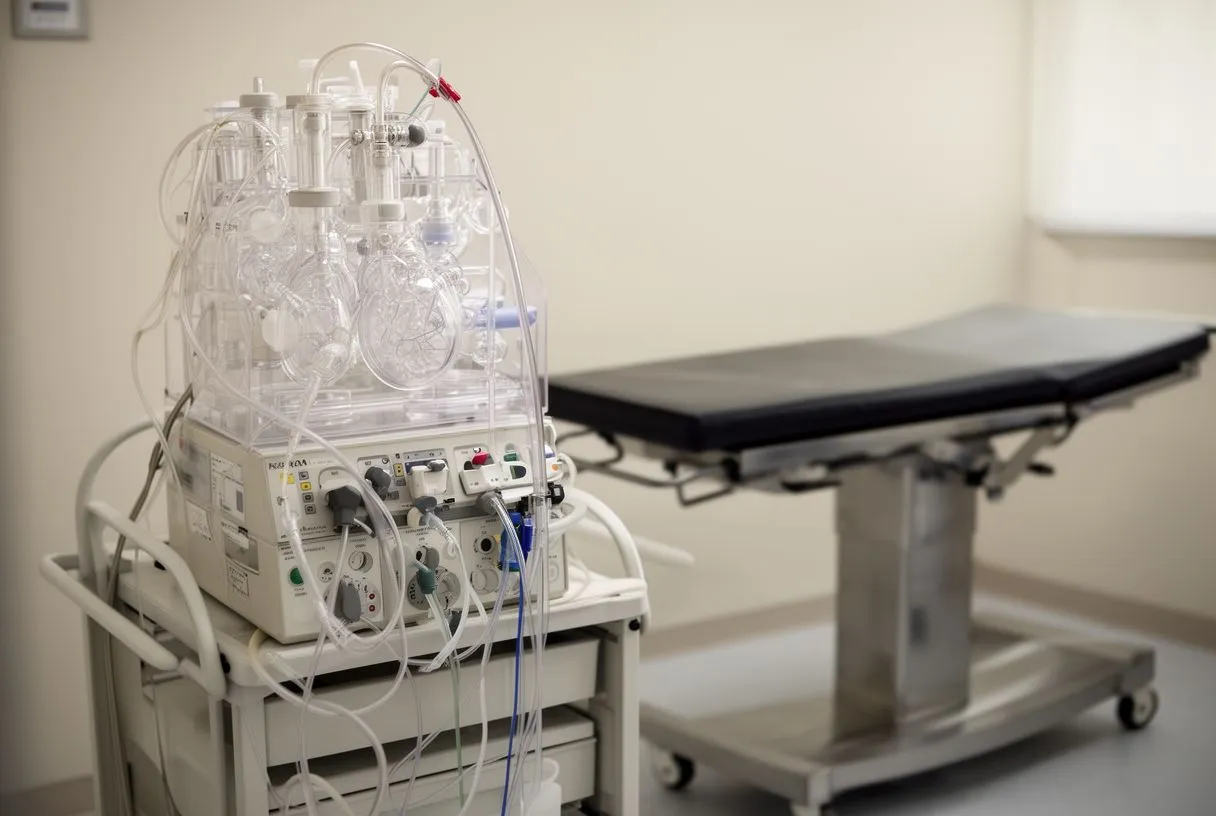
The mechanics of this device are a marvel of biomedical engineering, designed to mimic the natural flow of your circulatory system. Venous blood, which is low in oxygen, is drained from your body into the machine through specialized tubing. Once inside the device, the blood passes through an oxygenator, which functions much like your lungs, adding fresh oxygen and removing carbon dioxide. This process ensures that the blood returning to your body is rich in the oxygen your tissues need.
How is blood temperature managed? During the procedure, the machine also controls your body temperature. The perfusionist, the specialist operating the device, may intentionally cool your blood to lower your body's metabolic rate. This cooling reduces the oxygen demand of your tissues, adding an extra layer of safety while your heart is stopped and the surgeon is working to remove atheromatous plaque or repair damaged vessels.
What happens after the blood is oxygenated? The freshly oxygenated blood is then pumped back into your body through a separate line, typically re-entering at the major artery leaving the heart. This continuous loop of draining, oxygenating, and returning blood happens seamlessly, ensuring that your organs experience no lapse in receiving the vital nutrients they need to survive the operation. The perfusionist constantly adjusts the flow to match your body's specific requirements.
What Happens to Your Heart and Lungs on the Bypass Machine?
When the bypass circuit is fully engaged, your heart is gently stopped using a specialized solution called cardioplegia. This allows the surgeon to operate on a motionless field, which is critical for the precision required in procedures like attaching an arterial graft or repairing a delicate valve. Without the constant movement of a beating heart, the surgical team can execute extremely fine sutures with absolute accuracy.
How are the lungs managed during this time? While the machine handles oxygenation, your lungs are essentially put on pause. They are not actively participating in gas exchange, which prevents them from moving and interfering with the surgical field. The breathing tube placed by your anesthesiologist will deliver a minimal amount of oxygen to keep the lung tissue healthy, but the heavy lifting of respiration is entirely managed by the machine.
What protects the heart muscle itself? The cardioplegia solution not only stops the heart but also provides a controlled environment that protects the myocardium from damage. The solution is often kept cold, further preserving the tissue. According to Cleveland Clinic, this carefully managed state of induced stillness is what allows surgeons to perform complex repairs that would be impossible on a beating, actively bleeding organ.
How Are Arterial Lines and Cannulas Placed for Bypass?
Establishing the bypass circuit requires the precise placement of specialized tubes called cannulas into your major blood vessels. The surgical team carefully inserts an arterial cannula into the large blood vessel leaving the heart, often the ascending aorta, to return the oxygenated blood to your body. A second tube is placed in the right side of the heart to drain the oxygen-depleted blood away. Before connecting you to the machine, the anesthesiologist uses careful auscultation to confirm proper placement and function.
How does an arterial line monitor your status? Beyond the bypass tubing, your anesthesiologist will place a separate arterial line, usually in your wrist, to monitor your blood pressure beat-by-beat throughout the operation. This continuous feedback is crucial for the perfusionist to adjust the flow rate of the machine, ensuring your circulation remains perfectly stable while the surgeon works on repairing your heart.
What happens to your blood during this process? The machine requires a small amount of fluid to prime the tubing before it connects to you. To minimize the dilution of your blood, the surgical team often uses autologous blood or specific priming solutions tailored to your medical needs. This careful management ensures that when your blood begins circulating through the machine, it maintains the proper concentration of cells and proteins needed for healing.
Is Heart-Lung Machine Surgery Safe for Older Patients?
A common concern among families is whether older or more fragile patients can tolerate the physical stress of being on the bypass machine. The answer depends on a comprehensive evaluation of the patient's overall health, including their heart function, lung capacity, and kidney health. Surgeons use established guideline thresholds, such as the EuroSCORE II, to calculate the specific risks for each individual based on their age and medical history, including any prior episodes of Atrial Flutter.
Are there less invasive alternatives for high-risk patients? In certain situations, cardiac teams might explore different strategies. For some conditions, techniques like Awake ECMO (Extracorporeal Membrane Oxygenation), which provides partial support while a patient remains awake, or specialized catheter-based interventions may be considered. These options are evaluated when the risk of traditional, full-flow bypass is deemed too high for a specific patient profile.
How do doctors decide if it is safe enough? The decision is never made lightly. The team assesses the strength of the heart muscle, the presence of other illnesses, and the specific surgical goals. If the calculated risk is too high, the surgeon will discuss alternative treatments, including medication management or less invasive procedures, ensuring the chosen path offers the lowest risk for your situation.
What Are the Potential Complications of Cardiac Bypass Procedure?
While the bypass machine is a life-saving tool, its use does carry inherent risks that patients and families should understand. The process of circulating blood through artificial tubing can trigger an inflammatory response in the body, which may lead to temporary organ dysfunction, particularly affecting the kidneys or the lungs in the days following surgery. Having an Automated External Defibrillator on standby during recovery is a standard precautionary measure for any cardiac patient.
What are the primary bypass-related risks? The most significant concerns revolve around the formation of tiny blood clots or air bubbles, which is why the machine includes intricate filters and alarms. The surgical team takes meticulous precautions to prevent these complications, but the risk can never be reduced to absolute zero.
- Neurological effects: Micro-debris or altered blood flow can occasionally lead to temporary confusion or, in rare cases, stroke.
- Bleeding: The anticoagulants required to keep blood from clotting in the machine can increase postoperative bleeding.
- Respiratory issues: The inflammatory response can sometimes cause temporary fluid accumulation in the lungs.
How are these complications managed? Your medical team is highly trained to anticipate and treat these responses immediately. Monitoring is intense, and interventions range from adjusting medications to supporting kidney function temporarily. Knowing these risks exist allows the team to act swiftly, and understanding this reality helps families approach the recovery phase with realistic expectations.
How Does Heart Surgery Recovery Unfold After Using the Machine?
Waking up after surgery is a gradual process that marks the beginning of your cardiac rehabilitation. In the first few hours, you will be closely monitored in the intensive care unit, where tubes and monitors that supported you during surgery are slowly removed as your own heart and lungs resume their full duties. You might experience some discomfort or arm pain from the intravenous lines or a sore throat from the breathing tube, both of which are normal and temporary.
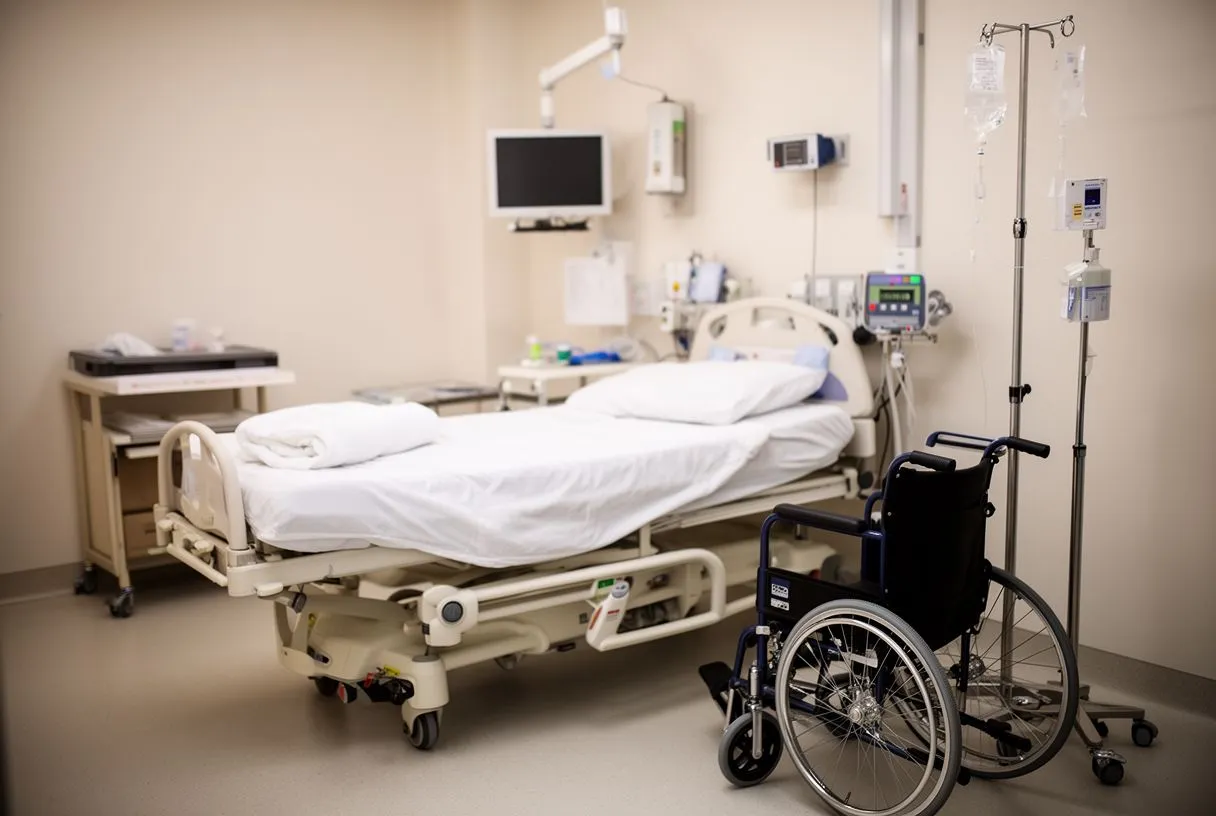
What does early mobilization look like? Recovery is active, not passive. Within a day or two, the nursing staff will help you sit up, stand, and eventually walk. This early movement is vital for re-expanding your lungs, preventing blood clots, and waking up your digestive system. It also helps avoid clinical inertia in the treatment of heart failure, a major issue highlighted in recent cardiovascular research by Clinical inertia in the treatment of heart failure: a major issue to tackle..
How long until you return home? Most patients spend about a week in the hospital before being discharged to continue healing at home. The first few weeks involve managing your pain, taking medications like aspirin to prevent clots, and slowly increasing your physical activity. Your surgical team will schedule follow-up appointments to ensure your incisions are healing and your heart function is returning to normal.
How Does Heart-Lung Machine Use Differ in Valve Replacements?
When heart-lung machine surgery is used for valve replacements, the approach can vary significantly depending on the specific valve and the patient's anatomy. For traditional aortic valve replacements, the machine provides the necessary stillness to remove the diseased valve and carefully suture a new prosthetic valve, or even a biological autograft, into place. This precision is crucial for ensuring the new valve functions correctly without leaking.
How do minimally invasive valve options differ? Not all valve replacements require the full support of the bypass machine. For older or high-risk patients, transcatheter aortic valve replacement (TAVR) is often used. In a TAVR procedure, a balloon-expandable valve is guided through a catheter, often from the groin, and expanded inside the old valve without stopping the heart, eliminating the need for the bypass machine entirely.
What role do balloons play in valve preparation? In some cases, a procedure called balloon aortic valvuloplasty is performed beforehand to stretch a narrowed valve and relieve symptoms. While these catheter-based techniques have transformed care, many complex valve repairs still rely on the direct, open access provided by traditional surgical methods, which remain the standard for durability and long-term outcomes.
Can Heart-Lung Machine Surgery Treat Congenital Heart Defects?
The bypass machine is not just for older adults; it is an essential tool in pediatric cardiac surgery, where it is used to repair congenital heart defects in infants and children. These structural abnormalities, present from birth, require precise surgical correction to ensure the child's heart can grow and function normally. The machine allows surgeons to stop the tiny, delicate heart to repair holes in the walls or reconstruct malformed vessels.
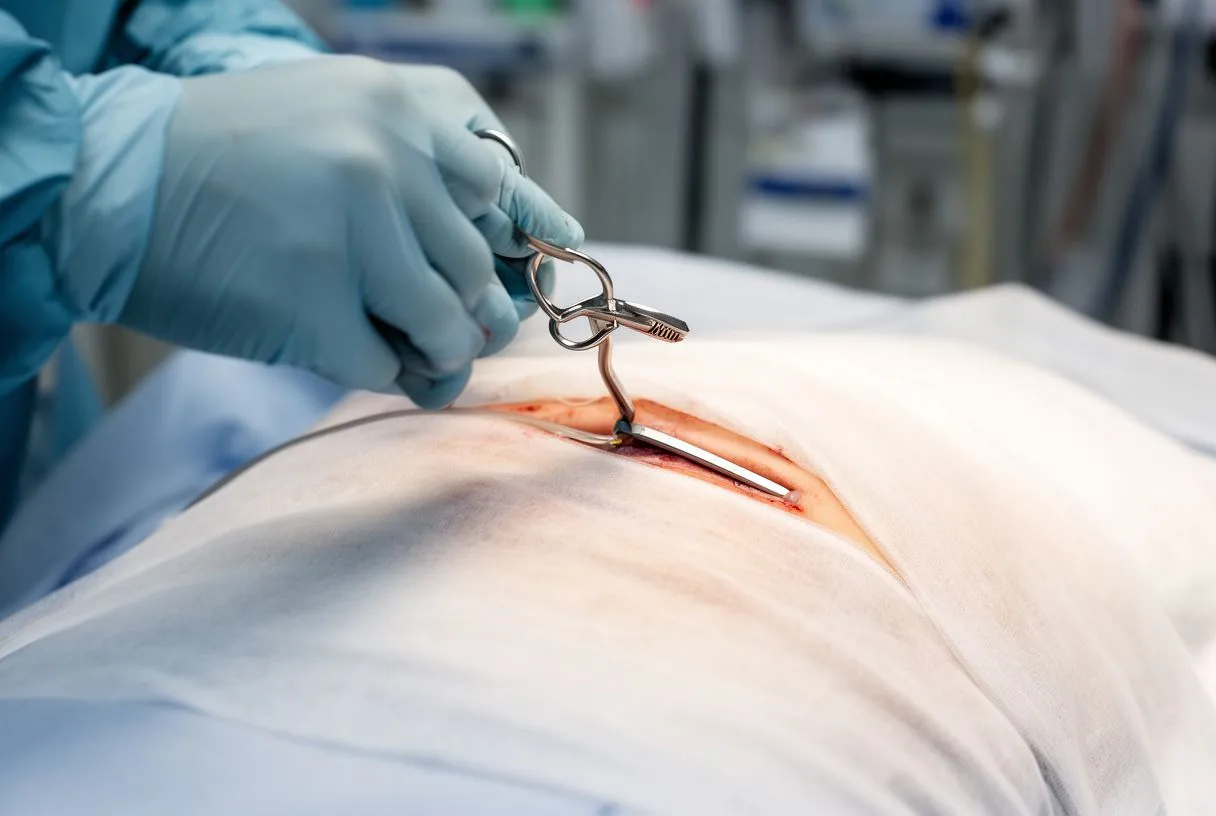
How common are these structural defects? Congenital heart defects are the most common type of birth defect, affecting thousands of infants worldwide every year. A comprehensive Global birth prevalence of congenital heart defects 1970-2017: updated systematic review and meta-analysis of 260 studies. highlights the critical need for advanced surgical technologies to address these variations, ranging from mild conditions to complex, life-threatening anomalies that require intervention shortly after birth.
What is the long-term outlook for these children? With modern surgical techniques and the reliable support of the bypass machine, the outcomes for pediatric heart surgery are remarkably strong. Many children undergo a single repair and go on to live active, healthy lives, though some complex conditions may require multiple staged surgeries as the child grows.
When Should You Discuss Heart-Lung Machine Surgery With Your Cardiac Team?
Navigating the prospect of heart surgery is deeply personal, and understanding the tools involved, like the bypass machine, empowers you to make informed decisions. Knowing how the machine functions, the protections it offers, and the realities of recovery helps demystify the operating room. The goal is not to alarm you, but to provide the clear, anatomical knowledge you need to approach your procedure with confidence.
What questions should you ask your surgeon? Engaging with your medical team is a vital part of preparation. You should feel comfortable asking about their specific experience with the bypass machine, the exact plan for your operation, and what your individual recovery timeline might look like based on your specific health profile.
- Risk evaluation: Ask how your EuroSCORE II was calculated and what it means for your specific case.
- Facility capabilities: Confirm the hospital has a dedicated perfusion team and intensive care unit experienced in post-bypass recovery.
- Alternative options: Discuss whether a beating-heart technique or a catheter-based approach is suitable for your condition.
How do you take the next step? Every heart condition is unique, and medical information online cannot replace a professional evaluation. We encourage you to discuss your specific symptoms, diagnostic tests, and surgical options with a qualified cardiac team. Booking a consultation is the most important step toward understanding your condition and finding the lowest risk, most effective path forward for your heart health.